REVIEW · SOUTH COAST
Cooking Class at La Plantation
Book on Viator →Operated by La Plantation · Bookable on Viator
Cooking with Kampot pepper beats another day of temples. This La Plantation Khmer class gives you a hands-on food lesson plus a guided market look, all in a small group. I like the personalized pacing and the way you’re taught ingredients you may never have heard of. One catch: with only about two hours, it’s more about technique and flavor than a full recipe mastery course.
My favorite part is how practical the instruction feels. The chef-led flow centers on learning spices from their pepper farm, then cooking Khmer dishes yourself, and finally sitting down to eat your creation for lunch. One review singled out Ning (spelling may vary) for clear, confident guidance, and that tracks with the overall vibe: you get to do the work, not just watch it.
If you’re basing yourself in Kampot, there’s an optional pickup mentioned from town (extra cost), which can save time and hassle. If you hate early starts, check the exact class time in your confirmation, because the schedule is listed at 10am while at least one account mentions 11am.
In This Review
- Key highlights you should know before you book
- Why La Plantation and Kampot pepper belong together
- The real itinerary: from the spice intro to lunch on your plate
- Getting started at La Plantation
- A guided market look (with your future ingredients in mind)
- Cooking traditional Khmer dishes in a small group
- Lunch and the Kampot pepper ice cream finish
- The spice-farm start: what it adds to your cooking
- Market time: learning ingredients you’ll actually use
- Getting hands-on: what group size really means here
- What you make: Khmer dishes and recipes to take home
- Price and value: is $36 fair for what you get?
- Practical notes so your morning goes smoothly
- Should you book La Plantation’s Khmer cooking class?
- FAQ
- What is the price for the cooking class at La Plantation?
- How long is the cooking class?
- How big is the group?
- What’s included in the experience?
- Where does the experience start?
- Is pickup available from Kampot town?
- What is the cancellation policy?
Key highlights you should know before you book
- Small group cap (10 people) for real interaction, not a crowd scene
- Pepper-farm spice intro so the flavors have a real source story
- Market walk with a guide to connect ingredients to everyday Cambodian cooking
- Cook traditional Khmer dishes (about three dishes), with rotating prep so more people get hands-on
- Lunch plus Kampot pepper ice cream included, so you’re not just paying to learn
Why La Plantation and Kampot pepper belong together
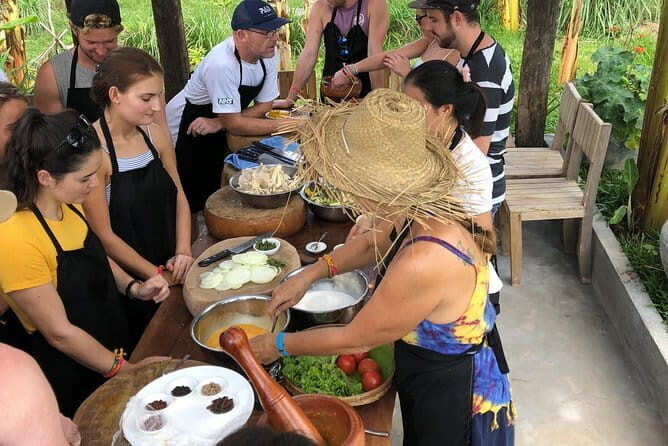
Kampot is famous for Kampot peppercorns, and La Plantation builds the whole experience around that idea: you’re not just eating spice. You’re meeting it first.
That matters because pepper in Khmer cooking isn’t treated like a last-minute seasoning. Here, the focus is on spices they grow on their own pepper farm, introduced right at the start. You’ll get a better sense of what makes Kampot pepper different, and how that shows up in the dishes you end up cooking. One review also points to a pepper tasting as part of the day, which is a smart way to train your palate before you start adding anything to the pot.
Also, this feels less like a scripted “tourist kitchen” and more like a working agricultural spot tied to food. The reviews describe it as good value and not a tourist trap, and the small-group size supports that. You’re more likely to ask questions and get answers instead of being one face in a group photo.
You can also read our reviews of more tours and experiences in South Coast.
The real itinerary: from the spice intro to lunch on your plate
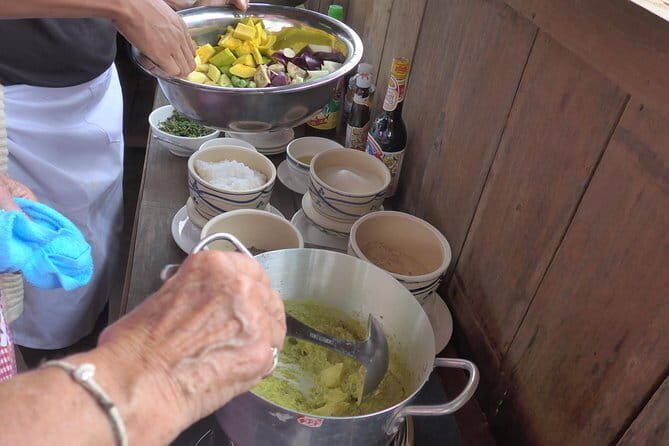
The class runs about two hours. The day is built around a simple rhythm: start at La Plantation, learn the spice base, cook Khmer dishes together, then eat lunch.
Here’s how the flow typically goes:
Getting started at La Plantation
You meet at La Plantation in Bosjheng village (near Kampot). The cooking class is listed as starting around 10am, and you’ll begin with an introduction to the spices they grow on their pepper farm. If you arrive hungry, good. This part is meant to set your expectations for the flavors you’ll use later.
A guided market look (with your future ingredients in mind)
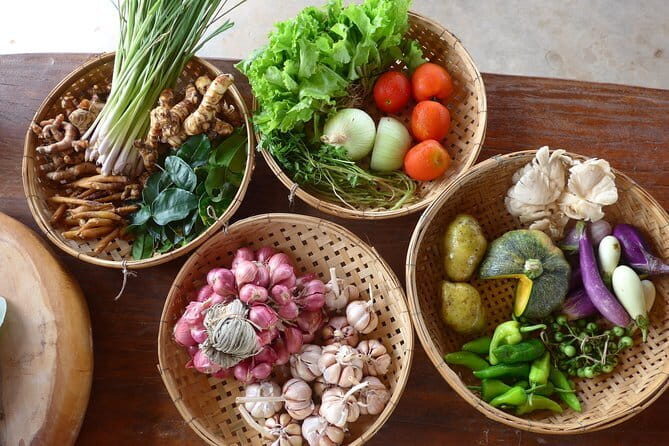
Part of the overall experience includes exploring a local market with a guide. You’re not shopping for souvenirs here—you’re spotting ingredients, learning how they’re used, and building the “why” behind the cooking. Even if your market time is short, it makes the kitchen lesson click faster because you’ve already seen the raw materials.
Practical tip: go in with a curious mindset. If you notice a spice you can’t identify, ask the guide. This is exactly the sort of ingredient “you may not have heard of” that the experience is promising.
Cooking traditional Khmer dishes in a small group
After the intro, you move into cooking. Multiple accounts mention making about three local dishes, and the key is that it’s hands-on. The instruction is described as clear and friendly, and you’ll be supported by assistants as well as the chef/instructor.
One common complaint in the feedback was that some cooking classes become too watch-y when a group is large. La Plantation addressed that directly: they rotate cutting and prep tasks among the team and change activities every 10 minutes, so people can keep experimenting with the fun parts (like coconut milk-based elements mentioned in one response).
So if you’re hoping to actually taste, chop, stir, and shape dishes—not just stand near a counter—this rotation approach is a big plus.
Lunch and the Kampot pepper ice cream finish
You enjoy what you make at lunch time. And to make sure the experience ends on a sweet note, Kampot Pepper ice cream is included.
I love meals where you can connect the final flavor to the earlier farm intro. Pepper ice cream does that. It turns a spice lesson into a real “aha” memory.
The spice-farm start: what it adds to your cooking
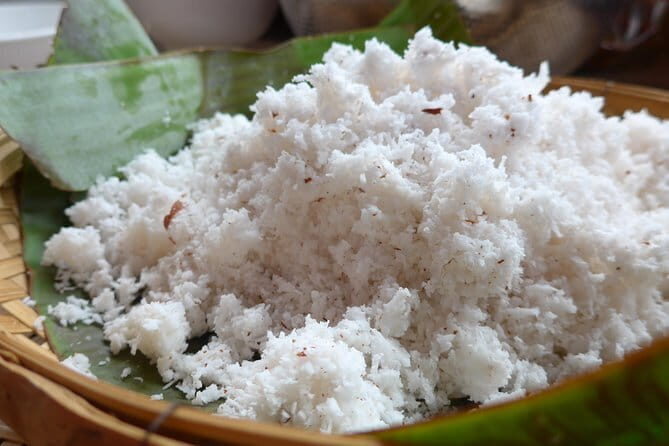
Most cooking classes start with a recipe card and a list of ingredients. This one starts with a farm story, specifically around spices they grow and Kampot pepper.
That farm-first approach is useful for two reasons:
- You learn flavor logic. Instead of memorizing a step, you learn why the spice matters and what changing it would do.
- You remember what you tasted. The “source” makes it easier to replicate the flavor later at home.
If you’ve never cooked with Southeast Asian spices, this kind of intro is especially helpful. Even when you can’t replicate everything exactly, you’ll know what you’re aiming for.
Market time: learning ingredients you’ll actually use

The market stop is one of the ways this class goes beyond cooking alone. A guide takes you through local ingredients so you can understand what shows up in Khmer kitchens and why.
You can expect the market component to function like an ingredient briefing:
- You see key items you’ll cook with
- You get context for how spices and common produce behave in Khmer dishes
- You learn which flavors matter most
Even if you only spend a short stretch in the market, it changes how you cook in the next phase. Ingredients stop being random and start being meaningful.
Getting hands-on: what group size really means here
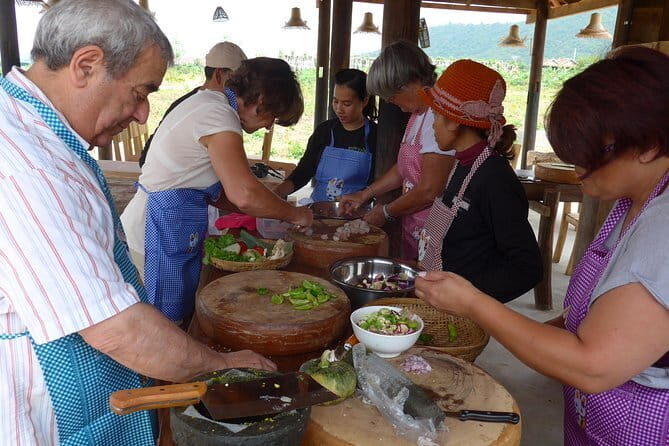
The class caps at 10 travelers, and the difference shows up quickly when you’re cooking. Smaller groups reduce waiting time and make it easier for the chef/instructor to correct technique.
That said, cooking spaces can get busy when everyone is doing their own tasks at once. One piece of feedback mentioned the class felt like a larger group for the cooking portion, and the operator responded by adjusting the cutting and preparation rotation every 10 minutes.
So here’s how I’d think about it:
- If you want maximum time on every task, the rotation means you’ll still share prep time.
- If you want variety and chances to participate, the rotation is a plus.
Either way, you’ll be in the kitchen, and that’s the point.
What you make: Khmer dishes and recipes to take home

You’ll learn to cook traditional Khmer dishes, and the experience also mentions that you can even bring recipes home. I like that detail because it turns the class into something you can repeat later, even if you tweak ingredients based on what you find in your own grocery stores.
One review described the class as very rewarding participation and another called it an informative introduction that ended in a tasty meal. That’s exactly what a good cooking class should do: teach you something, then feed you what you made.
The dishes themselves aren’t listed by name in the provided info, so I can’t promise a specific menu. But you can expect multiple Khmer dishes, commonly described as three dishes in accounts.
Price and value: is $36 fair for what you get?
At $36 per person for about two hours, the price is actually reasonable—especially when you match it to what’s included.
Here’s the value math as I see it:
- You get a pepper-farm spice intro tied to their grown ingredients
- You get a guided market visit
- You cook traditional Khmer dishes hands-on in a small group
- You eat lunch (your own cooking)
- You receive Kampot pepper ice cream included
- You get a personal feel from the small group size (max 10)
That’s a lot more than a basic “cook and leave” class. It’s closer to a half-day food experience with multiple touchpoints.
Two pricing notes to keep in your back pocket:
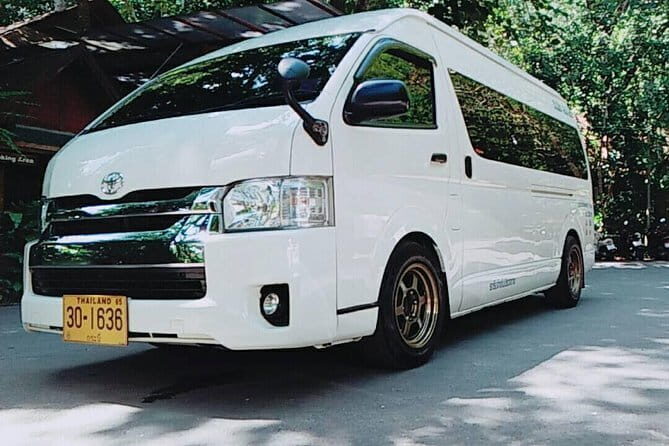
- Some schedules mention a pickup from Kampot town for an extra $7 per person. If you’re staying in town and don’t want a taxi, it can be worth it.
- One review said the class may run daily at 11am, while the listed start time is 10am. Confirm before you plan your day.
Also, the experience is often booked about 15 days in advance on average, which suggests demand. If you travel in peak season or around weekends, it’s smart to reserve ahead.
Practical notes so your morning goes smoothly

A few details will help you enjoy the day more:
- Come hungry. You eat lunch after cooking, and multiple accounts emphasize you should arrive with appetite.
- Bring questions. If you notice ingredients in the market or on the spice list, ask the guide or instructor. The class is built for learning, not passive watching.
- Plan for rotation. If you care about doing every prep task, remember they rotate activities every 10 minutes so more people participate. That’s good for fairness; it may not let you stay on one station nonstop.
- Facilities check: one response mentioned toilet improvements were planned for September. If bathroom comfort is a major priority for you, keep that in mind.
Finally, you’ll receive confirmation within 48 hours of booking (subject to availability), and the tour uses a mobile ticket.
Should you book La Plantation’s Khmer cooking class?
If you want an experience where food connects to place—pepper farm to spice instruction to market ingredients to the meal you make—this is a strong choice. The small group size, hands-on cooking, and included lunch plus Kampot pepper ice cream make it feel like real value, not just a “one-hour activity with a snack.”
Book it especially if:
- You love cooking and want a class that’s practical
- You’re interested in Kampot pepper beyond tasting it once
- You prefer smaller, more guided experiences
I’d think twice if:
- You’re looking for a long course where you master one dish step-by-step for hours. This one is short and sweet.
- You need absolute certainty on start time—because the listing and at least one account differ, confirmation matters.
FAQ
What is the price for the cooking class at La Plantation?
It costs $36.00 per person.
How long is the cooking class?
The duration is about 2 hours.
How big is the group?
The class has a maximum group size of 10 travelers.
What’s included in the experience?
You’ll do a Khmer cooking class with a spice introduction from their pepper farm, cook traditional Khmer dishes, enjoy your creation for lunch, and get Kampot Pepper ice cream. A local market visit with a guide is also part of the experience.
Where does the experience start?
The meeting point is at La Plantation in Bosjheng village, Kampot. The tour ends back at the meeting point.
Is pickup available from Kampot town?
An optional pickup from Kampot town is mentioned in reviews as an extra cost of $7 per person.
What is the cancellation policy?
Free cancellation is available. You can cancel up to 24 hours in advance for a full refund. If you cancel less than 24 hours before the start time, the amount paid is not refunded.
If you want, tell me your travel dates and where you’re staying in Kampot/Kep, and I’ll help you plan the day around this class time.