REVIEW · OUDONG
Oudong Mountain – Phnom Penh Former Capital Private Day Tour
Book on GetYourGuide →Operated by Visal Tuk-Tuk Tours in Phnom Penh · Bookable on GetYourGuide
Oudong Mountain is the history lesson that climbs back at you. On this private day tour, you’ll connect the dots between Wat Phnom and Oudong, then earn your view with a 500-step ascent to striking stupas and a white-marble temple.
I especially liked the way the day mixes big sites with smaller, human-scale moments: watching craftwork at the silversmith village and wandering around the quieter religious grounds at the Buddhist meditation centre. The one thing to consider is the effort level—this isn’t a sit-and-snap tour, and it’s not suitable for people with mobility impairments.
Key points worth knowing
- Wat Phnom meets Oudong: learn how two former capitals link through Khmer history and sacred storytelling
- Koh Chen craft stop: watch artisans make silver, copper, and brass pieces, with time to browse or buy
- The 500-step climb to the top: a well-carved staircase, timed so you reach before peak heat
- Sihanouk’s ashes at the white marble Wat: a powerful stop with great photo angles
- Two-hill walking loop at the summit: wander among stupas on both sides before returning via an alternate route
- Sontte Wan Buddhist Meditation Centre: traditional Cambodian buildings, largely run by Buddhist nuns, and a calmer end to the day
In This Review
- Oudong Mountain: The Quiet Detour That Changes Your View of Phnom Penh
- Wat Phnom and Lady Penh: The Former-Capital Connection You’ll Actually Remember
- Koh Chen Silversmithing Village: Where Metal Becomes Personal
- Riding Out of Phnom Penh: The Part That Makes It Feel Like a Day Trip
- Oudong Mountain Arrival and the Climb: 500 Steps, Built for Patience
- The White Marble Wat and Sihanouk’s Ashes: Why This Top Matters
- Two Hills, Stupas Everywhere: Turning the Summit Walk Into a Real Circuit
- The Base Market Moment: A Simple Way to Feel Daily Life
- Sontte Wan Buddhist Meditation Centre: Calm Buildings, Photo-Friendly Grounds
- Logistics and What to Bring for an 8-Hour Khmer Temple Day
- Price and Value: Why $40 Can Work for the Right Traveller
- Should You Book This Oudong Mountain Private Day Tour?
- FAQ
- How long is the Oudong Mountain private day tour?
- How much does it cost?
- What’s included in the price?
- Is lunch included?
- Do you provide drinking water during the tour?
- How many steps do I need to climb on Oudong Mountain?
- Is there an entry fee to go up the stairs?
- Where does the silversmithing stop take place?
- What languages are the live guides?
- Can I get a full refund if I cancel?
Oudong Mountain: The Quiet Detour That Changes Your View of Phnom Penh
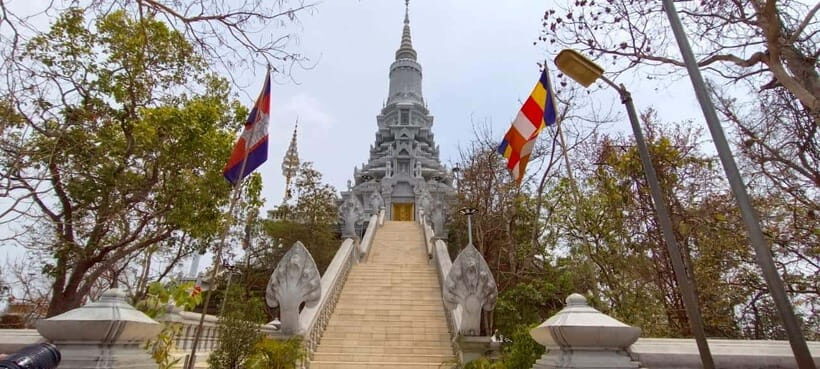
If Phnom Penh feels like one big cultural whirlwind, Oudong is the slower chapter. You leave the city for countryside villages, then come back with a sense of how royal power and Buddhism shaped this part of Cambodia.
I like that the tour doesn’t just drop you at viewpoints. It gives you context at every stop, so when you see pagodas and stupas, they’re not just pretty shapes. You’ll understand why they’re there, who they served, and why the details matter.
Wat Phnom and Lady Penh: The Former-Capital Connection You’ll Actually Remember
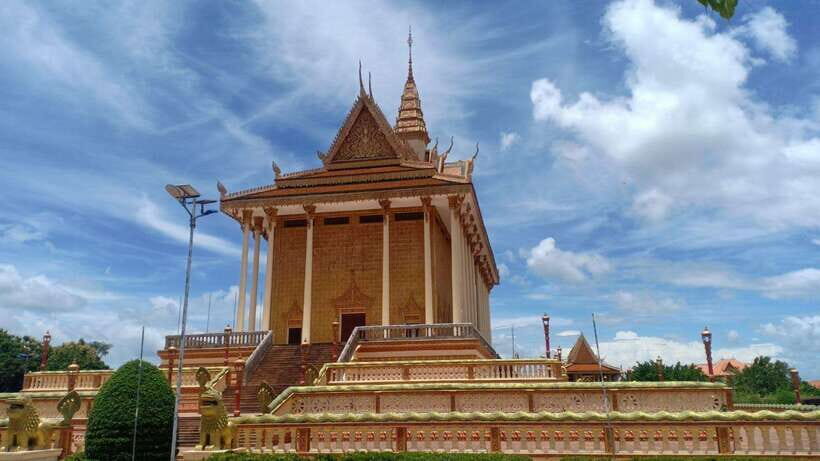
The day starts with a visit to Wat Phnom in the heart of Phnom Penh, plus the nearby Lady Penh statue. This is the perfect opener because it sets the tone: sacred sites here are tied to leadership, migration, and the founding stories of the capital.
What I’d call the payoff is the way your guide ties Wat Phnom to Oudong Mountain as another former capital. You’ll get the big idea quickly: these places aren’t random stops—they’re linked by Khmer history and by how Cambodians remember their past through religious landmarks.
Practical note: you’ll be on your feet and taking photos. Wear comfortable clothes and shoes that can handle uneven ground around temples and statues.
Koh Chen Silversmithing Village: Where Metal Becomes Personal
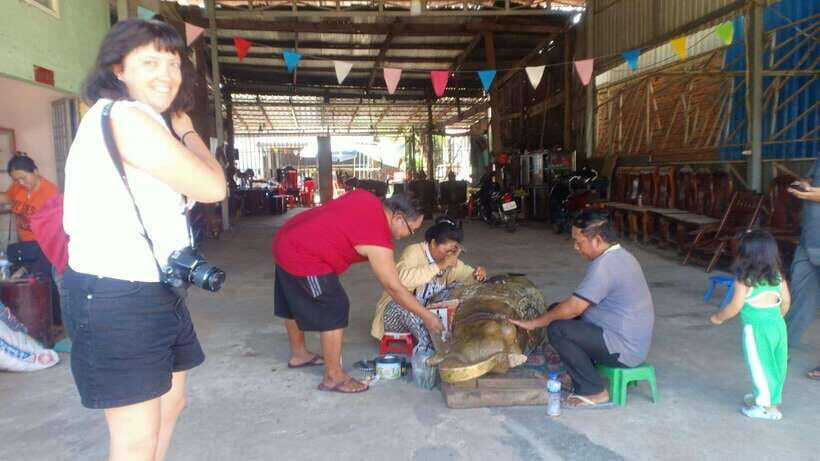
Next you head toward Koh Chen, a well-known silversmithing village. This is where the tour switches gears from monumental history to everyday skill. You’ll see artisans crafting silver, copper, and brass items, often including jewellery and small artifacts.
I like this stop because it’s short enough to fit the day without dragging, but detailed enough to feel real. The best part is watching the work happen rather than just looking at finished souvenirs.
You’ll also have time to browse, and if something catches your eye, you can purchase. Even if you don’t buy, it’s a good place to slow down, ask questions, and see how craft traditions keep going outside the city spotlight.
Riding Out of Phnom Penh: The Part That Makes It Feel Like a Day Trip
Travel time matters on tours like this, and here it’s used well. After Wat Phnom, you’ll drive north out of Phnom Penh toward Oudong Mountain, with breaks that keep the day from feeling like one long rush.
There’s a small pause while you’re in Koh Chen, then you continue on to Oudong. The timing is key: you arrive before the heat really ramps up, which makes the climb feel way more manageable.
The ride is part of the experience too. You’ll get that countryside-air feeling as you move between stops, and it’s a good reset if you’ve been stuck in traffic and crowds.
Oudong Mountain Arrival and the Climb: 500 Steps, Built for Patience
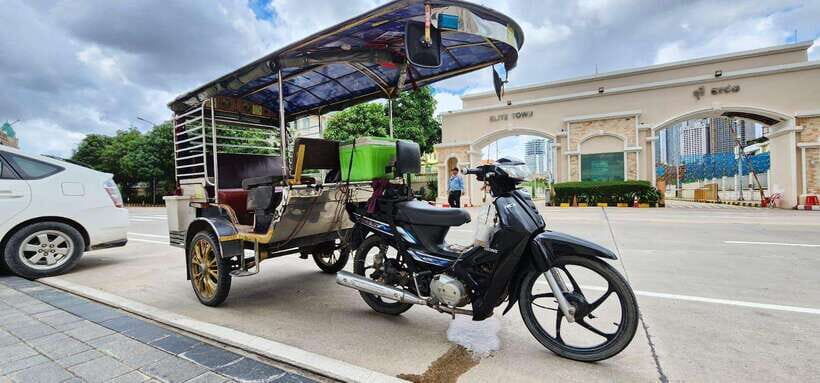
Once you arrive, you can see Oudong Mountain well before you reach it. That’s helpful because you start mentally preparing for the ascent rather than being surprised by it later.
Oudong’s name is tied to the idea of “high” or “supreme,” and it’s the only mountain rising out of the floodplains. That alone makes the place feel different from flat temple grounds.
There’s a small entry fee—$1—to go up the staircase from the carpark to the top. Then comes the main challenge: 500 well-formed steps. The good news is that the staircase is carved and clear, so it’s less about scrambling and more about steady effort.
My practical advice:
- Start slow. The first stretch always feels steeper than your brain expects.
- Use breaks if you need them. The goal is to reach the top with energy, not to “win” the climb.
- Bring a hat and plenty of water. Drinking water is supplied for the day, but you’ll still want to sip as you go.
The White Marble Wat and Sihanouk’s Ashes: Why This Top Matters
The highlight at the top is the grand white marble Wat. It’s surrounded by four elevated platforms, which helps you understand the layout is meant for ceremony and gathering—not just walking paths.
A big reason people come here is because the Wat holds King Norodom Sihanouk’s ashes, interned there in 2014. That detail changes how you experience the space. You’re not just looking at architecture; you’re standing at a memorial site with national importance.
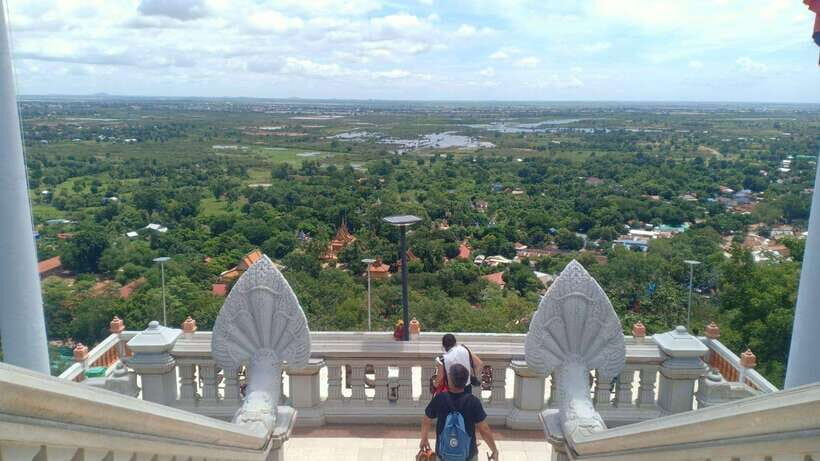
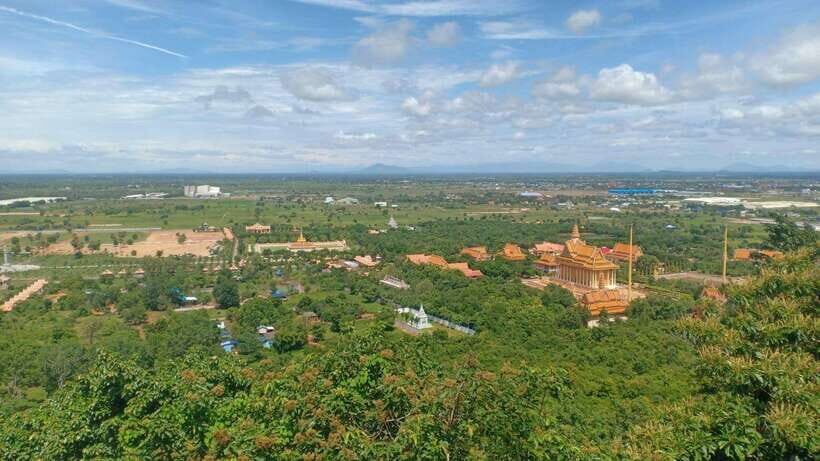
This is also where the best photo opportunities show up. Views open out across the surrounding plains, and the temple’s bright surfaces contrast with the sky and greenery.
If you’re worried about getting there in time, don’t be. The tour is designed to reach Oudong before peak heat, so you’re not climbing in the hottest part of the day.
Two Hills, Stupas Everywhere: Turning the Summit Walk Into a Real Circuit
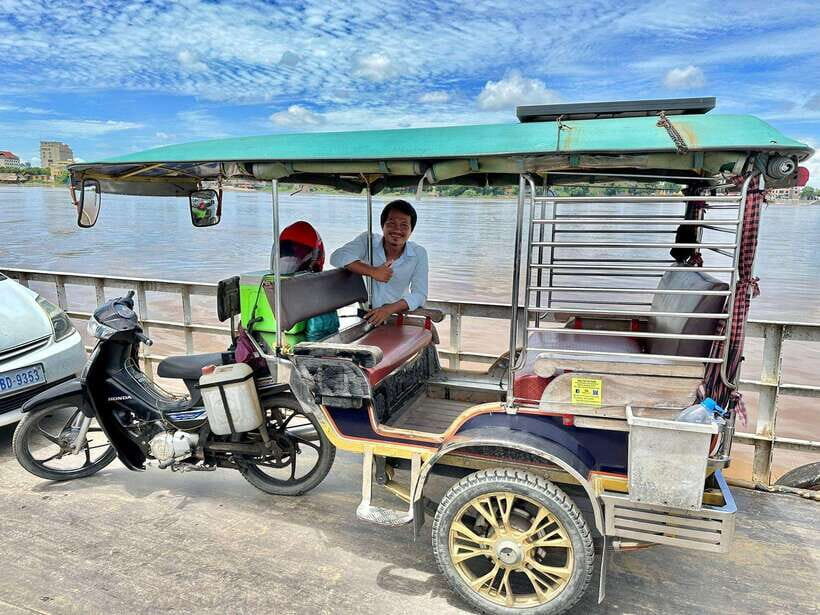
Oudong Mountain isn’t one straight climb to one single temple. It’s made up of two hills, and you’ll cross the short distance between them.
From there, you’ll stroll around the other impressive stupas. These include memorials for former kings, so the summit walk becomes a mix of sightseeing and remembrance. It’s the kind of place where your photos will look different depending on which angle you take, because each elevated structure frames the view in its own way.
When it’s time to head back down, you’ll return via an alternate route to the carpark. That small change helps the day feel less repetitive, and it gives you a chance to see more of the hill’s layout rather than retracing every step.
The Base Market Moment: A Simple Way to Feel Daily Life
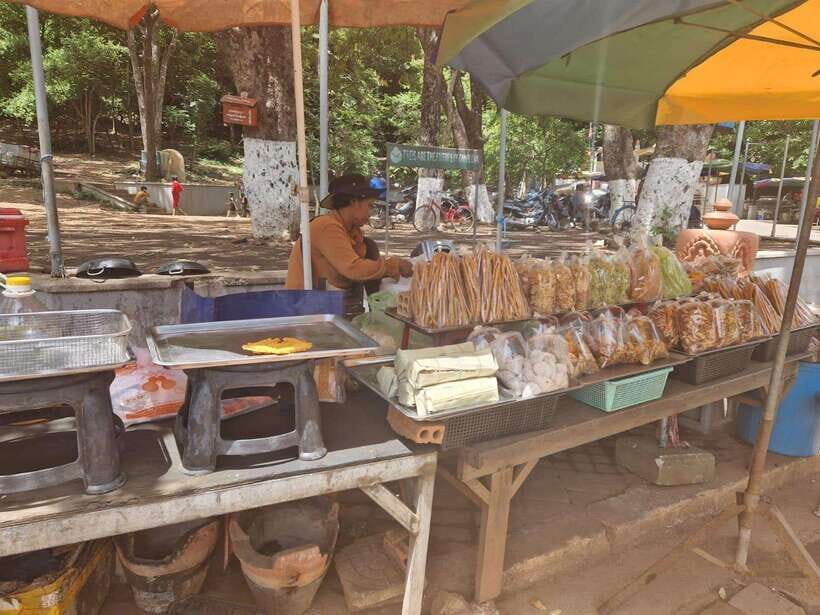
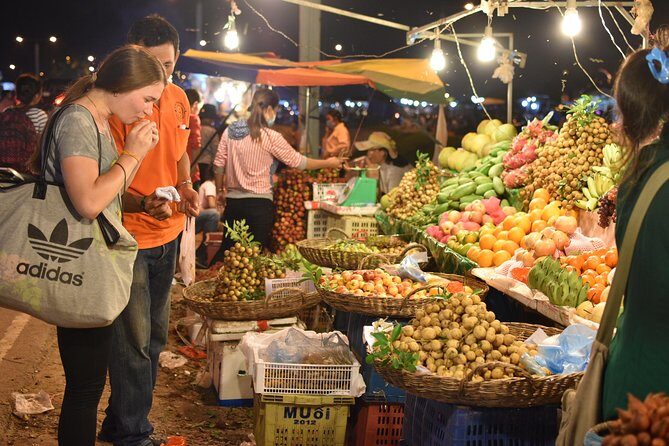
Before heading to the final Buddhist sites, you’ll stop at a local market at the base of Oudong Mountain. This isn’t a long shopping detour. It’s more of a quick wander—enough to soak up daily rhythm and pick up small snacks or cool down if you want.
I like adding markets near temples because it keeps the day grounded. You go from sacred architecture to regular life in a short walk, which helps you remember you’re visiting a living place, not a museum set.
Sontte Wan Buddhist Meditation Centre: Calm Buildings, Photo-Friendly Grounds
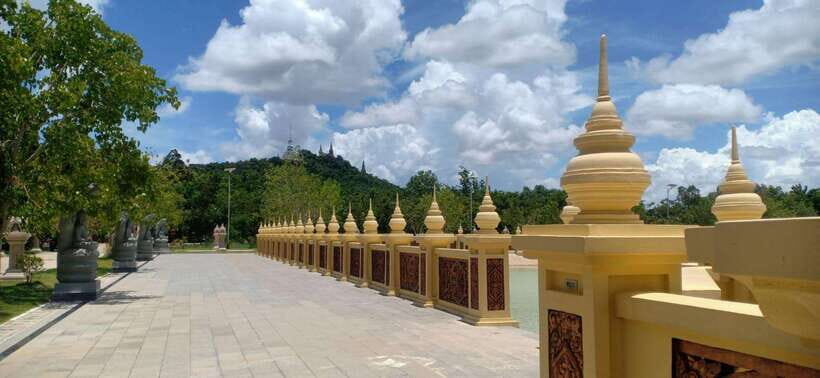
The last major site is the Sontte Wan Buddhist Meditation Centre, described as the largest Buddhist centre in Cambodia on this route. This is a different vibe after the stair climb.
The buildings are in traditional Cambodian style and are predominantly occupied by Buddhist nuns. You’ll have freedom to wander and photograph the grounds. It’s one of those places where taking time matters. You’ll likely want to slow down, look at the structures, and absorb the quiet.
There’s also a stop here that works well if you’re the kind of traveller who likes a reflective ending. The day builds from founding stories and craftsmanship to the physical effort of the climb, then lands on calm and ceremony.
If you’re going on a hot day, this is where you’ll feel the relief. Shade and stillness show up in a way that feels earned.
Logistics and What to Bring for an 8-Hour Khmer Temple Day
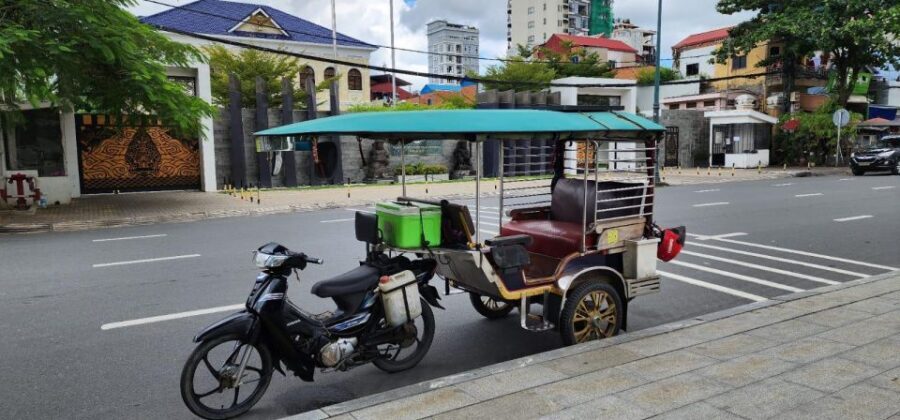
This is listed as an 8-hour private tour, and the pace makes sense: you’re not just driving. You’re walking, climbing, and doing short visits between sites.
What to bring:
- Comfortable shoes with grip
- Hat for the climb and outdoor photos
- Comfortable clothes you can move in
- Camera, because the temple details and summit views are photo-worthy
Weather check: umbrellas are available if you get intermittent rain. Drinking water is supplied for the day, which is a real relief on stair-heavy tours.
One more practical note: the climb is a real physical commitment. If you’re unsure, you can plan to take it slow and rest when needed. But if mobility is a concern, this one isn’t a match.
Price and Value: Why $40 Can Work for the Right Traveller
At $40 per person, this tour can feel like a bargain when you compare what you’re getting. You’re paying for a full day with hotel pickup, entrance fees (including the Oudong Mountain fee), guide time in English, plus transport between Phnom Penh, Koh Chen, Oudong, and the Buddhist meditation centre.
You also get variety: major historical links in the city, an artisan craft workshop, a real climb with big views, then a quieter spiritual finale. That mix is where the value really shows.
Lunch is not included, so if you get hungry between stops, plan to grab something on your own. It’s a small missing piece, but not a deal-breaker if you budget for food separately.
Who should book this:
- You want a day outside Phnom Penh without losing the comfort of a private guide
- You like history with explanations, not just photo stops
- You enjoy craft and culture as much as temples and views
- You can handle stairs and heat
Should You Book This Oudong Mountain Private Day Tour?
If you want a day that feels both meaningful and practical, I’d book it. The strength here is the way the day flows: Wat Phnom to Oudong, craft at Koh Chen, the 500-step climb, then a calm finish at Sontte Wan. It’s a full package that doesn’t feel stuffed.
Skip it if you can’t manage stairs for long stretches. And if you hate walking in warm weather, you’ll still feel the heat even with water and good timing.
If you go, pick your moment for photos: aim for summit pictures when the light is flattering, and don’t rush the Buddhist meditation centre. That’s where the day’s story lands.
One last tip: if your guide is someone like Mr. Vann, Visal, Mr. Lim, or Elvis (names you may hear on this route), you’ll likely get strong English and a relaxed, attentive day. A great guide can turn the climb into a story you remember, not just a workout you survive.
FAQ
How long is the Oudong Mountain private day tour?
The tour lasts 8 hours in total, from hotel pickup in Phnom Penh to returning back to the city.
How much does it cost?
The price is $40 per person.
What’s included in the price?
Hotel pickup and entrance fees are included, along with Wat Phnom Temple and the nearby Lady Penh statue, driving through countryside and villages, the silversmithing workshop and village, Oudong Mountain stupas and temple with photographic views, a local market stop, and the Sontte Wan Buddhist Meditation Centre.
Is lunch included?
No. Lunch is not included.
Do you provide drinking water during the tour?
Yes. Drinking water will be supplied for the day.
How many steps do I need to climb on Oudong Mountain?
You’ll climb 500 steps to reach the top.
Is there an entry fee to go up the stairs?
Yes. There is a small entry fee of $1 to go up the 500-step stairway.
Where does the silversmithing stop take place?
The tour stops at Koh Chen, a silversmithing village known for silver, copper, and brass jewellery and small artifacts.
What languages are the live guides?
The live tour guide provides commentary in English and Cambodian.
Can I get a full refund if I cancel?
Yes. Free cancellation is available up to 24 hours in advance for a full refund.