REVIEW · KAOH KER
Koh Ker, Beng Mealea and floating village.
Book on GetYourGuide →Operated by Angkor One Daily Tour · Bookable on GetYourGuide
A full day of temples and water villages can feel like a cheat code. I love how this trip mixes untouched ruins at Beng Mealea with the myth-heavy pyramid at Koh Ker, then ends on a floating community at Kompong Kleang. One thing to consider: the extra entrance fees for Koh Ker and Kompong Kleang mean your total cost can rise above the base price.
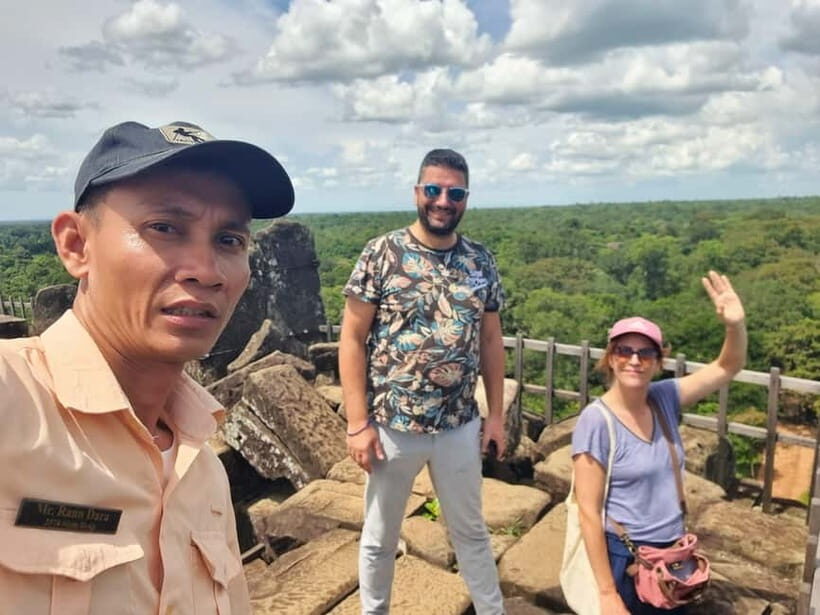
You’ll start with hotel pickup in Siem Reap Province, ride in air-conditioned transport, and go with a local licensed English guide. If you get a guide like Rum Dara or Rann Dara (both were highlighted for clear explanations), you’ll likely come away with better context than you expected.
The itinerary also includes a long stretch of driving between sites. You’ll be out all day (around 8:00 to 18:30 based on one full-day experience), so it’s best if you don’t mind sitting in a car while Cambodia goes by the window.
In This Review
- Key things I’d plan around
- How this trip fits into a Siem Reap itinerary
- The real-world cost: what $60 means after tickets
- Hotel pickup and the pace of the day
- Stop 1: Beng Mealea’s untouched ruins
- Stop 2: Koh Ker and Prasat Thom, the pyramid moment
- Stop 3: Kompong Kleang floating village at sunset
- Guides can make or break a day like this
- What’s included, what’s on you
- Who should book this Koh Ker + floating village day trip
- Should you book Angkor One Daily Tour for these three stops?
- FAQ
- Is lunch included?
- Do I need an Angkor pass for Beng Mealea?
- How much are the entrance fees for Koh Ker and Kompong Kleang?
- What does the $60 per person price include?
- Is the tour accessible for a wheelchair?
- Is the tour refundable if my plans change?
Key things I’d plan around
- Beng Mealea feels raw and un-restored, like it’s still waiting to be discovered
- Koh Ker’s Prasat Thom is the big pyramid moment, tied to Jayavarman IV
- Kompong Kleang is a working floating village, not a staged viewpoint
- Sunset is the payoff at the water, when the light softens everything
- Your total budget isn’t just the $60, since entrance fees apply at two stops
How this trip fits into a Siem Reap itinerary
If you’ve already done Angkor Wat and the usual circuits, this is a smart way to switch gears. This day trip takes you well off the main Angkor routes and gives you two kinds of Cambodia you don’t always get in one package: Khmer temple archaeology and life on the Tonle Sap.
I like that the day is structured around three distinct places instead of lots of “quick stops.” You get time to walk around Beng Mealea’s ruins, spend your focus on Koh Ker’s pyramid centerpiece, then finish with the slow, photo-friendly mood of Kompong Kleang at sunset.
The best-fit traveler is the one who enjoys being out of the crowd and likes explanations. The tour is built around a live English guide, and the wording on-site matters because several elements here are harder to interpret at a glance than the famous Angkor temples.
You can also read our reviews of more tours and experiences in Kaoh Ker.
The real-world cost: what $60 means after tickets
The advertised price is $60 per person, but that’s only part of the total. Meals aren’t included, and entrance-related costs are split like this:
- Beng Mealea: requires Angkor pass validation
- Koh Ker: $15 per adult (extra)
- Kompong Kleang floating village: $20 per person (extra)
So, if you’re budgeting, treat $60 as the cost of the day trip with guides and transport, then add the on-site fees where required. If you already have the right Angkor pass coverage for Beng Mealea, that helps keep the overall cost more predictable.
What I think makes the price feel fair is that you’re paying for a long-distance route, hotel pickup and drop-off, an English-speaking licensed guide, air-conditioned transport, and mineral water. You’re also told that you can skip the ticket line, which saves time when the day is already packed.
Hotel pickup and the pace of the day
This is the kind of tour that works because it removes effort from your plate. After breakfast, you’re picked up from the hotel area (with options that include Krong Siem Reap, Street 08) and then transported to the first temple area.
In plain terms: you’ll be in the car a lot. The transfers are long enough that you’ll feel the distance between sites: Beng Mealea is about 70 km out of town, Koh Ker is another stretch away, then Kompong Kleang comes later in the day. The schedule is designed so you still get a sunset moment at the water village.
If you prefer a slow day, this might feel intense. But if you want maximum variety in one go—temples plus floating village—you’ll probably find the pace worthwhile.
Stop 1: Beng Mealea’s untouched ruins
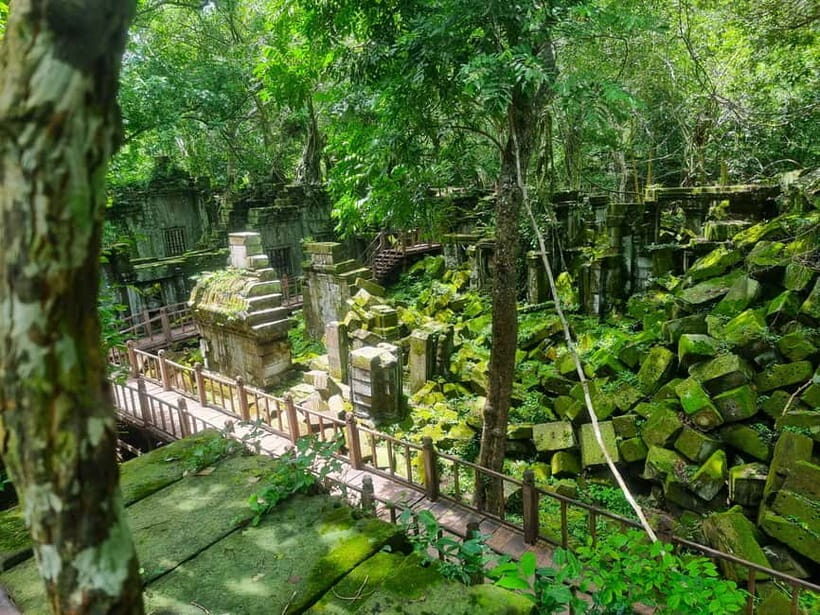
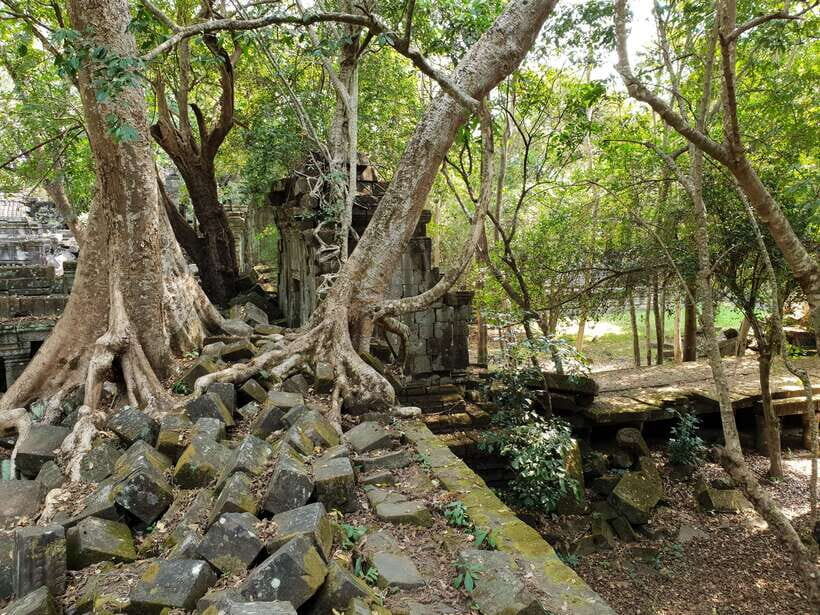
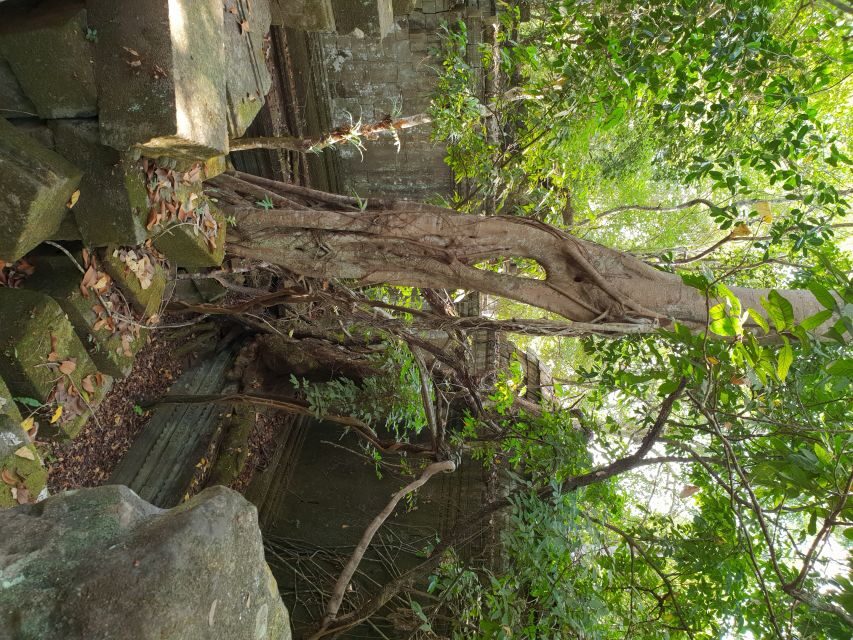
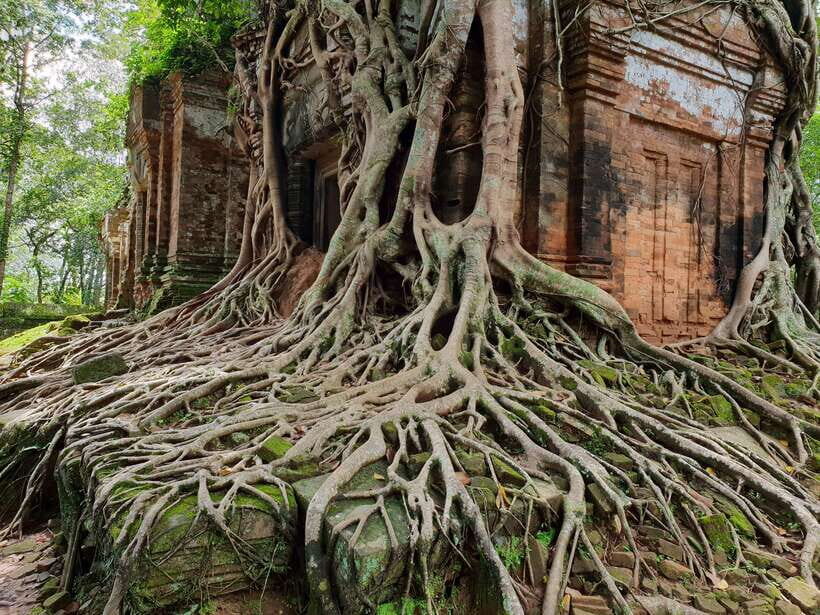
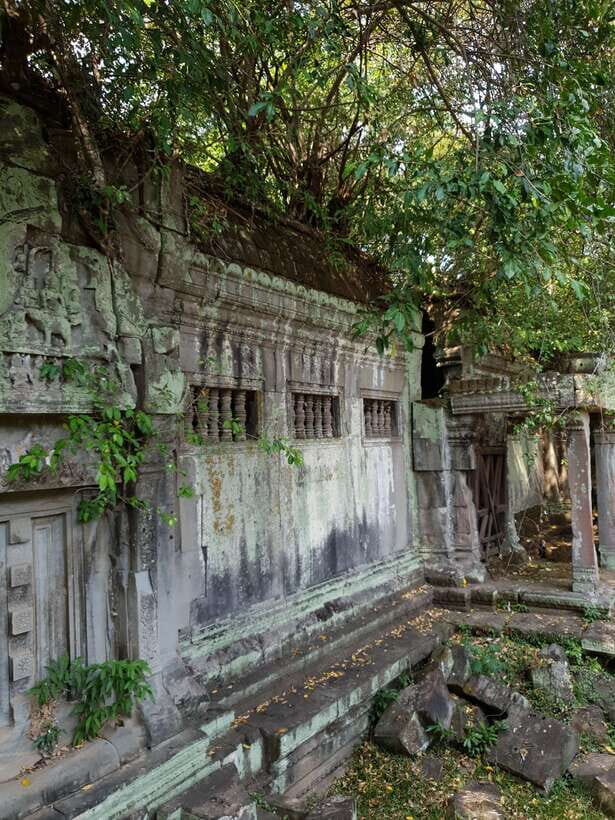
Beng Mealea is the “no makeover” stop. The idea here is simple: you’re going to a temple area described as untouched from the first discovery, left in a more natural state the way scholars first found it.
What that means for you on-site is a different mood than the restored Angkor zones. Instead of everything looking curated and polished, you get a more rugged sense of time and wear. It feels closer to ruins in their original setting—messy, real, and less controlled.
Why I think it’s worth your time:
- It’s a change of texture from Angkor’s more famous stone look.
- It helps you see how Khmer temple landscapes can feel when nature and age are allowed to show.
The practical note is that Beng Mealea isn’t a “walk and done” place. It’s a sacred site, so you’ll want to dress properly as the tour asks. Also, Beng Mealea isn’t treated as a free-for-all entry: you’ll need Angkor pass validation.
A potential drawback: because it’s out of town and described as untouched, you might feel less comfortable if you want something highly structured and modern. This stop rewards curiosity more than convenience.
Stop 2: Koh Ker and Prasat Thom, the pyramid moment
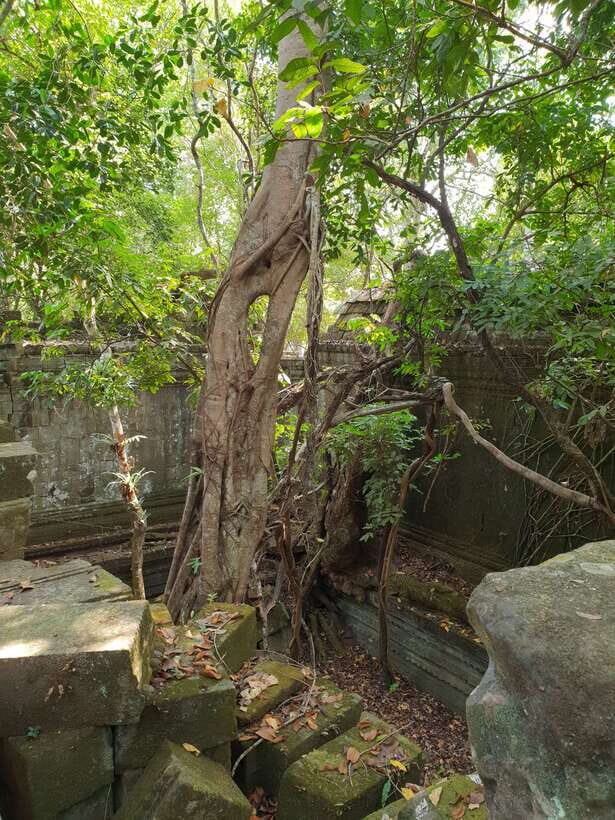
Koh Ker is one of those names that sounds like trivia until you’re standing there. Historically, it’s described as another brief capital of the Khmer Empire from the 10th century, built by King Jayavarman IV.
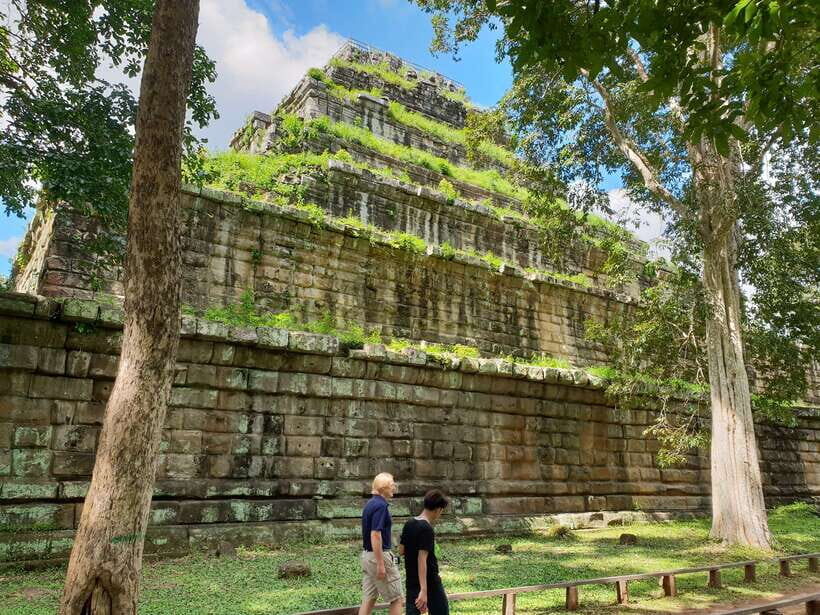
The park covers a lot of temple ground, with dozens of temples you can visit. But the star is Prasat Thom, a pyramid temple that’s described as having a seventh-storey structure. You’ll spend your attention on that rising form—the reason Koh Ker gets talked about in the same breath as big pyramid monuments.
There’s also an interesting comparison shared during the visit: Prasat Thom is explained as matching pyramid style and time period to pyramids in Mexico. I can’t verify that kind of comparison from the site itself, but it’s a good reminder that humans across different civilizations obsess over monumental geometry.
What I like about Koh Ker as a stop:
- You’re not just seeing stones; you’re seeing a capital site concept—temples spread inside a larger park.
- The guide’s explanations can help you connect names, periods, and the idea of a planned capital, not only isolated ruins.
Cost-wise, Koh Ker has an extra entry fee: $15 per adult. Also, the tour’s overall flow puts Koh Ker after Beng Mealea, so you’ll want to carry water and pace yourself.
One more practical point: this portion of the day is likely cooler than the hottest hours, but it’s still temple sightseeing. If you tend to overheat in the sun, plan breaks when the guide naturally pauses.
Stop 3: Kompong Kleang floating village at sunset
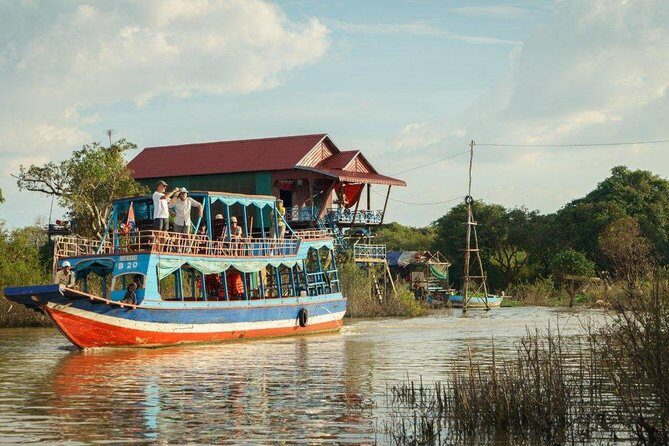
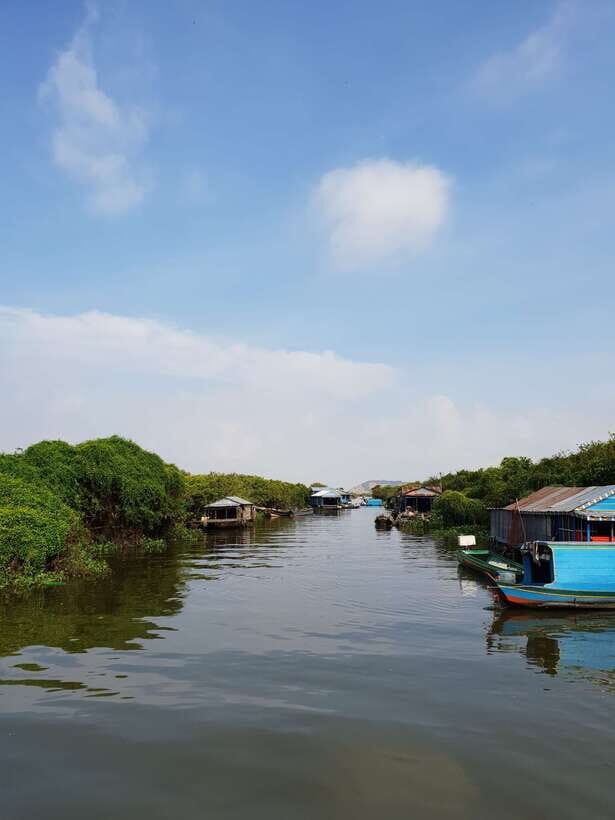
Kompong Kleang is the “slow down” finish. It’s described as the largest floating community settled on Tonle Sap Lake, and the tour’s best perk here is the sunset view.
This stop does something that many floating-village outings don’t: it’s framed as a community, not just a photo stop. You’re there late enough in the day that you get that soft light across the water and structures, which makes the scene feel calmer.
Seasonal reality matters. One full-day experience noted that in the dry season, the water is lower and the water can be less clear, but you can still see the structure of the buildings. So if you come during a drier stretch, you might actually get a different view than you’d expect—less “floating fantasy,” more “how the community truly sits in the lake environment.”
What to expect practically: you’ll be sightseeing in a sacred and working setting, so keep your tone respectful. You’ll also want to be ready for a final round of travel back to Siem Reap.
I’d call the drawback here a matter of expectation-setting. If you want crystal-clear water like postcards, seasonal conditions can spoil that. If you’re happy focusing on how the village works and looks in real life, you’ll likely enjoy it more.
Guides can make or break a day like this
The tour’s value isn’t only in the stops—it’s in how the day is explained. The English-speaking guides highlighted in experiences like Rum Dara and Rann Dara were praised for making the monuments easier to understand.
A specific detail that stood out: there’s mention of learning how temples were extracted from a quarry. Even if you already know Khmer history, that kind of “how they did it” context turns ruins into a real engineering story.
When you’re juggling three separate sites, you want your guide to connect the dots fast:
- Why a place like Beng Mealea feels untouched and raw
- How Koh Ker’s capital status helps explain temple density
- What a floating community really means in relation to Tonle Sap
If you enjoy asking questions, this tour is set up for that. The day runs with a professional guide, and the group format makes it easy to stop and ask instead of just staring at stones and hoping it clicks.
What’s included, what’s on you
Included:
- Pick up and drop off from the hotel
- Local licensed tour guide speaking English
- Air-conditioned transportation
- Mineral water
Not included:
- Meals
- Beng Mealea Angkor pass validation
- Koh Ker ($15 per adult)
- Kompong Kleang village ($20 per person)
The meal gap is the main planning issue. This kind of full-day trip is exactly where a lunch stop can make or break the vibe, and there’s mention of a restaurant stop along the way with a tasty coconut juice along the route. But because meals are not included, assume you’ll pay for lunch yourself.
If you have dietary needs, it’s worth deciding in advance how you’ll handle lunch. You’ll get less flexibility once you’re deep into the temple schedule.
Who should book this Koh Ker + floating village day trip
You’ll probably like this tour if:
- You’ve already done the core Angkor temples and want something beside Angkor
- You like big “wow” forms, especially Prasat Thom
- You enjoy village life and sunset views more than just monument selfies
- You want an English guide who helps make the context stick
You might skip it if:
- You get restless in long car days
- You want everything included with no extra entry fees (you’ll pay Koh Ker and Kompong Kleang)
- You rely on wheelchair accessibility, since it’s stated as not suitable for wheelchair
Should you book Angkor One Daily Tour for these three stops?
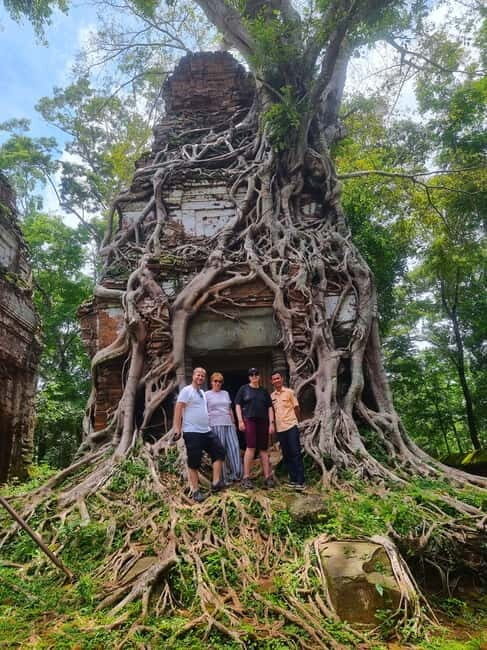
I’d book it if your goal is variety in one day: raw temple ruins at Beng Mealea, the pyramid centerpiece at Koh Ker, then a Tonle Sap sunset at Kompong Kleang. The blend is practical, and the guide-driven explanations are clearly a highlight.
If you’re price-sensitive, don’t just look at the $60. Factor in Koh Ker and Kompong Kleang fees, plus lunch. If you’re okay with that and you dress properly for sacred sites, this is the kind of day trip that gives you photos and context—and, more importantly, a feeling that you saw a side of Cambodia most people skip.
FAQ
Is lunch included?
No. Meals are not included in the tour price.
Do I need an Angkor pass for Beng Mealea?
Yes. Beng Mealea requires Angkor pass validation, and that part is listed as not included.
How much are the entrance fees for Koh Ker and Kompong Kleang?
Koh Ker is listed as $15 per adult, and Kompong Kleang floating village is $20 per person.
What does the $60 per person price include?
It includes hotel pickup and drop-off, a local licensed English guide, air-conditioned transportation, and mineral water.
Is the tour accessible for a wheelchair?
No. The tour is stated as not suitable for a wheelchair.
Is the tour refundable if my plans change?
Yes. Free cancellation is offered up to 24 hours in advance for a full refund.