REVIEW · KAMPONG PHLUK
Tonle sap, Kompong Phluk (Floating village)
Book on GetYourGuide →Operated by Angkor Wat Merge Tour · Bookable on GetYourGuide
Boats, schools, and sunsets on Tonle Sap. I like the small-group size, because it feels more personal than the big-bus crowd. You also get a genuinely nice payoff at the end with sunset on the boat, gliding across the lake as the village scenery changes with the light.
What makes the trip especially interesting is the living rhythm of the floating community—stilt houses, mangroves, and how daily routines shift when the water rises. You’ll tour parts of the village like the school and pagoda with an English-speaking guide, but one consideration: pickup timing can run late, and you may need to ask questions if you want more detail than the guide offers at first.
In This Review
- Key highlights to look for
- Why Kampong Phluk Feels Less Like a Show
- 5 Hours of Tonle Sap: From Hotel Pickup to Lake Sunset
- On the Water: Open-Air Boat Time and Mangrove Views
- School and Pagoda Stops: What You’re Actually Learning
- Dry vs Wet Season Life on Stilt Houses
- Price and Value: Does $15 Make Sense for a 5-Hour Trip?
- Who This Tour Suits (and Who Might Skip It)
- Should You Book Kampong Phluk on Tonle Sap?
- FAQ
- How long is the Kampong Phluk floating village tour?
- When is hotel pickup?
- How big is the group?
- What’s included in the price?
- What language is the tour guide?
- Is free cancellation available?
Key highlights to look for
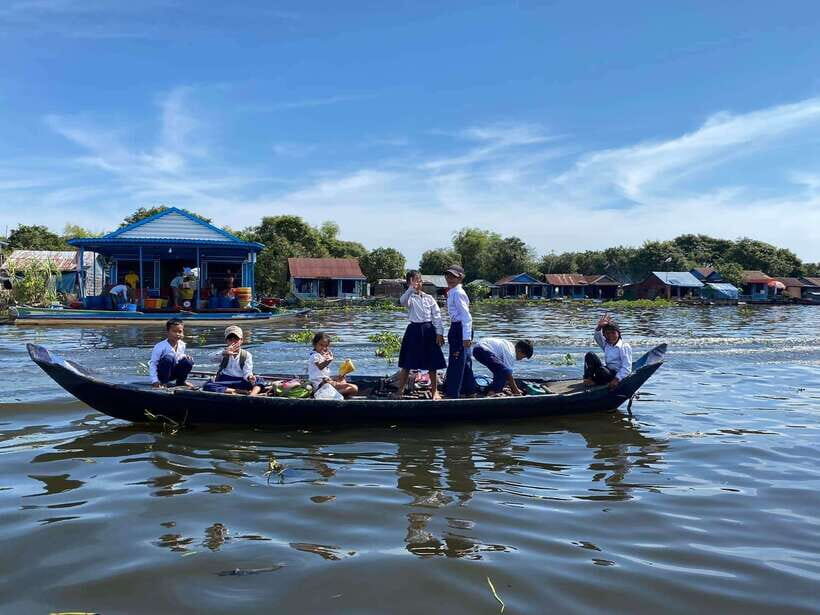
- Small-group feel (up to 15 people) for easier conversation and a calmer pace
- School and pagoda stops that show how community life is organized
- Open-air boat time for close-up lake views and big-sky Cambodian sunsets
- Dry vs wet season context so you understand why the village changes
- Complimentary drinking water to keep you comfortable on the day
Why Kampong Phluk Feels Less Like a Show
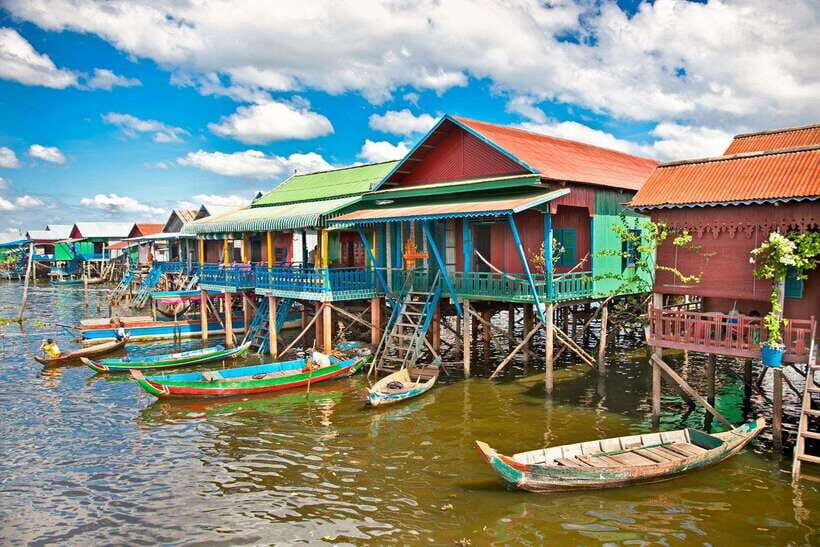
Kampong Phluk on Tonle Sap is one of those Siem Reap day trips that’s popular for a reason. It’s famous, yes, but it doesn’t have to feel staged if your group is small and your expectations are right. This tour is built for that. You’re limited to 15 participants, which means you’re not just filing past sights—you’re more likely to actually hear what matters to people living there.
I also like that this isn’t framed as a quick photo stop parade. The idea is to understand the village’s day-to-day reality: the stilt houses, the mangrove setting, and how the community adapts when the lake’s water levels shift. If you enjoy people-watching with respect (and asking simple questions), you’ll get a lot more out of it.
One more practical win: the tour doesn’t leave you stuck waiting around. You’re moving between the lake area, the village portions, and that evening boat moment—so the time feels like it has a purpose.
You can also read our reviews of more tours and experiences in Kampong Phluk.
5 Hours of Tonle Sap: From Hotel Pickup to Lake Sunset
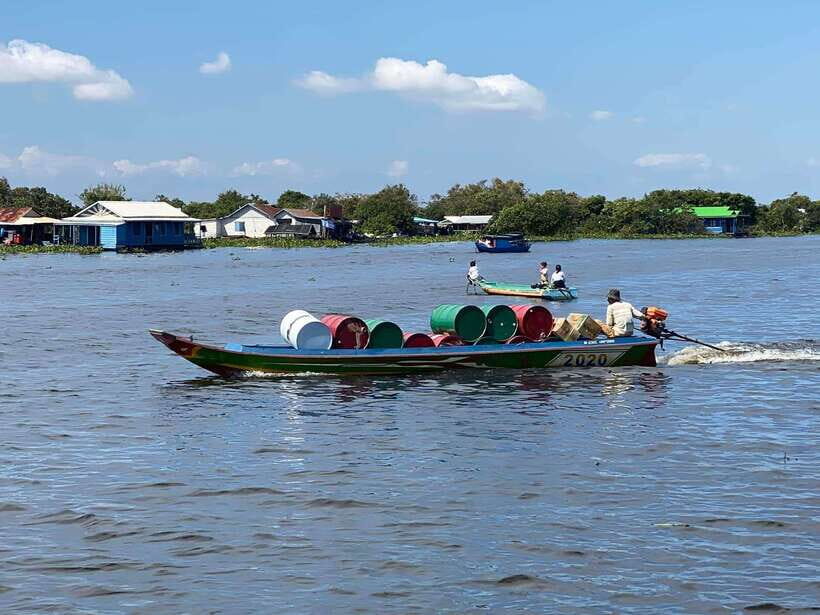
Here’s how the day generally unfolds, and why each part matters.
Pickup and transfer
You’ll be picked up at your hotel around 1:30pm. From there, you travel in a modern air-conditioned vehicle. That matters because late-afternoon heat can be intense in this region, and you’ll likely appreciate having AC before you step into the open air later.
Big boat portion and lake time
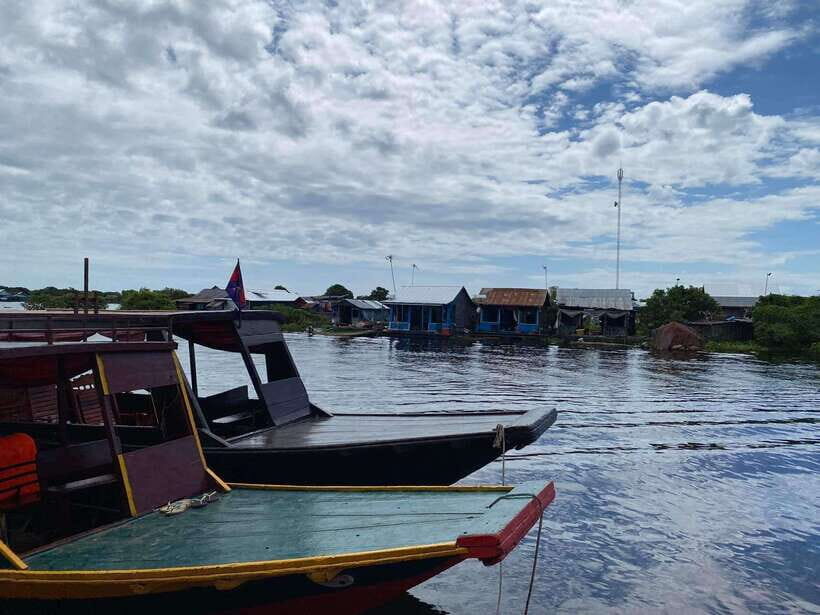
Once you’re at the water access, you switch to boating on the lake. The tour includes a big boat, and the boat experience is part of the point: Tonle Sap is the setting, not just the route. You’ll see mangroves and stilt houses from the water, which you just can’t get the same way from land.
Village exploration: school and pagoda
The highlights call out two specific stops: a school and a pagoda. These aren’t just “pretty buildings” in the way some sightseeing can feel—they’re social anchors. A school tells you about community priorities and how kids fit into a place shaped by water levels. A pagoda gives you a sense of religious and cultural life in the village.
You’ll also have opportunities to meet and converse with villagers and learn how the village works as a sustainable community. The tour description emphasizes learning about changes between dry and wet seasons—more on that next, but the key is: the guide is supposed to connect what you see with what villagers experience.
Sunset finish on the boat
The day ends with sunset on the boat. This is the moment that turns “a day trip” into “a memory.” Even if you’re not a sunset person, the perspective from water helps. Light hits the lake and the stilt-house lines differently, and you’ll feel like you’re watching a living landscape shift rather than just sightseeing.
If you’re thinking about timing: the tour lasts about 5 hours, so plan to keep your evening flexible for the ride back and a little decompression afterward.
On the Water: Open-Air Boat Time and Mangrove Views
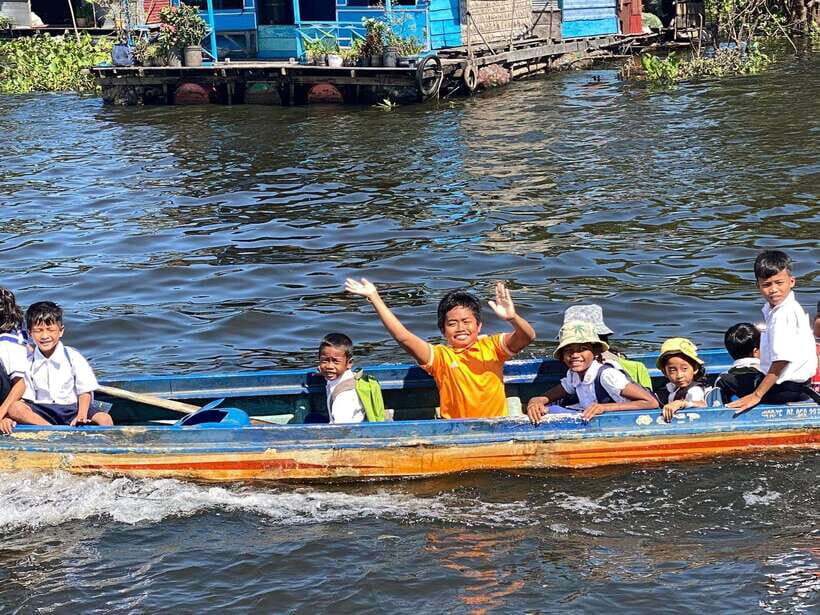
The boating part is a big reason people book Kampong Phluk. The tour combines a big boat with open-air lake time, so you’re not trapped behind glass. You’ll feel the breeze, and you’ll be able to look around without obstruction.
What makes the mangroves special here is that they’re not a background. Tonle Sap’s ecosystem shapes life around you. When you’re out on the lake, mangroves and the edges of the water tell a story about protection, access, and how the shoreline itself can feel changeable.
A practical note: you’ll likely be in open air during the most scenic part of the trip—near sunset. If you tend to get chilly in breezes, you might want to bring a light layer. If you burn easily, plan for sun protection, since you’ll be exposed while on the boat.
Also, don’t ignore the small-group advantage on the water. With fewer people, the boat time often feels less like a guided cattle run and more like you’re sharing a viewpoint with your group. That matters for photography too: it’s easier to get a clear line of sight when you’re not surrounded by a whole crowd at once.
School and Pagoda Stops: What You’re Actually Learning
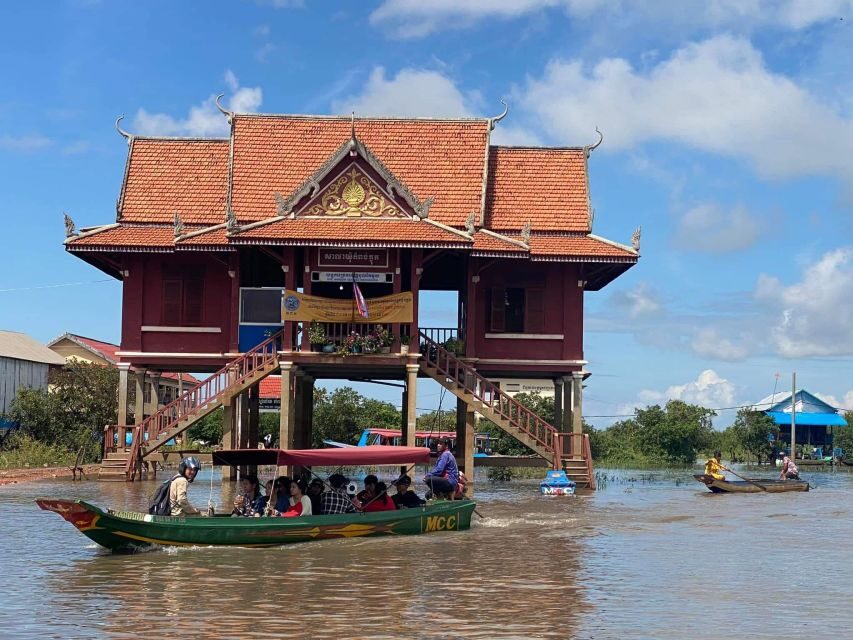
The tour calls out the school and a pagoda, and that’s a smart choice. These two stops usually help you understand the “why” behind a community—not just the “what.”
- The school stop
A floating village isn’t just about houses on water. Kids, learning, and daily schedules matter. When a guide explains how the village shifts between dry and wet periods, the school becomes a real-world example of how families manage school and routines despite changing conditions.
- The pagoda stop
A pagoda often anchors community gatherings and cultural life. It’s a good way to see that the village has spiritual and social structure, not just practical adaptations to the lake.
One thing I’d be ready for: if your main goal is deep, lecture-style context, you might find the guide’s explanation varies. One traveler noted they wished they learned more from the guide during the day. That doesn’t mean the tour is bad—it means you should help it along. If you want more detail, ask questions right after a stop. Simple questions like what changes most during wet season or how daily travel works will usually lead to better answers than passively waiting for the guide to cover everything.
Dry vs Wet Season Life on Stilt Houses
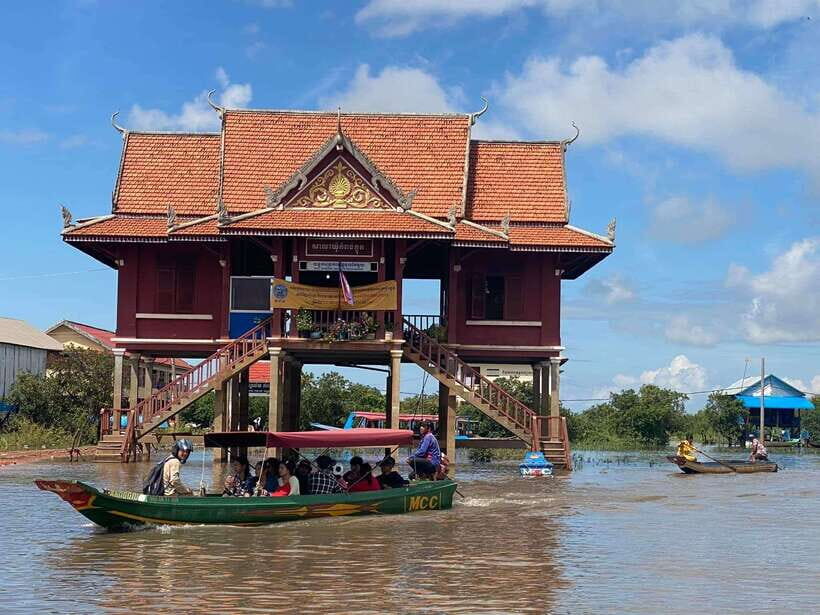
This is the heart of the experience. Tonle Sap is seasonal, and Kampong Phluk is seasonal too. The tour focuses on how the village changes from dry to wet seasons, and how locals travel to work and school by boat when water levels rise.
Why that matters for you: it keeps the trip from becoming a shallow sightseeing loop. When you understand that the water level isn’t just a weather fact—it changes mobility, routines, and how spaces function—you start seeing the village like a system, not a novelty.
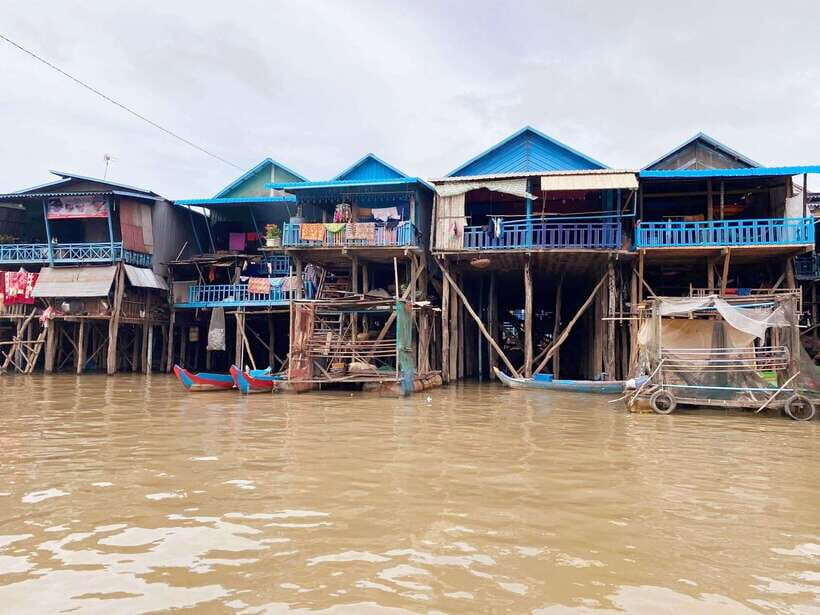
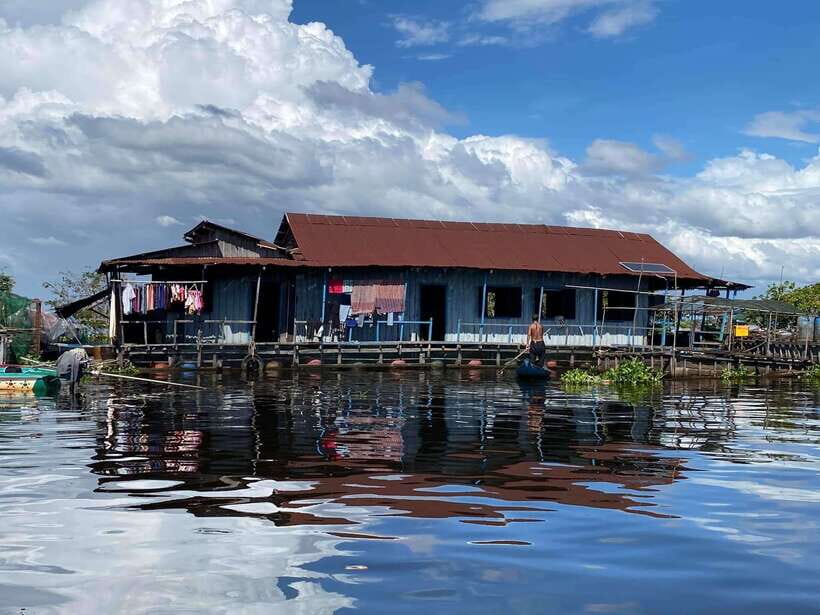
On the ground, you’ll likely notice the stilt-house layout and how closely life is tied to the water. Mangroves and lake edges reinforce that the village is shaped by the ecosystem, not built in spite of it.
If you’re trying to decide what to pay attention to during the day, here’s a simple approach:
- Watch how the village looks from different angles on the water.
- Listen for dry-vs-wet explanations tied to travel to school and work.
- Ask how practical things change when the water rises.
That’s where this tour earns its reputation.


Price and Value: Does $15 Make Sense for a 5-Hour Trip?
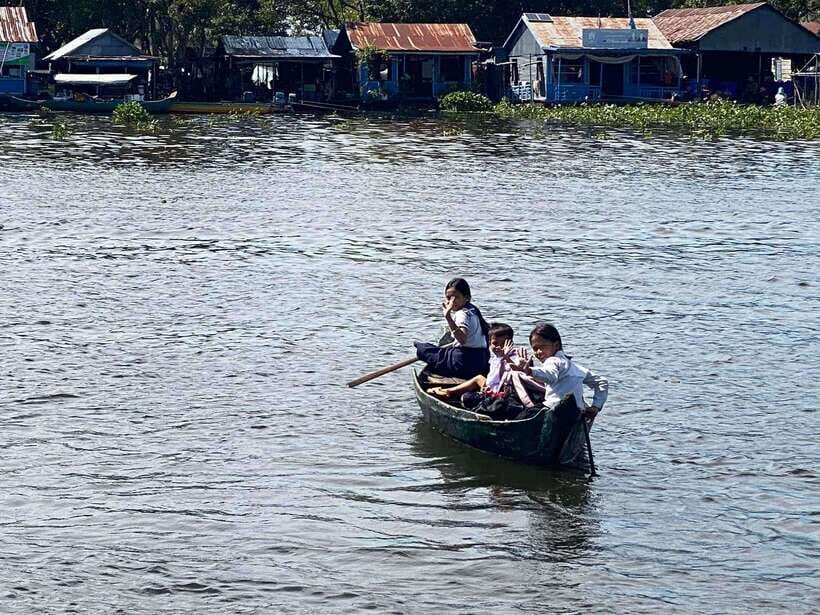
At $15 per person for a roughly 5-hour day trip, the value depends on what you expect to receive beyond a basic outing. Here, the inclusions help: you get a tour guide (English), transportation, a big boat, an entrance fee, and drinking water.
The big-picture value calculation is this: you’re paying for (1) guided context, (2) the logistics of getting to the lake and back, and (3) boat access that you’d otherwise have to arrange on your own. Boat-based day trips in this region rarely come free. Even if you personally could do the trip with a DIY plan, you’d still spend time figuring out transport and timing, and you might lose some of the “what you’re seeing and why” guidance.
Is it a luxury tour? No. It’s not trying to be. It’s trying to be an efficient, informative day trip that avoids turning the visit into mass tourism. The small-group cap and the guided pacing are part of that value story.
So, yes: for $15, this is a strong deal—especially if your goal is a calmer, more meaningful look at how people live on Tonle Sap.
Who This Tour Suits (and Who Might Skip It)
This tour fits best if you want:
- A small-group day trip rather than a crowded scramble
- Village stops that include everyday institutions like a school and a pagoda
- A boat sunset moment that feels scenic instead of rushed
- Dry-season vs wet-season context that helps you understand the place
It might not be your best match if you want:
- A very long, detailed lecture with lots of background history
- A tour where pickup and timing always feel perfectly on schedule (one traveler noted pickup lateness)
If you’re flexible and curious—and willing to ask questions—you’ll get along well with the format.
Also, consider the pace. Because the tour is about 5 hours, it’s efficient. If you want to linger for deeper conversations, you might prefer an option that gives more time in the village.
Should You Book Kampong Phluk on Tonle Sap?
I’d book it if you’re in Siem Reap and want one day that’s genuinely tied to how Cambodians live with the water. The combination of small-group time, school and pagoda stops, and that sunset boat ride makes it more than a sightseeing box-check.
I’d be cautious if timing matters a lot for your schedule, or if you strongly need a guide to provide extensive commentary without you prompting questions. In that case, set your expectations for a simple, practical tour format—and bring your curiosity with you.
If you want the best experience possible, show up ready for the boat portion and plan to interact. This is one of those tours where your attitude matters as much as the itinerary.
FAQ
How long is the Kampong Phluk floating village tour?
The tour duration is 5 hours.
When is hotel pickup?
Pickup is included, and the driver will pick you up at your hotel around 1:30pm.
How big is the group?
The tour is a small group limited to 15 participants.
What’s included in the price?
It includes a tour guide, transportation, a big boat, entrance fee, and drinking water.
What language is the tour guide?
The tour guide provides the experience in English.
Is free cancellation available?
Yes. You can cancel up to 24 hours in advance for a full refund.