REVIEW · KAMPOT PROVINCE
Trip with Local tuk tuk to Country side & Pepper farm…
Book on GetYourGuide →Operated by Kampot tours--pepper farm. Cave. Secret lake and Salt field · Bookable on GetYourGuide
Pepper and caves, powered by a tuk tuk. I love how this route strings together English-speaking guidance and a real pepper tasting experience in just one afternoon, with countryside stops you can’t easily self-drive. You’ll work through Kampot Province’s salt fields, Phnom Chhngok Cave (with its Angkorian temple story), a quick viewpoint stop at Brateak Krola, and a longer pepper plantation visit, plus a look at Kep beach and the crab market area.
One thing to plan for: no boots is part of the rules. Since you’ll do some walking at the cave and salt field areas, I’d pack light, flexible shoes instead.
In This Review
- Key highlights worth caring about
- A 5-hour Kampot route that actually fits a day
- Pickup, tuk tuk ride, and what’s included (so you don’t get surprised)
- Salt fields: quick steps, real souvenirs, and the best photo moments
- Phnom Chhngok Cave: the Angkorian-to-Khmer-Rouge story in motion
- Brateak Krola: a short guided stop with time to see (not just pose)
- Kampot pepper plantation: the tasting is the main event
- Kep beach and the Crab market pause: sea air after spice and stone
- Price check: why $19 can make sense in this specific route
- What kind of traveler should book this?
- Should you book the Kampot pepper, cave, and salt fields tuk tuk tour?
- FAQ
- FAQ
- What is the duration of the tour?
- How much does it cost?
- Where are the pickup options in Kampot?
- Is pickup from your hotel included?
- What’s included in the price?
- Is there any extra charge?
- What language is the driver/guide?
- Are boots allowed?
- Where does the tour go?
Key highlights worth caring about
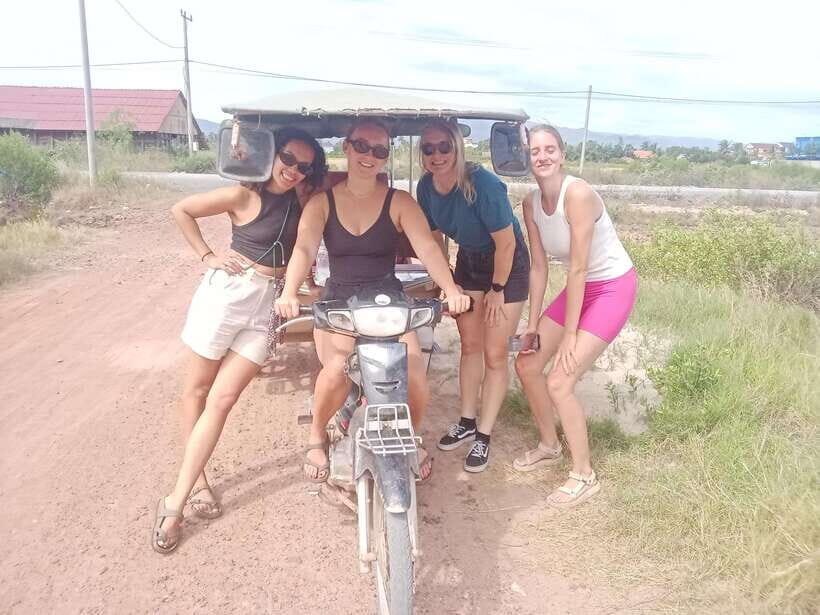
- English-speaking driver/guide (examples: Nak, Tango/TangGo) who explains clearly and keeps the day relaxed
- Salt fields photo stop + short walk + shopping in a tight 15-minute window
- Phnom Chhngok Cave guided visit, including the Angkorian-era temple timeline and Khmer Rouge-era abandonment story
- Secret Lake time, tied to the cave experience and described as a must-see highlight
- Pepper plantation tasting of red, white, black, and green pepper, plus learning the benefits and getting shopping time
- Kep beach and the Crab market stop, for sea air between the countryside and caves
A 5-hour Kampot route that actually fits a day
Kampot can eat up time fast, especially if you’re bouncing between pepper farms, cave temples, and seaside areas like Kep. This tour works because it’s built as a sequence: you drive, you stop, you walk briefly, then you drive again. In other words, you get variety without feeling like you lost the whole day to transport.
I also like that it’s designed around conversation. You’re not just dropped at a gate and left to figure things out. With an English-speaking driver/guide such as Nak or Tango (names that show up repeatedly in real feedback), you can ask questions as you go—about what you’re seeing, what life is like there, and how the places connect.
If you’re the type who enjoys small guided explanations over big museum lectures, this fits your style. You’ll get countryside atmosphere, pepper learning, and cave visuals, all wrapped in about five hours.
A few more Kampot Province tours and experiences worth a look
Pickup, tuk tuk ride, and what’s included (so you don’t get surprised)
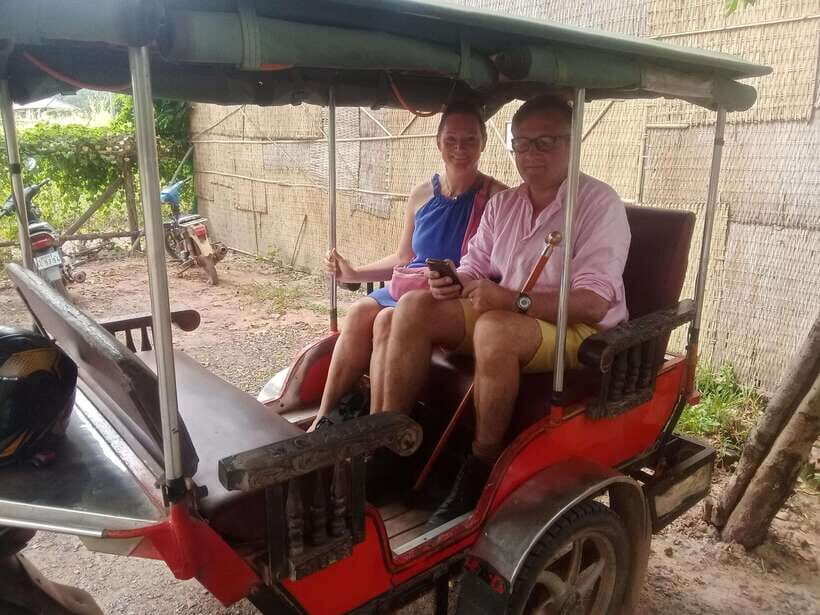
You have two practical pickup options in Kampot Province: 7-Eleven and Spean Chas. The day runs with tuk tuk transport between stops, and you’ll have a driver who speaks English.
Included in the price are transport, cool water, and free entry, plus pickup from your hotel or guest house before the tour starts. The tour length is about 5 hours, so it’s short enough to keep your evening plans alive, but long enough that you’ll actually feel like you did something besides drive in circles.
There’s one possible add-on to know in advance: if you’re staying outside Kampot town—about 5 km from Durian roundabout—there can be an extra $5 charge. It’s not a dealbreaker, but it can change the real cost, so check where your lodging sits.
Salt fields: quick steps, real souvenirs, and the best photo moments
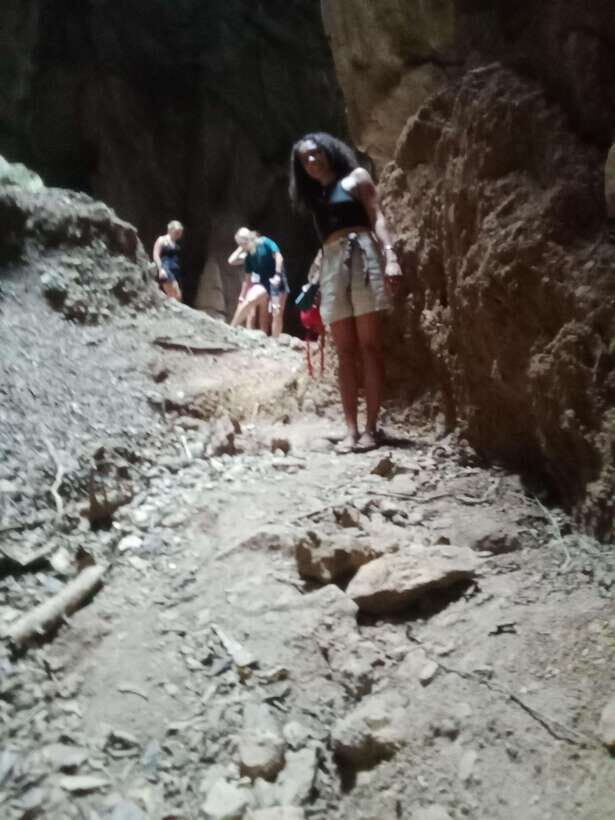
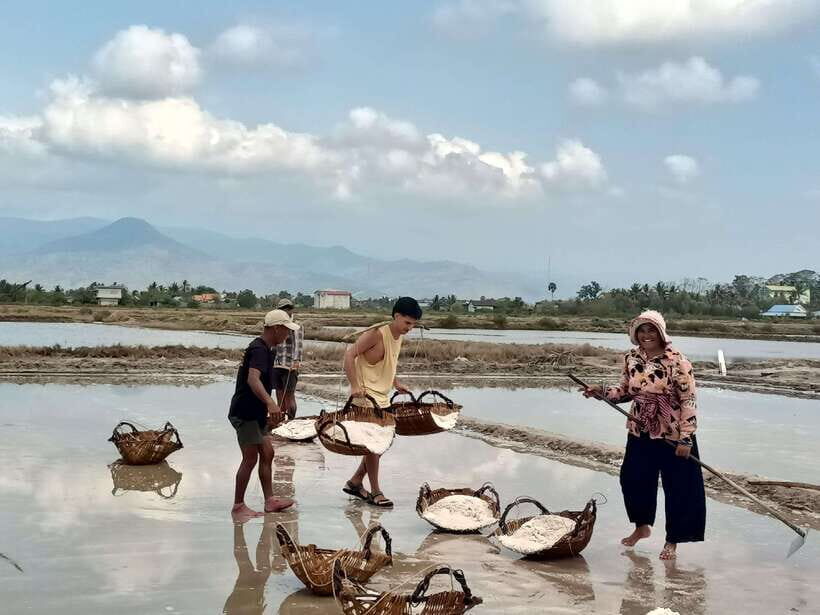
You start with a tuk tuk ride of about 15 minutes to the salt fields area. This stop is short by design—around 15 minutes total—but it includes the pieces that make salt field visits worthwhile: a photo stop, a visit, shopping, and a walk.
What you’ll like here is not some long lecture. It’s a visual experience. Salt fields look like they belong to another climate, especially when the light hits just right. You’ll get enough time to walk a bit, take photos, and browse for salt-related souvenirs without turning the visit into your entire afternoon.
Practical note: salt field ground can be uneven and sometimes dusty. I’d wear shoes you don’t mind getting a bit dirty and that grip well. And since the tour says no boots, plan for lightweight footwear that you can move in comfortably.
Phnom Chhngok Cave: the Angkorian-to-Khmer-Rouge story in motion
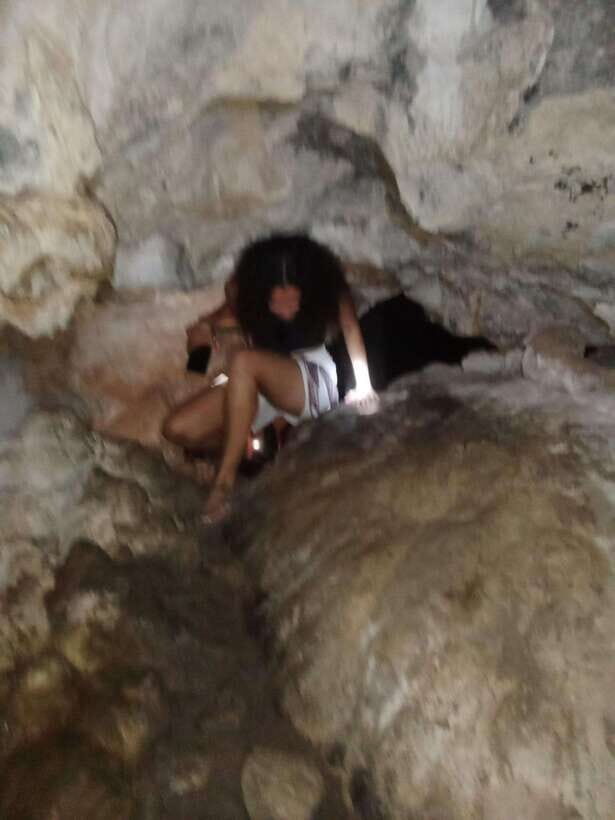
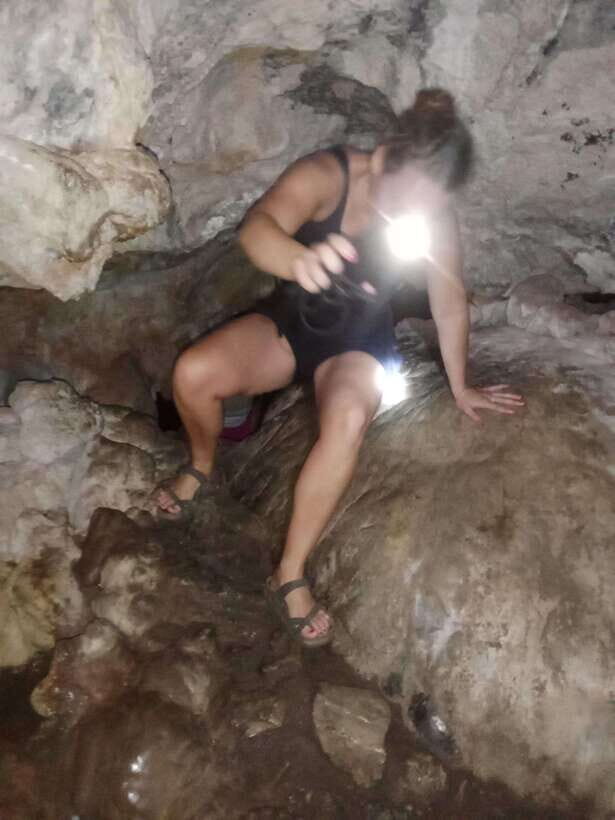
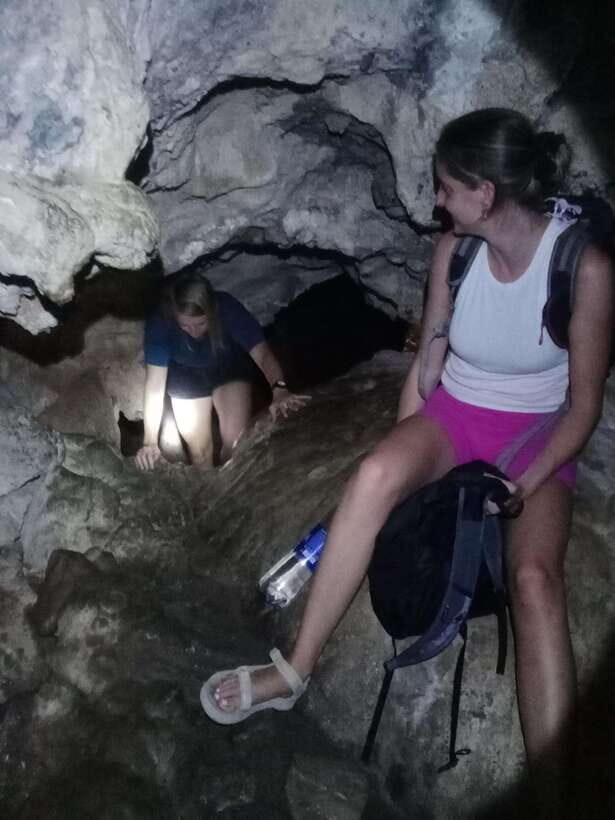
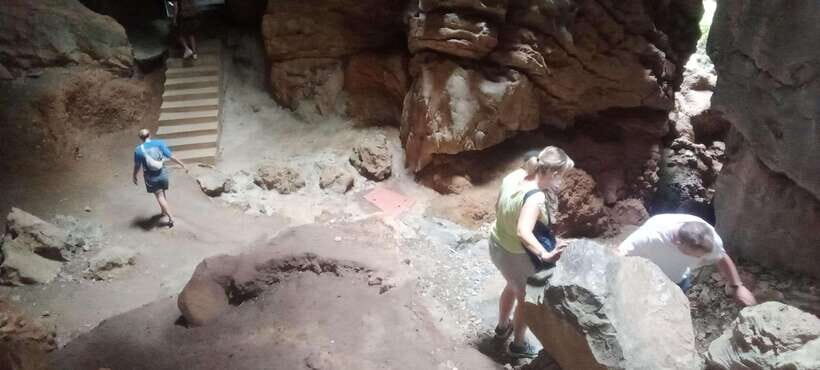
After the salt fields, you’re back on the tuk tuk for a longer 30-minute drive to Phnom Chhngok Cave. This is where the tour slows down. You’ll have break time and then a guided tour plus a walk of about 45 minutes.
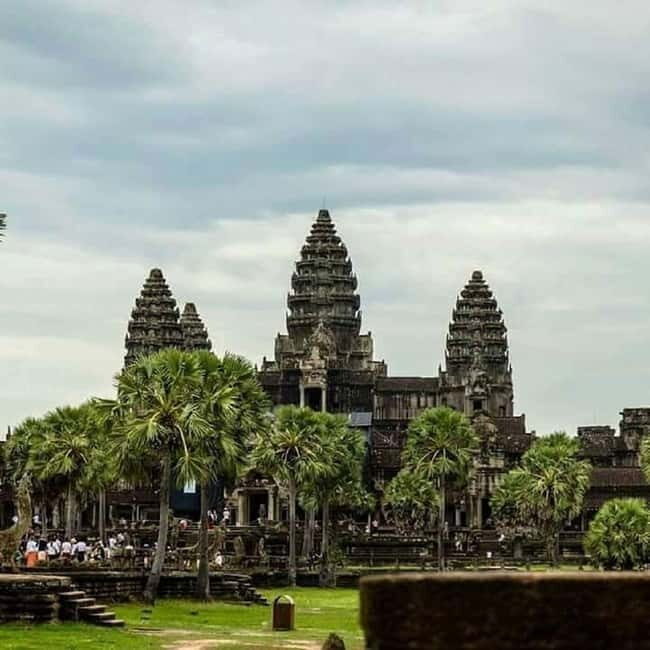
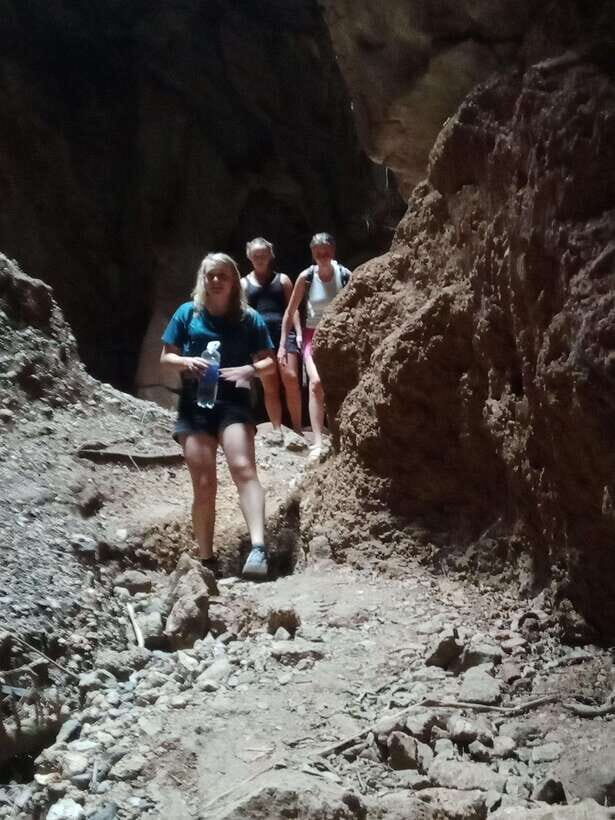
The cave visit isn’t framed as just scenery. You’re told the temple side of the story: Phnom Chhngok Cave was built during the Angkorian period and later abandoned during the Khmer Rouge era. That timeline matters because it turns the visuals into something with weight. You’re not only looking at stone and shadows—you’re seeing how places change with history.
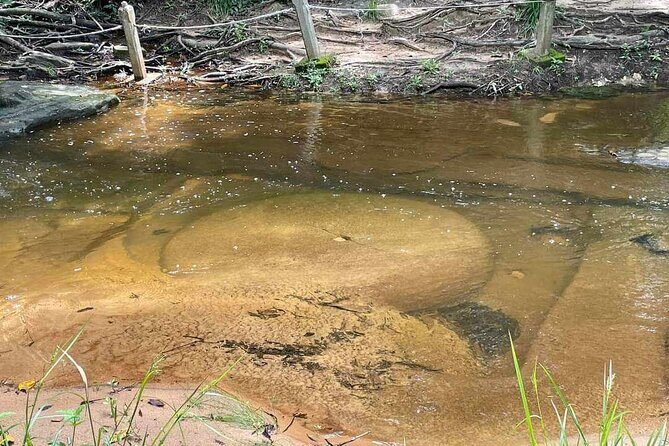
You’ll also get what’s described as the Secret Lake angle. Even if you don’t stare at it for hours, you’ll leave with the understanding of where it fits in the cave area and why it’s a memorable stop.
What could be a drawback? Caves and cave-adjacent areas can involve uneven footing and steps. If you’re someone who hates tight walking spaces, keep your pace easy and let the guide manage the flow. Also remember: no boots, so go for footwear that’s stable and comfortable for climbing-like surfaces.
Brateak Krola: a short guided stop with time to see (not just pose)
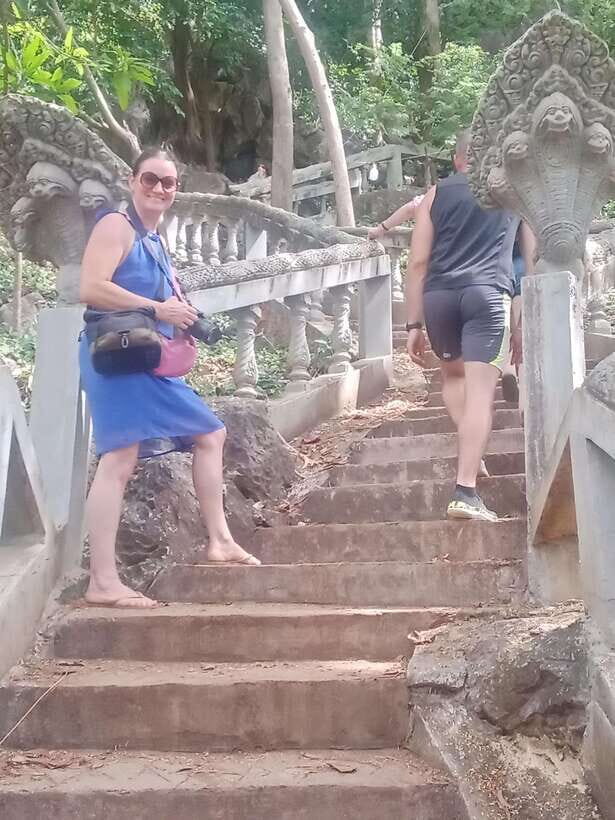
Next comes another 30-minute tuk tuk ride to Brateak Krola. This stop is brief—about 15 minutes total—but it includes a photo stop, a visit, a guided tour, sightseeing, and a short walk.
I like stops like this because they break up the day. After the cave’s slower, deeper feel, Brateak Krola gives you quick scenic context and a chance to snap photos without committing to another long hike. It’s also useful for pacing: you’ll get a stretch of guided explanation, then enough freedom to take in the view.
If you’re the kind of traveler who hates feeling rushed everywhere, this is still manageable. Fifteen minutes isn’t enough to get bored, and it’s long enough to make the stop meaningful.


Kampot pepper plantation: the tasting is the main event
The biggest time block on the route is the Kampot pepper plantation visit, which runs about 105 minutes (so, roughly one and three-quarters hours). You’ll do a mix of guided touring, photo stops, walking, free time, and shopping. There’s also time for a self-guided look once you’ve heard the basics.
This stop is the heart of the day, and the reason the tour feels more memorable than a generic countryside drive: you get to taste pepper in multiple forms. The tasting includes red pepper, white pepper, black pepper, and green pepper, plus an explanation of the benefits.
What makes this valuable is that pepper isn’t treated like a souvenir-only topic. It’s presented as a product with differences worth noticing. Even if you don’t become a pepper expert overnight, you’ll leave knowing what those pepper types are and how they’re connected to the plantation experience.
Then there’s the shopping time. I usually treat plantation shops as the place where you can buy things you’ll actually use at home—spice packets, pepper mixes, and gifts that don’t arrive as random clutter. Since the tour includes that dedicated time, you’re not forced into a quick grab-and-go decision.
Kep beach and the Crab market pause: sea air after spice and stone
Kampot Province and Kep are linked by a different kind of scenery, and the tour includes a stop at Kep beach and the crab market area. This isn’t described as a long meal event in the tour details, but it’s a chance to switch gears after pepper and cave stone.
This is where I think you’ll feel the practical win of doing all this by tuk tuk. You can reach the countryside highlights, then still get a seaside interlude without navigating traffic yourself.
If you want a small snack, a cold drink, or just a little space to breathe, treat this as your reset moment. Even a short beach-and-market stop can change the tone of the day, making the earlier walking feel less like a slog.
Price check: why $19 can make sense in this specific route
The tour cost is $19 per person, and for Kampot, that’s typically the sweet spot where you can justify paying for transport and guidance—especially when the day includes multiple sites.
Here’s what makes the value calculation work in your favor:
- Transport is included between several distinct stops in a single afternoon
- Free entry is included, so you’re not paying site-by-site
- Cool water is provided
- You get a guided component at the cave and pepper plantation, not just a drive-by photo stop
The only cost watch is the possible $5 extra for pickup farther out than Kampot town. If you’re staying near the pickup areas (7-Eleven or Spean Chas), you’re likely to keep things simple.
I also like that the tour is built for short-time decision makers. If you’re staying only a few days in Kampot and want pepper + caves + salt fields without spending time arranging separate taxis, this price feels fair.
What kind of traveler should book this?
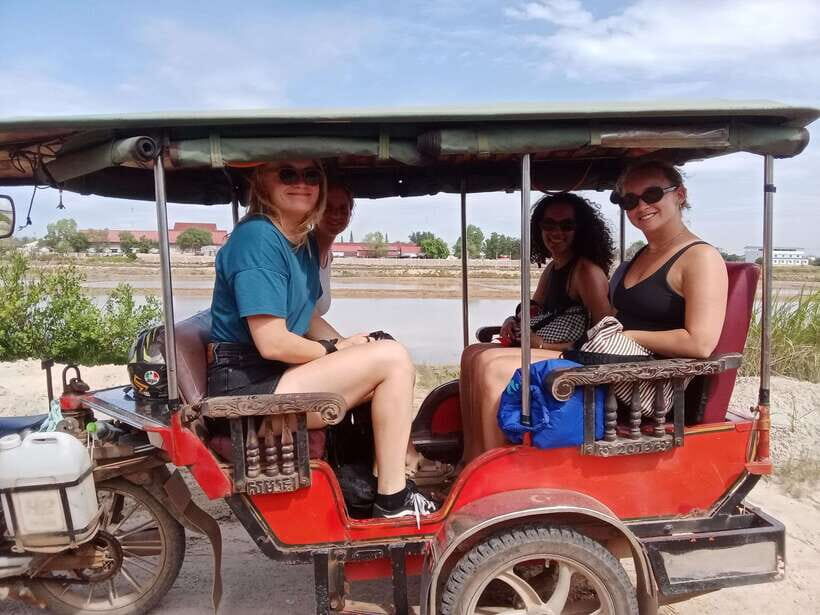
This tour is a great fit if you want:
- A guided English experience without heavy planning
- Pepper tasting and local-site context, not just sightseeing
- A short 5-hour schedule that doesn’t eat your whole day
It’s also a good match if you like learning while you walk—especially at Phnom Chhngok Cave, where the Angkorian and Khmer Rouge timeline gives you something more than a photo.
You might want to skip it (or adjust expectations) if:
- You refuse any walking on uneven surfaces
- You depend on boots, since the rule says boots are not allowed
Should you book the Kampot pepper, cave, and salt fields tuk tuk tour?
Yes, I’d book it if your goal is a compact Kampot day that mixes salt fields, a guided cave visit, and pepper tasting—with enough variety to keep you interested from start to finish. The biggest reason is the combination: transport + free entry + cool water + guided explanation at the places that matter most.
Double-check one thing before you commit: your footwear. Since boots aren’t allowed, pack light, grippy shoes. If that fits, the $19 price can be a strong value for the number of stops you’re getting in about five hours.
FAQ
FAQ
What is the duration of the tour?
The tour duration is listed as 5 hours.
How much does it cost?
The price is $19 per person.
Where are the pickup options in Kampot?
Pickup options include 7-Eleven and Spean Chas.
Is pickup from your hotel included?
Yes. Pickup from your hotel or guest house is included before the tour starts.
What’s included in the price?
Included are free entry, transport, cool water, and pickup.
Is there any extra charge?
There is an extra charge of $5 if you are staying outside Kampot town, described as beyond about 5 km from Durian roundabout.
What language is the driver/guide?
The driver is listed as English, and the tour includes English language support.
Are boots allowed?
No. Boots are not allowed on this activity.
Where does the tour go?
The tour includes stops at salt fields, Phnom Chhngok Cave, Brateak Krola, and a pepper plantation, and it also lists a visit to Kep beach and the crab market area.