REVIEW · KAMPOT PROVINCE
Countryside include Pepper farm, Cave, Salt field & lake…
Book on GetYourGuide →Operated by Peppercorn Tuktuk Kampot · Bookable on GetYourGuide
Salt, spice, and caves in one Kampot loop. This guided countryside tour pairs salt production and Phnom Chhngok cave views with a relaxed pepper-farm visit (including tastings), so you get more than just scenery. One consideration: salt fields can look like mud flats depending on the time of year, so the most dramatic visuals aren’t guaranteed.
I also like how human it feels. You ride local roads by tuktuk, learn in English with a real guide, and you get practical support along the way, like gear for dusty stretches (the roads can be rough). The cave stop adds real physical texture too: expect 203 steps up to the temple entrance and big views from the top.
At $22 per person for about 5 hours, it’s strong value if you want a structured day without doing logistics yourself. Just note that food isn’t included, and the route isn’t set up for everyone (pregnancy, wheelchair use, very recent scuba diving, and a couple of age/health limits).
In This Review
- Key takeaways before you go
- A Kampot countryside tour that feels practical, not staged
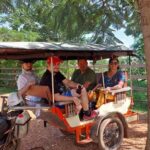
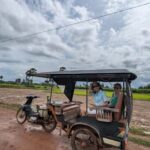
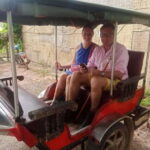
- Getting there by tuktuk: fast start, rough roads, real local pace
- Salt fields and the factory: seeing Kampot’s white gold in motion
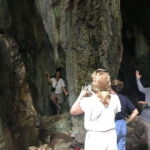
- Phnom Chhngok cave temple: 203 steps, a Shiva shrine, and real views
- Brateak Krola lake: a man-made reminder you shouldn’t gloss over
- Pepper plantation tour and tastings: the part that makes the day taste real
- What’s included in the $22 (and what you’ll need to plan for)
- Who this tour fits best (and who should rethink it)
- Guide quality is a big deal here
- Should you book this Kampot countryside tour?
- FAQ
- How long is the tour?
- What time does it start?
- How much does it cost?
- Where do I meet the guide?
- What’s included in the price?
- Is food included?
- Is the tour suitable for children, pregnancy, or wheelchair users?
- Is there a weight limit?
- Is it okay if I scuba dived recently?
- What’s the cancellation policy?
Key takeaways before you go
- Salt factory + salt fields: See how Kampot’s salt industry works, not just the final product.
- Phnom Chhngok cave temple: 203 steps, a Funan-era brick temple, and wide views from the cave entrance.
- Brateak Krola lake’s Khmer Rouge past: A man-made lake built by enslaved people, so take it seriously and stay respectful.
- Pepper plantation with tastings: Free guided pepper tour and tasting onsite, which makes the story stick.
- Tuktuk transport on rough roads: Expect dust and bumpy stretches, so wear clothes you don’t mind getting gritty.
- Fresh coconut included: A simple cooling break that fits the countryside pace.
A Kampot countryside tour that feels practical, not staged
Kampot is famous for river sunsets and slow afternoons, but the countryside around town tells a different story: how food and commodity crops are grown, processed, and sold. This tour is built around that idea. You’re not spending hours reading plaques. You’re moving through working areas—salt production, pepper cultivation—then ending with two standout “place” stops: a cave temple and an artificial lake tied to Cambodia’s darkest period.
The price is the first reason I like it. For $22, you’re covering multiple sites with entrance fees included, plus guided time, plus pepper tasting, plus even a fresh coconut. That’s hard to replicate on your own without piecing together transport and paying entrances separately. The tour also keeps a good rhythm: ride, see, learn, walk a bit, then ride again.
The second reason is the mix of what you’re seeing. Salt and pepper are everyday products that matter here. Phnom Chhngok gives you a clear payoff for your effort (and your legs), and Brateak Krola adds a heavy historical thread you can’t ignore if you care about how landscapes get shaped by people.
A few more Kampot Province tours and experiences worth a look
Getting there by tuktuk: fast start, rough roads, real local pace
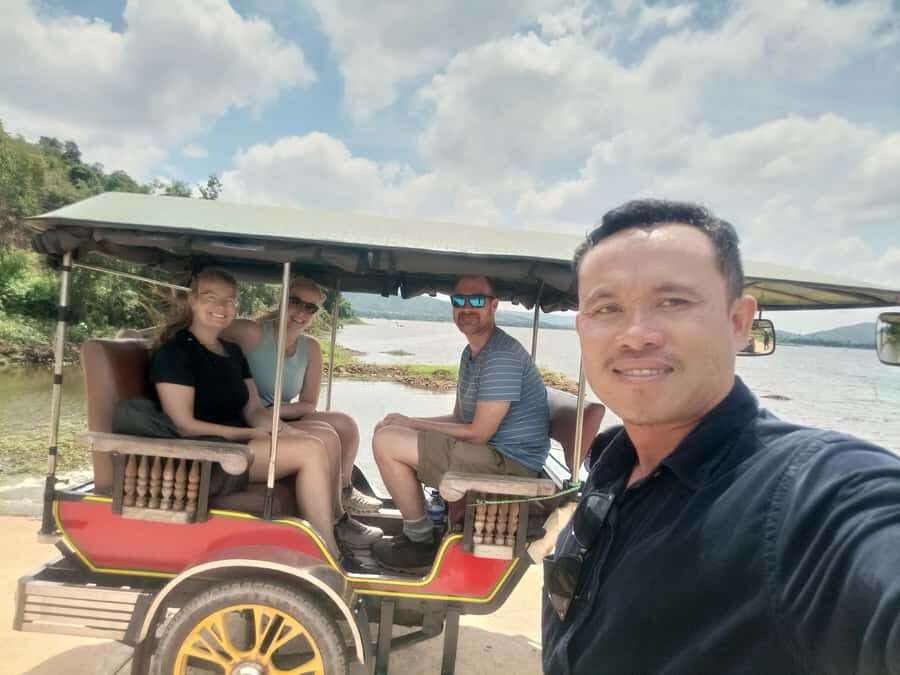
This is a tuktuk-based day, starting from either the meeting point opposite Epic Art Cafe or pickup from your hotel/restaurant in Kampot town. It’s designed to be easy on your end: you don’t need to plan routes or negotiate drivers. If you’re staying close to the main options point, pickup and drop-off stay simple. If you’re farther than about 3 km from that area, there can be an extra pickup charge.
One thing to plan for: the roads can be bumpy and dusty. In past tours with this operator, guides have handled that kind of reality—one reviewer mentioned a protective mask being provided, which is a small detail but a smart one. Even if you don’t get a mask, I’d still bring something to cover your mouth and wear sunglasses and long sleeves if you’re sensitive to dust.
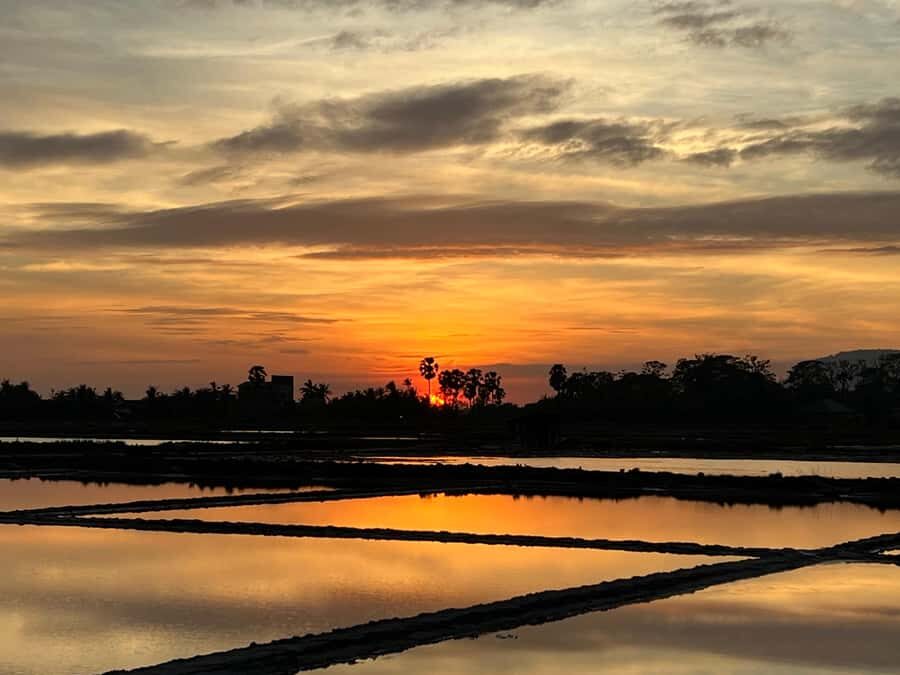
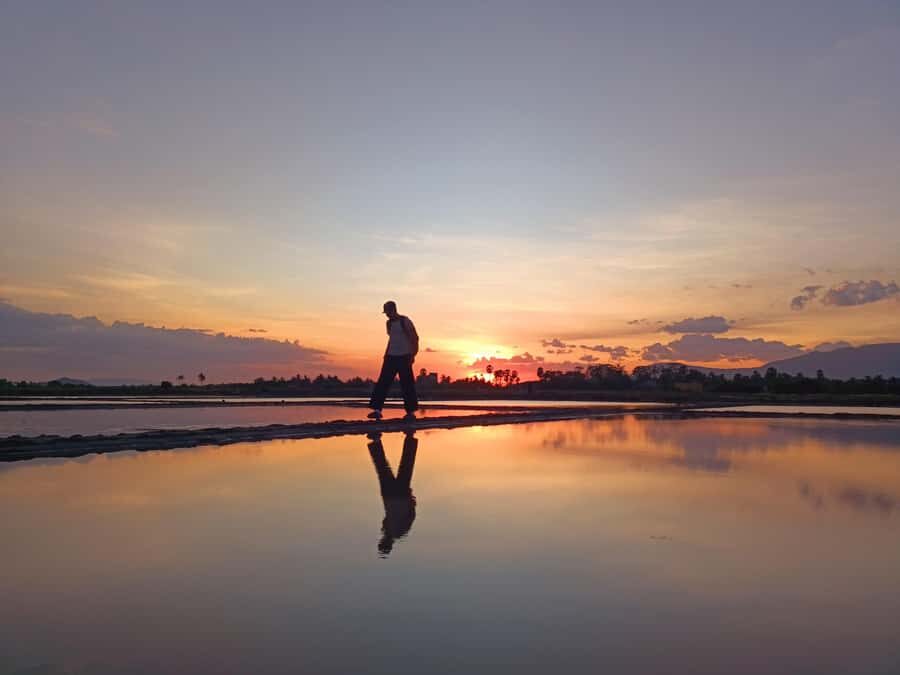
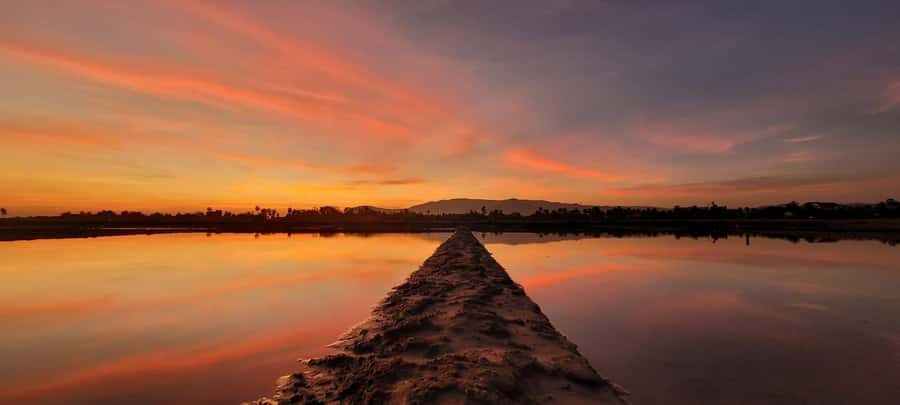
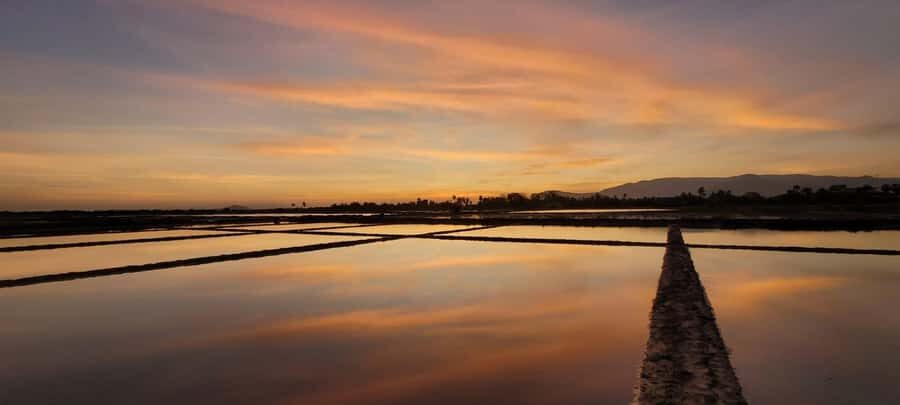
Timing matters too. The tour runs about 5 hours, and there’s a schedule option that can line up with salt fields around 1:30 pm for a sunset-style light later. If you care about photos, ask what slot is best for your departure day.
Salt fields and the factory: seeing Kampot’s white gold in motion
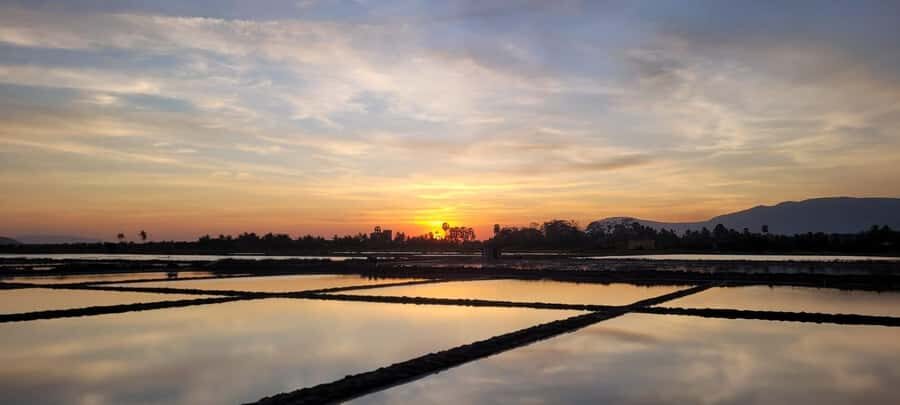
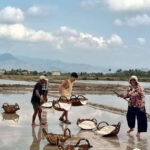
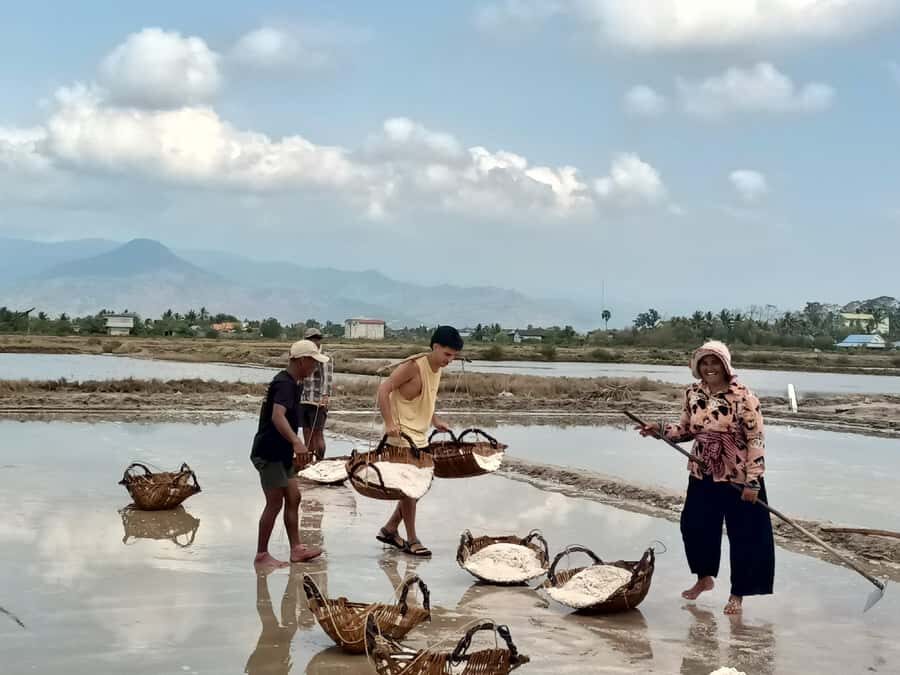
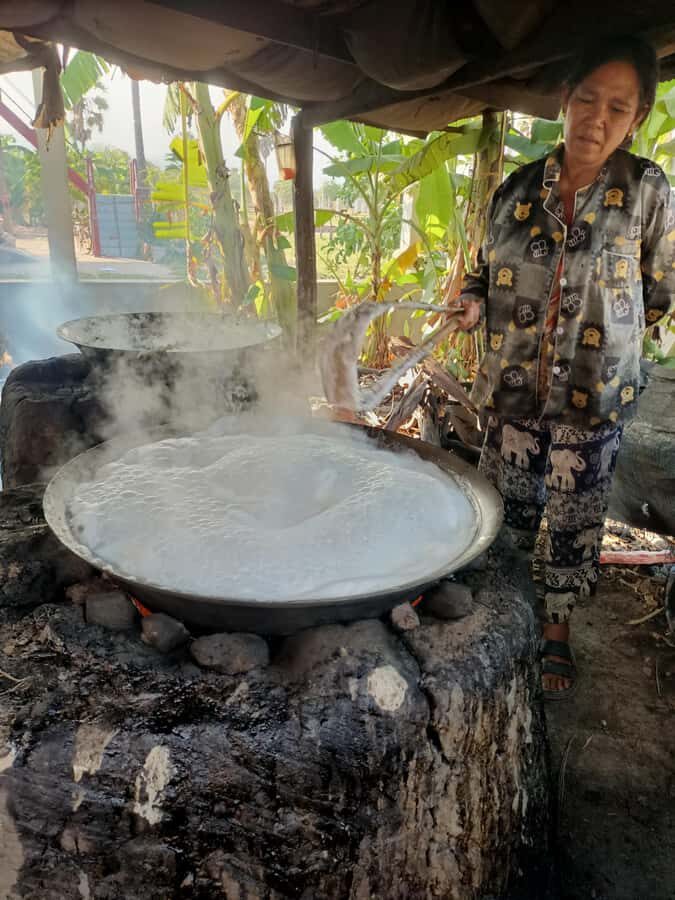
The salt part starts at a large salt-producing facility on the outskirts of Kampot. This isn’t just a photo stop. You’ll get guided learning about why salt production matters locally and how the process works step by step. For me, that factory visit makes the salt fields feel less like a strange spectacle and more like a working system.
After that, you head to the salt field area. Here’s the honest bit: salt fields can vary a lot by season and water conditions. One reason the experience still earns high marks is that the tour doesn’t oversell perfection—it gives you context. If the fields are active, you get texture and visual signals. If they’re not at their best, you may see more flat muddy surfaces than “pretty white pans.” It’s still worth going for the explanation and the behind-the-scenes sense of how production happens.
Practical tips:
- Wear something that dries fast. You might get splashed or step through uneven ground.
- Bring sunscreen. The salt areas are open and bright.
- If you’re hoping for the most dramatic visuals, ask your guide which conditions you’re walking into that day.
Phnom Chhngok cave temple: 203 steps, a Shiva shrine, and real views
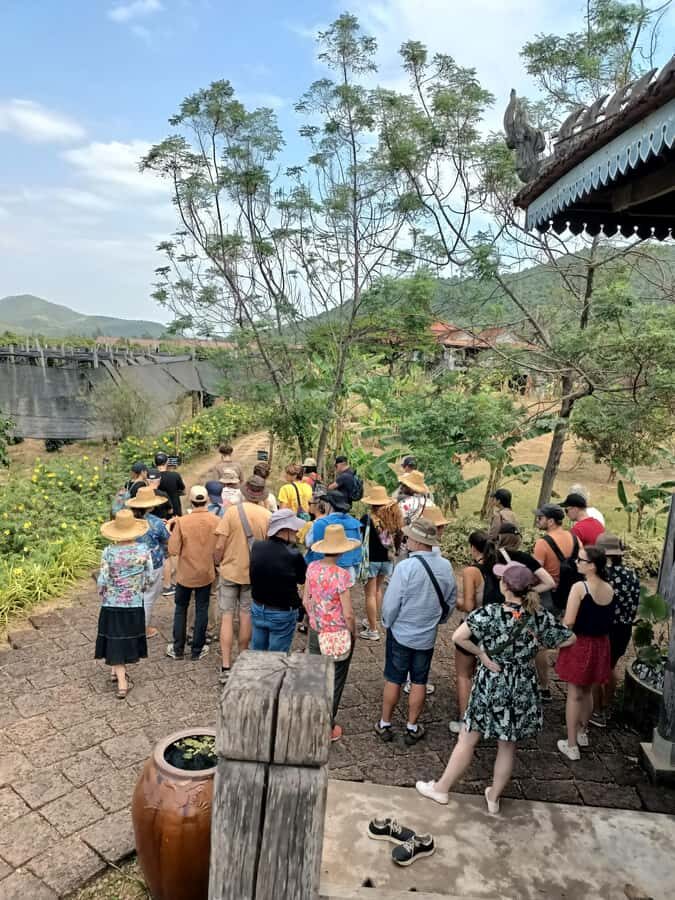
Then comes one of the most rewarding stops in the Kampot area: Phnom Chhngok cave temple. You walk up to the cave entrance via 203 steps. That number is not just trivia; it sets your expectations. Go at a steady pace, hydrate earlier than you think you need to, and don’t treat the steps like a casual stroll. The payoff is at the top: the views from the cave entrance.
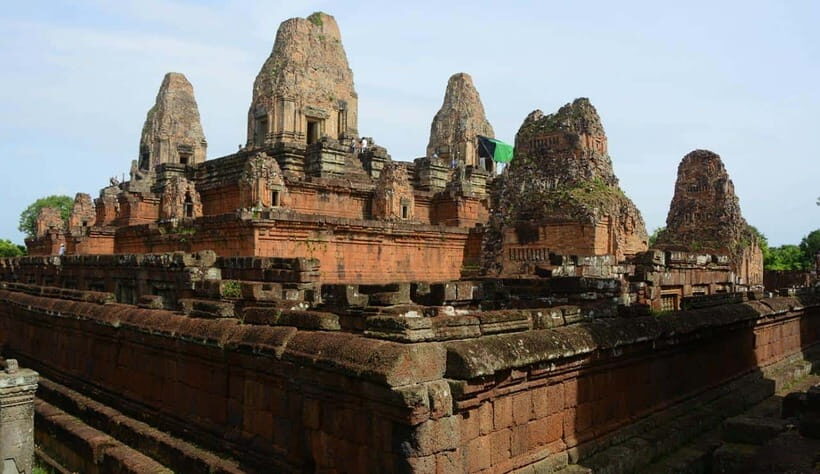
Inside, the main chamber features a 7th-century (Funan-era) brick temple dedicated to Shiva. That means you’re looking at something old and specific, not a generic modern pagoda experience. The cave setting also changes how sound and light behave, so even short time in the chamber feels different from a temple on flat ground.
A quick reality check: this stop can be a challenge for people who can’t do steps. Wheelchair use isn’t supported, and the tour overall isn’t suitable for everyone. Even if you’re fit, wear shoes with grip. Cave areas and steps can be uneven, especially during humid weather.
Brateak Krola lake: a man-made reminder you shouldn’t gloss over
Brateak Krola Lake is an artificial lake built during the time of the Khmer Rouge. The detail that matters is how it was built: it involved slave labor. This is not the kind of place where you rush through photos and move on.
I like that the tour includes this stop alongside the pepper and salt. It prevents the day from feeling like only pleasant countryside sightseeing. You learn how human decisions and forced labor can physically remake the environment. The lake is peaceful-looking when you’re standing there, but the story behind it is not.
If you’re the type who likes meaning in your travel, this stop tends to land well. If you’d rather keep the day light and avoid heavy topics, you can still go, but go with the right mindset: quiet attention, respectful behavior, and no turning it into a “sightseeing stop.”

Pepper plantation tour and tastings: the part that makes the day taste real
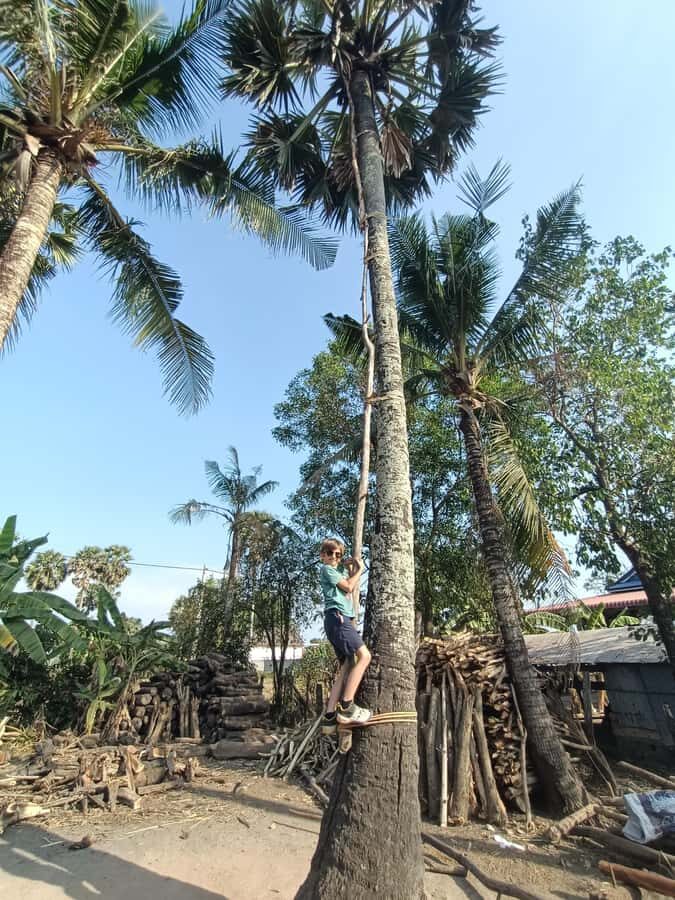
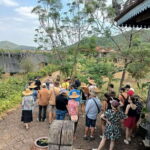
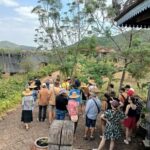
The pepper plantation visit is where the tour becomes hands-on. You get a guided tour of the plantation and then free testing (tastings) of the pepper produced onsite. This is one of those experiences that’s hard to fake at home. You can read about pepper’s role in Cambodian agriculture, but tasting connects it to something physical.
I’d also watch for how the guide explains the process—from how pepper is grown to how it ends up as something you can taste. In guides’ conversations on similar routes, I’ve seen them connect pepper to local routines and family knowledge, not just the textbook version. On this tour, that kind of storytelling is a big reason people come away praising the guides.
One more practical note: pepper farms and new production concepts can sometimes run on their own schedules. If tastings are part of the experience you most care about, it’s smart to ask your guide if there’s any timing you should keep in mind for the plantation slot that day.
What’s included in the $22 (and what you’ll need to plan for)
Here’s where the value math gets clear.
Included:
- Guide tour in English
- Entrance fees
- Fresh coconut
- Pepper tour and testing (tastings)
Not included:
- Food
So the tour price is covering the “moving parts” that usually add up: transport time, guide time, entrances, and the pepper experience. What you still need is basic self-care around meals. If you’re hungry at hour 3, you’ll want to have a plan—either eat before you go or bring snacks you can handle during the ride. If you’re doing this as a standalone afternoon activity, consider timing it around your main meal so you don’t end up hunting for food right after arriving back.
Also included in the experience feel: pickup and drop-off within Kampot town from the provider’s options point (normal meeting point is opposite Epic Art Cafe). If you’re staying elsewhere, ask how close you are to that pickup zone to avoid surprises.
Who this tour fits best (and who should rethink it)
This is best for:
- People who want an organized countryside day that still feels local
- Visitors interested in Cambodian agriculture beyond markets
- Anyone who’s okay walking some stairs and spending time outdoors
- Food-and-commodity curious travelers, especially pepper lovers
This is not a great fit for:
- Children under 5
- Pregnant women
- Wheelchair users
- People who scuba dived within the last 24 hours
- People over 220 lbs (100 kg)
- People over 80 years
And if you’re sensitive to dust and bumpy roads, you’ll want to plan clothing and maybe bring a covering for your mouth. The route is doable for many people, but it’s not “sit back and never get affected.”
Guide quality is a big deal here
One of the strongest signals from past tours is guide quality. People name their guides directly—Andy, Chav, and Phalla show up in feedback—and the common thread is clear: guides explain each stop and also add personal context. That matters on a tour like this because two of the stops (cave temple and Khmer Rouge-era lake) carry meaning beyond visuals. A good guide helps you see what you’re looking at, not just where it is.
You’ll also feel the difference in driving. Some reviewers specifically mentioned careful driving and the ability to handle rough roads. That’s not just comfort. It’s safety and confidence, especially when you’re bouncing between rural sites.
Should you book this Kampot countryside tour?
I’d book it if you want a structured 5-hour slice of Kampot that goes past the usual river-view routine. The salt-and-pepper focus is exactly the kind of local economy tour that feels practical, and Phnom Chhngok delivers a real payoff with its 203 steps plus the chance to see the Funan-era brick temple inside. Brateak Krola adds weight and context, so you leave with more than just photos.
I would skip—or at least set expectations—if you’re mainly chasing picture-perfect salt pans or you don’t want to deal with history tied to Khmer Rouge forced labor. Also keep in mind that food isn’t included, and the cave involves stairs.
If you like learning by doing—walking, tasting, seeing how work gets made—this tour is a solid use of an afternoon in Kampot.
FAQ
How long is the tour?
It runs for about 5 hours.
What time does it start?
Starting times depend on availability. One schedule option mentioned is around 1:30 pm for a salt field sunset timing.
How much does it cost?
The price is $22 per person.
Where do I meet the guide?
The normal meeting point is opposite Epic Art Cafe in Kampot, but the operator can also pick up and drop off directly from your hotel or restaurant locations in Kampot town.
What’s included in the price?
The tour includes the guide tour, entrance fees, fresh coconut, and the pepper plantation tour with testing/tastings.
Is food included?
No, food is not included.
Is the tour suitable for children, pregnancy, or wheelchair users?
It’s not suitable for children under 5, pregnant women, or wheelchair users.
Is there a weight limit?
Yes. It’s not suitable for people over 220 lbs (100 kg).
Is it okay if I scuba dived recently?
No. It’s not suitable for people who dived in the past 24 hours.
What’s the cancellation policy?
You can cancel up to 24 hours in advance for a full refund.