REVIEW · KAMPOT PROVINCE
Kampot Countryside include Pepper farm,Kep crab market beach
Book on GetYourGuide →Operated by Rina Kampot · Bookable on GetYourGuide
Salt, pepper, and sea views in one day.
This guided Kampot countryside route strings together Cambodia’s coastal countryside in a smart loop. I especially like the pepper plantation visit with pepper tasting, and I also love that the day isn’t just scenic—there’s hands-on learning at the salt-production stop.
There’s one thing to consider: it’s a full 8 hours with multiple tuk-tuk rides and walks, including 203 steps at Phnom Chhngok. If heat, stairs, or long sitting in a vehicle is a problem, plan accordingly.
In This Review
- Key things that make this tour worth it
- A day that connects Kampot’s land, work, and shoreline
- Price and logistics: $50 per group up to 2, and why that matters
- Stop by stop: how the day unfolds (and what to watch for)
- Getting picked up in Kampot and settling into the route
- Salt production with a guided visit to the factory
- Phnom Chhngok cave temple: 203 steps and the payoff view
- Brateak Krola Lake: history you can see
- The pepper plantation tour and peppercorn testing
- Kep crab market and beach time: seafood tasting and a swim
- What’s included (and what you’ll need to cover yourself)
- The guide factor: patience, translation, and a slower pace where it counts
- Who should book this tour (and who might not be a match)
- Should you book Kampot Countryside with pepper farm and Kep crab market beach?
- FAQ
- How long is the tour?
- Is pickup included?
- What does the tour include?
- Is food included?
- What language is the guide?
- Is the tour private?
- Do I need to bring anything?
- Are there restrictions on alcohol or drugs?
- Is the tour suitable for young children?
- Is there a safety or health limitation?
Key things that make this tour worth it
- Pepper tour and testing as an actual activity, not a quick photo stop
- Phnom Chhngok cave temple with a clear sense of what you’re climbing to
- Salt-production visit that explains why the area matters economically
- Brateak Krola Lake and its Khmer Rouge-era story, handled by your guide
- Kep crab market + beach time to end with food and swimming
A day that connects Kampot’s land, work, and shoreline
This is the kind of tour I like for first-timers who want more than temples on a checklist. You get a full day that mixes working agriculture, historic sites, and a proper coastal finale in Kep. It’s also built as a private group experience, so you’re not stuck waiting on a big crowd every time you stop to look.
The tour’s rhythm matters. You’ll move from salt-production (very practical, very local) to the Phnom Chhngok cave temple (more physical and spiritual), then to Brateak Krola Lake (history plus scenery), and finally to a pepper plantation and Kep. By the time you reach the crab market area, you’ll feel like you’ve earned a calmer pace and a swim.
If you’re the type who enjoys understanding how things are made—salt, pepper, even how landscapes were shaped—you’ll click with this day. If you only want a short hit of sightseeing, you might feel it’s packed.
You can also read our reviews of more shopping tours in Kampot Province
Price and logistics: $50 per group up to 2, and why that matters
The price is $50 per group up to 2 for about 8 hours. For a private tour, that can be good value because you’re paying for a dedicated English-speaking guide and transport by tuk tuk, not sharing time with a larger group.
A practical detail: pickup is included, and the normal meeting point is Opposite (Epic Art Cafe) in Krong Kampot. If you stay or dine closer, the provider can also pick you up directly from your hotel or restaurant, but pickup/drop-off isn’t possible farther than 3 km from the meeting point.
You’ll likely notice the tour works like a series of short transfers. The schedule lists tuk-tuk segments (15 minutes, 25 minutes, 25 minutes, 15 minutes, 45 minutes, 40 minutes). That adds up to plenty of road time, but it also keeps the day from turning into one endless ride followed by rushed stops.
Stop by stop: how the day unfolds (and what to watch for)
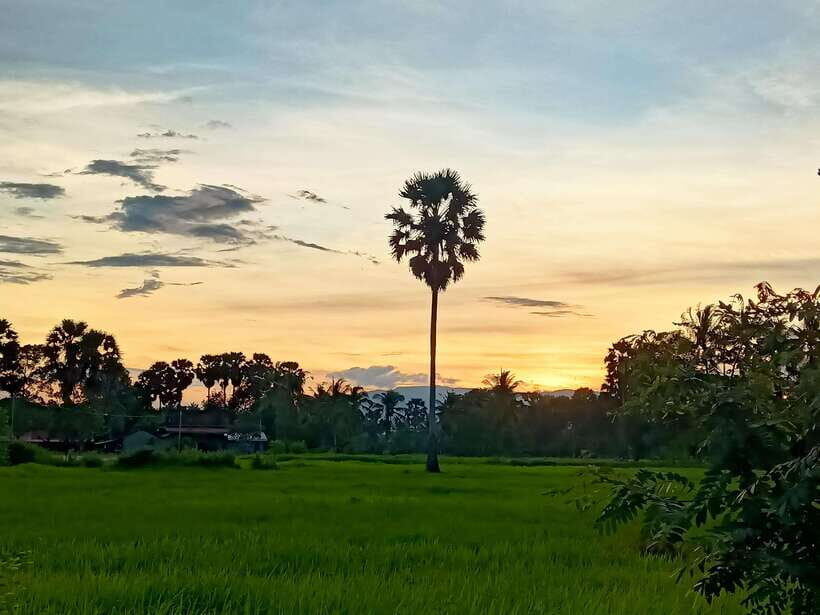
Getting picked up in Kampot and settling into the route
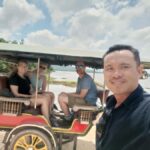
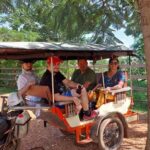
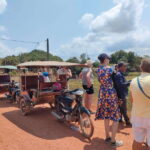
You start in Krong Kampot, then you’ll hop into the tuk tuk for repeated legs of travel. Those short transfers are useful because they break up the heat and keep you from feeling trapped for hours in one stretch.
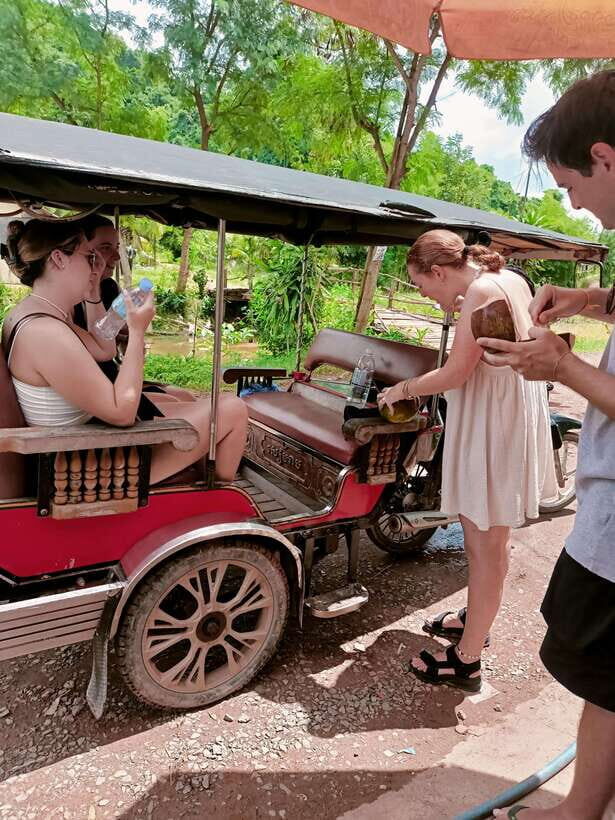
Also, remember you’ll be out for most of the day. The tour includes a bottle of water and fresh coconut, which helps, but you’ll still want to pace yourself—especially before the cave climb.
Salt production with a guided visit to the factory
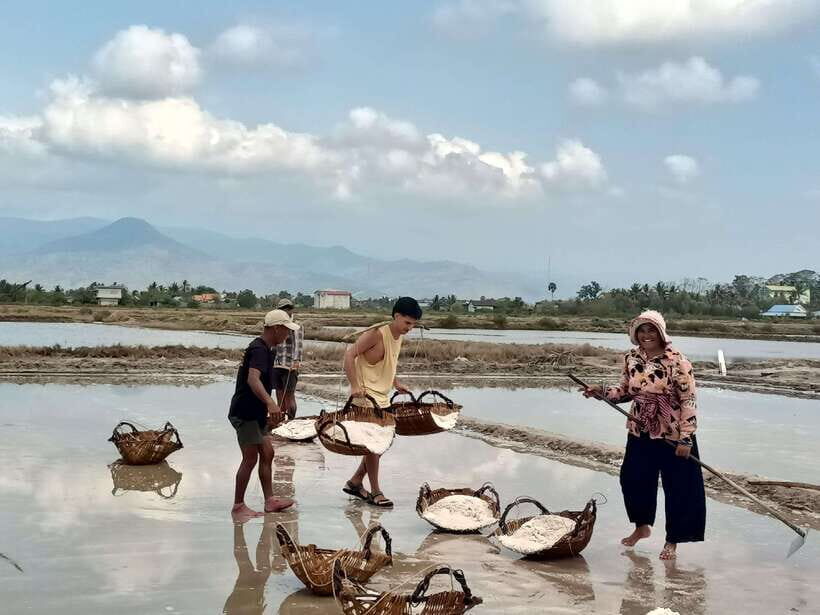
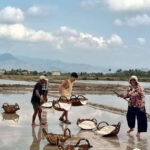
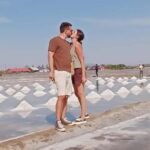
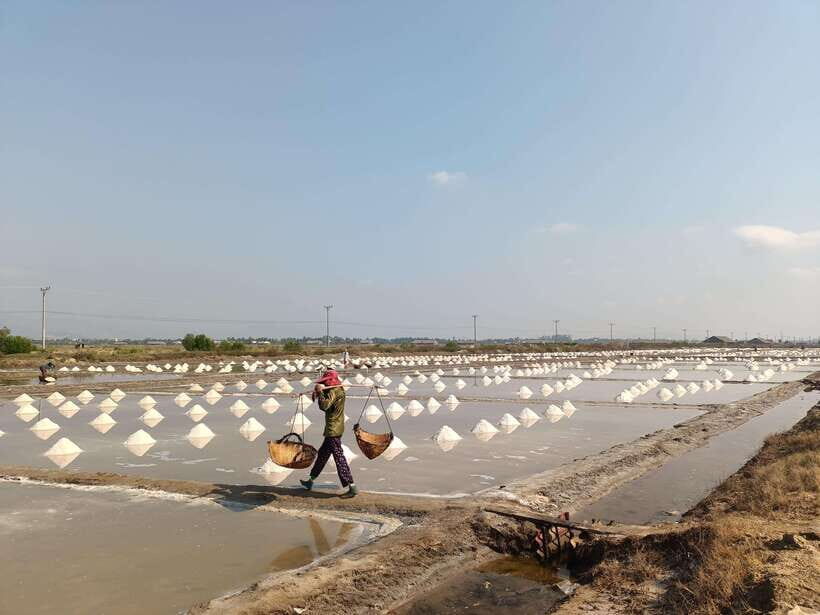
The first major “work in action” stop is a salt-producing facility on the outskirts of Kampot. This is one of those experiences that makes a place feel real fast because you’re not just looking—you’re learning how production works and why it matters for the local economy.
What I’d expect you to take away here:
- You’ll hear about the steps in salt production as you’re guided around.
- You’ll get context that makes later countryside views more meaningful.
A consideration: salt-production areas can be bright and hot. Even if you don’t do much walking, sun exposure is still a thing. Bring sunglasses and sunscreen if you have them—those aren’t included.
Phnom Chhngok cave temple: 203 steps and the payoff view
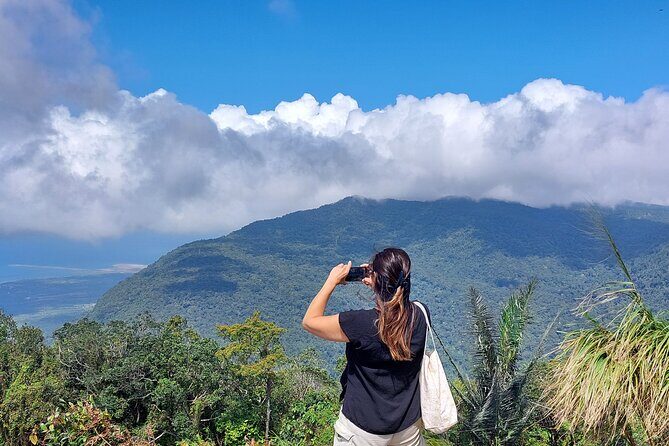
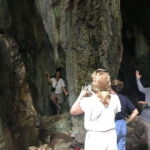
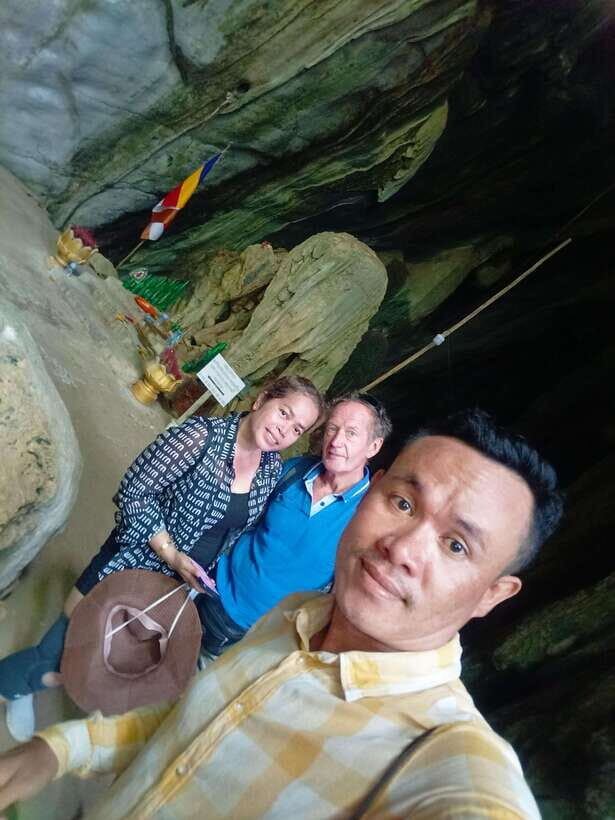
Next is Phnom Chhngok, a cave temple with 203 steps to the entrance. Once you’re inside, the main chamber features a brick temple attributed to the Funan-era, dedicated to Shiva.
Two parts tend to click for visitors here:
- The physical fact of the climb. It’s not a long trek, but it’s enough to reset your body and slow your mind.
- The payoff at the entrance. The viewpoint is called out as something you’ll want to admire, so you’re not rushing through.
Practical tip: if you’re sensitive to heat or breathing comfort, go steady on the way up. Wear shoes you can trust on uneven ground. The tour is clear that it’s not suitable for people over 80, and it also flags high blood pressure as a no-go—so keep that in mind for your own health comfort.
Brateak Krola Lake: history you can see
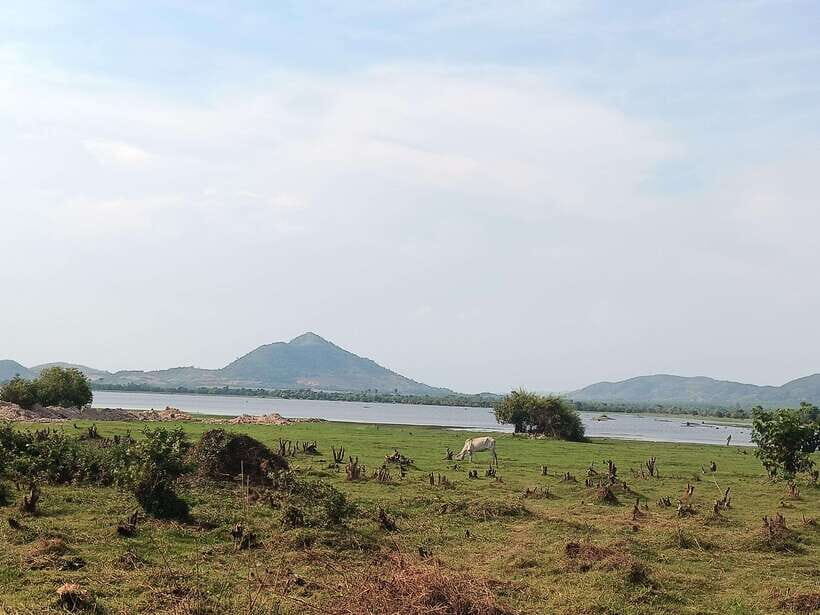
After the cave temple, you’ll head to Brateak Krola Lake, described as a man-made lake built during the Khmer Rouge era, with slave labor referenced in the background.
This stop can feel heavy because it’s a human-made landscape tied to suffering. The value here is that your guide will put it in context for you, instead of leaving you alone with questions.
What you can do with this moment:
- Look at the lake and surrounding countryside, but also remember it represents labor and history, not just scenery.
- Ask your guide to explain what changed in the area and why this lake exists as it does.
This isn’t a stop you’d want to treat as a quick photo break. Take a slower pace, even if you’re tired.
The pepper plantation tour and peppercorn testing
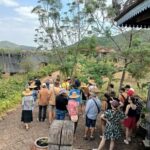
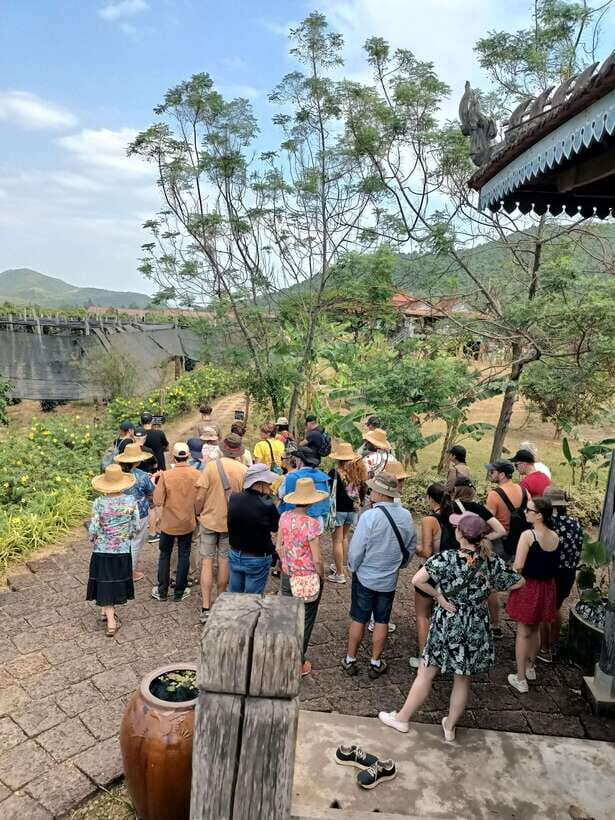
Then comes the highlight that many people remember most: a guided tour of a large pepper plantation and peppercorn testing. This is where you go beyond “pepper grows here” and actually learn how production works on-site.
I like that the tour doesn’t keep this at the surface level. You’ll get a guided walk through the plantation, followed by tasting that lets you experience differences in pepper quality.
One detail that stands out from guides’ performance: Phalla (one of the guides mentioned in feedback) is described as patient and taking time with explanation, including spending around two hours in the pepper farm portion. That extra time matters because pepper tasting isn’t meaningful if it feels rushed.
What to expect from pepper testing:
- You’ll be guided through how pepper is produced and why certain peppercorns taste different.
- You’ll likely get tips on what to pay attention to if you shop for pepper later.
A consideration: pepper farms can be warm and outdoorsy. Wear sun protection and plan to drink water between activities.
Kep crab market and beach time: seafood tasting and a swim
Finally, you reach Kep, where the day finishes with time at the crab market and a beach break. Your guide will help with seafood testing or lunch options (but food is not included in the price).
This ending is practical. You’ll have a chance to refuel, choose what you want to eat at the market, and then cool off by swimming or relaxing on the beach before heading back to Kampot.
A smart move here: budget extra money for lunch/seafood, since it’s not included. If you want a simple win, consider seafood samples rather than committing to a full meal until you see what looks fresh.
Also, bring quick beach basics if you have them—this part of the day is where you’ll benefit from sunglasses, sunscreen, and something for drying off.
What’s included (and what you’ll need to cover yourself)
Included:
- Entrance fee
- Bottle of water
- Fresh coconut
- Pepper tour and testing
- Guide tour (English)
Not included:
- Food
- Sunglasses
- Sunscreen
The tour also asks you to bring cash. That usually means you’ll want some ready money for market meals and any small purchases.
The guide factor: patience, translation, and a slower pace where it counts
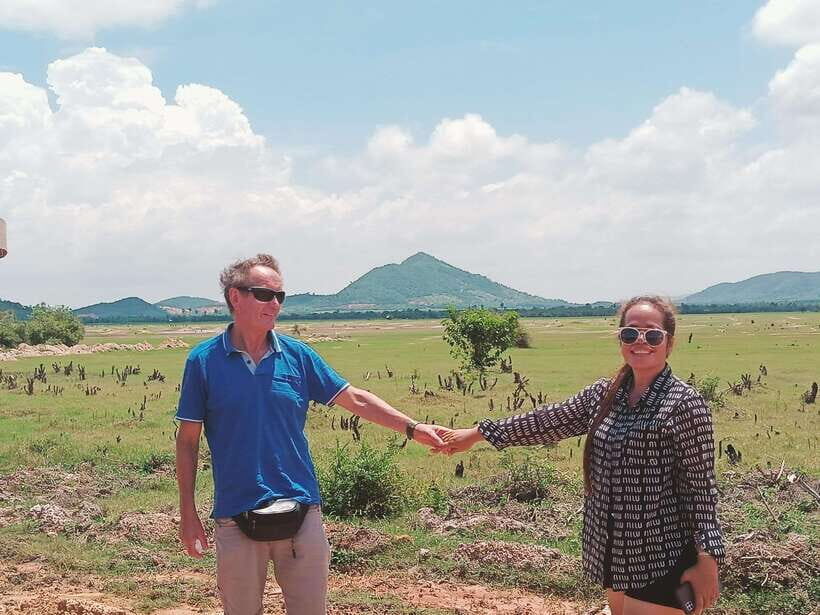
In feedback, guides are praised for being professional, patient, and willing to take the time to explain with translation support when English isn’t your strongest language. That matters on a day like this, because the value isn’t only in seeing places—it’s in understanding what you’re looking at.
If you’re worried your group’s language level might slow things down, you’ll probably feel comfortable here. The tour style seems to support a comfortable pace rather than forcing a strict sprint.
Who should book this tour (and who might not be a match)
This tour is a great fit if you:
- Want a private guided day with a clear mix of countryside and coast
- Enjoy learning about local production (salt and pepper)
- Want a cultural stop with real physical effort at Phnom Chhngok
- Would like Kep’s crab market area to end the day with food and a swim
It may not be the best fit if you:
- Don’t handle stairs well (Phnom Chhngok has 203 steps)
- Have high blood pressure, are pregnant, or are over 80 (these are specifically flagged as not suitable)
- Need a tour that’s truly relaxed and minimal walking or minimal heat exposure
Also, it’s listed as not suitable for children under 2, and there are restrictions like no baby strollers.
Should you book Kampot Countryside with pepper farm and Kep crab market beach?
I think you should book it if you want a full, well-paced day that links the working countryside to a classic Kep finish. The strongest reasons are the salt-production learning, the Phnom Chhngok cave temple climb, and the hands-on pepper tour with tasting—then you cap it with seafood choices and beach time.
Skip it (or choose another option) if you’re looking for a short tour, have mobility concerns for the 203 steps, or want food included in the price. Since meals aren’t included, plan your budget.
If you like tours where the guide actually explains what you’re seeing—and you want pepper and salt to feel more than just names—this is a solid bet.
FAQ
How long is the tour?
The duration is 8 hours.
Is pickup included?
Yes. Pickup is included, with the normal meeting point being Opposite (Epic Art Cafe) in Krong Kampot, and pickup/drop-off can also be arranged from your hotel or restaurant if it’s within 3 km of that meeting point.
What does the tour include?
It includes entrance fees, a bottle of water, fresh coconut, a pepper tour and testing, and an English live guide.
Is food included?
No. Food is not included, so you’ll need to plan for meals at the crab market.
What language is the guide?
The guide provides English.
Is the tour private?
Yes, it’s described as a private group (and the price is listed as $50 per group up to 2).
Do I need to bring anything?
You should bring cash. Sunglasses and sunscreen are also recommended since they’re not included.
Are there restrictions on alcohol or drugs?
Yes. Alcohol and drugs are not allowed.
Is the tour suitable for young children?
It’s not suitable for children under 2 years.
Is there a safety or health limitation?
The tour is listed as not suitable for pregnant women, people over 80, people with high blood pressure, and people over 200 lbs (91 kg).