REVIEW · ANGKOR WAT
2-Days in temples and other areas
Book on Viator →Operated by ASEAN Adventure · Bookable on Viator
Angkor looks different with the right guide. I loved the private pacing and the way guide Narin kept things flexible, including adding less-crowded temples, so the days felt full but not rushed. The main drawback: the big expenses like temple entry tickets, lunch, and the Tonle Sap boat are not included in the $261 price, so you’ll want a separate budget.
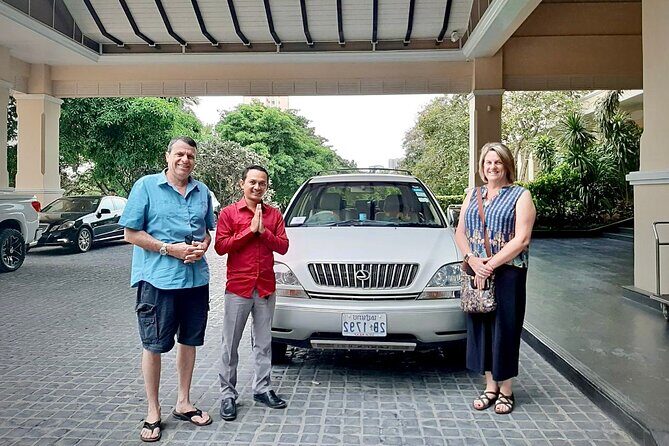
This is a true two-day loop around Siem Reap’s greatest hits, with hotel pickup and drop-off, plus a guide, car/van, and water included. You’ll see Angkor Wat’s highlights alongside the quieter, spread-out temple sites built by Khmer kings, then finish with a lake day over the floating villages.
In This Review
- Key things you’ll notice right away
- Two days in Angkor temple time, without feeling steamrolled
- Day 1: Angkor Thom, Bayon, and Ta Phrom at a calmer tempo
- Angkor Thom highlights: Bayon and the stone city feel
- Ta Phrom: the photo temple, minus the chaos
- Day 1 lunch at the Angkor Archaeological Park
- Day 2: Preah Khan, Neak Poan, and the best “second-day” temples
- Preah Khan: a royal complex with a strong personal story
- Neak Poan: the island temple mood in the Jayatataka baray
- Preruk: a Hindu state temple tied to dates you can picture
- Banteay Srey: Shiva and Parvati in a 10th-century frame
- Lunch on day 2, then Tonle Sap floating villages
- Price and value: what $261 really covers
- What kind of traveler this fits best
- Evening ideas after temples: dance show or circus, then local food
- A few smart tips so your two days go smoothly
- Should you book this private Angkor temples tour?
- FAQ
- Are hotel pickup and drop-off included?
- Is the tour private?
- What’s included in the $261 price?
- Are temple tickets included?
- Is lunch included?
- Do I need to pay for the boat at Tonle Sap?
- What if the weather is poor?
Key things you’ll notice right away
- Private group, flexible schedule that can be adjusted to your pace and interests
- Narin’s temple approach: practical explanations plus smart timing (including earlier starts)
- Angkor Thom focus: Bayon and Ta Phrom, not just the postcard Angkor Wat route
- Day 2 goes beyond the main circuit with Preah Khan, Neak Poan, and other 10th–12th century sites
- Tonle Sap floating villages are part of the plan, with the boat paid by you
- Comfort items included like water, while meals and tickets stay a separate cost
Two days in Angkor temple time, without feeling steamrolled
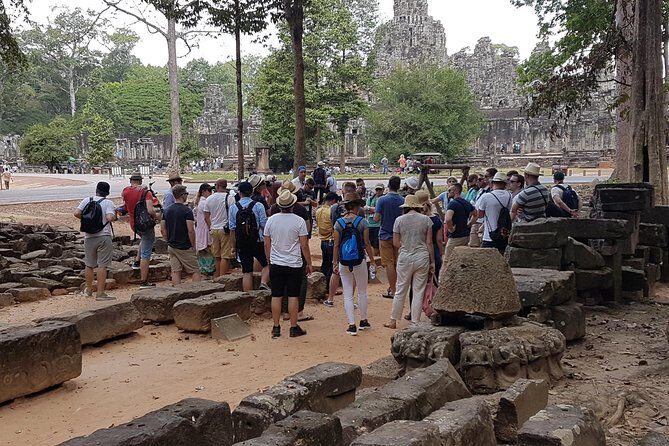
Angkor is huge, and the temples can feel like an obstacle course if you follow a rigid schedule. What makes this tour feel better is the structure plus the flexibility: you’re not stuck doing everything at one speed for one kind of visitor.
The included ride matters here too. You’re moving between areas like Angkor Wat and Angkor Thom, and then out toward the smaller temple sites east and northeast of the main zone. A guide plus a car/van keeps you from losing time to navigation, and the water helps when you’re walking in heat and sun.
You’ll also want to know this up front: temple entry and food aren’t included. That means your total cost depends on the tickets you choose and what you eat, but it also gives you control. If you’re the type who wants to buy a slightly nicer lunch or skip a costly add-on, you can.
A few more Angkor Wat tours and experiences worth a look
Day 1: Angkor Thom, Bayon, and Ta Phrom at a calmer tempo
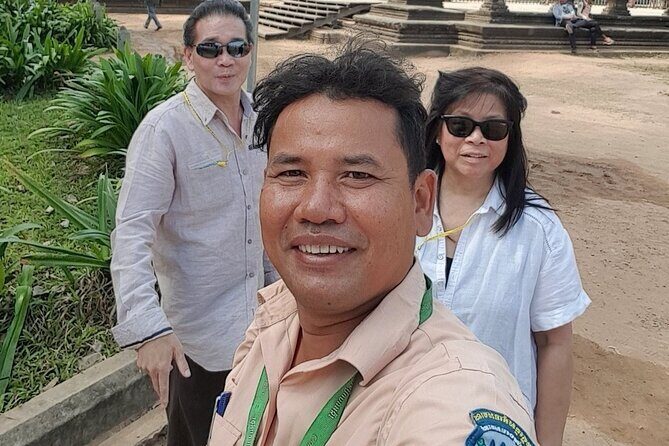
Your first day centers on Angkor Thom, the walled city that anchors so many famous scenes. You’ll roll in with a private guide from your hotel, then spend the morning walking through the older core areas where Angkor’s stone cities feel surprisingly personal.
The big reason I like this day plan is balance. You get the iconic faces of Bayon and the mood of Ta Phrom, but you’re not only doing the most obvious stops. A well-run guide can also steer you toward temples where fewer buses go, and that changes the feeling from crowded sightseeing to real looking.
Angkor Thom highlights: Bayon and the stone city feel
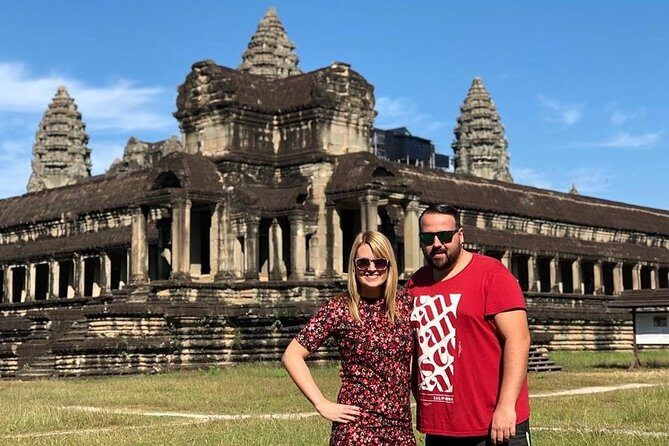
Bayon is the moment that makes many people stop mid-step and just stare up. The temple carvings and the repeated faces give you a sense of how the Khmer world tried to create presence and power through stone.
Angkor Thom is also where you learn to read the layout. You start noticing how causeways and gates pull you between sacred zones. With a guide like Narin, you get context that helps you understand what you’re seeing instead of just collecting photos.
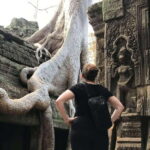
Ta Phrom: the photo temple, minus the chaos
Ta Phrom is the one that makes people think of roots wrapped around stone, and yes, it is photogenic. But it’s also a great temple for understanding time—how nature and human craft interact after centuries of change.
For me, the win is pacing. A private tour lets you slow down when you want to study carvings or step aside when the midday crush starts. One practical tip I picked up from a guide interaction: dress correctly so you don’t waste time finding a backup. Angkor Wat requires covered knees and shoulders, so plan to bring light long pants and a shirt with sleeves, even if it’s hot.
Day 1 lunch at the Angkor Archaeological Park
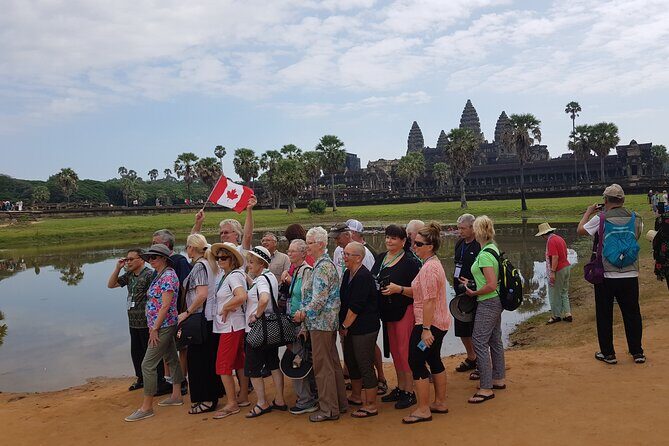
Lunch happens after your morning temple circuit at the Angkor Archaeological Park area. The key detail is simple: lunch is paid by you, not included in the package price.
That separation is actually useful. You can choose a place that fits your budget and cravings, instead of being routed into one fixed menu. If your guide recommends spots, take the advice, because local food decisions can make the difference between a day that feels like a checklist and a day that feels like travel.

Day 2: Preah Khan, Neak Poan, and the best “second-day” temples
Day 2 turns the dial from postcard-famous to historically layered. You’ll head toward temples built under King Jayavarman VII’s era, including Preah Khan, then continue with Neak Poan, Preruk, and Banteay Srey.
This is where your knowledge of Angkor starts to deepen. You begin seeing the pattern: kings built and dedicated temples to honor family, gods, and political legitimacy. You’re not just seeing structures; you’re seeing ideas carved into a landscape.
Preah Khan: a royal complex with a strong personal story
Preah Khan is a 12th-century temple connected with Jayavarman VII and dedicated to his father. The feel is different from Angkor Wat: it’s more expansive, more internal, and it rewards careful wandering.
The central sanctuary dedication timing (in AD 1191) gives you a clean anchor point for understanding the site. With a guide, you can connect what you see in the stone with what the dedication meant at the time.
Neak Poan: the island temple mood in the Jayatataka baray
Neak Poan sits on an island in the center of Jayatataka baray, and the geography is part of the experience. Even if you focus on the temple itself, the surrounding water and reflective calm add a different pace than the busier temple zones.
It’s also an easy win for photographers and for people who just want a break from constant standing in sun. The setting helps you slow down, and that matters after day 1.
Preruk: a Hindu state temple tied to dates you can picture
Preruk is described as a Hindu temple built as the state temple of Khmer king Rajendravarman and dedicated in 961 or early 962. That kind of date gives you something concrete to hold onto as you walk, instead of only experiencing a general sense of age.
In practice, this temple can feel more intimate than the largest icon sites. If you like temples where you can observe details step by step, Preruk is a good match.
Banteay Srey: Shiva and Parvati in a 10th-century frame
Banteay Srey is a 10th-century temple dedicated to Shiva and Parvati. Like Preruk, it gives you a specific religious context, so you’re not just staring at carvings—you’re seeing the themes they were built for.
This stop can work especially well if you want variety across the two days. After Angkor Thom’s stone faces and Ta Phrom’s dramatic mood, Banteay Srey keeps the experience from turning into one long blur of similarly styled ruins.
Lunch on day 2, then Tonle Sap floating villages
Day 2 includes lunch first, then the Tonle Sap Lake portion. Again, lunch is paid by you, and the boat component is also paid by you.
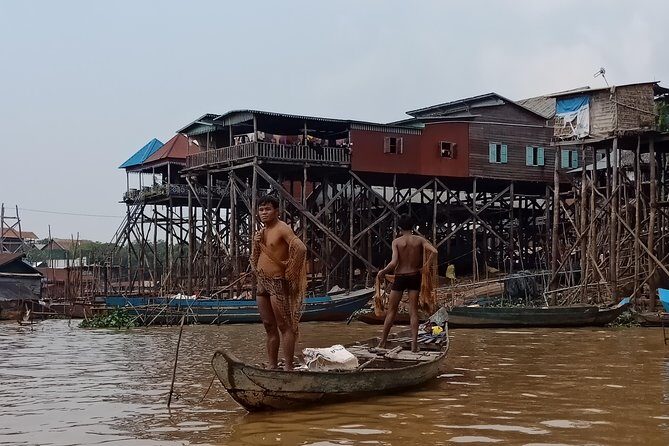
Tonle Sap is worth planning for because it changes how you see the region. Instead of temples made of stone, you’re dealing with a living environment tied to water levels and livelihoods. The floating villages are a major reason people come, so you’ll want to treat this as a real “destination moment,” not just a last stop before heading home.
Practical note: if you get sensitive to sun or wind on the lake, bring light protection. Also, build in some patience. Water-based schedules can shift, and your guide’s role becomes more about keeping you comfortable and informed.
Price and value: what $261 really covers
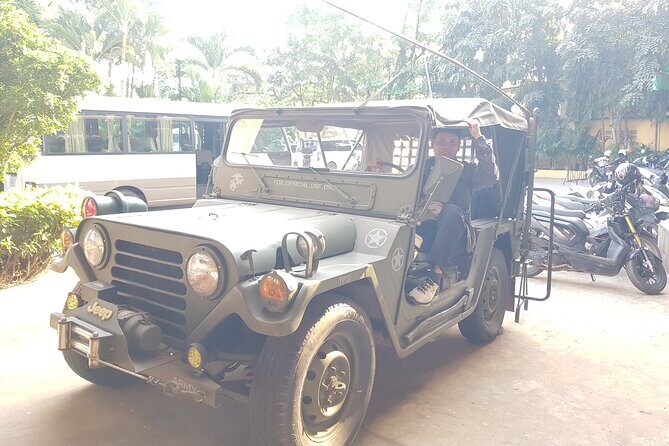
For $261, you’re paying for two days of guide service plus transport (car/van), water, and hotel pickup and drop-off. That’s a solid value for Angkor, especially if you compare what it costs to piece together separate tickets, transport, and a competent guide.
The trade-off is that temple tickets, food, and the boat aren’t included. That’s common for Angkor tours, but it still changes how you should budget. In other words: $261 buys you the structure, the route, and the people; your entry fees and meals buy your access and comfort.
Where this tour tends to shine is private access and pacing. Narin’s flexibility came up in multiple helpful ways, like starting earlier to avoid the hottest parts of the day and adjusting the route to your interests. That kind of tailoring can be the difference between surviving a day and actually enjoying the temples.
What kind of traveler this fits best
This tour fits you if you want:
- A private, two-day temple plan with less crowding and more breathing room
- A guide who can explain what you’re seeing in plain language
- Time for big-name temples like Angkor Thom and Ta Phrom, plus additional second-day sites
- A real cultural add-on like Tonle Sap afterward
It may not fit you as well if:
- You hate paying extra for temple tickets, meals, or boat rides
- You want a fully packaged all-inclusive price with no planning on your side
- You’re extremely time-crunched and need a strict, minute-by-minute schedule
Also, plan for moderate physical effort. This experience calls for moderate physical fitness, which is normal for uneven temple ground and walking between sites.
Evening ideas after temples: dance show or circus, then local food
At the end of day 1, you’re encouraged to use the evening for a traditional Khmer dancing show or a Khmer circus. I like this advice because it balances the day’s stone-and-sun theme with something living and local.
You’ll also be nudged toward local restaurants, paid by you. Don’t treat that as an afterthought. In Siem Reap, a good meal can become part of the memory of the trip, not just fuel for tomorrow’s sunrise.
If you’re deciding what to do in the evening, pick something that won’t leave you rushing. You have a second day packed with key temples, and sleep helps you enjoy the walking more.
A few smart tips so your two days go smoothly
- Pack the right clothes early: Angkor Wat requires covered knees and shoulders, so bring light layers you can actually wear in heat.
- Plan for extra costs: temple tickets, lunch, and the Tonle Sap boat are not included, so keep a separate budget.
- Use your mornings: if your guide can start earlier, you’ll feel it. Fewer crowds plus less intense sun makes the temples easier on your body.
- Ask for pacing adjustments: if you want slower looking, say so. This tour is private, and the route can be adapted.
- Bring curiosity: the historical context only helps if you’re open to learning while you walk.
Should you book this private Angkor temples tour?
I’d book it if you want a two-day Angkor experience that feels organized but not stiff. The biggest value for most people is the combination of private transport, a guide who adapts to your pace, and a route that includes more than the one-day greatest hits.
Choose it especially if you care about context and timing. Angkor is easier to enjoy when someone helps you see the logic of the sites and when the day avoids the worst heat when possible.
Skip it if you want a single all-in price with everything handled, or if you’re uncomfortable managing extra temple tickets and a lake boat expense. But if you’re willing to budget for those basics, this plan gives you a strong spread of temples across both days, plus a satisfying close at Tonle Sap.
FAQ
Are hotel pickup and drop-off included?
Yes. The tour includes pickup from your hotel and returns you to your hotel after the day’s activities.
Is the tour private?
Yes. It’s listed as a private tour/activity, so only your group participates.
What’s included in the $261 price?
The included items are a guide, car/van transportation, and water.
Are temple tickets included?
No. Temple tickets are not included, so you’ll pay separately.
Is lunch included?
No. Food/lunch is not included, so you’ll pay for lunch during the day.
Do I need to pay for the boat at Tonle Sap?
Yes. The Tonle Sap boat is listed as paid by the client.
What if the weather is poor?
The experience requires good weather. If it’s canceled due to poor weather, you’ll be offered a different date or a full refund.