REVIEW · SIEM REAP
Angkor Wat 5-Day Guided Tour & Preah Vihear
Book on Viator →Operated by Asean Angkor Guide · Bookable on Viator
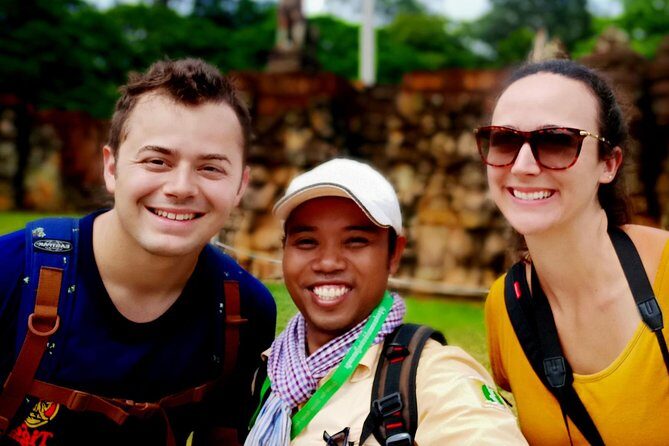
Great temples, twice in a day. This private 5-day Siem Reap route links the big Angkor sites with UNESCO Preah Vihear and a few countryside stops that feel less staged. If you get guides like David or Sareik (both are praised for staying on top of questions and pacing), the whole experience clicks into place.
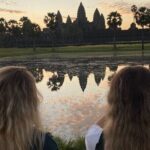
I love the way the schedule protects you from the worst crowd crunch, especially the Angkor Wat sunrise pickup at 4:40 am. I also like the mix: you don’t just bounce temple to temple. You get moments like tasting local snacks on Kulen and cruising through everyday life around Kampong Phluk.
One consideration: most major temple passes are not included, including the 4-day Angkor pass, Preah Vihear pass, Kulen Mountain pass, and Tonle Sap pass/boat ride. Plan on adding those costs, plus the Preah Vihear truck transfer fee.
In This Review
- Quick takeaways
- Why this Angkor Wat + Preah Vihear plan works
- Price and what you’re really paying for
- Day 1 in Angkor: South Gate, Bayon, Angkor Wat, and Bakheng sunset
- Day 2: Kulen National Park, Banteay Srei, and a quieter Angkor stop
- Day 3: Angkor Wat sunrise plus Ta Prohm, Pre Rup, and Preah Khan
- Day 4: Kampong Phluk floating village and Beng Mealea in the jungle
- Day 5: Preah Vihear by truck, then Koh Ker and Linga Pura
- Who this tour suits best (and where it might not)
- Final verdict: should you book?
- FAQ
- What is the tour price?
- Is this tour private?
- Are hotel pickups included?
- Are temple passes included?
- Does the tour include a truck ride to Preah Vihear?
- What time do you start the Angkor Wat sunrise visit?
- Which Angkor sites are covered on day 1?
- Is lunch included?
- How long is the Preah Vihear day?
- Is free cancellation available?
Quick takeaways
- Angkor Wat sunrise starts with a 4:40 am pickup, so you see the temple in calmer light
- Preah Vihear is reached by truck to the cliff-top, with a $25 transfer for groups of 1–6
- Kulen Mountain includes local food time (rice noodles and palm cake) plus waterfall scenery
- Kampong Phluk includes a boat ride to floating farms, schools, markets, and temples
- Your guide keeps things organized and practical, with cool water and towels provided
Why this Angkor Wat + Preah Vihear plan works
What I like about this tour is the way it divides “must-see” sights from “more meaningful” moments. Angkor can feel like a blur if you rush. Here, you get an early start for the iconic Angkor Wat sunrise, then a second day that follows a calmer Angkor circuit. That rhythm matters: you’re not just collecting stamps, you’re actually able to connect buildings with the stories your licensed guide explains.
You’ll also like the balance between the famous and the lived-in. Kulen isn’t only temples and waterfalls. You’re also shown local food habits and scenery in the Siem Reap countryside. Then Kampong Phluk brings you onto Tonle Sap by boat, where the focus is fishing communities and floating farms, not souvenir stops.
Finally, the Preah Vihear day gives you a totally different feel. Instead of dense temple groups in a flat zone, you’re driving north and then heading up by truck to a mountain cliff. Expect big views below, and a temple that feels dramatic in a way Angkor temples don’t.
You can also read our reviews of more guided tours in Siem Reap
Price and what you’re really paying for
The price is $384.62 per person for around five days. On paper, that sounds like “just transportation plus a guide.” In practice, you’re paying for the parts that reduce headaches: an English-speaking licensed guide, an experienced driver, hotel pickup, and a private vehicle/van.
What helps the value a lot is that you’re not only going to one cluster. You’re hitting Angkor (multiple temple stops), then moving outward to Kulen and Beng Mealea, then crossing into north Cambodia for Preah Vihear and Koh Ker/Linga Pura. Those distances add up fast with solo travel. Here, they’re handled for you.
The main catch is costs you’ll handle separately: the Angkor pass, Preah Vihear Temple Pass, Kulen Mountain Pass, and Tonle Sap pass and boat ride are not included. So when you budget, don’t compare this price only against a “temple entry” bargain. Compare it against the value of someone planning timing, coordinating vehicle logistics, and guiding you through sites that make more sense with interpretation.
Day 1 in Angkor: South Gate, Bayon, Angkor Wat, and Bakheng sunset
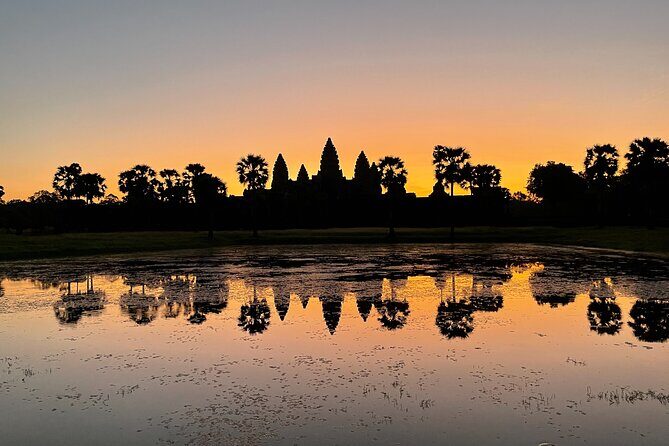
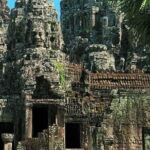
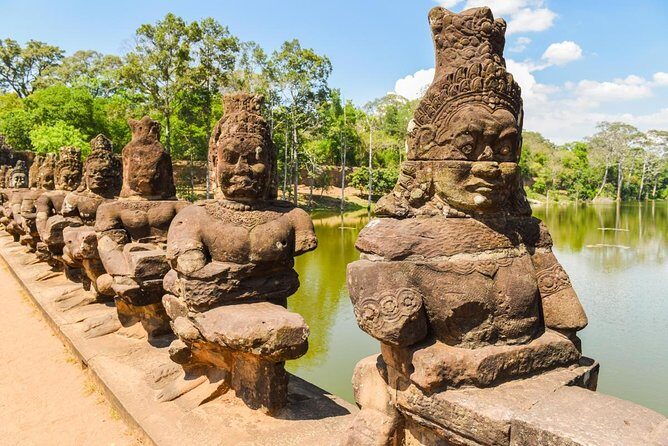
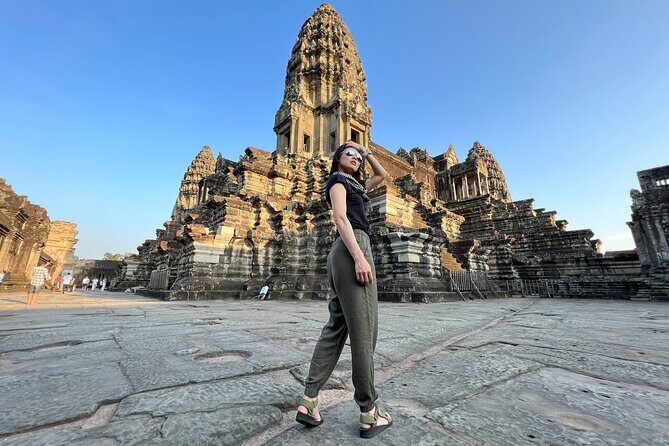
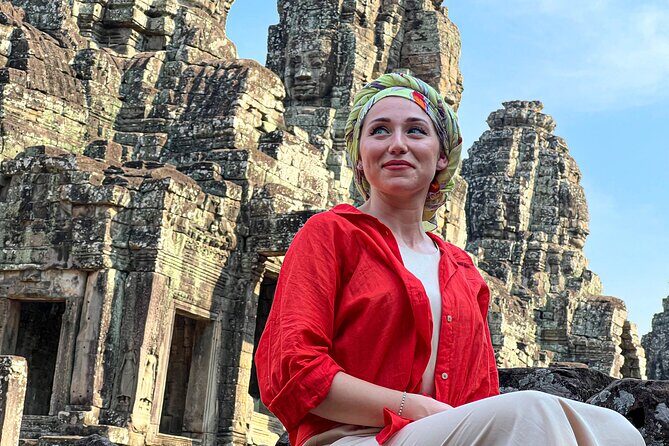
Day 1 is a full Angkor intro, and it’s built around key anchors of the ancient Khmer capital. You start at the South Gate of Angkor Thom, then move into the heart of the city with Bayon, known for its faces linked to King Jayavarman VII’s Mahayana Buddhist reign. This is where a good guide pays off—you’ll learn how the site’s layout and royal intentions connect.
Next are Baphuon (a Hindu temple dedicated to Shiva) and the Terrace of the Elephants, traditionally used as a platform for viewing a victorious return. These stops are shorter, but they set context for what you’ll later feel at Angkor Wat: the same “royal power in stone” theme, expressed in different temple styles.
Lunch is scheduled at a local restaurant in the Angkor park area, then you head to Angkor Wat itself. The timing here matters: the tour notes you’ll be exploring before the biggest crowd waves.
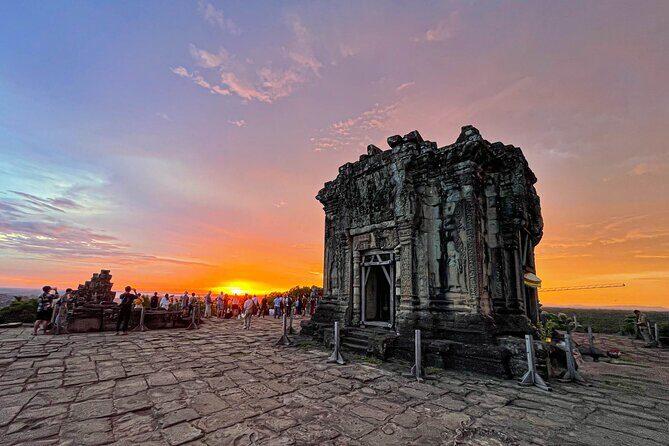
To cap the day, you climb Phnom Bakheng for the sunset view. Expect stairs and a real payoff at the top. If you dislike climbing late in the day, this is the part you’ll want to think about.
Day 2: Kulen National Park, Banteay Srei, and a quieter Angkor stop
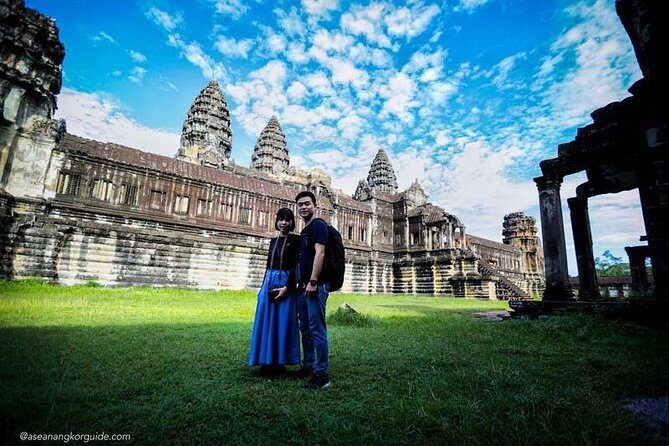
Day 2 shifts from Angkor city monuments to the sacred landscape around Kulen Mountain. You start with countryside time, including hands-on cultural touches: you’ll see how people make rice noodles and you can taste palm cake. This is one of the best “human scale” moments on the tour because it makes the region feel like it lives beyond temples.
Then you head to Phnom Kulen National Park for the big spiritual highlights: the massive reclining Buddha stone statue in Cambodia (described as built in the 16th century), waterfalls, and a river of one thousand Shiva lingas. That mix of nature and devotion is exactly why Kulen is more than a detour.
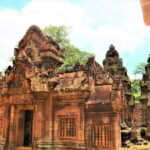
After that, you go to Banteay Srei, the pink sandstone temple often considered one of the more visually distinctive Angkor-area sites. It’s followed by Banteay Samre, a shorter stop before returning to Siem Reap.
Why this day works: it reduces the “temple overload” fatigue. If your group tends to blur details after a few hours of stonework, Kulen provides a reset—food, scenery, and spiritual sites—before you head into more temple-focused mornings again.
Day 3: Angkor Wat sunrise plus Ta Prohm, Pre Rup, and Preah Khan
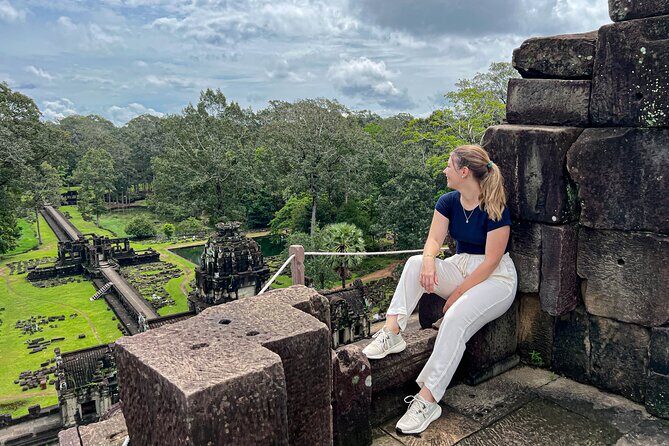
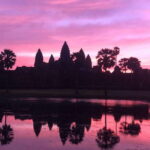
This is the day with the “serious wow, early” start. The plan asks your hotel staff to pack a takeaway breakfast, then the pickup is at 4:40 am for the Angkor Wat sunrise. That timing is the whole point: light changes the mood of the temple, and early access helps you avoid the heaviest crowd pressure.
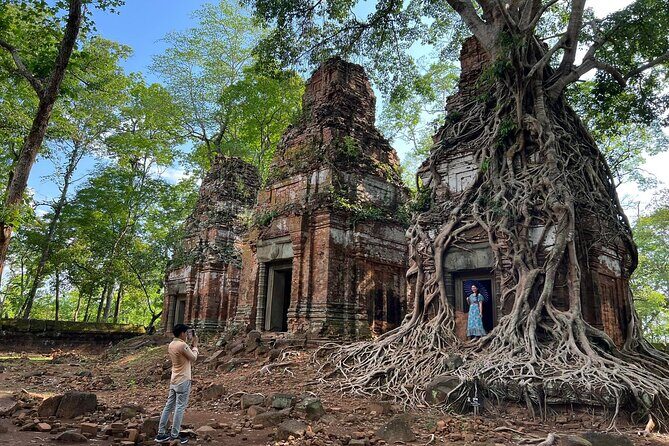
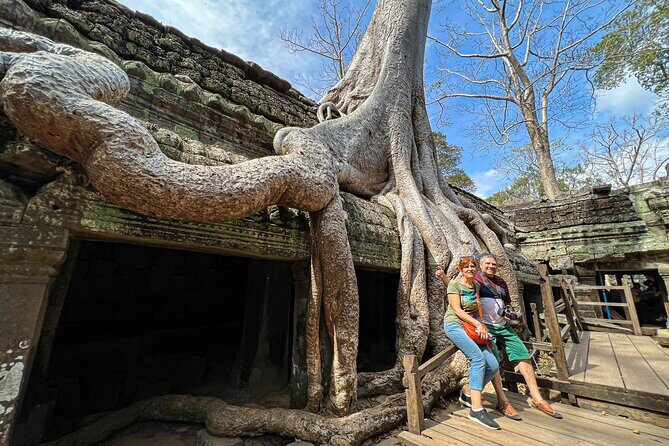
After sunrise, you continue into the more story-driven temple sequence. Ta Prohm (the well-known Tomb Raider temple) gives you that iconic feel of nature and stone in the same frame, built in 1186 AD. Then you move to Pre Rup, a Hindu temple dedicated to Shiva and linked to Khmer king Rajendravarman (described here as built in 961 AD).
The short stops keep the momentum without dragging: Ta Som, an end-of-12th-century Buddhist temple built for Jayavarman VII; then Neak Pean, an artificial island with a Buddhist temple on a circular island in Jayatataka Baray. You finish with Preah Khan, built in the 12th century to honor Jayavarman VII’s father.
The value of this day is pacing plus variety. You’re not only hitting famous names. You’re also getting a broader Angkor picture—different eras, different religious styles, and different temple functions—without needing to manage logistics yourself.
A few more Siem Reap tours and experiences worth a look
Day 4: Kampong Phluk floating village and Beng Mealea in the jungle
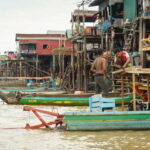
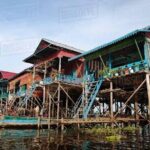
Day 4 is where the tour stops playing “only Angkor.” You go to Kompong Phluk, a floating village where many families earn a living from fishing. The experience includes a boat ride, and you’ll see floating farms, schools, markets, and Buddhist temples.
A practical plus here: your guide is included to help you avoid scams. I can’t stand when a boat ride turns into pressure selling. The point of this stop is to watch everyday life and understand how the water shapes the community.
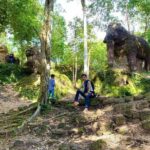
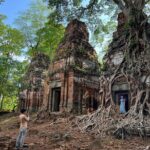
In the afternoon, you go to Prasat Beng Mealea, a 12th-century temple described as heavily overgrown with vegetation, lianas, and moss. This is one of the more ruined and jungle-like stops in the Angkor area, and it feels bigger in a different way than the restored main temples. You’re not looking at polished surfaces so much as a stone structure slowly reclaimed by nature.
Why this day is worth it: it balances “pretty and iconic” with “raw and atmospheric.” If you want photos, you’ll get them. If you want perspective, you’ll get more than that.
Day 5: Preah Vihear by truck, then Koh Ker and Linga Pura
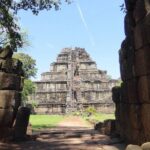
Preah Vihear is a standalone kind of day. You depart around 7:00 am and drive north toward the Thai border area. The temple is described as a cliffside sanctuary in lush forest below, built in the 11th century during the Khmer Empire and recognized as a UNESCO World Heritage Site in 2008.
To reach the main mountain temple, the tour includes truck riding to the top. There’s a specific transfer cost: $25 for groups of 1–6 people. Think of this as the price of getting the full viewpoint. When you’re up there, the setting feels like part of the architecture, not just scenery.
After Preah Vihear, you stop for lunch on the way, then continue to Koh Ker and Linga Pura (an ancient Khmer city mentioned as worth a visit with your guide). You’ll see the three main temples called out here: Prasat Thom (the pyramid temple), Prasat Linga, and Prasat Prum.
Expect a late-afternoon return to Siem Reap. This final day is long on purpose. Preah Vihear and Koh Ker aren’t quick add-ons; they need time to land.
Who this tour suits best (and where it might not)
This is a strong fit if you want:
- A private setup where your pace and questions can shape the day
- Temple interpretation, especially for Angkor’s mix of Hindu and Buddhist sites
- A route that includes off-Angkor stops like Kulen, Tonle Sap floating life, and Beng Mealea
- Less stress than planning buses and guides around five different “clusters”
It may not be ideal if you:
- Want a trip where entrance fees are all-in (since several key passes are not included)
- Hate early mornings. Sunrise day starts at 4:40 am pickup
- Dislike long driving days. Day 5 is a long northward push
If you’re traveling with a group that appreciates context, this tour shines. If you’re traveling mostly for photos and don’t care for explanations, you can still enjoy it, but the “private licensed guide” value won’t hit the same way.
Final verdict: should you book?
I’d book this if your priority is seeing Angkor at the right times and then getting out beyond the Angkor footprint. The best part is how the guide-led storytelling makes the sites feel connected, not random.
Just budget realistically for the major passes and the Tonle Sap/boat portion, since that’s the biggest “surprise cost” category. If you’re good with that, this tour looks like a solid value: you’re paying for private logistics, interpretation, and a full arc from Angkor Wat to Preah Vihear.
FAQ
FAQ
What is the tour price?
The tour costs $384.62 per person and runs for about five days.
Is this tour private?
Yes. It’s described as a private tour/activity where only your group participates.
Are hotel pickups included?
Pickups are offered, and multiple days list specific hotel pickup times (like 8:30 am for Angkor Thom and 4:40 am for the Angkor Wat sunrise day).
Are temple passes included?
No. The Angkor pass for a 4-day visit is not included, and the Preah Vihear Temple Pass, Kulen Mountain Pass, and Tonle Sap pass and boat ride are also not included.
Does the tour include a truck ride to Preah Vihear?
Truck riding to the top of Preah Vihear Mountain is included, but there is also a stated transfer cost of $25 for groups of 1–6 people.
What time do you start the Angkor Wat sunrise visit?
You’re picked up at 4:40 am for the sunrise tour at Angkor Wat.
Which Angkor sites are covered on day 1?
Day 1 includes Angkor Thom South Gate, Bayon Temple, Baphuon Temple, Terrace of the Elephants, Srah Srang, Angkor Wat, and Phnom Bakheng.
Is lunch included?
Lunch stops are part of the schedule at local restaurants, but the provided details do not clearly state that lunch is included as a paid-for meal.
How long is the Preah Vihear day?
The Preah Vihear portion is listed with a 4-hour duration for the visit, plus additional travel time to and from the sites.
Is free cancellation available?
Yes, free cancellation is available. You can cancel up to 24 hours in advance for a full refund.