REVIEW · SIEM REAP
Siem Reap: Angkor Temples Off-Track Bicycle Tour
Book on GetYourGuide →Operated by OFF TRACK Tours · Bookable on GetYourGuide
Angkor by bicycle beats the usual crush. This Siem Reap Angkor Temples off-track tour turns temples into a ride through jungle paths, with stops like the South Gate of Angkor Thom and Bayon Temple, plus a lunch break along the way. You meet at Bayon Pastry School and roll out at 8:30 am.
I love two things most: the route that keeps you away from the fattest crowds (good for photos and your feet), and the fact this non-profit tour supports KKO – Khmer for Khmer Organisation, including free education for children. It also feeds the local economy with support for restaurants, farms, and street vendors.
One consideration before you book: this tour is not suitable if you can’t ride a bike, and you’ll need to follow the temple dress rules (no shorts, short skirts, or sleeveless shirts) in Cambodia’s heat.
In This Review
- Key highlights worth getting excited about
- From packed temples to temple-jungle connections
- Morning at Bayon Pastry School: meet, gear up, then roll
- Angkor Wat wall photo stop: seeing the edges first
- Angkor Thom South Gate + Bayon Temple: big faces, calmer pacing
- A possible drawback at this stage
- The quieter Angkor Thom stop: Preah Palilay when timing allows
- Jungle lunch break: food that fits the day
- Preah Khan: more temple, less crowd energy
- Ta Nei Temple (Ghost Temple): quiet enough to hear yourself think
- Ta Keo Temple: the last temple before the ride back
- Angkor Wat again, but on your terms: photo stop and guided time
- Price and value: what $65 buys you in the real world
- What to bring, what to wear, and why it matters
- Who this tour suits best
- Should you book this off-track Angkor bicycle tour?
- FAQ
- How long is the Siem Reap Angkor Temples off-track bicycle tour?
- How much does the tour cost?
- Where do we meet for the tour?
- What is included in the price?
- Is the Angkor Pass included?
- What languages does the guide speak?
- Can they accommodate vegan food or other needs?
- What group size is it?
- Do I need to be able to ride a bike?
- What should I wear and bring?
Key highlights worth getting excited about

- Small group (up to 7) keeps the ride personal and the pacing flexible
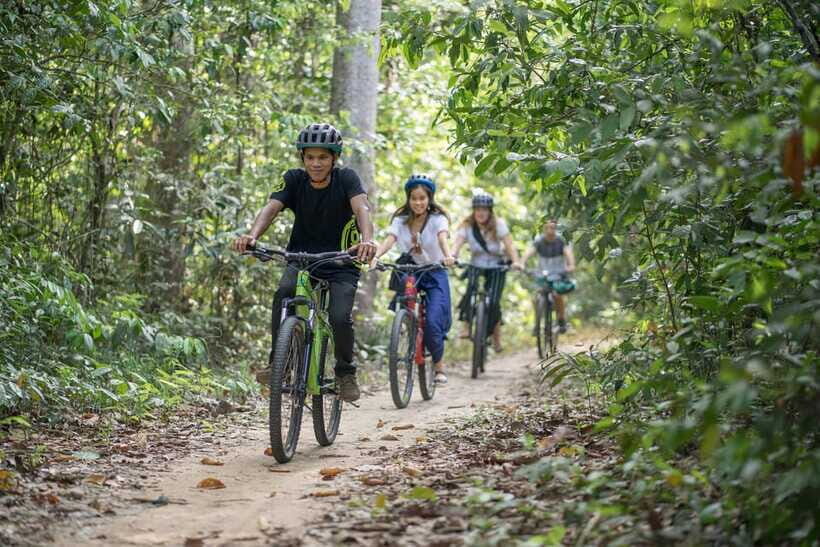
- Off-road jungle paths means you’re moving like a local, not stuck in a convoy
- South Gate of Angkor Thom + Bayon Temple blends big icon moments with calmer timing
- Preah Khan and Ta Nei trade crowd energy for quieter temple atmosphere
- Ta Nei Temple (Ghost Temple) is the “easy to miss” stop you’ll be glad you included
- Lunch in the jungle plus support for local vendors makes the day feel grounded
From packed temples to temple-jungle connections
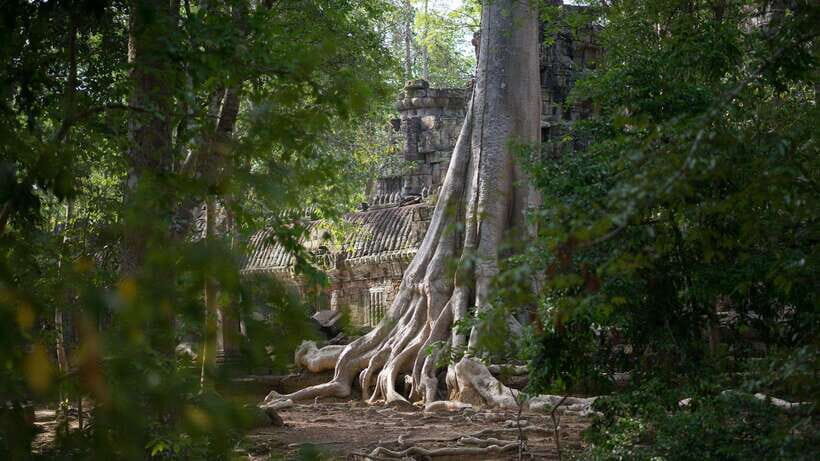
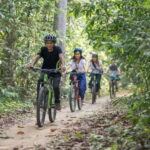
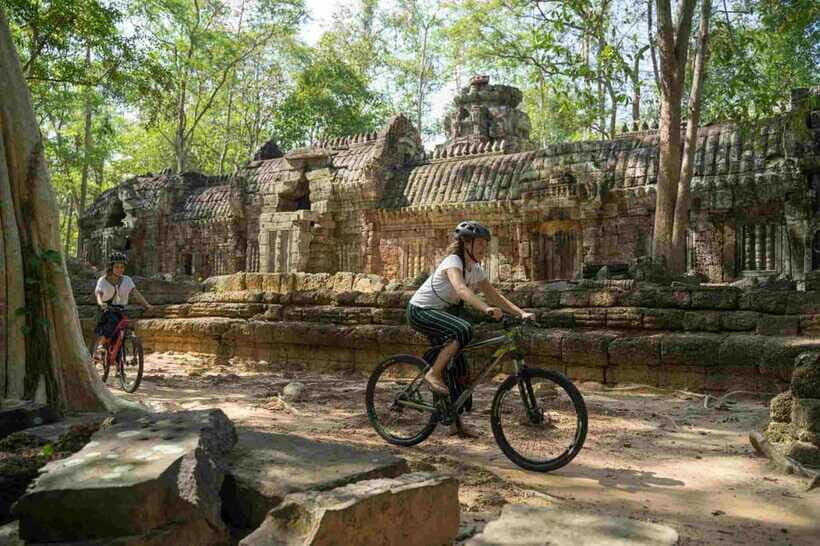
Siem Reap has a way of making Angkor feel like a checklist: arrive, queue, snap, repeat. This tour changes the rhythm. Instead of getting pushed through the same circuits, you cycle through the jungle and along smaller paths that feel more human-scale. The result is that the temples connect to their environment. You’re not just looking at stones. You’re moving through the setting those stones rise out of.
And the format matters. An 8-hour bike tour forces a steady, low-stress pace. You stop when something deserves attention. You ride when your legs need it. It’s a different kind of sightseeing, one where the journey is part of the story.
You should also know this tour leans on context. You’ll get guided explanations about the Angkorian Empire and Khmer culture, which helps when you’re staring at carvings and wondering what you’re actually seeing.
You can also read our reviews of more tours and experiences in Siem Reap.
Morning at Bayon Pastry School: meet, gear up, then roll
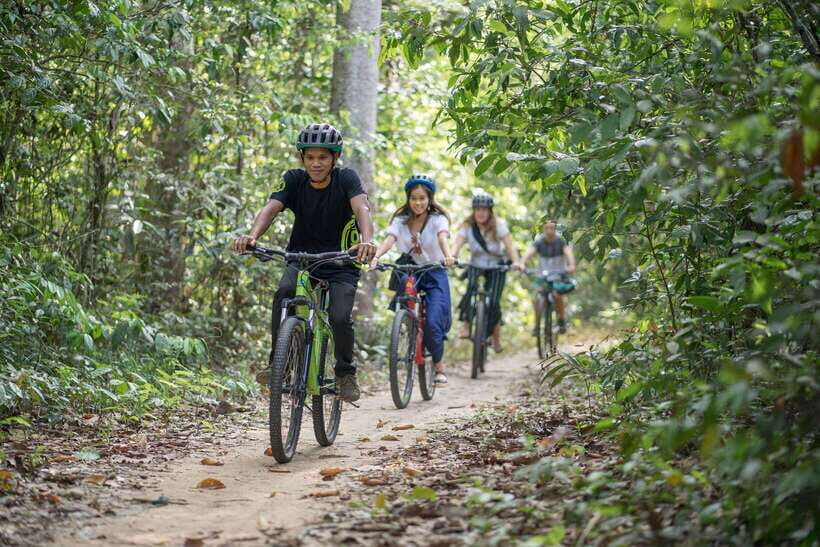
You start at Bayon Pastry School in Siem Reap. Meet time is 8:30 am for the group introduction. Expect a quick overview of how the day works, and you’ll get guidance before you start cycling.
Bikes are provided, and they’re described as quality bikes. That matters, because jungle paths can feel bumpy even when they are manageable. You also get a safety plan for emergencies, plus a first aid kit carried with the group. This kind of planning makes a big difference when you’re riding off main roads rather than cruising a flat city street.
The guide speaks English and Cambodian, which is useful for asking practical questions as you go. It also helps when the guide switches from interpreting stonework to explaining everyday Khmer life—because Angkor isn’t just art. It’s culture, belief, and history stacked on top of each other.
Angkor Wat wall photo stop: seeing the edges first
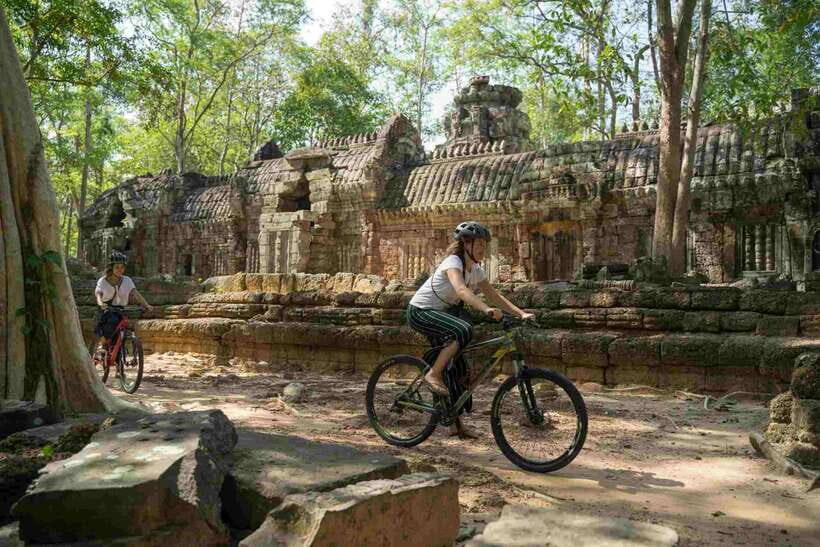
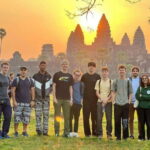
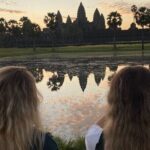
Early on, you head into Angkor Park and you’ll make time for a photo stop connected to Angkor Wat’s wall. Even if you’re saving the full Angkor Wat stop for later, getting that first view is smart. It gives you orientation. You start the day seeing how the complex sits inside its larger boundaries.
This is a small moment, but it works. It helps you mentally map what comes next when you move toward Angkor Thom and the Bayon area. In a place as big as Angkor, that kind of orientation is practical, not just pretty.
Angkor Thom South Gate + Bayon Temple: big faces, calmer pacing
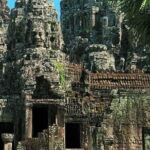
Your guide leads you through to the South Gate of Angkor Thom and then you visit Bayon Temple. This is the heart of Angkor Thom’s iconic look, especially with the famous stone faces you’ll see around the temple towers.
Here’s what I like about this approach: the tour is structured to reduce crowd pressure by using timing and route choices. That means Bayon feels less like a squeeze and more like you can actually take in details without fighting for a spot.
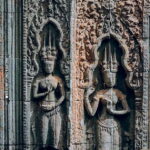
You’ll have guided time at Bayon, so you’re not just photographing from one angle. The guide helps connect the carvings to what was going on in the Angkorian world. That guidance is especially helpful if you’re visiting for the first time, because it turns the obvious features into something you can interpret.
A possible drawback at this stage
Even with crowd-avoidance planning, Bayon is still Bayon. If you are very sensitive to noise or dense foot traffic, you may still feel other tourists nearby at some points. The payoff is that the rest of the day tends to feel quieter and more spacious.
The quieter Angkor Thom stop: Preah Palilay when timing allows
One of the smarter touches is the plan for a smaller temple inside Angkor Thom, such as Preah Palilay, if you have time. This is exactly the kind of stop that turns “I saw the famous places” into “I understood how Angkor’s smaller sites fit the bigger picture.”
Preah Palilay isn’t positioned like a main headline. That makes it easier to slow down. You can look longer. You can ask better questions. And you’ll come away with a sense for how the Angkorian landscape included more than just the most photographed structures.
Jungle lunch break: food that fits the day
After the Bayon-area temples, you take lunch at a local restaurant in the jungle. That detail matters more than it sounds. A mid-day food stop inside the green surroundings keeps your energy steady, and it breaks up the day so you can reset before the later temples.
Also, the operator is explicit about flexibility with food. If you need vegan food, want to shorten or extend the tour, or just feel like early mornings are not your thing, you can tell them your wishes. It’s a rare bit of customer care in a temple-focused day.
Practical note: Cambodia’s sun and humidity are real. Bring water-focused common sense. Even when lunch is good, you’ll want to stay hydrated before and after.
Preah Khan: more temple, less crowd energy
After lunch, you cycle through the jungle toward Preah Khan. The description notes that there are fewer crowds here compared with the most popular stops. That’s believable once you’ve ridden the connecting paths, because the feel changes as you get further into the temple network.
Preah Khan works well because it’s big enough to keep your attention, but not so “stand here and wait” that you burn time. The ride also helps. It’s easier to see the temple as part of a landscape when you’ve been moving through that landscape, not just arriving on foot and immediately joining a queue.
Your guide will share context about the Angkorian Empire and Khmer culture as you explore. That context tends to click more here, because you’ve already warmed up your “temple reading skills” earlier in the day.
Ta Nei Temple (Ghost Temple): quiet enough to hear yourself think
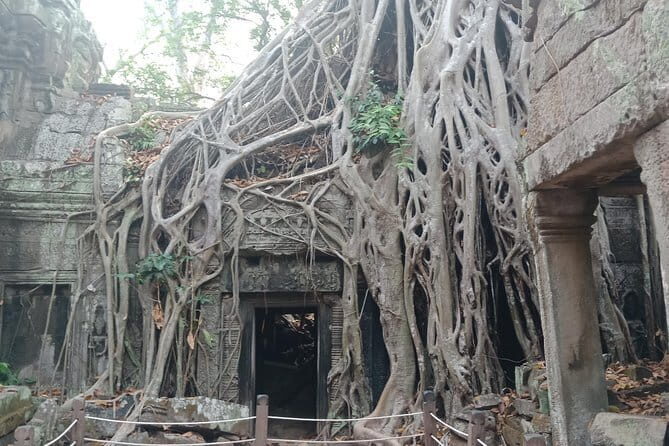
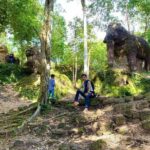
Then comes Ta Nei Temple, also called the Ghost Temple. The name isn’t just marketing. It’s described as very hidden and quiet in the middle of the jungle, which means it’s rarely visited compared to the headline temples.
This stop is one of the strongest reasons to choose an off-track bike tour over a standard van circuit. When you get a quieter temple, you stop racing. You start noticing how space feels—how the carvings sit in the shade, how the surrounding greenery changes your sense of scale, and how the temple stops being a photo background and becomes an atmosphere.
Here’s the practical tip: if you love photos, this is where you’ll likely get the most interesting ones without crowds in every direction. If you’re not a photo person, you’ll still appreciate the quiet.
Ta Keo Temple: the last temple before the ride back

Finally, you visit Ta Keo Temple before heading back to town. It’s positioned as the last temple stop, which makes sense. After Ta Nei’s quiet jungle feel, Ta Keo helps bring you toward a more open, wrap-up stage of the day.
By this point, you’ll know what to look for more than at the start. Your guide’s explanations earlier in the day help you recognize patterns in how Khmer architecture and religious symbolism were expressed across sites.
Even if Ta Keo isn’t the one you’ll remember most, it’s a good ending because it feels like you’re finishing strong, not fading out.
Angkor Wat again, but on your terms: photo stop and guided time
Your final major Angkor Park moment connects to Angkor Wat. You’ll have photo stop time and a guided visit element tied to the complex. Doing Angkor Wat after you’ve already seen the Angkor Thom cluster and cycled through the jungle changes your experience.
Instead of rushing in as your first big landmark, you arrive with context. You know how the temples are arranged. You’ve already learned how guides connect the carvings to culture and empire. That makes Angkor Wat’s scale feel less like a shock and more like a conclusion.
Price and value: what $65 buys you in the real world
The price is $65 per person for an 8-hour day, with lunch and a local guide included, plus the bicycle tour and off-road jungle paths. Angkor Pass tickets are not included.
So is it good value? For many people, yes, because the tour isn’t only transporting you. It’s doing three things at once: providing bikes, delivering a guided explanation across multiple temple stops, and taking you to quieter areas using smaller paths.
The biggest value multiplier, though, is the non-profit model. This is presented as the only non-profit tour operator in Siem Reap, with profits going to KKO – Khmer for Khmer Organisation for free education and vocational training. You’re not just paying for your own access. You’re paying into an education effort.
And your money also supports local businesses on the ground, including restaurants, farms, and street vendors that you interact with during the day. If you care about travel that doesn’t treat local life as scenery, this factor tends to feel as important as the temples.
What to bring, what to wear, and why it matters
This tour gives you the basics, but you still need to show up ready. Bring a camera, sunscreen, and insect repellent. That’s not optional advice in Cambodia.
Dress code is strict: no shorts, no short skirts, and no sleeveless shirts. If you’re planning to come straight from a hot day at the pool or the market, make sure you have temple-friendly clothing in your bag. It will save you from awkward fixes at the last minute.
Also, bring the attitude that the tour involves real cycling. It’s not suited for people who can’t ride a bike. Off-road paths mean you’ll need comfort with balance and basic bike control.
Who this tour suits best
This is a great fit if you:
- want less crowded temple time and you like photos without constant shoulder-to-shoulder movement
- enjoy history explanations tied to what you’re seeing, not just random facts
- feel more comfortable moving on a bike than doing a full day of walking
- care about where tourism money goes, especially with KKO education support
It may not be the best choice if you:
- can’t ride a bike or you’re looking for a car-based day
- hate early starts, even with the operator’s stated flexibility
- need a fully unrestricted dress style for comfort
Should you book this off-track Angkor bicycle tour?
If you want Angkor without the usual crush, I’d strongly consider booking this. The combination of jungle cycling, quiet stops like Ta Nei, guided context, and lunch in a local setting makes the day feel more meaningful than a standard temple loop.
I’d book it even more confidently if you’re open to a real ride and you’re willing to follow the dress code. Add to that the non-profit structure supporting KKO education, and this stops being only a sightseeing tour. It becomes a day you can feel good about.
FAQ
How long is the Siem Reap Angkor Temples off-track bicycle tour?
The tour lasts 8 hours.
How much does the tour cost?
The price is $65 per person.
Where do we meet for the tour?
You meet at Bayon Pastry School in Siem Reap.
What is included in the price?
The tour includes lunch, a local guide, the bicycle tour, guided insight into the Angkorian Empire and Khmer culture, visits to hidden temples and a local village, and off-road jungle paths.
Is the Angkor Pass included?
No. The Angkor Pass is not included.
What languages does the guide speak?
The live guide speaks English and Cambodian.
Can they accommodate vegan food or other needs?
Yes. If you want vegan food or you want to shorten or extend the tour, you can tell them your wishes.
What group size is it?
The group is limited to a small group of up to 7 participants.
Do I need to be able to ride a bike?
Yes. The tour is not suitable for people who can’t ride a bike.
What should I wear and bring?
Bring camera, sunscreen, and insect repellent. Wear clothing that follows the rules: no shorts, short skirts, or sleeveless shirts.