REVIEW · SIEM REAP
Siem Reap: Angkor Wat: Small-Group Sunrise Tour
Book on GetYourGuide →Operated by Angkor Wat Travel Tour · Bookable on GetYourGuide
Dawn at Angkor feels like time travel. This small-group sunrise tour gets you at Angkor Wat before most people even think about breakfast.
I like the early logistics: hotel pickup around 4:30 AM in an air-conditioned vehicle, plus cold water and a cold towel at the stops. I also like the way the guide brings the Khmer world to life, with English storytelling and a strong focus on the temples you actually came to see, from Bayon faces to Ta Prohm’s tree roots, often guided by folks like Mr T, Sen, or Chanthy.
One consideration: this tour does not include entrance tickets or your meals, so budget extra for park entry and food. Also, expect a long day after a very early wake-up, and it is not a great fit if you have back problems.
In This Review
- Key highlights you’ll feel on daybreak
- Why the 4:30 AM start makes this tour worth it
- Angkor Wat before the crowd wave: sunrise, then the guided walk
- Moving into Angkor Thom: Bayon faces and the art of interpretation
- Ta Prohm’s tree roots: the temple that looks like a story
- The Elephant and Leper King terraces: power views from the royal center
- Banteay Kdei: a calmer late visit
- Comfort and timing: what this small-group format does well
- Value check: $16 is the headline, but plan your total spend
- Who should book this sunrise tour (and who should skip it)
- What to bring so the day feels easy
- Choosing shared vs private: when it’s worth upgrading
- Should you book the Angkor Wat Small-Group Sunrise Tour?
- FAQ
- Are entrance tickets included in the price?
- Is food included?
- What time is pickup?
- Is the tour suitable for kids?
- What’s the group size?
- Is there an option for a private tour?
- Is the tour suitable for people with back problems?
Key highlights you’ll feel on daybreak
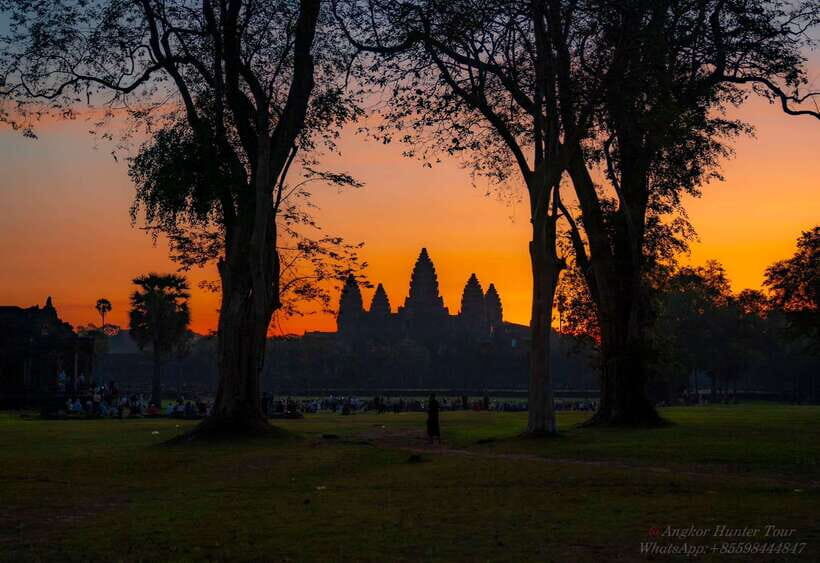
- Sunrise at Angkor Wat: photo time and first views before the crowd wave hits
- Small group pace (max 15): easier photo stops and clearer guidance
- English-speaking local guide: history and art explained in plain language
- Cold water and cold towels: a real comfort upgrade in the heat
- Ta Prohm + Bayon + Banteay Kdei: big hits, plus one calmer finale
- Private group option: choose your own level of space and attention
Why the 4:30 AM start makes this tour worth it
Angkor Wat is famous for sunrise, but the real win is what happens before sunrise. When you leave your hotel around 4:30 AM, you’re not just chasing a pretty morning sky. You’re also avoiding the worst crush moments—the ones when you can barely stop, let alone think.
This tour also helps you get oriented fast. Your pickup runs from the Siem Reap city area, with the driver meeting you in the lobby (they’ll hold a sign with your last name). Then you head toward the main entrance in an air-conditioned vehicle for the first chunk of the day, so you arrive with energy instead of already cooking in the heat.
If you hate wasting time, this is a good match. The schedule is built around temple access and photo opportunities at the most practical times. That means you spend more minutes actually looking, and fewer minutes stuck trying to beat the masses.
A few more Siem Reap tours and experiences worth a look

Angkor Wat before the crowd wave: sunrise, then the guided walk
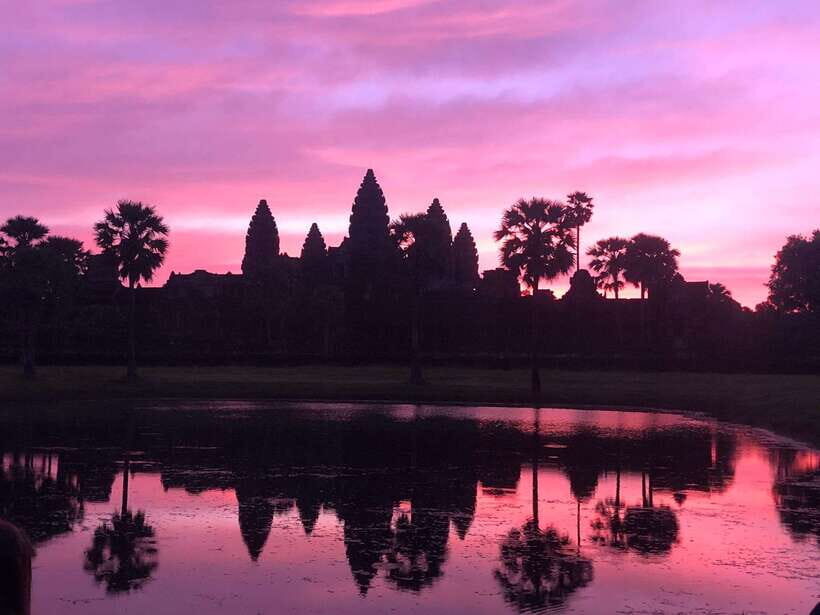
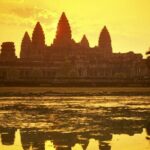
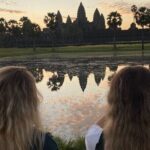
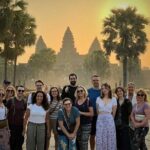
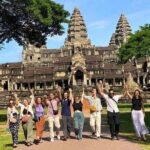
You start at the main entrance to Angkor Wat to watch the sunrise, then you keep going with a guided visit. The time on-site is about three hours, which is enough to do the big photo moments and still get a guided explanation without feeling rushed.
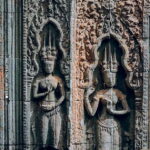
What makes Angkor Wat special at dawn is the contrast. At first light, the stone looks cooler and more dimensional, and you can see details that are harder to spot later in the day when the sun is high and harsh. Sunrise also changes the mood. Instead of a sightseeing line, it feels like you’re entering a living space—quiet, dramatic, and very photogenic.
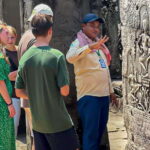
The guide component matters here. Angkor Wat is easy to admire, but harder to read. With an English-speaking local guide, you get clearer context for what you’re seeing: the temple layout, the symbolism, and how Khmer rulers shaped this site. If you like photos, you’ll also appreciate that your guide helps you get to key viewpoints when timing is tight.
Practical tip: wear shoes you can walk in for hours. Even when the tour feels organized, you still need sturdy footing on temple stone and paths.
Moving into Angkor Thom: Bayon faces and the art of interpretation
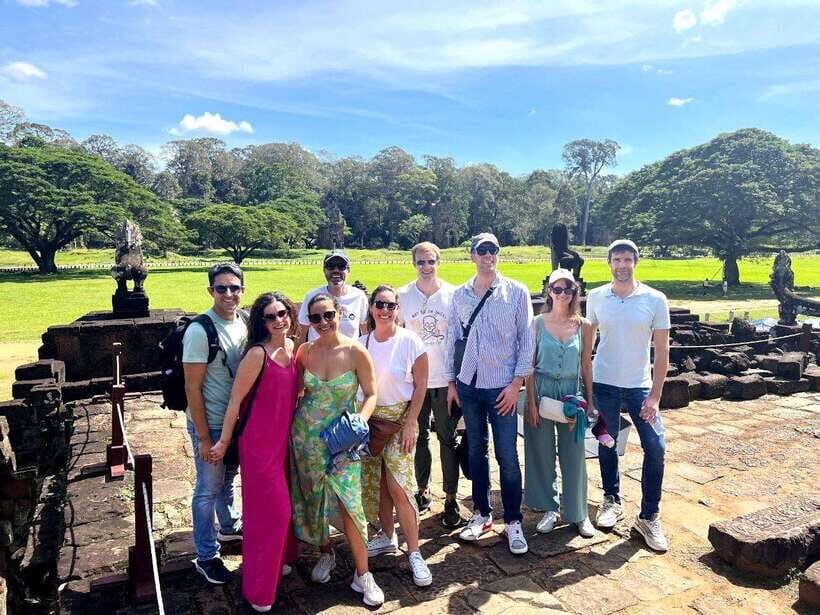
After Angkor Wat, you’ll shift into the Angkor Thom area. This is where the tour becomes more than sightseeing. It becomes sense-making.
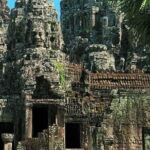
You’ll head toward the South Gate of Angkor Thom, and then the big stop is Bayon. Bayon is known for its 54 towers and the 216 faces of Avalokesvara (Buddhisattva). It’s one of those sights that looks simple from far away and then turns into a visual puzzle up close. The expressions, the angles, the way the faces appear different as you move—these are the details your guide helps you notice.
Then there are related temples and viewpoints. The tour plan includes time around major structures like Baphoun as part of the Angkor Thom circuit. Even if you don’t memorize dates, you’ll come away understanding the Khmer empire’s reach and the religious ideas encoded into stone.
This is also a spot where your group size helps. With a maximum of 15 people, it’s easier for the guide to keep you together while still allowing you a few moments to step back for photos.
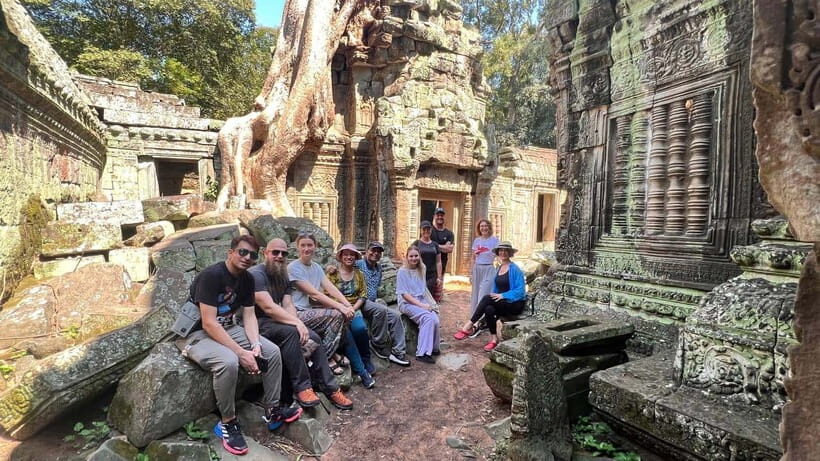
Ta Prohm’s tree roots: the temple that looks like a story
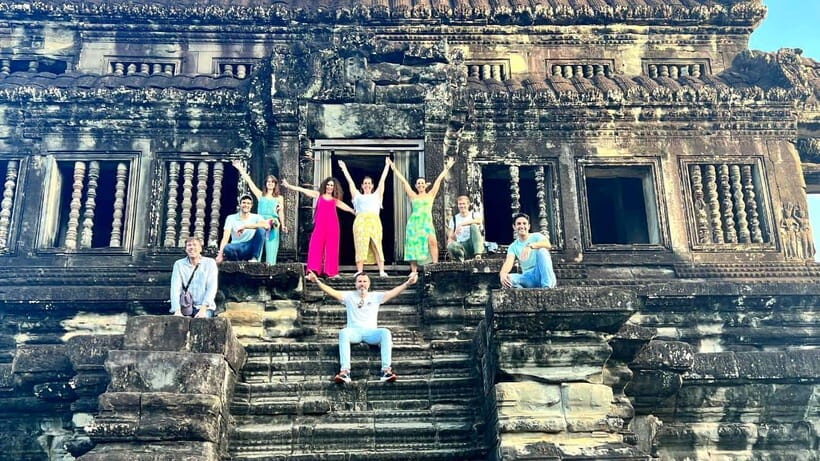
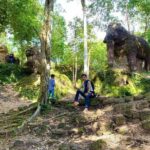
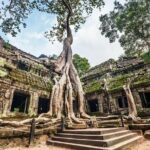
Next up is Ta Prohm, the famous jungle temple. This is the one many people picture when they think Angkor: stone blocks wrapped with roots and branches, a half-ruined silhouette that feels both cinematic and real.
Your visit here is about one hour. That’s a sweet spot. Long enough to walk the main areas and get the dramatic frames, but not so long that you lose your momentum in the heat.
What I like about including Ta Prohm on this itinerary is pacing. You’ve had sunrise energy at Angkor Wat, then a heavier, more interpretive stop in Angkor Thom. Ta Prohm shifts the day back into wonder and visuals, so the tour doesn’t feel like nonstop lectures.
Practical tip: bring your camera, but also give your eyes time. Many people rush Ta Prohm and miss the way the trees shape sightlines through doorways and corridors. A guide can point out where the best lines of sight tend to be, especially before the crowd thickness rises.
The Elephant and Leper King terraces: power views from the royal center
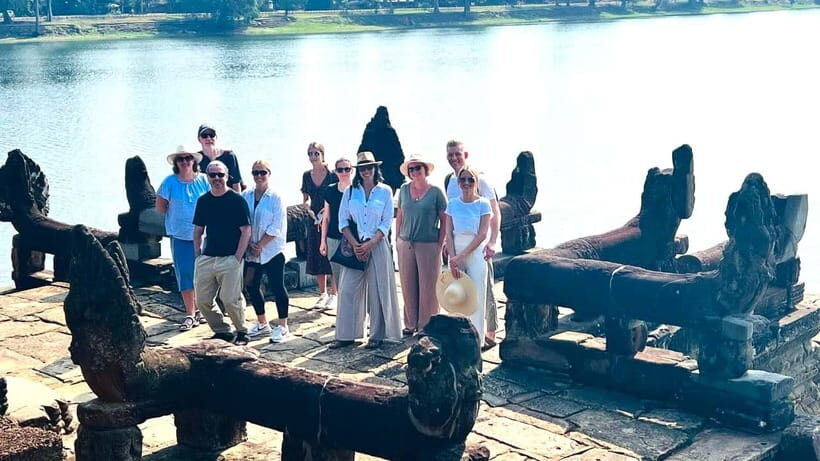
The tour also includes a look at the Terrace of the Elephant and the Terrace of the Leper King. These are more than photo backdrops. They’re part of the palace-and-ceremony world that sat around the Khmer rulers.
The Elephant Terrace connects to royal spectacle—how the kingdom staged power. The Leper King Terrace is tied to the king’s audience hall, a place where ceremonies and governance would have taken place. Standing there, you can start to understand why these areas matter architecturally: the terraces are designed for movement, viewing, and public presence.
This is also where your guide’s explanations pay off. Without context, terraces can blur together. With context, you start seeing how the temple complex functioned socially, not just spiritually.
Timing note: because your day includes lunch and multiple temple stops, you’ll likely experience these terraces as a transition between major sites. Plan your pacing accordingly—don’t try to turn it into a slow stroll of every angle. Use it as a focused stop to gather meaning and photos.
Banteay Kdei: a calmer late visit
After Ta Prohm, the tour finishes with time at Banteay Kdei (about 45 minutes), before heading back toward Bayon as part of the overall circuit and then returning to Siem Reap.
Banteay Kdei is one of those temples that can feel less packed than the headline attractions. It’s a good late-day contrast: you still get Khmer-era details, but you’re not always fighting shoulder-to-shoulder crowds. The guide helps you notice the elements you might otherwise miss, like how the structure’s layout supports both movement and viewing.
This is also a smart place to appreciate temple texture. Late in the morning or early afternoon, the light can get intense. Having a shorter visit helps you enjoy without feeling drained.
Comfort and timing: what this small-group format does well
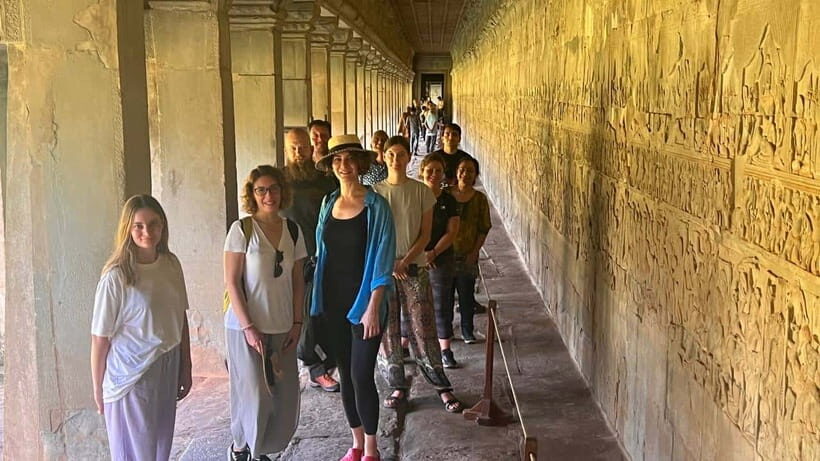
This tour keeps you moving, but it doesn’t just throw you into a temple marathon. The included air-conditioned transport is a major part of the comfort equation—especially with an early start and a daytime heat ramp.
You’ll also have cold water and cold towels, which is not a small thing in Siem Reap humidity. Several people highlight how helpful the handover timing is: you’re not just handed a bottle once. You get refreshments at the stops, and the pace is planned with breaks in mind.
Your itinerary includes regular transit breaks (there are two 45-minute coach segments mentioned), and you’ll have meal time after the morning temple circuit. Meals are not included, but the tour does build in time for food, which matters if you want to avoid getting hangry and making bad decisions about what to eat.
Group size (max 15) affects your whole day:
- You get easier “meet back here” moments.
- The guide can keep an eye on everyone.
- You’re less likely to feel swallowed by a giant crowd.
For some people, that’s the difference between a good day and a long day.
Value check: $16 is the headline, but plan your total spend
At $16 per person, this is one of the cheaper ways to do a sunrise Angkor day with guide-led stops. The tour price covers the air-conditioned vehicle, an English-speaking guide, and hotel pickup and drop-off in the Siem Reap city area—plus cold water and cold towels.
What you pay extra for:
- Entrance tickets (not included)
- Food (not included)
So yes, you’ll add some cost. But you’re not paying for a seat only. You’re paying for early access timing, local guidance, and the comfort extras that can prevent the day from feeling like survival.
Also, if you’re comparing options, watch how many sites you get in the same day. This itinerary hits the big names: Angkor Wat at sunrise, Ta Prohm, Bayon, and Banteay Kdei, plus terrace sights inside the Angkor Thom area. For a one-day plan, that’s efficient.
If you’re the type who wants the main hits but still wants your brain involved, this price-to-coverage ratio is strong.
Who should book this sunrise tour (and who should skip it)
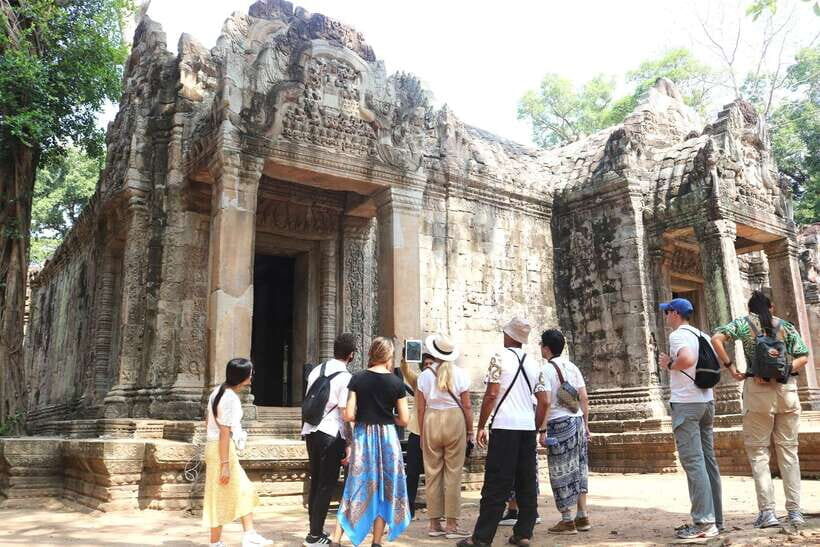
This tour fits best if you:
- Want sunrise at Angkor Wat with guided context
- Prefer a small group (up to 15)
- Like storytelling and structure, rather than wandering with zero orientation
- Appreciate comfort touches like cold towels and water during hot stretches
You might want to choose a different setup if:
- You have back problems (the tour isn’t suitable per the tour info)
- You’re traveling with very young children (not suitable for children under 4)
- You need unaccompanied-minor arrangements (unaccompanied minors are not allowed)
Families can work with this tour as long as kids are accompanied by an adult. The early start is the real test, though. If your group can handle a very early wake-up, you’ll get a day that feels special without spending the whole time in lines.
What to bring so the day feels easy
You don’t need fancy gear, but you do need the basics:
- Comfortable shoes (temple walking is real walking)
- Camera (sunrise and face towers deserve it)
- Comfortable clothes (light layers help for early mornings and warmer afternoons)
Since sunrise is early, also think about how you’ll feel standing still in the morning air—dress for comfort more than style.
Choosing shared vs private: when it’s worth upgrading
The tour offers both a shared group and a private group option. Shared is where the value shines. Private can be worth it if you:
- Want a more flexible pace for photos
- Have a smaller circle and prefer quieter guidance
- Want to tailor attention to what you care about most (more time at Ta Prohm, extra photo stops at Bayon, and so on)
Either way, the day is built on the same core route: Angkor Wat at sunrise, then major temple highlights.
Should you book the Angkor Wat Small-Group Sunrise Tour?
If your goal is a focused Angkor day that starts early, avoids the worst crowd timing, and gives you an English guide to make the sights click, I’d say book it. The value works because you’re getting more than entrance access: you’re getting comfort support (cold water and towels) and a structured route that covers the main sites without turning into a full-day scramble.
I’d also book it if you’re someone who likes photos but hates guessing where to stand. The guide keeps you moving to good viewpoints at good times.
Skip this one if the early start will break your schedule, or if you have back issues that make long temple walking hard. In that case, you’ll probably enjoy Angkor more with a different pacing plan.
If you want, tell me your travel dates and whether you’re considering shared or private, and I can help you choose the best approach for your group size and interests.
FAQ
Are entrance tickets included in the price?
No. Entrance tickets are not included. You’ll need to pay for them separately.
Is food included?
No. Food is not included. You’ll need to budget for meals during the day.
What time is pickup?
Hotel pickup is listed for 4.30 AM, with you asked to wait in the lobby about 10 minutes before the scheduled time.
Is the tour suitable for kids?
Children must be accompanied by an adult. The tour is not suitable for children under 4, and unaccompanied minors are not allowed.
What’s the group size?
This is a small-group tour with a maximum of 15 travelers.
Is there an option for a private tour?
Yes. You can choose a private group option instead of a shared group.
Is the tour suitable for people with back problems?
No. The tour is not suitable for people with back problems.