REVIEW · SIEM REAP
Siem Reap: Angkor Wat 2day Big and Small Circuit Guided Tour
Book on GetYourGuide →Operated by Angkor Wat Share Tours · Bookable on GetYourGuide
Two days at Angkor, and then some. This guided Big and Small Circuit pairs a golden-hour sunset with an early sunrise at Angkor Wat, plus a stack of temples that many people skip. It also gives you the Khmer Empire context you need so the stone doesn’t feel like random sightseeing.
I especially like the way this tour saves you time. Hotel pickup/drop-off and an AC van keep things smooth, and you get water and a wipe towel for the heat. I also like that your guide, often praised by name (Sayon and Sam show up in recent feedback), focuses on what you’re actually looking at, not just dates on a poster.
One thing to consider: this is an early-start, walking-heavy experience. If you’re sensitive to heat, have limited mobility, or you’re traveling with kids under 12, this setup may feel like too much.
In This Review
- Key things I’d put on your radar
- Why this two-day circuit feels practical (not just packed)
- Day 1 at sunset: the circuit’s steady build-up
- Preah Khan: the big temple on the loop
- Neak Pean and the idea of temple water
- Ta Som: the tree, the gate, and the dancers
- East Mebon: ancestors, reservoirs, and a 10th-century feel
- Pre Rup: the meditation-at-full-moon confusion
- Phnom Bakheang: 33 towers and the view from above
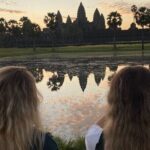
- Day 2 sunrise at Angkor Wat: what that first hour changes
- The sunrise moment
- After sunrise: the circuit keeps going
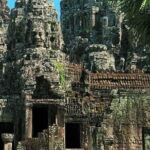
- South Gate of Angkor Thom and the bridge of gods
- Ta Prohm: the jungle temple and the movie effect (with real substance)
- Banteay Kdei and the value of going a little off the beaten path
- Ta Keo: a climb that connects ancient and modern
- What the guide adds: history, culture, and clarity
- Price and tickets: what you’re really paying for
- Practical tips so you don’t suffer (or miss the good views)
- Who this tour fits best
- Should you book this Angkor Wat 2-day Big and Small Circuit tour?
- FAQ
- What does the tour include?
- Is the temple pass included?
- What language is the guide?
- Does the tour include meals?
- How long is the experience?
- Does pickup and drop-off happen at my hotel?
- Is flash photography allowed?
Key things I’d put on your radar
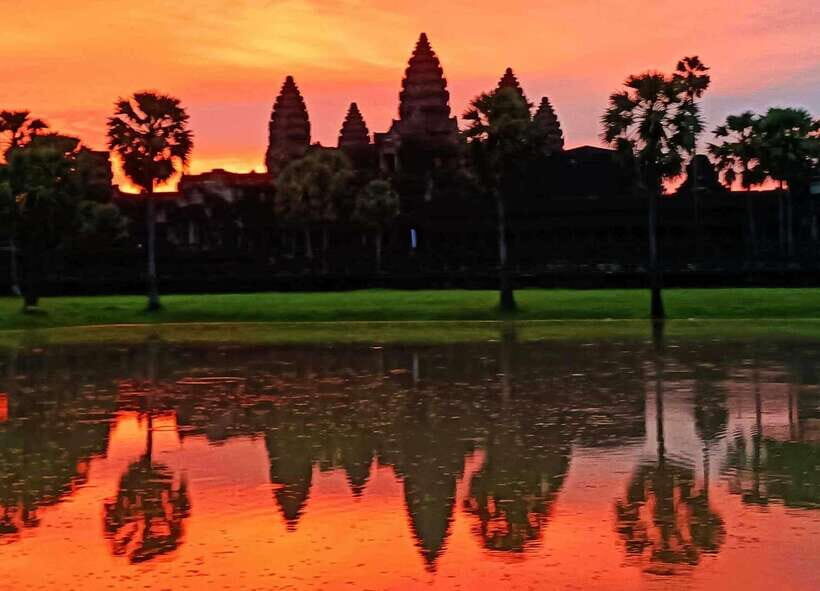
- Sunset on Day 1, sunrise on Day 2 so you see Angkor under two very different lights
- South Gate of Angkor Thom and the bridge of gods for one of the circuit’s most iconic approaches
- Ta Prohm with the Tomb Raider connection plus the jungle-temple vibe that makes it memorable
- Banteay Kdei and other lesser-visited temples that feel quieter but still important
- Ta Keo’s climb gives you a hands-on sense of how these temples worked and were built
- Cool water and wipe towel during long temple days helps more than you’d think
Why this two-day circuit feels practical (not just packed)
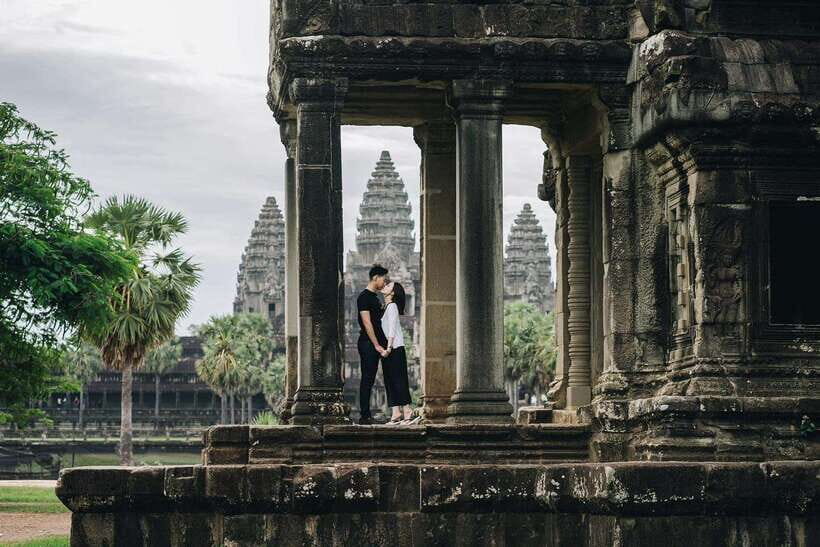
Angkor can turn into a blur if you try to do it all on your own: you’re bouncing between temples, constantly checking where you are, and still fighting the sun and crowds. This 2-day guided format is built to reduce that chaos. You get a planned flow, and the guide helps you connect the dots between sites that look similar at first glance.
Another smart choice is the pacing across two separate sessions. Day 1 starts at sunset, which is when heat drops and the stone starts to look dramatic without needing hours of mid-day endurance. Day 2 begins early so you catch the big Angkor Wat sunrise window, then you benefit from the calmer, cooler morning before crowds build.
And because it’s a guided experience, you’re not just moving from A to B. You’re learning what those structures meant in Khmer life—religion, power, ancestors, and even the idea of healing and bathing tied to certain temple water systems. That turns temples from “pretty photos” into something you actually understand.
You can also read our reviews of more guided tours in Siem Reap
Day 1 at sunset: the circuit’s steady build-up
Day 1 is where the tour starts feeling like a story. You’re in the Angkor area, but instead of only chasing the most famous names, you’re building a foundation: different temple layouts, different purposes, and different “moods” of stone.
Preah Khan: the big temple on the loop
Preah Khan is described as the biggest temple on this part of the circuit, tied to King Bayon and built for his father (as your guide explains). What you’ll likely appreciate here is scale. When a temple is one of the largest on a loop, it helps you calibrate what to expect from the rest of the day. If you arrive feeling overwhelmed, this temple gives you a reference point for size, arrangement, and what “major” looks like at Angkor.
Neak Pean and the idea of temple water
Next comes the temple area connected with Neak Pean Island, where the water around the temple was used for bathing and health during the Angkor period. This detail matters because it reframes what you might see. You’re not only looking at an architectural feature; you’re seeing how space was used for wellbeing. On a hot day, that context also makes the site feel more human and less abstract.
Ta Som: the tree, the gate, and the dancers
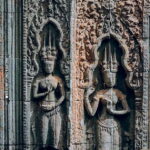
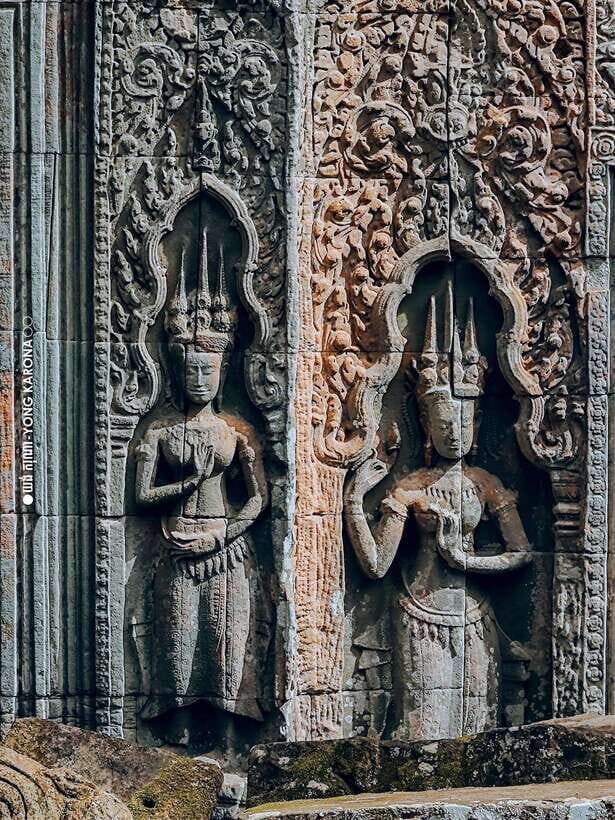
Ta Som is famous here for two things you can spot quickly: a distinctive big tree over the east gate, and the abundance of sculptures of dancers with long hair. Your guide also connects it to its purpose—built for the king’s sister. That “built for a person” angle helps a lot. It gives the carvings a job: they weren’t decoration for decoration’s sake; they were part of a larger symbolic world.
Practical note: Ta Som can still be a lot of walking after your first few stops, so keep your water going and try to pause when you need to. The tour includes breaks, but you’ll still want to listen to your body.
A few more Siem Reap tours and experiences worth a look

East Mebon: ancestors, reservoirs, and a 10th-century feel
East Mebon was built for the ancestors and used to be in the middle of a reservoir. The tour framing also emphasizes its early construction, as early as the 10th century. If you can imagine this temple surrounded by water, you’ll understand why it would have looked so different in its original setting. Even today, that design concept gives it a reflective, ceremonial quality.
Pre Rup: the meditation-at-full-moon confusion
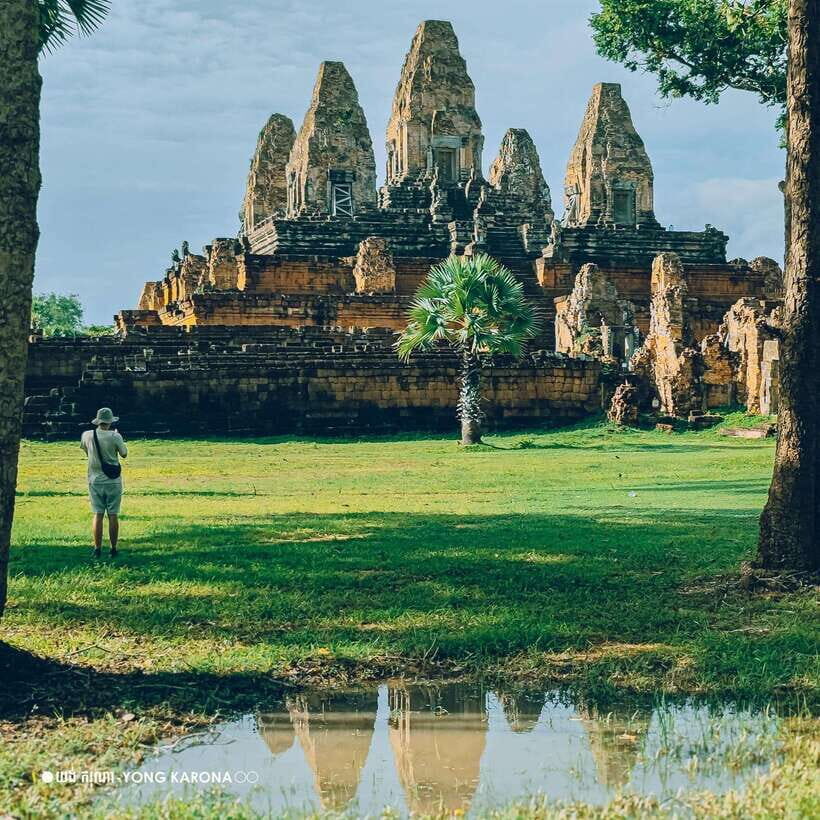
Pre Rup has a reputation for looking like a crematorium, with a stone structure that resembles a coffin. The important part your guide will cover is the Hindu practice linked to it: Hindus used this kind of structure for meditation at the full moon.
This is one of those stops where it helps to slow down and look at the details. If you rush, you miss why the site has the forms it has. If you take a moment, it becomes a lesson in how different religions expressed themselves through similar-looking architecture.
Phnom Bakheang: 33 towers and the view from above
The day ends with Phnom Bakheang, set on top of a hill. The tour highlights that its 33 towers represent the heavens, plus a clear moral message tied to the site: life on earth is to be lived.
From a visitor’s point of view, this stop does two things well. First, it gives you a higher vantage point at Angkor, which helps you “see” the complex as a whole rather than isolated ruins. Second, it puts a finish line on the day that feels symbolic: you’ve worked your way through temples with different meanings, and then you end with one built around the idea of sky and the heavens.
Day 2 sunrise at Angkor Wat: what that first hour changes
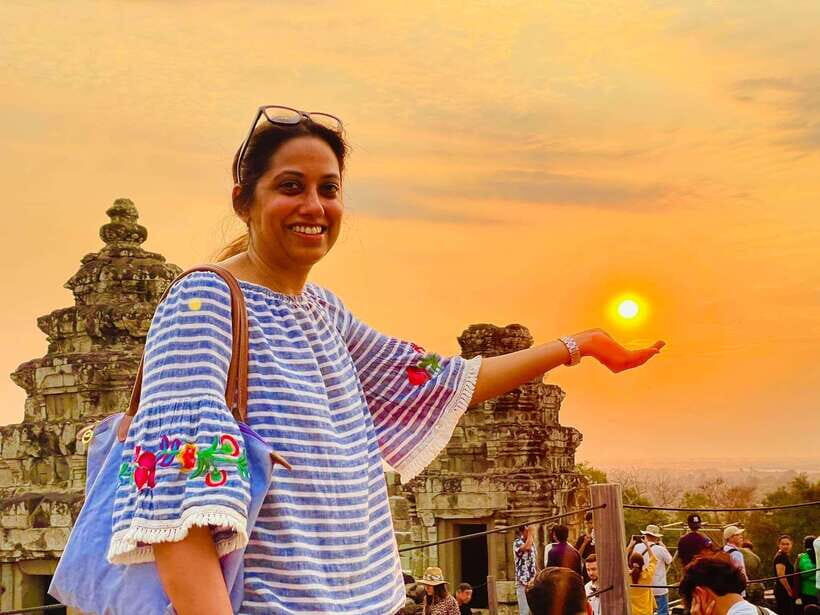
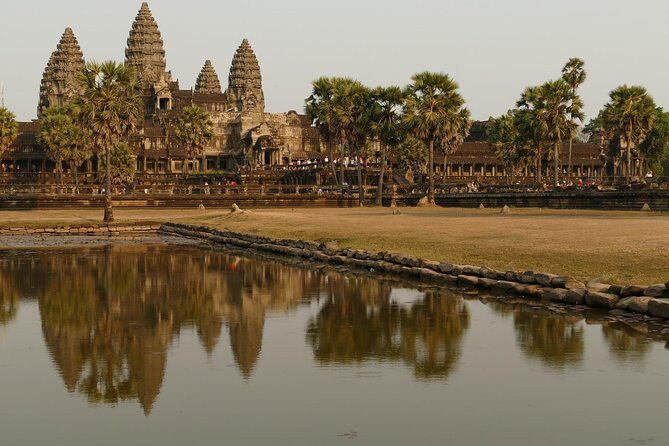
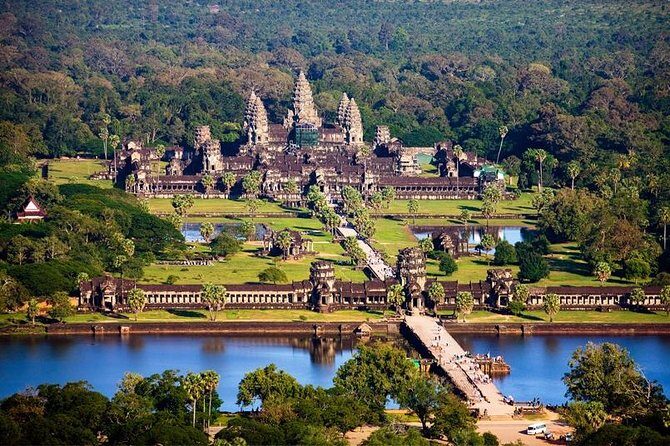
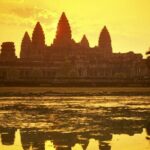
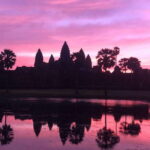
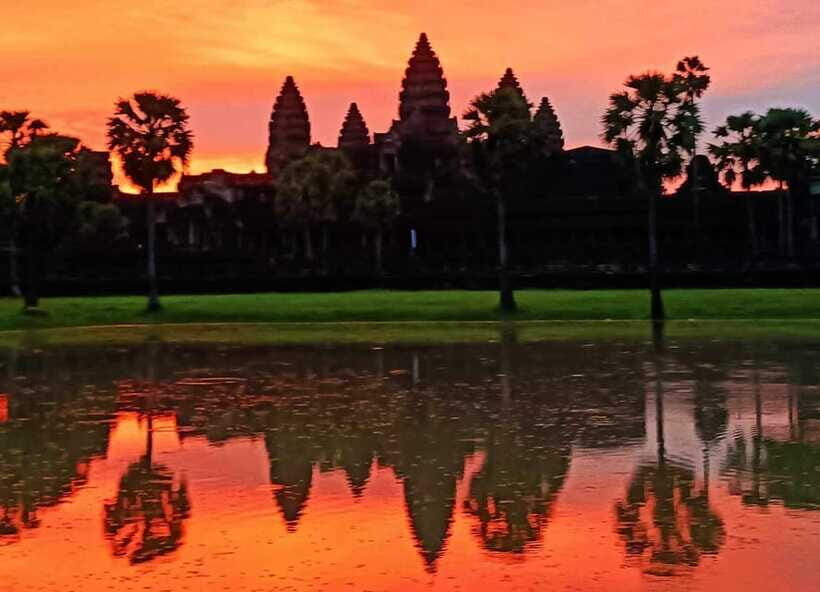
Day 2 is the headline. This is where the beauty and power of Angkor Wat takes over, and where sunrise does more than just look good in a photo. The UNESCO-listed archaeological site still looks magnificent even beneath the rising sun’s glow, but the real benefit is timing.
You’re up early, and then—this matters—you get cooler weather and fewer crowds in the morning. That combination is what turns Angkor Wat from a grid-checked attraction into an experience where you can breathe, walk, and look with attention.
The sunrise moment
Even if you’ve seen Angkor Wat images before, being there at sunrise changes how the building reads. Light hits the carvings differently. Edges sharpen and soften as clouds move. And because you arrive before the busiest wave, you can move at a comfortable pace and spend more time at the key viewpoints.
Your guide’s job here is to help you understand what you’re seeing as the light changes. That includes how Angkor Wat fits into the larger Angkor complex and why it became the most visited symbol of the Khmer world.
After sunrise: the circuit keeps going
Once the sunrise session is done, you’re not stuck waiting around. The day continues with more temples and occasional rest and food breaks. That’s important because temple days aren’t just about walking; they’re about energy management—shade, hydration, and taking small breaks before your eyes and feet start to get cranky.
South Gate of Angkor Thom and the bridge of gods
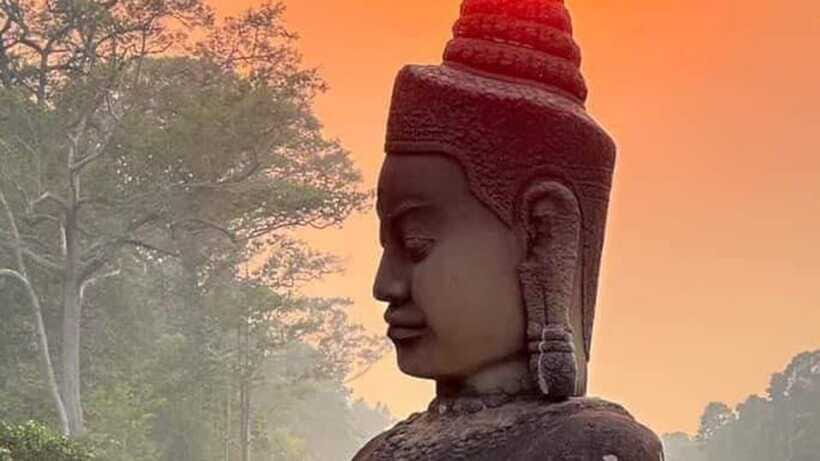
After Angkor Wat, the tour pivots toward Angkor Thom. You start with the South Gate and see the bridge of statues of gods. This is a great segment because it’s less about individual building details and more about approach and drama.
A gate is a threshold. When you walk in, you feel like you’re entering a different world. The bridge of statues of gods adds a mythic layer to the experience. Instead of treating the stone carvings like random ornament, you’re seeing them as part of a crossing ritual, or at least a planned storytelling device that shapes how visitors experience the city.
This is also a good time to notice how your guide ties structures to culture. The Khmer Empire wasn’t only building temples; it was building meaning in spaces you moved through.
Ta Prohm: the jungle temple and the movie effect (with real substance)
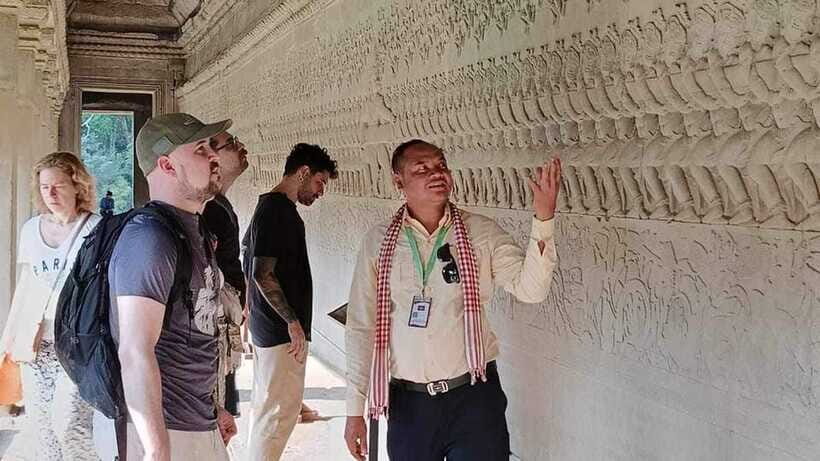
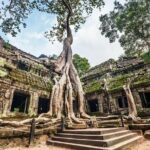
Then comes Ta Prohm, the well-known jungle temple. It’s famous in two ways here: its long-standing presence as a temple overgrown by nature, and its more recent pop-culture attention through the Tomb Raider movie.
You don’t have to be a movie fan to love this stop. The jungle-temple look is the point: massive roots and tangled foliage shape the ruins into something more alive than cleanly restored stone. If you’ve ever felt “ruins look staged,” Ta Prohm is the antidote. It looks like it’s been swallowed and re-released by time.
The practical win is that the contrast keeps your brain fresh. After two days of temple architecture, Ta Prohm’s visual texture and atmosphere reset your attention.
Banteay Kdei and the value of going a little off the beaten path
A lot of people do Angkor like a checklist. This tour adds Banteay Kdei, described as a Buddhist temple and also referred to as a pyramid temple that is largely unrestored and used by monks.
That “unrestored and used” detail is a big deal. It changes the feel immediately. You’re not only seeing history; you’re also seeing a temple still tied to living religious practice. Even if you don’t know Buddhist ritual details, the atmosphere reads differently than places where everything is smoothed for mass tourism.
And because Banteay Kdei is part of the guided circuit, you’re less likely to miss why it matters. Your guide can help translate architectural choices and how the space was intended to function.
Ta Keo: a climb that connects ancient and modern
The tour finishes with Ta Keo, a mountain temple built in the 10th century. You’ll actually walk up between the ancient and modern eras—meaning you’ll be moving from ground-level reality into a structure that was designed to lift your perspective and change your experience of the site.
This is a stop where you should take your time. Walking up gives you a physical sense of the temple’s design: the steepness, the effort, and how vertical movement was part of the religious idea. It’s not just a photo op. It’s a way to feel what the builders engineered.
Also, remember that your feet are already tired by this stage. Comfortable shoes are not optional here.
What the guide adds: history, culture, and clarity
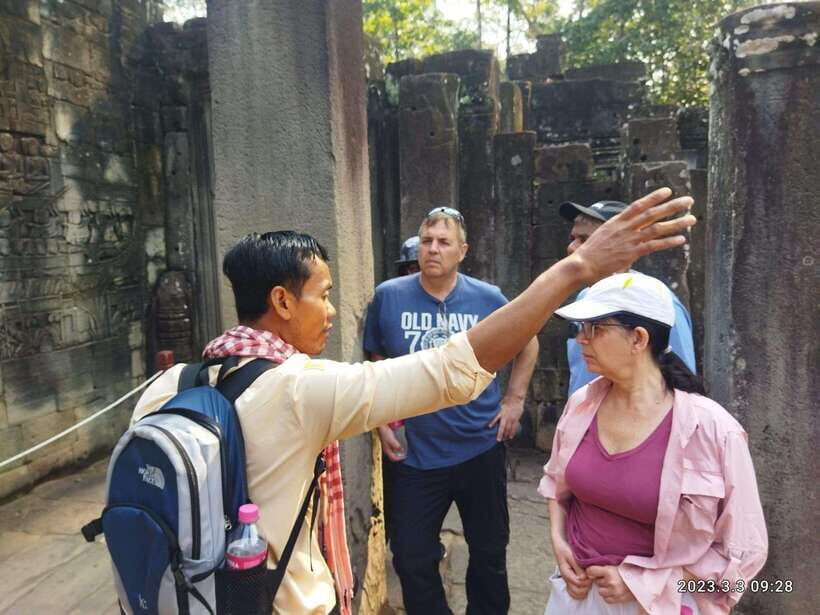
A big reason people love this tour is the guide. Recent feedback explicitly praises the guide’s ability to explain temple history and the surrounding city and country. Names that come up include Sayon and Sam, both noted for their knowledge and positive energy.
The value isn’t just facts. It’s clarity. When you understand that Khmer temple building was tied to rulers, ancestors, religious practice, and specific cultural purposes, you start seeing patterns. A dancer carving becomes part of a dedication story. A coffin-like structure becomes linked to meditation practice. Temple water becomes connected to health and bathing.
Even if your own Khmer history knowledge is limited, your guide’s job is to give you a mental map. And when your mental map clicks, Angkor stops feeling like a giant pile of stone and starts feeling like a coherent world.
Price and tickets: what you’re really paying for
At $39 per person for two days, this tour looks like a strong value if you care about the sunrise and don’t want to piece it together yourself. For that price, you get guided tour support, AC van transport, hotel pickup/drop-off, sunset and sunrise viewings, rest breaks, cool water and wipe towel, and local tax.
What’s not included is crucial: temple entrance fees and food. You’ll need to budget for the temple pass separately, and you can purchase it online or at the ticket office using the official Angkor Enterprise site (angkorenterprise.gov.kh). Plan snacks or a meal strategy so you’re not paying tourist-markup prices while tired and hungry.
Here’s the practical way to judge the price: if you’d otherwise hire a car and driver for two days plus pay for a guide to explain what you’re seeing, the overall cost usually rises fast. This package gives you the explanation element and the logistics in one bundle—plus it controls timing for sunrise and morning touring.
Practical tips so you don’t suffer (or miss the good views)
Because the tour includes both sunset and sunrise, your body clock matters. You’ll want a hat, sunscreen, and comfortable shoes ready before you head out. The tour also asks you to bring a camera and water, plus a passport or ID card (a copy is accepted).
A couple of small rules help keep the experience smooth:
- Flash photography isn’t allowed.
- Don’t litter.
Also, I’d treat the early morning as part of the cost of admission. Sunrise at Angkor is worth it, but it’s only worth it if you’re prepared: hydrate, dress for heat even at dawn, and bring your patience for crowds that build as the morning goes on.
And if you’re planning photos: start with composition first, then technical stuff. At sunrise, the light can change quickly, and waiting for the perfect settings can cost you the moments.
Who this tour fits best
This experience makes the most sense if you want a guided plan across both famous and less-famous temples. If you like structure—someone else handling the timing and route—this format helps you see more without getting lost.
It’s also a good match if you want the cultural context. A lot of Angkor tours stop at names. This one is set up to explain history and Khmer culture alongside the architecture.
It may not be a great fit if you:
- Need step-free access (the tour is not suitable for wheelchair users and people with mobility impairments)
- Are traveling with kids under 12
- Prefer a slow, no-early-start vacation style
Should you book this Angkor Wat 2-day Big and Small Circuit tour?
I’d book it if you want two iconic lighting experiences (sunset and sunrise) and a route that includes both the big hits and temples that feel quieter and more local, like Banteay Kdei. The $39 price point becomes much easier to justify when you remember that you’re paying for a guide, hotel pickup/drop-off, transport, and two viewings across consecutive days—then you add on the fact that you’re walking through a mix of major and “still outstanding” sites.
Skip it if you’re not ready for early mornings and lots of steps. Also, if you already have your own plan for temple passes and you don’t want guided explanations, you might feel constrained by a set schedule.
If you like your Angkor experience organized, story-based, and timed for better light, this is an easy yes to consider.
FAQ
What does the tour include?
It includes a guided tour, transportation by an AC van, sunset and sunrise viewings over 2 days, hotel pickup/drop-off, rest breaks, cool water and wipe towel, and local tax.
Is the temple pass included?
No. Temple entrance fees are not included, and you’ll need to purchase a temple pass separately (online or at the ticket office).
What language is the guide?
The live tour guide is English.
Does the tour include meals?
No. Food is not included.
How long is the experience?
The duration is 2 days.
Does pickup and drop-off happen at my hotel?
Yes. Pickup and drop-off are included, and the pickup time matches the time booked for the tour.
Is flash photography allowed?
No. Flash photography is not allowed.