REVIEW · SIEM REAP
2 Days Exclusive Temple Highlights with Sunset and Sunrise Tour
Book on Viator →Operated by Journey Cambodia · Bookable on Viator
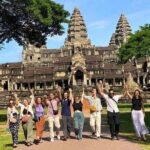
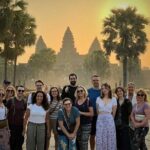
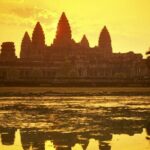
Sunrise at Angkor Wat is a must-see ritual. This 2-day Angkor tour is built around the best light of the day, with an English-speaking guide (I’ve seen guides like Chhay and Pal Saruon take the lead) and a smooth, small-group style pace that helps first-timers get oriented fast, including the key sunrise moment at Angkor Wat.
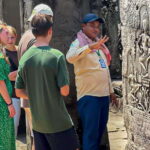
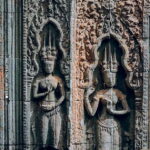
I particularly like the way the guide ties the temples to the Khmer story you see carved into doorways and lintels—so things stop looking random.
One thing to consider: the temple pass costs extra and isn’t included, so your budget needs that $62 add-on up front.
Beyond the schedule, I love the comfort details that make long temple days realistic. You’re in an air-conditioned vehicle, and you get bottled water plus cool towels—plus the day has practical stops so you’re not just stewing in the heat.
A powered-up itinerary also means walking and climbing are part of it, and dress code matters, so come prepared.
In This Review
- Quick hits before you go
- Price and Logistics: What the $49 Actually Buys You
- Day 1: Pre Rup, Banteay Srei, Neak Pean, Preah Khan, and a Rice-Fields Sunset
- Pre Rup: A temple mountain with a royal backstory
- Banteay Srei: Intricate carving in smaller, human-scale form
- Neak Pean: A Buddhist temple on an artificial island
- Preah Khan: Where roots and stone make the scene
- Baitang Siem Reap sunset: The calmer ending
- Day 2: Torch-Required Sunrise at Angkor Wat, Then Ta Prohm to the City of Angkor Thom
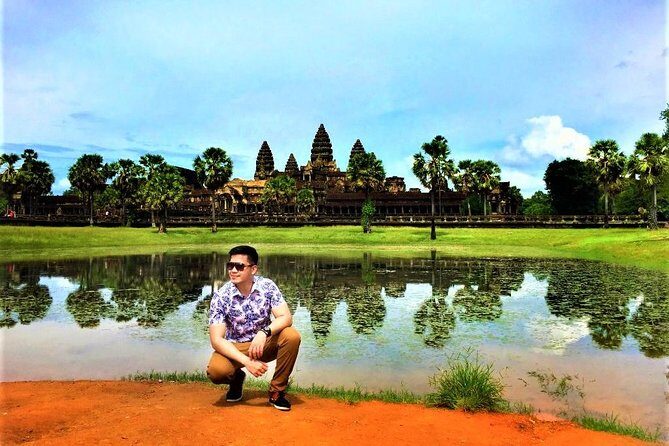
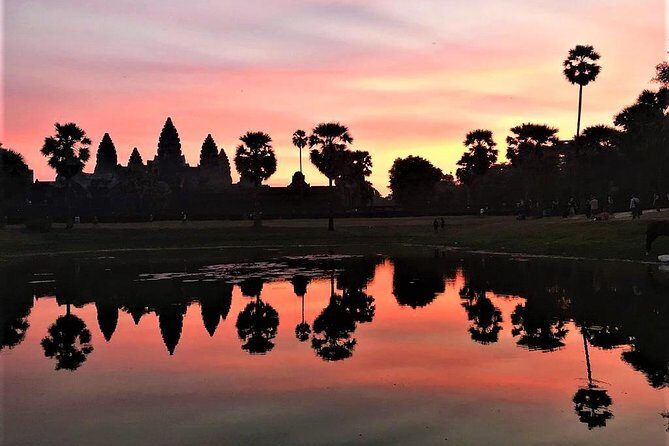
- Angkor Wat at sunrise: Enter in the dark, then see it change
- Ta Prohm: Jungle-enveloped and once home to 2,740 monks
- Ta Nei: A quieter late-12th-century stone temple
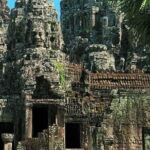
- Angkor Thom and Bayon: The capital with scale and faces
- Sunrise and Sunset Timing: Getting There Early Without Losing Your Mind
- Guides, Drivers, and Comfort: The Stuff You Feel, Not Just See
- Temple Pass, Dress Code, and What to Pack for Angkor Entry Rules
- Which Kind of Traveler Should Book This 2-Day Plan?
- Should You Book This Tour or Keep Planning On Your Own?
- FAQ
- What is the duration of the tour?
- What does the tour cost?
- Are hotel pickup and drop-off included?
- Is the temple pass included in the price?
- Is food included?
- Does the tour provide water and towels?
- Do I need to bring anything for sunrise at Angkor Wat?
- What is the dress code for the temples?
- Is this a small-group or private experience?
- Can I cancel for a full refund?
Quick hits before you go
- Pre-dawn Angkor Wat entry: you depart before sunrise and enter in darkness from the eastern side, with a torch needed.
- Two sunset styles: small-group option is sunset at Bakheng Mountain, while the private option includes a rice-field sunset experience at Baitang Siem Reap.
- Real comfort breaks: air-conditioned rides, bottled water, and cool towels keep you steady through a packed 2 days.
- Temple variety that feels intentional: you get both iconic names and atmospheric stops like Preah Khan with big tree-root drama.
- Time to explore on your own: multiple reviews highlight that you’re not just herded—your guide still builds in breathing space.
- Guides who handle the “why” part: names you may see include Chhay, Pal Saruon, Sokpee, Nang, Sat, and others, with frequent praise for clear explanations and photo help.
Price and Logistics: What the $49 Actually Buys You
The listed price is $49 per person, and what you’re really paying for is the coordination: an English-speaking guide, air-conditioned transport, and a tight 2-day plan focused on sunrise and sunset. If your option includes it, you’ll also get hotel pickup and drop-off, which matters a lot when your Day 2 starts before daylight.
The main budget catch is that the temple pass is not included. You’ll need to pay a temple pass directly to the site (an additional $62 per person for a 2–3 day pass is stated), on the day of your activity. Also, food and drinks aren’t included—you eat on your own choices—so plan an extra slice of your daily budget for meals.
When this tour feels like good value, it’s because Angkor isn’t just about seeing a bunch of buildings. Sunrise timing, temple entry rules, and the route between sites take real know-how. This tour aims to remove that stress and keep the focus on the sights.
You can also read our reviews of more evening experiences in Siem Reap

Day 1: Pre Rup, Banteay Srei, Neak Pean, Preah Khan, and a Rice-Fields Sunset
Day 1 is the warm-up day with a strong mix of styles—less about one mega-site and more about how Angkor’s builders used different materials and religious ideas across centuries. The walking is still real, but the sites feel varied enough that you’re not stuck seeing the same kind of stone scene twice.
Pre Rup: A temple mountain with a royal backstory
Your first stop is Pre Rup, a Hindu temple connected to Khmer king Rajendravarman, dedicated in 961 or early 962. You’ll see it as a temple mountain made from a combination of brick, laterite, and sandstone. Even if you only catch a few details, this site gives you a useful frame: these temples were designed for ritual, skyline impact, and spiritual symbolism—not just sightseeing.
One practical note: admission isn’t included here, so you’ll rely on the temple pass for entry.
Banteay Srei: Intricate carving in smaller, human-scale form
Next is Banteay Srei, known for delicate, intricate relief work and described as especially fine craftsmanship in Cambodia. It’s a smaller sandstone temple, so the experience is about close-looking—faces, scenes, and patterns that reward your time.
The upside is that it’s easier to slow down and study details without feeling like you’re climbing a huge complex all day. The tradeoff is that this kind of stop can make you wish you’d had even more time for photos and quiet viewing—so wear shoes you can stand in comfortably.
Neak Pean: A Buddhist temple on an artificial island
Then comes Neak Pean, an artificial island with a Buddhist temple. This stop is a good palate cleanser between bigger architectural moments. You’re shifting from Hindu focus to Buddhist context, which helps you understand how Angkor’s religious landscape changed over time.
It’s also a nice “pause” in the day—shorter than some stops—so you can regroup before the deeper atmospheric ruins.
A few more Siem Reap tours and experiences worth a look
Preah Khan: Where roots and stone make the scene
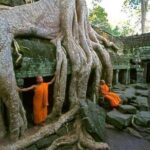
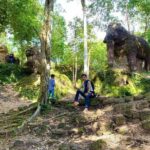
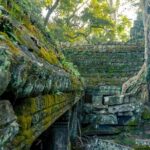
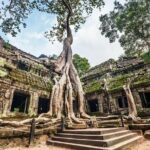
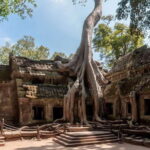
After that, you’ll head to Preah Khan, a ruined complex that feels cinematic: tree roots tangled through crumbling structures. It’s not about perfect restoration here. It’s about atmosphere, texture, and the way the jungle reclaimed parts of the site.
This is a great stop if you like temples that feel lived-in by nature. It can also be tougher for photos if it’s bright or if the ground is uneven, so move carefully and keep an eye on your footing.
Baitang Siem Reap sunset: The calmer ending
Day 1 ends with a sunset option set in the countryside: Baitang Siem Reap rice fields, where you relax as the sun drops toward the horizon. This side of the program gives you contrast after a day of stone: calmer air, open views, and an easier pace to let the Angkor impressions settle.
From the information you’re given, this countryside sunset comes with admission included for that specific stop, which helps keep costs a touch more predictable than if every single site charged separately.
Day 2: Torch-Required Sunrise at Angkor Wat, Then Ta Prohm to the City of Angkor Thom
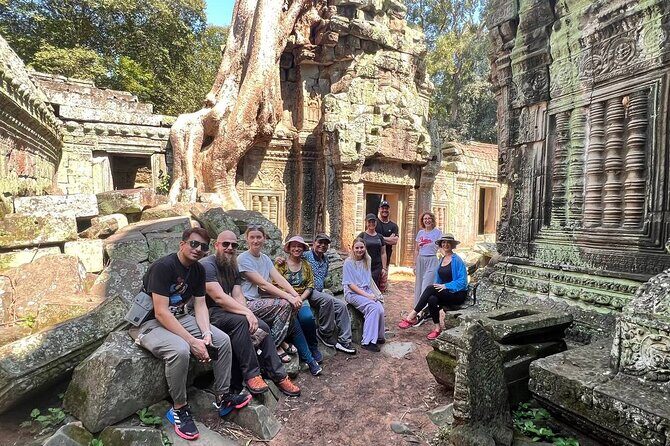
Day 2 is the big one. Your departure for sunrise at Angkor Wat is pre-dawn, and you enter the temple in darkness from the less-frequented eastern side. The tour asks you to bring a torch, which is not a minor detail—without it, you’ll feel rushed just trying to navigate uneven steps and corridors.
Angkor Wat at sunrise: Enter in the dark, then see it change
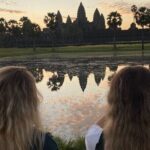
The plan starts outside Angkor Wat before dawn, then you move into the complex before it’s fully light. That means you’re not just catching the final golden moment—you’re watching how the place reveals itself as daylight rises.
This is the kind of experience where good guiding helps most. A guide can point you toward the right corridors, the right sightlines, and the moments to stop and look instead of walking past your own “wow” spot.
Ta Prohm: Jungle-enveloped and once home to 2,740 monks
After sunrise, you move on to Ta Prohm, famous for the jungle setting and for being once home to 2,740 monks. Expect tangled roots, thick shadows, and those iconic frames that make you feel like you’re inside an old storybook.
You’ll spend about 2 hours here, which is a gift. It’s enough time to walk, take photos, and still pause to read the site rather than only catching snapshots.
Ta Nei: A quieter late-12th-century stone temple
Then you’ll head to Ta Nei, a late 12th-century stone temple. It’s smaller and calmer than the marquee stops. This kind of temple works well late in the morning when you’re temple-saturated but still hungry for contrast.
It also helps the schedule feel less like a checklist. Instead of repeating the same visual mode, you get a steadier, simpler place to appreciate stonework and form.
Angkor Thom and Bayon: The capital with scale and faces
Next is Angkor Thom, the area that served as the Khmer Empire’s capital city. You’ll take time to consider its grand layout before heading inside, with Bayon as the focal point.
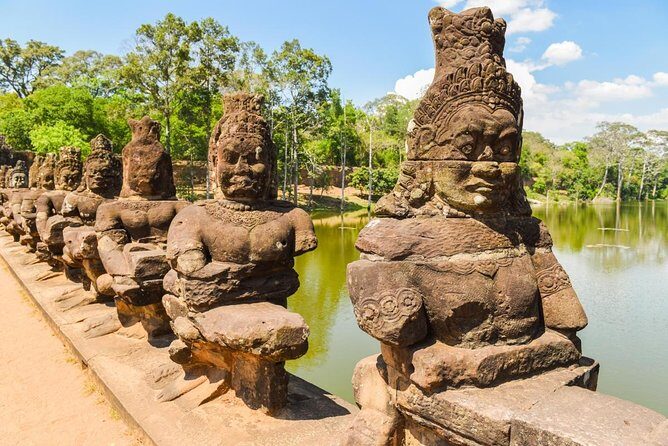
This stop includes a lot of “you can’t miss it” moments: the tour also passes by the Terrace of the Elephant and the Terrace of the Leper King. You’ll then finish at Angkor Thom South Gate for a final look and photos.
Here’s the main tradeoff: Angkor Thom is huge, so if you’re not into lots of walking, the density can feel like pressure. On the bright side, the route design helps you see the major parts without forcing you to plan on your own.
Sunrise and Sunset Timing: Getting There Early Without Losing Your Mind
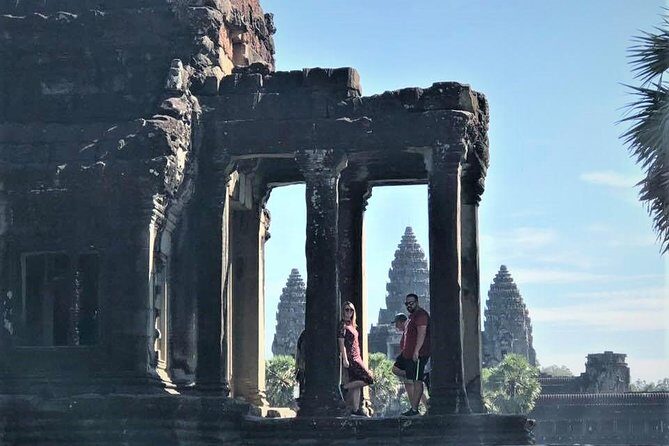
This tour lives and dies by timing, because sunrise at Angkor Wat and sunset at the end of the day can make or break the trip.
On the sunrise side, your Day 2 begins pre-dawn. You’ll be entering in darkness and moving through the temple before the main light arrives. The torch request is practical: it keeps you safer and reduces the scramble energy that can happen when everyone’s guessing where to step.
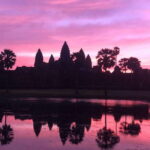
On the sunset side, you get options. In the small-group option, sunset is at Bakheng Mountain. In the private option, the sunset is in the rice fields at Baitang Siem Reap. That choice matters because Bakheng can feel more dramatic and panoramic, while rice fields are calmer and slower. Either way, you’re not just showing up at a random time—you’re built into the schedule for the right moment.
If you’re wondering why this is worth a guided, scheduled setup: at Angkor, the “right time” is the difference between fighting for a spot and having a good view line. This tour’s whole structure is designed to reduce that headache.
Guides, Drivers, and Comfort: The Stuff You Feel, Not Just See
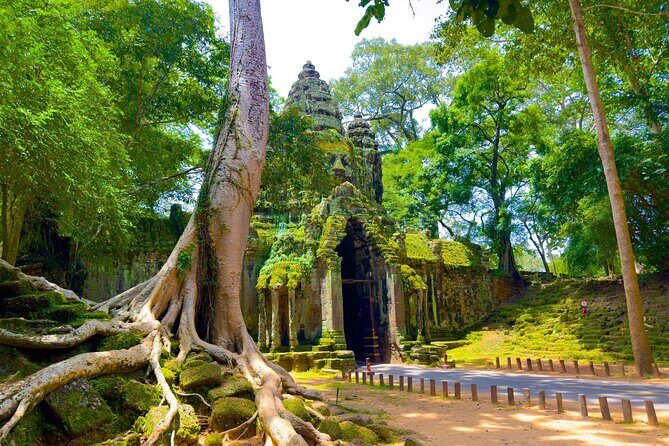
The loudest theme across the experience is how well the guide and driver handle the day-to-day reality: timing, explanations, and keeping you comfortable in heat.
You might meet guides such as Nang, Saruon Pal, Chhay, Pal Saruon, Sokpee, Sat, and others named in the information you provided. What people consistently praise is clear explanation—how each temple was built and what it meant—and also the practical care: time management plus photo help.
A driver often gets singled out too: names like So made, Mao, Seyha, Ro, Bun Ly, and others show up in the feedback. The common thread is safety, steady driving, and support through the heat. Bottled water and cool towels are included, and multiple comments highlight that you get regular chances for bathroom breaks and a refresh moment instead of waiting until the end.
And that air-conditioned vehicle piece is not a luxury during Angkor season. It’s the difference between feeling like a tired zombie and actually enjoying the afternoon after a sunrise start.
Temple Pass, Dress Code, and What to Pack for Angkor Entry Rules
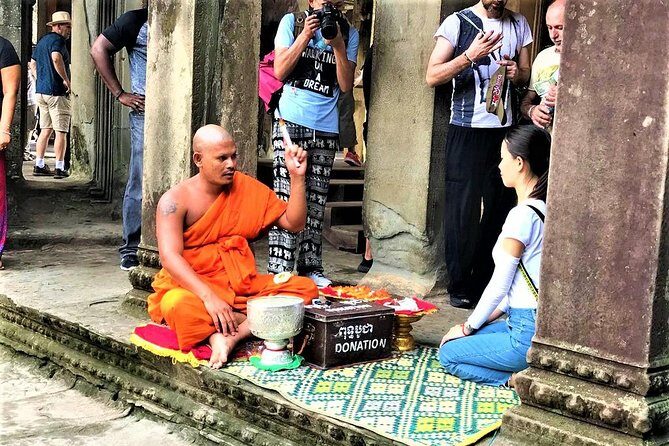
If you do only one thing to prepare: follow the dress code rule exactly. Shoulders and knees must be covered for both men and women. A scarf that covers your shoulders is mentioned as an acceptable solution for shoulder coverage, but failing to comply can mean you’re refused entry.
That means you should think about your clothing before you leave your hotel, not after you’re standing in line. It’s hot out there, but you can still dress properly with breathable fabric.
On gear, you should be ready for early mornings and uneven surfaces. Comfortable walking shoes are strongly recommended. For the sunrise at Angkor Wat, bring a torch as requested for pre-dawn entry.
Also, you don’t need to plan your whole day around water and towels. Bottled water and cool towels are included. Still, if you like peace of mind, you might bring a small refill bottle for your own habit.
Which Kind of Traveler Should Book This 2-Day Plan?
This tour fits best if you’re:
- Visiting Angkor for the first time and want the must-see temples handled in a logical route.
- The kind of person who wants sunrise and sunset but does not want to build the logistics from scratch.
- Happy with a packed 2-day schedule, where you’ll learn, look, and still have moments to explore on your own.
You might want to think twice if you:
- Hate early wake-ups. Sunrise at Angkor Wat means pre-dawn departure.
- Need a very slow pace with fewer sites. This itinerary is designed for coverage.
- Forget dress code details. Angkor entry rules are strict, and your shoulders and knees need to be covered.
The private option can be a better fit if you want to set your own rhythm. The small-group option is a solid middle ground when you still want the structure but like the social feel of a small team.
Should You Book This Tour or Keep Planning On Your Own?
I’d book it if you want the cleanest path to Angkor’s top sights in just 2 days, especially if sunrise is on your checklist. The combination of pre-dawn coordination, a strong English-speaking guide, and real comfort support (A/C plus bottled water and cool towels) makes the whole thing feel doable instead of exhausting.
I’d pause if you’re trying to hold the trip cost low. Between the base price and the temple pass add-on, you’ll pay more than you might expect at checkout. And because meals aren’t included, you’ll want to budget for lunch and breakfast on your own choices.
If you’re flexible on where you eat but firm on seeing Angkor Wat at sunrise, this is the kind of tour that saves time and stress while still giving you enough human moments—like quiet sunset in the countryside or a well-managed stop inside the big complexes.
FAQ
What is the duration of the tour?
It’s listed as about 2 days.
What does the tour cost?
The tour price is $49 per person, and a temple pass is paid separately.
Are hotel pickup and drop-off included?
Hotel pickup and drop-off are included if you select the option that includes transfers.
Is the temple pass included in the price?
No. The temple pass must be paid directly to the site, with an additional USD 62 for the 2–3 days temples pass.
Is food included?
Food and drinks are not included. You’ll choose where to eat.
Does the tour provide water and towels?
Yes. Bottled water and cool towels are included to help you stay comfortable.
Do I need to bring anything for sunrise at Angkor Wat?
Yes. You’re advised to bring a torch because you enter before sunrise in darkness.
What is the dress code for the temples?
Shoulders and knees must be covered for both men and women. Knees and shoulders MUST be covered, and shoulders should be covered by a scarf.
Is this a small-group or private experience?
Both are offered. There’s a small-group option and an option to upgrade to a private tour.
Can I cancel for a full refund?
Yes. Free cancellation is available, and you can cancel up to 24 hours in advance for a full refund.