REVIEW · SIEM REAP
Angkor Wat: Tuk Tuk and Walking Tour
Book on GetYourGuide →Operated by Journey Cambodia · Bookable on GetYourGuide
Jungle ruins and stone faces in one day. This Angkor Wat tuk-tuk and walking tour is built for the kind of day where you move fast enough to see a lot, but still slow down to read the stones—starting with a ride from your Siem Reap hotel to Angkor’s eastern gate and then walking through the ancient city on foot. I like the private tuk-tuk pickup and drop-off because it keeps you comfortable and makes the whole day feel smooth, and I like the English guide storytelling that turns Bayon, gates, and carvings into something you can actually picture.
The main consideration is the walking. You’re looking at a long day on your feet—around 9 miles total—and it’s also listed as not suitable for people with mobility impairments, so plan your shoes (and your energy) accordingly.
In This Review
- Key highlights that make this tour worth your time
- From your Siem Reap hotel to Angkor’s eastern gate
- Angkor Thom on foot: Bayon, the Dead Gate climb, and the old city walls
- Bayon temple and the stone face effect
- The Dead Gate climb and the feel of the old city defenses
- Ta Prohm jungle ruins: maze paths and forest tracks
- What you should watch for while you’re walking
- Lunch, flexibility, and the real-world mud factor
- Price and what the $49 really covers (plus the $37 entrance fee)
- What to bring: shoes, repellent, and clothing rules that matter
- Who this tour suits best—and who should choose something else
- Should you book this Angkor Wat tuk-tuk and walking tour?
Key highlights that make this tour worth your time
- Skip-the-ticket-line convenience so you spend more time walking the ruins and less time waiting.
- Angkor Thom on foot, not just driving past—so you can feel the maze-like layout of the old city.
- Bayon’s giant stone faces, plus gate climbing like the Dead Gate.
- Ta Prohm’s jungle-tangled ruins, with time on smaller paths and forest tracks.
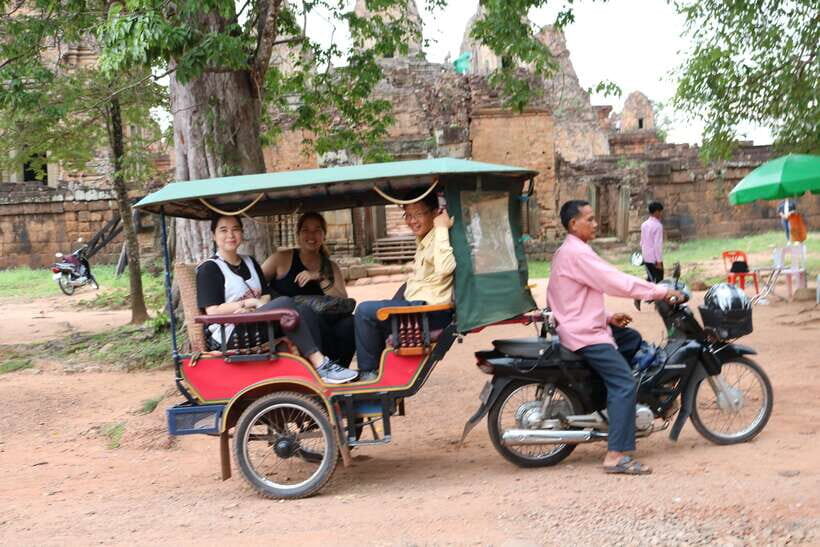
- Private tuk-tuk transport with bottled water and soft drinks included.
From your Siem Reap hotel to Angkor’s eastern gate
This is the kind of day that starts with an easy win: you’re picked up from your hotel in Siem Reap and whisked to the Angkor area by private tuk-tuk. That matters, because Angkor is big and timing is everything. Even a simple direct transfer helps you avoid the “where’s the group?” stress and keeps the morning focused on temples instead of logistics.
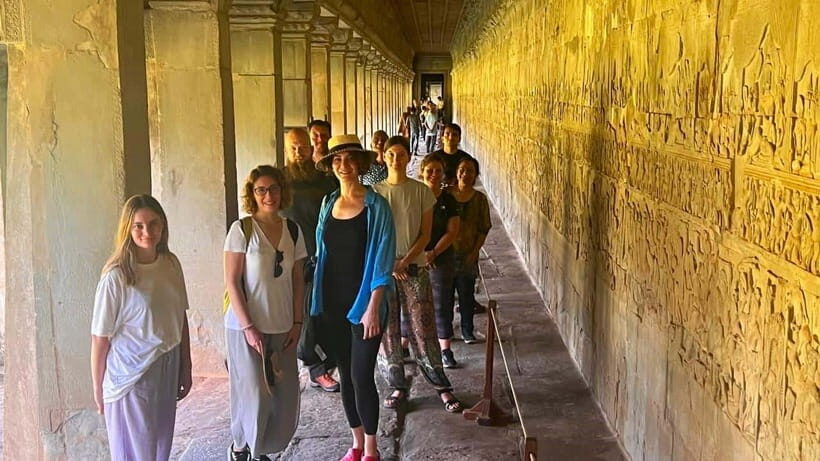
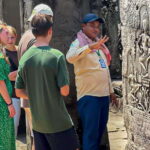
Once you arrive, the route funnels you into the ancient circuit with the right mindset. You’re not just “sightseeing.” You’re stepping into the Khmer Empire’s world—what they built, why they built it, and how the spaces connect. An English guide handles the storytelling, and several different guides have been praised for both language and how well they explain day-to-day Khmer culture alongside the monuments.
If you want a day that feels active but not frantic, the tuk-tuk setup helps. You can get the benefits of moving fast between major sights while still doing the most important part—walking the ruins where details are.
You can also read our reviews of more walking tours in Siem Reap

Angkor Thom on foot: Bayon, the Dead Gate climb, and the old city walls
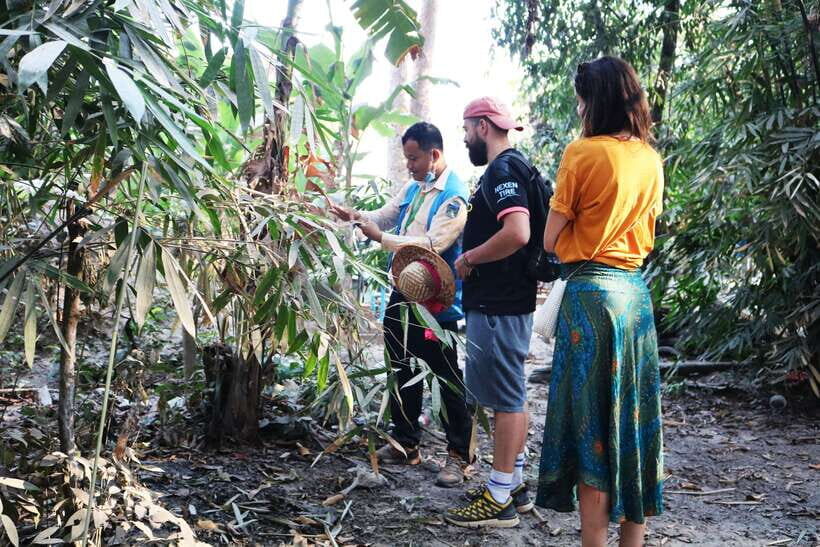
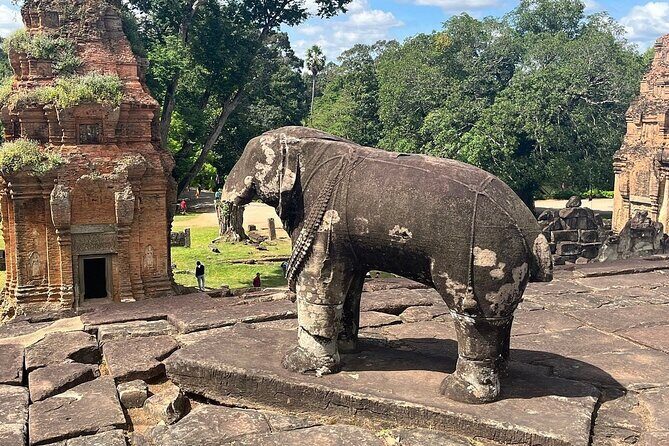
Angkor Thom is where the day shifts from “wow, ruins” to “how did they design this whole place?” You’ll explore on foot through the old city, and that walking is the point. Gates, corridors, and doorways don’t read well from a bus window. Up close, you start noticing how people were meant to move through the space.
Bayon temple and the stone face effect
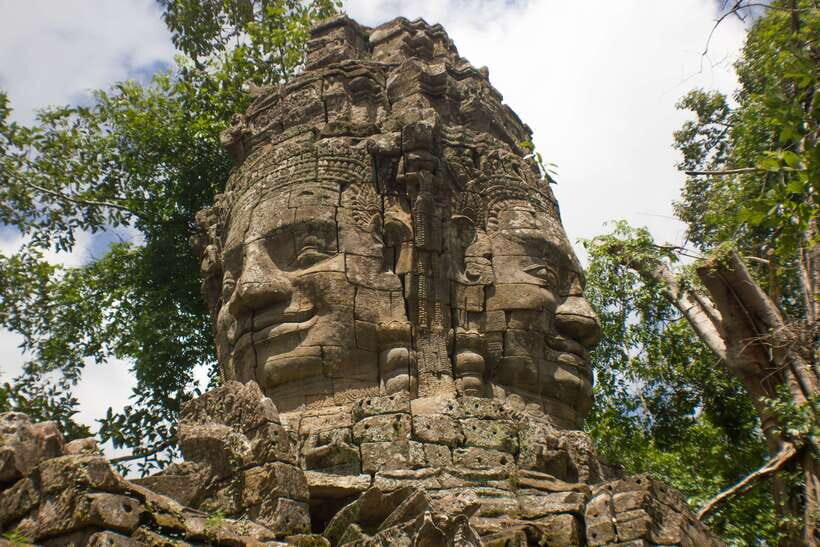
Bayon is famous for its giant stone faces, and you’ll see why once you’re standing near them. From different angles, the faces look like they’re watching you from above a doorway, peering down along a walkway, or looming over a courtyard. Your guide helps connect what you’re seeing to the Khmer Empire story, so it’s less about memorizing trivia and more about understanding the purpose of the layout.
A practical tip here: don’t rush straight to the “main view.” Spend a little time circling and looking at the faces from multiple points. That’s when the temple starts feeling like a living puzzle instead of a photo backdrop.
The Dead Gate climb and the feel of the old city defenses
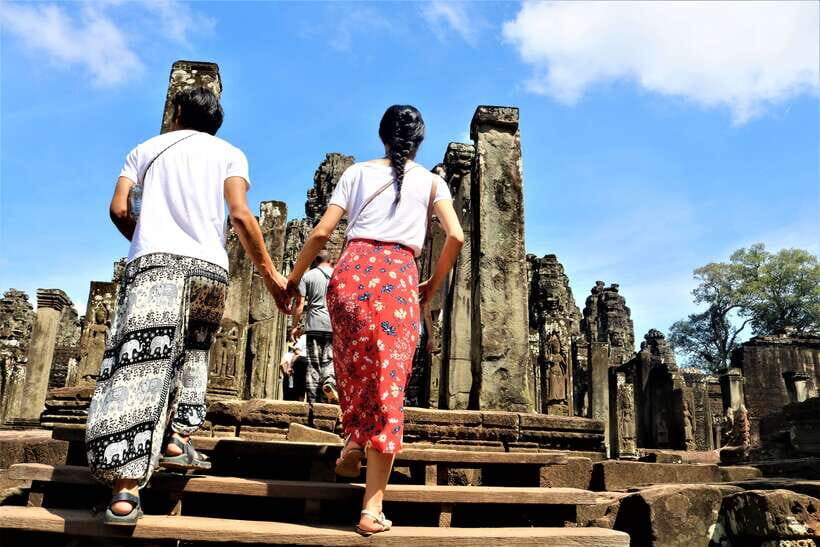
Next comes the Dead Gate, which is both a physical climb and a mental reset. The act of climbing through an older gateway changes how you experience the city walls. Suddenly you’re not only looking at ancient architecture—you’re moving through it.
From there, you’ll walk along the old city walls and pass the Victory Gate, where brave warriors once marched. Even if you don’t obsess over historical dates, you can feel the intention behind the design: control of access, strong symbolism, and a city built to impress and intimidate.
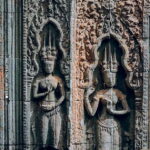
This section is also where a good guide earns their keep. The best guides don’t just point and label. They set context so the stones stop being “random carvings” and start being evidence of a civilization’s priorities.
Ta Prohm jungle ruins: maze paths and forest tracks
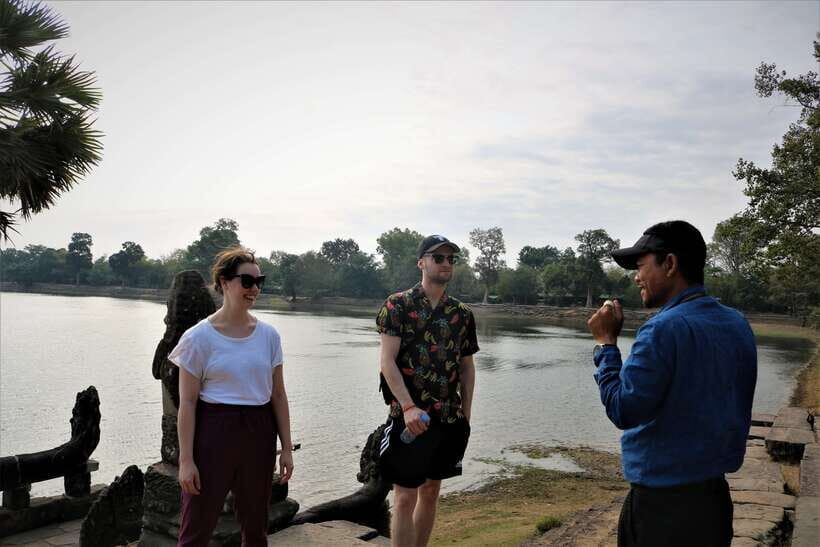
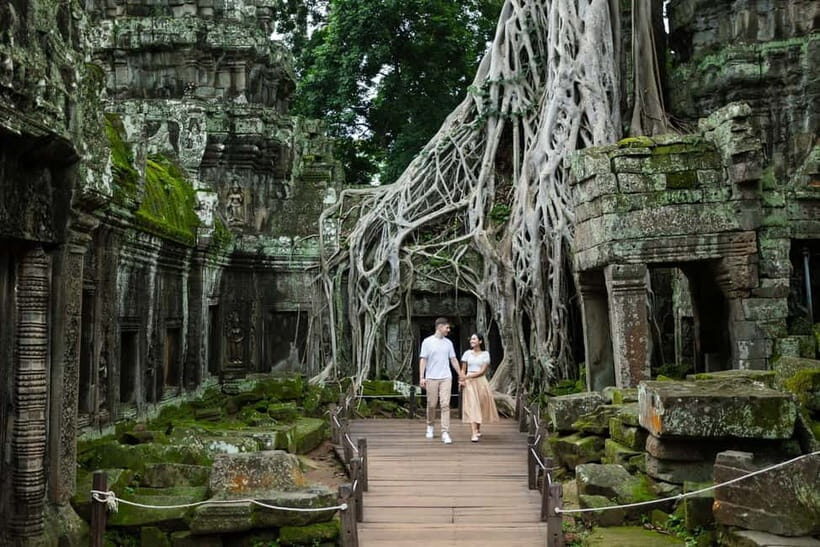
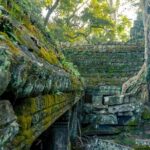
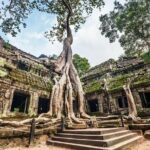
After lunch, the tour shifts into the part people dream about: Ta Prohm, the famous “jungle temple.” If you’ve ever seen photos of roots wrapping columns or trees pushing through stone, this is where you stop thinking in images and start thinking in place.
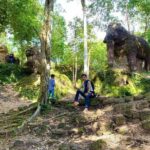
Ta Prohm feels different from the other major temples on the day. It’s less polished, more tangled, and that’s exactly why it’s so compelling. You’ll walk through a maze-like interior and spend time on hidden forest tracks around the complex. Those narrower paths make a big difference because they break up the crowds and give you space to see details you’d miss if you only followed the main route.
One of the cool angles here is the “time capsule” feeling. This is described as looking like it did when an explorer first discovered it over 150 years ago, and that matters emotionally. You’re not just visiting a monument; you’re seeing how the ruins can hold their own against nature and time.

What you should watch for while you’re walking
Since you’ll be moving at temple pace, focus on a few things:
- How roots and plants have altered surfaces and edges
- Doorways, corners, and interior openings where the light changes fast
- Any spots where the stonework meets forest growth—those are often the most photo-worthy
Also, take it as a gentle reminder: insects can be real in jungle-adjacent ruins, so insect repellent isn’t optional advice. It’s part of enjoying the day.
Lunch, flexibility, and the real-world mud factor
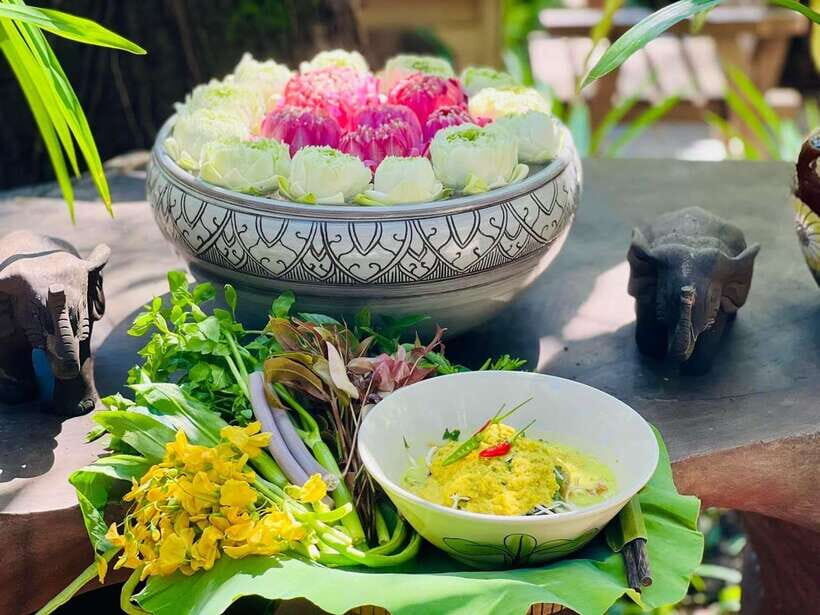
Lunch isn’t included, but you’ll get a break for food during the middle of the day. In one example, a guide arranged a good local restaurant stop, and the lunch was described as delicious. That’s a sign you’re not being rushed to a questionable convenience meal just to keep a schedule.
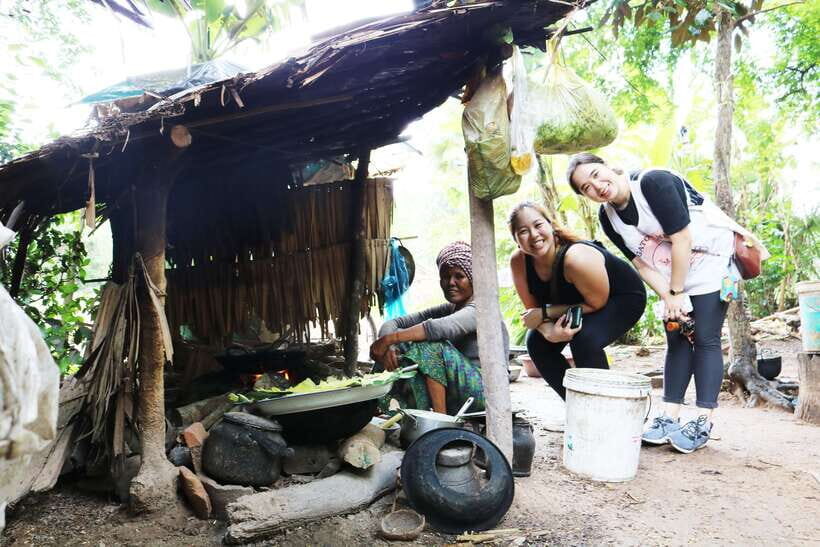
There’s also a real-world advantage to having a local guide with options. In rainy periods, areas can get muddy fast, and some days may include a short village-style walk in the wider region. When conditions turned sloppy and the route looked difficult, a guide adjusted so the group could return to the tuk-tuk sooner rather than slogging through unpleasant terrain.
That’s the kind of practical flexibility you should value. You didn’t come all the way for discomfort. If the ground is soaked or paths are too narrow and crowded, you want a guide who can steer you toward a better experience without wasting the day.
Price and what the $49 really covers (plus the $37 entrance fee)
The listed price is $49 per person for a 7-hour tour. That price doesn’t include temple entrance fees or lunch, so your real budget depends on those add-ons.
Here’s the math that helps you plan:
- Tour price: $49
- Temple entrance fees: $37 per person (for 1 day, as stated)
- Lunch: not included
So you’re typically looking at about $86 total for the tour + entrance fees, before food. Drinks and bottled water are included, which is a small but smart value-add in heat.
Why this is good value: you’re getting a professional local guide, hotel pickup and drop-off, and private tuk-tuk transportation, plus skip-the-ticket-line benefits. If you tried to piece this together yourself, the time cost (and confusion) would likely erase the savings. Here, you pay for a structured day that keeps you moving between major highlights with less friction.
What to bring: shoes, repellent, and clothing rules that matter
This tour is easy to prepare for, but the temple rules are real.
Bring:
- Comfortable shoes. You’ll be walking a lot, and temple ground can be uneven.
- Insect repellent. Ta Prohm and surrounding areas can be active for bugs.
Not allowed:
- Shorts. Dress with covered legs in mind.
- Feeding animals. Keep that off your plan.
These rules aren’t just formalities. They affect how comfortable you’ll be when you’re in tight spaces, climbing through gates, or moving through temple interiors. Plan for heat too, and keep water use in mind even though bottled water is provided.
If you’re thinking about what to wear, aim for breathable layers you can tolerate for a long walk, with legs covered enough to meet the shorts rule.
Who this tour suits best—and who should choose something else
This is best for people who:
- Like a mix of tuk-tuk rides and real walking
- Want history explained in plain English, not just a list of names
- Enjoy the dramatic contrast of formal temple architecture and jungle-tangled ruins
It’s not suitable for people with mobility impairments, mainly because of the amount of walking and the climbing component (like the Dead Gate).
Group energy also matters. This isn’t a sit-and-stare tour. Even with a guide and transport handling transitions, you’ll still be on foot for a big chunk of the day.
If you’re traveling with kids, older adults, or anyone with limited mobility, you might be better served by a different Angkor format with less walking. In a place like this, “short breaks” don’t fully solve distance and stairs.
Should you book this Angkor Wat tuk-tuk and walking tour?
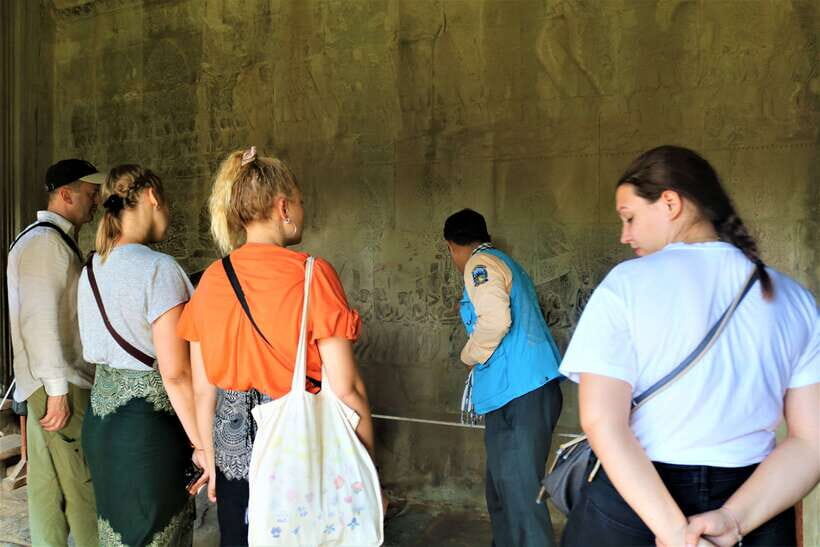
If you want a classic Angkor day with strong guidance and you don’t mind walking, I think this is a solid choice. The combination of skip-the-line convenience, hotel pickup, private transport, and the chance to do Angkor Thom on foot plus Ta Prohm’s jungle temple is the right mix of efficiency and atmosphere.
Book it if:
- You want Bayon, the Dead Gate experience, and Ta Prohm in one day
- You like explanations that connect history to what you’re standing in
- You’re happy spending the day walking (around 9 miles)
Skip it or reconsider if:
- Long walking is a deal-breaker
- You can’t comfortably handle climbs and uneven temple ground
- You’re expecting lunch and entrance fees to be included in the $49
If you’re the type who enjoys temples with context—stone faces, city walls, and jungle ruins—this tour is built for you.