REVIEW · SIEM REAP
3-Day Angkor Wat Tour with Kulen Mountain & Floating Village
Book on GetYourGuide →Operated by BREKSA TRAVEL · Bookable on GetYourGuide
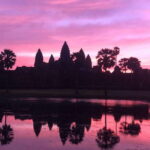
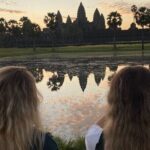
Sunrise at Angkor Wat hits different. This 3-day run strings together Angkor’s top temples, Kulen Mountain’s sacred park, and the floating village of Kampong Phluk into one practical route with an English guide and air-conditioned driving.
Two things I like right away: you get to start early enough for great sunrise timing and you also leave town for countryside temples and Tonle Sap lake life instead of only doing the usual city hits.
One drawback to keep in mind: it’s a long day-to-day schedule, so if you hate early mornings or slow walking breaks, you might feel the pace by Day 3.
In This Review
- Key highlights worth planning for
- Why This 3-Day Angkor Wat + Kulen + Kampong Phluk Route Works
- Day 1: Angkor Wat Sunrise and Temple Time Before the Crowd Crush
- Day 1 Continued: Pre Rup, Ta Prohm, Bayon, and Angkor Thom’s Victory Gate
- Day 2: Rural Siem Reap Countryside Temples, Lunch Included, Then Banteay Srei
- The Cambodian Landmine Museum: Learning Without Turning It Into a Detour
- Day 3: Phnom Kulen National Park Waterfalls, Reclining Buddha, and 802 AD Sacred Steps
- Beng Mealea’s Jungle Ruins and Why It Feels Different From Angkor Wat
- Kampong Phluk on Tonle Sap: Boat Ride Into Stilt-House Fishing Life
- Price and What You Still Need to Pay On Top of $139
- Guide Quality, Comfort, and the Pace You’ll Feel
- What to Bring (and How to Dress) for Temples and Jungle Stops
- Should You Book This 3-Day Angkor Wat + Kulen + Kampong Phluk Tour?
- FAQ
- What time is pickup for the Angkor Wat sunrise?
- How much is the Angkor pass, and is it included?
- What meals are included during the 3 days?
- Is the boat cruise to Kampong Phluk included?
- How many people are in the group?
- What should I bring and how should I dress?
Key highlights worth planning for
- Angkor Wat sunrise before the crowds, then time to explore key areas while the light is still kind
- Small and Grand circuit temples handled in a logical order across Day 1 and Day 2
- Kulen Mountain (Phnom Kulen National Park) with the reclining Buddha and the River of Thousand Linga from 802 AD
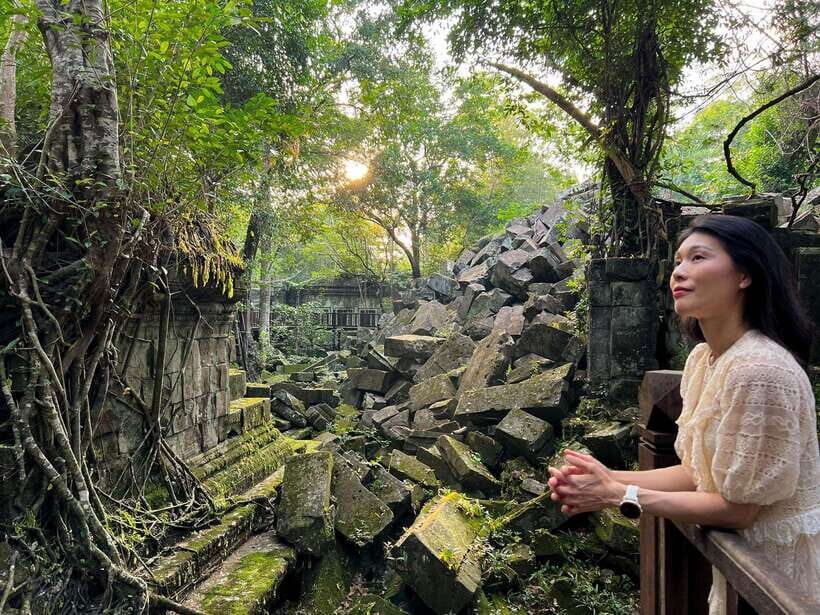
- Beng Mealea’s jungle temple and the feel of being in a forested ruin
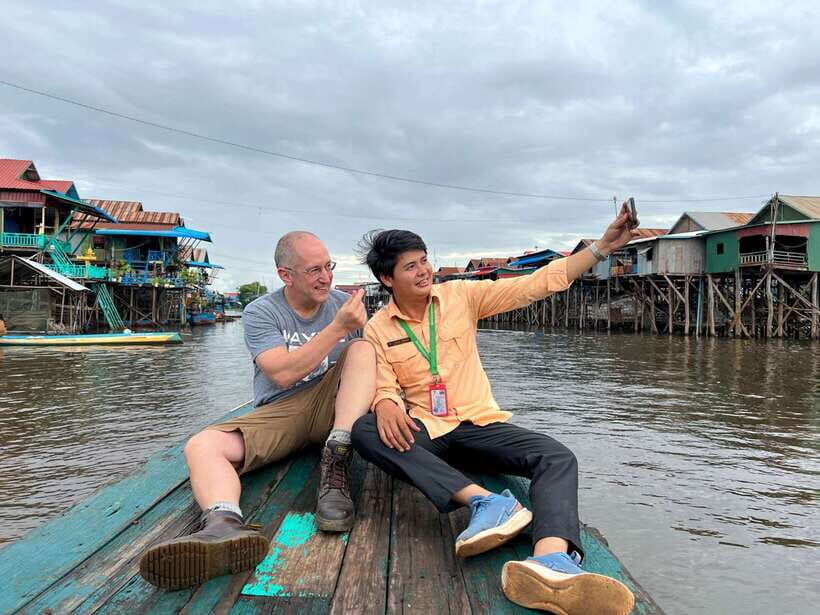
- Kampong Phluk by boat to see how families live from fishing in stilt houses
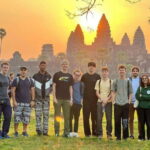
- Small group up to 10 with an English guide, plus cool water and towels between stops
Why This 3-Day Angkor Wat + Kulen + Kampong Phluk Route Works
This tour is built for people who want the big names and the real-world context. Yes, you’ll see the famous temple faces and carvings. But you’ll also spend real time outside the main Angkor zone: rural Siem Reap countryside on Day 2, then Phnom Kulen and Beng Melea on Day 3, and finally Tonle Sap lake life at Kampong Phluk.
The value is in how they compress travel stress. You get private air-conditioned transport and a guide who keeps the day flowing, with small-group size (limited to 10). Add in bottled water and towels, and you’re better set for the heat than if you’re bouncing between places on your own.
One practical note: the headline price is $139 per person, but temple and park entry costs are separate. If you plan ahead, it feels like good value. If you don’t, the day can get more expensive than you expected.
A few more Siem Reap tours and experiences worth a look
Day 1: Angkor Wat Sunrise and Temple Time Before the Crowd Crush
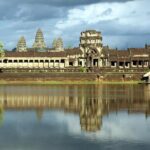
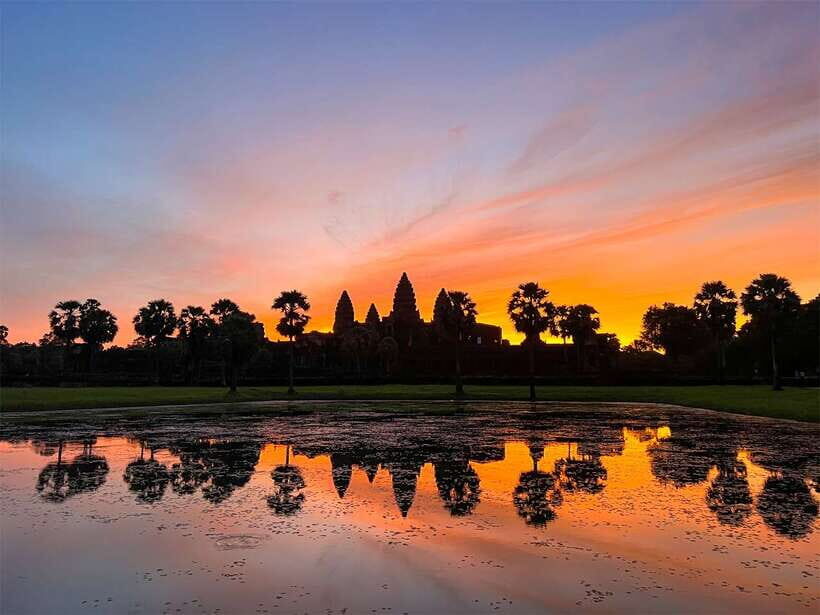
Your day starts brutally early. You’re picked up from your hotel lobby between 4:30 am and 5:00 am (plan to be ready about 10 minutes early). The idea is simple: watch the sunrise over Angkor Wat, then explore before peak foot traffic.
After sunrise, you’ll spend about 1 hour 30 minutes exploring Angkor Wat so you can actually see and photograph details when the light and crowds cooperate. That time window matters. At Angkor, the difference between arriving early and arriving later is not just comfort. It’s how much of the temple you can take in without constant shoulder-to-shoulder traffic.
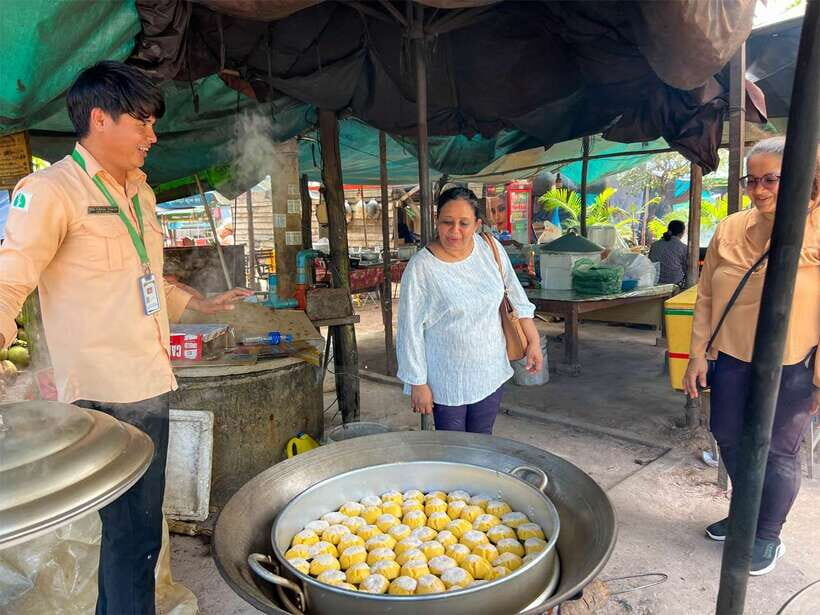
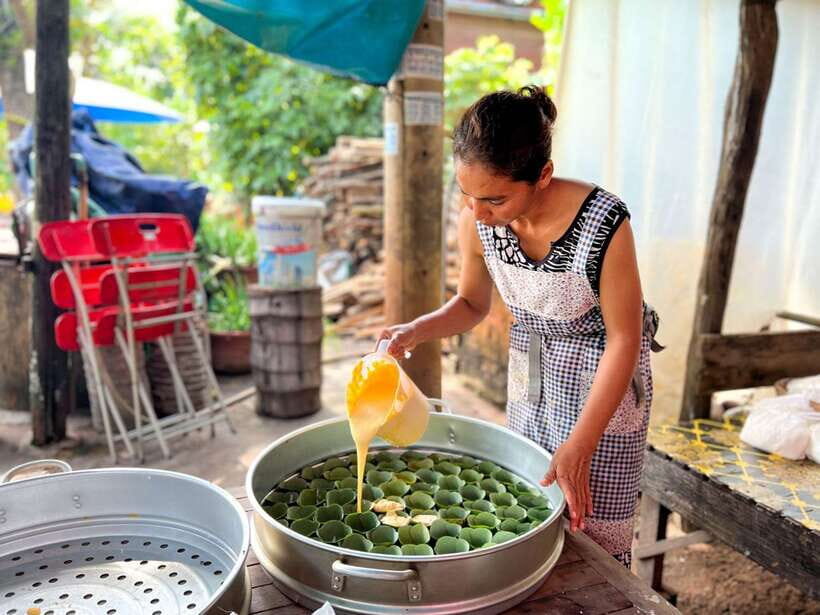
Then the tour shifts to the sort of morning break most temple days lack: breakfast in the village. You can expect authentic Cambodian options like Khmer noodle soup, plus traditional desserts such as palm cake and steamed rice dumplings with palm sugar. It’s the kind of meal that reminds you this is Cambodia, not a museum set.
After breakfast, you’ll visit an interesting local market. It’s not just browsing for its own sake. Markets help you understand what locals actually buy and use every day, and they make the rest of the day feel less like a checklist.
Day 1 Continued: Pre Rup, Ta Prohm, Bayon, and Angkor Thom’s Victory Gate
Once you’re back on the temple loop, Day 1 covers the most iconic moods of Angkor: grand stone, jungle growth, and smiling faces.
- Pre Rup is one of the classic “layered viewpoint” temples. You’re there to get a feel for how temples sit and rise in the Angkor landscape, and why sunrise time makes the whole area glow.
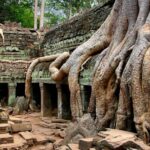
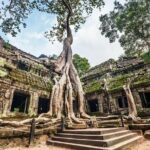
- Ta Prohm is the jungle temple you’ve heard about. It’s left in a more natural state, with huge roots and thick overgrowth. The effect is dramatic because it looks less staged than the fully restored sites.
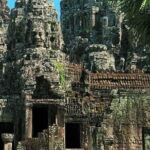
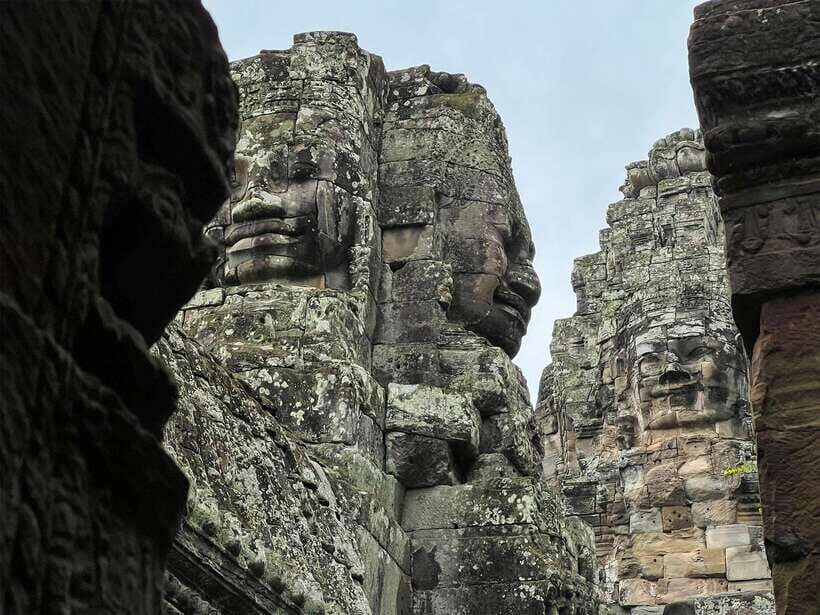
- Bayon is about faces and alignment. Those famous expressions show up repeatedly around the site, and the scale can surprise you even if you’ve seen photos before.
- Victory Gate at Angkor Thom gives you a sense of the city’s ceremonial layout, with the gate acting like a “wrap-up” moment after the major stops.
This day is a lot of walking, but it’s also tightly themed. If you like temples that feel different from each other—stone, jungle, faces, gates—this sequence delivers.
Day 2: Rural Siem Reap Countryside Temples, Lunch Included, Then Banteay Srei
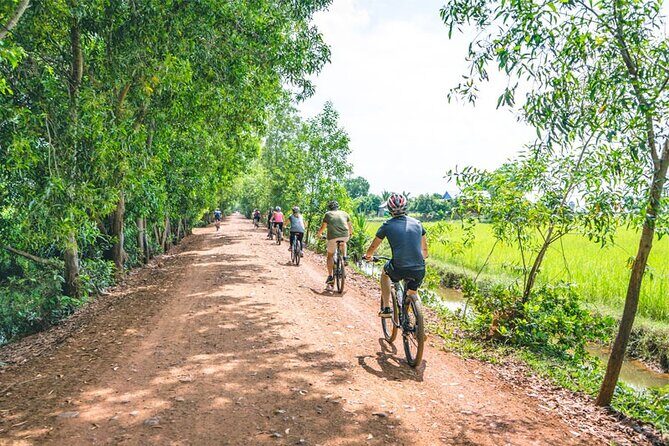
Day 2 starts at 8:00 am after breakfast. The morning is built around one of the smartest choices in the itinerary: leaving the city center to experience Siem Reap countryside with a local guide.
That matters because Angkor can make you forget where the people live. In rural areas, you see everyday patterns—how fields sit, how villages function, and what daily life looks like when you’re not just moving from ticket line to ticket line. It also helps you reset mentally before more temple time.
You’ll visit several temples outside the Angkor Thom zone, including:
- Preah Khan
- Neak Pean
- Ta Som
- East Mebon
These stops are less about one single “wow” photo and more about atmosphere and design. They tend to feel quieter, and that’s where you can actually notice the carving patterns, doorways, and how the temple space is shaped.
Lunch is included. It’s an ordering-from-a-menu setup with one local food lunch. That’s convenient and usually more satisfying than boxed meals. Still, keep in mind drinks and soft drinks are not included.
The Cambodian Landmine Museum: Learning Without Turning It Into a Detour
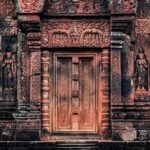
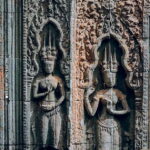
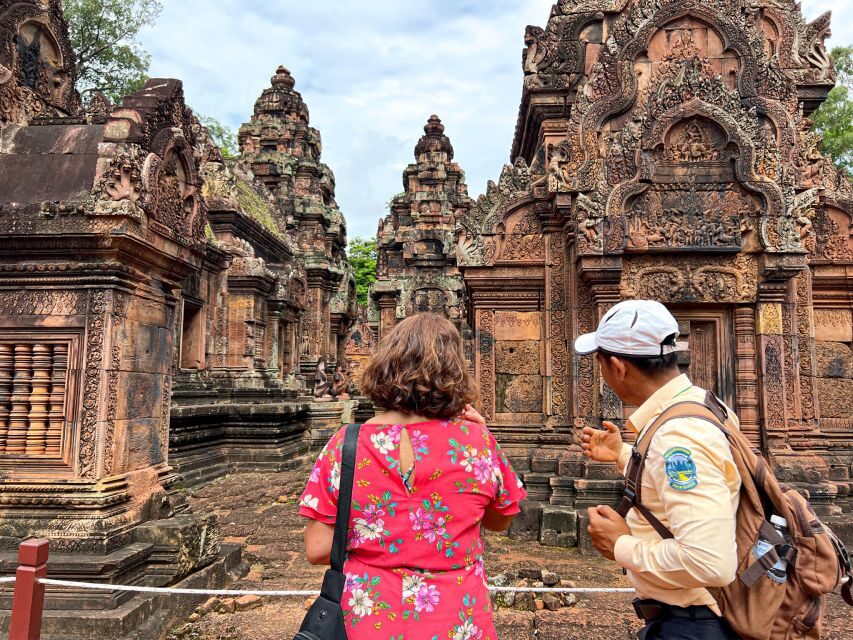
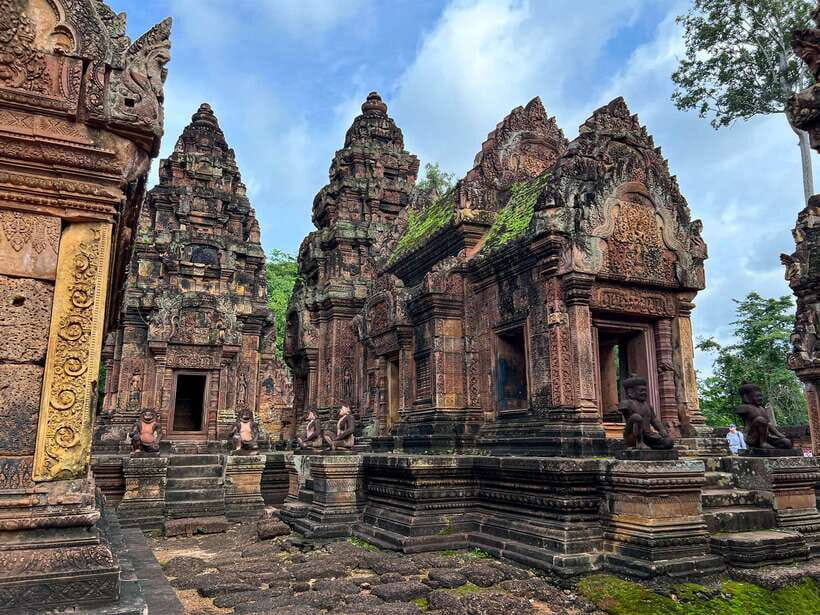
Later on Day 2, you’ll drive to Banteay Srei, known for intricate relief work on a smaller sandstone structure. Even though it’s “smaller,” the detail level is the point. If you like fine carving and texture, this stop is a real payoff.
After Banteay Srei, the tour includes the Cambodian Landmine Museum. This part of the day adds weight. It’s not just sightseeing, and it’s not meant to be quick. If you want your trip to include a human and historical context that affects Cambodia today, this is the stop that does that.
This also explains why Day 2 can feel like more than temples. It’s one of the itinerary’s best “balance” moves: beauty in the morning, then something serious that adds meaning.
Day 3: Phnom Kulen National Park Waterfalls, Reclining Buddha, and 802 AD Sacred Steps
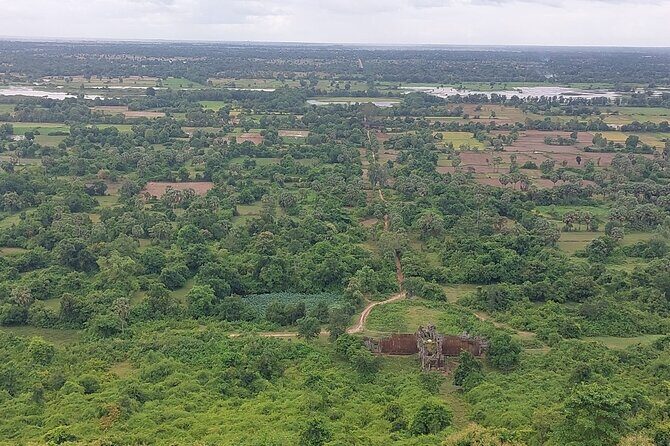
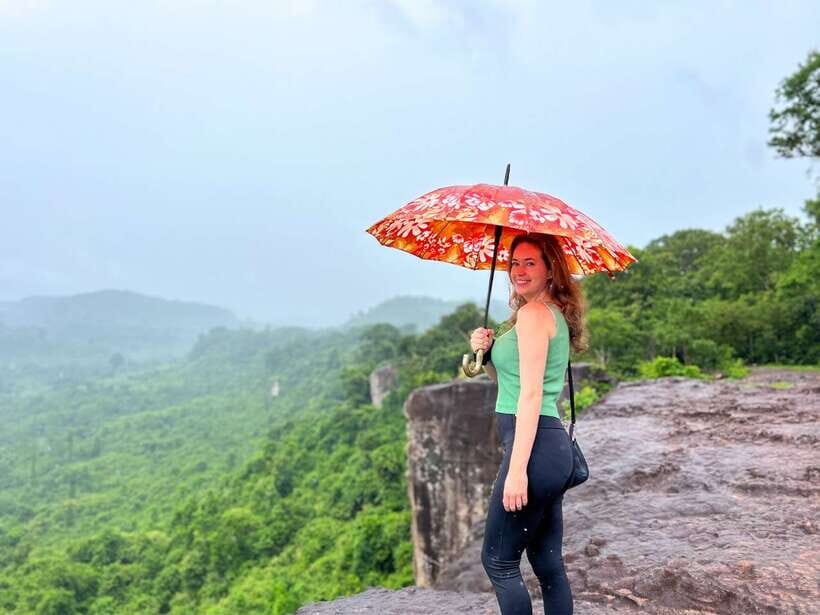
Day 3 starts again at 8:00 am. You head to Phnom Kulen National Park with about 1 hour of travel, passing through rural villages where you may see rice paddies and daily life.
Once you reach the park, the highlight set is classic Kulen:
- Largest and beautiful waterfalls in the area
- A reclining Buddha sculpture
- The River of Thousand Linga, constructed in 802 AD
That 802 AD detail is more than trivia. It helps you picture this place as something that’s been central long before Angkor became a visitor magnet. If you’ve ever looked at temple carvings and wondered what came before, Kulen gives you a sense of continuity.
After some exploring, you have lunch at a local restaurant, and then the afternoon shifts to Beng Melea.
Beng Mealea’s Jungle Ruins and Why It Feels Different From Angkor Wat
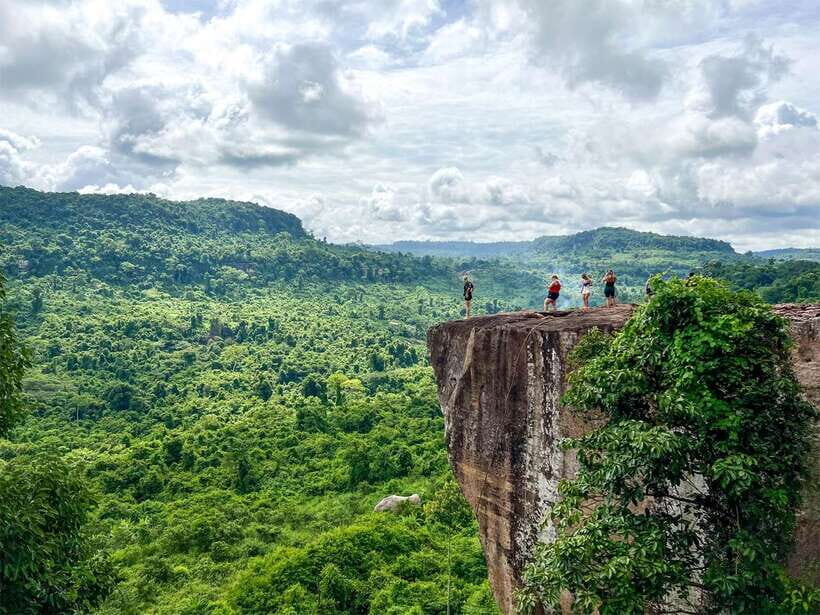
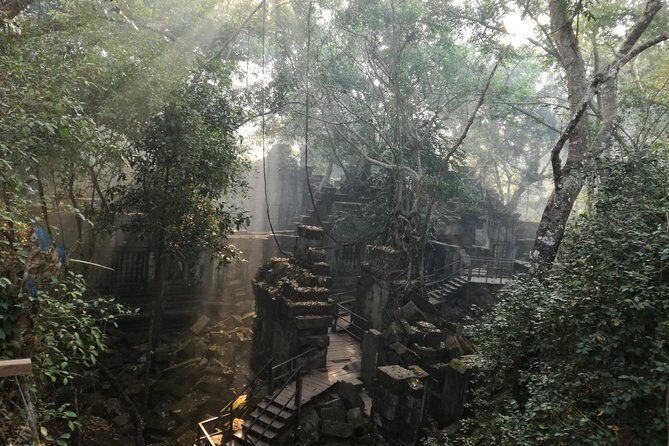
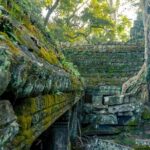
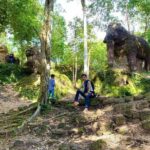
Next stop is Beng Melea, a 12th-century temple site that feels like it’s been reclaimed by the forest. It’s heavily overgrown with vegetation, trees, lianas, and mosses, with the area described as being surrounded by rainforest conditions for over 300 years.
When a temple is fully restored, it often looks crisp and controlled. Beng Melea feels wilder. You’ll walk among thick growth and see stonework still there, but less protected and less polished. For many people, that’s the “aha” moment of the whole trip: Angkor’s fame is real, but the experience of ruins in nature is its own category.
One practical consideration: jungle temples mean bugs and slippery ground can happen. Bring insect repellent and wear clothing you don’t mind getting a little dusty.
Kampong Phluk on Tonle Sap: Boat Ride Into Stilt-House Fishing Life
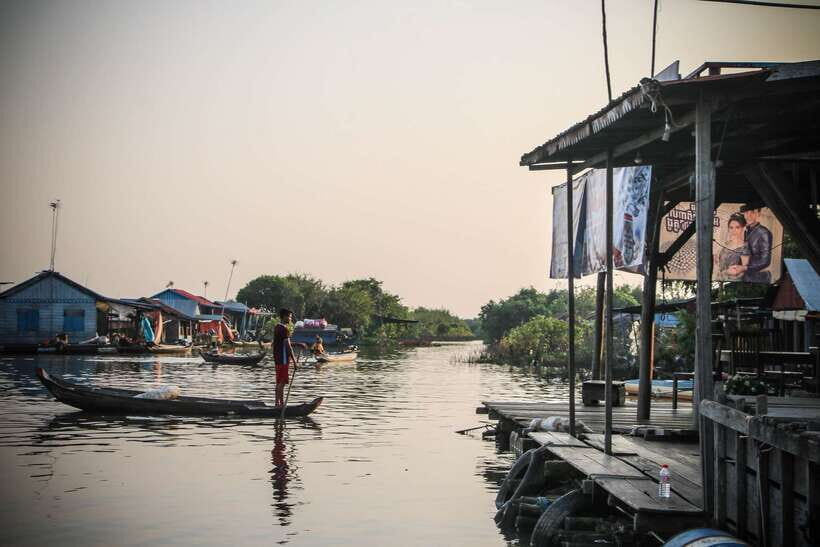
After Beng Melea, you take a boat from the ferry to explore Kampong Phluk on Tonle Sap lake. The tour focuses on everyday life—how families earn money, how housing works when the water changes, and how the community is shaped by the lake.
You’ll see:
- brightly colored houses on long poles
- fishing-based livelihoods
- families living on or near the lake shore
The rainy season water rise is built into the design. The long-stilt homes handle it, which makes Kampong Phluk more than a scenic stop. It’s a working solution.
Also note: there’s a separate Tonle Sap lake ticket for the private boat cruise listed at $15 per person, so you’ll want to account for that in your total budget.
Price and What You Still Need to Pay On Top of $139
The tour price is $139 per person for 3 days, which includes the guide, hotel pickup and drop-off, and private air-conditioned transport. That’s where a lot of the value lives: you’re paying to have someone handle timing, route order, and the “how do we get there” problem.
What’s not included is important:
- Angkor pass (3 days): $62 per person
- Tonle Sap lake ticket with private boat cruise: $15 per person
- Kulen National Park admission: $20 per person
- Food and soft drinks beyond the included meals
In other words, expect your temple and park costs to add up on top of the headline price. The good news: breakfast on Day 1 and one local lunch on Day 2 are included, so you’re not paying for every meal along the way.
If you prefer not to think about extra charges at the end, do the math before you book.
Guide Quality, Comfort, and the Pace You’ll Feel
This is a small group tour, limited to 10 participants, and it uses a professional English-speaking guide. In the comments I’ve read about similar operators, one theme shows up again and again: guides who manage the details well, offer clear explanations, and keep the group moving without losing the plot.
Comfort-wise, the tour provides water bottles and towels during the day. That’s a small thing, but it helps when you’re sweating through temple entrances and then climbing steps for viewpoints.
About pace: it’s active. Day 1 and Day 2 are both full with multiple temple stops. Day 3 mixes park time, lunch, Beng Melea, and then Kampong Phluk. It’s not a slow stroll tour. You’ll want to build in breaks where possible and wear shoes you trust.
What to Bring (and How to Dress) for Temples and Jungle Stops
Cambodia heat and temple rules are real. Based on the tour guidance, bring:
- sunglasses
- hat
- insect repellent
- sunscreen
And dress for temple entry:
- no short skirts
- no sleeveless shirts
I also recommend packing a light layer for sun protection and keeping your phone and camera gear protected from humidity and dust. Jungle ruins are more messy than clean stone sites.
Should You Book This 3-Day Angkor Wat + Kulen + Kampong Phluk Tour?
I think this tour is a good fit if you want a first-timer-friendly plan that still feels thoughtful. You get the essential Angkor hits with sunrise timing, plus you go beyond the core temple zone into Phnom Kulen, Beng Melea, and Tonle Sap lake life at Kampong Phluk. That combination helps you understand Cambodia as more than one UNESCO area.
Book it if:
- you care about sunrise at Angkor Wat
- you want countryside and lake life, not only temples
- you like learning with an English guide and don’t want to piece logistics together
Skip or adjust if:
- you hate early mornings
- you want a lighter pace with fewer walking days
- you’d rather plan every ticket yourself and skip guided entry costs
If you do book, go in expecting additional entry fees (Angkor pass, Tonle Sap boat ticket, Kulen admission) so the total feels clear.
FAQ
What time is pickup for the Angkor Wat sunrise?
Pickup starts between 4:30 am and 5:00 am. Plan to wait in your hotel lobby about 10 minutes before your scheduled pickup time.
How much is the Angkor pass, and is it included?
The 3-day Angkor pass is not included. It costs $62 per person.
What meals are included during the 3 days?
Breakfast in the village is included on Day 1. A local lunch (one dish ordered from the menu) is included on Day 2. Food and soft drinks are not included otherwise.
Is the boat cruise to Kampong Phluk included?
No. The Tonle Sap lake ticket with private boat cruise is listed as $15 per person.
How many people are in the group?
This is a small group limited to 10 participants.
What should I bring and how should I dress?
Bring sunglasses, a hat, insect repellent, and sunscreen. For temple visits, avoid short skirts and sleeveless shirts.