REVIEW · SIEM REAP
Best of Siem Reap 3-Day Private Tour to Angkor Wat & Tonle Sap
Book on Viator →Operated by Green Era Travel · Bookable on Viator
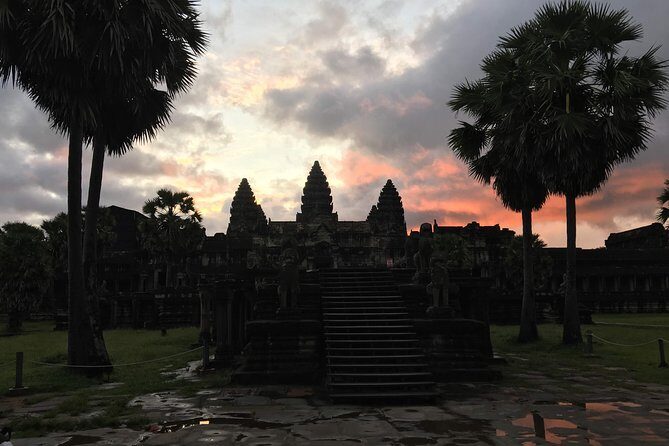
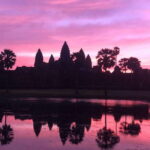
Angkor at dawn feels different. I like this private 3-day Siem Reap tour because it starts with Angkor Wat sunrise and runs in a climate-controlled vehicle, so you’re not baking in transit. You also get a real guide who helps the sights make sense.
My other big win is the pacing. Two full days at the Angkor Archaeological Park lets you see the top temples without feeling rushed, then day three shifts to Tonle Sap for something totally different. The only drawback to plan around is cost at the gate, since the Angkor entrance fee is not included.
Key points to know before you go
- Angkor Wat sunrise early start: You get picked up early for the best light and fewer crowds.
- Two temple-focused days: You’ll cover major sites across Angkor Wat through Angkor Thom, plus standout temples like Banteay Srei.
- Private, air-conditioned touring: Hotel pickup/drop-off and a private vehicle make the long days easier.
- Tonle Sap boat trip to Kompong Phluk: A full shift from stone temples to a working lakeside community.
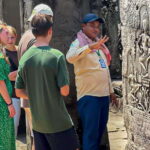
- Guide-led context (not just sightseeing): English-speaking guidance brings history and meaning to what you’re seeing.
- Seasonal routing on Tonle Sap: Access to Kompong Phluk changes from Feb–Aug to Sep onward, based on conditions.
In This Review
- Why Angkor Wat sunrise is worth the early alarm
- Angkor Thom and the fortified-city feel
- Banteay Srei: why this temple is often a favorite
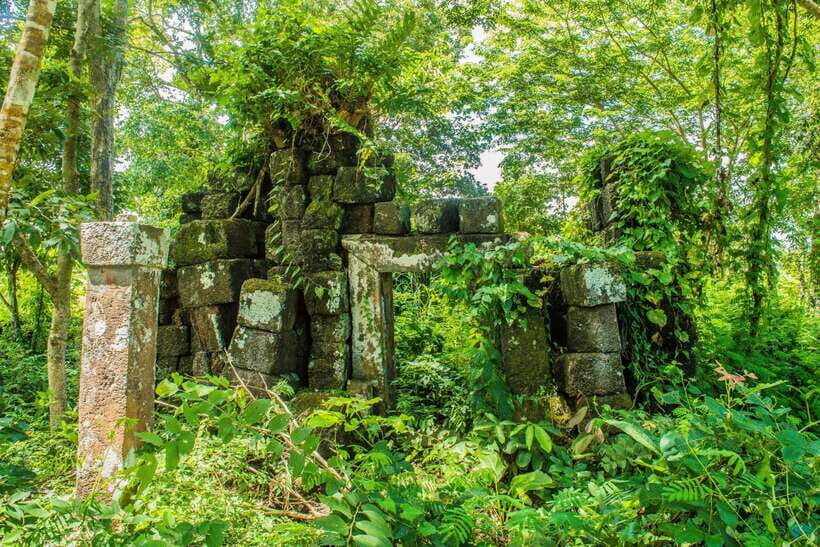
- Banteay Samre and Pre Rup: adding contrast to the circuit
- Tonle Sap Lake and Kompong Phluk: a different Cambodia
- Private vehicle, water, and comfort that helps you last
- What you’re really paying: value vs. extra entrance fees
- Dress rules and physical comfort you should plan for
- Your best match: who this tour suits best
- Should you book this Siem Reap 3-day private tour?
- FAQ
- Does this tour include hotel pickup and drop-off in Siem Reap?
- Is the tour private, or will I be grouped with other people?
- Are entrance fees included?
- What is included on Tonle Sap Lake?
- What should I wear to visit the temples?
- What if the weather is bad?
Why Angkor Wat sunrise is worth the early alarm
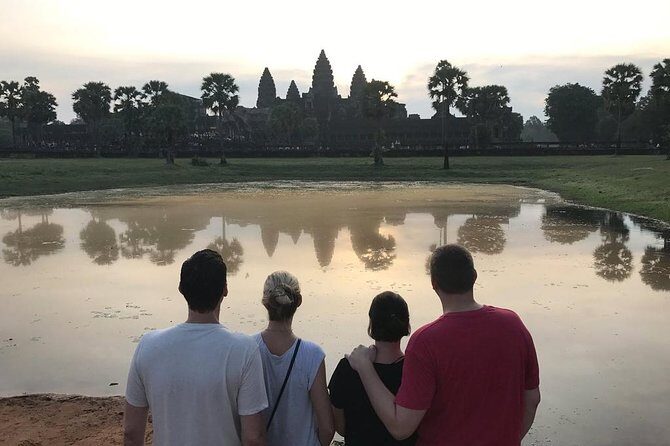
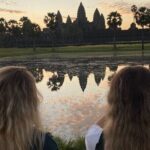
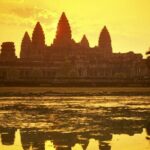
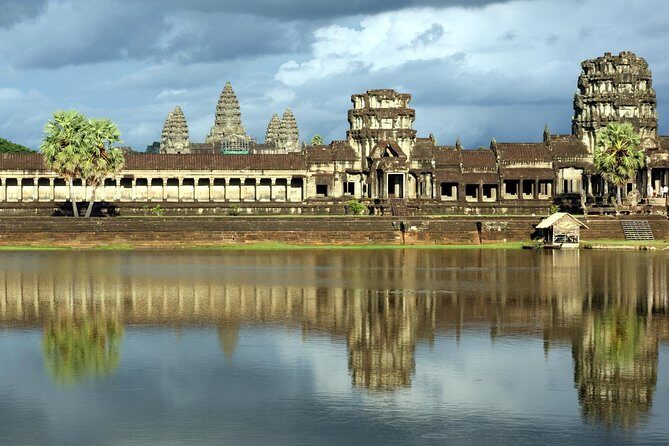
If you’ve ever visited Angkor without an early plan, you know the problem: heat, glare, and crowds pile up fast. This tour fixes that with an early morning start from your hotel, timed for sunrise at Angkor Wat. You’re not just rolling up to a parking lot when it’s already busy. You’re there when the temple silhouettes look their best and the day is still manageable.
The other thing I appreciate is that sunrise is only the first move, not the whole show. Right after that, the schedule keeps you moving into the Angkor core, instead of sending you away to wait around. You get a day that feels structured, which matters because Angkor can easily turn into one long scramble if you’re not guided.
Angkor Thom and the fortified-city feel
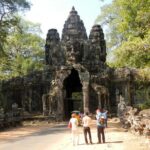
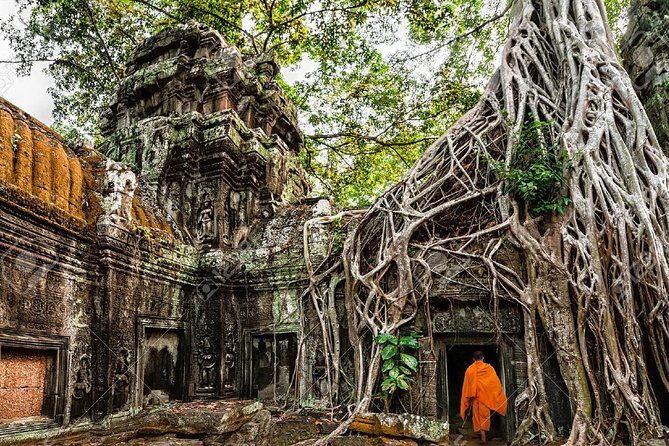
After sunrise at Angkor Wat, the tour shifts to Angkor Thom, the fortified city area known for its scale and dramatic layout. This is the part that helps you see Angkor as more than a single icon. Instead of one temple photo moment, you start understanding the city plan—walls, gates, and the sense of a place built for power and ritual.
What you’ll notice as you walk the area is how the design guides your attention. You tend to keep moving because the sightlines pull you forward, and you’re not stuck in the same view for hours. That makes a big difference on a day like this, because everyone’s energy runs out at different times. With a private setup, you can typically keep a comfortable rhythm through the site.
One practical consideration: this is still a full morning in an outdoor archaeological zone. Even with the best timing, you’ll want to be ready for walking and standing.
You can also read our reviews of more private tours in Siem Reap
Banteay Srei: why this temple is often a favorite
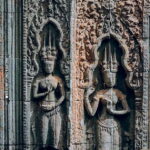
Day two leans into a temple that many people aim for specifically: Banteay Srei. It’s often described as a jewel of Khmer art, and the reason is simple—you tend to slow down here. The temple’s character is more about fine detail and craftsmanship than big, sweeping “instant wow” scale.
This matters because it gives your second day variety. Day one is about the major Angkor complex feel; day two gives you a tighter, more delicate temple experience. You also get time later in the day to continue the circuit rather than being dropped and dismissed after one highlight.
If you’re the type who enjoys architectural details and symbolism, this is where you’ll feel the payoff.
Banteay Samre and Pre Rup: adding contrast to the circuit
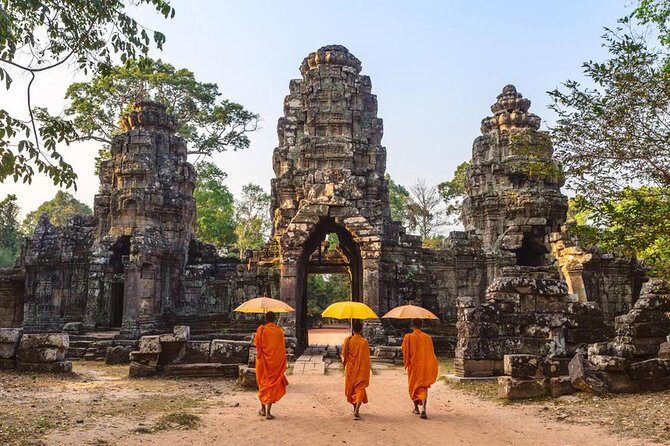
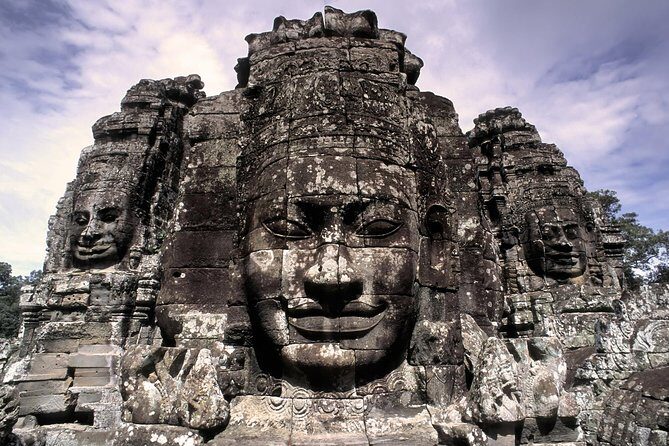
The day doesn’t stop at Banteay Srei. After lunch, the route continues with Banteay Samre and then Pre Rup. I like this combination because it creates contrast. You move from a temple that rewards close attention to others that read more like a journey through different parts of the Angkor story.
Pre Rup also gives you a useful kind of viewpoint. You get a sense of the temple’s role in the landscape through elevation and sightlines, which helps you understand why people built places like this where they could control views and movements. Even if you’re not an architecture nerd, that “why here” feeling tends to click once you’re standing in the right spots.
Tip for making day two work: take your guide’s timing cues seriously. With multiple temples in one day, the best experiences come from hitting the right parts at the right time, not from rushing every stop.
Tonle Sap Lake and Kompong Phluk: a different Cambodia
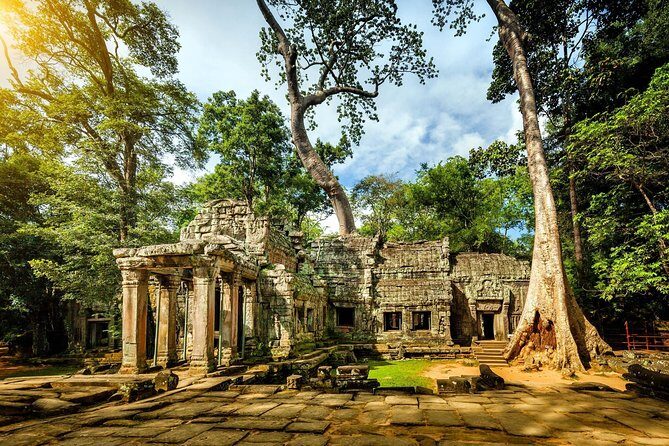
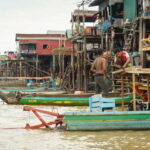
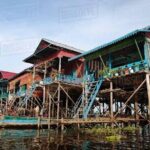
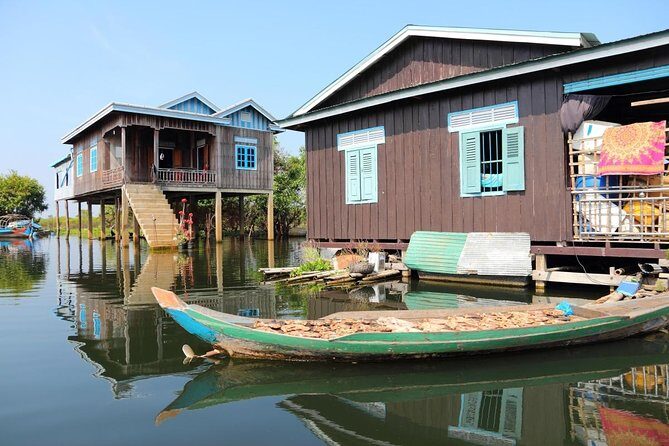
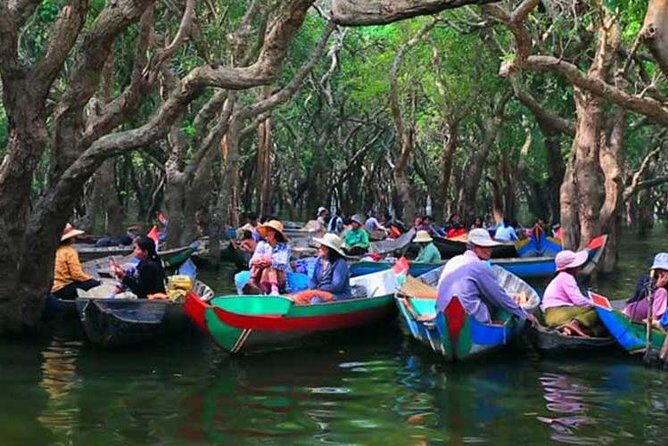
After two days of stone temples, day three is the reset button: Tonle Sap Lake and a visit to the fishermen’s village of Kompong Phluk. Instead of carvings and gates, you’re dealing with water-level life—boats, stilted homes, and the rhythm of a working community.
The tour includes a private boat trip, which is the key to seeing this area properly. You don’t get the “view from far away” version. You’re out on the water to spot birds and take in the lakeside environment as it functions day to day. That’s also where this tour earns its uniqueness: the temple days are predictable in a good way, but Tonle Sap changes the mood completely.
The tour operator also notes that access to Kompong Phluk changes by season. During the dry months (February to August), the village can be reached by car or motorbike. From September onward, the route changes depending on conditions. This is one of those small details that actually matters, because it affects how the day feels and how long transitions take.
Private vehicle, water, and comfort that helps you last
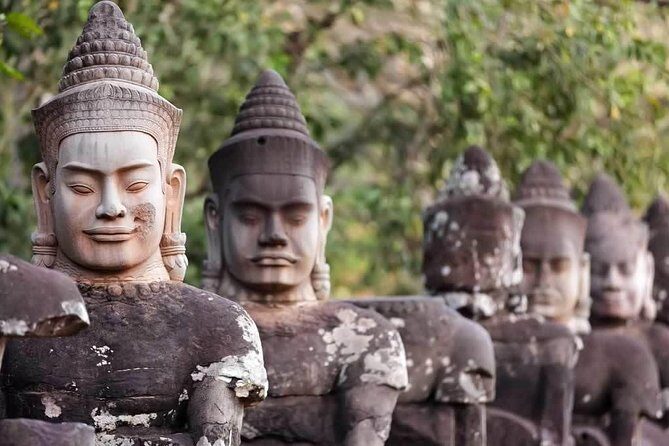
A private tour is not just about avoiding other people. It’s about comfort when the weather and traffic don’t cooperate.
Here, you’ll travel in a private air-conditioned vehicle with daily hotel transfers, and bottled water is included. That matters because Angkor and the lake area both put you outside for long stretches, with heat and sun doing their thing. The better the comfort in transit, the easier it is to enjoy the temples instead of just surviving them.
The strongest praise I saw in feedback focused on how guides and drivers keep things running smoothly. Multiple comments singled out drivers who handle hectic routes with care and who keep guests comfortable with bottled water and cooling towels when you get back into the van. I take that seriously. On a multi-day temple tour, those little comfort moves can make the difference between remembering the art and remembering the misery.
And yes, traffic happens. When it does, a good driver helps you keep the day on track so you don’t lose your most important time blocks.
A few more Siem Reap tours and experiences worth a look
What you’re really paying: value vs. extra entrance fees
The listed price is $160.26 per person for the 3-day private experience. For that, you’re getting more than a driver and a list of temples. The tour includes hotel pickup and drop-off, an English-speaking guide, private boat time at Tonle Sap, and bottled water. You also get a mobile ticket, which can simplify day-of logistics.
There is one big “budget reality check”: the Angkor Archaeological Park entrance fee is not included. It’s listed separately as $62.00 per person. Food and drinks are also not included.
So the fair way to judge value is like this:
- You’re paying for time, access, and guidance, plus private transport and boat.
- You’re still responsible for the major gate fee at Angkor and your meals.
If you’re traveling with just a couple of people or you want a tighter schedule, private value usually holds up well. If you’re trying to keep every dollar down, you’ll want to add the entrance fee into your plan before you compare prices.
Dress rules and physical comfort you should plan for
Cambodia’s temple sites have clear expectations about clothing, and this tour follows them: you’ll need trousers or a knee-length skirt/dress. That’s not just a formality. It affects whether you feel comfortable moving through temple areas quickly and respectfully.
The tour also asks for a moderate physical fitness level. That’s your clue that you’ll be walking, standing, and moving between stops without constant breaks. It’s not described as extreme trekking, but you should still plan for a pace that assumes you can handle temple footwork in daytime heat.
If you’re traveling with kids, note that children must be accompanied by an adult.
Your best match: who this tour suits best
This style of tour works best if you want three things at once:
1) a structured plan for Angkor Wat sunrise and temple days,
2) a guide who can explain what you’re seeing rather than leaving you guessing,
3) a strong contrast day at Tonle Sap that feels like Cambodia beyond Angkor.
It’s also a great fit if you hate the idea of being shuffled into a group schedule. Since this is private, you get flexibility around your own pace while still covering the key sights.
A quick note on guide quality: feedback highlights specific guide names such as Silen Truy, Borain Tuok, and Mr. Sorphea (plus driver Mr. Sopheap). The common thread is clear communication and a friendly, helpful approach, plus attention to passenger comfort.
Should you book this Siem Reap 3-day private tour?
If you want the most efficient path through Angkor without turning your trip into an endurance test, I think this is a strong option. The mix of sunrise at Angkor Wat, a full day for Banteay Srei, and a full change of scenery at Tonle Sap with a private boat is a smart use of 3 days.
I’d especially recommend it if:
- you care about good timing (sunrise matters),
- you want private comfort with an air-conditioned vehicle,
- you’d rather have a guide explain the temples than just collect photos,
- you’re excited to add Tonle Sap and Kompong Phluk instead of skipping the lake.
The main reason to hesitate is the entrance-fee add-on for Angkor plus the reality that this is still a days-out itinerary with outdoor walking. If those fit your expectations, you’re likely to feel like you got more than you paid for.
FAQ
Does this tour include hotel pickup and drop-off in Siem Reap?
Yes. The tour includes hotel pick-up and drop-off, plus daily transfers while you’re touring.
Is the tour private, or will I be grouped with other people?
It’s private. Only your group participates, with a guide and driver.
Are entrance fees included?
No. The Angkor Archaeological Park entrance fee is not included and is listed as $62.00 per person. A Day 3 admission ticket is included for the Tonle Sap portion as stated.
What is included on Tonle Sap Lake?
You’ll have a private boat trip on Tonle Sap Lake and visit Kompong Phluk, the fishermen’s village on stilts.
What should I wear to visit the temples?
Only trousers or a knee-length skirt/dress is permitted.
What if the weather is bad?
The experience requires good weather. If it’s canceled due to poor weather, you’ll be offered a different date or a full refund.