REVIEW · SIEM REAP
Angkor Wat Sunrise Tour
Book on Viator →Operated by Siem Reap Car Rental · Bookable on Viator
Angkor starts early, and this tour gets you there. If you want Angkor Wat, Bayon, and Ta Prohm without the hassle of figuring out every move on your own, this shared morning plan is a practical way to cover big sights fast. I like that the tour uses an official English-speaking guide and keeps things organized with pickup, transportation, and even small comforts like towels and bottled water. One thing to consider: your ticket cost isn’t included, so you’ll still need the Angkor Pass ($37 per person) before you can enter the park.
The highlights are built around the classic core temples: Angkor Wat first, then the Bayon-area cluster, and later Ta Prohm and nearby stops. I also like that the group stays small (up to 15), which makes it easier to hear the guide and move as a team. The only drawback is that some stops are more “see the key points” than “slow and study,” so if you love lingering in quiet corners, you may want a longer, more flexible add-on day.
In This Review
- Key highlights you’ll feel right away
- Early Pickup, Clean Route: How the timing really feels
- Angkor Wat first: the “big wow” strategy
- Bayon and the surrounding temples: where faces meet symbolism
- Srah Srang and lunch time: a needed reset inside the park
- Ta Prohm and the Tomb Raider temple: good pacing for a famous scene
- Price and logistics: what $10 really covers (and what doesn’t)
- Transport and comfort: tuk tuk vs. minivan
- What you’ll learn (and how to get it)
- Who this tour suits best
- Should you book this Angkor Wat Sunrise Tour?
- FAQ
- How long is the Angkor Wat Sunrise Tour?
- What’s included in the price?
- Do I need to buy an Angkor Pass?
- What time does pickup happen?
- Is lunch included?
- How many people are in the group?
Key highlights you’ll feel right away

- Early start pickup (around 4:20–4:50am) designed to beat the worst crowds and heat
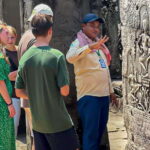
- Official English guide focused on temple art and architecture, not just directions
- Route hits the big names: Angkor Wat, Bayon area, and Ta Prohm (Tomb Raider temple)
- Tuk-tuk or minivan transport depending on group size, with hotel pickup and drop-off
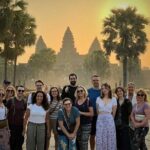
- Small group size (max 15) so the experience stays manageable
- Water and towels included, plus time built in for lunch on your own
Early Pickup, Clean Route: How the timing really feels
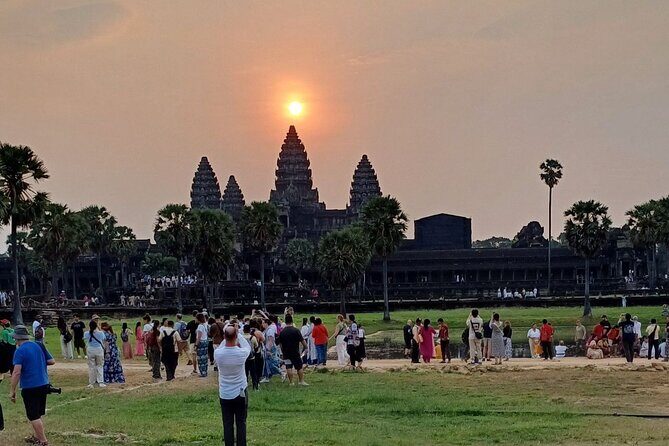
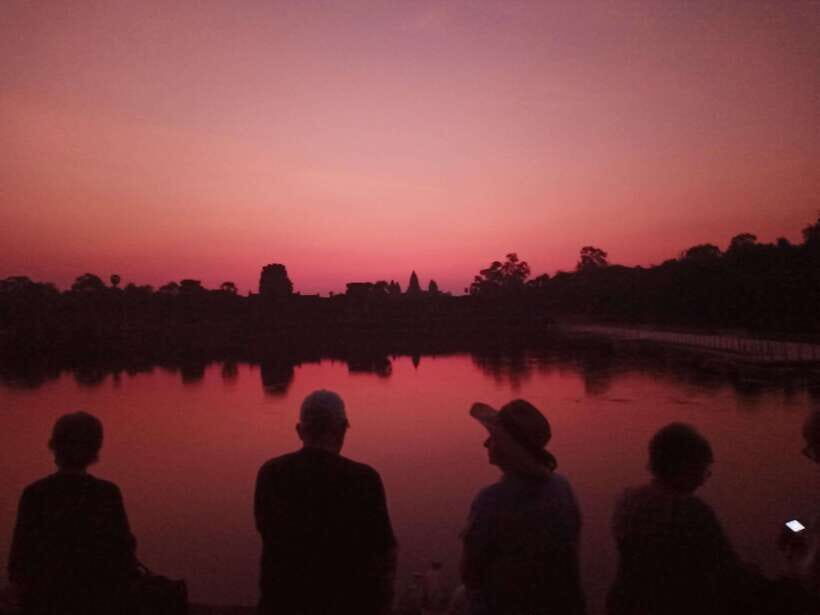
This is a morning-first tour, and that matters. You’ll get picked up in the dark-ish early hours (listed pickup window is 4:20am to 4:50am), then ride out to Angkor Park. Because you’re starting before the day heats up, you’ll feel less cooked and more able to walk temple stairs without turning your trip into a sweat test.
The tour also seems designed for flow. You’re not spending hours zig-zagging between far-flung sites by yourself. Instead, the day is structured like a loop: major stops in the morning, a lunch break inside the park area, and another temple cluster in the afternoon.
One practical note: the schedule shows a drop-off around 12:30pm, while the total duration is listed as about 7 hours. That mismatch can happen with tour timing across seasons or logistics. Either way, plan your day as a big chunk centered around the early pickup, and keep your afternoon flexible.
A few more Siem Reap tours and experiences worth a look

Angkor Wat first: the “big wow” strategy
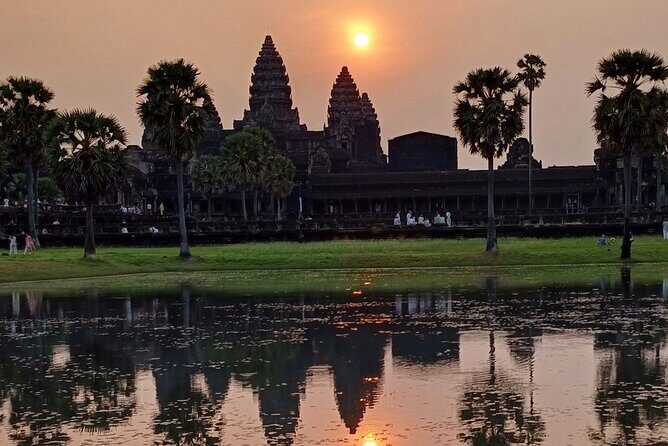
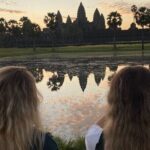
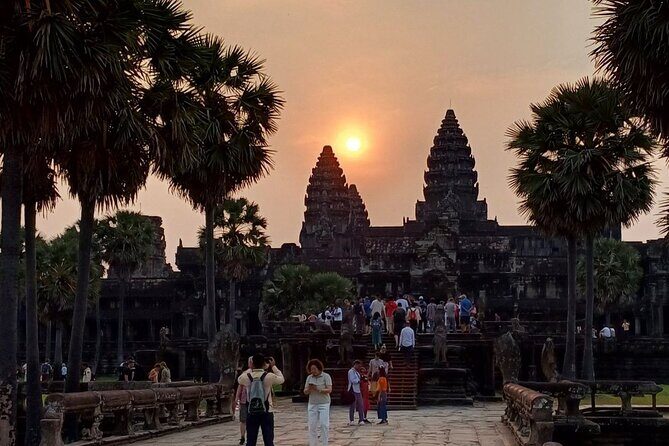
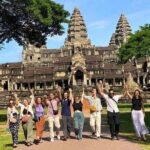
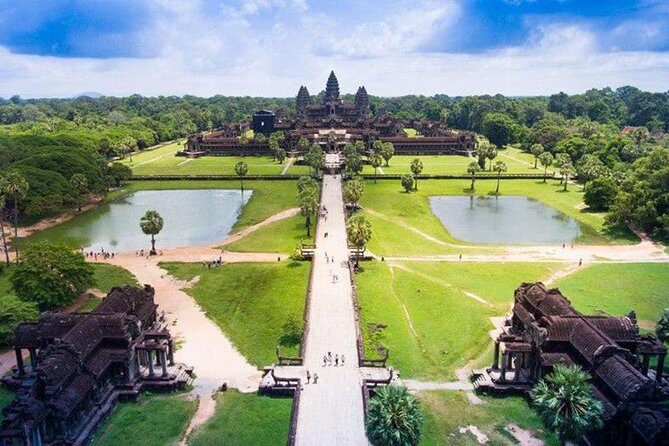
Angkor Wat is the first major stop, and that’s smart. Even if you’ve seen photos, arriving early and seeing it at temple scale hits differently. Your guide takes you through the main sights and gives you the context to read the place like more than scenery.
This stop is listed as about 3 hours with the admission ticket not included. You’ll start with Angkor Wat’s vast layout, then shift into the nearby Angkor Thom area for the Bayon connection. If you want a clear mental map of the site, starting here helps. Angkor Wat is the anchor temple: once you understand its geometry and symbolism at a basic level, the rest of the day makes more sense.
What I like about this structure is that it avoids the common mistake of arriving late, rushing, and then feeling lost. The guide’s job here is to help you slow down mentally, even when the physical pace is brisk.
Possible drawback: three hours can be enough to see the key areas, but not enough to “soak in” every bas-relief and quiet corner. If you’re the type who wants to spend time studying carvings, you might still enjoy the tour, but you may want to plan a separate, slower return later.
Bayon and the surrounding temples: where faces meet symbolism
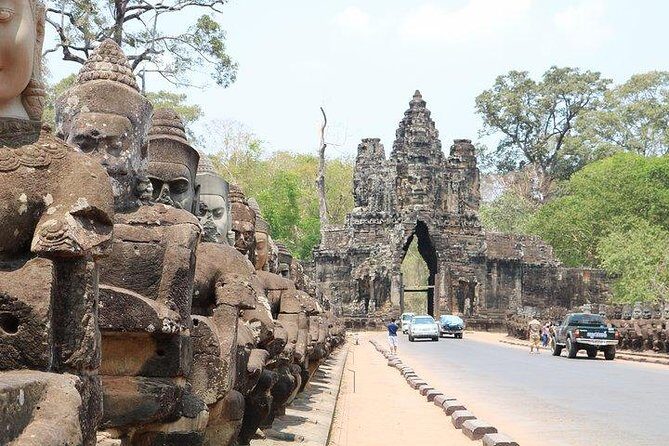
After Angkor Wat, the tour focuses on the Bayon-area temples, including a cluster that many independent visits can feel confusing. You’ll spend about 1 hour on the Bayon stop block, but the itinerary lists multiple temples and terraces within that time.
Here’s what’s included in the Bayon-area morning:
- Baphuon
- Phimeanakas
- Terrace of the Elephants
- Leper King Terrace
- Plus quicker visits to Preah Palilay, Preah Pithu Group, and Prasat Suor Prat
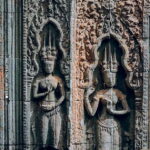
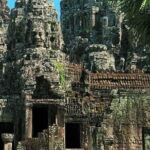
Why this grouping works: Bayon is famous for its faces, but the surrounding area gives you the “supporting cast” that rounds out the story. The terraces matter because they show how Khmer art and royal imagery were staged in real public space. The Elephant Terrace, for example, isn’t just a pretty backdrop; it’s part of the temple’s message about power and order.
I also like that the tour doesn’t try to treat these as separate unrelated ruins. You’re moving through linked spaces with a guide who can explain what you’re looking at. That’s how you get the most value from a short segment.
What to watch for: because this is a compressed block, you’ll likely move from highlight to highlight. If Bayon is your absolute priority, you’ll want to arrive with energy, and you might still feel that the terrace time is brief. It’s a best-of run, not a deep study marathon.
Srah Srang and lunch time: a needed reset inside the park
Srah Srang is the next stop, and it’s a nice one to include because it breaks the “climb and crush” pattern of big temples. Srah Srang is listed at about 1 hour, and the tour builds in time to eat.
Food and drinks are not included, and you’ll find lunch at a local restaurant or food stall in the Angkor Park area. That means you’re responsible for your own meal, but you also get flexibility: you can go simple, try something new, or grab a snack rather than committing to a sit-down lunch.
This is the moment I’d use for practical planning. Before you head into Ta Prohm and the later stops, check you’ve got:
- water within reach
- sunscreen or a hat
- something for the sun and wind (temple mornings can shift fast)
If you’re trying to stretch your budget, lunch is where you can control cost. The base price is low, but your Angkor Pass and meals can add up quickly.
Ta Prohm and the Tomb Raider temple: good pacing for a famous scene
After lunch, the tour moves into a different temple mood. The itinerary includes:
- Thommanon
- Chau Say Tevoda
- Spean Thma
- Ta Keo
- then Ta Prohm (the Tomb Raider temple)
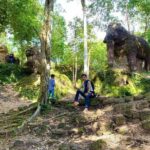
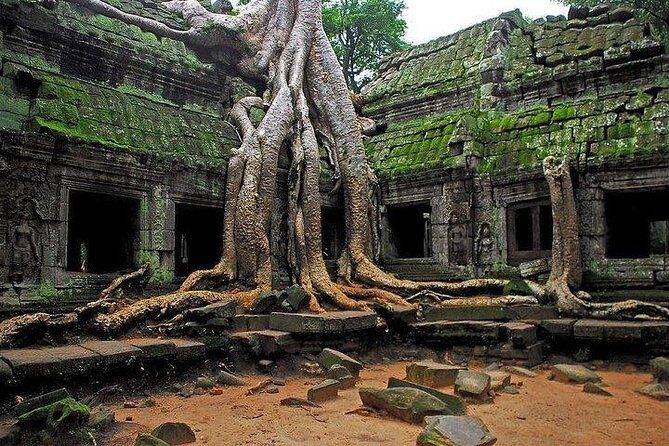
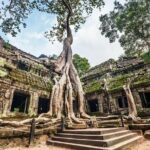
Ta Prohm is the headline here, and even if you’ve never seen the movie, you probably know the look: trees growing into stone, a slightly wild feeling, and a vibe that seems to belong to a different century than the neatly restored faces you might have seen earlier.
This block is listed as about 2 hours, which is a solid chunk for Ta Prohm plus the nearby add-on temples. You’ll feel the shift from the more iconic, symmetrical structures toward temples where nature and ruin share the stage more obviously.
A balanced way to approach this: treat Ta Prohm like a mood stop, not just a photo stop. You’ll get the best experience by slowing your walking pace for a few minutes at least. Look upward, then look at how people move through the space. It’s a temple that rewards attention, even when the tour pace is set by the group.
Potential drawback: because the time is shared among multiple stops, you may not get the long linger you’d want at Ta Prohm’s most crowded angles. Still, the payoff is that you don’t just see one spot—you see the wider setting that makes Ta Prohm feel part of a larger landscape.

Price and logistics: what $10 really covers (and what doesn’t)
The headline price is $10.00 per person, which sounds almost unreal until you read what’s excluded. The biggest non-negotiable is the Angkor Pass at $37 per person. That effectively puts your park entry total at about $47, before meals and any personal expenses.
So is it good value? Yes, if you treat the $10 as paying for the human help and coordination:
- official guide (English speaking)
- hotel pickup and drop-off
- transport (tuk tuk for 1–2 people; minivan for 3+)
- water and towels
- a route that hits key temples without you spending hours planning
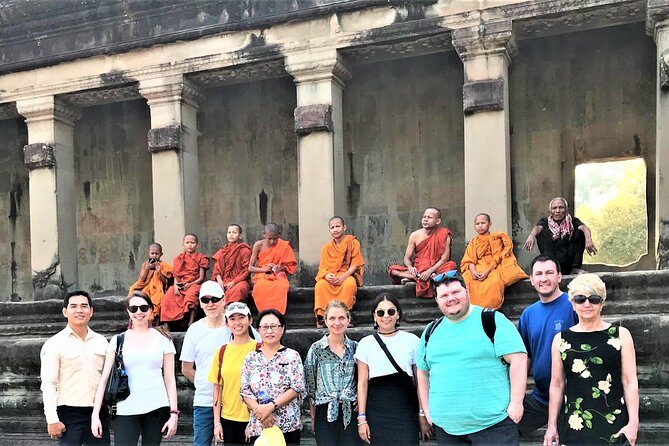
Also keep in mind the tour is shared with up to 15 travelers. That tends to keep overhead down and makes the base cost more reasonable, especially compared to private guides.
One more value point: the tour includes a mobile ticket and mentions group discounts. That’s not just convenience; it reduces friction so you spend your mental energy on the temples, not on admin.
What you’ll still pay for: food and drinks during lunch, plus the Angkor Pass.
Transport and comfort: tuk tuk vs. minivan
Your ride depends on group size: tuk tuk for 1–2 pax and minivan for 3 pax or more. Either option can work well in Siem Reap, but the feeling is different. Tuk tuk can feel more nimble for short transfers. A minivan feels more stable and can be easier if you’re traveling with more people or you want slightly less bouncing.
What’s included helps your day feel civilized: you get a cool bottle of water and towels. For a temple morning, that’s not a luxury; it’s practical. Even if you don’t drink much early, water helps you keep momentum later.
The tour also includes hotel pickup and drop-off. That matters at Angkor because you don’t want to start the day with a scavenger hunt for transportation.
What you’ll learn (and how to get it)

This is an Angkor tour with an official guide, which means you’re not just watching monuments—you’re getting explanations tied to art and architecture. That’s the difference between collecting photos and collecting understanding.
Here are two ways to get the most out of the guide’s time:
- Ask a simple question when you stop: what should I notice first here?
- When you see a terrace or corridor, don’t just scan for the biggest photo spot. Look for what the guide says is important, then connect it to the main temple you saw earlier.
One name that comes up in feedback for this operator’s guides is Mr. Thy, praised for quick humor, strong English, and excellent driving. Another consistent theme is that some guides/driver-guides explain Khmer history in a way that clicks at each stop. Even if your guide is different, the style is usually the same: practical orientation paired with enough history to make the art feel less random.
Who this tour suits best
This Angkor Wat Sunrise Tour is a strong fit if:
- you want a shared day plan that covers major sights efficiently
- you’d rather hire an official English guide than self-navigate
- you like a structured route: Angkor Wat first, Bayon-area next, lunch reset, then Ta Prohm and surrounding stops
- you’re trying to keep costs down by paying a low base price and using the Angkor Pass like everyone else
It may be less ideal if you:
- want long, unhurried temple time at each stop
- plan to study carvings like a documentary
- dislike tour pacing and prefer solo time blocks
If you’re in the middle—curious but not obsessed—this is a good compromise.
Should you book this Angkor Wat Sunrise Tour?
I’d book it if you want a dependable first pass through the big Angkor hits, with hotel pickup, an official English guide, and a route that makes sense without extra stress. The base price is great, and the included transport and small comforts take pressure off your early morning.
Just go in knowing the real cost picture: the Angkor Pass is separate, and lunch is on you. If you budget for those two, you’ll feel like you got your money’s worth in a day that otherwise can be a lot to manage.
FAQ
How long is the Angkor Wat Sunrise Tour?
The duration is listed as approximately 7 hours.
What’s included in the price?
The tour includes an official English-speaking guide, hotel pickup and drop-off, transportation (tuk tuk for 1–2 pax and minivan for 3+), and a cool bottle of water and towels.
Do I need to buy an Angkor Pass?
Yes. The Angkor Pass is not included, and the tour lists it as $37.00 per person. You’ll pay for it yourself.
What time does pickup happen?
Pickup is scheduled between 4:20am and 4:50am.
Is lunch included?
No. Food and drinks for lunch are listed as your own account, and you’ll have time to eat at a local restaurant or food stall in the Angkor Park area.
How many people are in the group?
The tour has a maximum of 15 travelers.