REVIEW · SIEM REAP
Full-Day Angkor Wat Sunrise Private Tour with Guide from Siem Reap
Book on Viator →Operated by Angkor Wat Travel Tour · Bookable on Viator
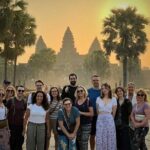
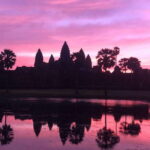
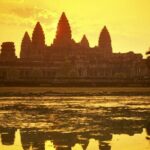
Angkor at dawn feels like time travel. You’ll beat the crowds with hotel pickup timed for sunrise and an English guide who points out what to look for across Angkor Wat and the other big sites. I especially like the prime sunrise viewing with help finding good spots and the day’s steady, logical temple order. One consideration: entrance tickets aren’t included, so you’ll handle those and you will be up very early.
Over about 8 hours, you’ll move between Angkor Wat, Bayon, Ta Prohm, and Banteay Kdei in an air-conditioned vehicle, plus cold towels and cold water along the way. It’s built for comfort and real explanations, not just a quick stop-and-shuffle.
In This Review
- Key points before you go
- Why a 4:30am private start makes Angkor Wat feel worth it
- Price and value: what $60 gets you (and what you still pay for)
- The morning flow: from pickup to first light at Angkor Wat
- Stop 1: Angkor Wat sunrise and the main entrance climb
- Stop 2: Bayon at Angkor Thom, with the faces at eye level
- Stop 3: Ta Prohm and the fig trees that swallow the ruins
- Stop 4: Banteay Kdei for a calmer, monastic finale
- Transportation comfort, pacing, and how private changes the day
- What to pack for an Angkor sunrise day
- Who this tour suits best
- Should you book this sunrise private tour?
- FAQ
- What time does the tour start?
- How long is the tour?
- Is hotel pickup and drop-off included?
- Are entrance tickets included?
- Are meals included?
- Is this tour private?
- Do I need bug spray for sunrise?
- What’s the cancellation policy?
Key points before you go
- 4:30am start that gets you to Angkor Wat while it still feels quiet
- Private, English-guided pace at major temples, with plenty of time for photos and questions
- Air-conditioned transport plus cold towel and cold water between stops
- Four classic temples in one loop: Angkor Wat, Bayon (Angkor Thom), Ta Prohm, Banteay Kdei
- Tickets not included, so budget for entrance fees separately
- Weather can affect sunrise, but the early access to the site still pays off
Why a 4:30am private start makes Angkor Wat feel worth it
If you’ve ever toured a popular landmark at 10am, you know the problem: too many people, too much noise, and your attention gets split. A sunrise tour fixes that. You’re arriving while the lighting is soft, the grounds are calmer, and the temple surfaces look different than they will later in the day.
This tour’s big advantage is that it’s private. That means your guide can steer you toward the best viewpoints and photo angles without waiting for a larger group to catch up. In practice, guides on this route are often praised for making the climb and the walkways easier, including helping guests manage stairs and moving crowds at the right moments.
The other reason sunrise is such a good move here is simple: Angkor Wat is massive. When you arrive early, you get time to absorb the layout and stories the guide is explaining, instead of sprinting to fit it all in.
You can also read our reviews of more guided tours in Siem Reap
Price and value: what $60 gets you (and what you still pay for)

The price here is $60 per person for a private full-day experience, starting at 4:30am and running about 8 hours. At that price, you’re really buying three things:
1) Transportation and scheduling: pickup and drop-off in Siem Reap, plus a dedicated air-conditioned vehicle
2) An English guide: the explanations that connect Bayon faces, Ta Prohm trees, and Banteay Kdei’s monastic feel
3) Comfort touches: cold towel and cold water during the day
What you’re not getting is temple entrance tickets and meals. That’s normal for tours like this, but it’s worth planning for. If you want the math to feel easy, I’d treat the tour fee as the guidance + logistics cost, then add entrance fees and whatever you eat on your own timetable.
Is it good value? For me, yes, because Angkor Wat is one of those places where a guide changes the entire experience. Without guidance, you can still enjoy the views—but with guidance, you understand why each part looks the way it does and what to notice in the carvings.
The morning flow: from pickup to first light at Angkor Wat
Your day starts extremely early: pickup around 4:30am. That means you’ll want to be organized the night before. Charge your phone/camera, set out clothes, and keep your essentials handy so you’re not rummaging in a van while the world is waking up.
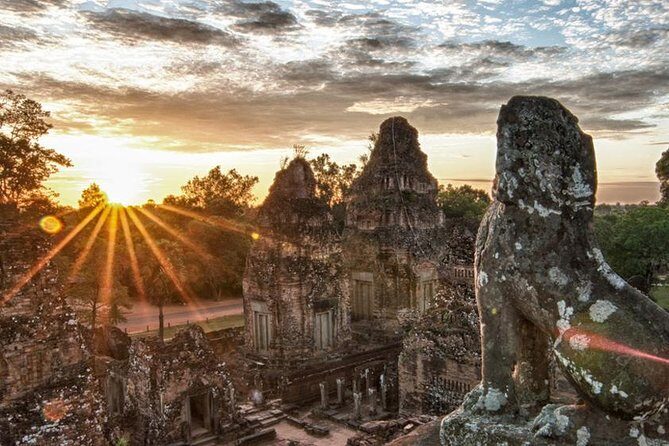
Once you arrive, the timing is the point. You get the main sunrise moment at Angkor Wat and then time to explore the temple areas with your guide. A key part of the value is how your guide manages movement. Angkor Wat has stairs and busy circulation points, and this kind of private tour tends to let your guide spot the moments to go up, pause, and take photos without everyone pushing at once.
You should also plan for insects. Mosquitoes are present by the water at sunrise, so pack bug spray. If you’re sensitive, add something like long sleeves or light long pants for the early hours.
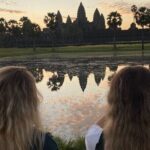
Finally, a reality check: sunrise depends on weather. If the sky is cloudy, the lighting can still be beautiful, but you may not get the exact sunburst moment. Either way, arriving early gives you the calmer experience that makes this tour feel different from a mid-morning visit.
Stop 1: Angkor Wat sunrise and the main entrance climb
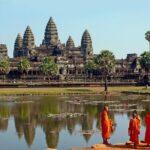
Angkor Wat is the star, and this stop is built around two big experiences: watching sunrise and then exploring. The itinerary calls for about 3 hours here, including climbing the main entrance.
Why the climb matters: it changes your perspective fast. From higher up, you see the geometry of the temple and how the causeway and outer grounds connect. It also helps you understand the temple’s design choices before you move on to Bayon and Ta Prohm.
What I like about this format is that it doesn’t treat sunrise as a quick photo and then run. You’re given time to look, listen, and ask questions. That matters because Angkor Wat is full of details that are easy to miss when you’re just trying to beat the line.
One practical consideration: the main entrance area involves steps and uneven surfaces. Comfortable shoes help. If you have mobility issues, you can mention it ahead of time so your guide can adjust the pace and route.
Stop 2: Bayon at Angkor Thom, with the faces at eye level
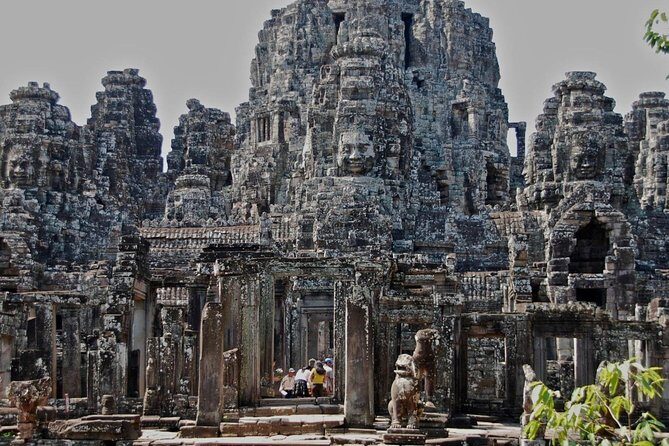
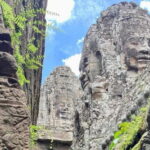
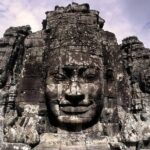
After Angkor Wat, you head to Bayon Temple, located in central Angkor Thom. This stop is about 2 hours.
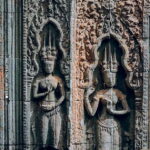
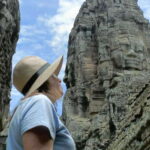
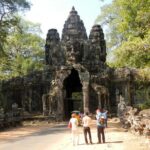
Bayon is famous for something very specific: it has 54 towers and 216 faces of Buddhisatva Avalokesvara. When your guide explains what you’re seeing, it becomes less like a set of repeated faces and more like a temple language. You start noticing how expressions change depending on where you stand and how the reliefs connect to the broader Angkor Thom layout.
The timing also helps. Bayon sits in a busy zone, and going when you do (after sunrise at Angkor Wat) usually feels smoother. You’re still going to encounter crowds later in the day, but this order keeps your attention on the carvings rather than on negotiating foot traffic.
A small drawback: because this stop is a highlight, it can involve a lot of looking upward. If neck fatigue hits you easily, plan to rest on level walkways when your guide suggests it.
You can also read our reviews of more private tours in Siem Reap
Stop 3: Ta Prohm and the fig trees that swallow the ruins
Next comes Ta Prohm, about 2 hours. This is the temple most people picture when they think of Angkor’s cinematic jungle look.
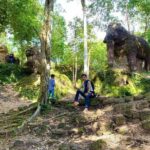
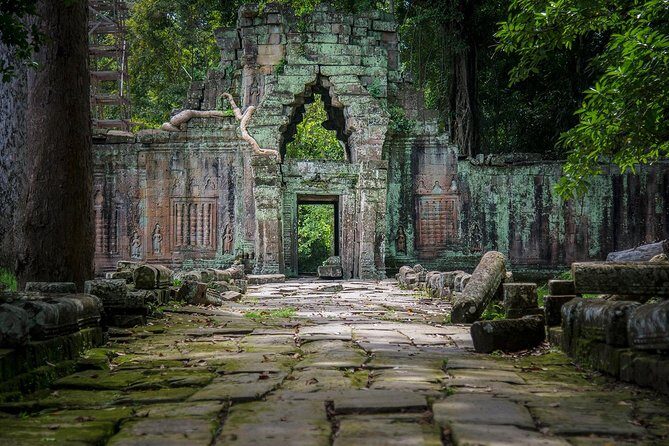
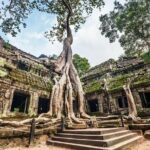
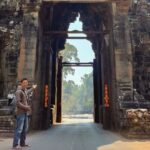
The standout feature here is that the temple is embraced by enormous fig trees, and the site is described as being left in much the same condition as when it was found. Translation: you’re not just seeing a rebuilt showpiece. You’re seeing a place where nature and stone share the same frame.
Ta Prohm works especially well with a guide because the details matter at walking speed. Your guide can point out how the roots interact with architecture, where the best photo lines are, and what to notice in the gaps between stones.
Practical note: it can feel humid and shaded, but you’ll still be walking. Wear shoes with grip. Also keep your camera strap secure if you’re the type to spin around for photos, because the roots and uneven ground make sudden turns risky.
Stop 4: Banteay Kdei for a calmer, monastic finale
The last temple stop is Banteay Kdei, around 1 hour. This is a temple built by King Jayavarman VII in the late 12th century to early 13th century and described as a largely non-restored monastic complex.
Why this ending stop is a smart choice: it contrasts with the high-energy crowd magnets earlier in the day. Angkor Wat and Bayon pull you toward grandeur. Ta Prohm pulls you toward drama. Banteay Kdei tends to feel more grounded and less performative.
You’ll get enough time to understand the overall layout and the monastic feel without the day dragging. And because it’s the final stop before the journey back, your guide can also handle practical needs like where to pause for water and how to pace the last stretch.
In other words: it’s a good way to end without feeling like you’re still trying to cram everything into the last 20 minutes.
Transportation comfort, pacing, and how private changes the day
The tour includes air-conditioned vehicle, private transportation, and pickup/drop-off in Siem Reap. There’s also cold towel & cold water, which is more important in practice than it sounds. Temple days can drain you fast, and those small resets help you keep your attention on the sights instead of on overheating.
Because it’s private, your guide can adjust the pace. That matters on stairs and on the walk segments between major points. In particular, several guides connected with this kind of sunrise program are noted for helping guests who want a slower rhythm, and for assisting people up and down stairs.
If you’re a photo person, you’ll likely appreciate how your guide finds viewpoints. Many guides on this route are known for helping people get photos without ending up behind someone’s head or getting shoved into the wrong position.
Also, some guides go the extra mile with added comfort touches like scented towels in the vehicle after temple stops. You can’t count on every little detail, but it fits the overall comfort pattern.
What to pack for an Angkor sunrise day
I keep it simple for sunrise temple days. Pack for early cold-to-late-heat changes, plus insects and long walking.
Bring:
- Bug spray for sunrise by the water
- Comfortable, grippy shoes for stairs and uneven stones
- Light layer for early morning air
- Sunscreen (even early, it adds up fast)
- Water bottle or refillable bottle if you prefer to control your own supply (cold water is included, but having extras helps)
- A snack if you’re prone to feeling hungry while waiting for sunrise or between temple stops
One more tip: keep your camera settings ready before you get out of the van. Sunrise lighting changes quickly, and fumbling with menus in the dark costs you shots.
Who this tour suits best
This is a strong fit if you want:
- First-time Angkor Wat sunrise without the stress of crowd navigation
- A guide who explains how temples connect—Bayon’s faces, Ta Prohm’s fig-tree embrace, and Banteay Kdei’s monastic side
- A private experience where you can ask questions and move at your own pace
It’s also a good option for families, including children, as long as kids are accompanied by an adult. The tour is marked as suitable for most travelers, but remember: there’s walking, stairs, and early hours.
If you’re traveling solo, a private guide is a real comfort. You’re not stuck with a fixed group pace. You can ask for photo help and route advice without worrying about holding anyone back.
Should you book this sunrise private tour?
If you’re deciding between doing Angkor on your own versus booking this kind of private sunrise route, I’d lean toward booking it if your goal is a meaningful first Angkor day. The added cost is mostly paying for logistics and interpretation: pickup timing, early access, and an English guide who helps you see what you’d otherwise miss.
Book it if:
- Sunrise at Angkor Wat is on your must-do list
- You want a structured day that hits the big sites without turning into a rushed checklist
- You value comfort details like cold towels, water, and air-conditioned transport
Skip it (or consider a different style tour) if:
- You hate early mornings and sunrise logistics
- You prefer to spend your time wandering without a guide’s structure
- You’d rather control everything, including how you handle entrance tickets and meal stops
One practical final thought: build in flexibility for weather. Even when sunrise is cloudy, the early experience and temple time still tend to feel special.
FAQ
What time does the tour start?
The tour start time is 4:30am.
How long is the tour?
The duration is about 8 hours.
Is hotel pickup and drop-off included?
Yes, pickup and drop-off in Siem Reap are included.
Are entrance tickets included?
No. All entrance ticket fees are not included.
Are meals included?
No. Meals (breakfast, lunch, and dinner) are not included.
Is this tour private?
Yes. It’s a private tour/activity, with only your group participating.
Do I need bug spray for sunrise?
Mosquitoes are present by the water at sunrise, so bringing bug spray is recommended.
What’s the cancellation policy?
Free cancellation is available up to 24 hours in advance of the experience start time for a full refund. If you cancel less than 24 hours before, the amount paid is not refunded.