Angkor Wat looks best early, and this tour is built for that. You get a private two-day run through the core temples plus more remote stops, with an English-speaking guide and air-conditioned comfort between sites. I like that you start with the sunrise push, then you still return to Angkor Wat later for a different feel, not just one quick pass. I also like the balance here: the tour includes both the famous names and the quieter carvings at places like Banteay Srei and Kbal Spean.
One thing to plan for: the big ticket expense is your personal Angkor Wat admission. The tour covers guide/driver costs, transportation, and the other guide-linked items, but the Angkor Wat 3-day ticket is listed separately at $62 per person, plus you’ll handle food and drinks on your own.
In This Review
- Key Things I’d Watch Before Booking
- Two Days That Make Angkor Wat Feel Like a Place, Not a Photo
- Day 1 Sunrise: Angkor Wat, Then Angkor Thom South Gate and Bayon Faces
- Terrace of the Elephants, Leper King Reliefs, and Phimeanakas Views
- Ta Nei and Ta Prohm: Smaller Temples, Then the Jungle Temple Reality Check
- Second Visit to Angkor Wat: Different Light, Different Pace
- Day 2 Remote Temples: Banteay Samre, Banteay Srei, and the Rice-Field Drive
- Kbal Spean: The 60 km Jungle River Stop You’ll Either Love or Be Glad You Skipped
- Srah Srang and Pre Rup Sunset: Finish With the Water and the View
- Price and Value: What $375 per Group Really Buys You
- Who This Tour Fits Best (and Who Might Want Something Else)
- Final Call: Should You Book This Two-Day Angkor Highlights Tour?
- FAQ
- What’s the price for this two-day private Angkor Wat highlights tour?
- How long is the tour?
- Is pickup from the hotel included?
- Are the entrance fees to Angkor Wat included in the tour price?
- Does the tour include a guide and vehicle?
- Is food included?
- Is this a private tour or shared with other people?
- How much notice do I need to cancel for a full refund?
Key Things I’d Watch Before Booking
- Sunrise timing matters here, with early departure so you’re not stuck arriving after the best light is gone
- A guide you can talk to: certified English-speaking guidance through temple history and layout, not just “watch your step”
- Fewer only-famous-temples days: you’ll also see Banteay Srei, Kbal Spean, and Banteay Samre, which feel less like a checklist
- Comfort between stops: air-conditioned vehicle and a private setup for your group size up to 3
- A real end-of-day moment: sunset at Pre Rup or Srah Srang so day 2 doesn’t just end at the parking lot
Two Days That Make Angkor Wat Feel Like a Place, Not a Photo
Angkor is massive, and trying to do it on your own often turns into bus rides, long lines, and “wait, where are we again?” stress. This private two-day format keeps the flow tight: you hit the heavy hitters early, then you work in the smaller, more detailed sites that help Angkor click as a living cultural landscape.
I like that the tour is designed with repeat visits in mind. You’re not only doing Angkor Wat once at sunrise; you also return later on day 1 when the light and crowds change, and when carvings and bas-reliefs can be easier to take in without the pressure of first-light timing.
You can also read our reviews of more private tours in Siem Reap
Day 1 Sunrise: Angkor Wat, Then Angkor Thom South Gate and Bayon Faces
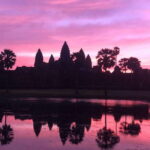
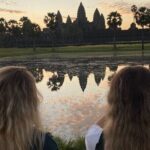
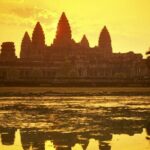
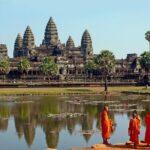
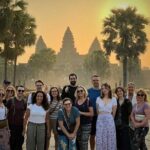
Day 1 starts with the most important move: an early pickup from your hotel to catch sunrise over Angkor Wat. Even if you’ve seen Angkor Wat in photos, the real wow is the scale—plus the way the light moves across the towers and causeways. Plan to treat the sunrise like a short mission: you’ll be up early, you’ll walk, and you’ll want to keep your camera ready.
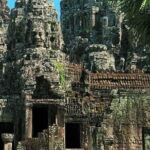
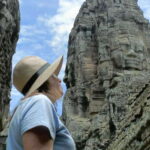
After that first temple time, you’ll continue into Angkor Thom with a classic storyline path. You begin at the South Gate, a dramatic entry point into the walled city. From there you head to Bayon Temple, known for its many towers and sculpted faces tied to King Jayavarman VII. This is the stop where Angkor shifts from “pretty stone” into a place with a strong sense of power and belief.
What I’d watch for here is walking rhythm. Bayon is packed with detail, but it can still feel like a lot in a short span. If you like to linger, tell your guide early—this is exactly the kind of private setup where you can slow down for the parts you care about most.
Terrace of the Elephants, Leper King Reliefs, and Phimeanakas Views
After Bayon, the route moves into the storytelling stonework around the city core. The Terrace of the Elephants has three platforms surrounded by elephant carvings, tied to the idea of an elephant hunt. Even if you don’t know the legend, you’ll feel it in the repetition and the way the figures frame the area.
Next is the Terrace of the Leper King, famous for its highly preserved Khmer reliefs and intricate details. The name is tied to King Yasovarman I and the story of his death from leprosy, and the work itself is what makes this stop memorable: you can actually see the craft, not just the silhouette.
Then you finish this stretch with Phimeanakas, a smaller royal temple set atop a pyramid. This is the kind of stop that’s quick but worthwhile, because the top gives you a broader view across Angkor Thom—an easy way to understand how the pieces connect.
Ta Nei and Ta Prohm: Smaller Temples, Then the Jungle Temple Reality Check
Lunch happens in your own time in the Angkor area, with plenty of local and international options near the park. This is a nice built-in flexibility point, because you can eat lightly if you want, or go more filling before the afternoon temple rhythm kicks in.
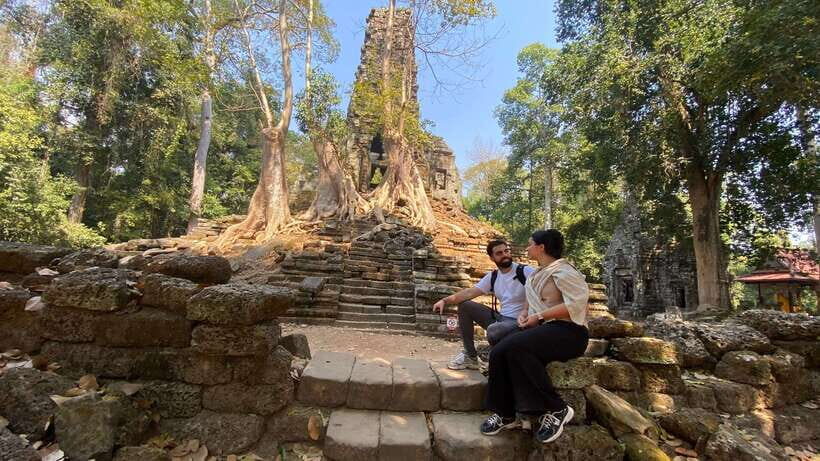
Ta Nei comes next. It’s a smaller temple roughly 4.5 km from Angkor Wat, and that distance matters. When you’re away from the main flow, the place feels more like a quiet ruin than a busy “tour stop.” From there you go to Ta Prohm, the famous Jungle Temple associated with Jayavarman VII.
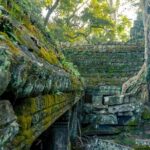
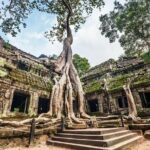
Ta Prohm is where you’ll feel the contrast between nature and stone. The big trees and roots aren’t just decoration; they change how you look at the carvings and structures. If you’re sensitive to crowds or have limited patience for waiting, I’d still go slow here. The best photos come after you stop chasing the iconic angles and start looking at the textures and how the building materials have worn over time.
Second Visit to Angkor Wat: Different Light, Different Pace
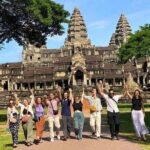
Day 1 ends by returning to Angkor Wat again. This second round is valuable because the temple isn’t a single experience. Sunrise gives you drama and mood; later in the day, you have a better chance to read the stonework and enjoy the architecture without the same early-morning rush.
There’s also the option to climb the steep steps up to the upper areas if you feel steady on your feet. The tour is listed as requiring a moderate physical fitness level, so if stairs are not your thing, you can still get a lot out of viewing from lower areas while focusing on the details at ground level.
Day 2 Remote Temples: Banteay Samre, Banteay Srei, and the Rice-Field Drive
Day 2 starts later in the day compared with day 1, and that’s a real quality-of-life upgrade. You get a chance to sleep a bit more, have breakfast at your hotel, then head out with pickup again.
The first stop is Banteay Samre, a more distant temple site. The point isn’t only the building—it’s the drive through villages and rice fields, because it gives you a sense of what life looks like beyond the main Angkor complex.
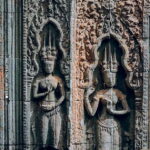
From there you go to Banteay Srei, located about 20 km from the main area. This stop is a favorite type of Angkor experience: it’s more intimate, and the distance makes the atmosphere calmer. Expect a deeper cultural feel because your route takes you through smaller roads and surrounding farmland, not just a straight line of temple traffic.
Kbal Spean: The 60 km Jungle River Stop You’ll Either Love or Be Glad You Skipped
After Banteay Srei, you continue toward Kbal Spean, around 60 km from the main complex. This is the stop linked to the “river of a thousand linga” idea, and it has a different tempo than the temple towers.
You can choose where to have lunch on the way, which helps if you want a quick meal or a slower, sit-down break. This leg matters for planning: it’s longer time in transit, and Kbal Spean is described as being in the jungle by a river. If you’re comfortable with heat, humidity, and uneven ground, it’s often a rewarding change of pace from temple walls.
If you’re thinking you might want a calmer day, you could still enjoy it by focusing on the river setting and going at your own pace. But this is not the kind of stop that feels “instant” like a quick gate photo.
Srah Srang and Pre Rup Sunset: Finish With the Water and the View
After Kbal Spean, you shift back to Angkor-area sites for the final act. Srah Srang is the Royal bath, a water reservoir south of the East Baray. Even with only a short stop, water changes the feel of the place—it cools the scene and gives you a wider sense of how the water-management system tied into temple and city planning.
Then you end with sunset in one of two ways: you can watch the sun settle over Srah Srang’s water reservoir, or you can head to Pre Rup for sunset views. This choice is good because it respects what you prefer—either a softer, reflective finish or a classic elevated viewpoint.
Timing matters here. Sunset is a short window, so you’ll want to stay flexible and ready to move when the guide suggests. This is also a good point to bring any small things you’ll need (water, sunscreen, a light layer if you run cold at night), since you may not have time for long breaks right at the end.
Price and Value: What $375 per Group Really Buys You
The price is $375 per group for up to 3 people, with hotel pickup and drop-off included. You’re also getting an air-conditioned vehicle, an experienced driver, and a certified English-speaking guide. On top of that, the tour includes guide and driver costs (including entrance-related costs tied to them), which is one less thing for you to sort out.
The value hinges on how you compare alternatives. If you’re splitting costs with 2 other people, this private setup can feel very efficient. You’re paying for time saved—fewer confusion points, more direct routing, and the ability to adjust the pace based on what you care about most (sunrise timing, longer looks at carvings, shorter stops when you’re tired).
The main add-on you must budget is the entrance ticket for Angkor Wat: the Angkor Wat 3-day ticket is listed at $62 per person. Food and beverages are not included, so plan for lunch stops and snacks during the day.
In plain terms: the tour price is most worth it if you want comfort, a good guide, and a well-paced mix of iconic and quieter temples without the hassle of building routes yourself.
Who This Tour Fits Best (and Who Might Want Something Else)
This is a strong fit for couples and small groups who want a private pace and don’t want to gamble on timing. It also works well if you care about context—temple history, layout, and symbolism—because the guide is certified and English-speaking.
You’ll also want moderate physical fitness. There are temple steps and walking throughout both days, plus Kbal Spean’s more jungle-by-river setting. If you prefer to minimize walking and stairs, you might still enjoy it, but you’ll want to pace yourself and communicate what you want to skip.
If you’re a solo traveler, note that the per-group pricing can still make sense, but the “up to 3” model means you might compare it against private alternatives or shared tours depending on your budget.
Final Call: Should You Book This Two-Day Angkor Highlights Tour?
If you want sunrise at Angkor Wat plus a day 1 that includes the full Angkor Thom core and a classic Ta Prohm experience, this tour is built for that. I’d especially recommend it if you also want the less crowded feeling of places like Banteay Srei and the nature-side stop at Kbal Spean, because that mix helps the two days feel varied instead of repetitive.
I’d hesitate only if you strongly dislike early starts, long drives, or if you don’t want to budget for the separate Angkor admission ticket. Otherwise, this looks like a solid private way to see the “best of Angkor” with fewer headaches and more time spent on the details that matter.
FAQ
What’s the price for this two-day private Angkor Wat highlights tour?
It costs $375.00 per group for up to 3 people.
How long is the tour?
It runs for 2 days (approximately).
Is pickup from the hotel included?
Yes. Pickup and drop-off from/to your hotel (or meeting point) are included.
Are the entrance fees to Angkor Wat included in the tour price?
No. The Angkor Wat entrance ticket is not included, and the Angkor Wat 3-day ticket is listed at $62.00 per person.
Does the tour include a guide and vehicle?
Yes. It includes an air-conditioned vehicle, a private driver, and a certified English-speaking guide.
Is food included?
No. Food and beverages are not included, but there are restaurants and food stalls in the Angkor Park area for lunch.
Is this a private tour or shared with other people?
It’s private. Only your group participates.
How much notice do I need to cancel for a full refund?
You can cancel for a full refund up to 24 hours in advance of the experience’s start time.