REVIEW · SIEM REAP
Siem Reap: War Museum included Ticket & Free Round trip
Book on GetYourGuide →Operated by Angkor Dynasty Travel · Bookable on GetYourGuide
A garden full of old war machines is not your usual museum day. That’s exactly what makes the War Museum Cambodia in Siem Reap such a change of pace. You get a 2-hour small-group visit, with hotel pickup and round-trip transport included, plus a ticket so you can get in without extra fuss.
I like that the place is well maintained, so you can actually stroll and take things in at a comfortable pace. I also like that the tour doesn’t just show big guns; it mixes vehicles, smaller military artifacts, and photo boards that help explain what you’re seeing. One thing to consider: the vehicles themselves aren’t restored, so some displays look worn and a bit rough around the edges.
In This Review
- Key Things I’d Focus on Before You Go
- How the Trip Works: Pickup, English Driver, and a 2-Hour Window
- Entering the Museum Garden: Where the Displays Live
- The Khmer-Era Vehicles: What You’ll Actually See
- Artifacts and Photo Boards: How the Story Is Framed
- About the Human Side: Veterans and Real Stories
- The Condition of the Vehicles: Not Restored, Not “Pretty,” Still Worth It
- Price and Value: Is $19 Good for a 2-Hour Stop?
- Getting the Most Out of Your Visit (Without Overthinking It)
- Who This Tour Suits Best
- The Human Touch: Guides Like Savady
- Should You Book the War Museum Cambodia Tour?
- FAQ
- What does the tour include?
- How long is the War Museum visit?
- Do I need to arrange transportation from my hotel?
- What’s the group size like?
- What language is the driver/guide?
- Are the vehicles in the museum restored?
- Is there free cancellation?
- Is the entrance ticket included in the price?
Key Things I’d Focus on Before You Go
- Hotel pickup and round-trip tuk-tuk included so you don’t have to arrange transport
- A garden-style layout that makes it easy to walk between vehicles and artifacts
- Khmer-era vehicles and artillery are the main visual draw
- Photo boards with background info help connect the dots beyond the objects
- Vehicles are not restored, which affects how polished the photos will look
- Small group size (up to 10) keeps the experience from feeling rushed
How the Trip Works: Pickup, English Driver, and a 2-Hour Window
This is a simple, practical day plan. Your English-speaking driver collects you from your hotel in Siem Reap and takes you to the War Museum Cambodia. Think of it as the easiest way to get out there without adding time-consuming logistics to your schedule.
The whole visit is about 2 hours. That timeframe matters. It’s enough time to walk the grounds, look closely at the vehicles and artifacts, and read the big background boards without feeling like you’re in a marathon. It also means you’ll probably leave with sharper questions than you came in with, not exhausted.
The group stays small, limited to 10 participants, which usually makes it easier to ask questions and keep the pace comfortable. If you’re the type who likes to linger at details, this setup tends to work well.
A few more Siem Reap tours and experiences worth a look


Entering the Museum Garden: Where the Displays Live
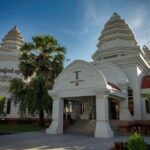
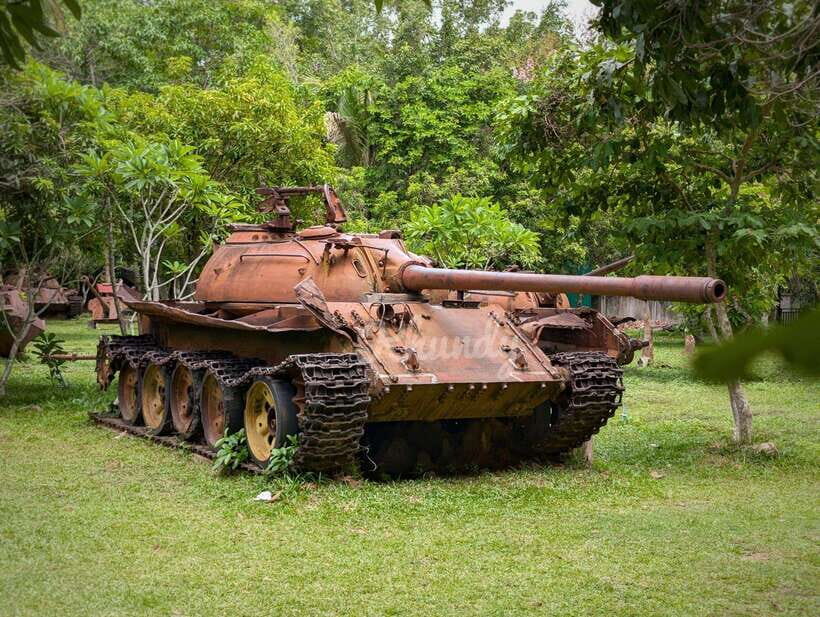
Here’s the feel of the place: the museum is essentially a vast garden with pathways that wind past the collection. Instead of one sealed hall after another, you’re walking outdoors among military vehicles and artillery used during the Khmer regime.
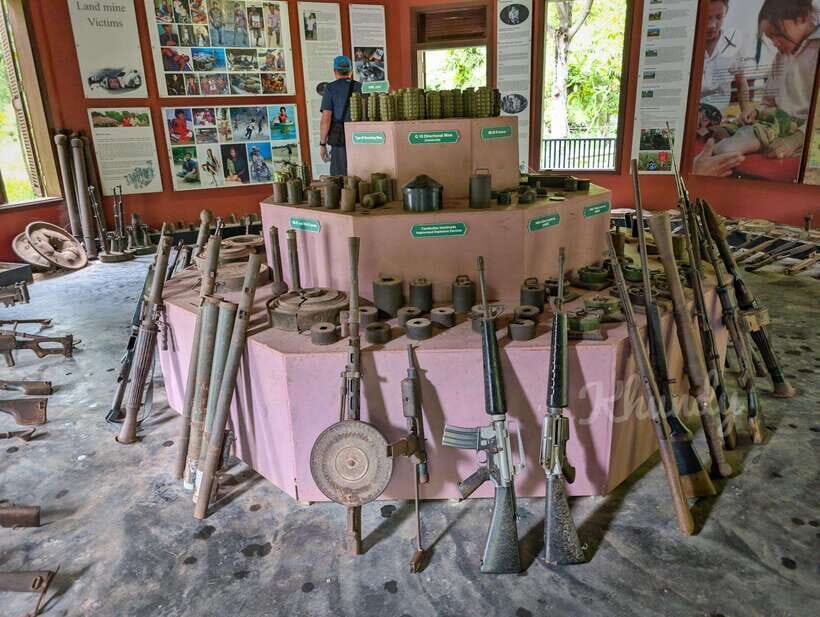
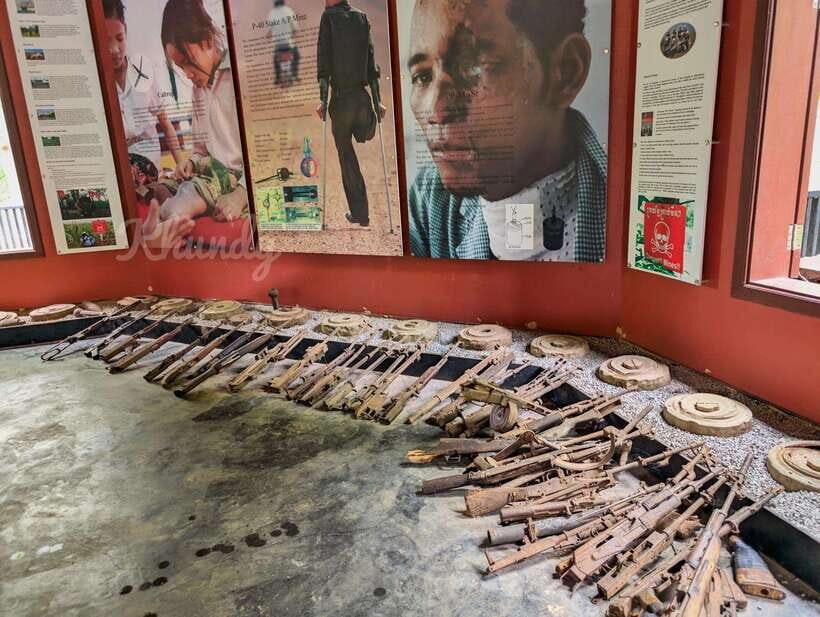
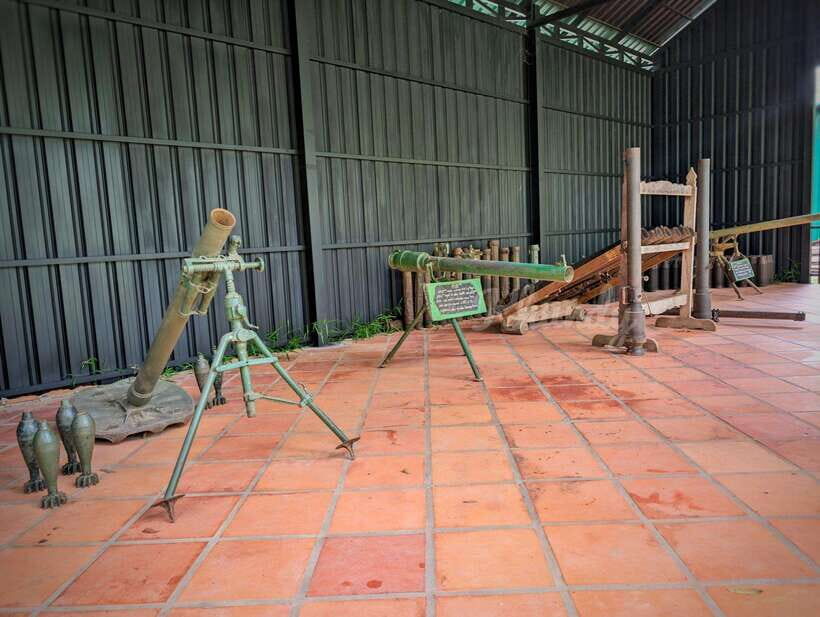
You’ll stroll through multiple areas, seeing different vehicle types and weaponry. Along the paths, you’ll also notice smaller items such as guns, clothing, and other military artifacts. The museum doesn’t rely only on big objects. Those smaller pieces help you connect the machinery to human scale—the kind of detail that often makes a history display feel real.
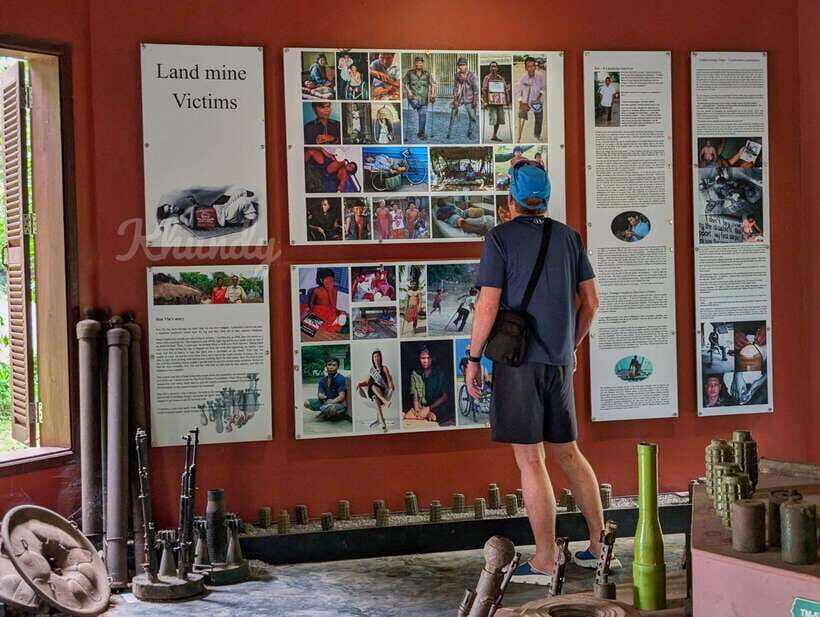
There are several large boards set along the routes with photos and background information. That’s the “guide in print” part of the experience. Even if you don’t read every line, the boards help you understand the purpose of each section: what the object was used for, and how it fits into the bigger story.
The Khmer-Era Vehicles: What You’ll Actually See
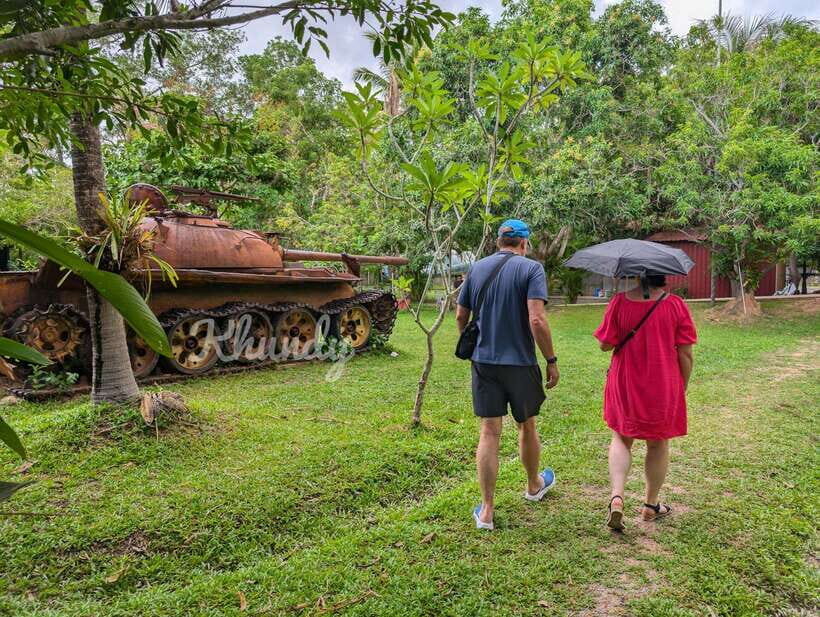
The main reason to come is the collection of vehicles employed during the Khmer regime. You can expect to see a mix of transport and military hardware placed throughout the garden. The experience is visual first: you walk up, look in, circle around, and take in how the vehicles were built for their role.
If you’re interested in military technology, this is one of those places where your brain can’t help comparing eras. Even without a technical guide in your hand, you’ll notice design choices—where equipment sits, how vehicles were used, and what kinds of tools were mounted for conflict.
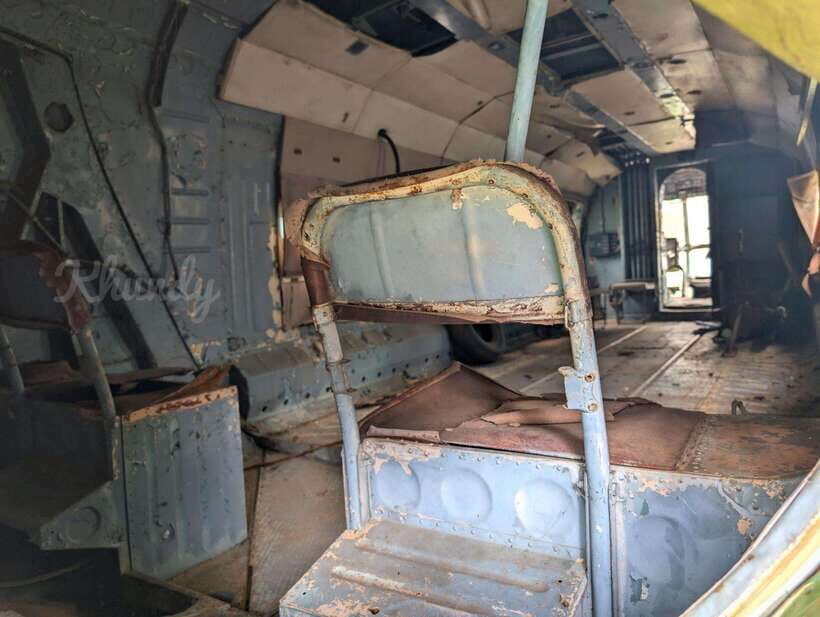
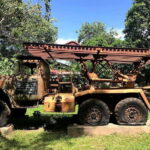
Just don’t expect a showroom. A key point: the vehicles are not restored. They may look weathered, and some displays can feel like you’re looking at history in its original condition rather than a polished reconstruction. That’s not automatically bad. It can make the collection feel more direct and less like a staged movie set.
Artifacts and Photo Boards: How the Story Is Framed
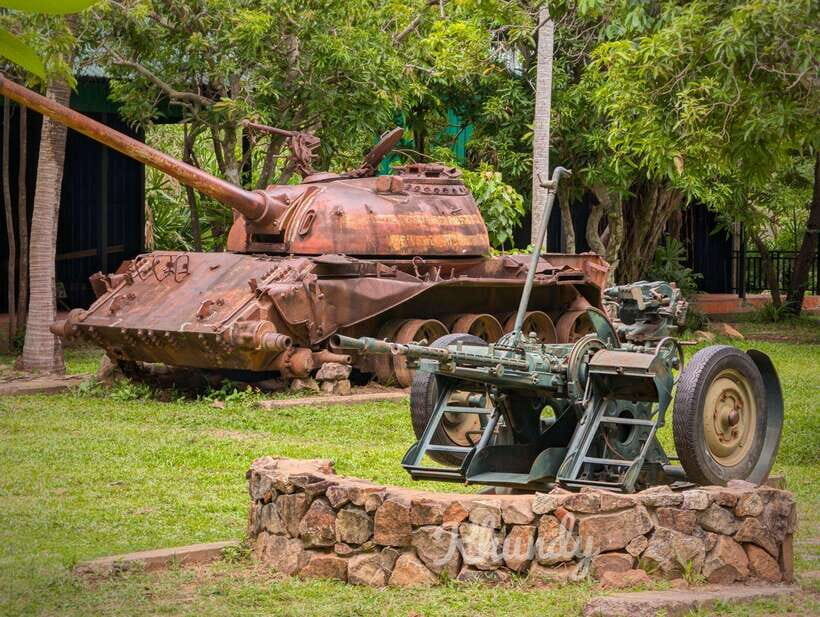
As you move along the pathways, you’ll see smaller items like clothing and guns, plus other military artifacts. These details help break the “everything is just equipment” effect. Clothing especially can make the past feel closer, because it hints at daily wear and human routine—even in grim circumstances.
Then there are the photo boards with background information. In a museum like this, those boards do real work. Without them, you could easily end up with a collection walk where everything looks similar. With them, you get a sense of timeline and context: what you’re seeing, why it mattered, and what it says about that period.
One more thing I appreciate: the museum approach includes learning about culture and civilization as well as present-day living standards. That means you’re not only staring at the worst parts of the past. You’re also encouraged to connect how a society moves from conflict toward everyday life.
About the Human Side: Veterans and Real Stories
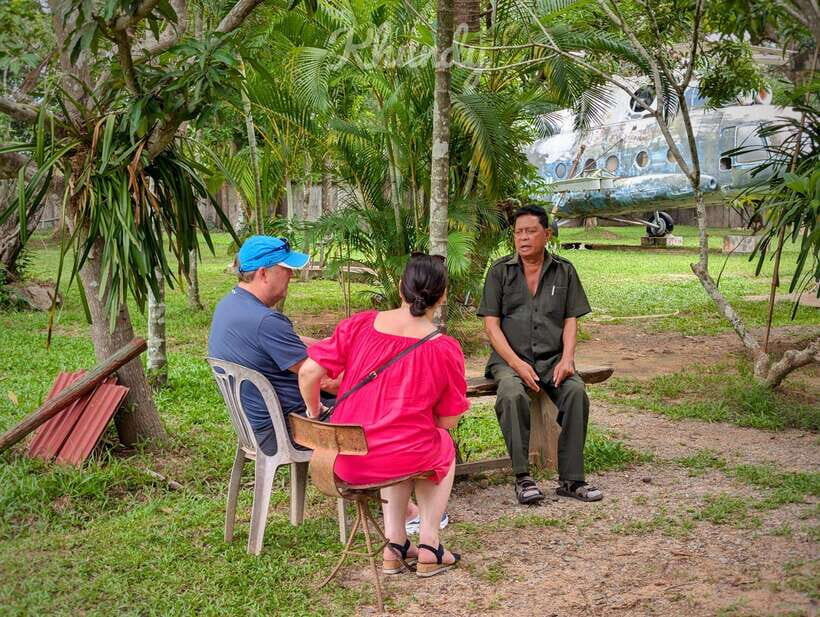
The museum isn’t only objects and boards. During the experience, you may get war stories shared through a veteran’s perspective. Some visitors highlight that a veteran gave them a lot of information about the war, and that it made the visit more meaningful.
That human layer matters. Machines can be studied. But stories explain why the machines mattered, how people lived around them, and what stayed with survivors after the conflict. If you’re the kind of person who likes to understand context rather than just view items, this part can be the highlight.
You can also read our reviews of more museum experiences in Siem Reap



The Condition of the Vehicles: Not Restored, Not “Pretty,” Still Worth It
Let’s talk about the elephant in the garden: the displays aren’t fully restored. The museum itself is well maintained, but the vehicles aren’t refurbished into a brand-new look.
In practical terms, this means a few things:
- You may see rust, wear, and aging finishes rather than pristine surfaces.
- Photo results can look more documentary and less like travel-poster glamour.
- The emphasis stays on authenticity of condition, not on restoration craftsmanship.
For me, that’s actually a plus if you want a truthful feel. You’re not being sold a polished fantasy. You’re looking at what was used—and what time did to it.
The only caution is your personal style. If you strongly prefer immaculate displays and glossy museum lighting, you might find the setting less “wow” and more serious.
Price and Value: Is $19 Good for a 2-Hour Stop?
At $19 per person, this is a straightforward value proposition, mainly because you’re getting multiple things bundled together: the museum entrance fee plus round-trip transport from your hotel.
For $19, you’re not just paying for admission. You’re paying for convenience. In Siem Reap, that convenience adds up fast—arranging a driver, negotiating, and managing timing can quietly become the expensive part of the day. Here, you show up at your hotel, get picked up, and you’re done after the tour.
The 2-hour duration also helps value. You’re not buying a half-day excursion. You’re getting a focused visit that fits easily around temple time, cooking class time, or just taking it easy after a busy day of sightseeing.
You should feel confident about the price if your goal is learning and perspective rather than building a massive checklist. This isn’t a “do everything” day. It’s a targeted experience.
Getting the Most Out of Your Visit (Without Overthinking It)
A good museum day is partly about pace. Since it’s outdoors and spread out across paths, wear comfortable shoes. You’ll be walking between vehicles and then stopping again to read the boards.
Because the experience is small-group sized, you can also use the English driver time wisely. Ask simple questions as you go—what each section is showing, how the vehicles were used, or what to focus on first. If a veteran participates in the information sharing, pay close attention. Those moments can change the entire tone of the visit from “interesting objects” to real human context.
Also, don’t treat this as a replacement for Cambodia’s famous temples. Treat it as a companion lens. Temples can show spiritual and artistic strength. A war museum shows the hard edge of reality. Together, they give you a fuller mental picture of the country.
Who This Tour Suits Best
This experience is a great fit if you:
- Want something different from temple circuits
- Like museums that mix outdoor displays with readable context boards
- Prefer small groups and an English driver
- Are interested in understanding Cambodia’s past from the angle of objects, artifacts, and lived experience
It’s not the best match if you only want light, entertainment-style sightseeing. This museum is about difficult subject matter—so if you need escapism, you might want to pair it with something uplifting later the same day.
The Human Touch: Guides Like Savady
One of the strongest signals from recent experiences is the impact of the guide. People have specifically praised Savady for being a supportive, engaging host, and for providing helpful context during the experience. There’s also mention of helpful information shared directly from the veteran during the visit.
That matters because a museum like this can be misunderstood if you only look at the objects. When the guide can connect what you’re seeing to what it meant, the museum stops feeling like random hardware and starts feeling like a story you can follow.
Should You Book the War Museum Cambodia Tour?
If you’re in Siem Reap and you want your trip to include more than temples, I think it’s a smart booking. The price is reasonable for what you get—entrance ticket plus round-trip transport, in a tight 2-hour window. The garden layout makes it easy to move at your own pace, and the combination of vehicles, smaller artifacts, and photo boards gives you enough structure to understand the collection.
I’d book it especially if you value thoughtful explanations and don’t mind that the vehicles are not restored. If weather-worn displays sound like your kind of honest museum day, you’ll likely come away with a lot to think about—and a better understanding of how Cambodia’s past connects to everyday life today.
FAQ
What does the tour include?
It includes the museum entrance fee and round-trip transport.
How long is the War Museum visit?
The duration is listed as 2 hours.
Do I need to arrange transportation from my hotel?
No. Your tuktuk driver will collect you from your hotel and bring you to the museum, then return you after the visit.
What’s the group size like?
It’s a small group, limited to 10 participants.
What language is the driver/guide?
The driver is listed as English.
Are the vehicles in the museum restored?
The museum is well maintained, but the vehicles are not restored.
Is there free cancellation?
Yes. You can cancel up to 24 hours in advance for a full refund.
Is the entrance ticket included in the price?
Yes. The museum entrance fee is included.