REVIEW · SIEM REAP
“Killing Fields & Landmine Museum: Private Guided Tour
Book on Viator →Operated by Marvel Angkor Tours · Bookable on Viator
This tour teaches Cambodia by what hurts. Instead of the usual temple bubble, you’ll spend time at places tied to the Khmer Rouge years and the long after-effects of war, including Wat Thmey memorial stupa and the Cambodia Landmine Museum. It’s a private setup, so your guide can pace the stops and answer your questions without rushing you like a conveyor belt.
I especially like the human focus: you’re not just looking at relics, you’re hearing how people survived, rebuilt, and kept going. I also like the practical side—a private luxury vehicle and a guide who’s comfortable helping with photos (names you may see in the company’s guide feedback include Mr Pich, Phiarom Chhoung, Davann, and Mr Diamond).
One consideration: this is emotionally heavy subject matter. If you’re after a light, funny day of selfies, you may feel the mood shift fast—and the stops are time-limited, so it’s worth mentally bracing for a “meaningful overview,” not a slow, exhaustive visit.
In This Review
- Key takeaways before you go
- What makes this tour different from Angkor-only days
- Starting with Wat Thmey Memorial: what you’ll actually encounter
- The Killing Fields adjacent reality: why the day feels different
- Cambodia Landmine Museum and Aki Ra: the story behind the objects
- Banteay Srei: seeing how war safety affects everyday life
- Getting around in a luxury car/van (and what to wear)
- Price and value: is $190.98 per person worth it?
- Who this tour suits best
- Should you book it?
- FAQ
- How long is the Killing Fields & Landmine Museum private guided tour?
- Is this tour private?
- Do you offer pickup in Siem Reap?
- What is included in the tour price?
- What’s not included?
- Are admission tickets included for the sites?
- Who runs the Cambodia Landmine Museum?
- What should I wear?
- Can I cancel for a full refund?
- Is the tour suitable for most people?
Key takeaways before you go
- Private, photo-friendly pacing: you get your own guide plus a photographer, so you’re not stuck waiting for the next group.
- Wat Thmey’s memorial stupa is intense: skulls and bones recovered from mass graves are part of what you’ll see, alongside photos and boards about forced labor and starvation.
- Aki Ra’s legacy at the Landmine Museum: the museum is run by Aki Ra, a former child soldier, and that personal connection makes the stories hit harder.
- Daily life under the shadow of war: Banteay Srei is framed around how dangerous landmines and unexploded bombs can still affect everyday movement and farming.
- Comfort details are handled: mineral water, tissue, and natural fruit are included, and you’re in a luxury car/van rather than squeezing with strangers.
- Dress for temples: shoulders and knees must be covered, so plan clothing that fits the rules even if you’re not visiting a “big temple.”
What makes this tour different from Angkor-only days
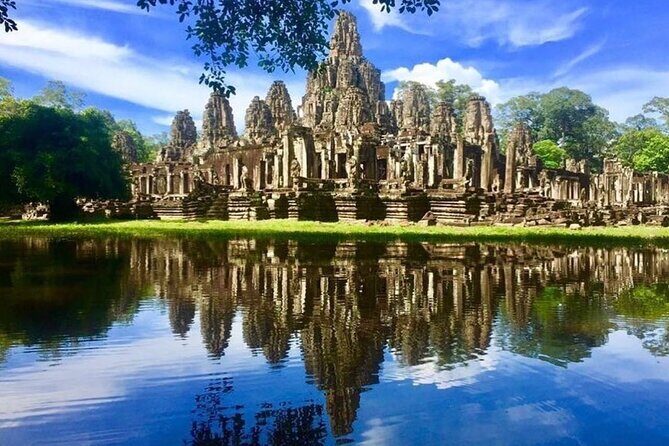
Siem Reap is famous for dramatic stone and sunrise crowds. This tour pulls you into the Cambodia that lives beyond the famous ruins—war years, suffering, and survival that still shape how people move and work.
The value of doing this privately is simple: you don’t waste time arguing for a faster restroom stop, or asking where the good photo spot is while the group waits. Your guide can adapt to your questions and to how the day is landing emotionally. You’ll also get someone who can explain what you’re seeing in plain language, so the history doesn’t feel like a list of dates.
And yes, there’s a photographer. That matters because some of these sites aren’t “pose and grin” places—so having help framing respectful photos makes the whole day feel more intentional, not just document-y.
You can also read our reviews of more guided tours in Siem Reap
Starting with Wat Thmey Memorial: what you’ll actually encounter
The first stop includes Wat Thmey, the peaceful temple area associated with detention and executions during the Khmer Rouge era. Today, it houses a small memorial stupa where skulls and bones recovered from mass graves in the area are on display.
The emotional impact here isn’t just visual. You’ll also find informational boards and photographs showing what life was like under the Khmer Rouge—forced labor, starvation, and how deeply culture and education were damaged. The tone is meant to be educational and solemn, and local monks or caretakers often share stories if you’re interested.
A practical tip: go in with your expectations adjusted. This isn’t a quick “look and move on” stop, even if the schedule gives it a shorter window. If you want to read every board slowly, you’ll need to hold on to the idea that you’re seeing the highlights, not every detail.
The Killing Fields adjacent reality: why the day feels different
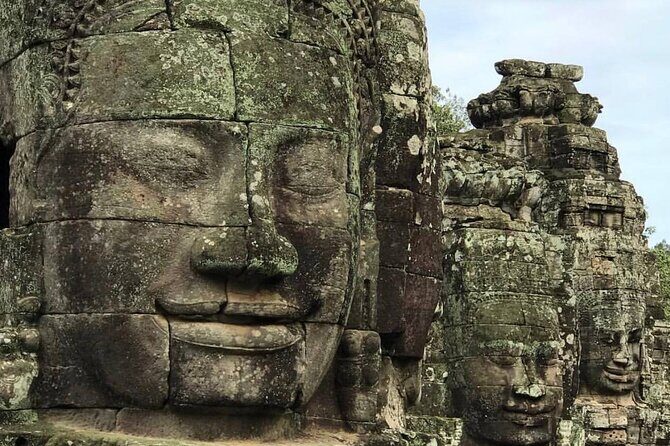
Even if you’re not at the most famous Khmer Rouge sites, the structure of the day matters. Wat Thmey functions like a grounding point. It helps you understand why later stops—especially the museum—aren’t just “war artifacts,” but long-term consequences that affect daily choices.
That’s where the private guide really earns their keep. You can ask questions like: Why do remnants remain? How does danger change daily routes? What gets remembered, and how? A good English-speaking guide can connect the dots without turning the day into a lecture.
One more consideration: this is one of those days where your body may feel the weight before your mind fully processes it. Take water breaks. Pause when you need to. And if you’re sensitive to graphic subject matter, it’s totally okay to tell your guide you want to spend less time on displays and more on interpretation.
Cambodia Landmine Museum and Aki Ra: the story behind the objects
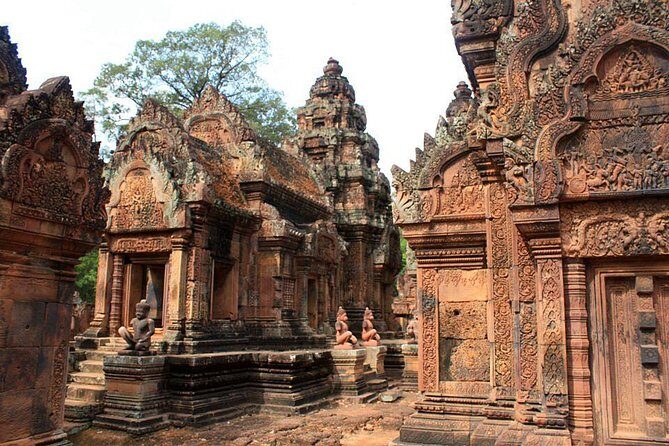
The Cambodia Landmine Museum is described as modest in size, but the impact is heavy. The whole point is to show the long-lasting effects of war and how people respond with resilience.
Here’s the detail that makes the museum more than a collection: it’s run by Aki Ra, a former child soldier. When you meet a story like that, you stop thinking of landmines as abstract danger and start thinking about families who plan life around the threat of what might still be under the ground.
What you can expect during your visit:
- A clear focus on war’s aftermath, not just the war itself
- Explanations that help you understand how long danger can persist after fighting stops
- Human-centered stories that connect the displays to real consequences
Because the museum is time-limited on this tour, I’d recommend doing this with an open mind and a simple goal: learn the basics, then let the emotion land. You don’t need to memorize facts to get value from the experience. You just need to leave with a better understanding of why clearing landmines and supporting survivors is still essential.
Banteay Srei: seeing how war safety affects everyday life
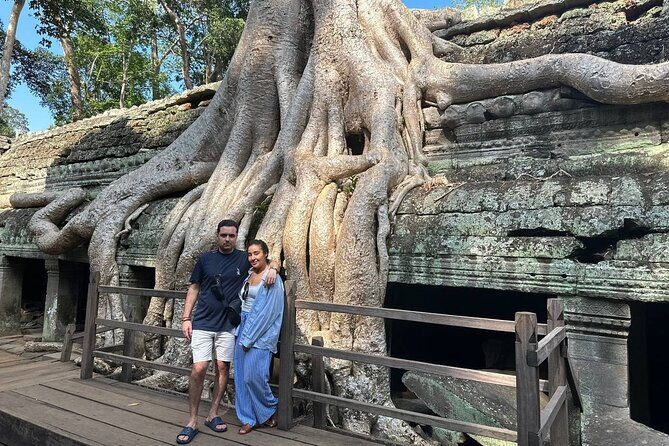
The final stop frames daily life on the way from landmines. The key idea is that the danger doesn’t vanish neatly just because the guns fell silent. Mines and unexploded bombs can remain hidden under rice fields, forests, and paths people still need for work and errands.
In rural Cambodia, agriculture is described as the heartbeat of life. Families rise at dawn to tend rice fields and handle routine tasks. When the ground contains invisible risk, “routine” becomes cautious—routes may be chosen around safety, and normal days can include moments of tension that outsiders often don’t see.
This stop is valuable because it changes the way you interpret what you saw earlier. At Wat Thmey, you learn about harm to people. At the Landmine Museum, you learn about lingering physical danger. At Banteay Srei, you learn what that means for daily movement and the patience of healing when recovery takes years, not months.
If you’re the kind of person who likes context, you’ll probably appreciate how this tour doesn’t pretend the story ended long ago.
You can also read our reviews of more private tours in Siem Reap
Getting around in a luxury car/van (and what to wear)
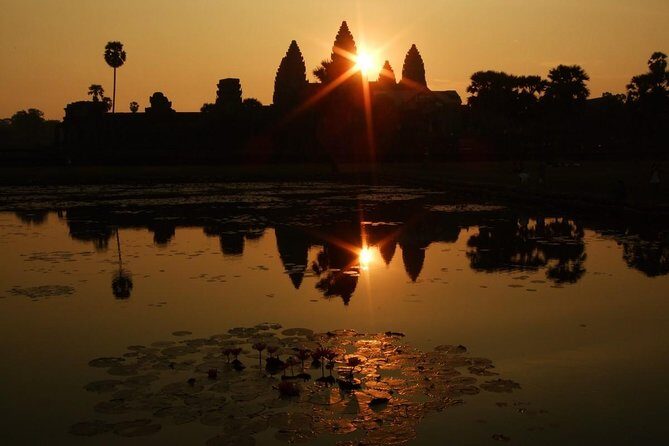
Logistics are handled for you: you’re picked up from Krong Siem Reap and the tour ends back at your meeting point. You travel in a luxury private car/van, and the day includes mineral waters, tissue, and natural fruits.
That’s more than comfort for comfort’s sake. When your day includes emotional sites, keeping your energy steady helps you actually absorb what you’re learning. These small inclusions reduce stress: you’re not scrambling for snacks, and you’re not navigating transport between isolated locations.
Dress code is important. You must cover your shoulders and knees when entering temples. That means I’d plan clothing that follows the rules even if you’re tempted to wear light, fast-drying travel outfits. Think: a light layer for shoulders, and pants or long skirts that won’t leave you adjusting at the entrance.
Price and value: is $190.98 per person worth it?
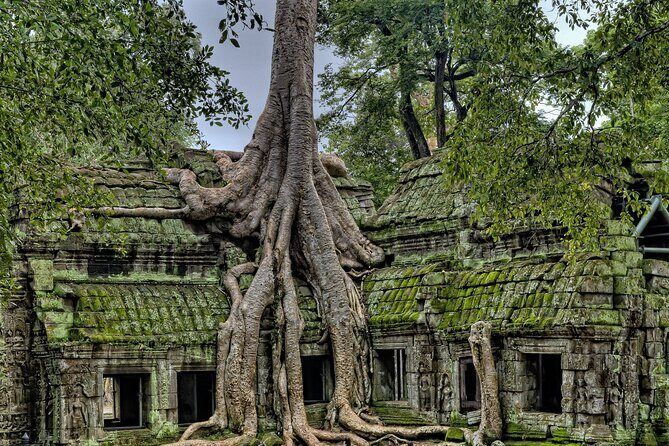
At $190.98 per person for roughly 5 to 6 hours, this isn’t the budget end of Siem Reap tours. But you’re paying for a specific mix: private guiding, a luxury vehicle, and a photographer, plus basic refreshment support.
The best way to judge value is to compare what you get versus doing it on your own:
- You’re getting an English-speaking guide who can explain what you’re seeing and keep the day coherent.
- You’re getting a photographer, which is useful even on serious visits because it helps you capture memories without turning the stops into chaos.
- You’re getting private transport between sites so you don’t spend your limited time figuring out timing and distance.
Two things to remember on costs:
- The Angkor Temple Pass ($37 per person) is listed as not included. If any stop requires it, you’ll pay that add-on.
- Tipping isn’t included, so budget a little extra for your guide and photographer based on what feels right to you.
If you already planned Angkor temples for a full day, this is still a smart complement. It adds depth to your understanding of Cambodia beyond famous stone. If you’re short on time and only want “one type” of experience, then maybe this isn’t your day. But if you want meaning and context, the price starts to make sense.
Who this tour suits best
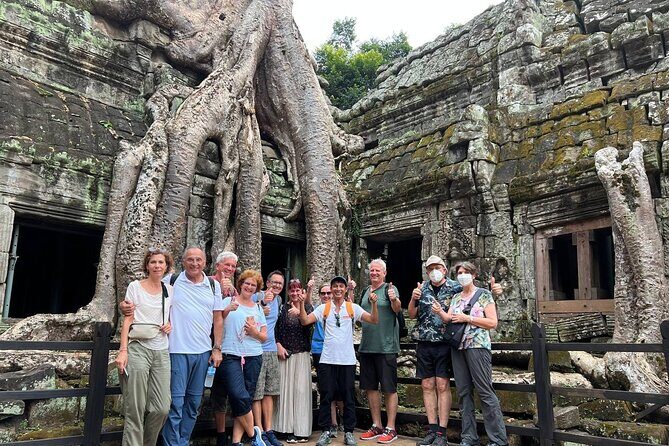
This is a strong fit for you if:
- You want more than temples—something human and current
- You like guided interpretation that helps you understand what you’re seeing
- You want a private experience with photo help and a smoother schedule
It may feel like a poor fit if:
- You want a carefree, light day
- You’re very sensitive to memorial displays and war-related content
- You dislike structured time limits at sites where you’d rather read everything slowly
Should you book it?
Yes, if you’re willing to treat this like a serious, respectful educational visit—not a quick stop for photos. The combination of Wat Thmey’s memorial context, the Landmine Museum’s Aki Ra connection, and the Banteay Srei focus on everyday risk makes the day more than a checklist.
Book it if you want a private guide, comfort, and help getting photos without turning sensitive locations into a circus. Skip it only if your priority is a purely upbeat day or if the themes of war aftermath are likely to feel too heavy for you right now.
FAQ
How long is the Killing Fields & Landmine Museum private guided tour?
The tour lasts about 5 to 6 hours.
Is this tour private?
Yes. It’s a private tour/activity, so only your group will participate.
Do you offer pickup in Siem Reap?
Pickup is offered, and the meeting point is Krong Siem Reap. The tour ends back at the meeting point.
What is included in the tour price?
It includes a professional English speaking tour guide, a professional photographer, a luxury private car/van, mineral waters and tissue on tours, and natural fruits.
What’s not included?
The Angkor Temple Pass ($37 per person) is not included, along with tipping and breakfast.
Are admission tickets included for the sites?
Admission tickets are not included (listed as Admission Ticket Not Included).
Who runs the Cambodia Landmine Museum?
The museum is run by Aki Ra, a former child soldier.
What should I wear?
You must cover your shoulders and knees when entering temples.
Can I cancel for a full refund?
Yes. You can cancel up to 24 hours in advance for a full refund.
Is the tour suitable for most people?
The info says most people can participate.