REVIEW · PHNOM PENH
Discover the Tastes Temples and Tales of Authentic Cambodia
Book on Viator →Operated by Lost Plate · Bookable on Viator
First, Phnom Penh hits your senses fast. This is a rare kind of Cambodia trip that treats food as a guidebook, then adds real history and major temple sights without turning it into a checklist. I like that it’s food-first and guided by English-speaking specialists, so you’re not just eating—you’re learning what you’re eating and why it matters.
Second, I love the tight mix of experiences, from safe-to-eat restaurant stops to a Genocide Museum visit, and then onward to Battambang’s countryside and Angkor’s world-famous ruins. On past departures, people have specifically praised the crew like trip leader Khim, and guides such as Senghong and Sivhong, for keeping the mood upbeat even when travel conditions are uncertain.
One thing to think about: this tour includes heavier moments (like S21) and early, long temple time at sunrise. If you prefer only light sightseeing, or you’re sensitive to difficult history, you’ll want to plan for that emotional weight.
In This Review
- Key highlights you’ll feel
- Food-First Cambodia, from Phnom Penh to Angkor Wat
- Phnom Penh by tuktuk: four safe-to-eat stops and a cold beer
- Market breakfast at Toul Tom Pong, then S21 at Tuol Sleng
- Sisowath riverside park: private boat time and a happy-hour feel
- Battambang countryside: rice paddies, water buffalo, and a calmer pace
- Battambang Province by bike or tuktuk, plus the Bat Caves hike
- Battambang to Siem Reap: street art, market meals, and Chef Nary’s class
- Bayon and Ta Prohm: UNESCO ruins plus a jungle family lunch
- Angkor sunrise at Angkor Wat and a multi-course goodbye
- Price and logistics: where the $1,700 really goes
- Who should book this food-and-temple tour
- Should you book it
- FAQ
- How long is the trip?
- What’s included for meals?
- Are ticket prices and entrance fees included?
- Do they pick you up from the airport?
- Is it a no-shop tour?
- How big is the group?
- What’s the physical activity level like?
- Are government fees included in the price?
- What is the cancellation or change policy?
Key highlights you’ll feel
- Four Phnom Penh restaurant stops with cold beer, plus conversations with local makers behind popular dishes
- Toul Tompong Market breakfast plus classic Khmer coffee and turmeric crepes before you head into history
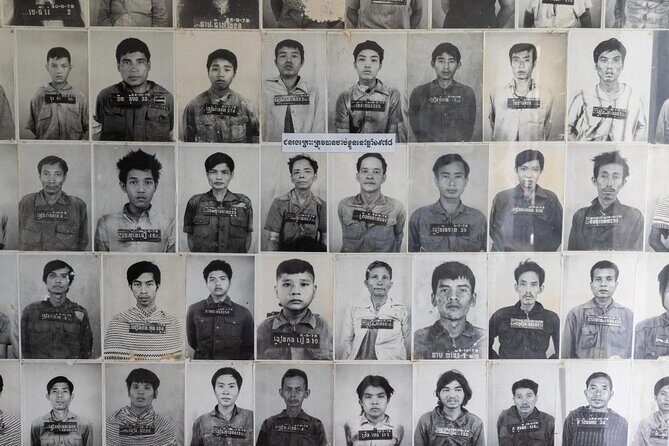
- Tuol Sleng Genocide Museum (S21) to help you make sense of Cambodia today
- Battambang countryside by bike or tuktuk for a slower look at rice paddies and villages
- Chef Nary’s cooking class where you prepare favorites like fish amok and a coconut milk dessert
- Angkor sunrise at Angkor Wat and then a home-style lunch connected to the temple area
Food-First Cambodia, from Phnom Penh to Angkor Wat
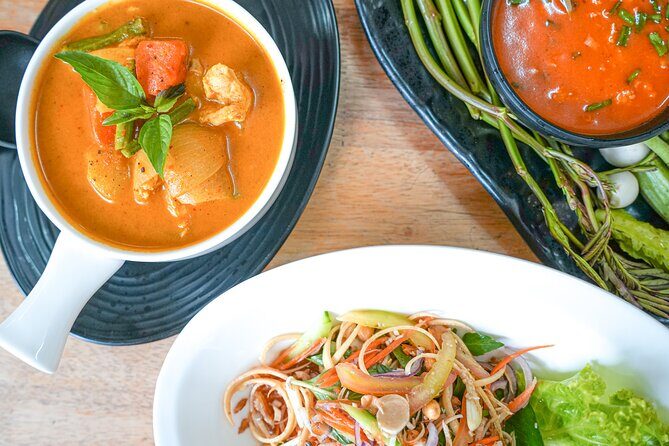
This is one of those tours where the meals aren’t filler. They’re the backbone. You’ll travel Phnom Penh to Battambang to Siem Reap using a mix of private van, tuktuks, and local transport, and each day is built around “what locals eat and where it comes from.” That matters because Cambodian food is tied to the land and water system of the country—fish from freshwater lakes and rivers, herbs and spice blends, coconut milk, fermented flavors, and plenty of dishes built for sharing.
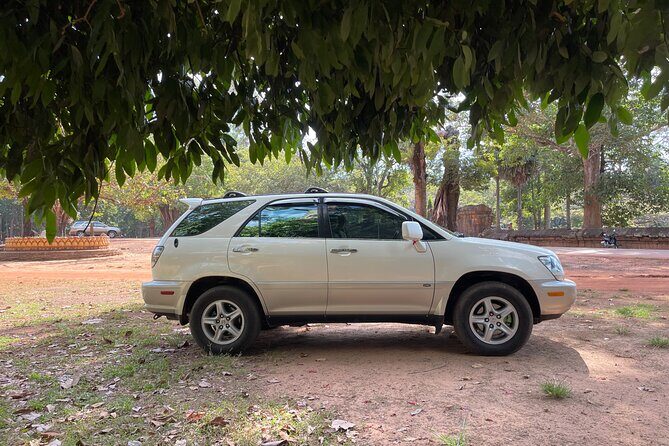
The “all-inclusive” part is practical, not vague. Entrance fees, tickets, and experiences are included, and you’re also covered for most meals: breakfast is included 7 times, lunch 6 times, and dinner 7 times. Add in the English-speaking trip leader (Lost Plate) and English-speaking local guides, plus a VIP van stocked with bottled water, and you get a trip that’s set up to reduce decision fatigue.
With a group capped at 10 travelers, you can actually hear your guide and move at a reasonable pace. You’re not herded into a megagroup photo line.
You can also read our reviews of more tours and experiences in Phnom Penh.
Phnom Penh by tuktuk: four safe-to-eat stops and a cold beer
Your Phnom Penh start is designed to get you oriented fast. After introductions, you hop in tuktuks and head to a food tour with four safe-to-eat restaurants. The vibe is part tasting, part local learning: you meet people making the dishes that show up again and again in daily Cambodian life.
What I like about this first day setup is that it lowers the barrier for day-to-day eating. Instead of trying to guess what’s good when you’re jet-lagged, you’re eating on purpose, with context. And yes, there’s a cold beer built into the restaurant-hopping rhythm, so it feels like a proper welcome rather than a school assignment.
Potential drawback? You’ll be out moving around. If you hate the “first day we’re doing everything” feeling, pace yourself between stops and don’t over-order. The best strategy is to eat what you’re guided toward, then use free time (if you have any) to slow down and digest.
Market breakfast at Toul Tom Pong, then S21 at Tuol Sleng
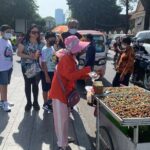
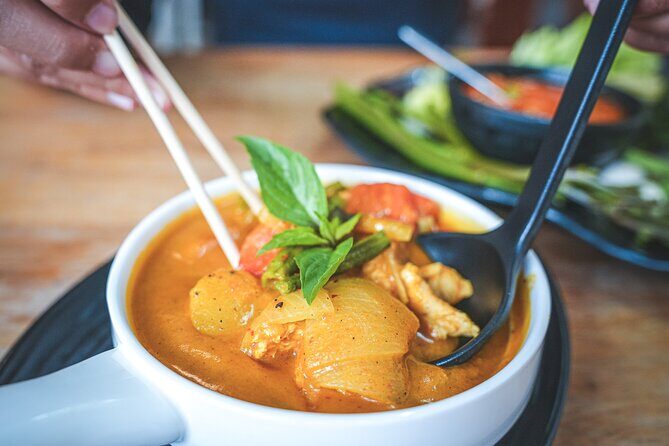
Day two begins with a classic market breakfast at Toul Tom Pong Market, also known as the Russian Market. This is where you should expect noodle soup, Khmer coffee, and turmeric crepes, followed by a walk through a local market scene.
The food here is the point. Market breakfasts in Cambodia are not just about taste; they’re about tempo. You’ll see how people buy for the day and how flavors are built from simple ingredients done well. Even if you’re not a “breakfast person,” this one is worth the early start because it sets you up for the bigger day ahead.
Then you head to Tuol Sleng Genocide Museum (S21). This is the former site of a secondary school, later repurposed as a prison during the Khmer Rouge period. It’s heavy, and your visit is framed as essential for understanding Cambodia’s darker past—because it directly shapes how today’s culture and economy function.
Practical advice: bring patience for your emotions. This stop isn’t meant to be rushed.
Sisowath riverside park: private boat time and a happy-hour feel
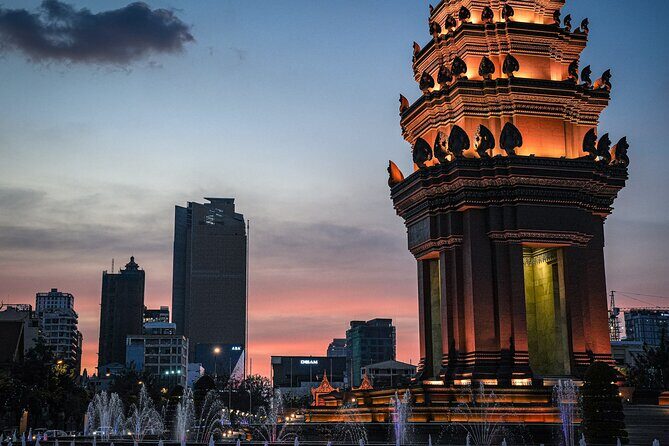
After history, you get a complete change of scenery. At Sisowath Riverside Park, you board a private boat for what’s described as a happy-hour cruise, along with evening programming back on shore.
Phnom Penh sits between major waterways, and that matters for cuisine—freshwater fish is a staple. The cruise portion helps you understand that connection without forcing it into lecture format. You’re seeing the city’s riverside life, then you move toward dinner with that sense of place already in your head.
If you’re sensitive to heat, consider layering lightly and drinking water between activities. The tour includes mineral water in the VIP van, but on riverside time, you’ll still want to stay smart about hydration.
Battambang countryside: rice paddies, water buffalo, and a calmer pace
Once you leave Phnom Penh, the trip shifts gears. Battambang sits in the rural stretch between Cambodia’s biggest cities, and the countryside feel is the whole point. Expect rice paddies, roaming water buffalo, and communities known for welcoming attitudes.
This day is about contrast. You’re not arriving in “sightseeing mode.” You’re traveling through a place where daily life is still the star, and your guide’s job is to connect what you see to how people eat, work, and live.
A consideration: the countryside days can involve more time in transit. That’s not a problem if you like the slow window-seat view, but if you need tightly scheduled attractions every hour, you might find yourself wanting a bit more structure.

Battambang Province by bike or tuktuk, plus the Bat Caves hike
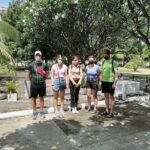
In Battambang Province, you’ll switch to local roads and villages. The tour offers bikes (or a tuktuk for those who don’t cycle), which is a smart way to keep the experience accessible while still letting you feel how small roads shape a community.
Then comes the highlight nature-adventure portion: Battambang Bat Caves. You’ll rest first, then go by tuktuk for another countryside exploration, with a short hike up a hidden path to reach a hillside cave mouth. The moment you arrive is described as millions of bats emerging. Even if you’ve seen bats before, this scale is something else.
Practical note: wear shoes that can handle uneven ground and keep your hands free for the climb.
Battambang to Siem Reap: street art, market meals, and Chef Nary’s class
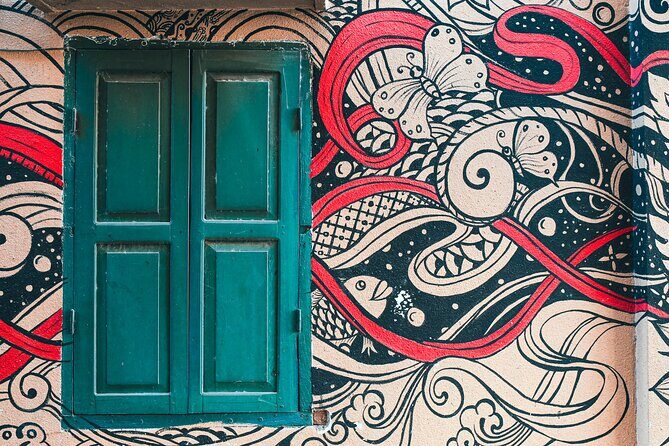
Battambang is also an arts story. After breakfast, you join a local artist to see today’s street-art scene, especially in the context of how artists were targeted by the Khmer Rouge. That historical framing adds meaning to the murals without turning the art into a lecture.
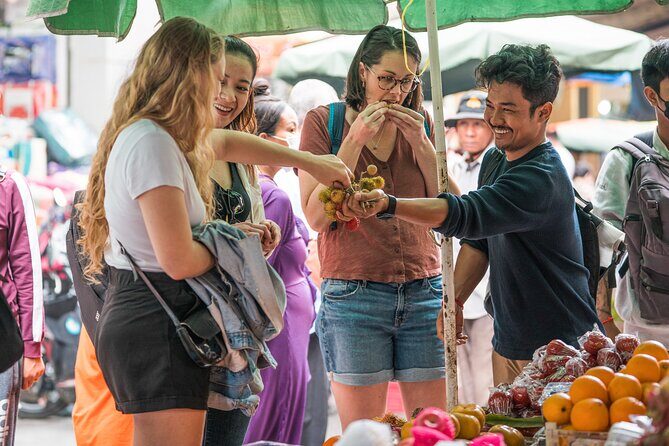
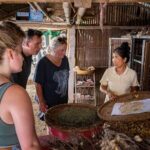
Next you visit Battambang’s largest local market. This is where the tour shifts from viewing art to cooking and eating for real. You then join a cooking class where each participant prepares 4 popular Cambodian dishes, including fish amok and a coconut milk dessert, led by Chef Nary (named in the tour description).
This class is one of the best value points of the whole experience because it gives you something you can carry home: flavor combinations and cooking logic. Even if you don’t recreate it perfectly later, you’ll understand what you’re tasting when you order Cambodian food again.
That same day, you travel to Siem Reap and take in Phare, The Cambodian Circus. It’s a cultural evening that adds an active, performance-based way to experience Cambodia beyond temples and markets.
Bayon and Ta Prohm: UNESCO ruins plus a jungle family lunch
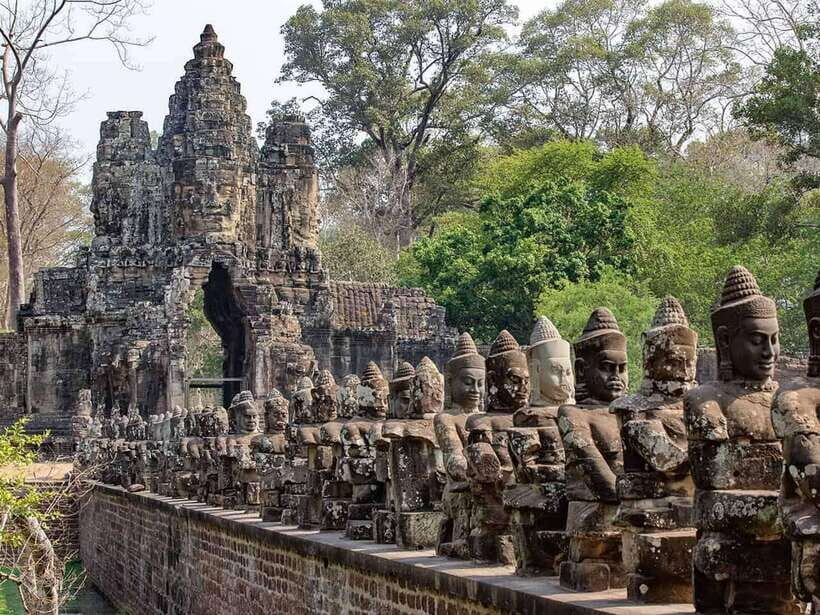
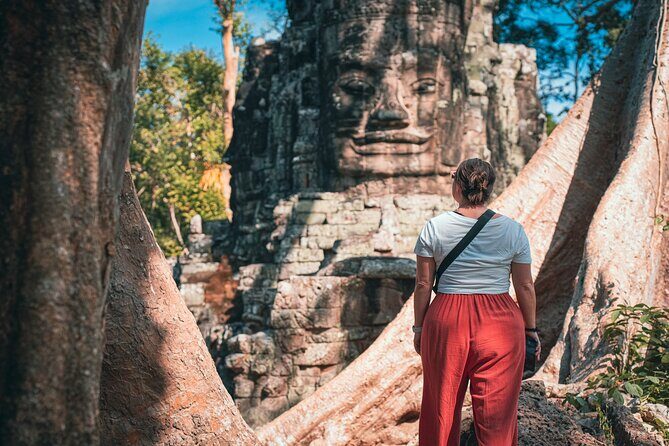
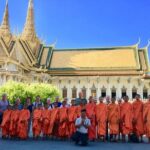
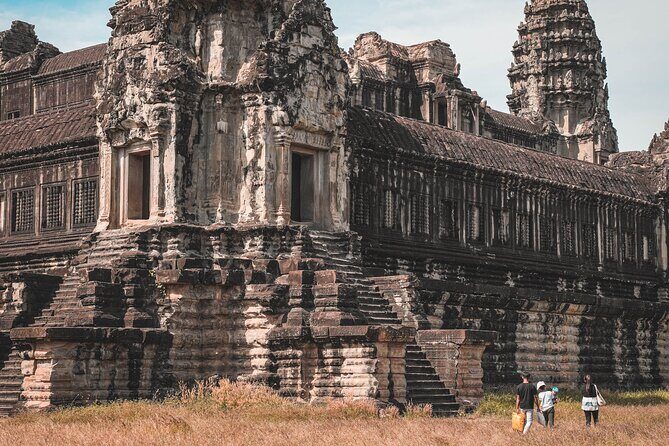
Once you reach Siem Reap, the temple day starts with Bayon Temple. The Angkor region is described as over 72 major temples and hundreds of smaller ruins across around 400 square kilometers, and Bayon is part of that UNESCO World Heritage area. This is where you’ll start feeling the scale beyond just “a big temple.”
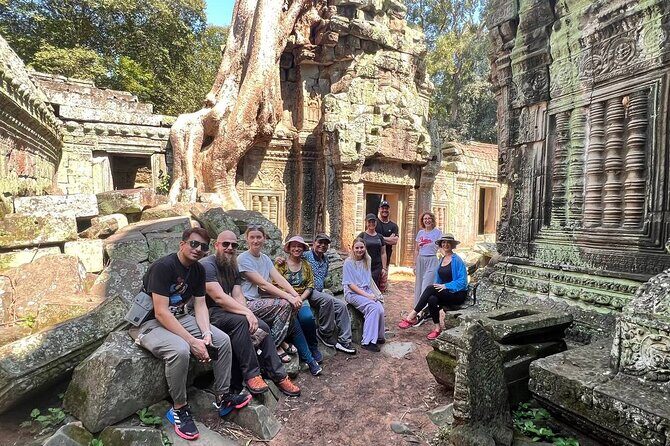
Then you move to Ta Prohm, known for the tree roots and “Indiana Jones” style ruins people associate with pop culture. Your visit includes exploring roads through a more forested feel, with a sense of less polished edges than the classic postcard angles.
But the most human moment here is lunch. You get a chance to visit a local family living in a traditional home within the ruin-laden jungle, where you enjoy a homemade lunch and a fresh coconut. It’s also positioned as a way to learn what life looked like before, inside that distinctive landscape.
Potential drawback: temple days can be hot and crowded depending on timing. This tour is structured to get you from one site to the next, but you’ll still want to plan for sun protection and breaks when your guide allows them.
Angkor sunrise at Angkor Wat and a multi-course goodbye
On your final full temple day, you’re up early for sunrise at Angkor Wat. The description is specific: the three iconic pagodas make the view feel dramatic even if you’ve seen photos. Sunrise is when the temple “comes alive” as light changes the whole mood.
This is one of those experiences that’s worth the early start because it gives you a different emotional angle on a famous place. You’re not only looking at stone—you’re watching the day begin.
After that, your trip ends with Siem Reap downtime and a farewell meal: happy hour at an outdoor bar-scape, followed by a multi-course dinner. It’s a fitting wrap because the trip is built around food and stories, and the final night keeps that theme going.
Price and logistics: where the $1,700 really goes
At $1,700 per person, this trip isn’t the cheapest way to see Cambodia. But it’s also not priced like a bare-bones tour. You’re paying for the structure: tickets and entrance fees, an organized path through the day-to-day stops, English-speaking guides at each attraction, and a private VIP van for inter-city travel plus bottled water.
You’re also covered for most meals—7 breakfasts, 6 lunches, and 7 dinners—and the tour is described as no-shop, meaning you won’t be sent to places where the goal is selling you something.
There’s also a government fee of $35 per person that isn’t included. So if you’re budgeting, factor that in early.
One more practical thing: you receive a mobile ticket, which is a small detail but reduces hassle. And because the group is capped at 10 travelers, the logistics tend to feel more human than “assembly line.”
Who should book this food-and-temple tour
I’d point this one toward you if:
- You want Cambodia explained through food and ingredients, not just monuments
- You care about the country’s story, including difficult parts like S21
- You want major sights like Angkor Wat at sunrise, but still want days that feel like they’re about everyday life
- You like small groups and guided pacing
You might want a different trip if you:
- Prefer lighter history and don’t want emotional stops
- Dislike early mornings and long temple time
- Want a trip where meals are mostly on your own (since most are included here)
Should you book it
If your ideal Cambodia trip is built around tasting your way through the culture, then this is a strong bet. The best part is the balance: market breakfasts and cooking classes sit right next to museums and major ruins. That gives you both pleasure and context.
I’d book it if you’re the type who enjoys details like how a dish gets made, why certain ingredients show up again and again, and what a place feels like at different times of day—especially sunrise at Angkor Wat.
Just be honest with yourself about the S21 stop and the early morning temple start. If those work for you, the included meals, guides, transport, and tickets make the value feel very real.
FAQ
How long is the trip?
The experience runs about 8 days, with a departure day included. The main sightseeing spans multiple full days between Phnom Penh, Battambang, and Siem Reap.
What’s included for meals?
Dinner is included 7 times, lunch is included 6 times, and breakfast is included 7 times.
Are ticket prices and entrance fees included?
Yes. Tickets and entrance fees for activities and attractions listed in the experience are included.
Do they pick you up from the airport?
Yes. There is airport pick-up in Phnom Penh and drop-off in Siem Reap. On the final day, drop-off at Siem Reap airport (REP) is included any time today.
Is it a no-shop tour?
Yes. It’s described as a no-shop tour, meaning you are not taken to places where you’re obligated to purchase anything.
How big is the group?
The tour has a maximum group size of 10 travelers.
What’s the physical activity level like?
It’s recommended for travelers with a moderate physical fitness level.
Are government fees included in the price?
No. A government fee of $35 per person is not included.
What is the cancellation or change policy?
This experience is non-refundable and cannot be changed for any reason. If canceled because the minimum number of travelers isn’t met, you’ll be offered a different date/experience or a full refund.