REVIEW · PHNOM PENH
Beyond The Oudong Temple and Birdwatching in Phnom Penh
Book on Viator →Operated by Vana Adventure Travel · Bookable on Viator
Early starts, big bird payoff. This day trip pairs Phnom Penh birdwatching with a real-world look at Tonle Sap life, then adds Oudong Temple at the old capital site. I especially like how the plan moves through different habitats in one outing, so you’re not stuck in a single spot hoping for the same species, and I like that the guide work is hands-on, not just background chatter. The only drawback is simple: you’ll be up early, with departure around 5:30–6:00am, and it can feel like a lot before breakfast.
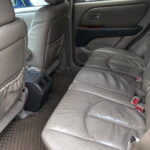
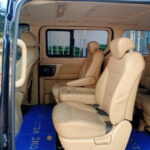
What makes this work for your day is the tight structure. You’ve got hotel pickup (or a meeting point near Independence Monument), a local English-speaking birding guide, purified drinking water, morning coffee plus fruit, and lunch. With a small group limit of up to 8, spotting tends to be more organized, and you get better chances for close looks—just be ready to bring your own eyes, patience, and maybe your own binoculars if you have them.
In This Review
- Key points worth booking for
- Early Departure From Phnom Penh: What the 5:30–6:00am Start Really Means
- First Birding Stop After the Short Drive: Wetlands Species You Can Actually Find
- Tonle Sap Riverside Drive and the Second Lookout: Herons, Darter, and Kites
- Floating Village Time: Where the River Story Becomes Personal
- Oudong Temple Birding and Old Capital Views: Birding With a History Layer
- Price and Value at $110: What You’re Actually Paying For
- Why the Guide Makes the Difference: Simon and Mr Thong’s Style
- What to Bring for a Smooth Birding Day in Phnom Penh
- Who This Trip Fits Best in Your Phnom Penh Plan
- Should You Book This Phnom Penh Birdwatching Day Trip?
- FAQ
- FAQ
- What time does the Phnom Penh birdwatching day trip start?
- How long is the tour?
- Is hotel pickup and drop-off included?
- Where do I meet if I’m not using pickup?
- What food and drinks are included?
- Are binoculars included?
- How large is the group?
- What’s the price per person?
- Can I cancel for a full refund?
- Is the tour suitable for most people?
Key points worth booking for
- Multiple birding stops in one morning so your odds improve across wetlands and riverside fields
- Tonle Sap River and floating village visit for the human side of the scenery
- Oudong Temple at the end adds a history layer to the birding day
- Small group size (up to 8) for easier guidance and fewer distractions
- Meals included (morning coffee/breakfast and lunch) so you’re not birding on an empty stomach
Early Departure From Phnom Penh: What the 5:30–6:00am Start Really Means
This tour is built like a classic birding morning: early light, active birds, and fewer hot-hour distractions. You start around 5:30am if pickup is arranged, or you meet near Independence Monument around 6:00am. Either way, you’re aiming to reach the first area while birds are still moving and calling.
I like that you’re not left guessing. The plan is paced with breaks built in—morning coffee and fruit, then a later lunch—so you can stay focused rather than timing your own stops. The day runs roughly 7 hours, with a return to Phnom Penh around 3–4pm, which keeps this from turning into an all-day grind.
One practical note: you’ll want to sleep the night before like it matters. Bring a light layer for early hours and keep your phone charged. Even if you’re not a super-serious birder, it helps to be ready for quick spotting moments.
You can also read our reviews of more tours and experiences in Phnom Penh.

First Birding Stop After the Short Drive: Wetlands Species You Can Actually Find
After a drive of about 30 minutes, you hit the first observation area, where countryside and water birds show up. This is a key part of the day because it sets your “species radar” early, before the visit shifts toward the Tonle Sap River.
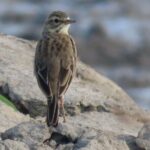
You’ll be looking out for smaller, colorful birds and shoreline types such as:
- Little bee-eater
- Little grebe
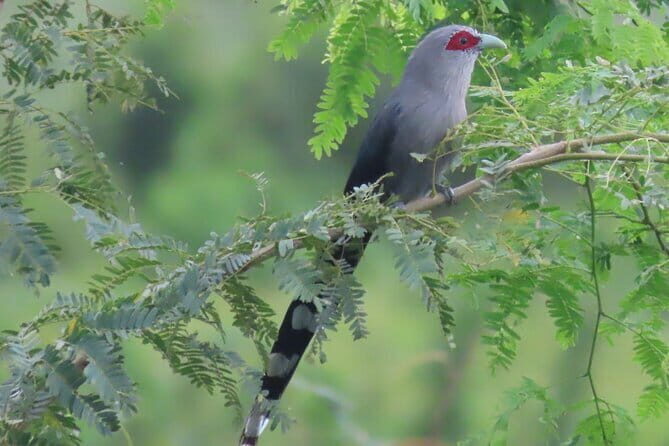
- Great cuckoo
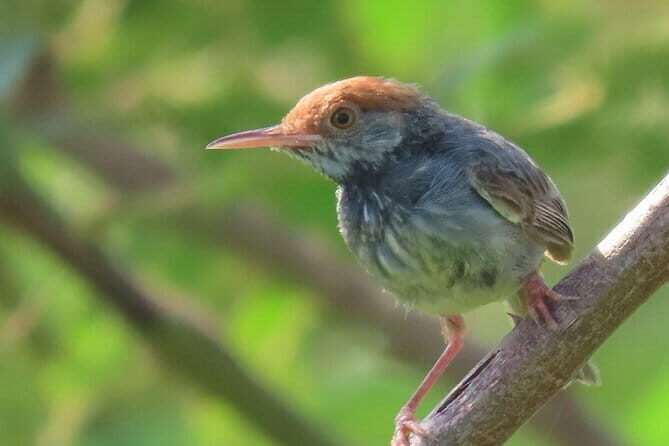
- Plaited prinia
- Little egret
- Blue-tailed bee-eater
- Kingfisher
What I like here is the variety of shapes and behaviors. You’re not only scanning in one direction. You’re watching for fast motion, quick perch changes, and the kind of small activity that makes birding satisfying even when the big-ticket species are being shy.
This stop also makes a difference for beginners. Seeing a mix of egrets and bee-eaters early gives you reference points for later comparisons, especially when your guide points out what to look for in calls and visual cues.
Tonle Sap Riverside Drive and the Second Lookout: Herons, Darter, and Kites
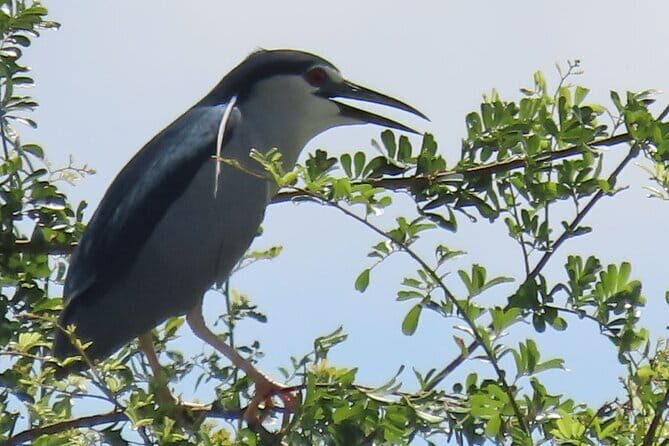
Next comes the scenic drive along the Tonle Sap Riverside, passing rice fields and a Muslim community along the way. That shift matters. Rice fields and riverside vegetation can produce very different birds than open water spots, and the route itself sets you up for a second observation area.
At this stop, you’re targeting birds like:
- Yellow bittern
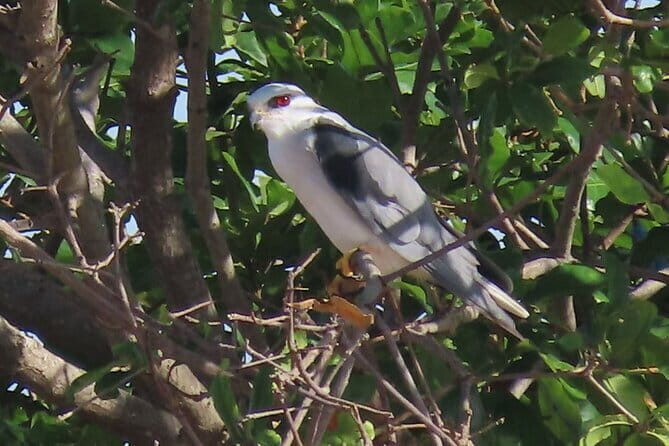
- Black-winged kite
- Sunbirds
- Indian roller
- Oriental darter
- Asian yellow weaver
Then you’ll get your morning coffee and fruit break, with views from grass fields. This break isn’t just a snack stop. It’s timed so you can keep scanning while you’re relaxed, which usually means more sightings than if you rush between stops.
From the grass-field overlooking time, the highlights include:
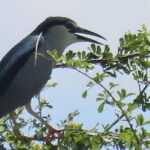
- Black-crowned night heron
- Mayan pond heron
- Little egret
- Great egret
- Pied kingfisher
- Common kingfisher
- Cambodian tailorbirds
- Common greenshank
- Black-winged stilt
- Grey heron
A lot of these species come from careful watching—positions, silhouettes, and feeding behavior. If you’ve ever felt like birding is mostly luck, this is the part of the day that teaches you how to slow down and actually read what you’re seeing.
Floating Village Time: Where the River Story Becomes Personal
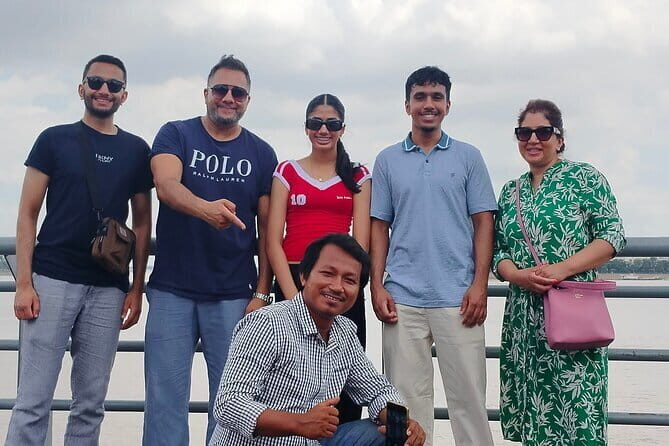
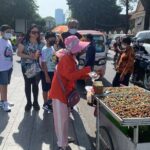
After the coffee-and-scans window, the tour shifts from pure birding to a more grounded look at local life. You explore a floating village on the Tonle Sap River, then continue onward to lunch.
Why this matters: it adds context for the birds you’ve been chasing. A birding day can feel like a series of checklists. Here, you also get a chance to see how people live with the water—how daily routines connect to the river and wetland environment where many of these birds feed and rest.
Also, the flow is realistic. You’re not forced to rush from one intense activity to another. You’ve already done the scanning work, so the floating village visit feels like a breather with meaning, not a random detour.
Lunch comes after this portion. Based on guide comments from past participants, the meals are a real part of the experience, not just a rushed stop—so you’ll likely feel better for the final birding segment.
Oudong Temple Birding and Old Capital Views: Birding With a History Layer
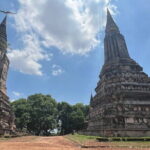
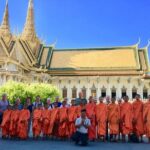
The day ends with birding around Oudong Temple, with time tied to the story of the old capital city. This is more than a scenic finisher. Temple grounds often create edge habitats—trees, open areas, and varied perching spots—which can help birds show up even when you’ve already seen a lot earlier.
This final birding moment is where the day turns from “how many species can I spot” to “how do all these pieces connect?” You get a sense of place: a historic site plus wetlands birdlife in the same arc of the day.
You’re also likely to appreciate the timing. Returning around 3–4pm keeps the outing from dragging, and it gives you daylight without burning your evening.
If you’re photographing, keep your expectations honest. Temple areas can be busier than the quiet field stops, and birds may be more sporadic. Still, it’s a good place to slow down for a last round of observation.



Price and Value at $110: What You’re Actually Paying For
At $110 per person, the value comes from bundling a lot of what costs money in Cambodia birding day trips: vehicle support, a guide, meals, and protected supplies.
Here’s what you’re getting that justifies the price:
- Round-trip vehicle support from Phnom Penh
- English-speaking birding guide focused on finding and identifying birds
- Purified drinking water
- Morning coffee and breakfast plus fruit
- Lunch
- Binoculars listed as included, with advice to bring your own if you have them
- Small group size (max 8), which usually means more attention per person
I also like that the tour is positioned as a practical day out. You don’t have to arrange anything complicated if you don’t want to. Add to that that hotel pickup is offered, plus a mobile ticket, and it’s mostly “show up, go birding, eat, repeat.”
One more detail that affects value: group discounts are mentioned. If you’re booking with friends, that can make the cost per person even easier to swallow.
Why the Guide Makes the Difference: Simon and Mr Thong’s Style
The best part of birding is often invisible until you have a guide who can translate what you’re seeing. In this case, you can learn a lot from the way the guides work.
Past participants highlighted guide Simon, noting that he was good at spotting birds and sharing identification tips, even while being early in his bird-guiding journey. That matters because you’ll still get the core skill: fast, accurate eyes in the field.
Another guide, Mr Thong, is described as an outstanding organizer with strong terrain skills and bird knowledge, including singing and visual identification. People also mentioned that he handled practical comfort well, with fresh water and snacks, plus the inclusion of two typical meals during the day.
What you should take from that: this isn’t just a transport service. The guide is part of the product. If you care about learning how to identify birds by behavior and call—not just waiting for a lucky moment—this tour is likely to satisfy you.
What to Bring for a Smooth Birding Day in Phnom Penh

The tour includes purified drinking water, coffee and breakfast, fruit, and lunch, so you won’t be scrambling for meals. Still, you should pack for the early hours and the nature of spotting birds.
Bring:
- Binoculars if you have them (listed as something to bring if you own them, even though binoculars are mentioned as included)
- A comfortable shirt and light layer for early morning
- Something to keep your hands free for quick camera moves
- Sunscreen and a hat, since you’ll be out scanning for long stretches
- Closed-toe shoes for uneven ground around river and temple areas
Also, plan to keep your pace gentle. Birding rewards slow scanning. If you rush every time you hear something, you miss the details your guide is pointing out.
Who This Trip Fits Best in Your Phnom Penh Plan
This is a good match if you want one day that covers both nature and culture without spending time coordinating lots of separate activities.
It fits well for:
- Birdwatchers who want a focused day route with a guide
- People who like learning field identification, including call and visual cues
- Travelers interested in the Tonle Sap floating village experience
- Anyone who also wants a historic stop at Oudong Temple rather than a purely outdoors-only day
It also works for first-time birders. The morning structure (quick start, multiple stops, breaks) helps you feel successful even if birding isn’t your usual hobby.
And since the group is small—up to 8—you’ll likely get more direct help while spotting.
Should You Book This Phnom Penh Birdwatching Day Trip?
If your goal is a guided birding day that actually moves through habitats—wetland, riverside, grass fields, and then temple grounds—this is worth serious consideration. The price feels fair because meals, transport, purified water, and guide support are bundled, and the small group size keeps the experience from feeling crowded.
I’d especially recommend it if you want more than a scenic ride. The guide-led identification focus, plus the Tonle Sap floating village stop and Oudong Temple finale, makes it a full day with a lot of payoff.
If you hate early starts or you’re the type who gets cranky without a late breakfast, you might want to choose a later activity instead. The birds are the point, and the birds are most active early.
FAQ
FAQ
What time does the Phnom Penh birdwatching day trip start?
Start time is listed as 6:00am, with an early departure option around 5:30am when pickup is arranged.
How long is the tour?
The duration is listed as approximately 7 hours.
Is hotel pickup and drop-off included?
Yes. Hotel pick up & drop off is included.
Where do I meet if I’m not using pickup?
The meeting point is near Independence Monument.
What food and drinks are included?
You get morning coffee and breakfast, refreshment fruits, and lunch. Purified drinking water is also provided.
Are binoculars included?
Binoculars are listed as included, and you’re also encouraged to bring your own if you have them.
How large is the group?
The tour has a maximum of 8 travelers.
What’s the price per person?
The price is $110.00 per person.
Can I cancel for a full refund?
You can cancel up to 24 hours in advance for a full refund.
Is the tour suitable for most people?
It’s listed as something most travelers can participate in.