REVIEW · PHNOM PENH
Killing field and Toul Sleng genocide museum Tour
Book on Viator →Operated by Phnom Penh Tours · Bookable on Viator
One sentence that hooks people fast: This is Cambodia history at full volume. The Choeung Ek Killing Fields and Tuol Sleng (S-21) Genocide Museum hit hard, but they’re also guided in a way that helps you understand what you’re seeing, not just stare at it. What makes it work is the human storytelling plus translation, so the displays land in plain language.
I love two things here. First, the guides translate the exhibits and connect the dots across the Khmer Rouge period, which is a big deal when the material is dense and emotionally brutal. Second, the tour includes air-conditioned transport, bottled water, and a safe setup—so you can focus on the sites instead of logistics.
One possible drawback to plan for: you’re stepping into an experience that’s deeply upsetting. Even with a good guide, expect a lot of grief and graphic context, and bring a mindset that this is a memorial visit, not a sightseeing day.
In This Review
- Key highlights at a glance
- Price and what you’re really paying for in Phnom Penh
- The pickup ride: staying comfortable before the hard part
- Choeung Ek Killing Fields: beyond the postcard image
- What makes this stop special
- A consideration before you go
- Tuol Sleng S-21: a former school turned interrogation machine
- Why the guide translation is such a big deal at S-21
- The guide makes or breaks the day
- How to get the most out of your guide
- Timing and pace: what a 4 hours 15 minutes day feels like
- What to bring and how to handle the emotional weight
- Who this tour suits best (and who should think twice)
- Should you book the Killing Fields and Tuol Sleng tour?
- FAQ
- What’s included in the Killing Fields and Tuol Sleng tour price?
- How long is the tour, and how much time do I get at each site?
- How much are the admission fees?
- Is pickup available in Phnom Penh?
- What’s the group size limit?
- Do I need good weather for this experience?
Key highlights at a glance
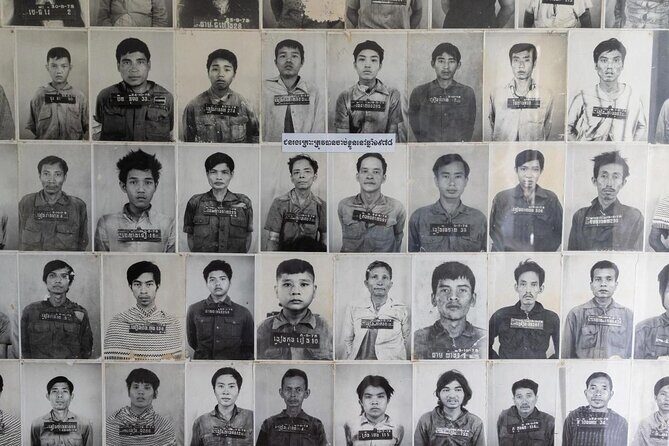
- Guides translate the exhibits, so you don’t miss the meaning behind the photos, rooms, and artifacts.
- Two major sites in one half day, keeping your Phnom Penh time efficient without cutting corners.
- Air-conditioned transport + bottled water, a practical bonus in Phnom Penh’s heat.
- Small-group structure (up to 20), which makes questions easier and keeps the pace more manageable.
- Memorial focus, with time set aside to pay respects before the next stop.
Price and what you’re really paying for in Phnom Penh
The headline price is $19 per person, and at first glance that seems almost too low for a full guided day with transport. The catch is simple: admission fees for both sites are extra. Expect to add about $3 for Choeung Ek and $5 for Tuol Sleng, so your all-in cost is roughly $27 before tips.
Here’s why that still feels like decent value. You’re not just being dropped off at two museums. You’re getting a professional English-speaking guide plus translation assistance, which changes how much you get out of the exhibits. You’re also paying for comfortable, air-conditioned transport and bottled water—small things, but they matter when you’re out in the heat and the subject matter doesn’t let you “power through” with distractions.
The tour runs about 4 hours 15 minutes total, with about 2 hours at each site. That timing is important. It gives you enough breathing room to take in what’s there, without turning the places into a rush job. If you want to compress Phnom Penh into a few must-dos, this one is designed for that.
You can also read our reviews of more museum experiences in Phnom Penh
The pickup ride: staying comfortable before the hard part
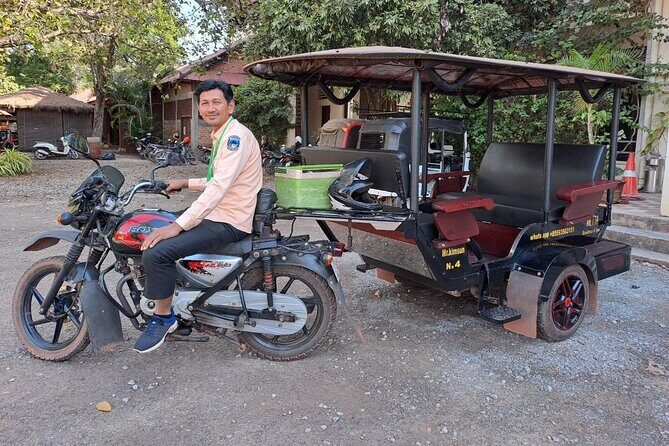
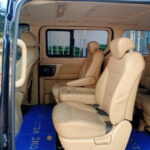
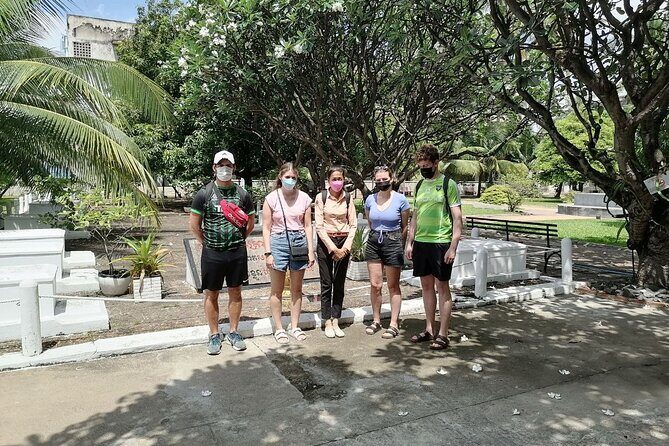
This tour offers pickup, and it’s organized around a central meeting point area (Amanjaya Pancam Hotel). You’ll travel in a vehicle with a licensed driver and air conditioning, plus you’ll have bottled water.
That comfort package sounds minor—until you’re sitting in traffic, walking on uneven ground, or waiting while the group regroups. In Phnom Penh, weather can turn uncomfortable fast. Having a clean, safe vehicle and water means you’re less stressed going into a heavy day.
Group size is capped at 20. In practice, that helps the guide keep control of the pacing and also makes it easier to ask questions without shouting. It’s one of those “quiet” benefits that you feel more than you notice.
Choeung Ek Killing Fields: beyond the postcard image
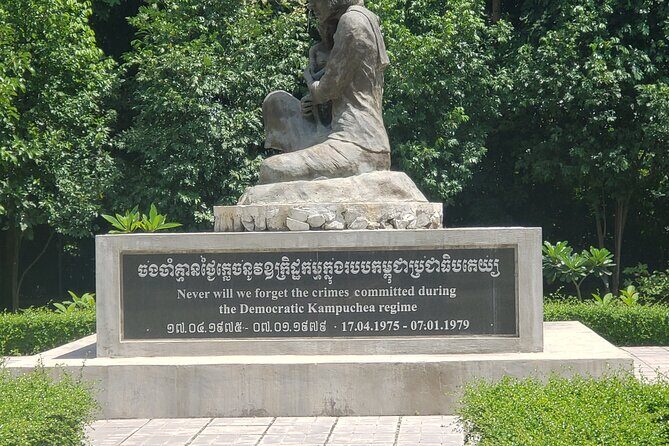
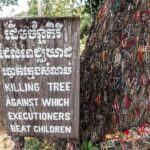
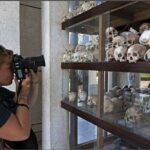
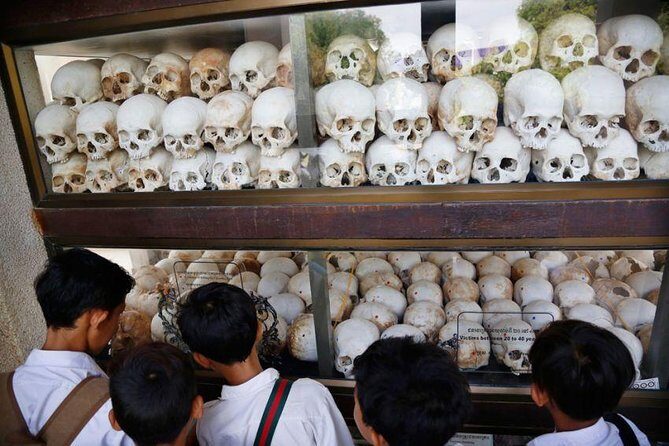
Choeung Ek is about the Khmer Rouge’s killing system, not just a single tragic moment. The place has a history that predates the Khmer Rouge—once an orchard and even a Chinese cemetery. Under the Khmer Rouge leadership of Pol Pot, it became part of a brutal program of mass executions and burials.
The tour frames this stop with context before you’re sent into the memorial areas. You’ll hear the human stories behind the facts, and you’ll likely get translation support throughout, which is crucial here. Choeung Ek isn’t a museum where you can casually skim. The meaning depends on understanding the timeline, the logic of the regime, and what victims faced.
The duration at Choeung Ek is about 2 hours. That’s enough for you to walk the memorial grounds and take in exhibits and preserved materials at a pace that doesn’t feel like stamp collecting.
What makes this stop special
- You’re not just seeing a site—you’re being guided through the logic of what happened and why it mattered.
- You get a chance to pay respects to the victims, which keeps the visit grounded and respectful rather than purely informational.
A consideration before you go
This is where your emotions may catch up with you. Even if the guide is calm and clear, the subject is not light. Plan to bring a low-expectation for “fun.” Think of it as a serious historical visit that helps you understand Cambodia in a way that normal travel stories can’t.


Tuol Sleng S-21: a former school turned interrogation machine
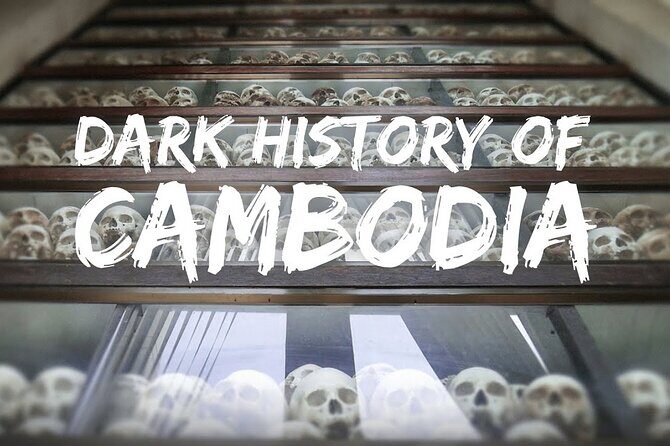
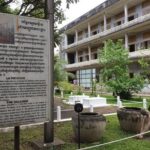
After Choeung Ek, you head to Tuol Sleng Genocide Museum, also known as S-21. The name Tuol Sleng means hill of the poisonous trees, and the story here is chilling: a popular high school became a high-security prison and interrogation center.
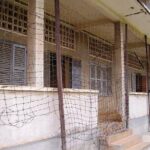
Tuol Sleng is often described as the most notorious interrogation center in Cambodia, and it’s housed in former classrooms turned into holding and detention spaces. The tour explains that between 14,000 and 17,000 prisoners were detained and tortured here. You’ll see the brick cells that were built in former classrooms, and the preserved documentation that helps explain how the Khmer Rouge system operated.
This second stop is also about 2 hours. That matters because Tuol Sleng can feel like sensory overload if you rush. The rooms are small, the details are grim, and the written record is heavy. Translation support helps you process what the displays are saying instead of just trying to read labels while your brain is already overloaded.
Why the guide translation is such a big deal at S-21
At Tuol Sleng, information isn’t just “interesting.” It’s the bridge between what you see—cells, documents, layouts—and what those things represent in real human terms.
Many guides for this route are praised for going beyond basic facts. Names that come up often include Ron, Rouan, Neang, Ohm, Om, Makara, Darian, and Chamroeun. Some are described as having first-hand family ties or childhood experience connected to the era. Even when your guide’s personal story isn’t part of the tour style, the best guides focus on clarity and perspective—so you don’t leave with a pile of dates, you leave with understanding.
The guide makes or breaks the day
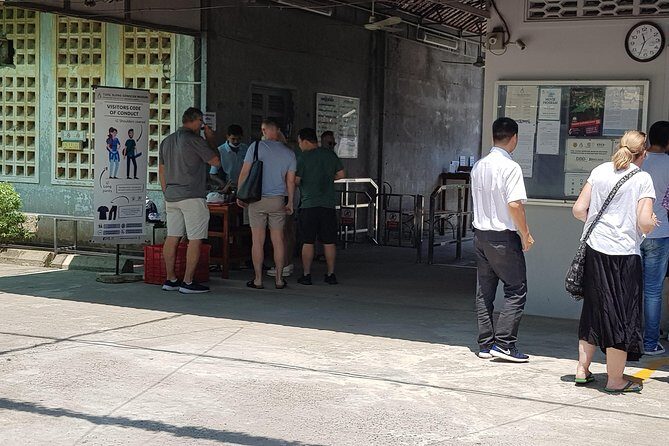
The highest praise in this kind of tour isn’t just about “good information.” It’s about how the guide handles translation, pacing, and difficult questions without turning the day into a cold lecture.
You’ll often hear that English can be very clear. At least one guide was noted for speaking a bit fast, but the overall takeaway is consistent: you’ll get help translating the exhibits and answering questions.
If you’re lucky, you’ll get a guide with standout presentation styles. For example:
- Makara is described as very knowledgeable about both the killing fields and wider Cambodian history, helping visitors understand the bigger context.
- Darian is mentioned as particularly strong at first-hand perspective on what followed the killing fields.
- Ron is praised for putting perspective on a grim topic.
- Chamroeun is highlighted for sharing personal experience as a child during the Khmer Rouge and explaining history with a clear, balanced pace.
- Neang and Ohm/Om are repeatedly mentioned for professional explanations and personal insights that make the events feel more real.
Even if your guide isn’t one of those named examples, the structure is designed to deliver what you need: translation, context, and space for questions.
How to get the most out of your guide
Come with one or two questions ready. Examples that actually help:
- How did the Khmer Rouge’s ideology shape what happened in places like these?
- What’s the difference between what victims faced at Choeung Ek versus Tuol Sleng?
- What parts of this history are most misunderstood by outsiders?
Ask those early, and you’ll feel the day connect faster.
Timing and pace: what a 4 hours 15 minutes day feels like
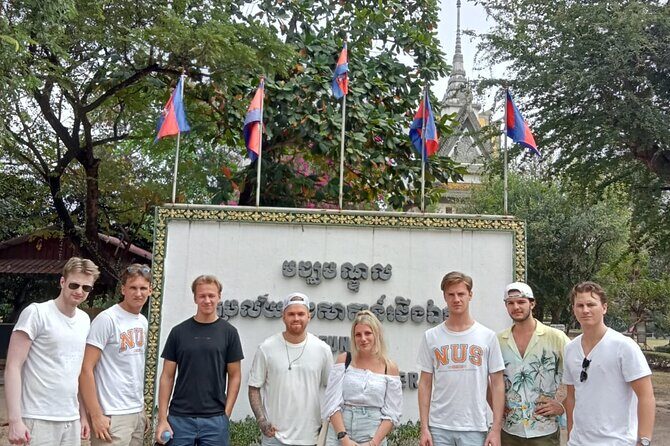
The tour moves in a simple order: Choeung Ek first, then Tuol Sleng. That sequencing works well because Choeung Ek helps you understand the broader system of mass killings, and then Tuol Sleng shows the interrogation and imprisonment pipeline.
At around 4 hours 15 minutes total, you should expect:
- Solid walking at both stops
- Enough time to take in exhibits with guidance
- A steady rhythm—there’s no long “dead time” where you’re waiting around bored in the heat
One practical note: at least one review mentioned initial pickup communication issues that led to some scrambling with the group. The fix is easy: when the tour confirms your timing, pay attention to the message and be ready a bit early near the pickup point.
What to bring and how to handle the emotional weight
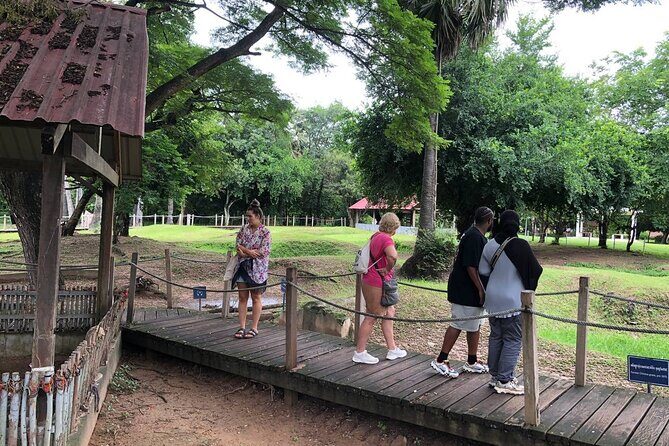
This tour is somber by design. You’re looking at a genocide memorial and a former interrogation site. Even if you’ve read about the Khmer Rouge before, seeing preserved spaces, documentation, and the scale of what happened can hit harder than you expect.
So, plan smart:
- Wear comfortable shoes. You’ll do walking and you’ll want stable footing.
- Bring a light layer. Museums and vehicles can swing between hot and cool.
- Keep your phone away unless you truly need it. These sites aren’t the place for distraction.
If you’re the type who needs closure, give yourself a little private time at each stop to reflect. The tour does include time built in for paying respects, but you’ll still want a moment to just absorb.
And yes, it’s also a history lesson. One of the strongest themes across guide styles is that the topic shouldn’t be forgotten. You’re helping keep awareness alive by learning how and why it happened.
Who this tour suits best (and who should think twice)
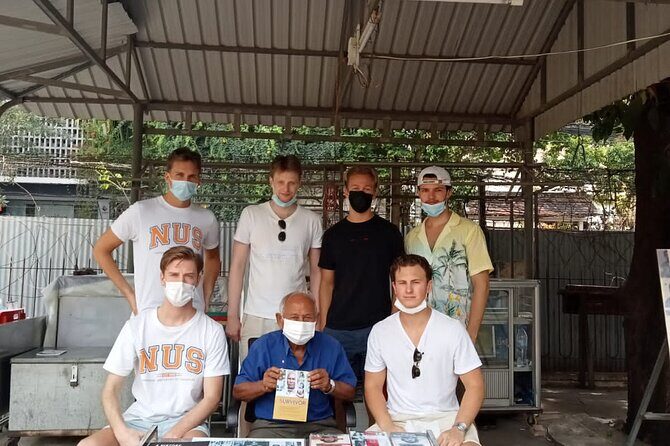
This tour suits you if:
- You want to understand Cambodia’s modern history in a direct, factual way
- You’re okay with emotionally difficult material
- You like guided translation and context, especially when your language skills won’t carry you through every exhibit
It may be less ideal if:
- You prefer light, feel-good sightseeing
- You can’t handle graphic, emotionally intense content
- You don’t want a guide’s interpretation and would rather read everything yourself (because this tour’s value is strongly tied to translation and guided perspective)
Should you book the Killing Fields and Tuol Sleng tour?
My take: Yes, if you want the most important historical visit in Phnom Penh. This pairing is efficient, structured, and guided in a way that makes it easier to understand what you’re seeing. The all-in price is still reasonable once you add admissions, and what you’re buying isn’t just entry—it’s translation, context, and respectful pacing.
Book it if you:
- have a half-day available
- want professional English guidance
- can handle somber subject matter with maturity
Skip it if you’re looking for a casual day out. This is not that.
If you do book, do one more thing for yourself: prepare mentally before you go. Show up sober, listen closely, and let the guide help you connect the facts to the human lives behind them. That’s when the experience becomes not just memorable, but meaningful.
FAQ
What’s included in the Killing Fields and Tuol Sleng tour price?
The tour price includes a professional English-speaking guide and driver, air-conditioned transportation, bottled water, and support during the visit. Admission fees for Choeung Ek and Tuol Sleng are not included.
How long is the tour, and how much time do I get at each site?
The total duration is about 4 hours 15 minutes, with roughly 2 hours at Choeung Ek and about 2 hours at Tuol Sleng.
How much are the admission fees?
Choeung Ek Genocidal Center is USD 3.00 per person, and Tuol Sleng Genocide Museum is USD 5.00 per person.
Is pickup available in Phnom Penh?
Pickup is offered, and the tour starts from the Amanjaya Pancam Hotel area, with the experience ending back at the meeting point.
What’s the group size limit?
The tour has a maximum of 20 travelers.
Do I need good weather for this experience?
Yes. The experience requires good weather; if it’s canceled due to poor weather, you’ll be offered a different date or a full refund.