REVIEW · SIEM REAP
Siem Reap: Angkor Wat Temples & Phnom Kulen Park 3-Day Tour
Book on GetYourGuide →Operated by Angkor Wat Travel Tour · Bookable on GetYourGuide
Angkor at dawn changes everything. This 3-day plan is built around early sunrise at Angkor Wat and a first visit to Banteay Srey, with just enough pacing to enjoy the carvings instead of rushing past them. The tradeoff is simple: you’ll do early mornings and you’ll walk in real heat, so you need decent shoes and sunscreen.
I also like the way this tour mixes the famous with the unusual. You’ll get the jungle mood at Ta Prohm, then cool off with a look at village life on the Tonle Sap. One thing to keep in mind: the schedule is packed, so if you want a slow, lounge-by-the-river style trip, you may feel a bit “on the move” most days.
Plan on temple rules too. You’ll be visiting sacred sites that require covered shoulders and knees/chest, so bring clothing that works for both comfort and respect.
In This Review
- Key highlights worth caring about
- Why this 3-day Angkor + Phnom Kulen combo works
- Day One: Banteay Srey early, then Phnom Kulen’s spiritual backstory
- Day One on Tonle Sap: Kampong Phluk floating village reality check
- Day Two: Angkor Thom’s biggest hits, plus small-circuit temples
- Ta Prohm’s jungle temple effect (and why it works on camera)
- Banteay Kdei and Phnom Bakheng: finishing with sunset light
- Day Three: 5:00 AM pickup and the Angkor Wat sunrise sweet spot
- After lunch on Day Three: Preah Khan, Ta Som, and Neak Pean links
- Car, driver, and guide details that quietly make the trip better
- Price and value: $336 for a private 3-day plan that adds up
- What to pack and how to handle temple dress code and heat
- Who should book this Siem Reap 3-day tour
- Should you book it? A quick decision guide
- FAQ
- What time do you pick up on Day One, Day Two, and Day Three?
- Is hotel pickup included?
- Is this a private tour, and how many people are in a group?
- What’s included in the tour price?
- Are the temple tickets included?
- Does the tour include the Landmine Museum?
- What should I bring for temple visits?
- Is the tour suitable for kids or older travelers?
Key highlights worth caring about
- Banteay Srey first, before crowds: Start early to see the “most intricately carved” temple with fewer photo interruptions.
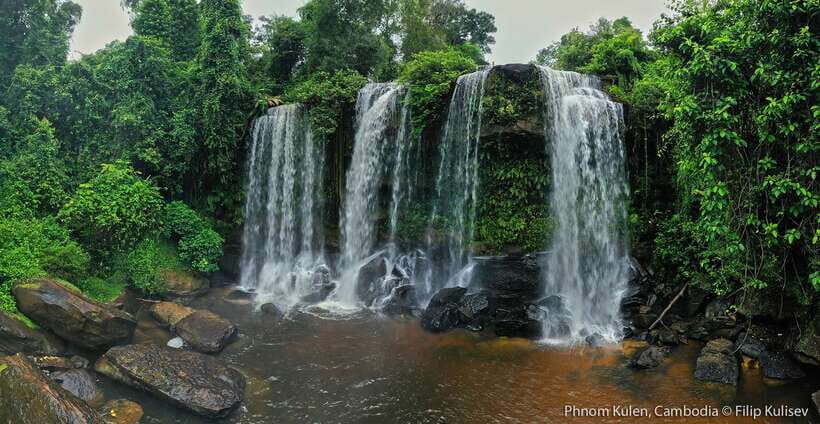
- Phnom Kulen’s origin story: You’ll visit the mountain tied to the royal cult start in 802 AD.
- Tonle Sap floating village in Kampong Phluk: A real look at how life adapts to the lake.
- Angkor Thom’s major stops in one sweep: South Gate, Bayon, terraces, and the Khleang buildings.
- Ta Prohm’s jungle temple feel: The iconic setting associated with Tomb Raider scenes.
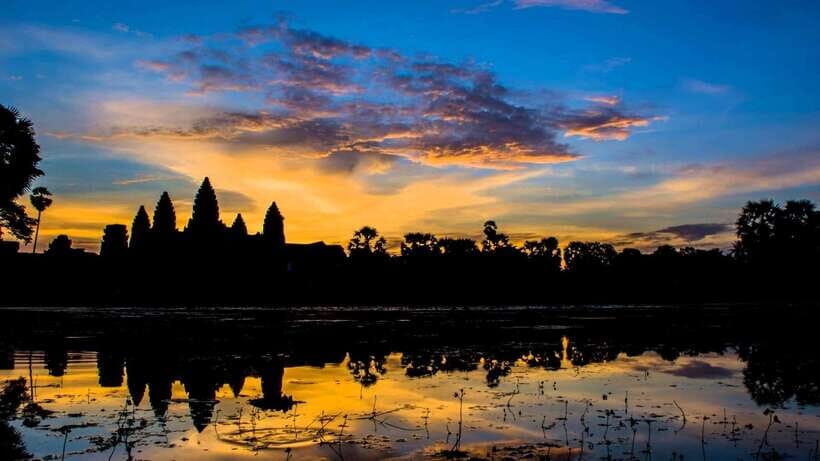
- Two signature light moments: Sunrise at Angkor Wat and sunset at Phnom Bakheng.
Why this 3-day Angkor + Phnom Kulen combo works
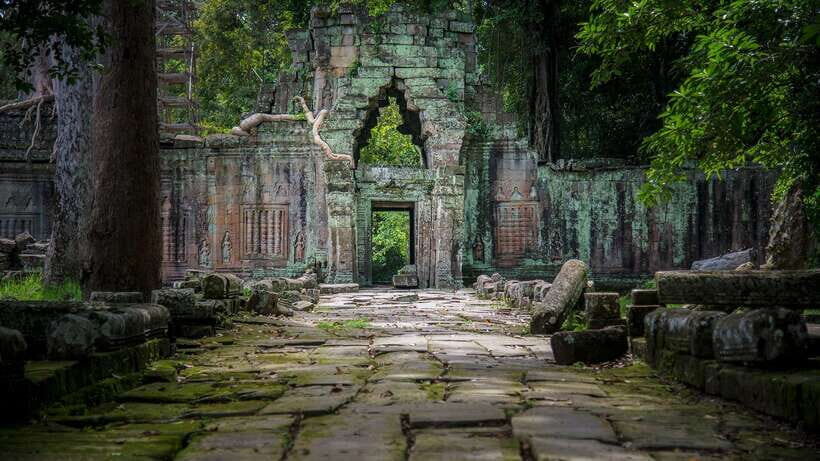
Angkor can be overwhelming. After a day of temples, everything starts to look the same in the worst way. What I like about this tour is that it builds in variety: fine-detail stonework at Banteay Srey, the grand geometry of Angkor Thom, the jungle spectacle of Ta Prohm, and then a change of scenery with Phnom Kulen National Park and lake life on Tonle Sap.
You’re also not doing this in a giant bus crush. This is a private group experience, up to 3 people, with an English-speaking guide and car/driver included. That matters because your guide can slow down at the bits you’ll actually notice—carvings, stonework, and the little layout details that make these places feel designed, not random.
The big practical consideration is stamina. Most of the time you’re walking, climbing, and standing in sun. For me, that’s not a dealbreaker, but it is a reality check: if you dislike heat or long days, you’ll want to plan your pace and hydration carefully.
A few more Siem Reap tours and experiences worth a look
Day One: Banteay Srey early, then Phnom Kulen’s spiritual backstory
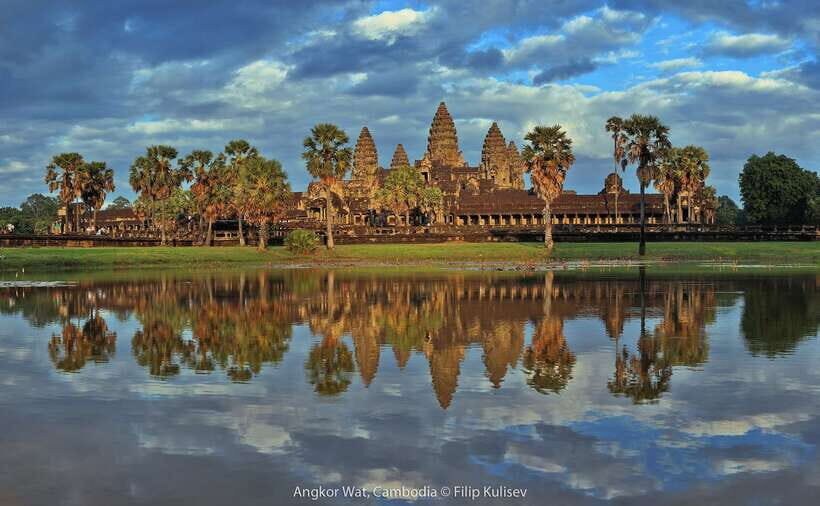
Your Day One starts with pickup at 7:30 AM from hotels in Krong Siem Reap. The driver and English guide take care of the first “must-do” task—getting your 3-day temple pass—then you head straight to Banteay Srey early enough to beat the crowd swell.
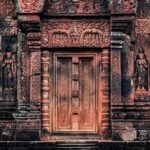
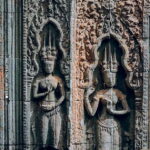
Banteay Srey is called the most intricately carved temple in all of Angkor, and that reputation holds up in person. It’s the kind of place where you’ll want time to look up at faces, patterns, and motifs without feeling like you’re fighting other people for a clear angle. The early start helps because later in the day, the temple becomes a photo bottleneck.
On the way, you pass traditional Khmer villages and palm sugar plantations, which gives your brain a break from pure Angkor stone. That “in-between” scenery is useful. It helps you remember that this isn’t a theme park set in the jungle—it’s a living region with farming and daily life nearby.
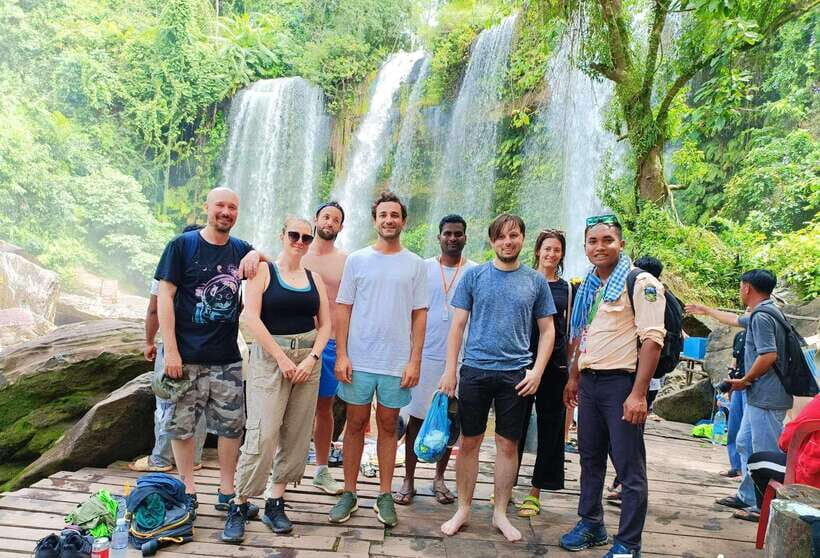
Late Day One is where Phnom Kulen enters, and the framing is more than sightseeing. This is the mountain tied to King Jayavarman II initiating the royal “God of the King” Linga cult in 802 AD. Even if you don’t memorize dates, you’ll feel the importance of place: it’s a pause from the flat temple city and a move back into the idea of origins and power.
There’s also an optional stop: the Landmine Museum (admission not included; $5). If you’re the type who appreciates context, it can add weight to the day. If you’d rather keep the focus on temples and nature, you can continue straight to Phnom Kulen instead.
Day One on Tonle Sap: Kampong Phluk floating village reality check
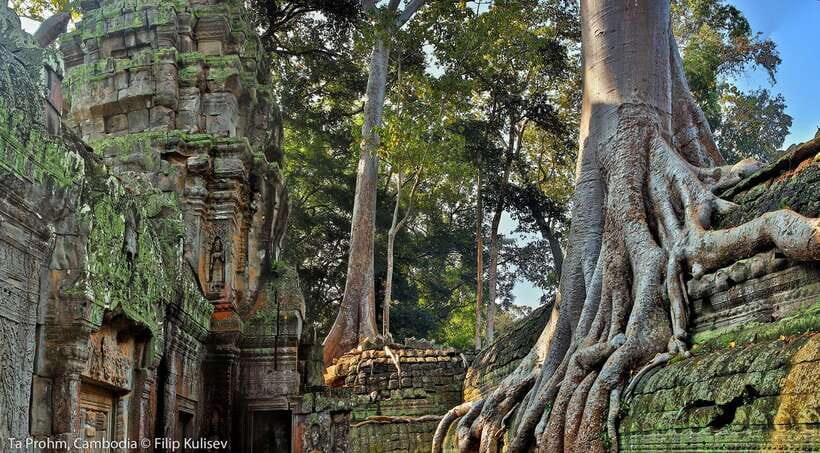
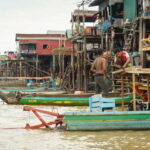
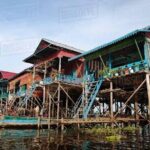
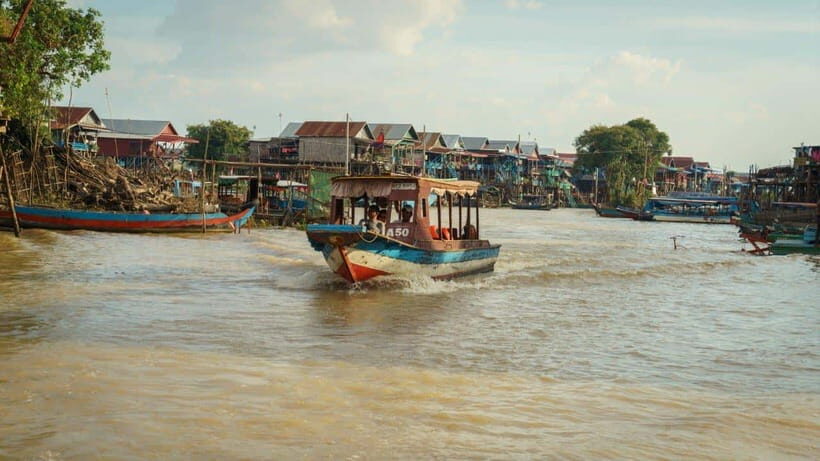
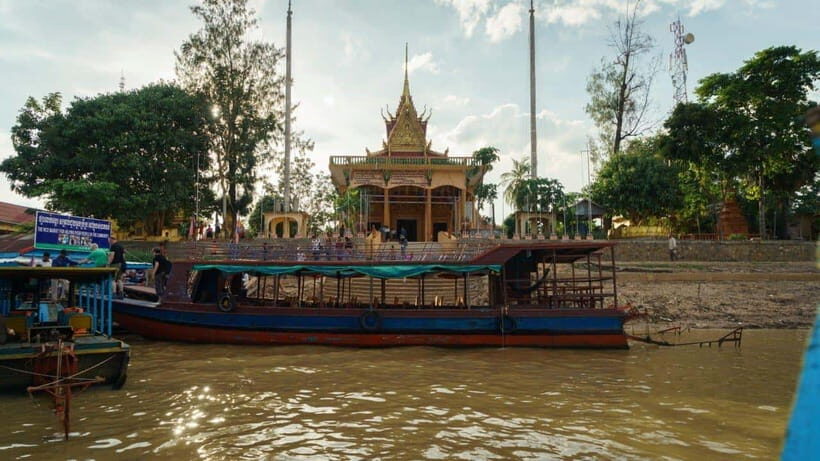
After your Phnom Kulen time, Day One finishes with Kampong Phluk on Tonle Sap Lake. This is the floating village area where homes and community routines flex with the lake’s seasonal rise and fall.
I like that this stop breaks up the “temple-only” rhythm. In Angkor, everything is stone and design. On Tonle Sap, it’s practical architecture and daily survival skills. The result is a different kind of wow: not carvings and arches, but human adaptation.
One tip: keep your expectations grounded. You’re not looking for a luxury “floating resort” vibe. You’re looking at a real community that lives with the lake’s changes. If you approach it with curiosity (and good manners), the experience feels meaningful instead of scripted.
Day Two: Angkor Thom’s biggest hits, plus small-circuit temples
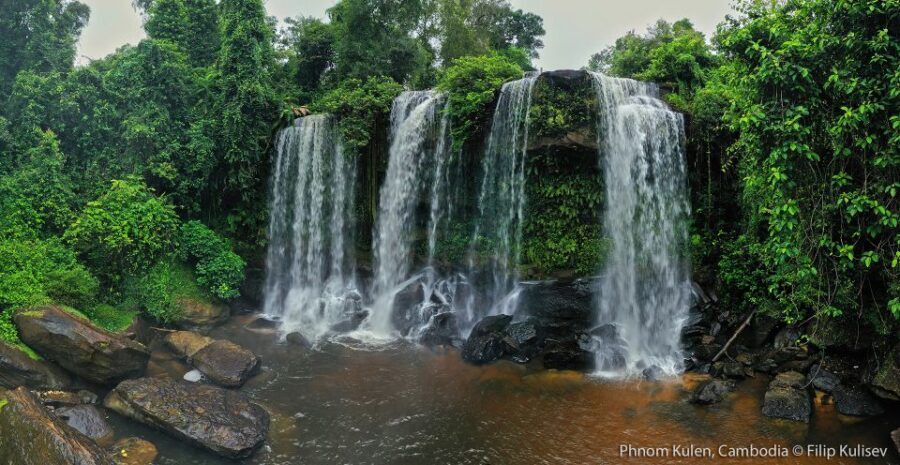
Day Two pickup is 8:00 AM. You’ll start at Angkor Thom, the fortified city with the famous “South Gate” entrance and a cluster of major monuments.
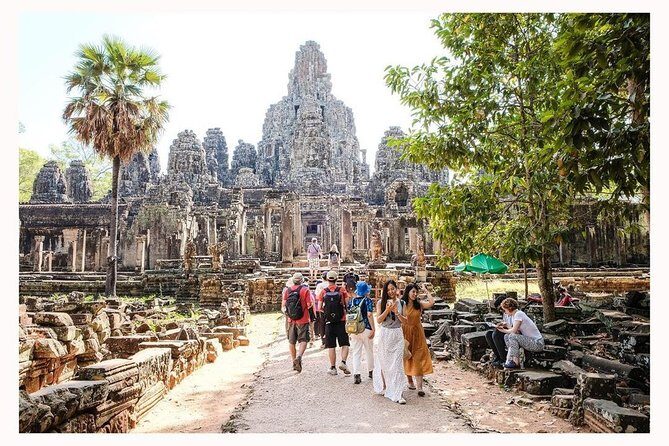
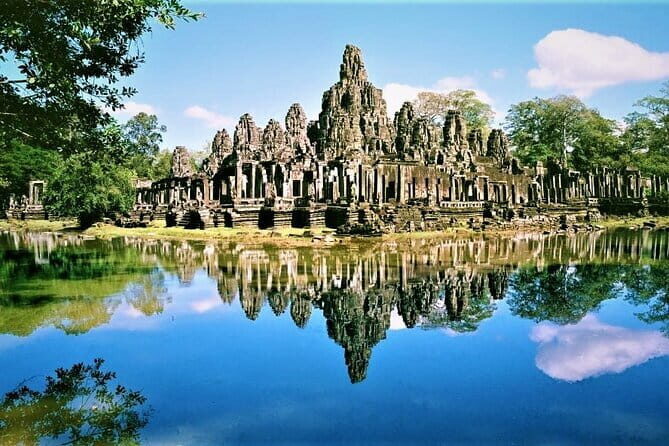
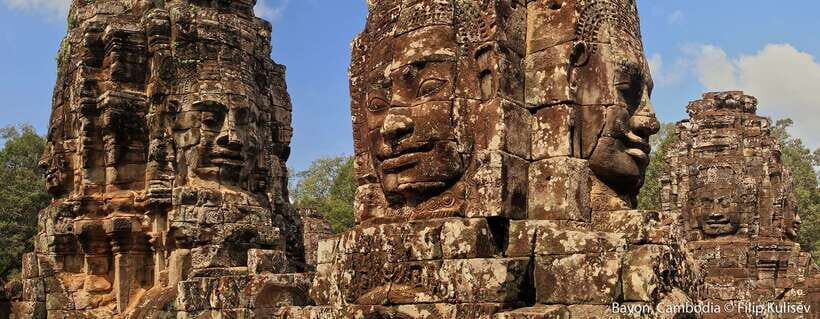
This day gives you a strong overview, and that’s the value: in one loop, you’ll see the South Gate of Angkor Thom, Bayon, Baphuon, Phimeanakas, and the Terrace of the Elephants and Terrace of the Leper King. You’ll also pass by North Khleang and South Khleang. That’s a lot of important structures packed into a single flow, and it helps you understand how Angkor functioned as a system—not just a set of standalone temples.
Then you shift to smaller stops in what’s often called the small circuit, including Chau Say Tevoda, Thommanon, and Ta Keo. These smaller temples are useful for a simple reason: they let your eyes reset. Big temples demand attention; small ones let you notice the details without the overwhelm.
Lunch gives you a breather. After that, the tour continues into a different mood at Ta Prohm.
Ta Prohm’s jungle temple effect (and why it works on camera)
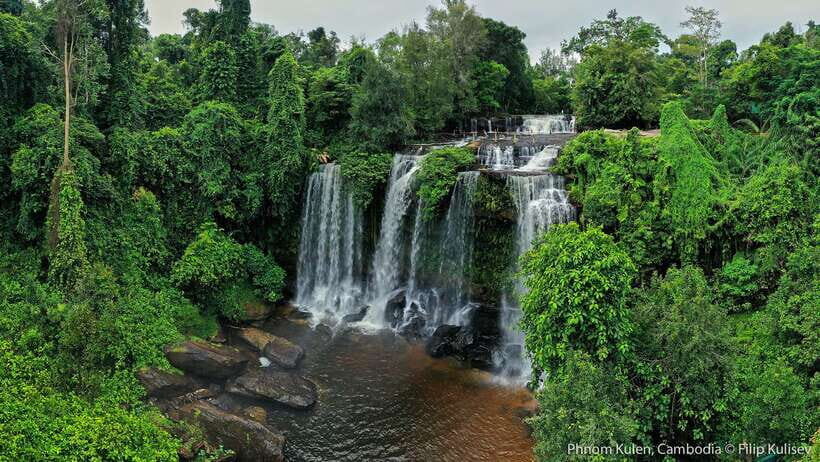
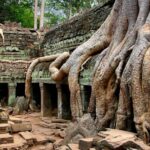
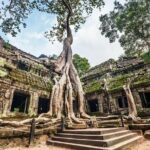
Ta Prohm is the temple you’ll recognize fast. It’s famous for the tangled tree roots and the “ruins swallowed by nature” look, and it’s also the setting tied to Tomb Raider scenes.
What I like here is the shift in atmosphere. Angkor Thom is a planned stone city. Ta Prohm feels like the city got interrupted by time. The roots and overgrowth add movement to your field of view, so even when you’re standing still, it feels active.
If you care about photos, this is a strong day for it. Some guides on this style of tour are known for photo timing and positioning, helping you get good shots without spending your whole visit standing in the wrong place. That can be the difference between a decent camera roll and a set of images that actually captures what the temple feels like.
Banteay Kdei and Phnom Bakheng: finishing with sunset light
After Ta Prohm, you head to Banteay Kdei, a Buddhist temple where you explore at your own pace after lunch. This stop is a good change of pace because it’s less about sprinting between landmarks and more about letting the monument “settle” in your eyes.
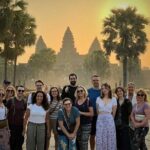
Then you move toward Phnom Bakheng to catch sunset. The idea is simple: you’re not just seeing another temple. You’re seeing the way Angkor looks when the sun changes color and shadows stretch across towers and courtyards.
One consideration: sunset time means more people arriving. Wear breathable clothes you can keep moving in, and plan on standing and walking on uneven ground. Start hydrating early; heat is still heat even when the sun starts going down.
Day Three: 5:00 AM pickup and the Angkor Wat sunrise sweet spot
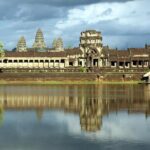
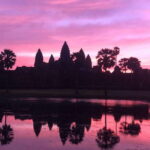
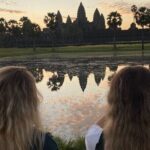
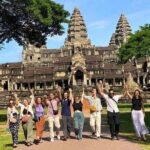
Day Three is the big light show. Pickup is 5:00 AM so you can be at Angkor Wat for sunrise. The timing matters because early arrivals get the monument before the biggest waves of visitors.
You’ll also get a chunk of time to explore Angkor Wat on your own after the sunrise moment, with your guide there to help you focus and understand what you’re seeing. Angkor rewards looking slowly, not just taking a quick walk. Sunrise gives you a chance to do that while the crowds are still thinning out.
If you like history framing, guides tend to share the meaning behind carvings and architectural choices, not only facts. And if you’re more visual, the guide still helps you notice what makes Angkor Wat different from other temples: proportions, axis alignment, and the way reliefs are arranged to pull your gaze.
After breakfast time and continued exploring, you’ll visit temples like Pre Rup and Banteay Samre. These are a good pairing because they diversify the feel of your final day.
After lunch on Day Three: Preah Khan, Ta Som, and Neak Pean links
Post-lunch, the tour continues with a set of temples that are less “poster-only” than Angkor Wat, but still important: East Mebon, Ta Som, Neak Pean, and Preah Khan.
I like this part because it turns your last hours into a “connect the dots” phase. You start noticing motifs that repeat across Angkor, plus differences in how each temple balances entrances, courtyards, and sacred spaces.
On the way back to your hotel, you pass local villages and you may want to stop for photos. This isn’t a major sightseeing component, but it’s a nice end cap. It helps the day feel less like a straight line of ruins and more like an actual travel day through the region.
Car, driver, and guide details that quietly make the trip better
This tour includes a car (Mini LEXUS RX300) or a minivan (Mercedes Istana), with gasoline and a driver. That’s not just comfort. It’s also time efficiency. In Siem Reap, moving fast between sites without getting stuck waiting for transportation is a real value.
You’ll also get pure mineral drinking water and cold handkerchiefs. One account specifically highlights how the driver kept chilled water going and offered a lemon-scented cold cloth. Those small comfort touches matter more than you think during a hot multi-day temple run.
Umbrellas are included during the rainy season, which is useful if weather flips suddenly. I recommend still packing your own sun protection even when you see clouds.
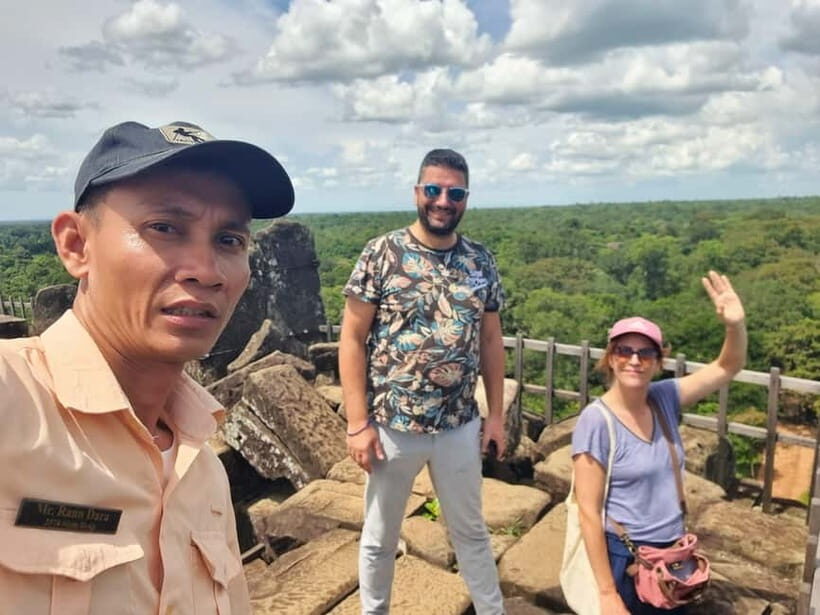
On guiding style: several named English guides are associated with this experience—people like Paul, Prai m (spelled Praim), Noy, Samuth, Sa, and Hear Praim (noted as a top photographer). The common thread is adaptation. Guides who adjust to your pace help you avoid that frustrating “everyone must keep up” feeling.
Price and value: $336 for a private 3-day plan that adds up
At $336 per group (up to 3 people) for 3 days, the value comes from bundling what’s expensive and annoying on your own: licensed driver time, an English guide, and transportation between sites. The entry tickets are not included—your 3-day temple pass and Phnom Kulen ticket are extra—plus Landmine Museum costs $5 if you choose it.
So how do you decide if it’s worth it? If you’re traveling as a pair or small group, the private car and guide usually pencils out well versus piecing together daily tuk-tuk or private drivers and then trying to coordinate timing for sunrise. Also, sunrise and sunset visits are where guided timing helps most. You’re trying to catch specific light and fewer crowds, and that’s when having a plan beats spontaneity.
You’ll also get included basics (water, cold cloths), which reduces the cost and hassle of hunting for these mid-day.
What to pack and how to handle temple dress code and heat
This is a hot, active tour most of the year. Plan for sweating, not pretending you’ll magically stay cool.
Bring:
- Comfortable shoes for uneven paths
- Sunscreen and ideally a hat
- Insect repellent
- Clothes that match the temple dress code: shoulders, knees, and chest covered for all genders
The tour emphasizes hydration and sun protection, and that’s not advice you should ignore. If you get behind on water, you’ll feel it fast during long temple days.
In terms of pacing, this kind of schedule works best if you treat it like a workout: short breaks, steady water sips, and a willingness to slow down for carvings. If you rush to “check boxes,” you’ll miss the parts that make Banteay Srey and Ta Prohm feel special.
Who should book this Siem Reap 3-day tour
Book this if you want:
- A structured route that still leaves time to wander at key sites
- Sunrise Angkor Wat and a sunset at Phnom Bakheng
- Major Angkor hits plus nature and lake life with Phnom Kulen and Kampong Phluk
- A private setup with an English-speaking guide who can adjust to your group’s pace
This can also work for a range of ages. The tour is listed as suitable for all ages, which is a good sign if you’re planning around kids or grandparents. Just remember: the early mornings are real, and you’ll still be doing walking and climbing.
Should you book it? A quick decision guide
If your dream trip is seeing the best of Angkor without spending your vacation micromanaging logistics, I’d say yes. The combination of Banteay Srey, Tonle Sap, Ta Prohm, and the paired light moments (sunrise plus sunset) gives you variety that most Angkor-only plans miss.
If you know you hate early mornings, or if you want lots of free time with minimal driving, you might feel the schedule pressure. In that case, you may prefer a more relaxed temple plan and skip sunrise-related commitments.
My practical advice: if you can handle the heat and the early pickup, this is a strong value way to make Angkor feel like a journey instead of a frantic checklist.
FAQ
What time do you pick up on Day One, Day Two, and Day Three?
Day One pickup is suggested for 7:30 AM, Day Two is 8:00 AM, and Day Three is 5:00 AM for sunrise.
Is hotel pickup included?
Yes. Pickup is included from hotels in Krong Siem Reap.
Is this a private tour, and how many people are in a group?
Yes, it’s a private group experience. The price is per group up to 3 people.
What’s included in the tour price?
You get a car or minivan with gasoline and a driver, a fully licensed English-speaking tour guide, pure mineral drinking water, cold handkerchiefs, and umbrellas during the rainy season.
Are the temple tickets included?
No. You’ll need to purchase the 3-day temple ticket, and the Phnom Kulen ticket is also not included.
Does the tour include the Landmine Museum?
It’s an option on Day One. Admission is not included and costs $5.
What should I bring for temple visits?
Bring comfortable shoes, sunscreen, and insect repellent. You should also dress appropriately and stay hydrated.
Is the tour suitable for kids or older travelers?
Yes. It’s listed as suitable for all ages.