REVIEW · SIEM REAP
3-Day Angkor Wat & All Interesting Major Temples & Kulen Mount Waterfall
Book on Viator →Operated by Happy Angkor Tour · Bookable on Viator
Angkor in three days is a sprint, but it’s a smart one. You get the big hits at a pace that makes sense, plus a nature day at Phnom Kulen with a real waterfall swim and a stop at 10th-century style stone chaos. I especially like the way the tour pairs an English, licensed guide with the right temples at the right time, including Angkor Wat sunrise on Day 3.
My other favorite part is the comfort and flow. You’re in a private A/C vehicle with driver, and the tour supplies cool drinking water and wet towels, which matters fast in Siem Reap heat. I also like that the route mixes major complexes with calmer moments like Ta Nei and the royal-era ruins inside Angkor Thom.
One consideration: this is a full schedule, with long temple walks and early starts. You’ll also need to budget extra for admission fees (and Kulen’s entrance), on top of the tour price, so the total cost can creep up if you don’t plan for it.
In This Review
- Key highlights worth your attention
- Why this 3-day Angkor + Kulen plan makes sightseeing easier
- Morning starts and how the sunrise day changes everything
- Angkor Wat, Ta Prohm roots, and the smaller stops that feel calmer
- Victory Gate, Bayon’s faces, and royal terraces you can actually interpret
- Phnom Bakheng at sunset: a great idea, with a real time limit
- Phnom Kulen National Park: 1000 Lingas and the waterfall swim
- Banteay Srei, Banteay Samre, and Pre Rup: the temple trio with different vibes
- Preah Khan to Rolous Group: a quieter path through Khmer power
- Artisans Angkor and Psar Chaa: where your trip becomes more than temples
- Price and value: what $248.50 covers and what to add
- Who this tour fits best (and who might want to think twice)
- Should you book this 3-day Angkor Wat & Kulen tour?
- FAQ
- What is included in the tour price?
- Are admission tickets included?
- When does the tour start each day?
- How long is the tour?
- Is the tour private?
- Can I skip certain stops like crafts or the market?
Key highlights worth your attention
- Private, small-group feel with pickup and drop-off at your hotel
- Sunrise at Angkor Wat plus sunset option at Phnom Bakheng
- A realistic Kulen day: 1000 Lingas area and time to swim at the waterfall
- Angkor Thom coverage beyond the obvious: Victory Gate, Bayon faces, and royal terraces
- Hands-on pause in Siem Reap at Artisans Angkor and a market stop you can skip
Why this 3-day Angkor + Kulen plan makes sightseeing easier
Angkor is famous for two things: scale and confusion. You can stand in one place for an hour and still not feel like you’ve done anything. This tour keeps you moving with a clear order and a guide who helps you understand what you’re seeing, including the religious mix of Hindu and Buddhist eras across the same stone corridors.
Because you’re in a private A/C vehicle, you don’t lose your whole day to bouncing around in the heat. The itinerary is also built to avoid doing nothing but Angkor Wat copies all day. You get Ta Prohm’s dramatic roots, quieter temples like Ta Nei, and then you break out of the temple circuit to Phnom Kulen for waterfalls and riverbed carvings.
If you care about photos, the guide element matters. In practice, tours like this often get you to better angles at better times, and the names you’ll hear associated with this route—Mr Chhay, Pal Saruon, Em Somuch, Small Mony, and Chandri—are repeatedly linked with patient storytelling and good timing. That combination can turn a checklist day into an experience that actually makes sense.
A few more Siem Reap tours and experiences worth a look
Morning starts and how the sunrise day changes everything
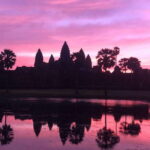
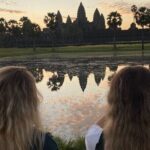
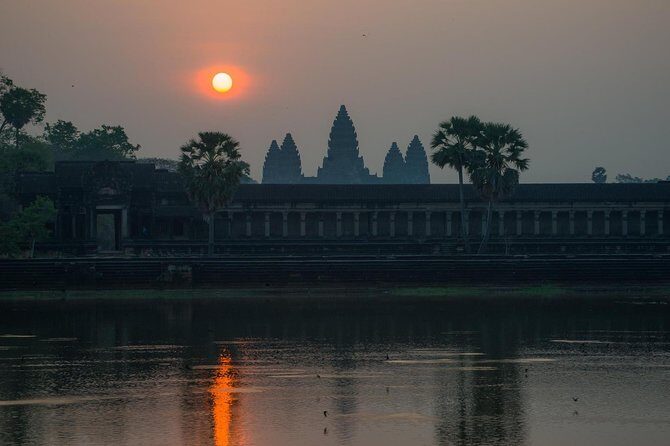
Day 3 is built around an early lift-off, with pickup around 5:00am to catch sunrise at Angkor Wat. That’s not just about waking up early—it’s about beating the crush, getting softer light on stone, and seeing the temple in a different mood than late morning.
The practical side: wear something you can move in, because the morning still gets hot later, and temple steps don’t care about your sleep schedule. Also, bring a hat that won’t try to escape in a breeze and keep water handy.
Sunrise also helps you understand Angkor Wat’s layout faster. When you’re watching the sky brighten across the causeway and towers, it’s easier to see why the builders designed views the way they did. Even if you’ve seen photos before, in-person early light makes it click.
After sunrise, your day continues through major sites like Preah Khan, Neak Pean, Ta Som, and Eastern Mebon, then loops into the Rolous Group. That sequence matters: it’s a lot, but it’s a logical flow from one cluster to the next.
Angkor Wat, Ta Prohm roots, and the smaller stops that feel calmer
You start with Angkor Wat on Day 1 (after an 8:00am pickup), then continue to the iconic jungle-framed temples. Angkor Wat is the opener for a reason: it sets your expectations for what Khmer builders did with stone geometry and religious symbolism.
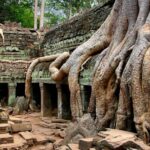
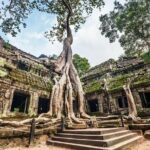
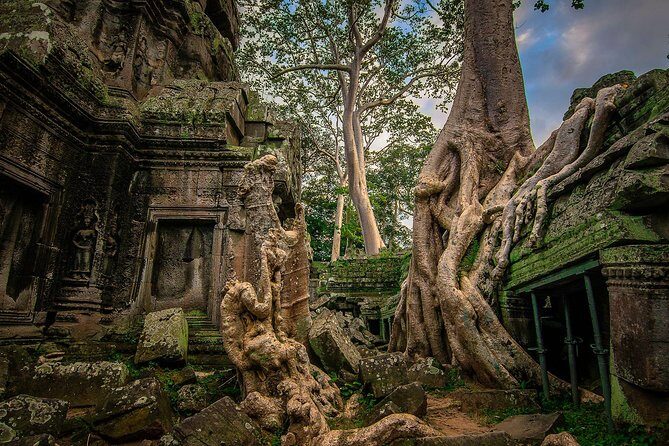
Next up is Ta Prohm, the famous one where massive tree roots wrap around structures. It can feel like a movie set because it basically behaves like one—stone, roots, and light all at dramatic angles. The guide should point out the kinds of surfaces and shapes you’re looking at, so it doesn’t stay a pretty postcard moment.
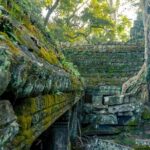
Then you move to Ta Nei. This is where the tour earns a lot of respect from people who don’t want every minute to be elbow-to-elbow. Ta Nei is smaller and often gets less attention, which lets you slow down and actually see the surrounding trees and the temple’s calmer form. It’s also a good breather after Ta Prohm’s intense, visually loud scenes.
If you’re deciding whether this tour fits your style: the mix of major and less-hyped stops is the big reason it works. You’re not just queueing for the headline sites—you’re getting a sense of the broader Angkor area and the variety of temple scales.
Victory Gate, Bayon’s faces, and royal terraces you can actually interpret
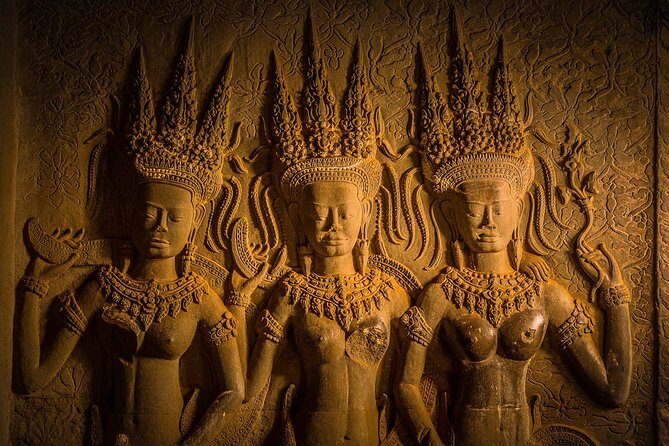
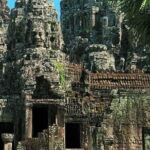
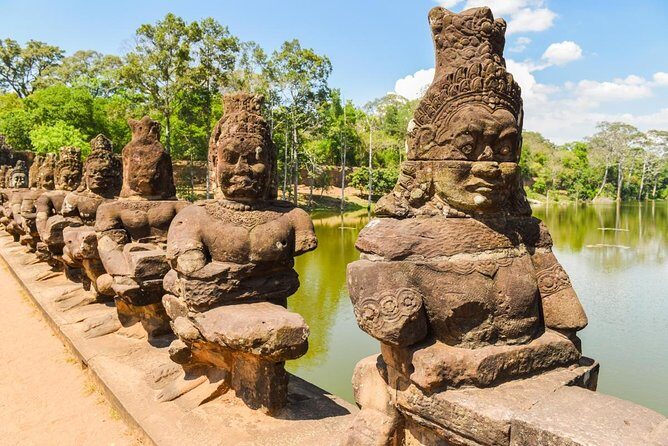
Day 1 moves into Angkor Thom’s core. After a photo stop at the Victory Gate on the east side, you head to Bayon Temple. Bayon is the part everyone talks about for a reason: you see towers with multiple faces on them, and as you walk, those faces seem to change direction with your path.
The guide’s job here isn’t academic—it’s practical. If you know what you’re looking at, the stone stops feeling repetitive. Bayon becomes a way to understand how rulers and visitors experienced sacred space from different angles.
Then the tour includes several royal and Hindu-era features:
- Baphuon Temple, with its history stretching earlier Hindu construction and later additions
- Phimeanakas, a pyramid-style Hindu temple inside the old royal palace area
- Terrace of the Elephants, where carvings depict elephants and kings viewed returning armies
- Terrace of the Leper King, another nearby terrace platform
These terraces can be easy to skip because they aren’t as instantly dramatic as Ta Prohm. But they’re exactly where a good guide helps you connect the dots—why certain scenes were carved, why royal space matters, and how power was shown in stone.
If you like temples that reward walking and reading stone details, this section is a highlight.
Phnom Bakheng at sunset: a great idea, with a real time limit
At the end of Day 1, you climb Phnom Bakheng for a sunset view. The itinerary notes that there’s a limited number of tourists allowed, which is important. That means you shouldn’t assume you can stroll up whenever you feel like it and still get the best spots.
What to do in practice: follow your guide’s pace and instructions closely, and be ready for stairs. The climb isn’t described as optional in the schedule, but you can skip the sunset wait if you don’t want to linger. That flexibility helps if you’re tired, have a lower tolerance for heat, or simply don’t want to gamble your whole evening on timing.
Even if sunset isn’t your thing, the climb itself gives you a different sense of Angkor Thom’s layout from above. It’s one of those views that makes you understand why the Khmer empire built where it did.
Phnom Kulen National Park: 1000 Lingas and the waterfall swim
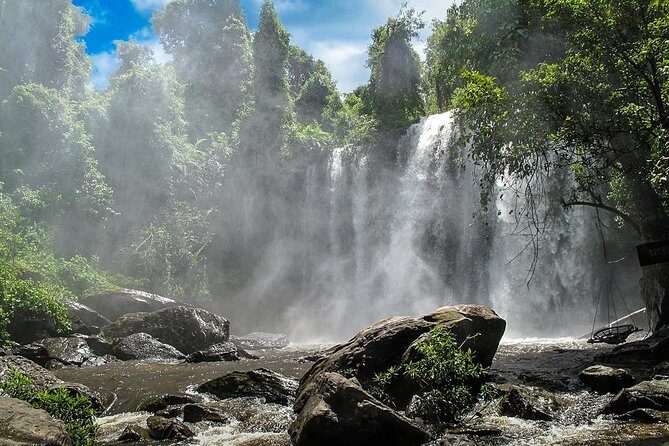
Day 2 is the nature break you probably need after a heavy temple day. Phnom Kulen is more than 60 km from Angkor Park, which means you’ll spend real time in the vehicle. The payoff is that you’re not just seeing more stone—you’re seeing a landscape shaped by stone carvings in a riverbed.
The highlight here is the riverbed area with 1000 Lingas, described as lingas dedicated to Shiva’s supreme essence. If you’ve only experienced Angkor as architecture, this section grounds it in religious practice and symbolism outside the big temple mountains.
Then the day turns to the best moment on paper: the waterfall at Phnom Kulen National Park, where you can swim. That’s a rare thing in a temple-focused program. It also changes the pace. You’re not walking for every minute, and that matters for your energy level.
Practical advice: bring or wear something you can get wet and change afterward if you need comfort. The tour provides wet towels, but it won’t replace dry clothes magic.
If you’re hoping for a strong contrast between temple sightseeing and nature, this is the day that delivers.
Banteay Srei, Banteay Samre, and Pre Rup: the temple trio with different vibes
Back in the temple world, Day 2 continues with three stops that balance beauty, quiet, and symbolism.
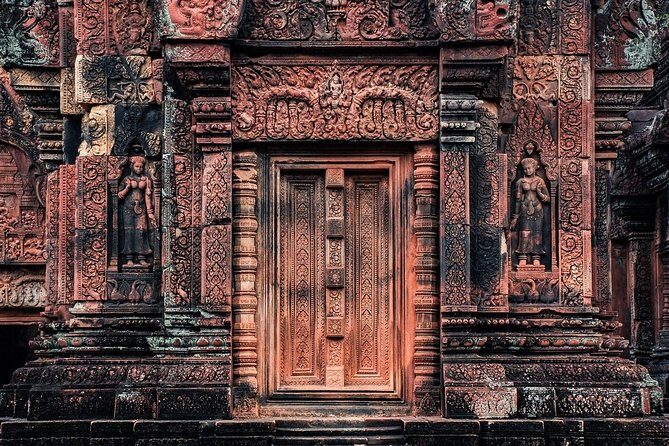
Banteay Srei, also called the Ladies Temple, is built from pink sandstone and linked to Hindu dedication to the trinity gods, with a 10th-century association to King Rajendravarman II. This temple often feels more delicate than the massive city-temple monuments, so it’s a nice shift in scale.
Next is Banteay Samre, a Hindu temple from the 12th century. The description notes that its architecture doesn’t show obvious clues in the same way as some other sites, but it’s believed to follow models like Angkor Wat. That makes it a good stop if you like temples that encourage you to ask questions—what you can see, what you can’t, and why that matters.
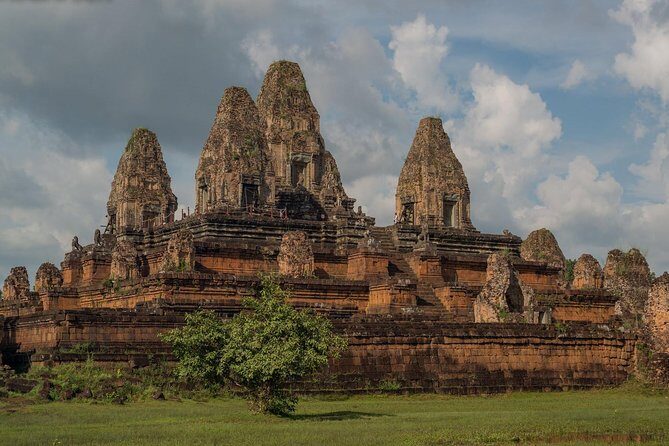
Then comes Pre Rup, a late 10th-century temple dedicated to Hindu gods. The notes mention beliefs around funeral rituals and that the temple was used in that spiritual context. It’s a different mood than triumphal terraces. You walk through and feel the intent: this is sacred space tied to endings and memory, not only victories.
Preah Khan to Rolous Group: a quieter path through Khmer power
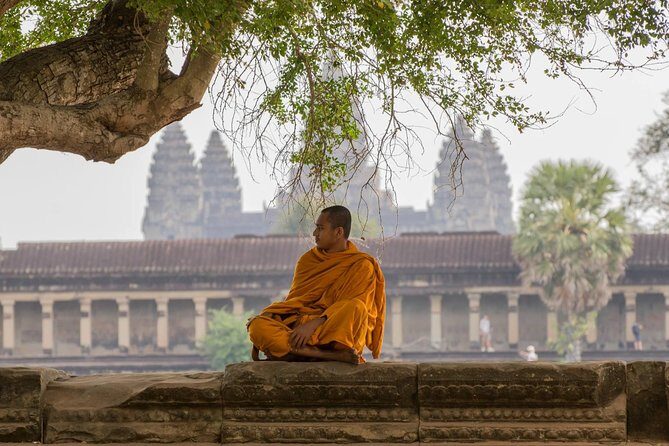
Day 3 after sunrise continues with Preah Khan, Neak Pean, Ta Som, Eastern Mebon, and then the Rolous Group stops: Lolei, Preah Ko, and Bakong.
Preah Khan is described as a Buddhist temple built by King Jayavarman VII and dedicated to his father. This is a big theme you’ll notice all over Angkor: the same stone universe used across centuries, changing religious labels without wiping out the architectural DNA.
Then you get Neak Pean, a small island temple in the middle of the last Barray (a water reservoir area). Water is part of its design logic, and it gives a calmer stop between temple clusters.
Ta Som is another smaller Buddhist temple on the east side of Neak Pean—good for a quick reset, especially after walking through larger sites.
Eastern Mebon rises in three levels with five towers, and the description mentions elephant statues at corners. Even if you only spend a short time there, it’s a useful anchor point to help you keep track of how each complex is arranged.
Rolous Group includes Lolei, Preah Ko, and Bakong. Bakong is called the first temple mountain of sandstone and the biggest temple in that cluster. The best value of this segment is that it teaches you Angkor is bigger than the headline photos. You’re seeing older styles and different builder choices.
Also, there’s a lunch break at a good restaurant along the way, which helps keep the pace sustainable.
Artisans Angkor and Psar Chaa: where your trip becomes more than temples
After temple-heavy days, it’s smart that the tour includes a cultural and shopping stop.
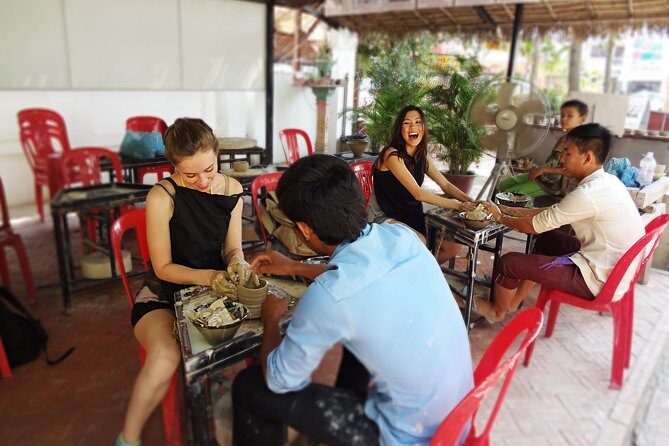
Artisans Angkor focuses on traditional craft skills and products like stone carving, wood carving, lacquering, gilding, and silk processing. If you like seeing how art is made—especially when it connects to local materials and old techniques—this can feel like a nice payoff. If you’re not in the mood, the itinerary explicitly allows you to skip it.
Then there’s Psar Chaa, the old market in the center of Siem Reap. It’s a straightforward look at daily life and local shopping. Again, it’s optional in the schedule if you want to keep your day moving.
My take: both stops are best as a short reset, not a replacement for anything you actually care about. Use them for 30 minutes of perspective, then decide if you want to linger.
Price and value: what $248.50 covers and what to add
At $248.50 per person for a 3-day program, you’re mostly paying for three things:
- a private A/C vehicle and driver
- pickup and drop-off from your hotel
- an English-speaking licensed guide plus the time and planning to move you between sites
That’s a decent value in a place where time lost to logistics can ruin the day. The guide component is the multiplier here. Without it, Angkor can turn into a photo session with little context. With a guide, you’re more likely to walk out understanding what you saw and why it matters.
But you must budget extra:
- Angkor Wat + all temples admission: $62 per person
- Kulen mountain entrance: $20 per person
- Meals: lunch varies by menu, listed as $5 per person depending on what’s offered
So the real total cost is closer to the tour price plus those entrance fees (and your lunch choices). If you like to travel with a clear budget, calculate it before you book.
A small plus: the tour includes mobile ticket and pickup logistics, plus cool water and wet towels—those are small costs that add up when you’re sweating between sites.
Who this tour fits best (and who might want to think twice)
This experience suits you if you want:
- a guided, well-paced overview of the major Angkor temples
- a nature day at Phnom Kulen with a waterfall swim option
- sunrise at Angkor Wat without having to plan transport and timing yourself
- a private group setup where you can go at your own interest level
It may not fit as well if you:
- hate early mornings (Day 3 pickup is around 5:00am)
- prefer super slow sightseeing with lots of free time
- are sensitive to stairs and long walks, especially with the Phnom Bakheng climb
If you’re traveling with friends and want a private setup, this tour can feel efficient. If you’re traveling solo and want independence, it still works, but you’ll be trading some freedom for the guide’s structure.
Should you book this 3-day Angkor Wat & Kulen tour?
I’d book it if you want a single plan that covers the big Angkor sights, adds Phnom Kulen, and keeps logistics under control with a private A/C vehicle and licensed English guide. The strongest reasons are the sunrise Angkor Wat, the Phnom Kulen waterfall swim, and the balance of major temples with calmer stops like Ta Nei and other less frantic points.
Skip it if you want maximum freedom to wander, or if you’re not willing to pay the added temple entrance fees and handle an early morning. Also, if you’re likely to feel overwhelmed by a packed schedule, you might prefer a slower temple-only plan.
FAQ
What is included in the tour price?
The tour includes a private A/C vehicle with driver, an English speaking licensed guide, cool drinking waters and wet towels, parking fees and road tolls, and hotel pickup and drop-off. Meals and temple entrance fees are not included.
Are admission tickets included?
No. You’ll need to pay admission separately. The Angkor Wat plus all temples admission is listed as $62 per person, and Kulen mountain entrance is listed as $20 per person.
When does the tour start each day?
Day 1 pickup is scheduled for 8:00am. Day 3 is an early start for sunrise, with pickup scheduled at 5:00am. Day 2 begins with a drive to Phnom Kulen, listed as more than 60 km away.
How long is the tour?
The experience is listed as 3 days (approx.).
Is the tour private?
Yes. It’s described as a private tour/activity, and only your group participates.
Can I skip certain stops like crafts or the market?
Yes. Artisans Angkor and Psar Chaa (old market) are listed as optional if you don’t want to see them, so you can skip those parts and keep moving.