REVIEW · SIEM REAP
3-Day Tour (The Historical of Khmer Empire)
Book on Viator →Operated by Hidden Angkor Tour · Bookable on Viator
Three days. One giant Khmer story.
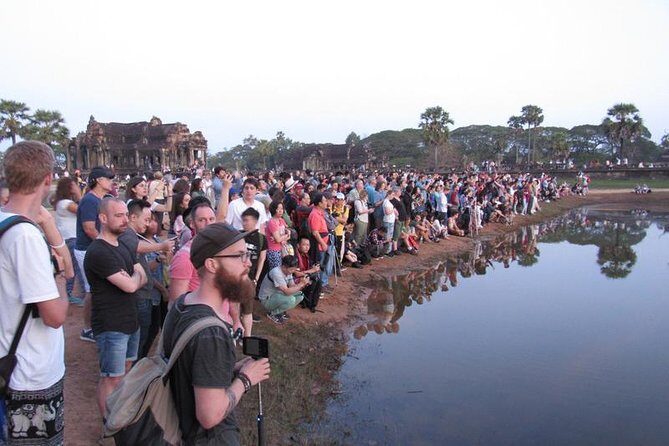
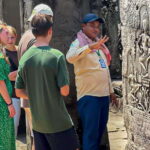
This private tour is built for people who want to see major Angkor sites without feeling herded. You get an English-speaking guide, an air-conditioned vehicle, and a steady pace from 8:00am to about 5:00pm each day, with early temple time that helps you dodge some of the worst crowds. I especially like the early starts and the fact that your day is guided, not improvised.
My second big win is the way the guide connects temples to what came before and what each place was for—then helps you time photos and viewpoints. In some past groups, guides like Mr. Veasna have been singled out for their clear explanations, and drivers such as Mr. Vandy or Mr. Sophan for on-time, smooth hotel pickups. The one real consideration: the Angkor Archaeological Site entrance pass isn’t included, so you’ll need to budget for that separately, plus lunch is on your own.
If you want a family-friendly, no-stress plan across classic Angkor monuments and “off the main loop” ruins, this is the kind of tour that makes the whole trip feel organized.
In This Review
- Key takeaways before you go
- Entering the Khmer Empire: why this 3-day plan works
- Day 1: Angkor Thom first, then Banteay Srei and Samre
- Bayon Temple and the faces you can’t unsee
- Baphuon, Elephant Terrace, and Leper King Terrace
- Preah Palilay in the shade, then Banteay Srei for delicate carvings
- Banteay Samre and the optional sunset at Pre Rup
- Day 2: Angkor Wat, Ta Prohm, and the Roluos temples
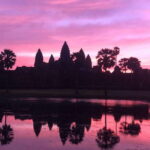
- Angkor Wat at a calm pace
- Ta Prohm: trees in the temple
- Ta Nei, then Roluos Group: Bakong, Lolei, and Preah Ko
- Old Market as your final reset
- Day 3: Koh Ker and Beng Mealea for a wider Khmer story
- Koh Ker: a temporary capital during internal strife
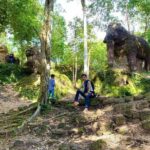
- Beng Mealea: jungle-covered ruins
- Optional sunset back near Pre Rup
- Price and Logistics: what the $250.50 covers (and what you pay separately)
- Your guide, driver, and the private-tour feel
- Dress code, temple etiquette, and what to pack
- Who this 3-day Khmer Empire tour suits best
- Should you book the Historical of Khmer Empire 3-Day Tour?
- FAQ
- What’s included in the 3-day tour?
- Are entrance passes to Angkor included?
- Is lunch provided?
- What time does the tour run each day?
- Do you get picked up from your hotel?
- Is this tour private or shared?
- What’s the dress code for temples?
- Does the tour depend on weather?
- What’s the cancellation policy?
Key takeaways before you go
- Private pacing for real history time: you move temple to temple without waiting for a big bus group.
- Guide-led storytelling with photo-smart stops: you’re not just walking. You’re learning where to look and when.
- A smart mix of the famous and the quieter: Angkor Thom and Angkor Wat plus Koh Ker and Beng Mealea.
- Air-conditioned comfort in heat: cool water and a cool wet towel help between stops.
- Strict dress code at several temples: plan clothing that covers shoulders and knees.
Entering the Khmer Empire: why this 3-day plan works
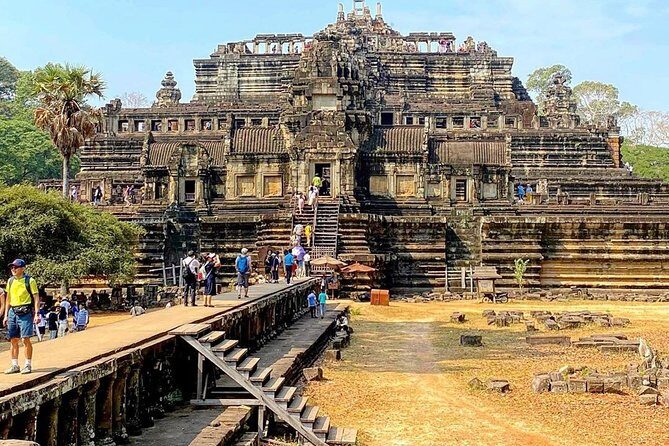
Angkor can feel like a theme park if you treat it like a checklist. This tour steers you the other way. It’s structured enough to keep you moving efficiently, but flexible enough that you can customize your experience. That matters because different travelers need different tempos—kids who tire, older family members, and photographers who want that one angle at the right light.
You’re also getting a rare combination: iconic Angkor architecture on Days 1 and 2, then a turn toward the broader Khmer story on Day 3. Koh Ker and Beng Mealea aren’t the first stops most people pick, and that’s exactly the point. They help explain that Khmer power wasn’t only centered on Angkor Wat. The empire moved, built, and reinvented its capitals.
And yes, the schedule is full. This is not a sit-in-a-café tour. You’ll be walking, climbing a bit, and spending real time in stone spaces. If you’re the type who likes to understand what you’re seeing, you’ll feel like the day “clicks” more than it does on a rushed day-trip.
You can also read our reviews of more historical tours in Siem Reap
Day 1: Angkor Thom first, then Banteay Srei and Samre
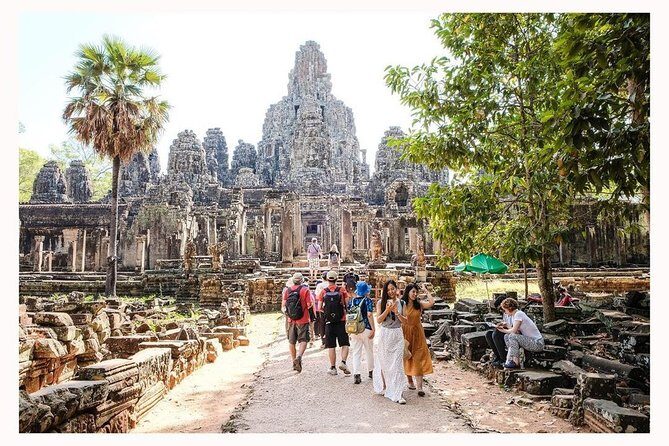
Your first day starts inside Angkor Thom, and it’s a strong opening choice. Angkor Thom is where Khmer temple art gets loud—especially in the Bayon area.
Bayon Temple and the faces you can’t unsee
Bayon Temple is famous for its giant stone faces. The cool part isn’t just the image—it’s how the temple’s design guides you through layers of meaning. Most people spend about an hour here, and that’s the right amount of time to look up, rotate your viewpoint, and notice how the carving styles repeat across towers.
If you like photos, start early. Light changes the mood quickly, and morning tends to be less smoky than midday.
Baphuon, Elephant Terrace, and Leper King Terrace
Next comes Baphuon, a three-tiered temple mountain that was dedicated to the Hindu God Shiva. Even if you don’t know the religious history yet, the tiering gives you an instant “this was built like a statement” feeling.
Then the terraces make the day more fun and more human-scale. The Elephant Terrace runs long along the heart of Angkor Thom, lined with carved elephants and garudas. It’s the kind of detail that rewards slow walking—don’t sprint through or you’ll miss the rhythm.
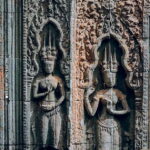
The Terrace of the Leper King (named for the statue above) is different: it’s dense with mythological carvings—nagas, demons, and other figures. This is where the Khmer imagination becomes obvious. You’re not just seeing a temple. You’re seeing a whole story carved into stone.
Preah Palilay in the shade, then Banteay Srei for delicate carvings
After the big sights, the plan adds Preah Palilay, with a sandstone and laterite tower set in a cooler, shaded forest setting. The eastern gopura has Buddhist-themed carvings, so it gives you a change in tone from the earlier Hindu-linked sites.
Lunch is scheduled in the Angkor area, but meals aren’t included—so plan to pay your own way. The tour gives you time to eat, not a pre-paid meal box.
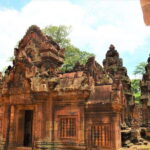
In the afternoon, you hit Banteay Srei, often described as the citadel of women, a reference tied to how delicate the carving work looks. This is a favorite stop for visitors who prefer detail over scale. Carvings here feel fine, and the setting helps you slow down.
A few more Siem Reap tours and experiences worth a look
Banteay Samre and the optional sunset at Pre Rup
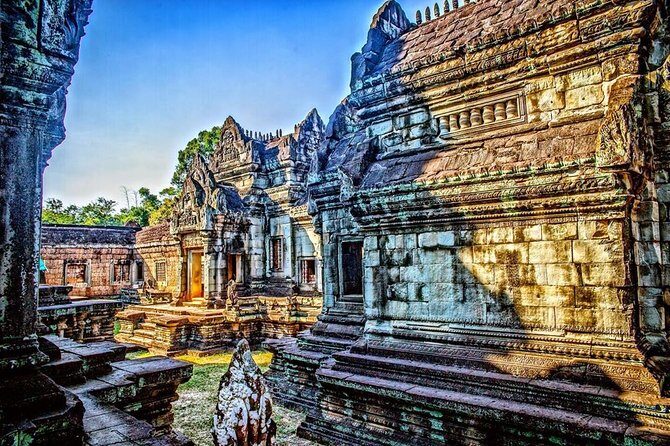
Banteay Samre is larger and flatter, using Angkor Wat-style architecture and artistry. It also comes with legend—about a farmer and a mistaken killing—so the site isn’t just stone; it has a narrative attached that guides your attention as you walk.
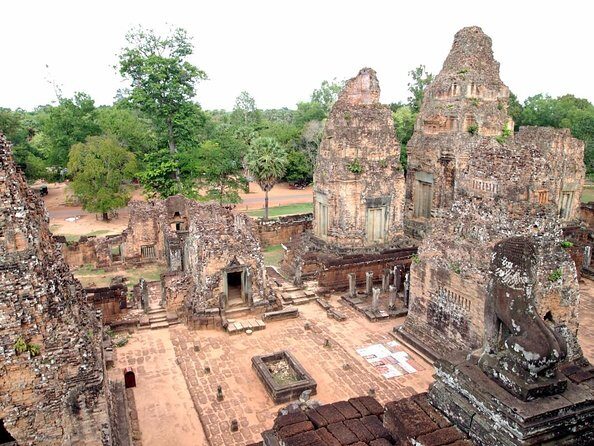
Pre Rup can be added for sunset (or kept as an optional payoff). It’s a temple-mountain with false doors on the upper level, plus views over the countryside. If you’re going to do one sunset at Angkor, this is the kind to consider because it feels like a proper closing chapter to Day 1.
Practical tip: bring a layer. Sunset temps can drop fast enough to make you glad you did.
Day 2: Angkor Wat, Ta Prohm, and the Roluos temples
Day 2 is a heavyweight. You start with Angkor Wat and then move toward the “jungle and drama” side of Angkor through Ta Prohm and beyond.
Angkor Wat at a calm pace
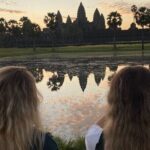
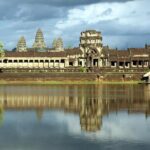
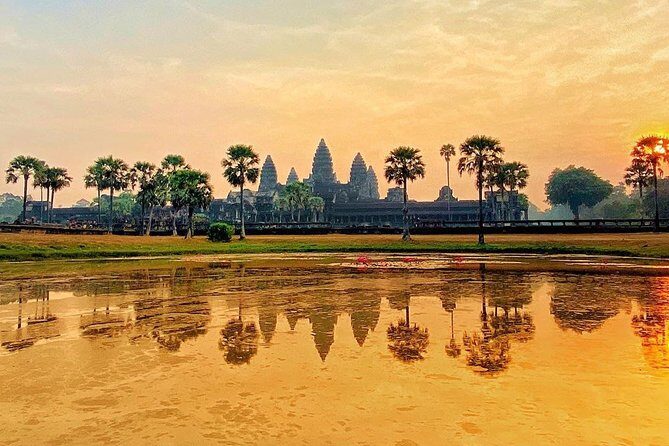
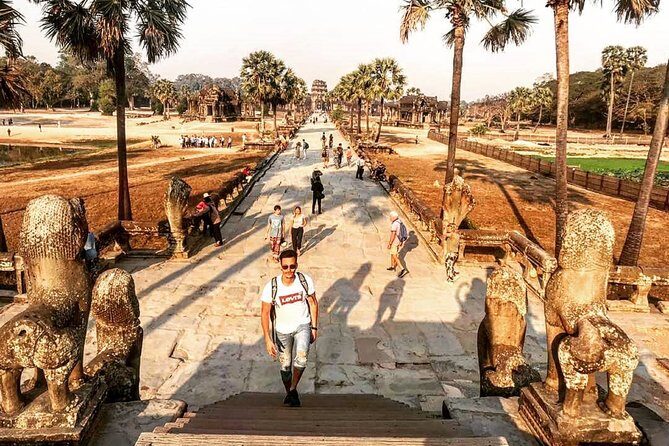
Angkor Wat is the headline. You’ll have about two hours here, which is just enough to appreciate the main structure, then step back and notice how many layers of ornament exist even when you’re not climbing.
A guided visit helps because you’re not guessing where to look next. You also get a more sensible flow through the complex, which is important if the crowds elsewhere have you mentally fried.
Ta Prohm: trees in the temple
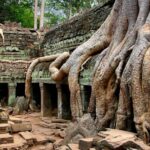
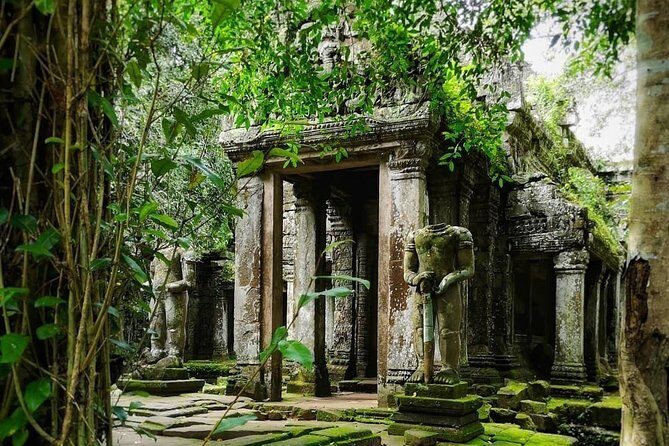
Ta Prohm is where the jungle and architecture merge. The partially cleared monastic complex creates one of the most recognizable “tree-in-temple” scenes in all of Angkor. It’s also one of the best places to get photos that don’t look like standard postcards—because the lighting shifts and the framing is naturally dramatic.
The guided time block is about 1.5 hours. That’s useful: long enough to take multiple angles, not so long that you’re stuck waiting for the sky to change.
Ta Nei, then Roluos Group: Bakong, Lolei, and Preah Ko
After Ta Prohm, you visit Ta Nei, a jungle temple reminiscent of Ta Som, with classic Jayavarman VII artistry. It’s a helpful contrast day: after the big pop of Ta Prohm, Ta Nei feels calmer, less like a stage set and more like a quiet place still absorbed by trees.
Then the tour shifts into the Roluos Group with Bakong, Lolei, and Preah Ko. Bakong is described as the most impressive member of the Roluos Group and sits at the center of the first Angkorian capital. Lolei is an island-temple built in the middle of a now-dry baray, which helps you picture how the Khmer used water planning as part of temple design.
Preah Ko (Sacred Bull) is one of the early Khmer capital temples of Hariharalaya. If you want to understand Angkor as an empire that planned capitals, not only one city, these stops do the job.
Old Market as your final reset
To wrap Day 2, there’s time at Psar Chaa (Old Market). This is one of the biggest souvenir hubs, and it’s a practical way to end the day: you can grab small items, snacks, or gifts without planning a separate evening outing.
If you’re tired, don’t push shopping too hard. Use the time for essentials, then call it.
Day 3: Koh Ker and Beng Mealea for a wider Khmer story
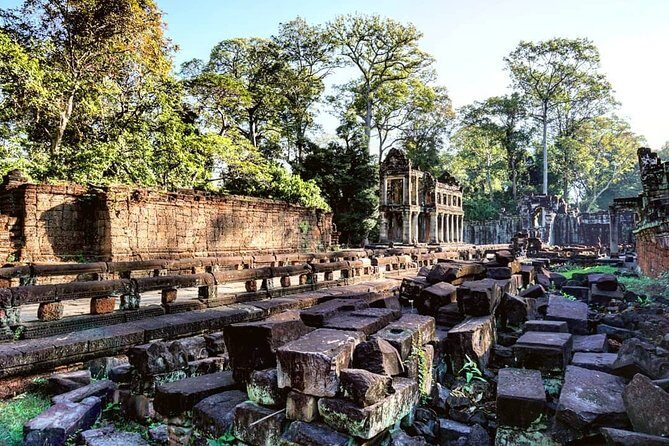
Day 3 is where the tour starts feeling different in a good way. It’s built around destinations about getting away from the main Angkor “circuit.”
Koh Ker: a temporary capital during internal strife
Koh Ker Temple is about 113 km from Siem Reap. It was constructed during internecine strife within the Angkorian kingdom and became the temporary capital of King Jayavarman IV. That context matters. It turns the visit from sightseeing into a “why did they move?” question.
You’ll get around two hours there, which is a realistic amount of time for a far-reaching site. It’s also one of the places where the scale feels different—less packed, more open to your own pace.
Beng Mealea: jungle-covered ruins
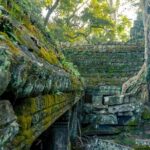
In the afternoon, you head to Beng Mealea, about 60 km from Siem Reap town. The key feature is how the jungle covers the area—over a square kilometer around the temple. It’s built around the end of the 11th century (as the tour description frames it), and the result is that you see ruins that feel less “restored museum” and more “caught in time.”
This is a great stop if you like atmospheric ruins. Just know it can be muddy or slippery depending on weather, so wear shoes that handle uneven ground.
Optional sunset back near Pre Rup
The tour description includes optional sunset at Pre Rup again. That gives you an extra choice: if you skipped the sunset on Day 1 (or daylight didn’t line up perfectly), you can try again. Just don’t treat the sunset idea like a guarantee. Weather can change plans, and Cambodia’s skies can be unpredictable.
Price and Logistics: what the $250.50 covers (and what you pay separately)
At $250.50 per person for a three-day private tour, the value is mainly in two places: the guide and the transport. You’re paying for air-conditioned touring, hotel pickup (for people staying in Siem Reap and inside the area), and a professional English-speaking guide across multiple days.
What’s not included is equally important:
- Angkor Archaeological Site entrance passes
- Meals (breakfast and dinner too, but lunch time is built into the day)
- Personal expenses like drinks and shopping
So how do you judge value correctly? Add up your likely day-pass needs. Since admission is not included, your total cost depends on which pass you buy and how many days you’ll want access. The good part: children under 12 can be free with the entrance pass. Also, the pass gives access to sights in and around Angkor, so you’re not stuck buying multiple separate tickets for each stop.
Lunch is excluded, but the itinerary gives you scheduled time to eat. That means you can choose what fits you—local restaurant near the Angkor area or something simpler you find closer to where you are.
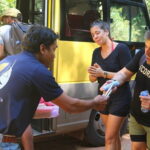
One more logistics note: your tour operator provides cool water and a cool wet towel. That sounds small until you’ve been in Angkor heat. It’s the kind of comfort that makes the last two hours feel possible.
Your guide, driver, and the private-tour feel
This tour runs as a full private basis, meaning it’s just your group with your guide. That’s a big deal at Angkor because you don’t have to wait for 30 people to find the right staircase.
In terms of service reputation, names like Mr. Veasna (guide) and drivers such as Mr. Vandy or Mr. Sophan show up in the kind of feedback this operator receives. You’ll still want to confirm your exact pickup time as close as possible to booking, but the pattern is on-time pickups and a calm “we’ve got the plan” attitude.
Also, the tour is described as fully customizable. In practical terms, that usually means you can adjust to family pace. If you’re traveling with kids or mixing ages, it helps to have someone who can slow down when needed and keep you from wasting energy on the wrong priorities.
And if you care about photos, don’t just bring a camera. Bring a small plan for angles—because a good guide will steer you toward the most photogenic corners and viewpoints, especially around places like Bayon and Ta Prohm.
Dress code, temple etiquette, and what to pack
Cambodia’s temples have rules, and this tour is very explicit about dress code. For some sights, it’s strict: you need light clothes that cover shoulders and knees. Bright colors and shirts with obscene or disrespectful prints can lead to refusal. That’s not the time to “risk it” with a random outfit.
Here’s what I’d pack for comfort and compliance:
- A light layer that covers shoulders (thin shawl or scarf works)
- Bottoms that hit below the knee
- Closed shoes with grip for steps and uneven ground
- A hat and sunscreen for daytime walking
- A small rain cover or plastic bag for your phone/camera
One technical detail that’s easy to ignore: natural elements can damage electronics. The tour notes that you should wrap and protect your devices from weather exposure, since they can’t take responsibility for damage from negligence.
Who this 3-day Khmer Empire tour suits best
This is a strong fit if you:
- Want a structured plan across the Angkor highlights and lesser-visited ruins
- Prefer a private setup over big-group shuffling
- Like explanations tied to what you’re actually seeing
- Travel as a family with mixed ages and need pacing flexibility
- Care about comfort in heat (air-conditioned vehicle, cool water, cool wet towel)
It may be less ideal if you:
- Have a very limited walking tolerance (multiple temples involve stairs and uneven ground)
- Don’t want to deal with separate entrance passes and paying for lunch
- Want lots of free time with no itinerary (this one is scheduled from 8:00am–about 5:00pm daily)
Should you book the Historical of Khmer Empire 3-Day Tour?
If you want Angkor to feel like a story instead of a sprint, I think this tour is worth serious consideration. The value comes from private guiding, smart site choices across three days, and the help of a guide who can explain the why behind the stone.
Book it if you’re okay budgeting for the Angkor Archaeological Site entrance pass and you’re dressed correctly for temple rules. Skip it if you want an all-inclusive package where every cost is prepaid, because here, you’ll handle the pass and meals on your own.
If your priority is comfort plus strong temple interpretation—especially with Koh Ker and Beng Mealea included—this is the kind of plan that tends to make the trip click.
FAQ
What’s included in the 3-day tour?
You get a full day tour with a professional English-speaking guide, air-conditioned transportation with a professional driver, all applicable taxes and service charges, plus cool water and a cool wet towel.
Are entrance passes to Angkor included?
No. The entrance pass to the Angkor Archaeological Site is not included. You buy the pass at the main gate, and it must be shown visibly.
Is lunch provided?
Lunch is excluded. The itinerary includes time for lunch, but you pay for your meal on your own.
What time does the tour run each day?
Each day runs from about 8:00am to 5:00pm.
Do you get picked up from your hotel?
Pickup is offered. Return transfers for this excursion apply only and are inclusive for customers staying in Siem Reap and inside the area.
Is this tour private or shared?
It’s private. Only your group participates, with your guide and driver.
What’s the dress code for temples?
Light clothing that covers shoulders and knees. Some temples have strict requirements, and certain prints or brightly-coloured clothing may lead to refusal of entry.
Does the tour depend on weather?
Yes. It requires good weather. If canceled due to poor weather, you’ll be offered a different date or a full refund.
What’s the cancellation policy?
Free cancellation is available up to 24 hours in advance for a full refund. If you cancel less than 24 hours before, you won’t receive a refund.