REVIEW · SIEM REAP
Kulen Mountain Waterfall and Historical Wonders Private Tour
Book on Viator →Operated by Journey Cambodia · Bookable on Viator
You’ll get out of the Angkor bubble fast. This private day trip from Siem Reap brings you to Phnom Kulen, the Khmer Empire’s sacred birthplace, plus waterfall scenery and signature landmarks like the River of a Thousand Lingas. The best part for me is the way the day balances history and nature without feeling rushed.
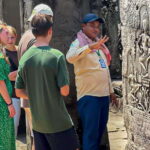
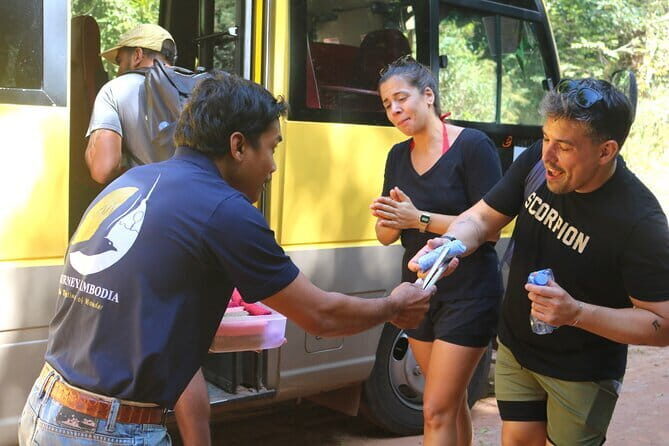
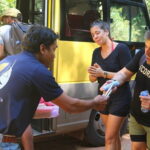
I especially like that you travel with an English-speaking guide who can explain what you’re seeing, not just point at it. I also like the practical comforts: hotel pickup/drop-off, an air-conditioned vehicle, and bottled water with a cool towel so you’re not baking during the drive and walks. One thing to plan around: the day expects moderate physical fitness, and water conditions can make some views (like the lingas along the river) harder to see when the flow is strong.
In This Review
- Key Highlights You Should Care About
- Getting There: The 50-Kilometer Morning Grind (Done Comfortably)
- Phnom Kulen National Park: Why This Mountain Feels Different
- The Reclining Buddha: A Religious Landmark You Can Actually Take In
- River of a Thousand Lingas: When Water Flow Changes the View
- The Waterfall: Your Day’s Most Natural Payoff
- Temples and Khmer Heritage Without the Angkor Fatigue
- How Long It Really Takes (And How You’ll Feel After)
- Guides and Drivers: What Good Service Looks Like Here
- Price and Value: Why $99 Can Still Make Sense
- What to Bring (So the Day Feels Easy, Not Exhausting)
- Who This Tour Suits Best
- Should You Book the Kulen Mountain and Historical Wonders Private Tour?
- FAQ
- What time does the tour start?
- How long is the tour?
- Is pickup and drop-off included?
- Are entrance fees included?
- Is lunch included?
- How active is this day?
- Is this a private tour?
- What’s the cancellation window?
Key Highlights You Should Care About
- Phnom Kulen in one focused day: temple ruins, sacred sites, and a waterfall setting beyond the Angkor circuit.
- River of a Thousand Lingas: a famous spiritual landscape where water flow can affect what you can clearly spot.
- Reclining Buddha and ancient temple areas: religious landmarks tied to the mountain’s Khmer-era reputation.
- Private format: it’s only your group, so you can move at a comfortable pace and ask questions.
- Comfort perks included: air-con ride, bottled water, and a cool towel for the long day.
- Guides get praised by name: people repeatedly mention guides like Bun, So (SOPHEAP), Rom, Chhay, Vantha, and drivers such as Dara, Vichet, and Lee.
Getting There: The 50-Kilometer Morning Grind (Done Comfortably)
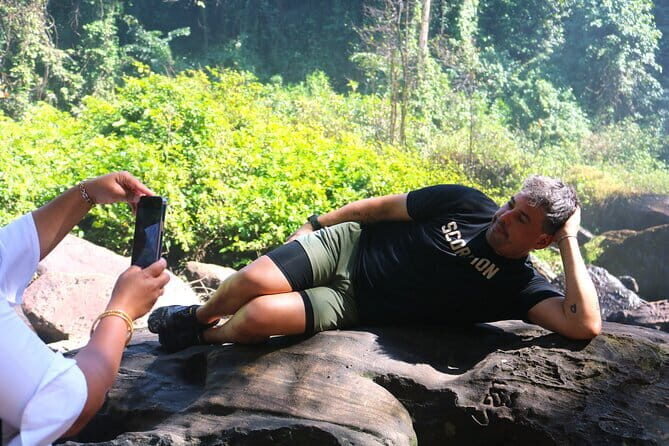
Most days start early. You’ll leave your hotel at 8:00am and head about 50 kilometers toward Phnom Kulen. It’s not a quick hop, but the tour helps you avoid the hassle by providing hotel pickup and drop-off and an air-conditioned vehicle.
This drive matters more than it sounds. By the time you reach the mountain area, you’ve already separated your day from the heat and crowds that cling to the main Angkor sites. You’ll also have a fuller day because the schedule builds in enough time at the park rather than treating Phnom Kulen like a fast photo stop.
If you’re sensitive to long rides, bring something simple for the seat time: water you can keep handy (you’ll get bottled water on the tour), a hat, and sunglasses. You’ll likely spend time outdoors, and Phnom Kulen is a place where even short walks feel longer in Cambodia’s sun.
You can also read our reviews of more private tours in Siem Reap
Phnom Kulen National Park: Why This Mountain Feels Different
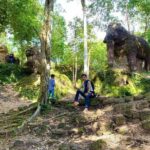
Once you’re inside the Phnom Kulen area, the whole experience shifts from city to nature. The mountain is considered the birthplace of the Khmer Empire, and that idea hangs over everything you see. You’re not just looking at scenery. You’re visiting sacred ground tied to early Khmer religious life.
The park portion is about 4 hours, which is a sweet spot for most people. Long enough to feel the rhythm—walk, pause, learn, walk again—without turning the day into a marathon. And since it’s a private tour, you’re not stuck moving at the pace of strangers who want only selfies and sprinting.
You’ll likely spend time around several major themes:
- sacred mountain areas and temple remnants
- a religious “wow” moment with the reclining Buddha
- the signature river landscape known for the River of a Thousand Lingas
- natural surroundings, including tropical forest scenery
That combination is what makes this tour worth doing. It doesn’t replace Angkor; it gives you the story behind the culture in a landscape that feels genuinely different from the temple plains.
The Reclining Buddha: A Religious Landmark You Can Actually Take In
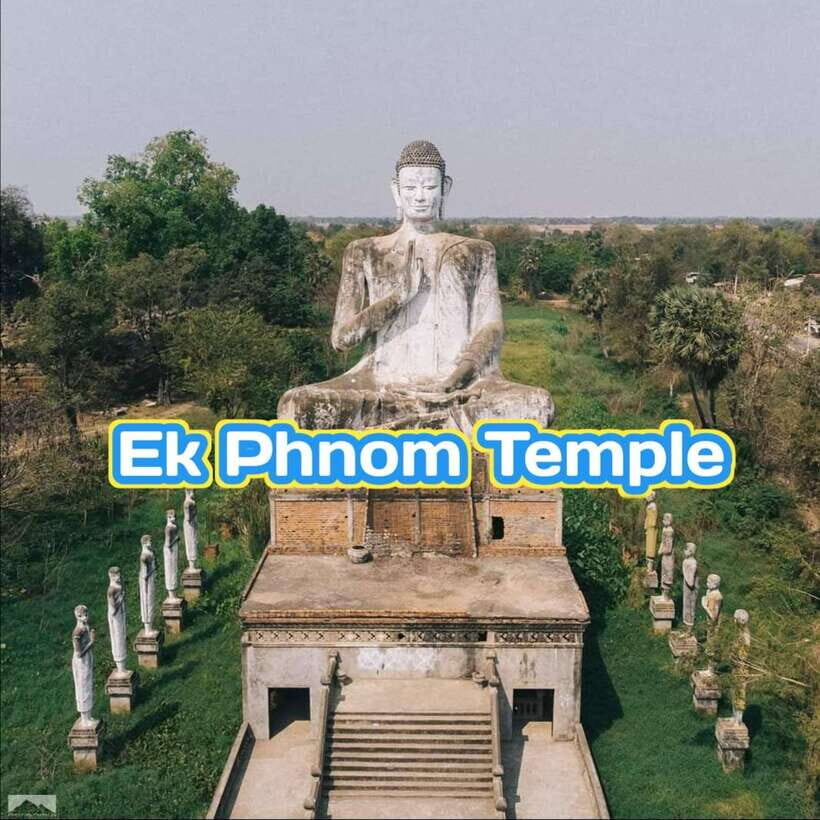
One of the most memorable stops is the reclining Buddha. It’s the kind of site that’s easy to overlook if you treat Cambodia as only “temples, then temples.” Here, it feels more grounded—part of a sacred mountain setting rather than a carved monument on flat ground.
What I like about this moment is the contrast. You’re in a natural environment, but you’re also looking at religious art and the Khmer-era spiritual tradition tied to this mountain. It’s not just visual; it’s context.
Also, since this is private, your guide can pace the viewing and explanation. People on these tours often praise guides by name for making history and surroundings click into place. If your guide happens to be Bun, So (SOPHEAP), Rom, Chhay, Vantha, or Pal Saruon, you’ll probably get that “this makes sense” feeling that turns a landmark into a story you can repeat later.
River of a Thousand Lingas: When Water Flow Changes the View
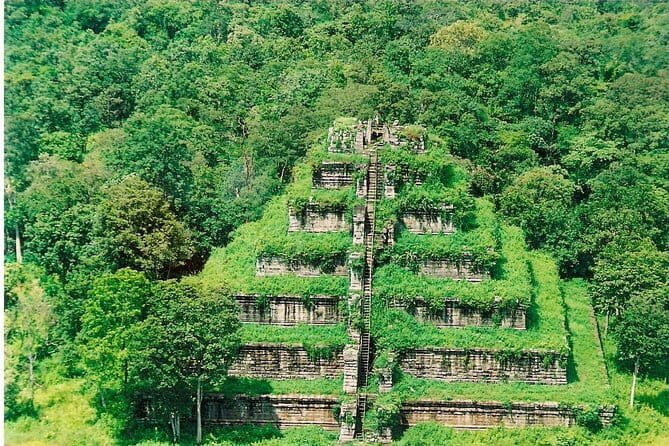
The River of a Thousand Lingas is the signature scene that many people come for. The concept is famous: a mystical riverside area associated with lingas as a religious symbol. When conditions are right, it’s striking.
Here’s the practical consideration: the river can be running strongly. When the water flow is strong, it can be harder to see the lingas clearly. That doesn’t make the stop pointless. It just means your experience may be more about atmosphere—sound, movement, sacred setting—than perfect close-up views of every detail.
My advice: don’t get frustrated if you can’t spot everything. Take a step back, look for overall arrangement, and let your guide explain what you’re seeing. If your guide is good at reading the site, they can help you understand where to look for better visibility based on the moment’s water conditions.
The Waterfall: Your Day’s Most Natural Payoff
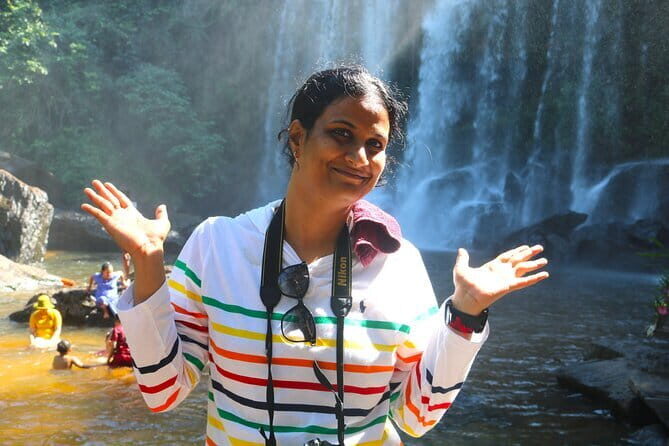
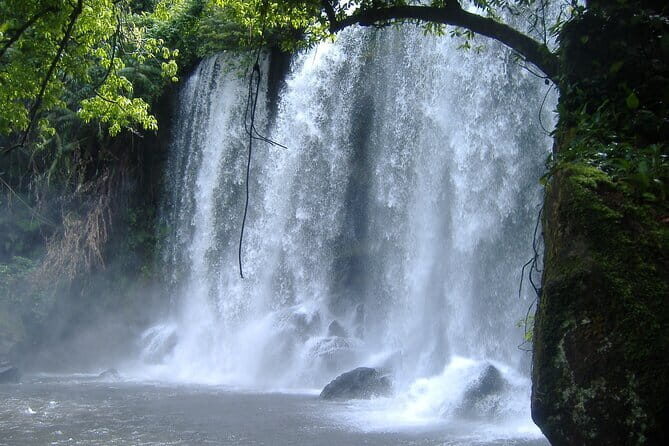
The tour is built around the idea of history plus waterfalls, and this is where the day usually turns into something you can feel in your body. The sound and mist make the mountain environment real. Even if you’re not a “waterfall person,” this stop tends to win people over because it breaks up the museum-like feel that some days in Cambodia can have.
It’s also the place that makes good photos, even without fancy settings. But the real value is simple: you’re standing in a landscape shaped by water, not just by human hands. That’s a different kind of wonder.
Plan for dampness. If the area is misty, keep your phone and camera protected, and expect that you’ll be grateful for the cool towel later if you stay a bit longer in the humid air.
You can also read our reviews of more historical tours in Siem Reap
Temples and Khmer Heritage Without the Angkor Fatigue
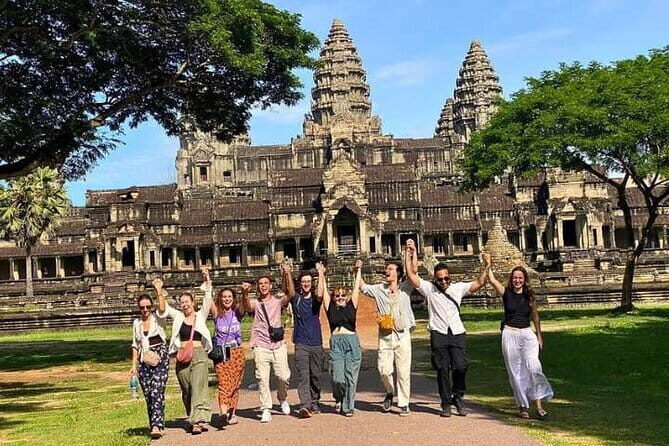
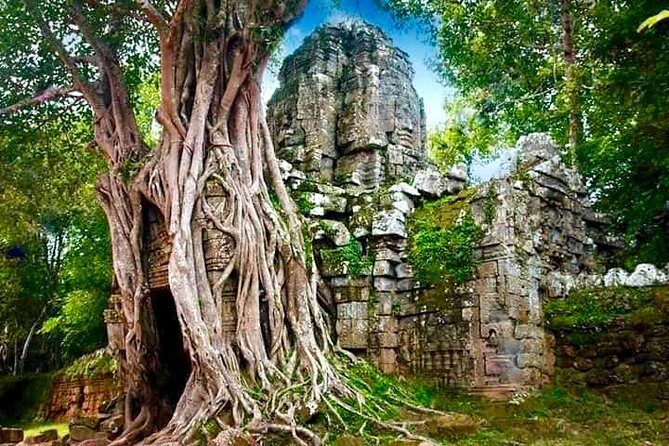
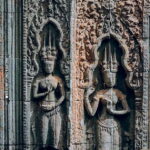
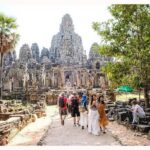
This is the part I think makes the tour feel like a smart “Plan B” to the Angkor complex. You still get Khmer Empire-era context through ancient temple areas, plus the specific sacred sites on Phnom Kulen mountain. But you’re not repeating the exact same layout, materials, or visitor flow.
Because the tour is structured for one day outside Siem Reap, it gives you variety. You get to see how the Khmer spiritual world relates to nature—mountain, river, and sacred religious imagery—rather than only to stone temple architecture on a large circuit.
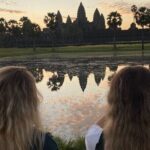
If you’ve already done Angkor and you’re temple-weary, this works well. If you haven’t done Angkor yet, it still gives you a “why” story that can deepen what you later see in the main complexes.
How Long It Really Takes (And How You’ll Feel After)
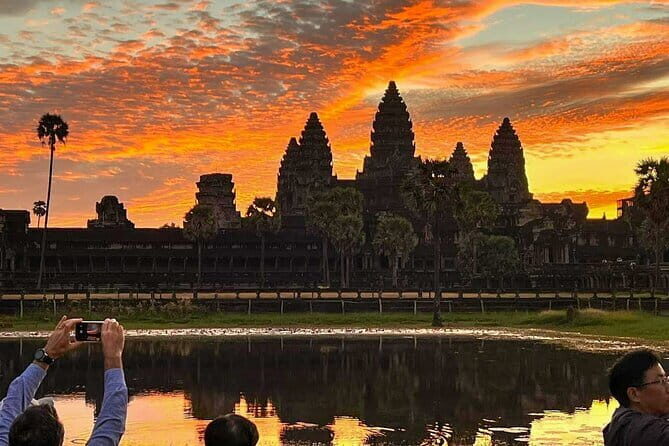
The full tour runs about 8 hours. That includes travel time, the time in Phnom Kulen National Park (around 4 hours), and time to return to Siem Reap and reach your hotel mid-afternoon.
That schedule matters because Phnom Kulen isn’t just sitting in the shade. Even when the walking seems manageable, you’re mixing heat, sun, and uneven ground. The tour notes moderate physical fitness, so I’d treat it as a day with some effort, not a totally gentle stroll.
If you’re traveling with kids or you’re not used to Cambodian heat, consider these tactics:
- wear comfortable shoes with grip
- pack a hat and sunglasses
- pace yourself and take breaks when you can
- use the provided water and cool towel to reset
One of the repeated themes in guide feedback is patience—so if you need a slower rhythm, this private setting should help.
Guides and Drivers: What Good Service Looks Like Here
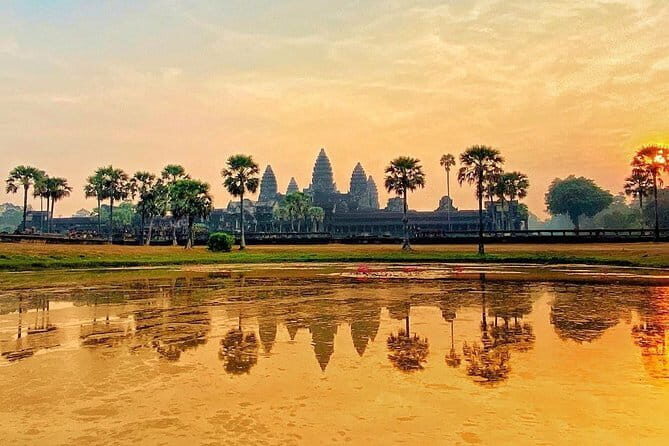
This tour is only as good as the person walking you through it. The reviews associated with this kind of Phnom Kulen day repeatedly highlight guides who explain history in a clear, local way, and drivers who keep things smooth and on time.
Some guide and driver names you might encounter:
- guide Bun, with driver Dara (often praised for history storytelling and patience)
- guide So (SOPHEAP), with driver Vichet (punctual and friendly)
- guide Rom, with driver Mr Lee (teaching that brings places to life)
- guide Chhay (great on-the-ground explanations)
- guide Vantha, with driver Dara (waterfall-focused highlight)
- guide Pal Saruon (a strong nature-and-culture angle)
You don’t need to guess whether the service will be decent. When a tour is repeatedly praised for punctuality, friendliness, and the guide’s ability to connect details to the bigger Khmer story, that’s usually your best indicator of a good day.
Price and Value: Why $99 Can Still Make Sense
At $99 per person, this tour isn’t the cheapest option in Siem Reap, but it also isn’t priced like a luxury splurge. What you’re paying for is the whole package of convenience and access: private format, air-conditioned vehicle, English-speaking guide, Kulen Mountain entrance fee, and hotel pickup and drop-off. Bottled water and a cool towel are also included, which is a real money-saver and comfort saver during a long outdoor day.
What’s not included is lunch. That means you’ll want to plan on finding food on your own (or timing it based on what your guide recommends). For value math, lunch can swing your total cost depending on your choices, but you stay flexible.
If you’re a solo traveler or a couple, private tours often feel pricey until you compare against the total cost of separate admissions, uncertain logistics, and limited guide attention. Here, the structure is designed to keep everything moving smoothly so you can focus on the sites.
What to Bring (So the Day Feels Easy, Not Exhausting)
You’ll be outdoors in a tropical setting, and the tour includes comfort items but not everything. Bring the basics:
- sunscreen and a hat
- comfortable, grippy shoes
- sunglasses
- a light rain layer if you’re traveling during wetter months
- cash or card for your own lunch
Since lunch is on you, I’d also think about timing. If you prefer sitting down for a longer meal, tell your guide during the day so they can keep the schedule realistic without rushing you.
Who This Tour Suits Best
This is a strong fit if you want:
- Khmer heritage outside the Angkor complex
- a mix of history and nature
- waterfall scenery without a full day disappearing into logistics
- a private guide who can answer questions as you go
It’s also a good match for families who appreciate patience and a comfortable pace. If you’re looking for a purely laid-back day with no walking at all, you might find the “moderate physical fitness” note worth taking seriously. Still, most people can handle it with good shoes and smart pacing.
Should You Book the Kulen Mountain and Historical Wonders Private Tour?
I’d book this if you want a meaningful day beyond Angkor that still feels Khmer, still feels sacred, and still feels like Cambodia’s landscape is part of the story. The private guide experience, the included entrance fee, and the comfort perks make the day smoother than planning it alone, especially with an 8-hour schedule that’s actually built for the sites.
Skip it or rethink it only if you’re trying to avoid any active walking or you dislike river-and-water conditions where views can vary. For everyone else, it’s an excellent way to trade crowd time for mountain time, and come home with photos and explanations that go beyond temple facades.
FAQ
What time does the tour start?
You depart your hotel at 8:00am.
How long is the tour?
The duration is about 8 hours.
Is pickup and drop-off included?
Yes. The tour includes convenient hotel pickup and drop-off.
Are entrance fees included?
Yes. The tour includes the Kulen Mountain entrance fee.
Is lunch included?
No. Lunch is not included, though you can choose where to eat on your own.
How active is this day?
You should have moderate physical fitness. Expect some walking around outdoor areas.
Is this a private tour?
Yes. It’s a private tour/activity, and only your group participates.
What’s the cancellation window?
You can cancel for a full refund up to 24 hours before the experience start time.