REVIEW · SIEM REAP
2 Days Guided Historical Tour in Angkor
Book on Viator →Operated by Angkor Wat Shared Tours · Bookable on Viator
4:30 a.m. changes everything at Angkor. This two-day guided tour is built around that fact, starting at sunrise for Angkor Wat and ending day two with time for temples at the golden hours. You also get a packed-but-manageable route across 11 stops, so you see more of the Angkor World Heritage area than most one-day options.
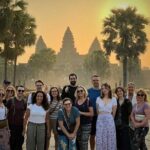
I especially like two things: the small group size (max 15), and the way the guide connects what you’re looking at to Khmer history right on site. Guides such as Sok, Vone, Ho Heang, Sam, Sem, and Sary have been noted for clear explanations and for keeping the pace realistic even in the heat.
One thing to factor in: the temple entrance ticket is not included in the $35 tour price, and you’ll also need to sort out meals on your own. Also, this is an early start tour, so be ready at pickup and keep your phone available.
In This Review
- Key things I’d plan around
- Why This 2-Day Angkor Plan Works
- Pickup Timing and Comfort on a 4:30 a.m. Start
- Angkor Wat at Sunrise: The Best Reason to Book
- Day One Stops: Angkor Thom South Gate, Bayon, Ta Keo, Ta Prohm
- Angkor Thom South Gate
- Bayon Temple
- Ta Keo
- Ta Prohm
- Day Two Stops: Pre Rup, Ta Som, Neak Pean, Preah Khan, Phnom Bakheng
- Pre Rup
- Ta Som
- Neak Pean
- Preah Khan
- Phnom Bakheng
- Price and Temple Ticket Reality: Is It Good Value?
- The Itinerary Flow: What You’ll Feel Like on the Ground
- Who This Tour Fits Best (and Who Might Not)
- Tips to Make the Most of Your Two Days
- Should You Book This Angkor Wat 2-Day Guided Tour?
- FAQ
- What time does the tour start?
- How long is the tour?
- What is included in the $35 tour price?
- Are meals included?
- Are entrance fees included for the temples?
- What group size should I expect?
- Is hotel pickup available?
- What is the meeting point?
- Can I cancel for a full refund?
Key things I’d plan around
- Sunrise at Angkor Wat with a guided explanation before you roam for photos
- Max 15 people for a less crowded feel than the mass tours
- Cold water and wet towel plus air-conditioned vehicle comfort on the drive breaks
- 11 temples in 2 days with day one focused on the famous sights and day two shifting to lesser-visited areas
- Guides who answer questions and pace for the heat, including time to explore on your own
Why This 2-Day Angkor Plan Works
Angkor can be overwhelming on your own. The sites are spread out, the crowds are intense at peak times, and without a route you waste energy figuring out what to see next. This tour handles the hard part for you: transport, a set circuit, and a guide who stays with you through the key points.
The two-day structure is the real win. Day one leans into the headline temples people line up for, starting with the very early light at Angkor Wat. Day two gives you a second chance to understand Angkor’s layout and ideas, while shifting toward temples that tend to feel calmer. The result is that you don’t just tick off names. You learn how the monuments relate to each other in time and design.
Also, the pacing matters. You’re still doing a lot of walking, but it’s broken up by drive time and scheduled stops, and you get comfort support like water, a wet towel, and hotel pickup/drop-off.
You can also read our reviews of more guided tours in Siem Reap
Pickup Timing and Comfort on a 4:30 a.m. Start
The tour starts at 4:30 am and begins at Siem Reap Pub Hostel (behind Angkor Night Market). That means you’ll want to be organized the night before. Charge your phone, decide what you’ll wear for dawn, and set out shoes that you can walk in for a long time.
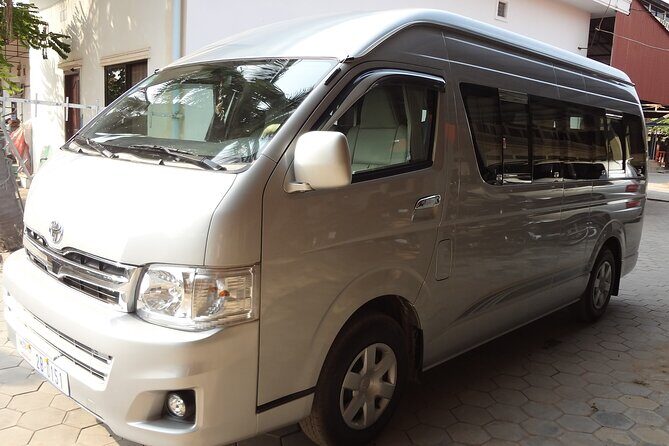
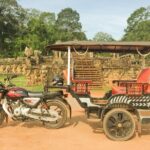
You’ll ride in an air-conditioned vehicle with a guide. Throughout the day, you get cool water and a wet towel, which sounds small until you’re sweating under the morning sun. In the same spirit, groups have noted clean restroom breaks along the way, which helps when the day is long.
A practical point: the early start also affects how flexible the operation can be. One low-star experience described trouble meeting the guide because they were only contacted at the moment the guide was leaving, and the group wasn’t waited for at multiple points. So do this like a pro: be at the meeting point (or fully set for pickup) and keep your phone reachable.
Angkor Wat at Sunrise: The Best Reason to Book
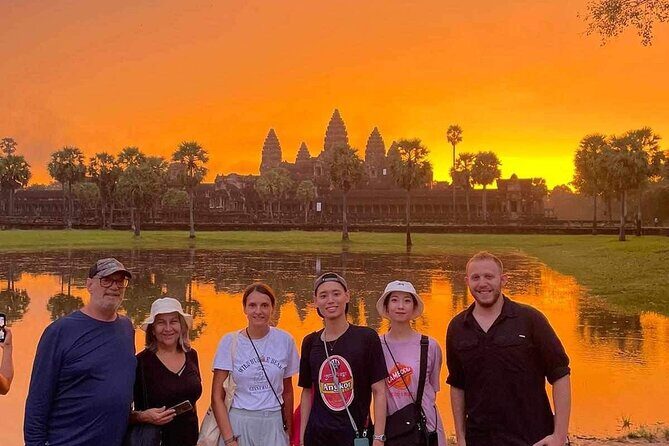
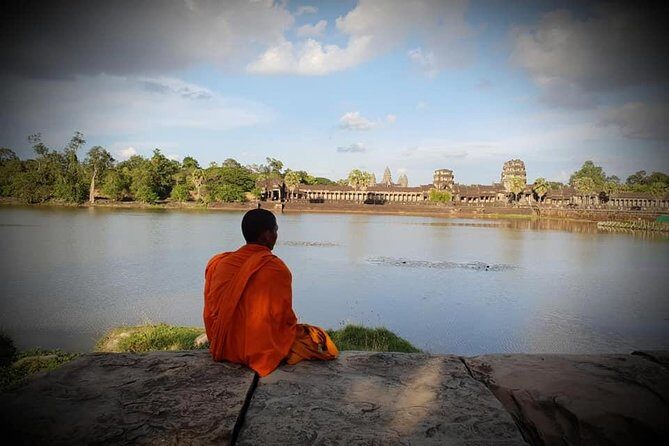
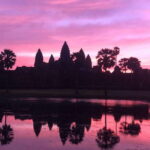
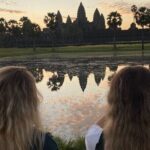
Angkor Wat is the main event, but the timing is what turns it from a photo stop into a real experience. The tour picks you up from your hotel and heads out early so you can watch the sunrise, then you explore the temple inside with your guide explaining what you’re seeing.
What makes this valuable is context. Angkor Wat isn’t just impressive; it’s structured, symbolic, and layered. A guide’s narration helps you notice details you might otherwise ignore, like how the architecture guides your movement through space.
Also, sunrise is when the light is kind. Even if it’s still warm by the time you’re walking the grounds, dawn gives you more forgiving conditions for photos and for standing without baking.
After the sunrise portion, you’re not stuck with a single viewpoint. You get time and direction to see the temple properly rather than rushing through it like a drive-by.
Day One Stops: Angkor Thom South Gate, Bayon, Ta Keo, Ta Prohm
Day one is designed to feel like the classics tour, but it still has variety.
Angkor Thom South Gate
You’ll visit the South Gate of Angkor Thom, a 12th-century city gate decorated with carved faces and stone figures along the causeway. The gate is your first big clue that Angkor was meant to function like a city, not just a set of isolated temples.
The benefit of having this guided is simple: the carvings and layout look abstract until someone explains what they were doing there.
You can also read our reviews of more historical tours in Siem Reap


Bayon Temple
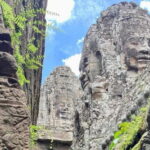
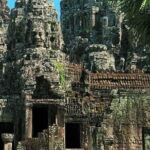
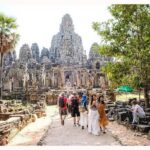
Next comes Bayon, famous for its many smiling faces. It’s associated with Buddhism and was built in the late 12th or early 13th century as a state temple connected to Angkor’s royal era.
This is a stop where your guide’s commentary changes your experience. Without explanation, you’re mostly looking at faces. With it, you start noticing patterns and thinking about how religious ideas shaped the design.
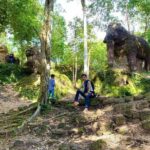
Ta Keo
Ta Keo is a temple-mountain, and one reason it’s worth the time is its sandstone construction. Before you go inside, there’s a breakfast break (breakfast not included in the tour price). That pause helps because by this point you’re likely moving into the busiest hours.
If you want a calmer feel than the main crowd magnets, Ta Keo gives you that mix of drama and space.
Ta Prohm
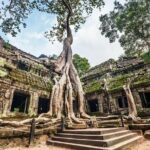
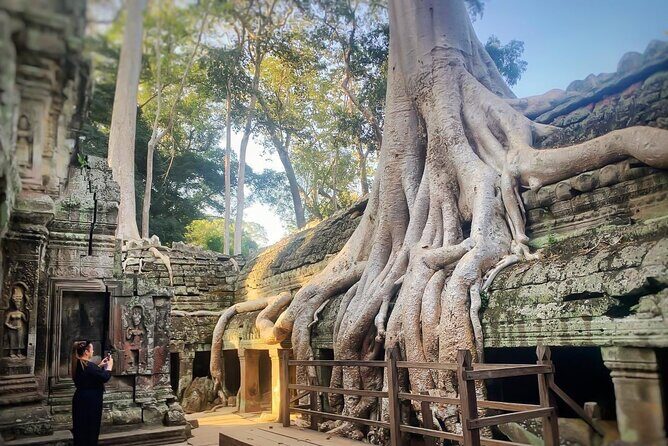
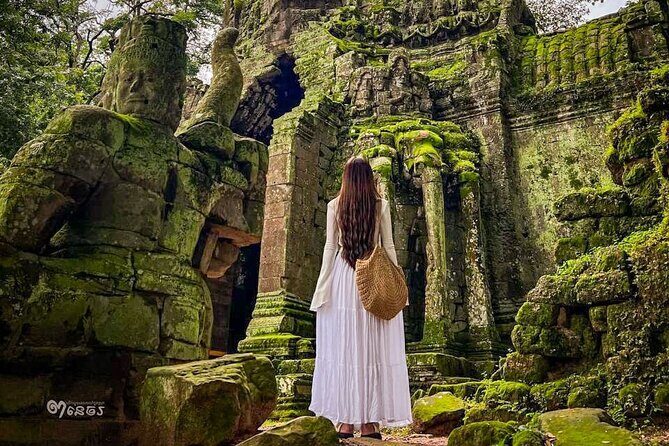
Ta Prohm is the one you came for if you like temples that feel almost alive. You’ll see it explained as a temple near Siem Reap, east of Angkor Thom, on the edge of the East Baray. The most striking thing here is how nature and stone share the stage.
The drawback of Ta Prohm is that it can feel like everyone wants the same shot at the same time. A guide helps you move through efficiently and still gives you time to stop, look up, and take photos without feeling like you’re being marched.
Day Two Stops: Pre Rup, Ta Som, Neak Pean, Preah Khan, Phnom Bakheng
Day two is where you usually start feeling the contrast between famous and less-frequented Angkor corners. You’ll still get the major wow moments, but the flow tends to feel less intense.
Pre Rup
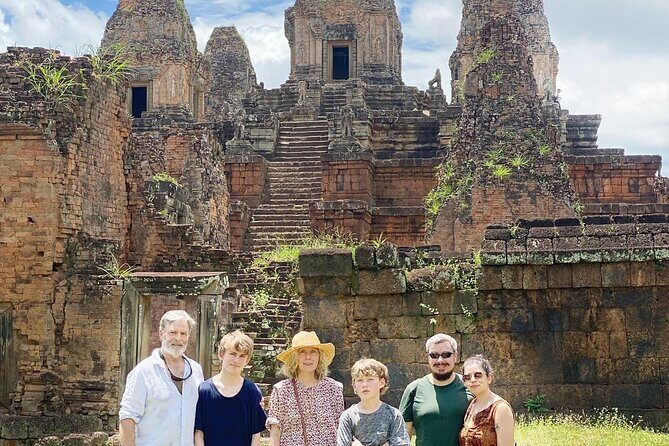
Pre Rup is a Hindu temple-mountain dedicated to Shiva, built as the state temple for Khmer king Rajendravarman. It’s dated to 961 or early 962. If you’re trying to understand the shift from one religious emphasis to another across Khmer rule, Pre Rup is an important piece.
This stop is also a good one to take slowly. It’s easier to absorb details when you’re not constantly negotiating crowds.
Ta Som
Ta Som is smaller and often less crowded. Built at the end of the 12th century for King Jayavarman VII, it sits near the northeast of Angkor Thom. Because it’s less dominant than the headline sites, you can enjoy it more like a study.
Neak Pean
Neak Pean is an artificial island with a Hindu temple on a circular island in Jayatataka Baray, tied to temple associations from the reign of King Jayavarman VII. This one helps you see that Angkor’s “temples” weren’t just single monuments. They were part of a broader water-and-ritual landscape.
Preah Khan
Preah Khan is a 12th-century temple built for Jayavarman VII in honor of his father. It’s located northeast of Angkor Thom and near the Jayatataka baray. This is the kind of stop where guided context helps you appreciate what you’re seeing as more than just stone blocks. The temple sits in a network of routes and meanings.
Phnom Bakheng
Phnom Bakheng caps the day. It’s a Hindu temple-mountain dedicated to Shiva, built at the end of the 9th century during the reign of King Yasovarman. On this tour, the timing is arranged so you can stay for sunset.
Sunset at Phnom Bakheng is the kind of moment you remember because you’ve already spent the day learning the sites. The view feels like a reward for your early start and the miles of walking.
Price and Temple Ticket Reality: Is It Good Value?
Let’s do the math plainly.
- Tour price: $35 per person
- Temple entrance ticket: not included, $62 per person
- Meals: not included
So, you should budget around $97 per person before meals.
Is that a good deal? For Angkor, it can be. You’re paying for transport (air-conditioned vehicle), hotel pickup and drop-off, a guide for two full days, plus water and towels. Many DIY days cost you time and taxi tuk-tuk negotiation, and you still have to manage a route that makes sense.
The biggest “gotcha” is that the entrance ticket being separate means you need to plan cash flow. If you arrive thinking only the $35 covers everything, you’ll feel frustrated. If you budget the full amount from the start, the price feels more reasonable for the amount of guided temple time.
Also, the small group size (max 15) supports better value. You’re not paying extra just to sit among a huge crowd.
The Itinerary Flow: What You’ll Feel Like on the Ground
Even with a well-planned route, Angkor is physical. This tour is not a light stroll. It includes a lot of walking and temple steps, and it can be hot. The good news is you get frequent breaks and comfort support, which matters more than you think.
A good sign from guides and groups is that the schedule usually includes time for you to explore on your own after the explanation at key stops. That makes a difference because Angkor rewards slow looking. If your whole time is spent listening while standing, you lose the magic.
Another practical detail: day one concentrates on the busy icons, while day two leans into a slower, calmer pace. If you want fewer crowds in your photos, that second day strategy is smart.
Who This Tour Fits Best (and Who Might Not)
This tour is a strong match if you want:
- Two days instead of one, so you’re not rushing
- a guided explanation that makes Angkor Wat and Angkor Thom make more sense
- hotel pickup and a comfortable vehicle
- a small group experience (max 15)
It may not be ideal if:
- you hate early starts and long hot walks
- you want totally flexible timing (this tour runs as a set route)
- you have a tight budget and can’t handle the separate $62 temple ticket plus meals
Tips to Make the Most of Your Two Days
Based on how this kind of route plays out, here’s how you’ll get better results:
- Wear grippy shoes you can climb in and walk in for hours. Angkor steps are real.
- Bring sunscreen and a hat. Sunrise doesn’t mean you’re outside the sun’s plan.
- Hydrate even when you think you’re fine. The tour provides cold water and wet towels, but you’ll still feel better if you drink.
- Keep your phone charged and reachable for pickup coordination since the tour starts very early.
- Plan for a full day of walking. Even with breaks, you’ll cover a lot of ground.
One more thing: dawn starts can feel dark and cold-ish in the first minutes. In at least one case, groups reported receiving flashlights for the early start. Even if you’re provided something, it’s still smart to be ready with your own small light as a backup.
Should You Book This Angkor Wat 2-Day Guided Tour?
If your goal is to see 11 temples with a real guide, sunrise included, and a setup that reduces the stress of planning transport and timing, I’d say yes. The combination of early Angkor Wat, a full day one with major monuments, and a calmer day two is a proven way to get both spectacle and understanding.
Book it especially if you appreciate explanation at each stop and you like having time to wander for photos. Just go in knowing you’ll pay the separate temple ticket and that you need to be ready for the 4:30 am start. If that fits your style, this is one of the most practical ways to experience Angkor in two days.
FAQ
What time does the tour start?
The start time is 4:30 am.
How long is the tour?
The duration is 2 days (approx.).
What is included in the $35 tour price?
It includes an air-conditioned vehicle, tour guide, cool water and wet towel, hotel pickup/drop-off, and access to 11 temples for two days.
Are meals included?
No, meals are not included.
Are entrance fees included for the temples?
No. The temple ticket is not included in the tour price (listed as $62.00 per person).
What group size should I expect?
The tour has a maximum of 15 travelers.
Is hotel pickup available?
Yes. Pick up/drop off hotel is included.
What is the meeting point?
The start meeting point is Siem Reap Pub Hostel, behind Angkor Night Market.
Can I cancel for a full refund?
Yes. You can cancel up to 24 hours in advance for a full refund.