REVIEW · SIEM REAP
3-Days Discovery Of Angkor: Waterfalls,Floating Village and Banteay Srei temple
Book on Viator →Operated by Asean Angkor Guide · Bookable on Viator
Angkor hits harder when someone plans your timing. This 3-day private tour in Siem Reap strings together Angkor Wat at sunrise, Angkor Thom’s big-name temples, the riverbed lingas at Kbal Spean on Phnom Kulen, plus a boat ride through Kampong Phluk on Tonlé Sap.
I especially like how the schedule balances power sites with quieter stops, so you’re not just being shuttled from photo spot to photo spot. The second big win is the on-the-ground service: you get air-conditioned transport, cool towels, and a guide who pushes you toward the best viewing angles (names like Sam and Seila show up again and again in the feedback).
One thing to plan for: ticket fees and park passes are not included, and the days involve lots of walking plus serious heat. If you’re sensitive to sun and stamina, bring better shoes and expect some slowdowns.
In This Review
- Key Highlights You’ll Actually Feel
- A 3-Day Plan That Keeps Angkor From Feeling Like a Checklist
- Day 1: Angkor Thom South Gate, Bayon, and the Phnom Bakheng Sunset View
- Day 2: Phnom Kulen National Park, Kbal Spean Lingas, and Banteay Srei
- Tonlé Sap and Kampong Phluk: The Floating Village Day You’ll Remember
- Day 3: Pre-Dawn Angkor Wat, Ta Prohm, and the Wider Angkor Circuit
- Why the Guide and Driver Matter More Than You Think
- Money Matters: The Base Price vs. the Real Budget
- Timing and Packing Tips for Heat, Shoes, and Sunrise
- Who Should Book This Tour (and Who Might Skip It)
- Should You Book This 3-Day Angkor Discovery Tour?
- FAQ
- How long is the tour?
- Is hotel pickup and drop-off included?
- What time is Angkor Wat sunrise on Day 3?
- Is breakfast included?
- Do I need to pay for park passes and admissions?
- What are the extra costs I should plan for?
- Can I swim at the waterfalls in Phnom Kulen?
- What should I wear to visit temples?
- Is this tour private?
Key Highlights You’ll Actually Feel
- Sunrise at Angkor Wat timed early, with a setup geared for photos and clear views
- Angkor Thom circuit with Bayon, Baphuon, and the big terraces—plus short breaks that keep you moving
- Phnom Kulen and Kbal Spean lingas: one of the most unusual things to see around Siem Reap
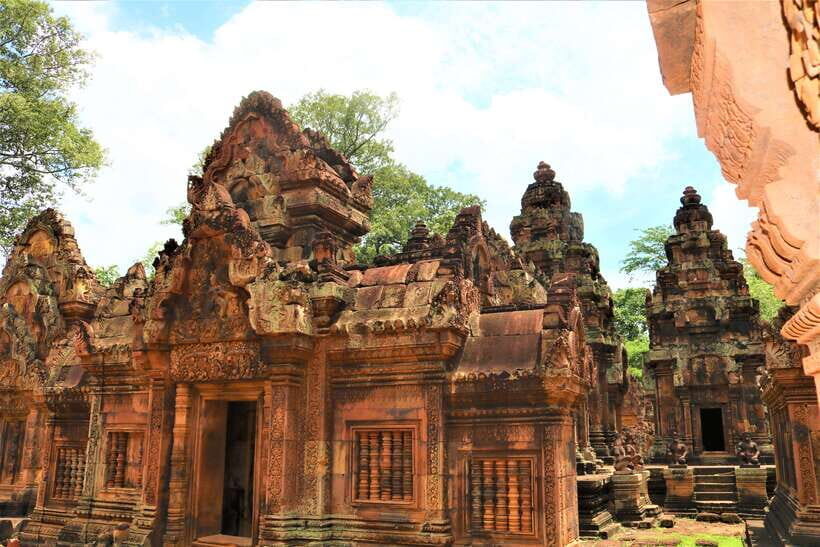
- Banteay Srei: small footprint, huge sculptural detail, and a very different vibe from the “main” temples
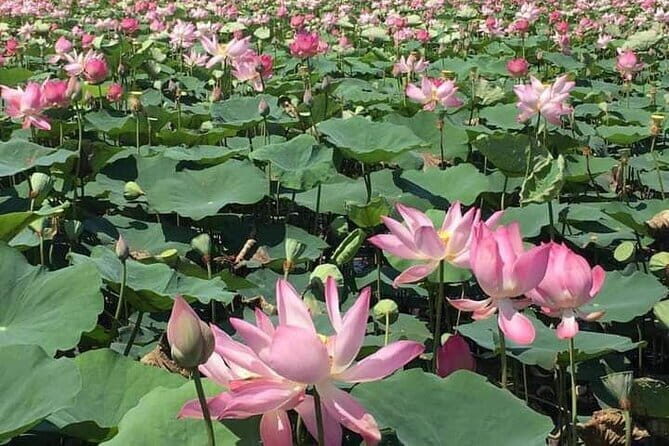
- Tonlé Sap + Kampong Phluk by boat for a real look at daily life on the water
- Private format (your group only) with guides and drivers praised for pacing and flexibility
A 3-Day Plan That Keeps Angkor From Feeling Like a Checklist
This tour works because it respects how Angkor actually behaves. Some sites are crowded no matter what, so the strategy is smart timing, efficient routes, and a guide who can steer you toward better moments to look and photograph.
You’ll also notice the design isn’t just “temple, temple, temple.” You get freshwater life at Tonlé Sap, a natural area on Phnom Kulen with riverbed carvings, and a temple stop—Banteay Srei—that feels like a sculpture museum built out of stone.
And yes, the sun is real. The itinerary starts early and keeps at least one day lighter after longer morning heat, which matters if you don’t want the trip to feel like a daily endurance test.
You can also read our reviews of more tours and experiences in Siem Reap.
Day 1: Angkor Thom South Gate, Bayon, and the Phnom Bakheng Sunset View
Your day starts with a pickup at 8:00 am and a quick step to handle your Angkor pass before entering the archaeological area. That matters because Angkor is not one ticket you forget about; you’ll want your entry sorted early so you can focus on the temples, not paperwork.
From there, you’ll hit the classic Angkor Thom core:
- Angkor Thom South Gate: a dramatic entry that sets the tone right away. This is one of those places where the scale doesn’t land until you’re standing under it.
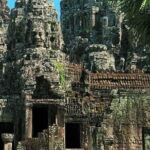
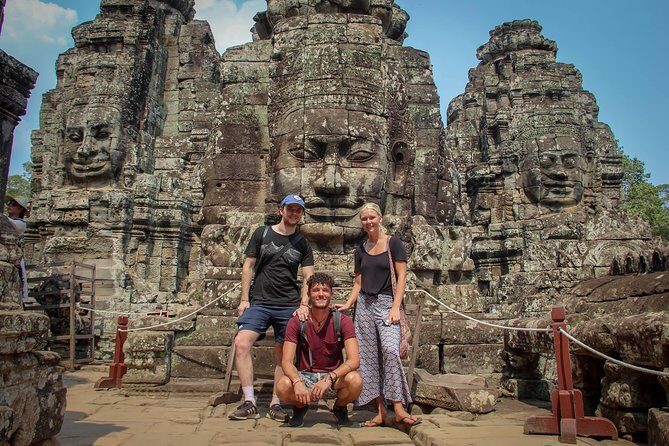
- Bayon Temple: famous for its carved faces, with lots to spot if you slow down. Your guide’s job here is to point out what’s meaningful instead of letting you wander blind.
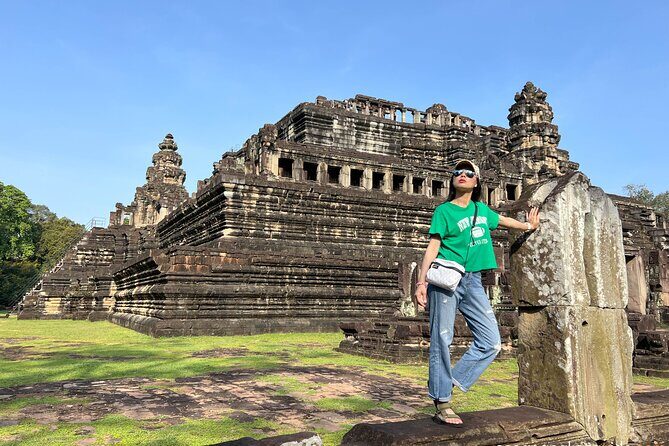
- Baphuon Temple: a distinct temple mountain with a different rhythm from Bayon. It’s a solid “reset” stop after the face towers.
- Terrace of the Elephants and Terrace of the Leper King: these are short, high-impact stops that help you understand how royal life and ritual space worked inside the walled city.
You’ll then take a lunch break in the Angkor park area. The important bit: food is on your own tab, so bring water money and don’t plan on a quick snack being available everywhere.
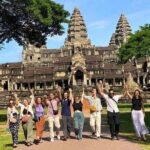
After lunch, you’ll go to Angkor Wat, with about 1.5 hours to explore. Then the day closes with a sunset climb to Phnom Bakheng. The usual climb timing is late afternoon (around 4:00 pm), so you’re not strolling in leisurely—this is more “get there, climb, find your spot, watch.”
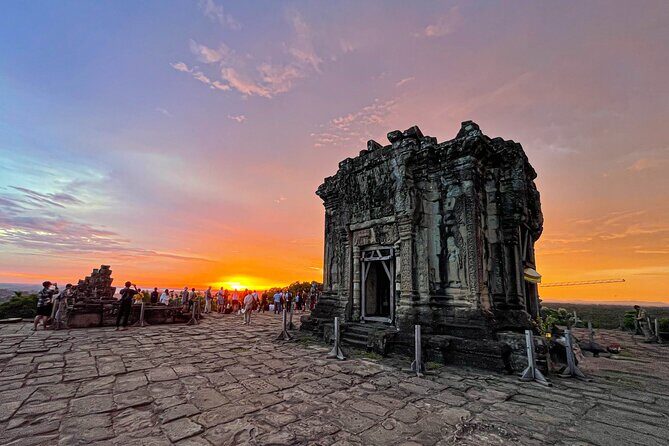
The payoff can be huge: Phnom Bakheng’s hilltop viewpoint is one of the best ways to feel the Angkor complex as a whole instead of isolated monuments.
Day 2: Phnom Kulen National Park, Kbal Spean Lingas, and Banteay Srei
Day 2 starts at 8:00 am with a pickup to Phnom Kulen National Park. This is where the trip stops being only about stone buildings and starts being about the landscape and belief system that shaped them.
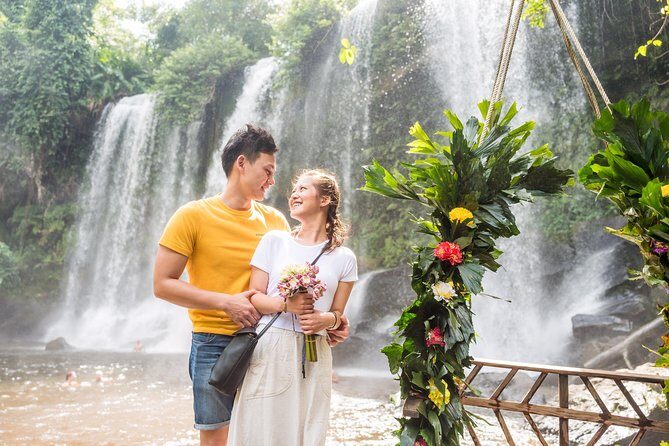
The big practical note here: the itinerary includes waterfalls, but water levels change. During the dry season (March–July), there may be not much water at the waterfalls, and you can still swim, but don’t expect a constant spray show.
You’ll also be able to see riverbed lingas (carvings) at Kbal Spean. This is special because it’s an Angkor-region site that feels “under your feet.” Instead of towers and courtyards, you’re looking at carved symbolism in a natural setting—very different from the temple-face experience.
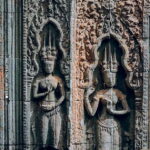
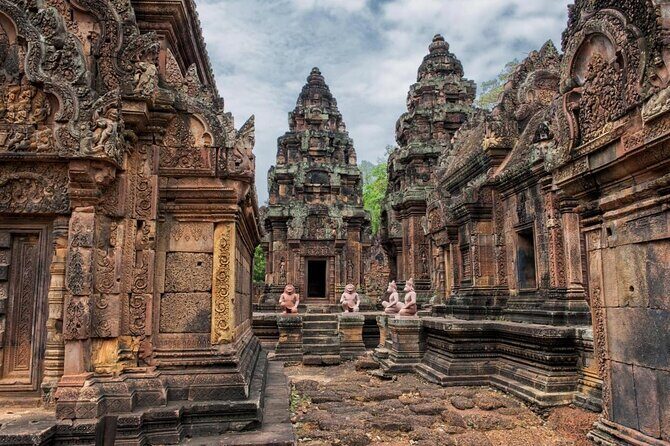
After Kulen, the schedule moves you into a temple that many people don’t realize will be a highlight: Banteay Srei. Expect around 45 minutes here. This is a 10th-century Hindu temple dedicated to Shiva, and it’s known for incredibly detailed stonework.
Where some temples can feel repetitive if you’ve been rushing, Banteay Srei gives your eyes a new job: noticing fine carving, patterns, and the way the stone tells a story.
Tonlé Sap and Kampong Phluk: The Floating Village Day You’ll Remember
The afternoon continues to Kampong Phluk Floating Village and the Tonlé Sap region. You’ll take a private boat ride as part of the Tonlé Sap pass, which is $15 per person and not included in the base price.
This part of the trip is valuable because it stops the Angkor bubble. You get freshwater-lake life and a real sense of how communities adapt to changing water levels. It also helps you understand why the region’s history wasn’t only temples and kings—it was food, fishing, and movement.
One caution: you’ll be in the sun. Bring sun protection and keep an eye on hydration. Your guide should help pace you, but boat time means there’s less shade and less chance to cool down.
Day 3: Pre-Dawn Angkor Wat, Ta Prohm, and the Wider Angkor Circuit
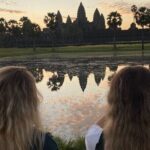
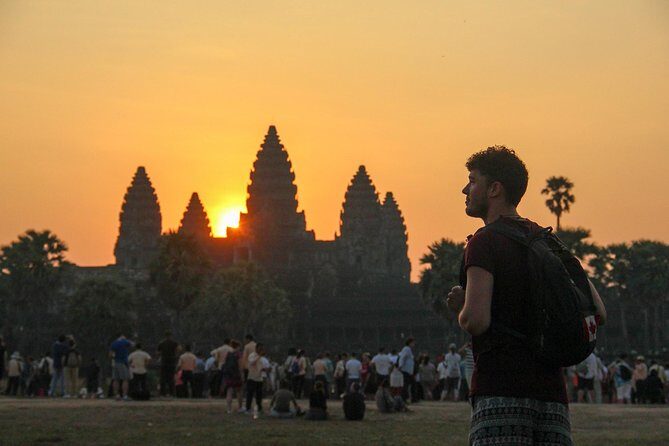
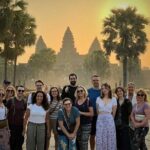
Day 3 is the early one. You’ll be picked up before sunrise at 4:40 am for Angkor Wat sunrise. Sunrise at Angkor Wat is a different game than daytime visits. The light changes quickly, and it’s also when the temple feels most “alive” without the later crowds.
The tour notes that the Angkor Wat sunrise admission on this portion is free in this package timing, but other temple site fees are still not included for the later stops. Once you’re back into the daylight hours, the walking starts again—but the pace is usually easier because you’ve already done the big emotional moment.
After sunrise, you’ll explore:
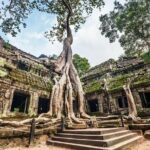
- Ta Prohm: the famous jungle-temple look that people associate with film culture. It’s still faithful to the feel of the stones reclaimed by trees, so it looks dramatic without needing any hype.
- Pre Rup: a pyramid-temple stop dedicated to Shiva. If you want one of the more structured “view from a temple mountain” experiences, this is a good one.
- Ta Som and Neak Pean: smaller stops that keep the circuit interesting. Ta Som gives you a calmer atmosphere, and Neak Pean’s “island with a temple” setup helps you see Angkor’s water engineering ideas.
- Preah Khan: another significant temple on the northeast side of Angkor Thom’s area. You’ll get a sense of the scale and layout of what these places were designed to do beyond just worship.
Across the full three days, the big benefit is that you’re not stuck in a huge crowd stampede. This is a private format, so you can pause to look closely and your guide can adjust speed for your group.
Why the Guide and Driver Matter More Than You Think
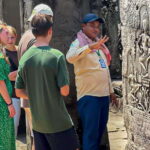
At Angkor, a guide isn’t just “explaining history.” It’s helping you beat bad timing. In the feedback you’ll find the same theme: guides such as Sam and Seila are praised for steering people onto better paths and pointing out where to stand for photos with less crowd pressure.
You’ll also appreciate the driver support. Multiple reviews mention drivers like Tha, Leap, Sophat, and Kim (names vary by trip) for always being ready with cold water and cool towels when you return to the vehicle. That’s not a luxury detail—it’s how you stay functional enough to enjoy the next stop.
Another small but real advantage: pacing. People highlight that the guide can slow down for elders, match your speed, and build in flexibility for extra moments like buying fruit or taking breaks. If you hate feeling rushed, this tour’s style tends to feel more human.
Money Matters: The Base Price vs. the Real Budget
The listed price is $183.08 per person for three days, and you’re getting real value in the “included” part:
- hotel pickup and drop-off
- private AC transport
- an English-speaking guide and driver
- cool water and cool towels
- breakfast on Day 3 only
But the park and site costs are separate. Admission fees are not included for stops like Angkor Wat and the wider Angkor sites, and the Kulen and lake portions have add-ons:
- Phnom Kulen National Park admission: $20 per person
- Kulen Mountain pass: $20 per person
- Tonlé Sap pass with private boat ride: $15 per person
- Food and soft drinks: on your own
So the trip cost won’t stay at $183.08 all-in. What you’re really paying for is transportation + guiding across three intense days, plus the sunrise timing and the day-structure that prevents wasted hours. If you’re comparing to cheaper tours, ask yourself what’s included in each option besides driving you around.
Timing and Packing Tips for Heat, Shoes, and Sunrise
This itinerary includes long temple walks in hot weather. The tour advises modest clothing (shoulders and knees covered) and comfortable shoes. That isn’t just cultural politeness. It can be the difference between getting in smoothly and being refused entry in certain areas.
I’d also treat this as a “sun-smart” trip:
- carry sunscreen and mosquito spray
- keep water with you between stops
- wear breathable clothes and plan for sweat
For sunrise day (Day 3), dress in layers even in Cambodia. Early morning can feel cooler than midday, and you’ll be standing around before the light turns on.
Who Should Book This Tour (and Who Might Skip It)
This tour is a great fit if you want:
- Angkor Wat sunrise and a guided, timed approach that’s not chaotic
- a mix of major temples and “why this place matters” stops like Kbal Spean
- private touring so you can move at a more comfortable pace
- a full Siem Reap story that includes Tonlé Sap life, not just ruins
You might consider a different approach if:
- you hate early starts (4:40 am pickup is real)
- you have limited mobility or can’t handle lots of walking in heat
- you don’t want to manage extra admission costs on top of the base price
Should You Book This 3-Day Angkor Discovery Tour?
If you’re trying to cover a lot without losing your mind, I think this is one of the better ways to do it. The value isn’t just the list of famous sites—it’s the private format, the transport plus guiding, and the way the days are structured so you’re not stuck in the biggest crush at every stop.
Book it if sunrise is a priority, and if you’d like your tour guide to help you see more than you’d see alone. If you’re mainly interested in one or two temples and you prefer to DIY everything, then you might find a shorter or less “full” plan fits you better.
My bottom line: for $183.08, plus the known add-ons, you’re buying convenience, timing, and a human guide who helps you make the most of those long hot days.
FAQ
How long is the tour?
It runs for about 3 days.
Is hotel pickup and drop-off included?
Yes. You get hotel pickup and return.
What time is Angkor Wat sunrise on Day 3?
Pickup happens before sunrise at 4:40 am.
Is breakfast included?
Breakfast is included on Day 3 only.
Do I need to pay for park passes and admissions?
Yes. Admission fees are not included for the listed sites. The tour also notes you’ll buy the Angkor pass, and there are additional fees for Phnom Kulen and Tonlé Sap.
What are the extra costs I should plan for?
Phnom Kulen National Park admission is $20 per person, Kulen Mountain pass is $20 per person, and Tonlé Sap pass with private boat ride is $15 per person. Food and soft drinks are also not included.
Can I swim at the waterfalls in Phnom Kulen?
The tour says you can swim at the waterfalls, but water levels may be low during the dry season from March–July.
What should I wear to visit temples?
You should dress modestly, covering shoulders and knees. Comfortable shoes are a must.
Is this tour private?
Yes. It’s private, and only your group participates.