REVIEW · SIEM REAP
Private Angkor Wat Tour & Angkor Park/Heritage With Local Guide
Book on Viator →Operated by Pineapple Cambodia Tours · Bookable on Viator
Angkor Wat in one smooth day is a lot of wow. This private full-day route is built for first-timers, with hotel pickup/drop-off and an English-speaking local guide steering you through Angkor Wat, Angkor Thom, Bayon, Ta Nei, Ta Prohm, and Srah Srang without the guesswork. I like that the price includes practical comfort—lunch plus snacks and drinks—and that the day runs by tuk tuk between sights. The main drawback to know up front: the Angkor Archaeological Park entrance fee isn’t included.
Because it’s private, you don’t have to match someone else’s pace. You get a guided flow with set time at each stop (from two hours at Angkor Wat to 20 minutes at Ta Nei), and you’re handed a mobile ticket for an easier day. If you hate rigid schedules, this may feel structured—though the included breaks and rest time mentioned in feedback help.
In This Review
- Key things that make this private Angkor tour work
- Private tuk tuk touring: the best way to reduce Angkor stress
- Entering Angkor Wat: how two hours helps you actually see it
- Angkor Thom and Bayon: the capital city feeling in one guided block
- Ta Nei’s quiet jungle moment: short visit, different mood
- Lunch at Srah Srang: food break plus reservoir views
- Ta Prohm: ruined jungle atmosphere with enough time to slow down
- Price and value: what you get for $60 in a 7–8 hour day
- What the guide brings (and how it changes your day)
- Who should book this, and who might want a different style
- Should you book this private Angkor Wat tour?
- FAQ
- How long is the private Angkor Wat tour?
- Does the tour include hotel pickup and drop-off?
- Is lunch included?
- What transport is used during the tour?
- Are temple entrance fees included?
- Is this tour private or shared?
Key things that make this private Angkor tour work
- Hotel pickup and drop-off: you start and end in Siem Reap without juggling transport.
- Tuk tuk touring inside the complex: easier than constant remapping on your own.
- Lunch, snacks, and drinks included: you’re not scrambling for food between temples.
- A local English-speaking guide: commentary at each major site, not just photos.
- Time-balanced stops: long enough at the big hitters, shorter at the quieter spot (Ta Nei).
Private tuk tuk touring: the best way to reduce Angkor stress
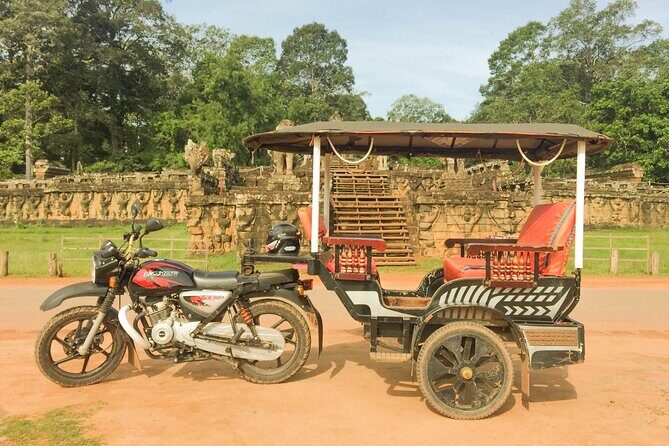
Angkor can feel like a maze if you’re trying to plan on the fly. This tour is attractive because it turns that chaos into a route you can follow. You’ll use a round trip tuk tuk, and your guide handles the in-between decisions like where to be next and how to keep the day moving.
The private setup matters more than people think. Shared tours often turn into a group shuffle—stop, wait, rush, repeat. With this being private (only your group participates), you can keep your energy for the temples instead of watching the clock every time someone falls behind.
A final small but real plus: you get drinking waters throughout the day. In Siem Reap heat, that’s not a luxury. It’s just smart.
You can also read our reviews of more guided tours in Siem Reap
Entering Angkor Wat: how two hours helps you actually see it
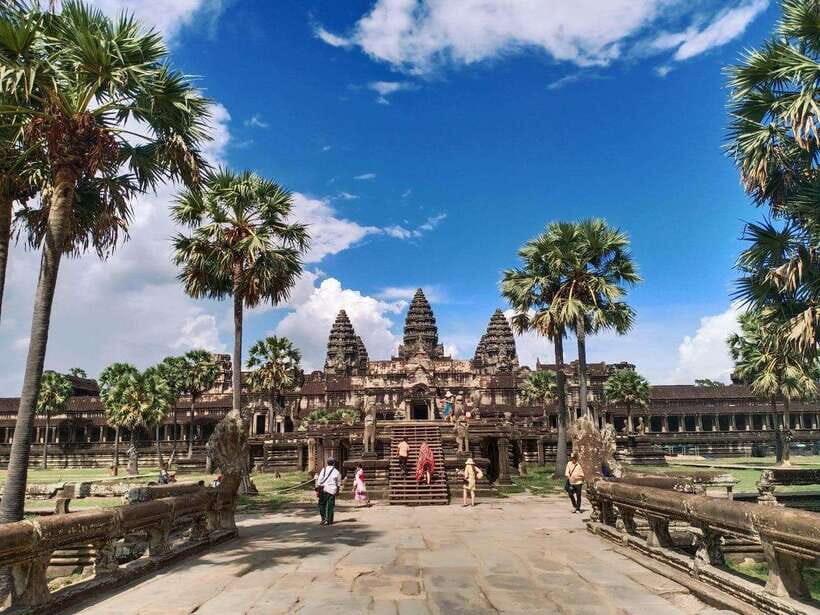
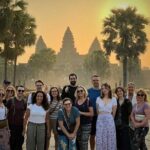
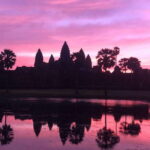
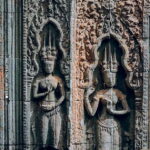
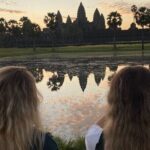
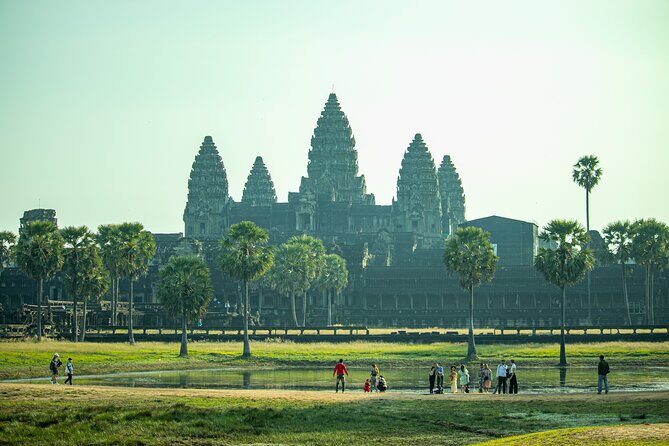
Angkor Wat is the star, and the tour gives it the spotlight first with about two hours. You’re guided through why it’s considered the world’s largest and best-preserved monument, and it’s described as an architectural masterpiece—known for composition, balance, proportions, reliefs, and sculptures.
Here’s what that means for you on the ground. Instead of only walking corridors and hoping the carvings make sense, you’ll have commentary that helps you look in the right places. The guide’s job is essentially to help you read the temple. That’s the difference between seeing Angkor and understanding why people keep going back.
A practical note: admission tickets aren’t included. The itinerary lists admission tickets as not included at stops, and it also states the Angkor Archaeological Park entrance fee is separate. So budget for that before the day starts, otherwise you’ll be standing there while everyone else is already moving.
Angkor Thom and Bayon: the capital city feeling in one guided block
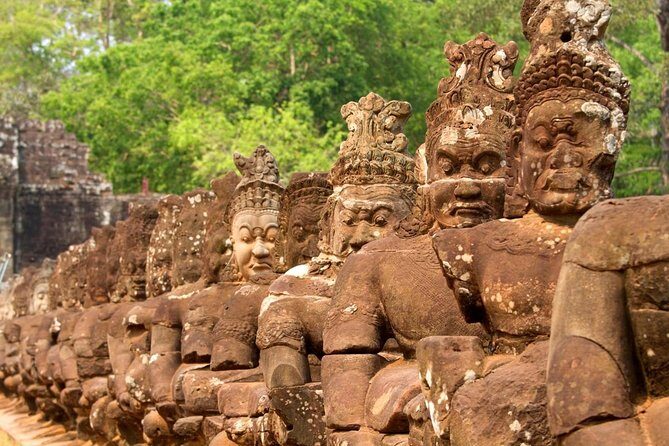
After Angkor Wat, you head into the walled world of Angkor Thom with about one hour. This area is tied to the late 12th century Khmer Empire era, and it covers about a 9-square-kilometer space filled with structures from earlier times.
Why is an hour here the right amount? Because Angkor Thom is huge in concept even if you only touch a few key sections. An hour with a guide helps you focus on the parts that actually carry the main visual themes. You’re not aimlessly wandering.
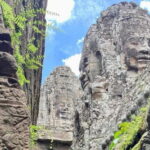
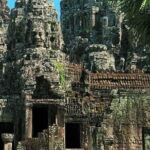
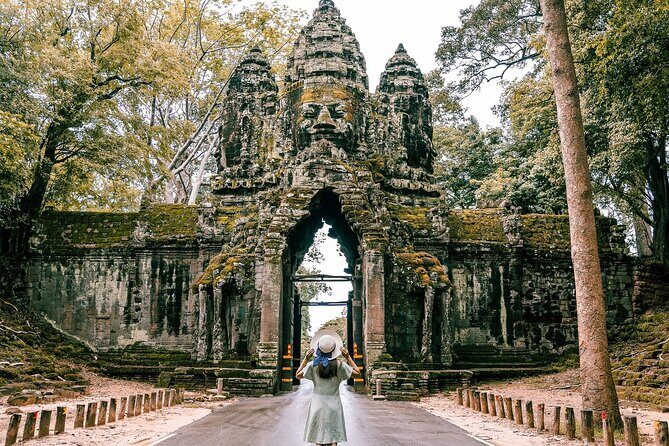
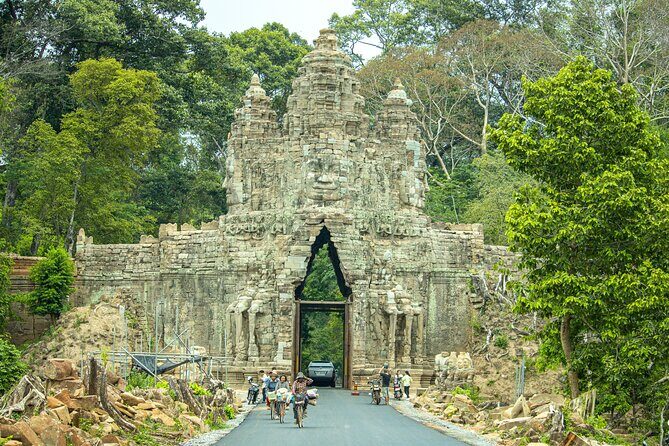
Next comes Bayon Temple, also set in the heart of Angkor Thom, with about one hour. Bayon is connected to King Jayavarman VII and is known as a state temple. The standout detail you’ll hear is that Bayon has 54 towers—a feature that changes how you experience the place. It’s not a single grand view. It’s a temple made of repeated faces and viewpoints, which is exactly why a guide’s interpretation helps.
Also consider this: Bayon can feel intense. If you like symbolism and art details, you’ll probably enjoy the time. If you’d rather only do quick photo stops, this segment may still feel “enough” because you have limited time and you’re moving with purpose.
Ta Nei’s quiet jungle moment: short visit, different mood
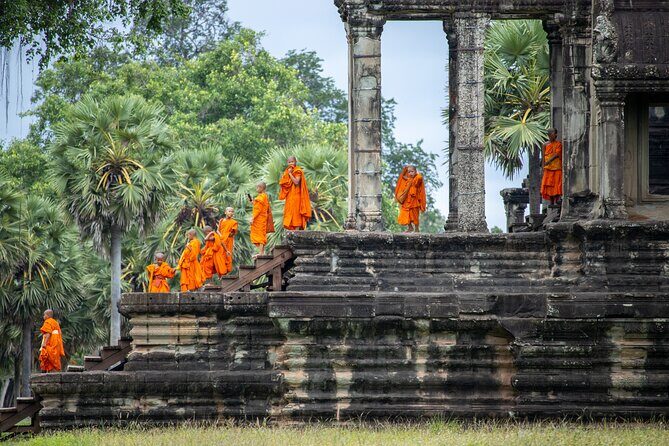
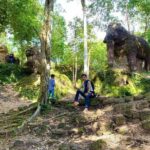
Ta Nei Temple is scheduled for about 20 minutes. That short window is actually a smart counterbalance after Bayon—because Ta Nei is described as modest, quiet, secluded, and in the middle of the jungle.
This stop is valuable because it shifts the day’s tempo. Angkor Wat and Bayon hit big scale and strong artistic statements. Ta Nei is the “breathe” stop, even if it’s still a temple site you’ll want to look at carefully.
If you’re someone who gets temple fatigue, you’ll likely appreciate this compressed timing. If you’re the kind of person who could spend hours searching every corner, you might wish the visit were longer—but the tour keeps the overall day to around 7 to 8 hours, so someone has to be shorter.
Lunch at Srah Srang: food break plus reservoir views
Midday is Srah Srang, with about one hour 30 minutes. This is where the tour becomes more livable. You get a delicious Cambodian lunch at a restaurant and then you relax with views of the Srah Srang reservoir.
That timing is practical. You’ve been seeing major stone architecture and detailed carving for a while. Lunch gives your body a pause, and the reservoir gives your eyes a different kind of scene. It’s also a change in lighting, which helps with photos and just with how you feel during the day.
Because this lunch is included—and because snacks and drinks are also part of the package—you won’t be stuck figuring out food plans while you’re tired. That matters if you’re traveling with limited patience or you just want the day to feel easy.
You can also read our reviews of more private tours in Siem Reap



Ta Prohm: ruined jungle atmosphere with enough time to slow down
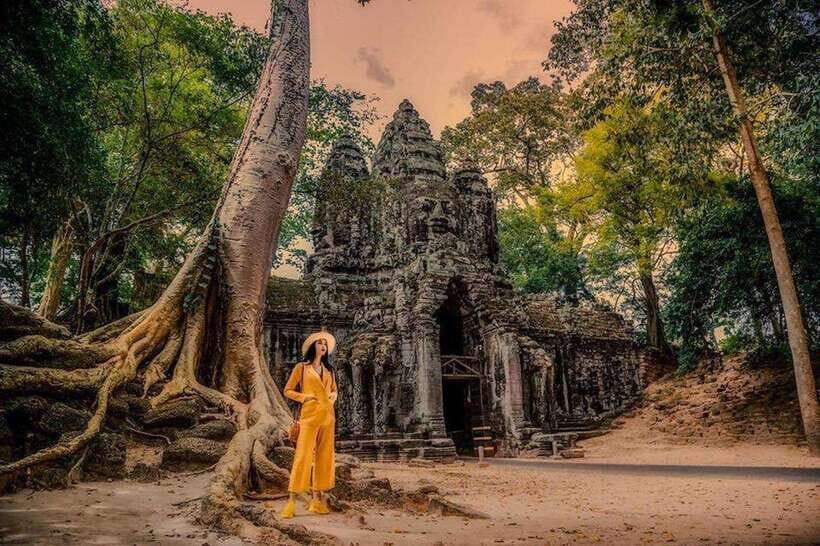
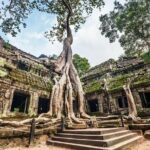
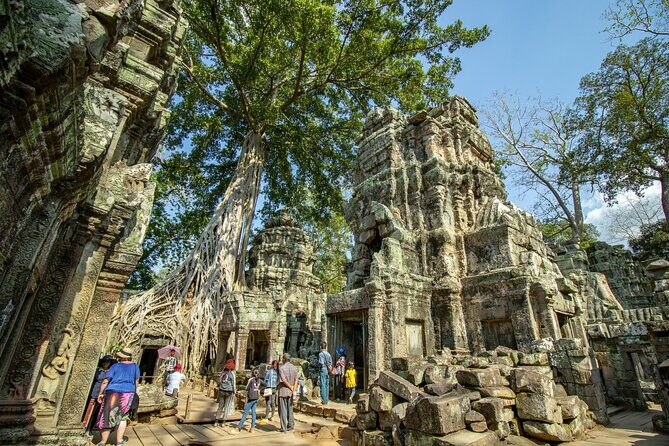
The day ends (or at least takes a major late-stage turn) at Ta Prohm Temple for about one hour 30 minutes. Ta Prohm is known for its dramatic ruined structure in the jungle, and it’s famously linked to the Tomb Raider film nickname because it appeared in a movie with Angelina Jolie. The description also points to enormous trees interacting with the temple space.
This is one of those places where time helps. A longer visit lets you notice how the roots and stone connect visually, rather than rushing through to the famous angles. With 90 minutes, you can do the classic “first look” and then come back for a second perspective if the light shifts.
One consideration: Ta Prohm’s fame can mean it feels busy at times. Even then, a guide can still help you move between viewpoints efficiently so you spend more time looking and less time stuck. That’s part of the value of having the route planned rather than figuring it out alone.
Price and value: what you get for $60 in a 7–8 hour day
At $60 for roughly 7 to 8 hours, the value comes from what’s included—not just the temples.
Here’s what you’re paying for that you’d otherwise spend extra time or money on:
- Tuk tuk round trip
- English-speaking local guide
- Lunch at a restaurant
- Snacks and drinks
- Drinking waters throughout the day
- Hotel pickup and drop-off
- Mobile ticket
The separate line item you must account for is the Angkor Archaeological Park entrance fee. Since that isn’t included, the true all-in cost is your tour price plus the entrance fee at the gate.
For many people, that combination is a strong deal because it converts a big, complicated site into a manageable day with food, transport, and interpretation. You’re also buying convenience: pickup, drop-off, and a route through the main highlights.
A small note on group discounts: if you’re traveling with friends and booking together, ask about those discounts. The tour also says it offers group discounts, which can help bring the per-person cost down.
What the guide brings (and how it changes your day)
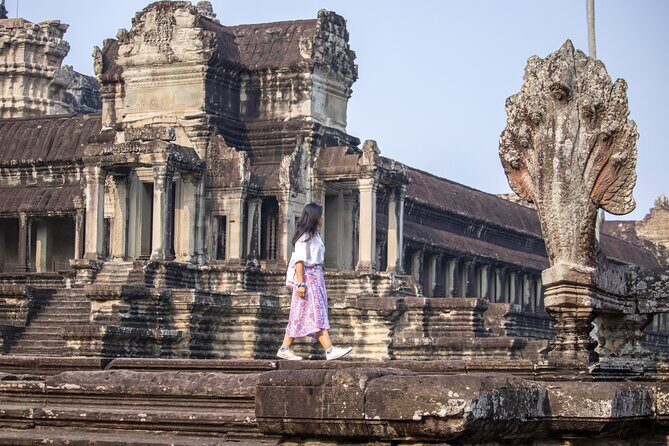
The tour is sold as a private guided experience, and in practice that means you’re not just moving from spot to spot. You have interpretation at the key stops: Angkor Wat, Angkor Thom, Bayon, and Ta Prohm.
In the feedback shared with the provider, the guide Ben/Yen is praised for giving plenty of explanations and for stopping frequently enough to rest. The driver Bo is also credited for the tuk tuk experience. Even if your guide differs, that emphasis tells you what the team aims for: clarity plus a pace that respects the realities of a long temple day.
If you like learning what you’re looking at, this is where the tour justifies itself. Otherwise, you’ll feel like you’re paying to be transported and then left to interpret on your own.
Who should book this, and who might want a different style
This tour is a great match if you:
- want a one-day circuit of major Angkor sites without DIY planning
- prefer hotel pickup/drop-off and a guide instead of navigation stress
- value included meals and water so you don’t lose time hunting food
You might consider a different option if you:
- want sunrise-focused timing (this route doesn’t specify sunrise)
- hate any structure at all, since the day has defined stop lengths
- are budgeting so tightly that an additional separate entrance fee is hard to absorb
Should you book this private Angkor Wat tour?
I’d book it if you’re aiming for a smooth, guided day that hits Angkor’s biggest emotional and visual moments—Angkor Wat first, then the dense capital feeling of Angkor Thom and Bayon, a quieter pause at Ta Nei, a real break with lunch at Srah Srang, and the jungle drama of Ta Prohm.
The strongest reasons to say yes:
- the big ticket convenience items are included: guide, tuk tuk, lunch, snacks/drinks, water, and pickup/drop-off
- the itinerary covers the essentials with sensible time balance
- it’s private, so you’re not fighting for space with strangers
The main reason to hesitate:
- you still need to budget for the Angkor Archaeological Park entrance fee, since it’s not included.
If that extra fee fits your plan, this is a clean, value-driven way to do Angkor without turning your trip into a logistics project.
FAQ
How long is the private Angkor Wat tour?
The tour runs about 7 to 8 hours.
Does the tour include hotel pickup and drop-off?
Yes. Pickup from your hotel and drop-off are included.
Is lunch included?
Yes. Lunch is included at a restaurant, along with snacks and drinks.
What transport is used during the tour?
You travel around by tuk tuk, with round trip transport included.
Are temple entrance fees included?
No. The Angkor Archaeological Park entrance fee is not included.
Is this tour private or shared?
It is private. Only your group participates.