REVIEW · SIEM REAP
3-Day Tour of Siem Reap, Angkor Temples & Phnom Kulen Waterfall
Book on Viator →Operated by Hok Cambodia Journeys · Bookable on Viator
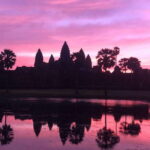
Angkor hits different at sunrise. This 3-day Siem Reap tour is built around early temple starts, a storytelling private guide named Hok, and a smooth route through the big Khmer sites plus nature at Phnom Kulen. I like the way the day is structured around lighting changes at Angkor Wat, with both sunrise and sunset energy, not just one rushed visit. I also like that you get an air-conditioned ride with water and towels, so the long temple days feel manageable. One consideration: temple admission tickets and the Phnom Kulen ticket are not included, so budget for those separately.
If you want Siem Reap to feel personal instead of mass-tour generic, this is the style to choose. The tour uses pickup from your hotel, then stays focused on temples and nearby sights without adding random stops. For a first-time Cambodia trip, having Hok’s humor and clear explanations can make the ruins feel readable, not just impressive rock. The pace is active, and with the 4:30am sunrise start, you’ll want to sleep early.
In This Review
- Key things I’d plan around
- Angkor Wat, sunrise timing, and why this tour works
- Angkor Thom and the dramatic walk through Khmer power
- Ta Prohm, Pre Rup, and the temples that feel lived-in
- Banteay Srei and the quieter temple beauty
- Preah Khan, Ta Som, Neak Pean, and Banteay Samre: temple variety day
- Phnom Kulen National Park: sacred mountain and real breaks from ruins
- Beng Mealea’s jungle feel and Tonle Sap’s water life
- The price: what $250 covers, and what you still pay separately
- Your guide matters: why Hok’s style is a big selling point
- Who this tour fits best, and who should choose a different style
- Should you book this Siem Reap 3-day Angkor and Phnom Kulen tour?
- FAQ
- What does the tour price include?
- Are Angkor temple tickets included?
- Is the Phnom Kulen ticket included?
- Is hotel accommodation included?
- How early is the sunrise portion?
- Is this tour private?
- Can I cancel and get a full refund?
Key things I’d plan around
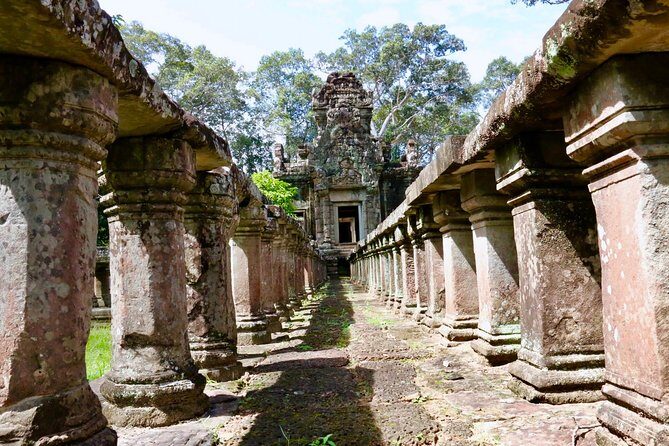
- Angkor Wat at first light and again at sunset so you catch two very different atmospheres
- A guide you’ll actually enjoy Hok is described as passionate, funny, and able to switch between fun and serious history
- The full Angkor mix in fewer days Big names plus smaller circuits like Ta Prohm and Preah Khan
- Phnom Kulen National Park for nature and sacred details waterfalls, reclining Buddha, and the river with lingas
- Tonle Sap floating village to balance temple stone with real-life water life
- Tickets are separate Angkor temple admissions and the Phnom Kulen ticket are not included
Angkor Wat, sunrise timing, and why this tour works
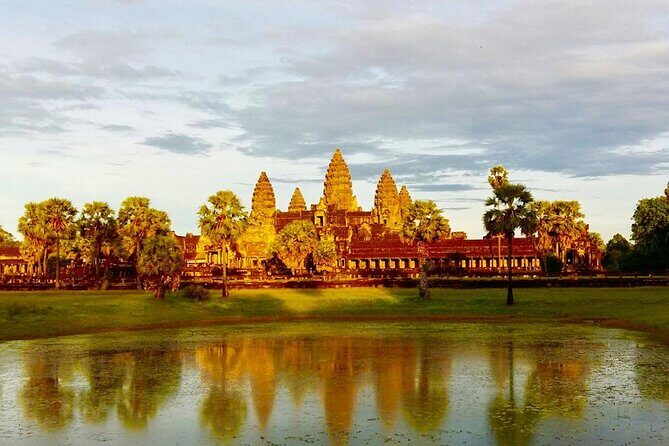
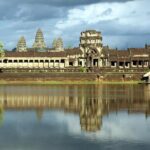
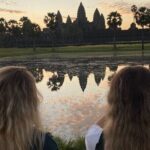
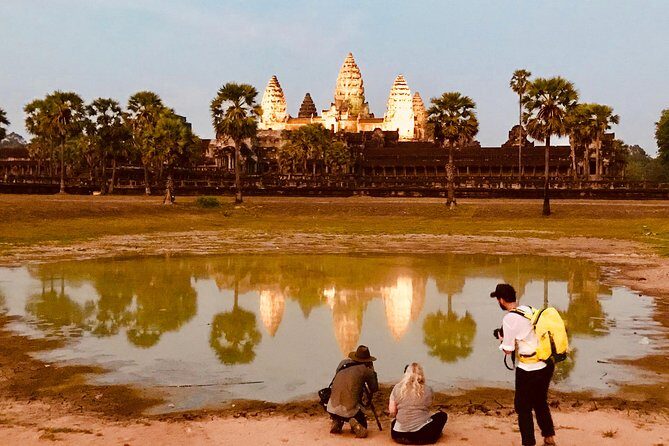
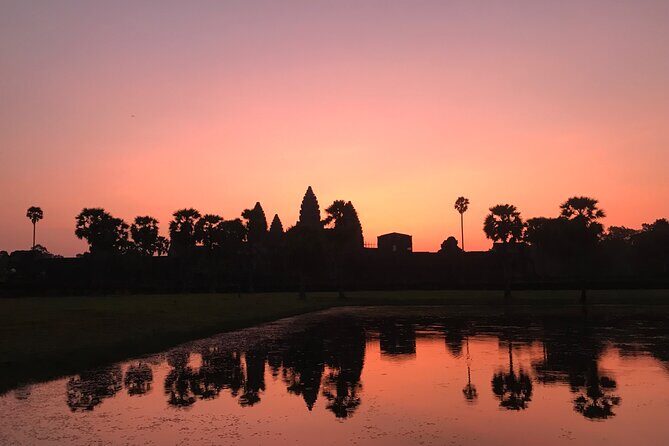
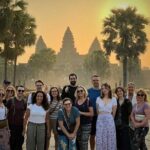
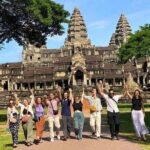
The heart of this experience is Angkor Wat, and the schedule reflects a smart reality: your photos, your mood, and even your legs all change depending on when you go. You start with a very early pickup at 4:30am for sunrise viewing, which also means fewer crowds and better light. Then later, you return for sunset at a key viewpoint (Phnom Bakheng is the stop named for sunset energy).
What I like most is that the route isn’t just one temple stop. It’s Angkor Wat plus the surrounding context—nearby forest and village views are built into the day, so the ruins don’t feel like they dropped from the sky. And because you’re traveling in an air-conditioned vehicle with water and towels, you can focus on what matters instead of melting in the heat.
The only “gotcha” is the early alarm. If you’re not a morning person, this sunrise start will test your commitment. I’d plan your nights in Siem Reap to be calm and early, and keep your daypack simple: hat, sunscreen, light layers.
A few more Siem Reap tours and experiences worth a look
Angkor Thom and the dramatic walk through Khmer power
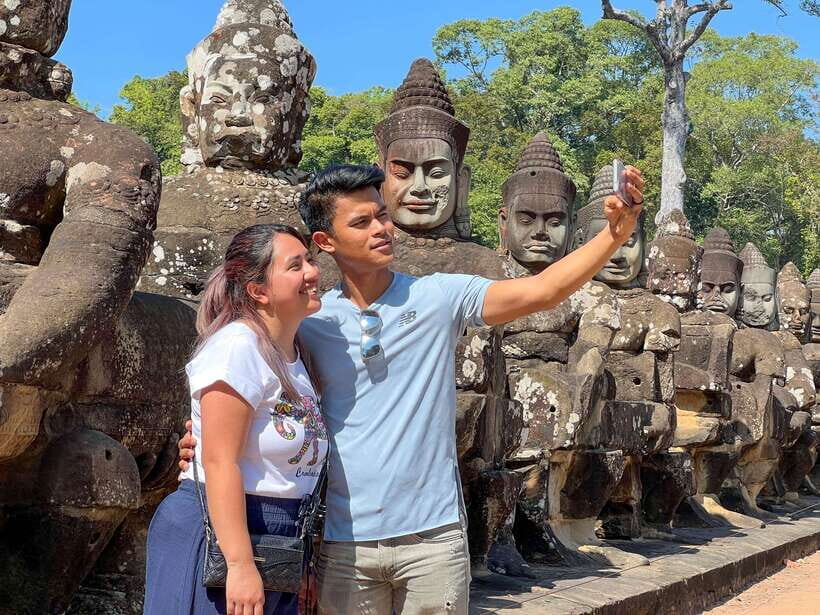
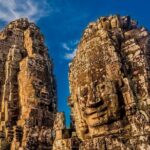
After the first core Angkor Wat moments, the tour shifts to Angkor Thom, the former stronghold capital of Cambodia. You’ll hear the older name, Yashodarapura, linked to King Yasorvarman I, and the “great king city” meaning of Angkor Thom. That helps you connect the temples you see with the political scale of the place, not just the architecture.
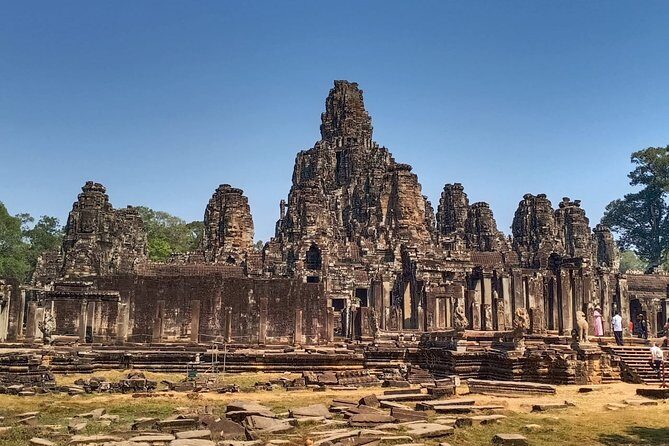
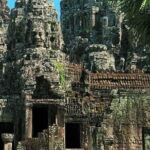
Inside Angkor Thom, you hit Bayon Temple in the center, built by King Jayavarman VII and dedicated to Lord Lokesvara. The stop list keeps things moving, but it’s paced enough to actually read the site as you go. Bayon’s location matters: it’s not a random temple you pass on the way out, it’s the symbolic core of the complex.
Then you continue to Baphuon, described here as a Hindu monument dedicated to Lord Shiva and built by King Udiyatidyavarman II between 1050 and 1066. The Terrace of the Elephants follows, a royal conference hall in front of the royal palace area, with elephants playing a role in moving kings and generals. Even if you only catch a few details, these stops give you a bigger picture of how Khmer rulers used space for ceremony and control.
A practical note: the terrain around these temples can be uneven and hot. Wear shoes you can walk in for long stretches, and take breaks when you need them. Your guide can help you pace it, and that’s where Hok’s “fun but serious” style seems to matter—he can keep things lively while also guiding your attention to the right features.
Ta Prohm, Pre Rup, and the temples that feel lived-in
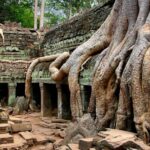
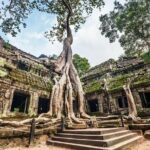
Ta Prohm is the famous jungle temple stop, and it’s a big reason many people book an Angkor circuit tour in the first place. It’s tied here to King Jayavarman VII (built in 1186) and dedicated to his mother, so it’s not just a movie backdrop. The jungle setting changes your experience: you’re not looking at clean museum-like stone, you’re watching nature and history share the same frame.
From there, the tour continues to Pre Rup, a brick and stone state temple dedicated to Lord Shiva and described as a symbol of Mount Meru in Hindu mythology. Pre Rup’s “turning” name detail (Pre means turn) isn’t just trivia; it helps you understand how visitors interpret the structure and levels as you move through.
Finally, Phnom Bakheng closes out the Angkor-side day with a major sunset spot. The big thing to remember about sunset viewpoints in Angkor is timing: you want to be positioned early enough to settle in before the light changes. If you tend to rush, this stop is where you slow down on purpose.
Banteay Srei and the quieter temple beauty
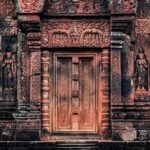
On the second big day, Banteay Srei becomes your change of pace. This is the pink-stone temple stop, called Lady Temple, located about 37km from Angkor Wat in this route description. What makes it valuable is that it shifts your eyes: instead of focusing only on massive Angkor mega-complex scale, you get a different kind of beauty that feels more delicate and detailed.
Banteay Srei also helps balance your mental map. After a lot of major sites (Angkor Thom areas, jungle temples, big named towers), this kind of temple gives you a new anchor point. It’s also a reminder that the Angkor region isn’t only about the headline ruins.
Because the day is packed with multiple smaller stops—Preah Khan, Ta Som, Neak Pean, Banteay Samre—you’ll want to keep expectations realistic. Some temples will feel more visually striking than others, but the value is in seeing how the Khmer temple network connects through layout, water features, and religious themes.
Preah Khan, Ta Som, Neak Pean, and Banteay Samre: temple variety day
This portion of the trip is where the route becomes more interesting than a basic checklist. Preah Khan is described as Holy Sword Temple and as a large complex with many parts in good condition, plus fine Khmer carvings. That combination matters: it’s not only large, it’s readable.
Ta Som follows, a Mahayana Buddhism temple dedicated to ancestors and master, with a note that some scholars say it was dedicated to father King Dharanindravarman II. The point isn’t to memorize the debate—it’s that you’ll see how different temples relate to different religious messages within the Khmer world.
Neak Pean is built around water: it’s located in the center of Jayatadak lake, surrounded by water, and it’s called the entwined serpents. Here, it’s also connected to medical purposes in ancient belief. Even if you don’t know the theory behind it, you can sense the design idea: treat water as part of the healing story, not scenery.
Banteay Samre closes this temple run with another helpful context detail: it’s on the east side of Yasorvarmantadak (a water reservoir), built by Suriyavarman II, and dedicated to family and friends. That emphasis on family and community devotion—plus the fact it’s described as well preserved—gives the day emotional variety, not just visual variety.
If you want the best experience here, go with the mindset that you’re learning a system, not checking boxes. Hok’s job seems to be exactly that: turning stops into a connected story rather than separate photo opportunities.
Phnom Kulen National Park: sacred mountain and real breaks from ruins
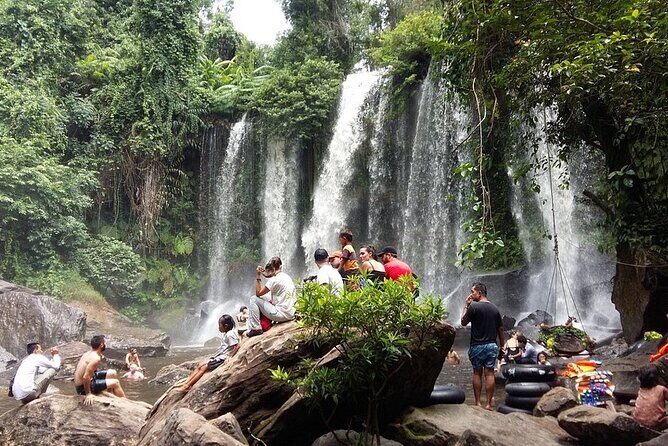
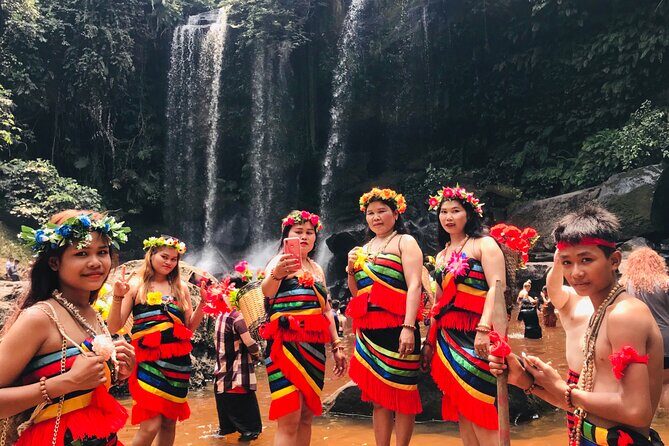
The third day shifts from temple stone to nature and sacred landscape at Phnom Kulen National Park. This stop is where the itinerary earns its “3 days” label. Phnom Kulen is described as a sacred mountain with holy waterfalls, a reclining Buddha, a sacred river with thousand lingas, plus Srash Damrei and Bat Cave.
This is also where you’ll feel the value of having lunch and drinks handled for you. Even though the tour includes meals on earlier days, the ride between stops and time spent at nature sites can still drain you. You don’t want to burn energy on logistics while you’re trying to enjoy the view.
Because the Phnom Kulen ticket is not included, confirm what you’ll need and plan to pay attention to the ticket requirement before you arrive. Once you’re inside the park, you’ll see why sacred places often feel different in the body: it’s not just the monuments, it’s the meaning and the setting.
Also, expect a day with movement. National parks aren’t theme parks. You might find some spots require careful walking or stair steps, so bring shoes you trust.
Beng Mealea’s jungle feel and Tonle Sap’s water life
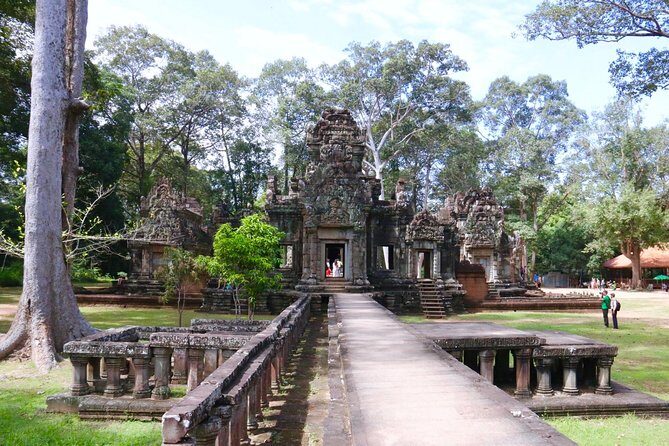
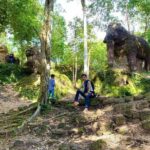
After Phnom Kulen, the tour heads to Prasat Beng Mealea, described as a remote jungle temple about 66km from Siem Reap. This is the kind of place that changes your idea of what “temple” means. Instead of a carefully restored, polished-feeling site, you get something rougher and more wild in character, which can be refreshing after big, structured complexes.
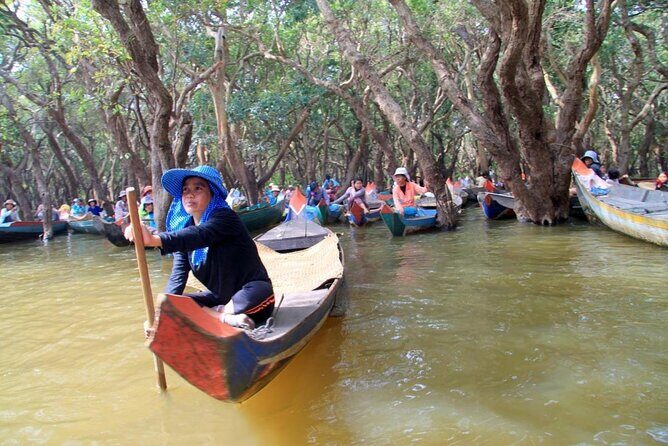
Then you finish with Tonle Sap Lake and its floating village. Tonle Sap is described as the largest freshwater lake in Southeast Asia, located almost in the center of Cambodia and surrounded by several provinces. That geography detail matters: it frames the lake not as a side trip, but as a major part of how life is arranged in the country.
This ending is smart for your energy. After days of walking among stone monuments, water life gives your eyes a different kind of calm. It also keeps the trip grounded in modern Cambodia rather than staying trapped in the ancient past.
The price: what $250 covers, and what you still pay separately
At $250 per person for about three days, the value comes from how much is bundled. Included items are pickup from your hotel area, an air-conditioned vehicle, an English-speaking guide, cool water and towels, and meals: two lunches plus drinks.
That bundling is worth real money in Cambodia because transportation and guide time can add up quickly. A private tour style can also be more efficient: you’re not waiting around for other groups’ pacing, and you can move at a rhythm that matches your attention span.
What you should budget separately is equally clear. Angkor temple tickets are not included, and the Phnom Kulen ticket is not included. That’s the one place this tour won’t save you. Still, if you were going to hire a guide and driver anyway to make sunrise and sunset happen, $250 can feel reasonable.
Your guide matters: why Hok’s style is a big selling point
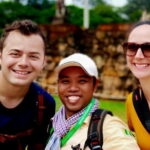
The strongest theme in the feedback is the guide. Hok is consistently described as dedicated, passionate, and able to explain sites in a way that feels like a story. One of the most practical compliments is also the most useful: clear communication.
That matters at Angkor because there’s a lot going on. Without a good guide, you might see impressive structures and leave with only vague impressions. With Hok, the explanations connect temples to rulers, religions, and the reasons certain sites were built. Even the humor shows up as part of the learning style, not as a distraction.
There’s also a recurring “care” angle. Comments mention organization, safety-minded help, and attention to the group’s needs. If you’re traveling with just two people or you’re a first-timer, that sense of being looked after can be more important than another souvenir stop.
Who this tour fits best, and who should choose a different style
I think this tour is a good match if you want a guided Angkor experience without turning your trip into a sprint. It’s also ideal if you care about sunrise and sunset timing, and if you appreciate context for why temples look the way they do.
If you hate early mornings, the 4:30am pickup for sunrise is a deal-breaker. Also, if you want a slow travel pace or lots of free time for wandering alone, this route may feel structured. You’ll be moving from site to site, and while stops aren’t described as nonstop running, it’s still a full program.
If you’re traveling in a small group and want a private experience, this format helps you feel less lost. And because meals and drinks are included, you won’t constantly stop to solve food logistics.
Should you book this Siem Reap 3-day Angkor and Phnom Kulen tour?
Book it if your priority is a well-paced Angkor program with sunrise and sunset, guided by someone who can make the temples understandable. The value is strong for the included guide, transport, and meals, and the mix of Angkor + Phnom Kulen + Tonle Sap keeps you from getting burned out on ruins only.
Skip or compare if you already know you’re likely to struggle with very early starts, or if you don’t want to plan for separate ticket costs. This tour asks you to participate actively. If you’re good with that, you’ll get a trip that feels both educational and emotionally moving, not just scenic.
FAQ
What does the tour price include?
It includes pickup (from your hotel), an air-conditioned vehicle, an English-speaking guide, cool water and towels, and meals with 2 lunches plus drinks.
Are Angkor temple tickets included?
No. Angkor temple admission tickets are not included in this tour.
Is the Phnom Kulen ticket included?
No. The Phnom Kulen ticket is listed as not included.
Is hotel accommodation included?
No. Accommodation is not included, so you’ll book your own stay in Siem Reap.
How early is the sunrise portion?
The sunrise pickup is scheduled for 4:30am to help you reach the sunrise viewpoint in time.
Is this tour private?
Yes. It’s described as a private tour/activity, meaning only your group participates.
Can I cancel and get a full refund?
You can cancel up to 3 days in advance for a full refund (based on local time). If you cancel less than 3 days before, the amount paid won’t be refunded.