REVIEW · SIEM REAP
Afternoon Cooking Class & Village Tour in Siem Reap
Book on Viator →Operated by Village Cooking Class. · Bookable on Viator
Cooking in a countryside kitchen is the fun part.
This Siem Reap afternoon cooking class pairs a village walk with a real Khmer cooking lesson, plus farm visits and a sit-down dinner you make yourself. You start with pickup, then head out past rice paddies and temples toward a rural village, where you’ll cook with a private chef and learn how locals build flavor with herbs and sauces (Khmer cuisine meets village life).
What I like most is how practical it is. I love that you get to cook three main Khmer dishes and a dessert, not just watch or sample. I also like the farm detour before the cooking starts, with stops that include vegetable and mushroom farms and even a rice wine distillation house, so you understand where ingredients and traditions come from.
One thing to consider: this runs on a set afternoon schedule and depends on good weather. If conditions are poor, it can be rescheduled or refunded, and that matters if your trip is tight.
In This Review
- Key highlights at a glance
- Afternoon Siem Reap timing: what 4 hours feels like
- The countryside drive: rice paddies, temples, and the view shift
- Village tour and farm visits: vegetables, mushrooms, and rice wine
- Tasting herbs and sauces before you cook
- The hands-on cooking lesson: Khmer specialties you actually make
- Dinner that comes from your own prep
- The recipe book: your best souvenir for real-world cooking
- Price and value: why $35 can make sense here
- Who should book this Siem Reap class (and who might not)
- Should you book this Siem Reap afternoon cooking class?
- FAQ
- How long is the afternoon cooking class and village tour?
- Where does this experience take place?
- Do I get hotel pickup and drop-off?
- What time is pickup or start time?
- What meals are included?
- What stops are included during the village tour?
- How large is the group, and will I cook with a chef?
- What if the weather is bad or I need to cancel?
Key highlights at a glance
- Hotel pickup and drop-off so you do not waste time figuring out transport
- Small group size (max 8) for a calmer, more personal class
- Farm and village stops including vegetable and mushroom farms and a rice wine distillation house
- Hands-on cooking with a private chef plus tasting of herbs and sauces
- Included meal with 3 Khmer main courses and 1 Khmer dessert
- Take-home recipe book to recreate dishes after you go back home
Afternoon Siem Reap timing: what 4 hours feels like
This tour is built for the mid-afternoon slot, with an experience length of about 4 hours. The details you’ll see can show different times: one part says pickup is at 3:00 pm, while another says the start time is 2:00 pm. When you book, pay attention to your confirmation message, since that’s the one that should match your actual pickup.
In plain terms, you’re not doing an all-day excursion. You’re getting enough countryside time to feel like you left the city, and enough kitchen time to actually learn. If you love travel that’s active but not exhausting, this format fits well: drive out, tour a village area, cook, eat, and back to your hotel before the evening gets busy.
The small group matters here. With a maximum of 8 travelers, the class stays relaxed, and the chef can adjust while you’re working. For solo travelers, that smaller size also tends to make it easier to ask questions and keep up with techniques.
You can also read our reviews of more cooking classes in Siem Reap
The countryside drive: rice paddies, temples, and the view shift
After pickup, you head outside Siem Reap City. The drive goes through rice paddies and past temples on the way to the rural village. This part is more than scenery. It’s your warm-up to the day’s theme: Khmer food is not just a list of dishes. It’s tied to place, seasons, and how people live in the countryside.
You also get a sense of scale. In the city, Cambodia can feel compact and tourist-shaped. On the drive out, it becomes bigger and more open—fields, paths, and village landmarks that explain why certain ingredients show up in local cooking.
Practical note: because you’re moving between areas and likely walking a bit during the village tour, wear comfortable shoes. This is not the kind of outing where stiff footwear helps.
Village tour and farm visits: vegetables, mushrooms, and rice wine
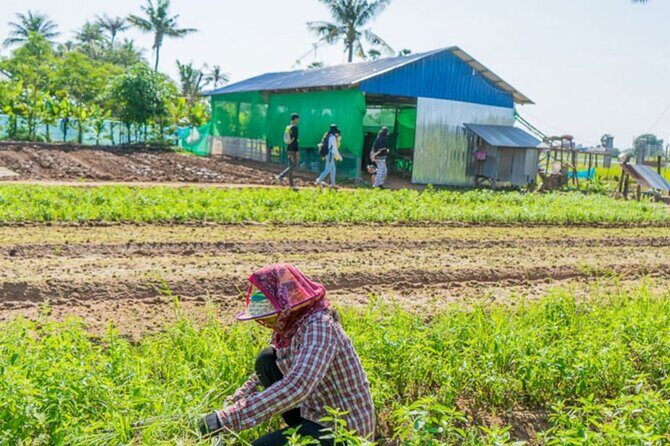
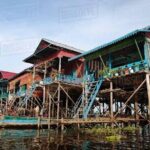
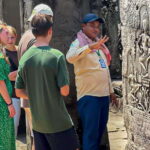
Once you reach the village area, you start with a guided tour around local houses and village life. That walk is where you start connecting the dots between everyday routines and what ends up on a plate. If you care about learning culture through food, this is a smart approach: you see the setting first, then you cook inside it.
Then comes the ingredient side of the story. You visit vegetable and mushroom farms, which makes the class feel less abstract. Even if you’ve cooked before, seeing how produce is grown changes how you think about fresh ingredients and how quickly flavors can come together.
One of the more memorable stops is the local rice wine distillation house. It’s not just a quick photo stop. It adds depth to the day, because it reminds you that local foods and drinks often come from hands-on processes passed down over time.
There’s also a village donation included. That matters because you’re not just taking an experience. You’re contributing to the community that hosts the class and shares their day with you.
Tasting herbs and sauces before you cook
Before your hands get busy, you taste and learn. You’ll sample aromatic herbs and tasty sauces and get a feel for how Khmer flavor is built. This is one of the best parts of the whole experience because it teaches your palate, not just your technique.
Think of it like learning a language by listening first. Once you can recognize key herbs and sauces, the cooking steps start making more sense. Then you’ll learn traditional techniques with a chef who guides you through the process in the kitchen.
The class style is also practical. You’re creating a variety of Khmer specialties, and the format is designed so you can do real work rather than only doing one simple step.
The hands-on cooking lesson: Khmer specialties you actually make
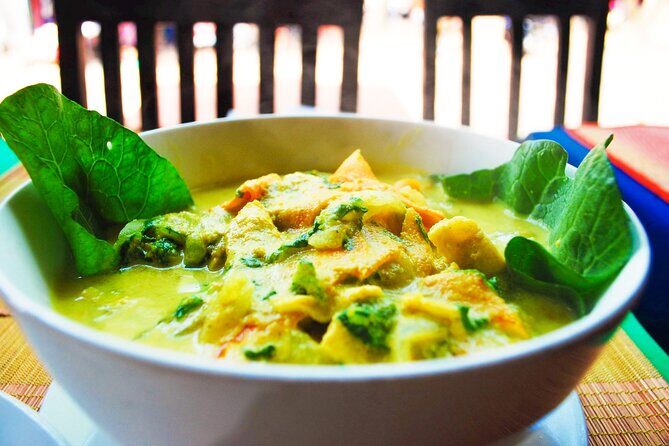
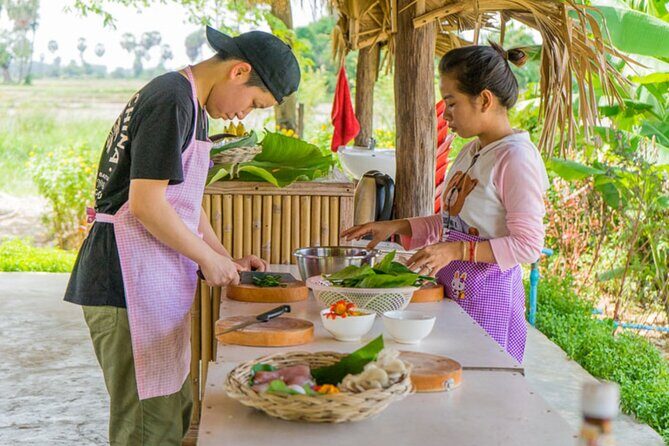
This is the core of the experience, and it’s where your time becomes worthwhile. You cook with a private chef in their countryside kitchen, guided through how dishes come together from start to finish.
Your included meal plan is clear:
- 3 main courses of Khmer dishes
- 1 Khmer dessert
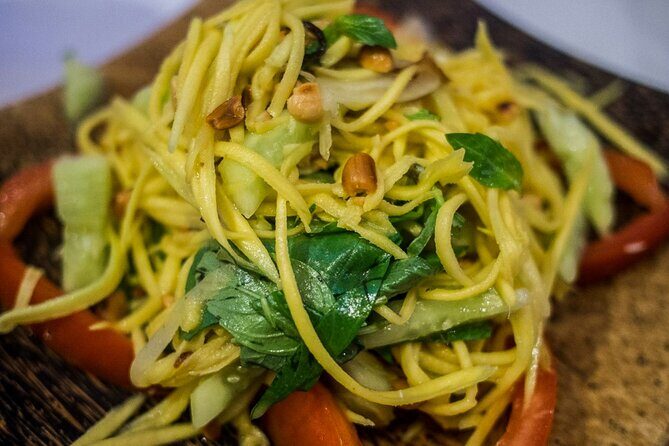
That coverage is a big reason the value holds up. In many cooking tours, you only make one dish and eat a generic spread. Here, you’re responsible for several Khmer dishes and you get a dessert that rounds out the meal.
A useful expectation-setting point: the dishes themselves are not listed in detail in the information you provided. So if you’re hoping for a specific menu, check with the provider after booking. That said, the structure is consistent—herb and sauce tasting first, then hands-on technique work, then dinner.
And if you’re the type who learns by doing, this tour fits you. You’ll be chopping, mixing, seasoning, and assembling while the chef supports you. The small group size keeps the kitchen from feeling chaotic.
A few more Siem Reap tours and experiences worth a look

Dinner that comes from your own prep
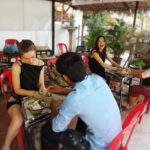
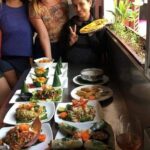
After cooking, you eat the homemade dinner you made. This is where many cooking classes fall short: you cook for a while, then the meal feels like an afterthought. Here, the setup is different because the included food is the product of your work: the main courses and dessert are part of the lesson and part of the meal.
It also helps that you’re eating in a countryside setting. That simple change in environment makes the meal feel like a real experience rather than a restaurant stop with cooking as a side attraction.
You may not leave as a master chef after four hours, but you will leave with confidence. You’ll understand why certain flavors work together and you’ll have at least a few dishes you can repeat.
The recipe book: your best souvenir for real-world cooking
At the end of the course, you receive a recipe book to take home. That’s one of the most practical souvenirs you can get from a cooking class because it turns the experience into something you can use.
To make the recipe book work for you, I’d treat it like a short roadmap, not a perfect script. Try picking one dish you liked most and cook it at home while your memory is fresh. If you remember what the chef did step-by-step during the tasting and technique part, you’ll have an easier time adjusting ingredients to what you can find locally.
The recipe book is also a time-saver. Khmer cuisine uses flavors that can be hard to guess if you only taste once. Having written guidance helps you recreate the dish in your own kitchen.
Price and value: why $35 can make sense here
At $35, this tour is positioned as a full afternoon package, not just a cooking workshop. You’re paying for more than instruction:
- Hotel pickup and drop-off
- 3 Khmer main dishes + 1 dessert included
- Village donation
- A local guide and a local chef involved in the experience
For many visitors, the transportation alone can add up. Here, the pickup and drop-off are included, which makes it easier to fit into your Siem Reap schedule.
Is it perfect value for every traveler? Not if you only want a quick hands-on snack experience. But if you want a structured village outing plus real cooking plus dinner plus a recipe book, the price becomes easier to justify.
One small note: travel insurance is not included, so if you need it, make sure you have your own coverage.
Who should book this Siem Reap class (and who might not)
This class is a strong fit if you:
- Want a hands-on Khmer cooking lesson rather than a lecture
- Like food experiences that connect to real life in the countryside
- Enjoy learning from ingredients, not just following steps
It may feel like more than you want if you prefer purely city-based activities or if you’re not into the added touring portion. The village and farm stops are built into the day, so your afternoon is split between learning by walking and learning by cooking.
Also consider weather. The experience requires good weather, and the provider can reschedule or refund if conditions aren’t right. If your trip dates are fixed and you cannot shift plans at all, keep that in mind.
Should you book this Siem Reap afternoon cooking class?
I’d book it if you want a structured, small-group day where you leave with more than photos. The standout strengths are the hands-on cooking, the included home-cooked dinner, and the fact that you get a recipe book to keep the experience alive after you go back home. The village and farm stops also help the cooking lesson feel grounded in place, not like a generic demo.
If you’re sensitive to weather changes or you hate countryside walking and driving, you might want to consider your timing carefully. But for most people who come to Siem Reap for food, culture, and something more personal than a standard tour loop, this is a very solid choice.
FAQ
How long is the afternoon cooking class and village tour?
It lasts about 4 hours.
Where does this experience take place?
It takes place in Siem Reap, Cambodia.
Do I get hotel pickup and drop-off?
Yes. Hotel pickup and drop-off are included.
What time is pickup or start time?
The information provided lists start time at 2:00 pm, and it also says pickup from your hotel is at 3:00 pm. Check your booking confirmation for the exact timing that applies to your tour.
What meals are included?
You’ll have 3 main courses of Khmer dishes and 1 Khmer dessert included.
What stops are included during the village tour?
You’ll tour a local village area and visit vegetable and mushroom farms and a rice wine distillation house.
How large is the group, and will I cook with a chef?
The tour has a maximum of 8 travelers, and you cook with a private chef (with a local guide as well).
What if the weather is bad or I need to cancel?
The experience requires good weather. If it’s canceled due to poor weather, you’ll be offered a different date or a full refund. You can cancel for a full refund up to 24 hours before the experience start time.