REVIEW · SIEM REAP
Award-Winning Cooking Class Experience with Professional Teacher
Book on Viator →Operated by Paper Tiger Cooking Class · Bookable on Viator
Cooking Khmer food starts at the market. This small-group class with Paper Tiger turns a quick stroll near Pub Street into a real lesson, guided by a professional cook and rooted in how Khmer meals are built—ingredient first, technique second.
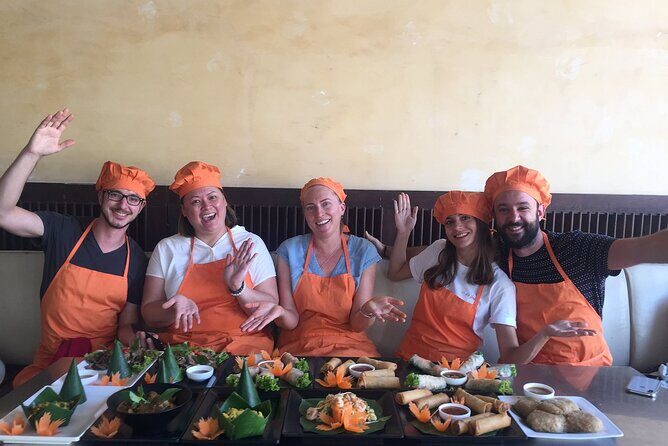
I love that you don’t just watch. You’ll choose and cook dishes like chicken curry, amok, and beef loc lac, then sit down to eat what you made. The only real consideration: the cooking area is outdoors/open-flame, so plan for heat and bring extra water if you’re sensitive to warm kitchens.
In This Review
- Key highlights worth knowing
- First Things First: Meeting Paper Tiger Near Pub Street
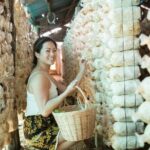
- The Market Stop: Where Your Dishes Begin
- In the Kitchen: How the Hands-On Cooking Works
- What You’ll Cook: Khmer Classics Plus Your Choices
- The Meal You Eat: Lunch or Dinner With Real Portion Power
- The Digital Recipe Book: Your Ticket to Cooking It Again
- Price and Value: Why $22 Often Feels Fair
- Comfort, Cleanliness, and Heat: What to Plan For
- Who This Is Best For (and Who Might Want Another Option)
- My Booking Verdict: Should You Do Paper Tiger in Siem Reap?
- FAQ
- How long is the cooking class?
- What ages can join?
- How big is the group?
- Where do you meet?
- What’s included in the price?
- Is private transportation included?
- FAQ
- Is the class strictly one set menu?
- Do I get recipes after the class?
Key highlights worth knowing
- A pro-led market tour to spot Khmer ingredients you’ll actually find again later
- Small groups up to 20 (and often fewer), so you can get real help at your station
- Hands-on Khmer classics such as chicken curry, amok, and beef loc lac
- A three-course meal built around your choices, not a tiny tasting
- Digital recipes so you can recreate your dishes at home
First Things First: Meeting Paper Tiger Near Pub Street
The location is set up for an easy start. You meet at a specific spot in Siem Reap (near Pub Street, at 59 Street 08), which matters because this tour moves fast—market, prep, cooking, then you eat. It’s also designed for people of many ages: the class runs for ages 8 to 70, with a maximum of 20 in the group.
One underrated benefit of meeting near Pub Street: you’re already in the tourist center when you start your Siem Reap days. After landing or during your first night, this kind of activity helps you get your bearings fast—not with temples, but with food. Cambodia’s flavors also make a great gateway topic for conversations later, whether you’re chatting at dinner or buying ingredients in town.
Practical note: the class says private transportation isn’t included. If you’re not walking distance, use a tuk-tuk or grab a short ride, then plan to be on your feet during the market segment.
You can also read our reviews of more cooking classes in Siem Reap
The Market Stop: Where Your Dishes Begin
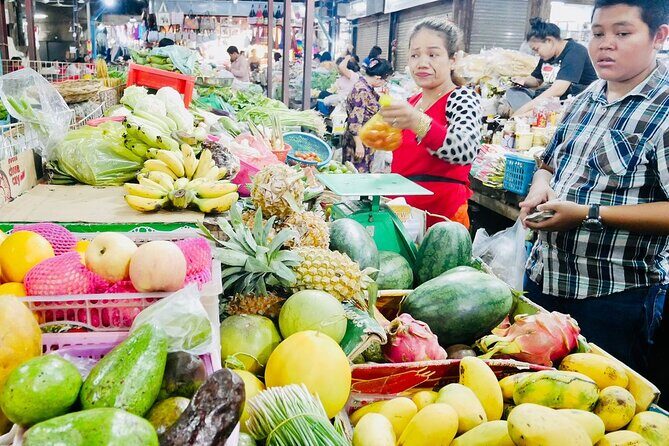
The tour begins with a historic market tour, and this isn’t just a photo break. The point is to learn what Khmer cooking depends on: herbs, spices, aromatics, fresh produce, and the proteins that go into dishes like curry and fish amok.
What I like about this portion is the focus on practical buying knowledge. You learn how ingredients look, what they’re used for, and how they work together. That’s the difference between a recipe that stays on your phone and one you can reproduce at home.
Here’s what you’ll likely notice during the market walk:
- Fresh produce is central, including items that might be unfamiliar at home
- Proteins are chosen for flavor and texture, not just convenience
- Seasonings matter as much as the main ingredient
Also, several teachers are known for making this part personal. In particular, names like Sopheap and Sinuon show up repeatedly as instructors who explain what you’re looking at in plain language and then connect it directly to what you’ll cook in the kitchen.
In the Kitchen: How the Hands-On Cooking Works
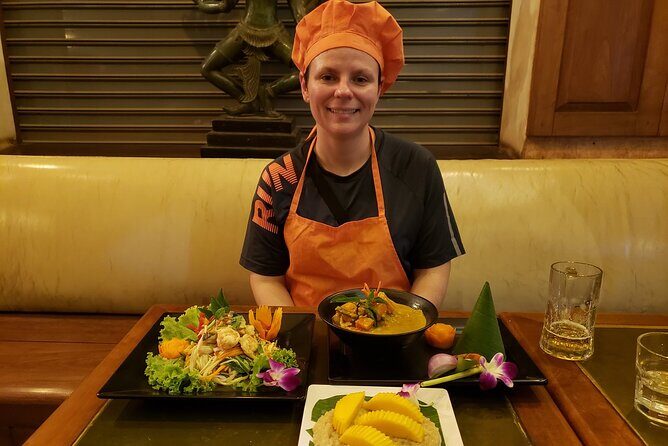
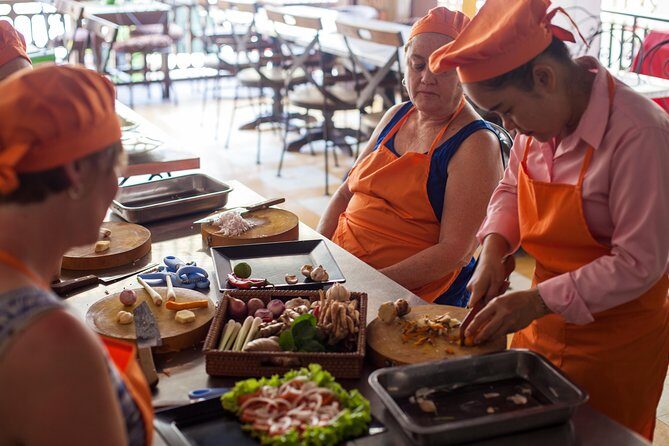
After the market, you move into the Paper Tiger cooking space and get to work. The class is guided by a professional chef/teacher, and the format is hands-on: chopping, prepping, and cooking with coaching.
Because this is a small group (up to 20), you’re not lost in the crowd. A common pattern in the class is that you’re given clear steps, then encouraged to do the work—like chopping vegetables and building pastes or seasoning blends with the teacher showing technique first and checking your progress second.
A big detail that affects your comfort: the cooking setup is described as outdoor/open flame, and it can run hot. One review specifically calls out the lack of air conditioning and the heat level. If you’re traveling in the warmer months—or you’re the type who gets cranky when it’s too warm—this is your heads-up. Bring water, wear breathable clothes, and don’t plan on feeling fresh and cool after you’ve cooked over the flame.
On the plus side, open-flame cooking is part of the charm. If you want a real sense of Khmer cooking rhythms (smell first, then sizzle, then taste), this setup is closer to how food is cooked at home than a polished indoor demo kitchen.
What You’ll Cook: Khmer Classics Plus Your Choices
The cooking class centers on Khmer favorites, and the menu can include dishes such as:
- Amok (including fish amok)
- Chicken curry
- Beef loc lac
- Plus other Khmer dishes, depending on the class flow
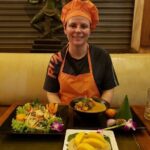
What really makes the experience feel worth it is that you’re not stuck with one plate. Multiple instructors and class formats allow you to choose what you cook, often with the structure of a starter, a main, and a dessert. For example, people mention making a green mango salad as a starter and fish amok as a main, plus dessert like flambéd bananas.
That choice is valuable for two reasons:
- It keeps the class fun, especially if you’re picky or vegetarian-curious. Vegetarian options are mentioned in the experience feedback.
- It improves the learning. When you actually care about the dish in front of you, you pay attention to technique like paste-making, balancing flavors, and getting the right texture.
If you’re new to Khmer cuisine, you’ll still be okay. The teacher role is key here. Names like Channy, Sopheap, and Sinuon come up with descriptions like clear guidance, patience, and explanations that make unfamiliar flavors feel less intimidating.
The Meal You Eat: Lunch or Dinner With Real Portion Power
You’ll cook during the class, then you sit down to eat the lunch or dinner you prepared. This is important because many cooking classes end with a sample bite. Here, the meal is described as substantial, with people mentioning they had enough leftovers for the next day or two.
Expect the meal to match what you cooked in the workshop: your starter, main, and dessert. That means the payoff isn’t just learning; it’s satisfaction. You’ll taste your own food while it’s still hot and properly seasoned.
One practical tip: come hungry, not lightly snacking hungry. You’re doing market walking and then active cooking. Several people mention the portions are large, and that you’ll likely leave full.
A few more Siem Reap tours and experiences worth a look
The Digital Recipe Book: Your Ticket to Cooking It Again
After class, you get digital recipes so you can recreate what you learned at home. For me, this is the real long-term value. If you’re only taking home a memory and a photo, cooking fades fast. A digital recipe book helps you turn the experience into an actual cooking skill you can use later.
A small consideration: one negative report mentioned trouble getting the correct recipes. I can’t treat that as the norm, but it does suggest you should pay attention at the end of class. If your class choices are specific, make sure the recipe materials you receive reflect what you cooked.
If you’re planning to cook at home soon after the trip, this is where you’ll benefit most:
- You remember the market ingredient shapes and names
- The smells and techniques are still fresh in your mind
- You can use the recipe steps to match the flavor profile you tasted
Price and Value: Why $22 Often Feels Fair
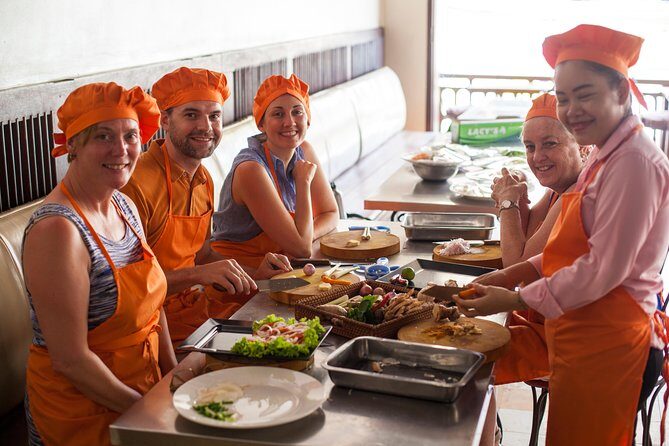
At $22 per person, this class is priced like a value trip, and the value isn’t just the food. You’re paying for a market tour, professional teaching, a prepared meal (lunch or dinner), and a digital recipe follow-up.
Here’s how the price stacks up in real travel terms:
- If you’re already paying for a food experience in Siem Reap, this includes the meal and instruction together
- The group size cap (20) helps keep the experience personal enough to justify the cost
- The recipes help extend the usefulness of the lesson beyond the day itself
It also runs frequently enough that you’ll see booking momentum, plus it offers group discounts and a mobile ticket, which keeps it simple to use once you’re there.
So yes, $22 isn’t a budget-burner. But it also isn’t a casual, drop-in activity. Go in ready to cook, because the lesson is the whole point.
Comfort, Cleanliness, and Heat: What to Plan For
The reviews tilt strongly positive, but there are a couple of practical realities to keep in mind so you’re not surprised.
- Heat is part of the deal. The cooking space is described as outdoor/open flame, with limited climate control. If you’re sensitive, plan for it with breathable clothes and extra water.
- Water may not be a given. One account mentions being charged extra for water after asking. Even if that’s not universal, it’s a sign to be cautious: assume you might need your own water and snacks to stay comfortable.
- If anything feels off, ask early. One negative report mentioned frustration with class pacing and recipe delivery. If your class feels mismatched or slow, raising questions right away gives the teacher a chance to correct it.
Bottom line: if you go in with the right expectations, the heat becomes manageable and the hands-on work becomes the fun part.
Who This Is Best For (and Who Might Want Another Option)
This is a strong fit if you:
- Want a first-day or mid-trip activity that teaches you how to shop and cook, not just what to see
- Like interactive learning, chopping, stirring, and cooking over a flame
- Want a Khmer-focused class from an established school (Paper Tiger has been educating visitors since 2001)
- Prefer small groups and clear instruction
It might be less ideal if you:
- Get overwhelmed in hot, outdoor cooking environments
- Prefer a strictly indoor, climate-controlled experience
- Want a class where every step is perfectly scripted with no variation
Still, even in classes where people are paired with different choices, the consistent message is that the teachers guide you through techniques and help you succeed.
My Booking Verdict: Should You Do Paper Tiger in Siem Reap?
If you want one “real” food experience in Siem Reap, this is a top contender. The value is strong for the price, the setup is small-group, and the format delivers the full package: market tour, hands-on cooking, and a meal you eat right away, plus recipes for home.
I’d book it if you’re the kind of traveler who enjoys making something with your own hands and then eating it moments later. Bring extra water, wear light clothing, and be ready to cook over heat. If you do that, you’ll likely walk away with both a full stomach and a practical skill you can use long after Angkor sunsets fade.
FAQ
How long is the cooking class?
The class runs for about 3 hours.
What ages can join?
This experience is for ages 8 to 70.
How big is the group?
The class has a maximum group size of 20.
Where do you meet?
The start point is near 59 Street 08, Krong Siem Reap 171000, Cambodia, listed at 9V33+XWF. The activity ends back at the meeting point.
What’s included in the price?
Included are the cooking class with a professional chef, lunch or dinner prepared during the class, and the historic market tour.
Is private transportation included?
No, private transportation isn’t included.
FAQ
Is the class strictly one set menu?
No. You can typically choose what you cook, and multiple instructors’ formats mention selecting your starter and main, with a dessert course included.
Do I get recipes after the class?
Yes. You’ll receive a digital recipe book with the dishes you mastered so you can reproduce them at home.