REVIEW · SIEM REAP
Cambodian Cooking Class from Siem Reap
Book on GetYourGuide →Operated by Beyond. Unique Escapes · Bookable on GetYourGuide
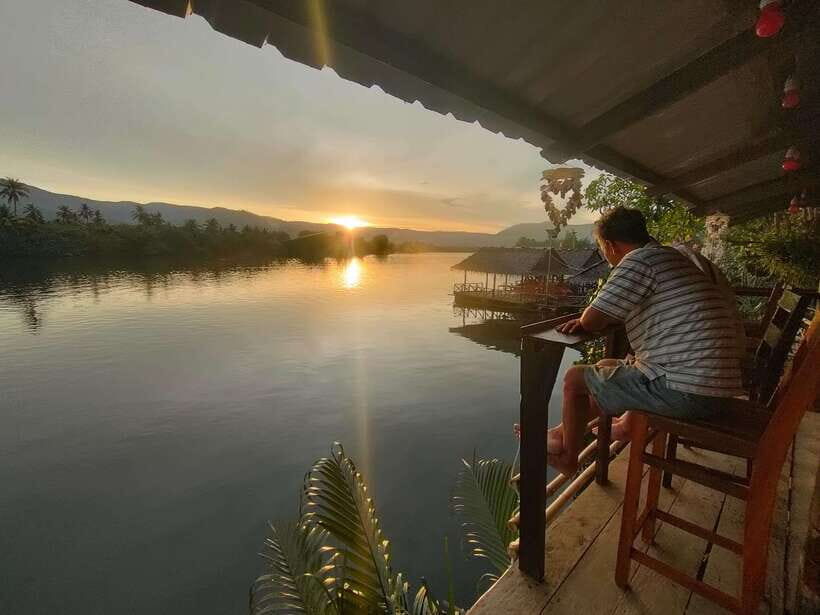
A cooking class by a real Khmer pond.
This one works because it keeps you moving from village life to the stove: I love the market-to-kitchen ingredient lesson and the small-group, hands-on cooking stations. One thing to plan for is the weather—there’s a short village walk, so a hat and comfy shoes matter when it’s hot.
You’ll start with local people, then cook Cambodian classics outdoors at a covered pavilion by a pond. Expect clear English guidance from the chef and guide, and a capped group size of up to 6 participants, which keeps the pace relaxed and the questions coming. The setting is peaceful enough that the meal feels like part of a real day, not a staged performance.
You’ll leave with a recipe card/book and enough know-how to recreate Khmer flavors back home, including staples like fish amok. Just don’t expect Cambodian food to be mild in flavor—though it’s often less spicy than neighboring Thai-style dishes, the spices still show up.
In This Review
- Key Highlights Worth Waking Up For
- Tuk-Tuk From Siem Reap to Real Village Cooking
- The Village Walk and Family Home Visit That Makes It Make Sense
- Market Ingredients and What You Learn Before You Chop
- Hands-On Cooking With Your Own Station (Not a Demo)
- Cambodian Dishes You’ll Cook: Morning vs Afternoon Menus
- Morning class options
- Afternoon class options
- Pondside Lunch: How the Meal Is Served and Why That Matters
- Dietary Needs and Real Learning for Non-Cooks
- What Could Be Annoying (And How to Fix It)
- Who This Cambodian Cooking Class Is Best For
- Should You Book It?
Key Highlights Worth Waking Up For
- Tuk-tuk pickup and return keeps the experience simple and local from start to finish.
- Visit a local family and see the home kitchen plus herbs/vegetables grown nearby.
- Your own cooking station means you do the chopping, pounding, mixing—no sitting and watching.
- Pondside pavilion dining: your food is served to you one by one while you relax.
- Fish amok and more Khmer dishes with clear guidance on techniques and ingredients.
- Recipe book included, so you can cook your favorite dishes again at home.
Tuk-Tuk From Siem Reap to Real Village Cooking
The first payoff is getting out of Siem Reap in a tuk-tuk. It’s not just transport—it sets the mood. In a short ride, the city noise fades and you’re headed into the rural rhythm where the ingredients you’ll cook actually come from.
The class lasts about 3.5 hours, which is a sweet spot: long enough to learn techniques and make several dishes, not so long that it swallows your entire day. Pickup and drop-off are handled, so you avoid the usual “what time do we meet” stress.
One detail I appreciated: the group is capped at 6 people. That changes the whole experience. You get time at the station, and the chef and guide can adjust when someone needs a second explanation. It’s the difference between a class and a workshop you can participate in.
If you’re the type who likes “slow travel” but still wants something active, this fits. You’re not just eating Cambodian food—you’re learning how it’s built.
You can also read our reviews of more cooking classes in Siem Reap
The Village Walk and Family Home Visit That Makes It Make Sense
Before you cook, you visit a local family. This isn’t a quick photo stop. You learn what grows in a typical Khmer household and what herbs and vegetables show up in daily meals.
Along the way, you also get a walking tour of the village and a chance to interact with local villagers. That’s valuable because Cambodian cooking isn’t just recipes—it’s ingredients and everyday habits. Seeing the home setup helps you understand why certain flavors are common and how different textures work together.
Then comes the home visit: you can tour the family’s home, including the kitchen. In particular, you’re learning how food prep happens in a Khmer household, from how ingredients are handled to how everyday cooking gets done. It’s the kind of context that makes the cooking class feel grounded instead of touristy.
Practical note: the village walk is short, but you’ll want comfortable footwear and a hat. The walk isn’t about “roughing it.” It’s about getting fresh air and getting close to how people live.
Market Ingredients and What You Learn Before You Chop
Many versions of this experience start with selecting ingredients—often at a local market—with the chef. When it’s included in your schedule, it’s a smart start because you’re not guessing later.
You’ll see how produce and ingredients are described and organized, and you’ll get coached on what to look for. That matters if you want to cook at home: the recipe becomes usable when you understand how ingredients are actually sourced and identified.
This is also where the guide’s English helps you move fast. People have mentioned clear explanations and patience, plus alternatives for ingredients you may not find back home. That’s one of the biggest “take-home value” advantages—Cambodian recipes often assume access to specific herbs or products, so substitution tips are gold.
And yes, you’ll likely taste a few local items along the way, which is a fun bridge between curiosity and cooking. Even if you skip the tasting, you’ll still come back to the kitchen with a better sense of the ingredients’ roles.
Hands-On Cooking With Your Own Station (Not a Demo)
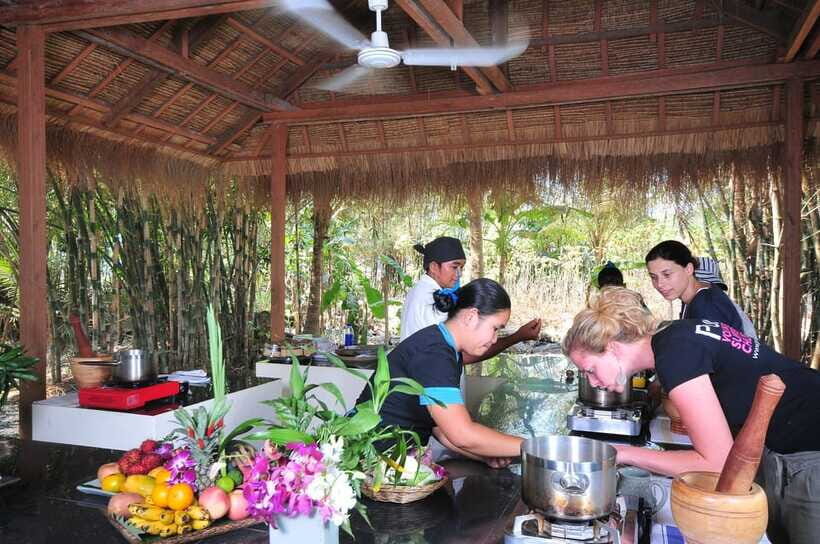
Once you reach the cooking pavilion, you get to work. And I mean work—in a good way.
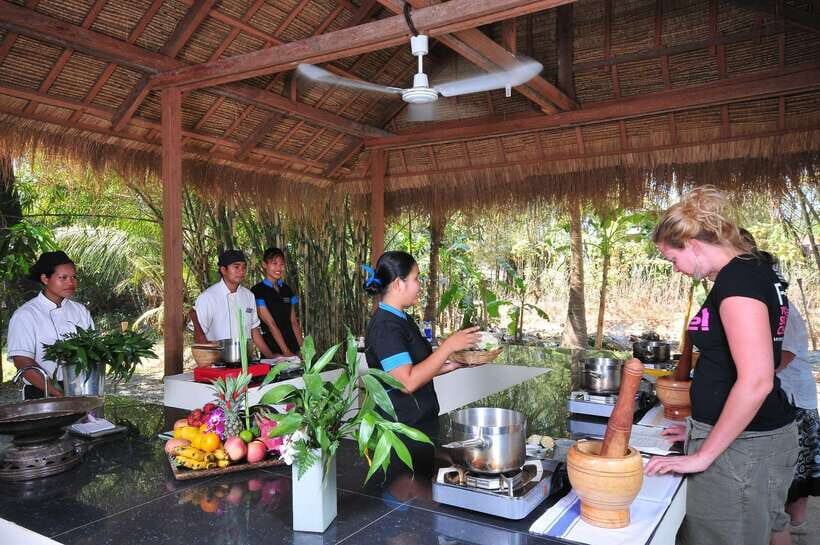
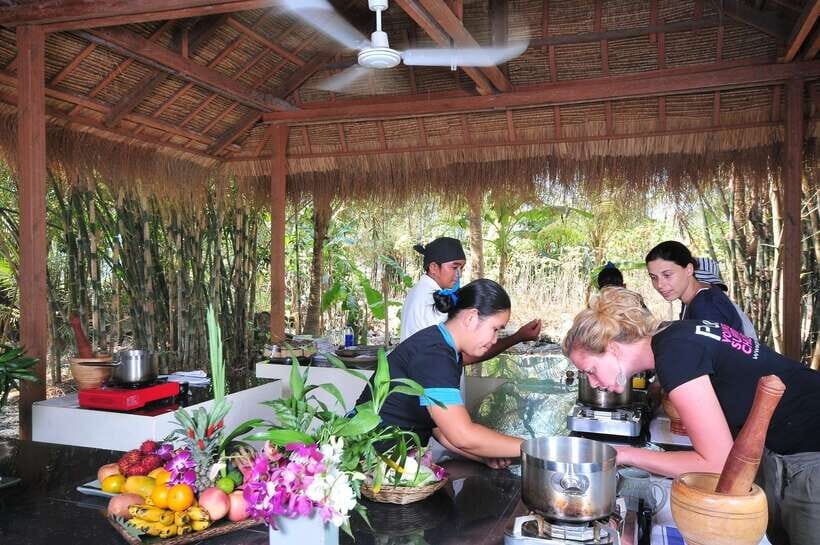
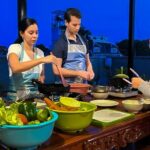
Classes are completely hands-on. Everyone has a cooking station and the tools needed to make the dishes. So you’re chopping, mixing, and cooking while the chef and guide explain what matters and why. It’s not just the final plate; it’s the method.
You’ll learn the typical ingredients in Cambodian cooking and you’ll make several dishes you can reproduce later. A recipe card is provided, and the recipe book is included—another detail that helps you feel prepared, not overwhelmed.
The outdoor setup is part of the charm. The cooking area is covered, so you’re not baking under the sun the whole time. The pavilion sits near a pond, and the overall vibe is relaxed, especially because your group stays small.
What to watch for: you’ll probably be using spices, aromatic herbs, and ingredient mixes that feel new if you’ve only had Thai or Vietnamese versions. The guide’s job is to break it down into steps you can actually follow. In other words, you’re not relying on guesswork—you’re building understanding.
Cambodian Dishes You’ll Cook: Morning vs Afternoon Menus
The menu changes depending on whether you book the morning or afternoon session. Here’s what’s listed for each.
A few more Siem Reap tours and experiences worth a look
Morning class options
You might cook:
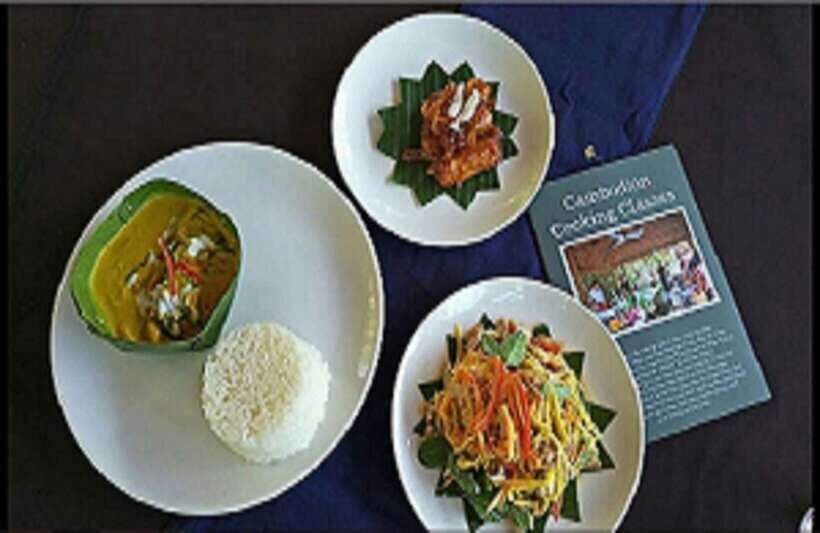
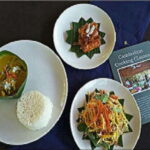
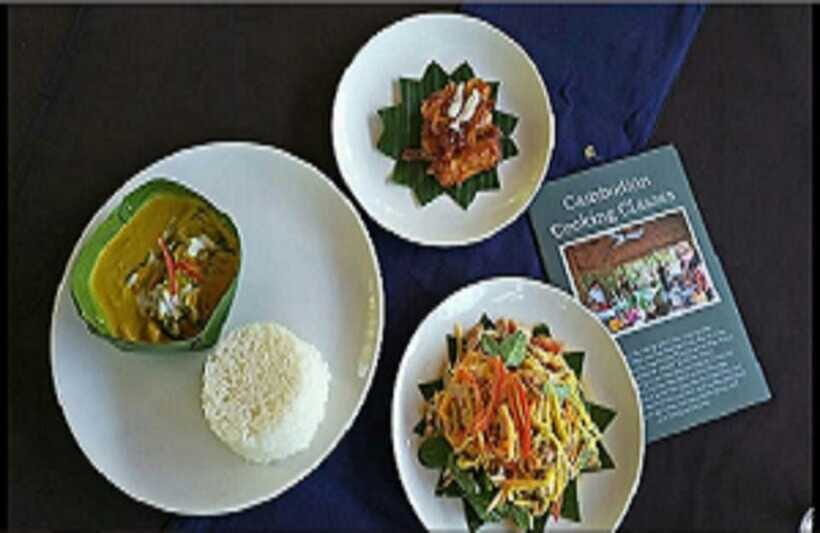
- Cambodian Mango Salad: fresh and light, with flavors that feel built for hot weather. It’s also a nice way to balance richer dishes later.
- Fish Amok: one of the most famous Khmer dishes. Cooked in young coconut, it becomes a smooth, fragrant curry-style preparation. You’ll learn how to get that texture right.
- Sticky Rice Balls with Palm Sugar and Grated Young Coconut: a sweet ending that’s not too complicated but hits the comfort-food spot.
Afternoon class options
You might cook:
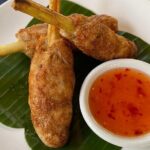
- Prahet Chien: minced fish with sugar cane. It’s a Khmer-style dish that teaches you how sweetness and savory elements can work together.
- Cambodian Curry: unlike Thai food, Cambodian flavors are often not geared toward aggressive heat. You’re learning about layers of fragrant spices and how the base is built.
- Nom Tong Noun: Khmer brandy snaps, which are slightly sweet and easy to get attached to.
If you’re wondering what you’ll actually eat, many people describe the class as a full meal experience—often with multiple dishes cooked and then served. You also get to compare what you made as it comes out.
Also worth knowing: Cambodian cuisine is full of spices, but it isn’t generally as hot and fiery as some neighboring cuisines. So if you like flavor but don’t love sweat-inducing heat, this is usually a good sign.
Pondside Lunch: How the Meal Is Served and Why That Matters
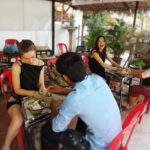
After cooking, you sit down in the wooden pavilion perched over a pond filled with fish (and in some cases, people have even spotted turtles). Then your dishes are served to you one by one.
This serving style is a big part of the experience. It turns your class into a proper meal, not a “sink-or-swim” cooking sprint. You get a moment to breathe between dishes, and you can taste what you made alongside what you might consider “the hard one”—like fish amok—and appreciate how the texture and aroma are supposed to land.
You’re also offered a complimentary drink: beer, soft drink, or bottled water. In general, this is included, but one person noted a misunderstanding around beer during an earlier booking. If you’re keen on the beer, I’d just clarify at the start what’s included so you can relax.
Why this matters for value: you’re paying for a full experience—transport, instruction, ingredients, and a meal—not just a cooking lesson that ends the moment you finish your last stir.
Dietary Needs and Real Learning for Non-Cooks
Cooking classes are often best for experienced cooks. This one doesn’t really play that game. The class format—clear instructions, hands-on stations, and a small group—makes it workable even if you’re not confident in the kitchen.
There’s also evidence of dietary accommodation. People have mentioned the team being able to adjust for dietary restrictions and different needs. If you have limits, tell them ahead of time (or at least right when you arrive) so they can guide you toward the safest and most satisfying version of the dishes.
What you’ll likely learn to take home is not just “the recipe.” It’s the technique behind flavor: how Cambodian curry and amok come together, how mango salad balances brightness, and how sweet desserts are built with palm sugar and coconut.
And for souvenirs, you’re leaving with a recipe book. That’s what turns a fun afternoon into something you’ll actually use again when cravings hit.
What Could Be Annoying (And How to Fix It)
The main consideration isn’t the cooking. It’s logistics and comfort.
- It’s outdoors. Even with a covered pavilion, the village portion is a walk. Hat + closed shoes are your best friend.
- Bring a realistic spice expectation. Cambodian food is flavorful and spicy in a fragrant way, but it’s typically less aggressively hot than some neighboring cuisines. Still, you’ll taste spices.
- Double-check drinks if alcohol matters. The class lists a complimentary drink, but if beer is on your mind, ask what’s included at the start.
If you plan for these, the experience stays smooth and fun.
Who This Cambodian Cooking Class Is Best For
This is a great match if you:
- Want authentic Khmer cooking instead of a generic demo
- Love village culture and want more than one photo at the end
- Prefer small groups (6 or fewer) so you can actually cook
- Want a practical, usable takeaway via the recipe book
- Are in Siem Reap for a few days and want a break from temples
It may be less ideal if you:
- Hate any outdoor walking, even short ones
- Need a highly controlled indoor environment
- Are traveling with younger kids. Only children above 12 can join the cooking class, though private classes may be arranged for families upon request.
Should You Book It?
If you want a Cambodian cooking class in Siem Reap that feels like you’re learning from real people—not performing for them—this is an easy yes.
I’d book it if:
- you care about ingredients, not just taste
- you want to leave with recipes you can cook at home
- you like hands-on experiences with clear guidance
- you enjoy calm countryside settings with a meal that feels like a reward
Skip it if heat and outdoor walks make you miserable, or if you’re looking for something purely “luxury and staged.” But for most visitors, this is one of the best ways to connect Khmer food with everyday life, and it’s strong value at about $32 per person for a guided, full, hands-on meal experience.