REVIEW · SIEM REAP
Angkor Wat Sunrise Tour
Book on Viator →Operated by Journey Cambodia · Bookable on Viator
One early morning later, you’ll understand why Angkor draws people. This tour strings together the biggest Angkor moments—Angkor Wat at sunrise and the face-filled temples of Angkor Thom—with a guide who helps you read the carvings and Khmer Empire story before the crowds fully roll in.
Two things I really like here: the chance to start in darkness and see Angkor Wat’s long corridors before the daytime chaos, and the way the licensed English-speaking guide turns the temples into something you can actually follow.
One drawback to plan for: the headline price is low, but the temple pass is extra and you’ll be up early enough to feel like you’re in a different time zone.
In This Review
- Key highlights and why they matter
- Sunrise logistics: leaving around 4:30am so Angkor can be beautiful
- Angkor Wat in the dark: pre-dawn corridors and the first wow moment
- Angkor Thom and Bayon: the south gate approach and those faces
- Terrace of the Elephants: a giant stage for ceremonies
- Ta Prohm: roots, ruins, and why it looks like a movie set
- The guide is the real value: English explanations, stories, and photo help
- Price math that actually helps: $26 tour plus $37 temple pass
- Dress code, shoes, and the breakfast timing trick
- How to get the most from each stop
- Who this Angkor Wat Sunrise Tour fits best
- Should you book this Angkor Wat Sunrise Tour?
- FAQ
- Is the temple entrance fee included in the $26 price?
- What time does the tour start?
- How long is the tour?
- What should I wear to visit the temples?
- Is breakfast included?
- Is this tour private?
Key highlights and why they matter
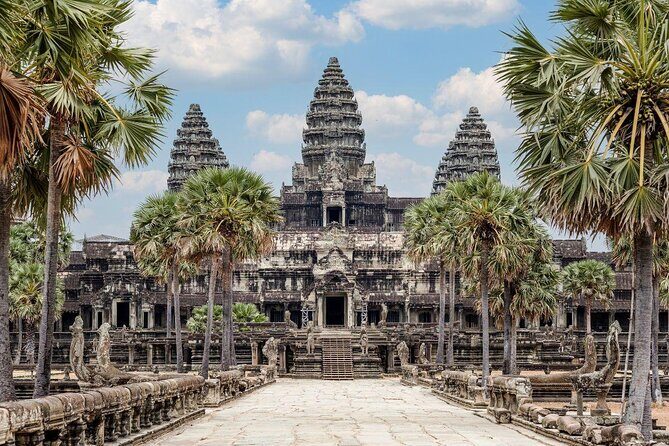
- Angkor Wat sunrise before most people, with a pre-dawn entry approach that keeps the experience calmer.
- Angkor Thom’s south gate and causeway approach, with sculpted railings and a great “arrive like royalty” feeling.
- Bayon Temple faces in the middle of the old Khmer capital complex.
- Ta Prohm’s tree roots over bas reliefs, including the atmospheric, film-like look you came for.
- English-speaking licensed guide who connects what you’re seeing to Khmer history and daily life in Cambodia.
- Cold towel and bottled water during a long, hot day after that early start.
Sunrise logistics: leaving around 4:30am so Angkor can be beautiful
The day starts brutally early—around 4:30am, with pickup timing shifting a little by season. That’s not a gimmick. At Angkor, timing is everything: light changes how stone looks, and crowd levels can flip the mood from magical to rushed.
You’re picked up from your hotel in an air-conditioned vehicle, then driven to the sunrise area. The tour is timed so you’re at Angkor Wat early enough to experience it in stages, not as a stampede. Once you’re back on the move, the day settles into a steady temple-hopping rhythm with breaks built around travel time between sites.
If you’re the type who likes photos, this schedule helps. If you’re the type who hates early alarms, you’ll still appreciate the logic once you’re standing there while most of Siem Reap is asleep.
A few more Siem Reap tours and experiences worth a look

Angkor Wat in the dark: pre-dawn corridors and the first wow moment
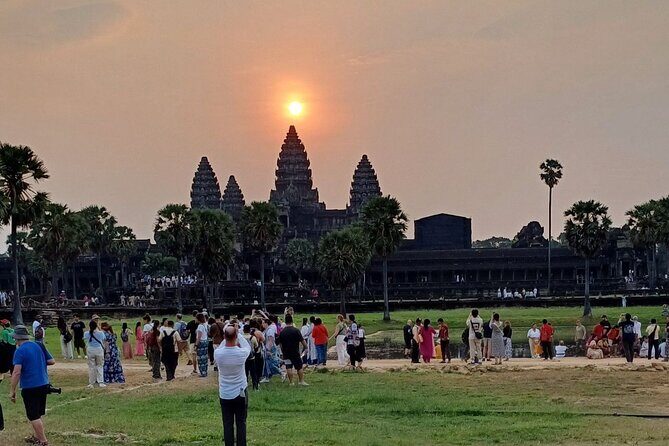
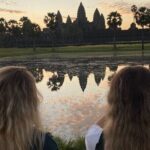
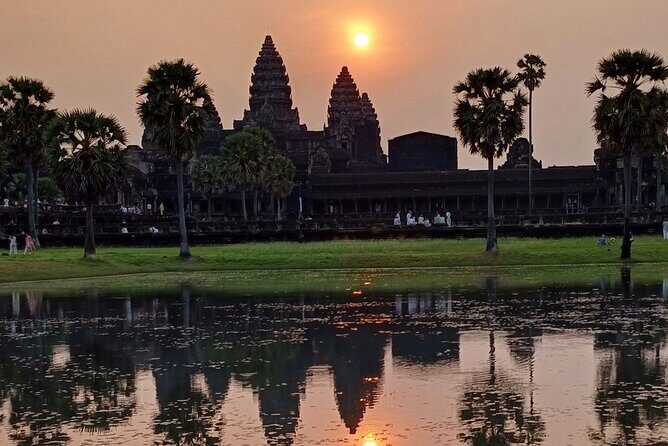
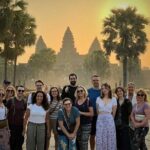
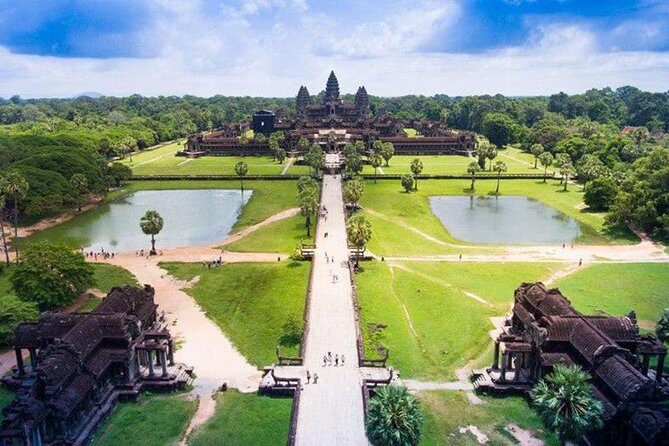
Angkor Wat is the headline, and sunrise is the reason. This tour takes you for sunrise with pre-dawn departure, and then you enter from a side approach so you can get inside and oriented before the temple becomes a moving crowd.
What I like about the way this is set up is that you’re not just waiting for light. You’re walking the temple as it wakes up—first in near-darkness, then as the sky changes. That long, corridor-like feel inside Angkor Wat lands differently when you’re not staring at it under full sun.
A good guide makes a huge difference here. People often rave about guides like Sol, Sok, and Pi for connecting what you see—temple layout, symbolism, and Khmer power—with the wider story of Cambodia and the Khmer Empire. Some guides also use tools like an iPad to show close-up details and comparisons of past vs. current views, which can turn “I took a photo” into “I understand this carved scene.”
Practical note: you’ll be walking in low light, so wear shoes you trust. Also, be ready for it to feel cold at first, then quickly warm as the day wakes up.
Angkor Thom and Bayon: the south gate approach and those faces
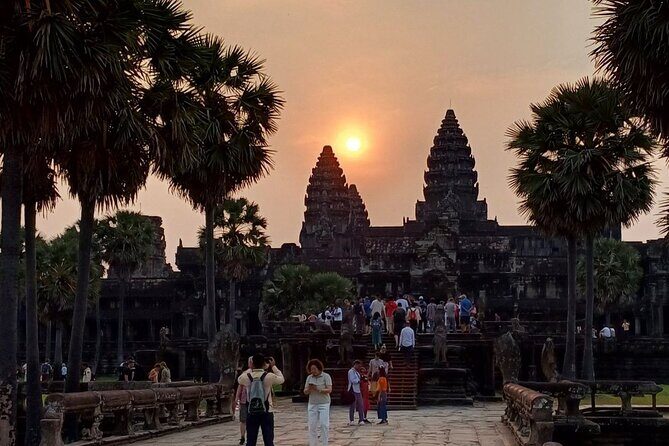
After Angkor Wat, the route moves to Angkor Thom, the grand walled city that once served as the Khmer Empire’s capital. The tour focuses on the big identifiers: the south gate, the central complex, and Bayon.
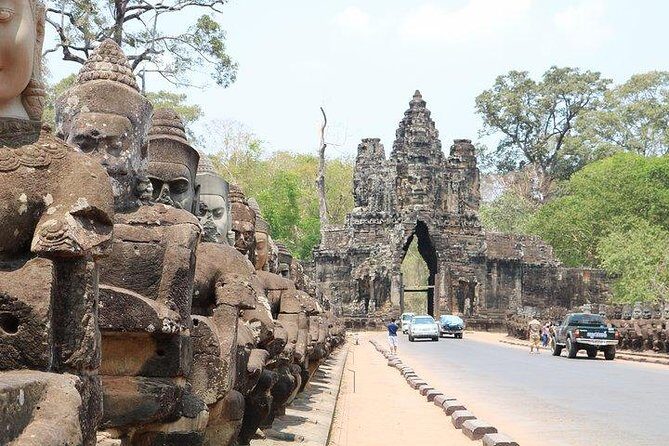
The south gate is often the best-preserved entry point, and the approach is part of the experience. You cross a causeway roughly 50 meters across a moat, lined with sculpted railings—described as multiple stone figures—so you feel like you’re stepping into an older, ceremonial world instead of just arriving at ruins.
Then comes Bayon Temple. Bayon is famous for its many stone faces, and when you see them up close, you understand why it’s such an iconic Angkor stop. Your time here is built so you can pause, look, and then walk deeper into the temple complex without feeling like your guide is rushing you along for the next photo.
This is another place where the guide really matters. Guides such as Mao, Setha, and Bun (names that come up often) are praised for explaining the temple in layers—so Bayon doesn’t feel like a pile of repeating statues. You get the sense of why the faces matter and how Bayon fits into the capital’s political and spiritual role.
Terrace of the Elephants: a giant stage for ceremonies
The route includes the Terrace of the Elephants, a long platform linked to Khmer royal ceremonies. It’s described as a reviewing stand—basically a grand public viewing area where ceremonies unfolded, with the king’s audience hall associated with this space.
The key thing this stop does for you is context. Angkor can look like architecture first and storytelling second. This terrace helps flip that. You can imagine people gathering, watching events, and processing the power of the king through space and spectacle.
The guide can point out the terrace’s structure and directionality—how the terrace links toward the central squares within the complex—so you’re not just standing there wondering which direction the “important part” is.
If you’re short on attention, this might be the part where you’d normally drift. With the right framing from your guide, though, it becomes one of the most meaningful stops. It’s also usually easier than some of the more intense walking sections because you can pause and take in the scale.
Ta Prohm: roots, ruins, and why it looks like a movie set
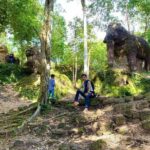
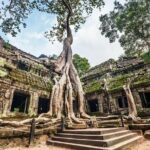
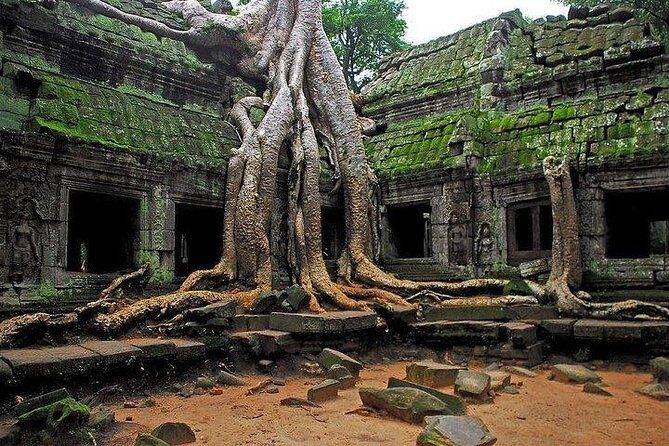
Ta Prohm is the atmospheric stop on this route. It’s known for the way trees grow around the temple structures—roots wrapped through and over stone—so you get that dramatic, storybook look that many people travel for.
The tour timing gives you about a couple of hours here, which is enough to do two things: wander slowly and then look closer at the carvings and bas reliefs that sit inside the frame of roots and broken walls.
There’s also historical context built into the way Ta Prohm is presented. It was once home to 2,740 monks, and French explorer Henri Mouhot is often noted for rediscovering the site in the early 1850s. Knowing that helps you see Ta Prohm as more than a ruin covered in plants. It’s a place with a human timeline—people living, praying, studying—before it became the postcard image.
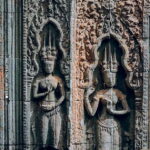
One more thing: your shoes matter here. Ta Prohm’s paths and ground can be uneven, and you’ll want solid footing while you look up and take photos. This is the stop where a guide who knows where to stand can help you frame the roots and the stonework without constantly stepping backward into traffic.

The guide is the real value: English explanations, stories, and photo help
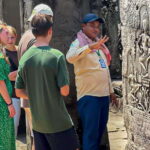
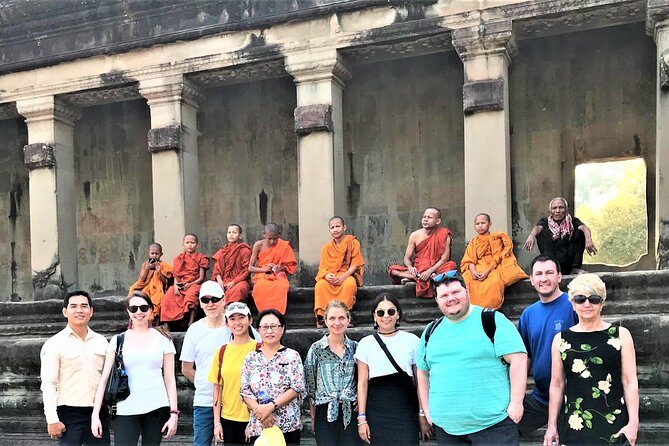
This tour includes an experienced and licensed English-speaking tour guide, plus an air-conditioned vehicle, bottled water, and even a cool towel. That sounds like standard service, but at Angkor it adds up—because you’ll be walking for hours, and you’ll care more about the details if you don’t feel dehydrated or overheated.
What really gets praised is how guides translate stones into meaning. Names like Nimol, Minamol, Horn, Samnang, and Sokpee show up repeatedly in feedback, often for being not just fluent but helpful—spotting stories in small carved details, and connecting Khmer temple design to Cambodian life and spirituality.
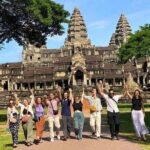
Some guides also bring extra skills. Several people mention photo-friendly help, including guides who take pictures so you’re not stuck with a selfie stick while everyone else has the best angle. Others mention guides who have deep personal insight into religion and symbolism, with one guide described as having previously lived as a monk.
You should also expect a pace that fits the day. This is a private tour/activity, so it’s your group only. That usually means you can ask questions, stop for better views, and avoid the awkward “everyone walk now” feeling that group tours can have.
Price math that actually helps: $26 tour plus $37 temple pass
The advertised price is $26 per person, and the temple entry fee is not included. The temple pass is listed as $37 per person, paid directly at the site. Total out-of-pocket for the major mandatory items is typically about $63 per person, plus whatever you choose to eat.
Is it worth it? In my view, yes—if you want one day to cover the main Angkor highlights with a guide and pickup included. You’re paying for:
- Early access timing and route planning for sunrise
- A licensed guide to interpret what you’re seeing
- Transport between multiple major sites in one long morning-to-afternoon stretch
- Comfort items (water and cool towel) that matter once you’re sweating
If you were planning to DIY this route, you’d still need transport and you’d still need the right timing for sunrise. This package mostly buys you reduced stress.
Two practical notes about the pass:
- The temple fee can be purchased on the day and is noted as accepting Visa cards.
- You’ll want to budget for it so you’re not scrambling right before sunrise.
Dress code, shoes, and the breakfast timing trick
Angkor temples have a dress code. You’ll need respectful clothing with shoulders and knees covered. A scarf is specifically mentioned as a good way to cover shoulders. No one wants to miss a temple entrance because of one bad photo outfit.
For shoes, bring comfortable walking footwear. You’ll be on your feet for long stretches, and Ta Prohm especially rewards shoes you trust on uneven ground.
Breakfast can be tricky because pickup is so early. If your hotel includes breakfast, the tour recommends requesting a breakfast pack so you can eat after sunrise at Angkor Wat. That’s a smart compromise: you get food without forcing a full sit-down meal before you’re already in temple mode.
Also, bring a little patience for the timing. You’ll start in darkness, then move quickly through several major stops, and the heat tends to arrive faster than you expect.
How to get the most from each stop
A simple strategy makes the day feel less like a checklist.
At Angkor Wat sunrise, aim to take in the whole scene first, then start looking for carvings and layout details as the light improves. In the low light, your first goal is orientation and mood.
At Angkor Thom and Bayon, spend a few minutes watching faces from different angles and distances. Bayon is one of those places where you’ll see something new each time you shift your position, especially when your guide points out what to focus on.
At the Terrace of the Elephants, slow down and let scale hit you. The point here isn’t just photos; it’s imagining ceremonial use and how the space would have felt during a public event.
At Ta Prohm, the trick is to alternate between looking up (roots and overhangs) and then stepping closer to bas reliefs. You get more meaning from the carvings when you’re not rushing.
Who this Angkor Wat Sunrise Tour fits best
This tour is a strong match if:
- You want one packed day that covers Angkor Wat sunrise plus Angkor Thom, Bayon, Terrace of Elephants, and Ta Prohm
- You like having a guide connect the carvings to the Khmer Empire story
- You want convenience: hotel pickup, air-conditioned vehicle, bottled water, and cool towel
- You prefer a private setup with just your group, so you can move at your own pace
It might feel like too much if:
- You hate early mornings and you don’t want to pay extra for the temple pass
- You want long, unstructured time at just one site. This is about hitting several key highlights in one day.
Should you book this Angkor Wat Sunrise Tour?
If you’re visiting Angkor for the first time and you want the most famous moments in the right order, this is the sort of day that makes your trip feel complete. The early start pays off, the guide support turns the temples into stories you can follow, and the comfort touches help you keep moving.
I’d book it if you’re comfortable planning around an extra $37 temple pass and you’re willing to get up early enough to catch sunrise. If that early timing will stress you out, consider whether a later-start option would suit you better. But for many people, that pre-dawn walk through Angkor Wat is the best reason to be in Siem Reap at all.
FAQ
Is the temple entrance fee included in the $26 price?
No. The temple pass is not included. The entrance fee is listed as $37 per person and is paid directly to the site. Visa cards are accepted, and you can purchase it on the day before sunrise.
What time does the tour start?
Pickup is scheduled for about 4:30am, and the exact departure window is noted as 4.30 to 4.45am depending on the time of year.
How long is the tour?
The tour duration is about 8 hours (approximately).
What should I wear to visit the temples?
You’ll need respectful dress with your shoulders and knees covered. A scarf can cover your shoulders if needed. Bring comfortable walking shoes.
Is breakfast included?
Food and beverages are not included. If your hotel room includes breakfast, you’re advised to request a breakfast pack so you can enjoy it after sunrise.
Is this tour private?
Yes. It’s described as a private tour/activity, meaning only your group participates.