REVIEW · SIEM REAP
Khmer Cooking Class at a Local’s Home in Krong Siem Reap
Book on Viator →Operated by Angkor Wat Travel Tour · Bookable on Viator
Cooking is the fastest way into Khmer life. This class pairs a tuk-tuk pickup with a hands-on 4-course cooking session taught by local instructors such as Kong and Sorya, after you shop for ingredients at a neighborhood market. One thing to consider: the name can make you expect a private house, but in practice you’ll usually cook in an open, shared kitchen area in a residential setting.
What makes it special is the way you choose your meal and then eat it together at the end. You pick four courses, and the menu often includes Khmer anchors like Fish Amok and Tom Yum, plus dishes built around local aromatics (think banana-leaf styles and coconut-based sauces). Class times are offered more than once per day (lunch and dinner options), and the group stays capped at six people.
In This Review
- Key reasons this class is worth your time
- Tuk-tuk timing in Siem Reap: easy start, short day
- The market ingredient hunt: where your menu starts
- Garden and optional farm stops: fresh food context
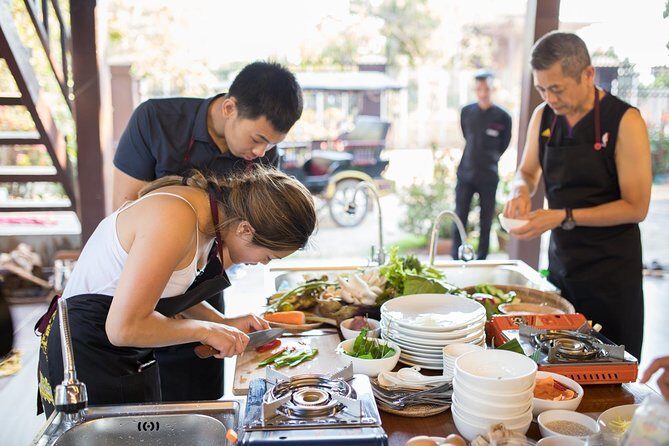
- Inside the kitchen: open-air setup and hands-on help
- Choosing four courses: your Khmer menu, your way
- Fish Amok and Tom Yum: why these dishes teach real technique
- Lunch or dinner together: the meal is part of the lesson
- Learning outcomes you can actually use at home
- Price and value: what you really get for $27
- Who this fits best (and who might want a different option)
- Should you book? My decision checklist
- FAQ
- How long is the Khmer cooking class?
- Is hotel pickup and drop-off included?
- How large is the group?
- What will I cook?
- Do I visit a market?
- Are vegetarian or allergy needs possible?
- Are drinks included?
- Are there different class times?
- What is the cancellation window?
- Are children allowed?
Key reasons this class is worth your time
- A market walk that affects what you actually cook, so the meal starts with real local ingredients.
- Small group size (max 6) means you get hands-on help, not just watching.
- Instructors you’ll recognize by name in this setup, like Kong, Sorya, and Sky, with lots of step-by-step guidance.
- Four courses, each chosen by you, with Khmer staples like Fish Amok and Tom Yum commonly on the menu.
- Door-to-door tuk-tuk transfers keep logistics easy in Siem Reap.
- Extra farm-style stops can be added, including a mushroom farm and crocodile farm with a local guide.
Tuk-tuk timing in Siem Reap: easy start, short day
This is the kind of activity that fits well even if Siem Reap already feels busy. You get hotel pickup and drop-off by tuk-tuk, so you’re not trying to navigate grab rides or tuk-tuk haggling right when you’re hungry and hot.
The class runs about 3 hours, and you can choose between multiple starting times that include both lunch and dinner slots. In practice, timing matters because it changes how much time you spend in the market area before you cook.
A helpful detail: communication is typically smooth, and drivers may reach out to confirm pickup using tools like WhatsApp. If you’re the type who hates last-minute confusion, that’s a big plus.
You can also read our reviews of more cooking classes in Siem Reap
The market ingredient hunt: where your menu starts
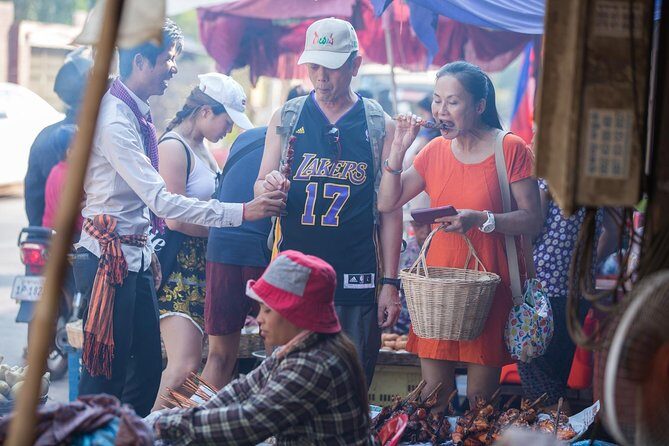
The best part of this class begins before the cutting boards. You go to a local market with your guide, walking stalls to spot herbs, aromatics, and the ingredients that make Khmer food taste like Khmer food.
You’re not just being shown around—you’re learning how to pick what matters. That means learning what to buy for fragrance (fresh aromatics and herbs), what thickens sauces (often coconut milk), and what brings balance (sour, salty, and a bit of sweetness in the right places).
Timing changes the market experience. For earlier sessions, you may get a more thorough chance to pick what you’ll cook. For later sessions, the market stop can be quicker, because market rhythms shift during the day.
If you have dietary needs, tell the team clearly ahead of time. The class notes say they can make allowances if you’re vegetarian or have allergies, and some guides have handled vegetarian-friendly swaps within the four-dish menu.
Garden and optional farm stops: fresh food context
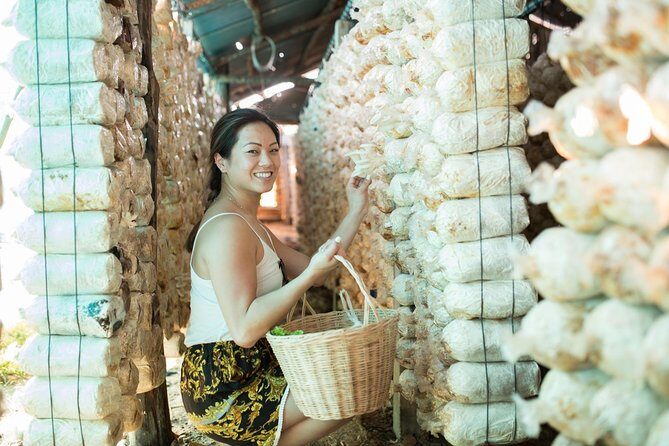
Food tastes better when you know where it comes from. Many sessions include a quick look at a garden area where herbs and produce are grown, which helps you understand what Khmer cooking relies on day to day.
Depending on the package and day, you may also add visits to a mushroom farm and a crocodile farm, each with a local guide. This isn’t just sightseeing—it’s another way to connect ingredients to local food systems, even if your main goal is cooking.
One practical note: these add-ons can make the total outing feel slightly less “straight cooking class.” If you’re short on time, you might ask when these stops happen relative to your cooking start.
Inside the kitchen: open-air setup and hands-on help
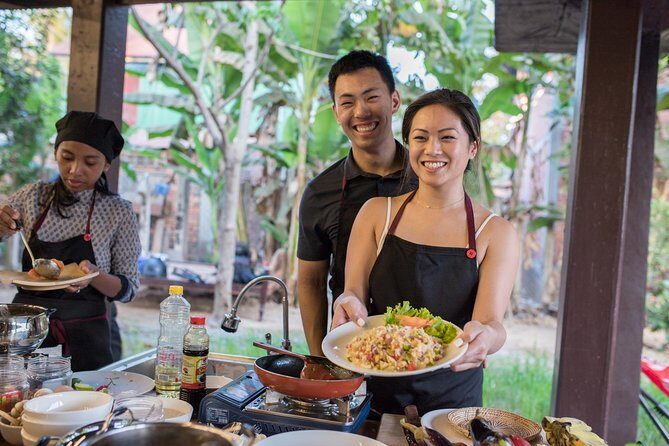
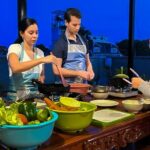
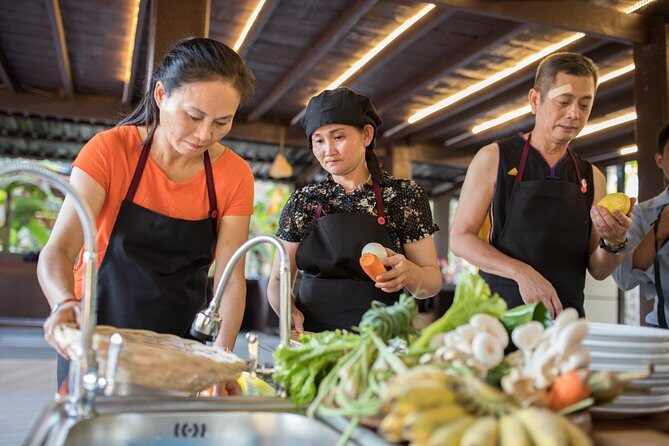
The cooking area is typically an open-air kitchen style space rather than a tiny, private “in the home” room. That’s not a negative by default—it often means better airflow and fewer claustrophobic moments—but it’s worth knowing so you can calibrate expectations.
The key is the teaching format. With a group cap of six, and multiple instructors on hand (people often cite a strong instructor-to-cook feel), you get consistent attention as you chop, stir, and adjust seasoning.
You should expect to do real work, not just symbolic participation. You may be asked to help with tasks like washing ingredients or preparing components before cooking, and that active role is part of why people feel they leave with usable skills.
Also, instructors commonly take photos while you cook. That’s handy if you want to remember what you made (and it’s nice if you cook in a group with different menu choices).
Choosing four courses: your Khmer menu, your way
You choose four dishes, and that choice is one of the biggest value drivers here. It lets you taste more variety than you’d get in a restaurant meal, and it also means you’re more likely to recreate at least one dish at home.
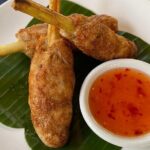
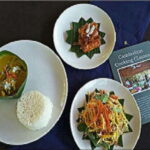
While the exact menu can shift, classic Khmer items are often part of the experience. You can typically expect dishes like Fish Amok and Tom Yum, plus other options that may include banana-leaf styles and a Khmer dessert such as banana tapioca.
If you like seafood, this is a strong fit because Fish Amok is the headliner for a reason: it’s fragrant, creamy, and packed with Khmer herb flavor. If you don’t eat seafood, you’ll want to coordinate dietary preferences early so you get substitutions that still feel authentically Khmer.
One thing I’d do if you’re menu-curious: plan to order at least one dish that scares you a little. That’s how you end up learning a technique, not just eating a good meal.
A few more Siem Reap tours and experiences worth a look
Fish Amok and Tom Yum: why these dishes teach real technique
Two dishes often anchor the teaching: Fish Amok and Tom Yum. Even if you don’t cook them at home right away, they teach you how Khmer flavor building works.
Fish Amok is a lesson in aroma and texture. You’re working with a sauce base that depends on coconut milk and spice balance, then shaping the dish so it cooks into something tender and fragrant. It’s one of those dishes where small changes—like seasoning level or stirring technique—show up fast in the final result.
Tom Yum teaches sour and heat control. You learn how herbs and aromatics contribute fragrance, and you practice adjusting the tang so the soup tastes lively rather than harsh. If you’ve ever had Tom Yum that tasted flat or one-note, this cooking session is where you learn the fixes.
In a class like this, you’re not just copying a recipe. You’re practicing the logic of flavor, which is what makes the dishes repeatable later.
Lunch or dinner together: the meal is part of the lesson
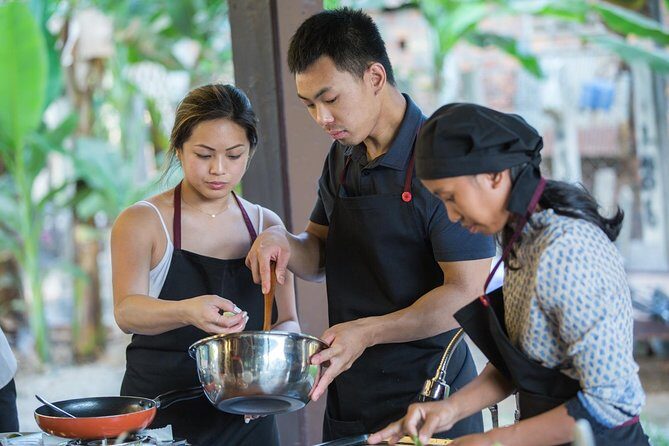
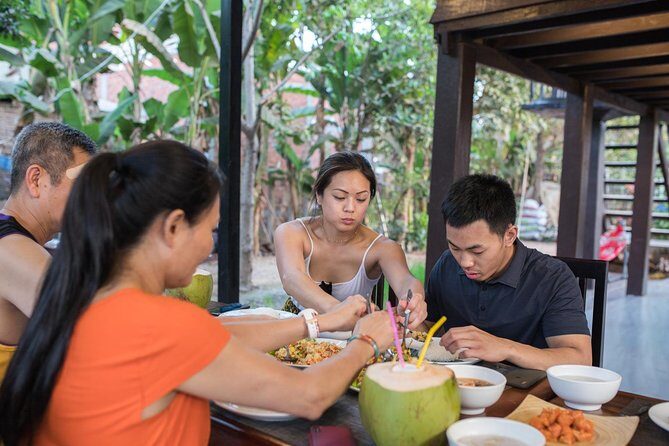
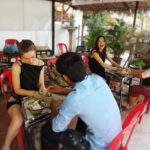
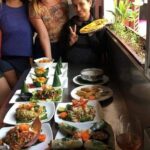
After you cook, you eat what you made, as a group. That shared meal matters because it locks in the learning: you taste the dish while the steps are still fresh in your head.
Expect to eat a four-course meal, with your dishes served as your group’s menu choices come together. Even if everyone cooks different things, you get the full “this is what it should taste like” comparison.
Portion size can be generous. More than one person has walked out feeling very full, which makes sense when you’re cooking multiple dishes and then eating them all at once.
For drink planning, keep it simple. Beer and wine aren’t included, and you may only have basic water available, so bring along what you prefer if you don’t want to buy drinks separately.
Learning outcomes you can actually use at home
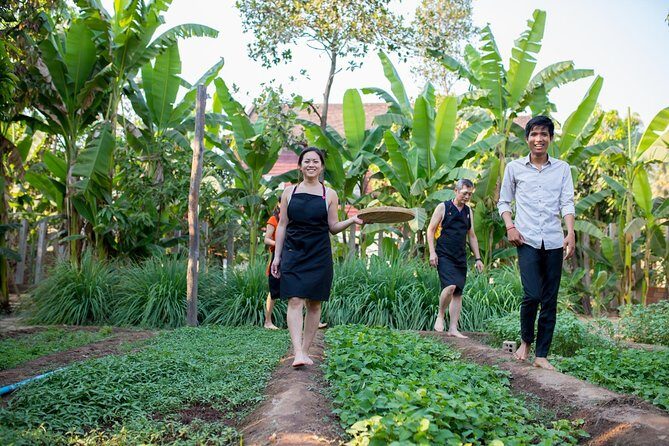
The best cooking classes don’t just give you food—they give you a method. In this class, you usually leave knowing how to handle key Khmer ingredients and common flavor patterns.
You’ll likely take home shortcuts too. Many dishes are built on layered aromatics and coconut-based sauces, plus balancing sour and salty flavors. Once you understand that structure, you can adapt to what you find at home markets.
Some instructors also share recipes after the class, based on how the session is run. Even if you only keep notes on the ingredients you used and the taste adjustments you made, you’ll be ahead of the game.
And because the group is small, you can ask practical questions during cooking time. That’s where you pick up the “why” behind a step, not just the “what.”
Price and value: what you really get for $27
At $27 per person, this is fairly priced for what’s included. You’re paying for more than cooking instruction—you’re getting tuk-tuk door-to-door transport, ingredient costs, a local host/guide, and the meal you prepare.
Many cooking classes can feel like a restaurant bill with extra steps. Here, your money goes toward ingredient sourcing (market shopping), a local teaching experience, and a full four-course outcome. The price also becomes easier to justify because you’re not paying separately for entry fees or a guide once you’re on the ground.
The extra mushroom and crocodile farm options (when added) increase perceived value for people who want more than just kitchen time. If you skip those add-ons, it’s still strong value because the main structure—market + cooking + shared meal—stays intact.
Who this fits best (and who might want a different option)
This is a great match if you want an authentic-feeling food experience without committing to a full-day tour. It’s also a strong pick if you like learning in a hands-on way and you want to leave with skills, not just photos.
It’s especially good for couples and small groups because the max six format keeps the pace friendly. Solo travelers also do well here because cooking in small stations makes it easier to interact with your instructor and the people cooking different dishes.
If your top priority is a true inside-a-private-home experience, be aware the cooking may happen in an open shared kitchen area rather than a single family’s dining room. If you go in with that expectation, you’ll likely enjoy it more.
Should you book? My decision checklist
Book this class if you want:
- Market shopping + cooking + eating in one tight 3-hour window
- A small-group setup where you can actually ask questions
- Khmer classics like Fish Amok and Tom Yum taught step by step
- A guided plan that includes tuk-tuk pickup so you can focus on food
Skip it (or ask questions first) if:
- You need a strictly private, inside-the-house cooking environment rather than an open kitchen setup
- You want lots of drinks included, because beer and wine aren’t part of the package
If you’re in Siem Reap and food is one of your main travel priorities, this is an easy yes. It’s practical, social in a good way, and you leave with more than a story—you leave with flavor knowledge you can use.
FAQ
How long is the Khmer cooking class?
It lasts about 3 hours.
Is hotel pickup and drop-off included?
Yes. You get hotel pickup and drop-off by tuk-tuk.
How large is the group?
The class has a maximum of 6 travelers.
What will I cook?
You’ll prepare a four-course meal. Dishes commonly include items like Fish Amok and Tom Yam, and you can choose from the available recipes.
Do I visit a market?
Yes. You’ll walk around a local market to find fresh ingredients before cooking.
Are vegetarian or allergy needs possible?
If you’re vegetarian or have allergies, let the organizers know ahead of time so they can make possible allowances.
Are drinks included?
Beer and wine are not included. The class includes lunch, but you should plan your own drink options if you want more than basic water.
Are there different class times?
Yes. You can choose among three convenient class times, including both lunch and dinner options.
What is the cancellation window?
You can cancel for a full refund up to 24 hours in advance of the experience start time.
Are children allowed?
Yes, but children must be accompanied by an adult.