REVIEW · SIEM REAP
Siem Reap: Angkor Wat Tour Explore The Most Iconic Temples
Book on GetYourGuide →Operated by Angkor Wat Combine Tours · Bookable on GetYourGuide
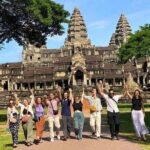
Angkor Wat at sunrise is one of those sights that makes the whole day feel worthwhile, and this tour is built around getting you there early. You’ll follow a tight route through Angkor Wat, then keep rolling through contrasting temples like Ta Prohm and Bayon, with a comfortable ride and thoughtful touches. The main catch is the Angkor temple pass is not included, so you’ll need to factor that into your budget.
What I like most is the pacing: you get time to actually look at the carvings and bas-reliefs at Angkor Wat before the larger crush builds in. I also like the comfort side of it, especially the cool towel and unlimited bottled water during the tour, plus guides who stay available while you’re inside each site (a huge deal at a place this spread out).
One consideration: you’ll walk on uneven temple ground for hours, and the dress code is strict (shoulders and knees covered). If you hate early starts or you’re coming with limited walking ability, you may find the day demanding.
In This Review
- Key things that make this Angkor tour work
- Sunrise timing at Angkor Wat: why it changes everything
- Angkor Wat tickets: what you pay for and how to plan for it
- The 8-hour route: from Angkor Wat into the wider Angkor circuit
- Angkor Wat inside: carvings, galleries, and the sanctuary mindset
- Banteay Kdei: the quieter temple that gives your eyes a break
- Ta Prohm: jungle roots and the photo-famous frame
- Ta Keo’s unfinished construction: why it feels different
- Bayon Temple’s 54 towers and 200+ faces: the emotion of stone
- Tonle Om Gate at Angkor Thom: a strong photo finish
- Private transport details that actually matter on busy temple days
- What to bring, wear, and avoid at Angkor
- Who this Angkor Wat circuit is best for
- Should you book this 8-hour Angkor Wat tour?
- FAQ
- What is the duration of the tour?
- How much does it cost?
- Is the Angkor Wat temple pass included?
- What is included in the price?
- What should I bring for the temples?
- What dress code do I need?
- Is the tour suitable for wheelchair users?
Key things that make this Angkor tour work
- Sunrise Angkor Wat via the western entrance option, so you start with calmer light and fewer crowds
- A well-paced temple lineup that mixes grand Angkor Wat with quieter stops like Banteay Kdei
- Ta Prohm’s jungle look with giant tree roots, plus lots of time to take photos without feeling rushed
- Bayon Temple’s 200+ stone faces across 54 towers, where daily-life carvings add texture beyond the famous faces
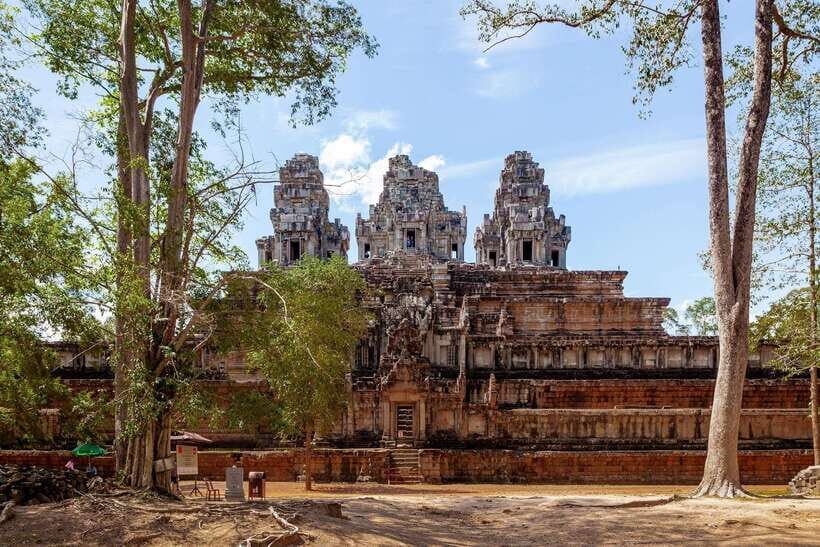
- Ta Keo’s unfinished structure stands out because it was never fully completed
- Private transport comfort with water, cool towels, and drivers who wait for you at each temple
Sunrise timing at Angkor Wat: why it changes everything
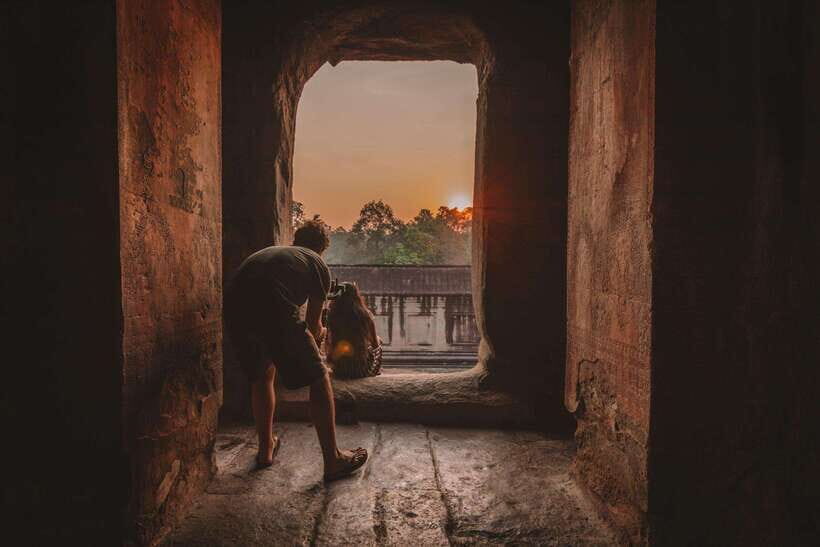
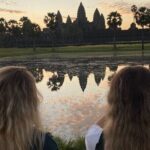
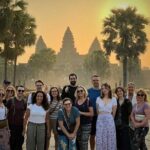
If you’ve only seen Angkor Wat in photos, sunrise is how you understand the place in real life. The sky lightens gradually, the temple towers shift color, and the reflections in the moat feel almost too perfect to be random. This tour is set up for that moment by starting early when you choose the sunrise option, with pickup from your Siem Reap hotel and travel to the Angkor Archaeological Park in the morning.
You also get a smart routing choice at the start: after buying your entrance tickets at the park (own expense), the experience takes you through a western entrance to reach Angkor Wat for sunrise. In practice, that means you’re not just arriving at the main gates at the same time as everyone else. You get a more gradual feel for the site, which makes it easier to take in the symmetry and stonework instead of only chasing photos.
One practical note I’d take seriously: sunrise also means you’ll feel the day’s heat sooner once the sun climbs. Bring sunscreen and sunglasses, and wear a shirt that covers your shoulders. Comfortable walking shoes matter because you’ll be on stone paths, not flat city sidewalks.
You can also read our reviews of more tours and experiences in Siem Reap.

Angkor Wat tickets: what you pay for and how to plan for it
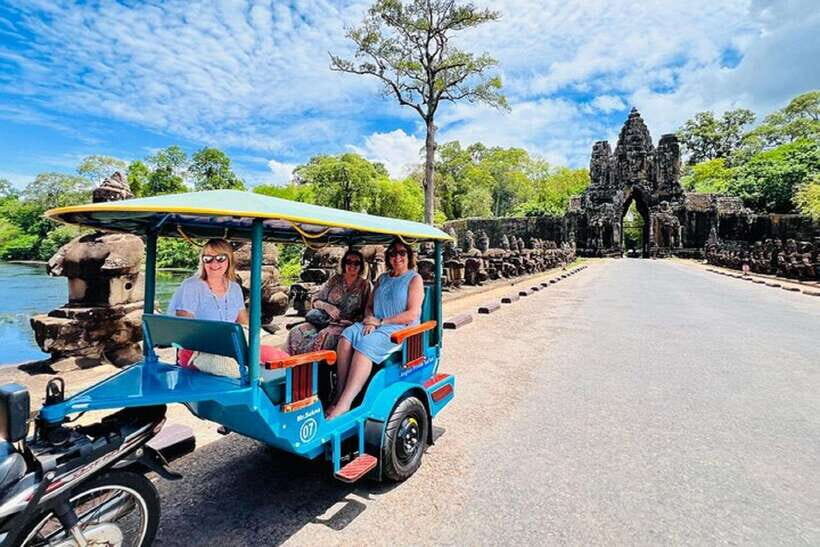
This tour price is $24 per group up to 2, which is a good deal for a private day with hotel pickup and round-trip transport. But you still need to buy the Angkor Wat temple pass separately, and meals are not included.
So here’s how I’d plan your budget in a clean way:
- You pay the tour for pickup, private transport, and guided movement through the day.
- You pay the temple pass separately on the day at the archaeological park.
- You pay for food (unless you plan to bring snacks, which you can if allowed in your own plan).
Because the pass price isn’t listed here, I won’t guess. The key value question is timing and logistics: paying extra for a pass is standard at Angkor, and having someone drive you between far-flung temples and manage your route saves a lot of energy. It’s the difference between having a relaxed day and constantly figuring out timing, entrances, and transport.
The 8-hour route: from Angkor Wat into the wider Angkor circuit
This is an 8-hour format, and the order matters because it strings together different “moods” of Angkor rather than treating every stop like the same photo opportunity.
After your morning start and Angkor Wat sunrise timing, the day typically flows like this:
- Angkor Wat at sunrise
- Explore inside Angkor Wat (bas-reliefs, galleries, sanctuary areas)
- Banteay Kdei
- Ta Prohm
- Ta Keo
- Bayon Temple
- Tonle Om Gate (South Gate of Angkor Thom)
- Back to your hotel
You’ll notice a pattern: you’re not only collecting iconic structures, you’re also getting the visual story of Angkor’s religious and cultural layers. Angkor Wat was built as a Hindu temple for Vishnu and later became a Buddhist site, so when you look at it up close, you’ll often see how the meaning of the space evolved.
Also, this route is designed to keep you moving without feeling like a nonstop sprint. At multiple stops, the idea is that you can arrive, walk in, look carefully, and return to the driver to reposition.
Angkor Wat inside: carvings, galleries, and the sanctuary mindset
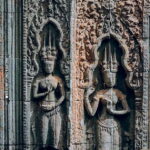
Sunrise gets you the drama. Going inside is where Angkor Wat turns into something richer and slower. The interior experience focuses on what makes the place famous for more than its silhouette: intricate bas-reliefs, grand galleries, and the sacred core areas.
A helpful way to experience Angkor Wat (and one I’d recommend to you): don’t try to see everything as a checklist. Instead, pick two or three sections where the carvings are dense and follow the story your eyes naturally travel through. You’ll come away feeling like you understood the architecture’s rhythm rather than only collecting images.
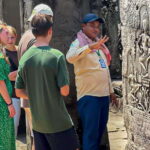
If you’re the kind of person who likes to know what you’re looking at, the guide support here can really help. In past similar tours, I’ve seen guides focus on what to notice on each temple, and you’ll want that approach at Angkor Wat where the details can overwhelm you.
And yes, you’ll be walking. Even with good transport, the temple itself is a walking experience on uneven ground, so keep your shoes sturdy and your pace steady.
Banteay Kdei: the quieter temple that gives your eyes a break
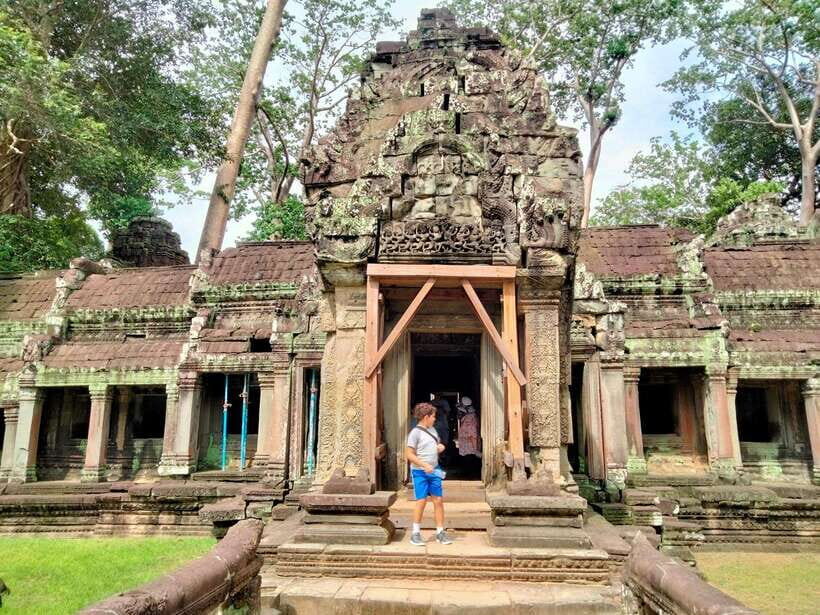
After the huge visual impact of Angkor Wat, Banteay Kdei is the palate cleanser you didn’t know you needed. It’s a Buddhist monastery area with a calmer feel than the most famous stops. Even its name, “Citadel of Chambers,” points to the atmosphere: more corridors, more serenity, and a different kind of stone texture.
What makes Banteay Kdei special is that it’s partially in ruins. That ruin quality matters because it changes the way the light hits and how the space feels when you walk through. Instead of pure restoration shine, you get a more mysterious, lived-in feeling.
If you want authentic moments over only iconic postcard shots, Banteay Kdei is often where the day stops feeling like a drive-by. You can slow down, look closely at carvings, and get a mental reset before the jungle drama of Ta Prohm.
Ta Prohm: jungle roots and the photo-famous frame
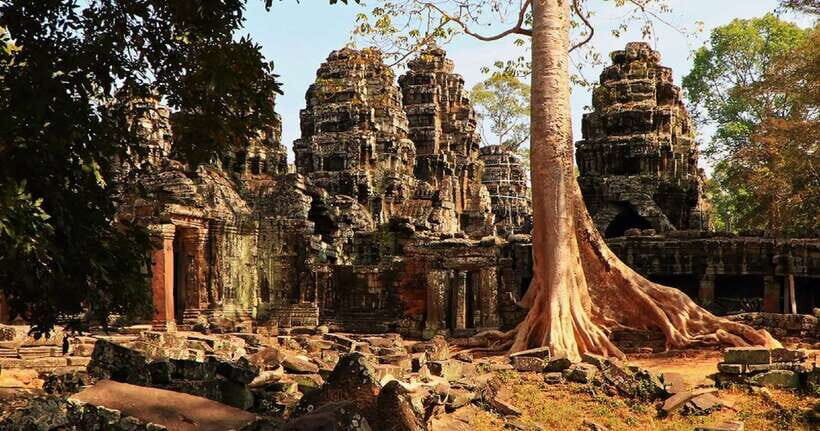
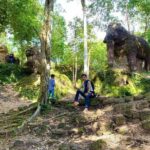
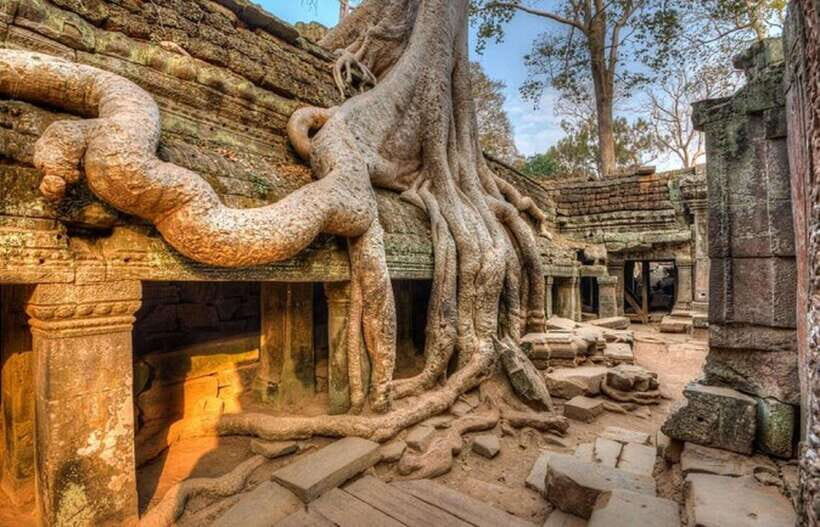
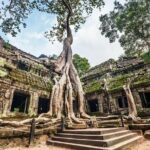
Then comes Ta Prohm, the temple that people recognize even if they can’t pronounce it. The headline here is simple: giant tree roots growing over the ruins. The “jungle temple” look is exactly why Ta Prohm became globally famous, and the setting makes photos look more cinematic than usual.
The practical advantage is that Ta Prohm is visually busy in a good way. When there are roots, shadows, and stone textures everywhere, you can spend extra time without needing to search for angles. You’ll still want to watch your footing, especially where roots and uneven stone create hazards.
There’s also a bonus category of moment: wildlife sometimes shows up around Angkor. The day might include monkey sightings, which can be fun, but you should keep your distance and avoid sudden movements around them. If you see any guide advice about staying safe, follow it.
Ta Keo’s unfinished construction: why it feels different
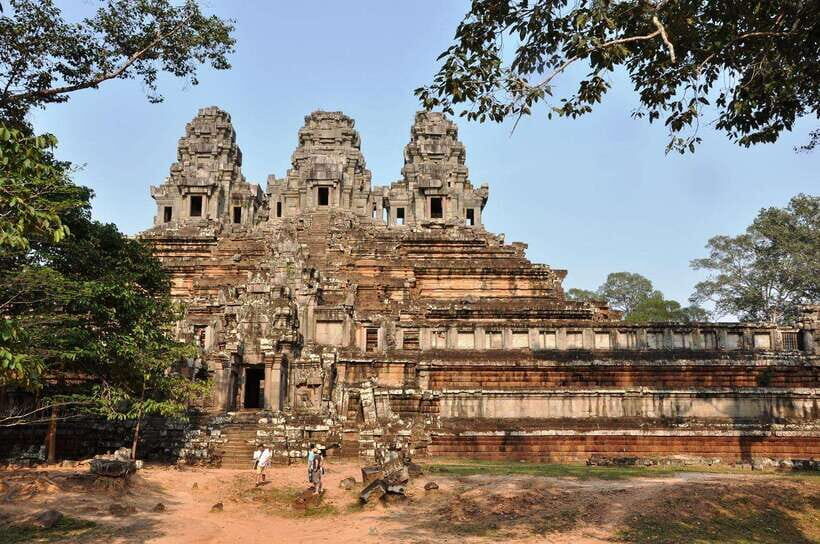
Ta Keo is one of the most interesting stops on this route because it’s known for something rare at Angkor: it was never fully completed. That unfinished quality gives the temple a distinct feel compared with others where you can sense the final architectural plan more clearly.
From the ground, you’ll notice how the incomplete elements affect your visual understanding of the structure. Instead of feeling sealed and finished, it feels like a work in progress caught in time. That’s exactly the kind of detail that makes Angkor feel more human—built by real people with real constraints—rather than like an untouchable monument.
If your brain likes variation, Ta Keo is a great bridge between Bayon’s iconic faces and Ta Prohm’s dramatic natural overlay.
Bayon Temple’s 54 towers and 200+ faces: the emotion of stone
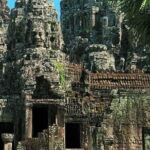
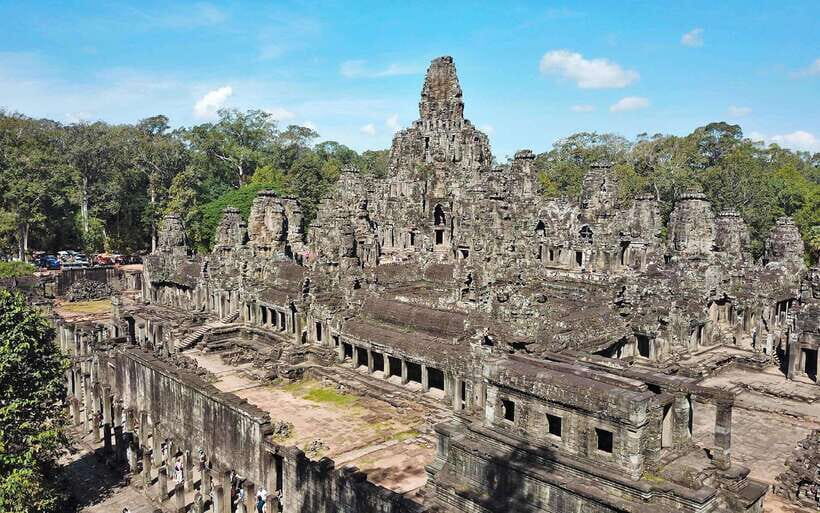
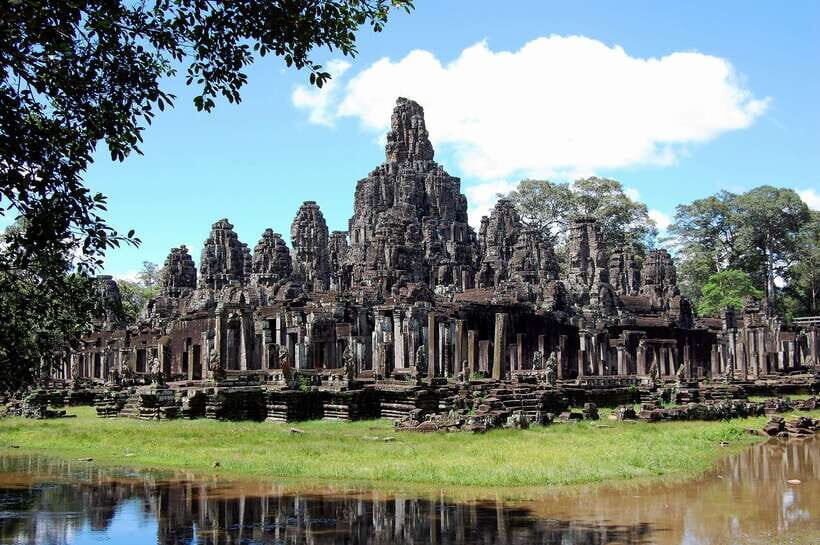
At Bayon Temple, the famous feature is the network of stone faces. The structure is known for 54 towers, each with multiple faces, giving you that overwhelming effect of being watched by calm expressions. It’s not just a wow factor. When you stand close enough, you can see the carving style and how the faces repeat across the site like a visual language.
Bayon also adds a second layer: the carvings depict scenes of daily life and historical battles. That matters because it shifts Bayon from “the faces” to “the stories.” You can spend time comparing the mood of the face expressions with the subject matter in the reliefs, and that contrast makes the temple more memorable.
When you reach Bayon on a tour like this, you’ll appreciate that it’s placed after several other distinct temples. By the time you arrive, you’re already warmed up to how each site has its own way of communicating meaning.
Tonle Om Gate at Angkor Thom: a strong photo finish
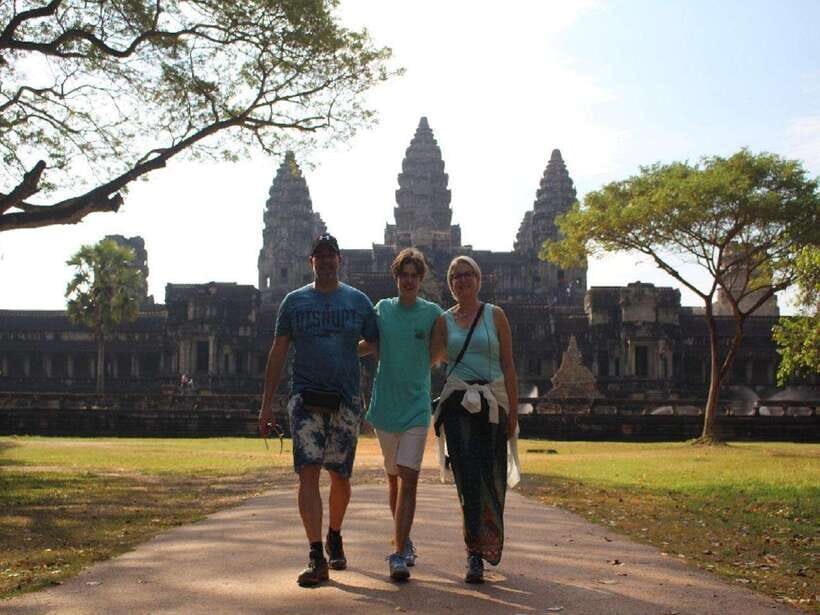
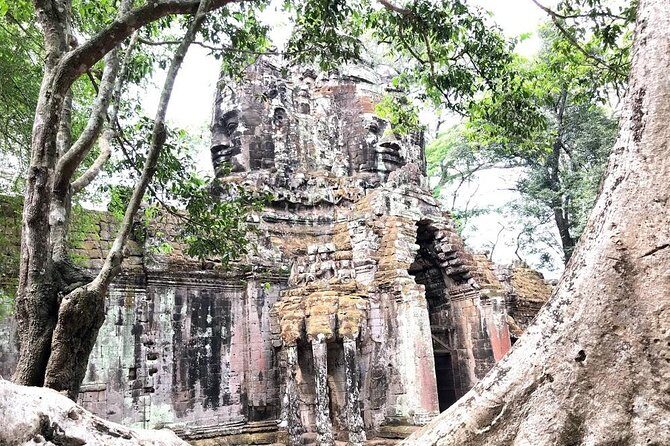
The Tonle Om Gate, the South Gate of Angkor Thom, is a great ending stop because it’s an image in motion. It’s flanked by a dramatic causeway lined with statues of gods and demons, and the massive gate is crowned with large stone faces similar in style to those at Bayon.
Why it’s a smart inclusion: it feels like a threshold moment. After walking through individual temples, the gate gives you a sense of how Angkor Thom is organized as a whole city space. It’s also an efficient photo stop before you head back.
If you’re deciding what gear to bring, this is another reason sunscreen and a hat help. You might get a final bright-photo window, depending on your timing.
Private transport details that actually matter on busy temple days
This is a private tour style with pickup and drop-off at your hotel or accommodation. That sounds basic, but at Angkor it has real value: you don’t have to coordinate with other groups or guess how long transfers will take.
One of the most praised parts in the experience is the quality of the driver and the way they handle waiting. Guides named in past experiences include Daniel, Ray, Chamrong, Lay, Paul, Danny, and Lai, and the consistent theme is simple: reliable pickup, staying available when you need them, and getting you to the right spots without drama.
There’s also comfort support that helps in heat:
- unlimited bottled water during the tour
- cool towels
- a vehicle ride that can feel pleasant on hot days (some riders specifically noted the breeze on tuk-tuk style transport)
If you plan to do a sunrise day, these comfort touches matter more than you expect. Waiting around for photos can make the heat feel heavier, so having water and a towel ready helps you keep your energy for the next temple.
What to bring, wear, and avoid at Angkor
This tour comes with clear rules, and following them keeps things smooth.
Bring:
- sunglasses
- sunscreen
- cash
Wear:
- a cloth that covers your shoulders and your knees
- comfortable walking shoes
Avoid:
- pets
- alcohol and drugs
Also remember: this tour is not wheelchair accessible because temple terrain is uneven. If you have mobility limitations, you may find the walking portions hard. And it’s not suitable for babies under 1 year or people over 95 years.
If you’re trying to avoid overpacking, focus on the essentials. Angkor mornings can start cool and finish hot, and you’ll want sun protection from the first steps outside.
Who this Angkor Wat circuit is best for
You’ll enjoy this tour most if:
- you want a clear, time-efficient route through major temples
- you care about sunrise timing at Angkor Wat
- you want a private driver who stays flexible as you move from site to site
- you like contrast: grand Angkor Wat, calm Banteay Kdei, jungle drama Ta Prohm, unfinished Ta Keo, and the emotive Bayon faces
It’s also a great choice for couples and small groups because the pricing is per group up to 2. If you’re traveling with a friend, sharing the group cost can make the whole day feel very reasonable, especially with hotel pickup and transport included.
Should you book this 8-hour Angkor Wat tour?
I’d book this tour if you want the classic Angkor temples covered in one day without wrestling transport logistics. The sunrise option at Angkor Wat, the mix of iconic and quieter stops, and the practical comfort (water and cool towels) make it a strong value.
I’d think twice if you strongly dislike early mornings, you struggle with walking uneven terrain, or you don’t want to buy the temple pass separately. The day is structured for people who want to see a lot, so go in prepared, and you’ll leave with a much fuller sense of Angkor than you get from a rushed hop between sites.
If your priority is a smooth, private temple day in Siem Reap, this route hits the sweet spot.
FAQ
What is the duration of the tour?
The tour is listed as 8 hours.
How much does it cost?
The price is $24 per group up to 2.
Is the Angkor Wat temple pass included?
No. The Angkor Wat pass or temple tickets are not included and must be purchased separately.
What is included in the price?
You get hotel pick-up and drop-off, private round-trip transportation, unlimited bottled water, and a cool towel.
What should I bring for the temples?
You should bring sunglasses, sunscreen, and cash.
What dress code do I need?
You must wear a cloth that covers your shoulders and knees.
Is the tour suitable for wheelchair users?
No. The tour is not wheelchair accessible due to uneven temple terrain.