REVIEW · BATTAMBANG
Morning village tour Livelihood tour with Local Product discover
Book on Viator →Operated by Kim Tours Battambang · Bookable on Viator
Your morning gets rural fast. This half-day trip from Kim Tours Battambang takes you into Battambang’s countryside, where you’ll meet Khmer families at their homes and workplaces and see traditional food and drink being made step by step. I especially like the local-produce focus and the way the tour treats craft-making like real work, not a staged show.
I also appreciate the small-group feel (up to 10 people) and the chance to taste what’s produced along the way, from everyday starches to stronger local drinks. The only real consideration: this is a working village route, so you’ll spend time around active cooking stations, including sticky rice cooked in bamboo tubes over an open fire, where smells and smoke can be part of the experience.
In This Review
- Key highlights you’ll actually care about
- A working-village morning in Battambang
- Rice paper making and sticky rice over open fire
- How fermented fish paste and old factory work gets made
- Dried bananas and banana chips: from fruit to snack
- Traditional rice wine distillery and local tastings
- Optional Wat Samrong Knong and the killing fields add-on
- Price and logistics: what $15 buys you
- Who this tour is best for (and who should pass)
- Small-group touring tips that help you enjoy the food stops
- Should you book this Battambang livelihood village tour?
- FAQ
- What time does the morning village tour start in Battambang?
- How long is the half-day livelihood tour?
- How much does the tour cost?
- Is pickup included?
- How many people are in a group?
- What food and drink production stops are included?
- Are there optional cultural or historical stops?
- What happens if the weather is poor or I need to cancel?
Key highlights you’ll actually care about
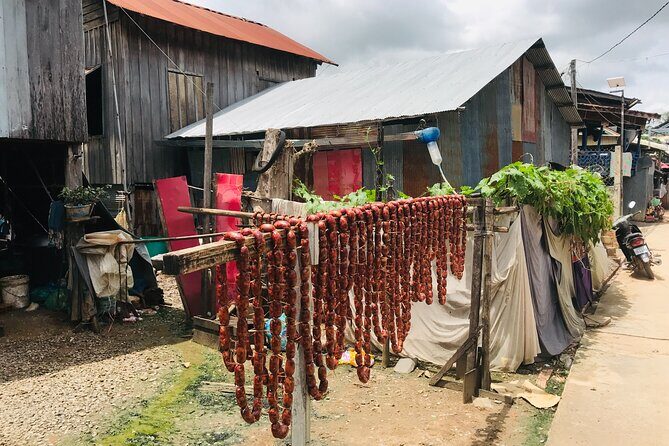
- Rice paper making: watch how the thin sheets are produced before they reach your plate
- Sticky rice in bamboo tubes: cooked over an open fire, then served for tasting
- Fermented fish paste at an old factory: see a traditional production process up close
- Banana production: dried bananas and banana chips from raw fruit to snack-ready goods
- Traditional rice wine distillery: learn about local distilling culture and try samples
- Two optional add-ons: Wat Samrong Knong temple complex and the killing fields, if you want them
A working-village morning in Battambang
This tour is built around daily life in the Battambang countryside. Instead of jumping straight to big landmarks, you start with a short introduction to the area and its background, then you head out to see how people live and work. You’ll visit homes and production spots where Khmer families make traditional foods and drinks, and you’ll get the context that usually gets skipped on standard sightseeing days.
The timing matters. It runs in the morning, with an opening window of 8:00–8:30 AM and a total duration of about 4 to 5 hours. That’s a sweet spot: long enough to cover multiple production stops, short enough to keep your afternoon free—unless you add on optional sites.
One detail I love for value: this is a half-day tour with pickup offered and a group cap of 10 travelers. That combination usually means you spend more time learning and tasting and less time waiting or crowding around guides.
A few more Battambang tours and experiences worth a look


Rice paper making and sticky rice over open fire
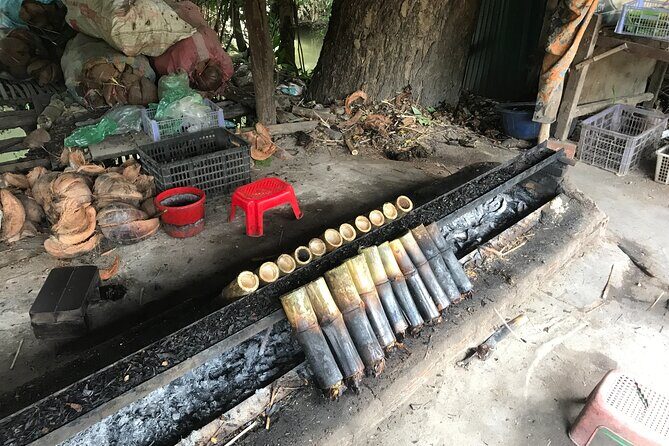
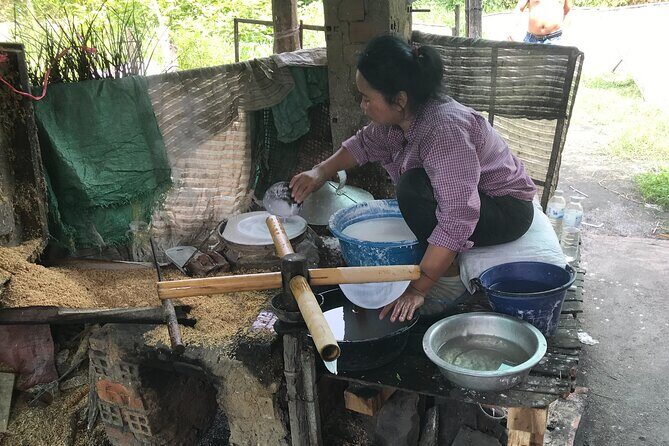
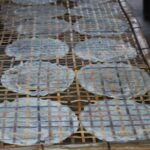
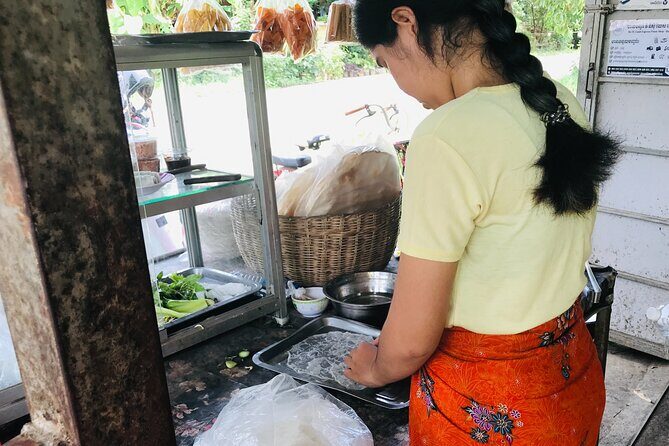
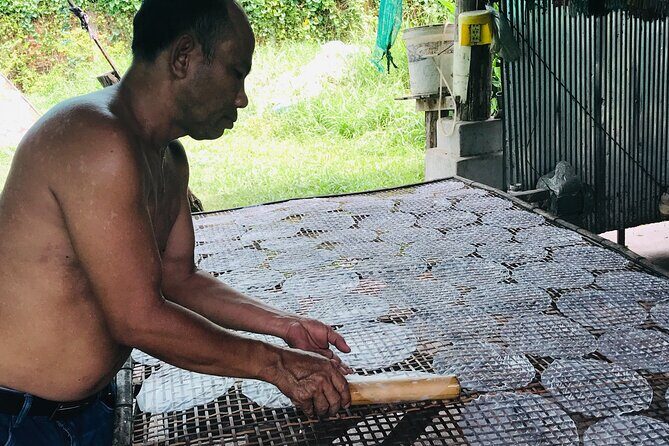
A big part of the experience is seeing how staple foods are made from the ground up. One of the first production skills you’ll likely encounter is rice paper making. You’ll watch the steps involved in transforming rice ingredients into something that can be dried and later used in cooking.
Then comes a stop that tends to stick in your mind: sticky rice cooked in bamboo tubes over an open fire. This is practical food knowledge, not trivia. Bamboo cooking changes the texture and helps steam the rice while it cooks, and the open-fire setup is exactly the kind of method that’s hard to understand if you only ever buy packaged food.
Why this section is valuable: you learn that village foods aren’t random recipes. They’re systems—ingredients, tools, heat, timing—all working together. And you typically get a chance to taste as well, so you’re not just watching; you’re matching what you see with what you taste.
One small drawback to expect: open-fire cooking can mean stronger aromas and a bit of smoke in the air. If that’s a problem for you, plan on keeping your face covered a little and moving with the group when the guide signals. Also, wearing something light and breathable helps.
How fermented fish paste and old factory work gets made
Next, you’ll move from rice-based foods to something that feels more unfamiliar to many visitors: fermented fish paste. The tour includes a visit to an old factory where this product is made, and the point is to show you the real production environment rather than a polished storefront.
This stop works well if you like understanding food culture beyond what’s commonly served in restaurants. Fermented products are shaped by time, consistency, and local methods. Seeing it in a working production context helps you understand why these flavors are so distinctive.
A practical note: fermentation smells strong—sometimes pleasantly sharp, sometimes intense. You may not want to linger if odor is an issue. The good news is that your guide’s job is to keep the rhythm moving so you can experience it without it taking over the entire day.
This is also one of the tour sections where the small group size pays off. With fewer people, you can usually ask questions and get clearer answers about what you’re looking at, rather than hearing everything through a wall of bodies.
Dried bananas and banana chips: from fruit to snack
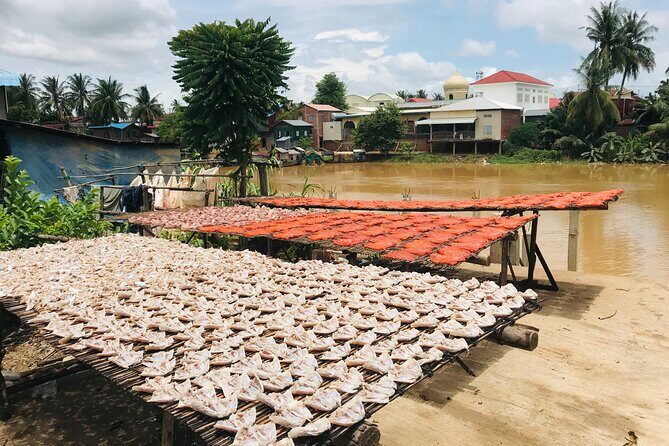
Battambang countryside food also includes straightforward, high-impact crops—especially bananas. You’ll see dried bananas and banana chips being produced. This kind of stop is great because it shows food preservation and processing in a form you already recognize as a snack, but from the start of the process.
Watching how bananas go from fresh fruit to dried product—and then into chips—helps you understand why these items last and why they’re so common. It also makes tastings (when offered) more meaningful because you’ll know the steps that affect flavor and texture.
This part of the day tends to feel less intense than fermentation, more like a production line you can easily follow. It’s a strong option for people who want something hands-on and visual without worrying about more intense smells.
Traditional rice wine distillery and local tastings
If you want a cultural taste that goes beyond everyday snacks, the tour includes a visit to a traditional old rice wine distillery. You’ll learn about the distilling process as practiced locally, and you’ll have an opportunity to taste the result.
This is where the tour becomes more than just food production. Distilling links back to community habits: celebrations, hospitality, and local traditions tied to agriculture. Even if you don’t become a super-fan of the drink itself, you’ll come away with a clearer picture of how alcohol production fits into village life.
A key consideration: alcohol isn’t usually for everyone, so if you’d rather not sample, you should be able to choose what you taste. The tour’s structure still works even if you skip the sample, because the learning stops still matter.

Optional Wat Samrong Knong and the killing fields add-on
The tour also offers optional extensions: Wat Samrong Knong temple complex and the killing fields. This is a big pivot from the food-focus of the route, and it’s why having options is smart.
If you want a day that stays lighter and centered on rural livelihoods and food craft, you can likely keep it to the core production stops. If you feel you want more historical and cultural context in your Battambang time, adding Wat Samrong Knong gives you a religious and architectural layer to the day.
And if you choose the killing fields add-on, be ready for emotional weight. It’s not the kind of visit that should be squeezed in casually. If you’re tired, hungry, or not mentally ready, it’s worth thinking carefully before you say yes.
In short: treat these as optional, not automatic. Choose based on how you want your half day to feel.
Price and logistics: what $15 buys you
At $15.00 per person, this tour is priced like an affordable way to see a lot in a short time. The real value is the mix: multiple production stops plus tastings plus pickup. Most sightseeing days charge you for transport and guide time; here, a good chunk of what you pay for is direct exposure to how local food is made.
Add in the details that make the experience smoother:
- Pickup offered, which helps if you’re staying away from town
- Mobile ticket and a straightforward start window in the morning
- Group discounts, which can matter if you’re traveling with friends
- Maximum of 10 travelers, which supports a more personal feel
One more practical point: this tour is commonly booked about 14 days in advance, which signals it’s popular. If your dates are firm, plan ahead rather than trying to wing it.
Also, the tour lists that it runs Monday through Sunday in that morning window, which makes it easier to fit into a flexible itinerary.
Who this tour is best for (and who should pass)
I’d put this tour at the top of your list if you like food culture, you enjoy watching how things are made, and you want to see rural daily life without a full-day commitment.
It’s also a great fit if you care about guide quality and safe, organized transportation. One of the standout themes from the experience feedback is that the guide/driving support is solid—people call out a great driver and guide, safe driving, and water being provided. That kind of reliability matters more than it sounds, especially when you’re moving between working stops.
Who might not love it:
- If you hate smells or you’re sensitive to open-fire cooking environments
- If you want strictly famous temples and views rather than production-focused village life
- If you need a totally quiet, low-stimulation day
If you fall in the middle, pick your option carefully. Stay with the food-and-livelihood route for a lighter day, or add Wat Samrong Knong if you want cultural variety.
Small-group touring tips that help you enjoy the food stops
This is the kind of tour where your attitude shapes your experience. If you treat each stop like a learning moment—watching, asking a question when you can, and trying samples when offered—you’ll get more out of it.
A few practical tips:
- Wear comfortable shoes. You’ll be moving between multiple rural production spots over the course of 4 to 5 hours.
- Expect open-fire cooking. The sticky rice stop uses an open fire, so plan clothing that feels okay if you catch a little smoke.
- Save room for tastings. The tour is structured around local products, and tasting is part of the point.
- If you’re choosing the optional sites, decide before you start feeling rushed. Switching from food-making to historical sites changes the mood of the day.
If you’re bringing family members, this also helps. The tour says most travelers can participate, and it supports service animals too. That doesn’t guarantee comfort for every individual need, but it signals it’s not a technical activity that excludes many people.
Should you book this Battambang livelihood village tour?
I think it’s an easy yes if you want real Battambang beyond the usual photos: rural work, traditional production, and tastings in a short time. For $15, the value comes from volume and variety—rice paper, sticky rice, fermented fish paste, bananas, and rice wine distilling—all tied to local livelihoods.
Book it if:
- You’re a food person who likes seeing ingredients and methods, not just meals
- You want a morning activity that doesn’t eat your whole day
- You prefer small groups (up to 10 travelers)
Consider skipping or trimming the day if:
- Strong food smells or open-fire cooking settings would bother you
- You only want major temples and landmarks, not production-focused stops
- You’re not ready for the emotional shift if you add the killing fields
If your dates are within the next couple weeks, I’d plan to reserve soon. With the way it’s booked in advance, you don’t want to gamble on last-minute availability.
FAQ
What time does the morning village tour start in Battambang?
The tour runs daily with a start window of 8:00 AM to 8:30 AM.
How long is the half-day livelihood tour?
It lasts about 4 to 5 hours.
How much does the tour cost?
The price is $15.00 per person.
Is pickup included?
Yes, pickup is offered.
How many people are in a group?
The tour has a maximum of 10 travelers.
What food and drink production stops are included?
You’ll see rice paper making, sticky rice cooked in bamboo tubes over an open fire, fermented fish paste production, dried bananas and banana chips, and a traditional rice wine distillery. Tastings are part of the experience.
Are there optional cultural or historical stops?
Yes. You have the option to visit Wat Samrong Knong temple complex and the killing fields.
What happens if the weather is poor or I need to cancel?
The tour requires good weather. If it’s canceled due to poor weather, you’ll be offered a different date or a full refund. You can cancel for a full refund up to 24 hours before the start time.