REVIEW · BATTAMBANG
Bamboo Train, Banann Temple, Fruit Bat, Bat Cave, Sunset
Book on GetYourGuide →Operated by Thing to do in Battambang · Bookable on GetYourGuide
Battambang is where a day trip feels like a mini adventure. You’ll ride the iconic Bamboo Train, hike to temple stairs, and end with the bat cave sunset timing at Phnom Sampov. It’s a full loop through countryside, history, and wildlife—often in the same hour.
What I like most is how the day mixes moving views with real context: rice paddies by bamboo train, plus a guided walk through the Phnom Sampov caves tied to the Khmer Rouge era. I also appreciate that you’re not just driving past sights; there are stops like Mrs. Bun Roeung’s Ancient House and the hanging bridge where you can slow down and look around.
One thing to consider: it’s a long day with a lot of walking and uphill parts, including the 359 steps at Banan Temple. Also, bamboo train riding and entrance fees are not included in the tour price, so you’ll want some extra cash ready.
In This Review
- Key things to know before you go
- Bamboo Train, bats, and Phnom Sampov in one 10-hour loop
- Meeting point and the morning start in Krong Battambang
- Riverside bridge, plantations, and the “slow look” factor
- The Bamboo Train through rice paddies (the star, but budget for it)
- Fruit orchards and the giant bat area by the river
- Banan Temple hilltop: 359 steps and big views
- Lakeside lunch air and a breather before Phnom Sampov
- Phnom Sampov: Khmer Rouge prison and the caves that hurt
- The “7 million bats” moment: bat cave timing at sunset
- Price and logistics: what $36 covers, and what costs extra
- What kind of traveler this day fits best
- Guide quality matters: Guanaka vs. limited-English issues
- Should you book this Battambang day tour?
- FAQ
- How long is the tour, and what time does it start?
- Where does pickup happen?
- What’s included in the $36 price?
- What is not included?
- Is the bamboo train ride included?
- How many steps do I need to climb at Banan Temple?
- Where do the bat caves and sunset viewing happen?
- What languages is the guide available in?
- What should I bring?
- Is there a dress code?
Key things to know before you go
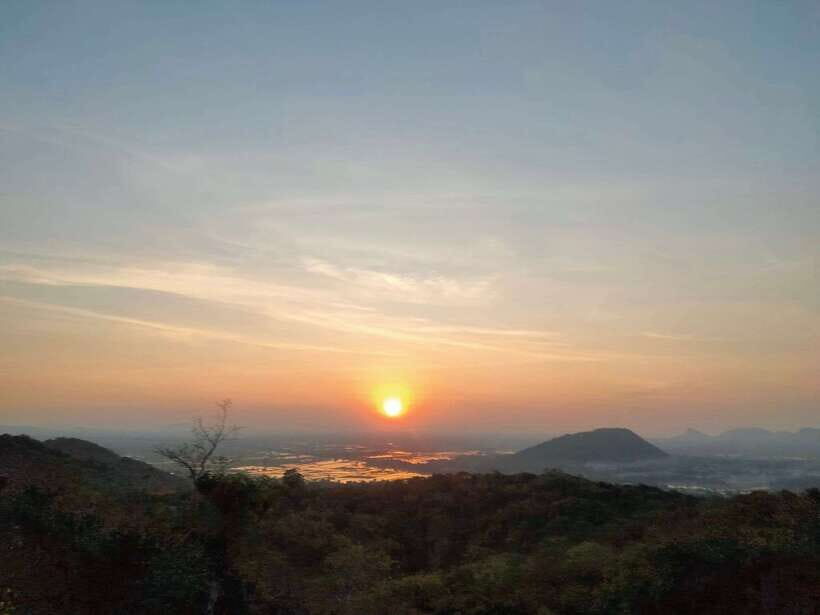
- Iconic Bamboo Train ride over Battambang’s rice country (extra cost since it’s not included)
- Phnom Sampov sunset + bat cave timing, including the big evening bat flight
- 359 steps up to the hilltop Banan Temple, so comfortable shoes matter
- Khmer Rouge caves at Phnom Sampov: killing cave plus baby cave and women’s cave, explained by your guide
- Lots of countryside texture: riverside plantation, fruit orchards, and a bat-life stop along the river area
Bamboo Train, bats, and Phnom Sampov in one 10-hour loop
This outing is built like a story you can walk through. You start in Battambang town, then gradually move out into farmland and riverside scenery, and finally climb up to Phnom Sampov for the last act: caves, history, and a sunset bat show.
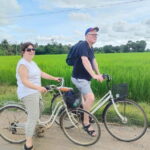
For many people, the big draw is the bamboo train. It’s not just a fun transport gimmick. The ride takes you through the rice-growing heart of Battambang—often described as Cambodia’s “rice barn”—so you get that green, agricultural rhythm from the inside, not from a car window. Add the hanging bridge and the ancient house stop, and you also get small “pause points” where you can actually take in the local setting.
Another reason this route works is that you’re not only chasing wildlife. You’ll also get guided context on the Khmer Rouge prison and the caves at Phnom Sampov—killing cave, baby killing cave, and women killing cave—so the bat spectacle at sunset lands with gravity rather than just being a spectacle.
You can also read our reviews of more evening experiences in Battambang
Meeting point and the morning start in Krong Battambang
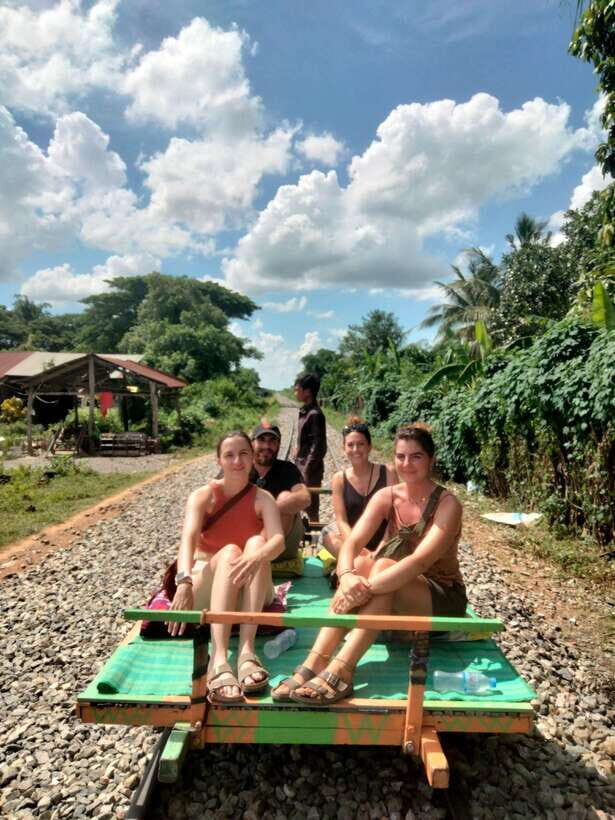
The day begins with hotel pickup in Krong Battambang, typically with your driver waiting around 10 minutes. You meet your driver guide around 9:30AM, so plan for an early start. This matters because the whole schedule is timed tightly for the hilltop evening portion.
Your first stops are short but purposeful. You’ll visit the Lok Ta Dambong Kra Nhoung Shrine (about 15 minutes) to get bearings in the area, then head to Mrs. Bun Roeung’s Ancient House for roughly 45 minutes. This is one of those stops that helps you understand Battambang isn’t only farmland—there’s also an old-town layer, seen through preserved homes and local architecture.
If you care about good interpretation, look for a guide who actually answers questions. In one of the past experiences associated with this tour style, Guanaka was praised as professional and well-prepared. That kind of guide quality makes a huge difference when the itinerary shifts from scenic stops to heavy historical material.
Riverside bridge, plantations, and the “slow look” factor
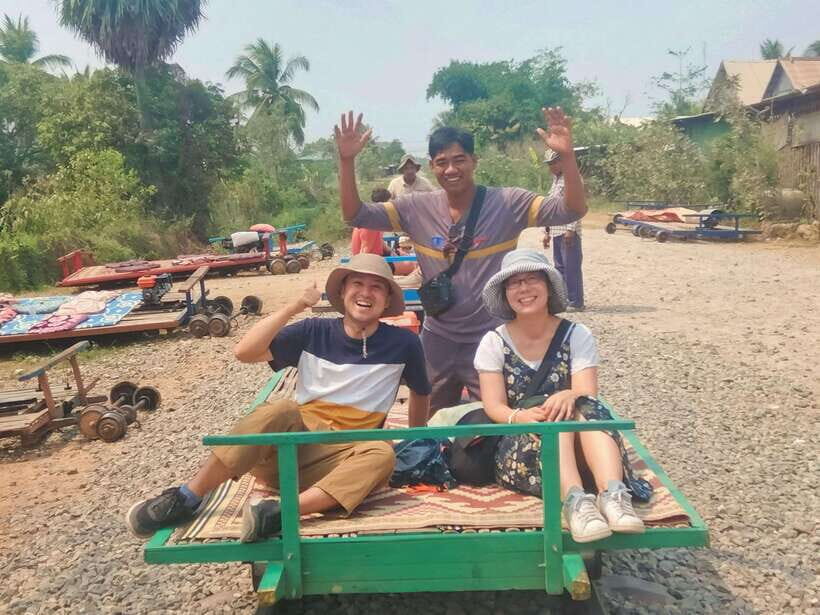
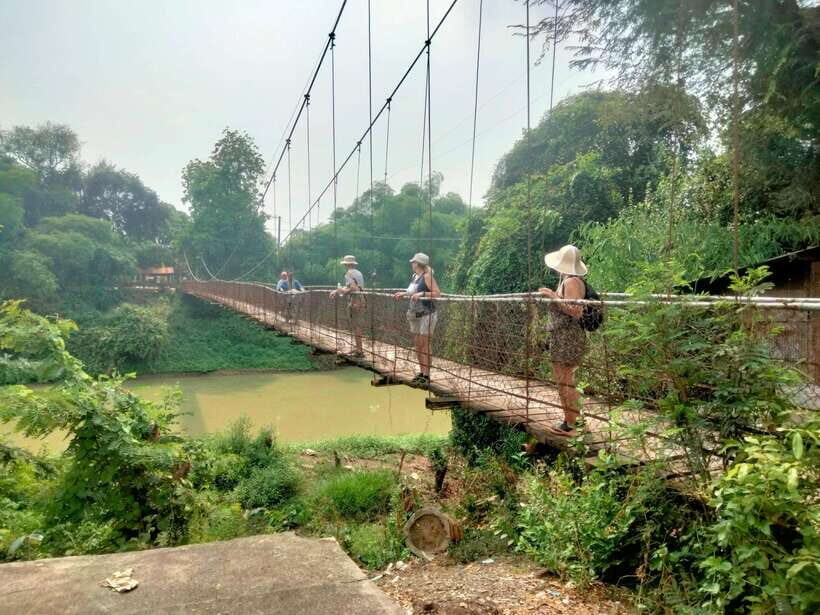
Next up is the hanging bridge and a stretch near the riverside with plantation views. The bridge stop is around 20 minutes, long enough to cross, take photos, and watch how the area looks from above the river.
This section is where the day softens. It’s less about ticking off spots and more about catching the way Battambang’s riverside life sits next to farmland. You’ll see greenery and agriculture, and you’ll get that sense of how the province works day-to-day—especially helpful because later you’ll be riding through rice paddies and stopping near orchards.
Practical note: bridges and riverside paths can be uneven. Even if you’re not hiking yet, comfortable shoes make this section easier.
The Bamboo Train through rice paddies (the star, but budget for it)
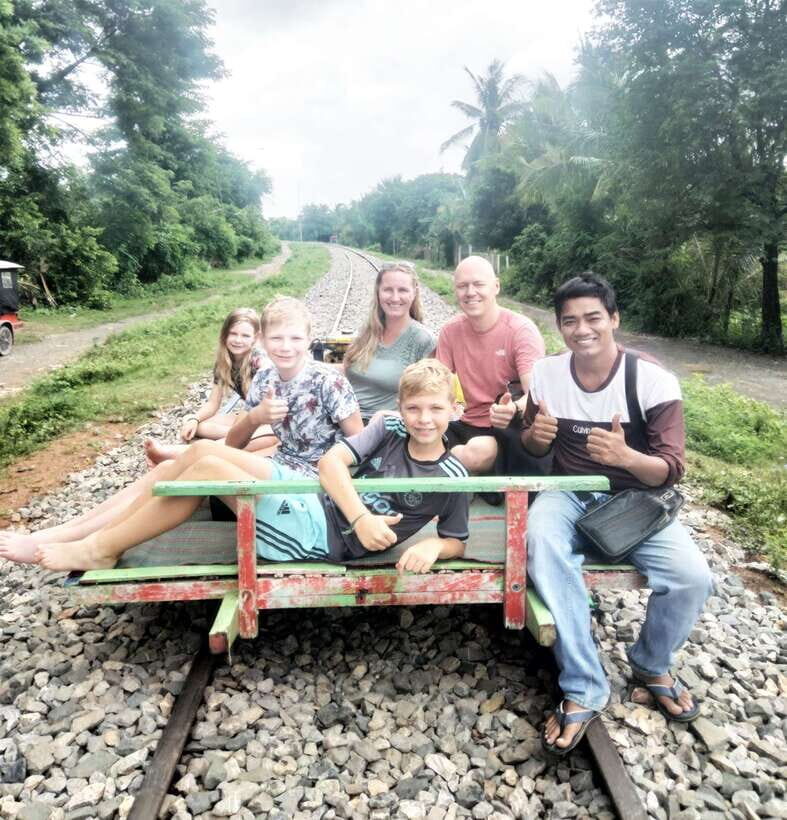
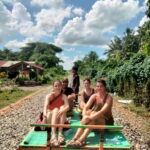
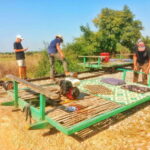
The centerpiece is the bamboo train ride out of Battambang. The activity time is about 1.5 hours, and the experience is described as including guided sightseeing and scenic views along the way. The ride is also where bamboo-style “rafting” wording shows up in the plan, but the core point is simple: you’re traveling through the countryside on an iconic local rail-style setup.
Two reasons this is valuable:
- You see the real Battambang fields. The rice paddies are the main visual theme, so you get a sense of why the province is known for rice production.
- You slow down for local life. The route passes small areas like local markets and farming zones, which you’d miss if you stayed inside a car all day.
A key drawback for planning: bamboo train riding is not included in the $36 price. The base cost covers the driver and guide plus cold water, a snack, and tastings. You should expect to pay for the bamboo train as an add-on on the day, plus any entrance fees for the sites you stop at.
If you want the most out of the ride, don’t treat it like a photo-only moment. Look for details: irrigation patterns, field boundaries, and how the land changes as you move away from town.
Fruit orchards and the giant bat area by the river
After the train, the itinerary moves along the Steung Sangké River area. This is where you’ll transition from rice country into fruit orchard and vegetable planting visuals.
The plan includes time to see tropical fruit orchards, vegetables planted along the way, and—most notably—giant bats living on trees. Your guide should explain the basic rhythm: bats often sleep during the day and then fly out at night to feed.
This stop helps you connect the dots to the final sunset event at Phnom Sampov. Instead of the bat cave feeling random or like a “one-time show,” you’ll understand it as part of a wider local ecology.
One small reality check: you might see bats at different levels depending on the time of day and tree conditions. Don’t expect every moment to be a dramatic close-up. The value here is learning how bats fit into the landscape you’re touring.
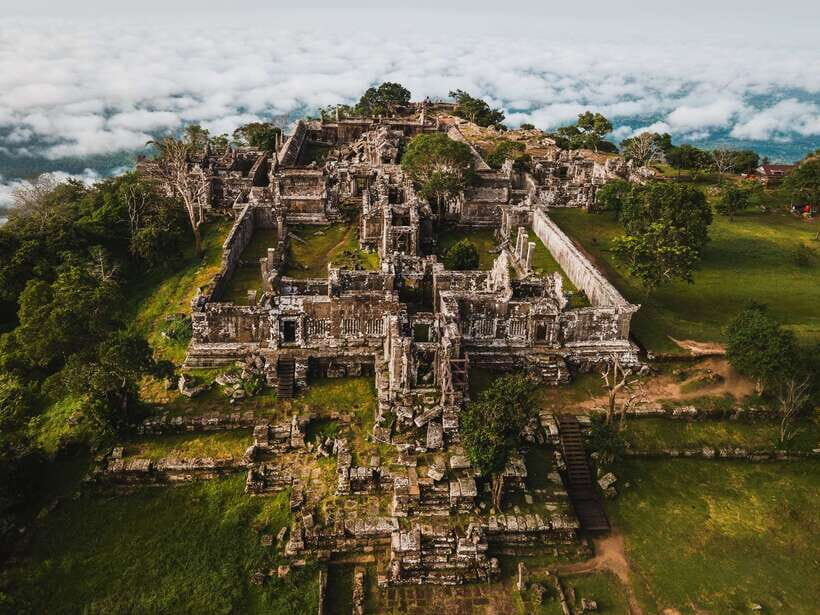
Banan Temple hilltop: 359 steps and big views
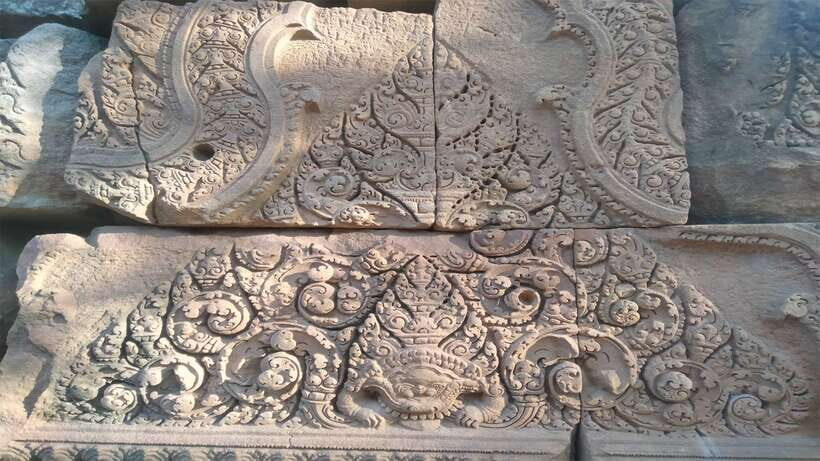
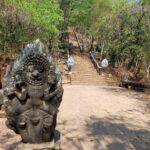
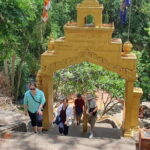
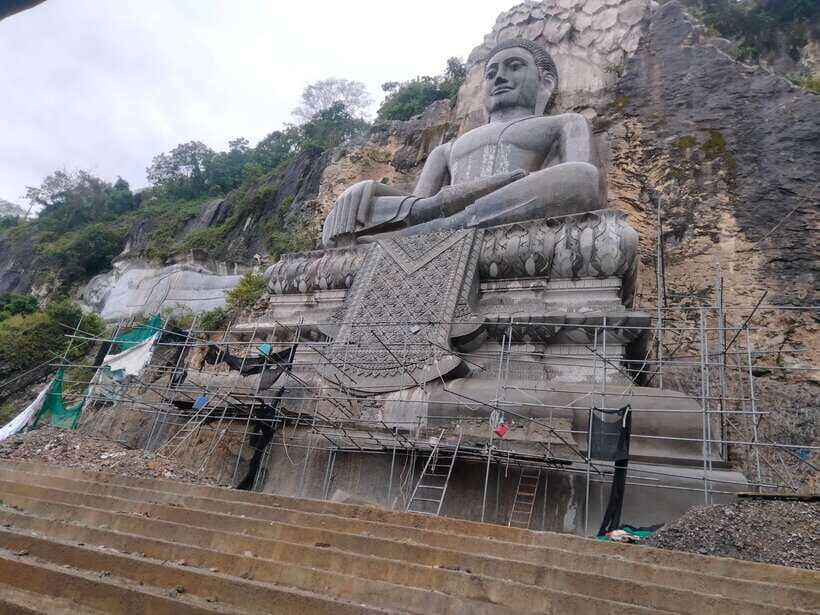
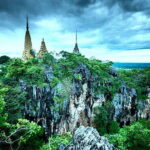
Now comes the first true effort section: the Banan Temple on the hilltop (Phum/ភ្នំបាណន់). The plan includes about 2 hours for this stage, including guided viewing, walking, and hiking.
Expect 359 steps. That number is not a suggestion. If you have knee trouble, plan how you’ll pace it. Bring a steady rhythm rather than rushing, and take breaks when you need them—this is one of the places where you’ll appreciate having time.
The temple visit itself is why you climb. From the hilltop you should get far-reaching views, and the temple setting gives you a different angle on the province than the river and rice fields.
There’s also a schedule benefit: this is the kind of stop that “sets up” Phnom Sampov. You’re already thinking uphill, already understanding how the area is shaped by elevation, and then the later cave/hilltop material won’t feel like a sudden left turn.
Lakeside lunch air and a breather before Phnom Sampov
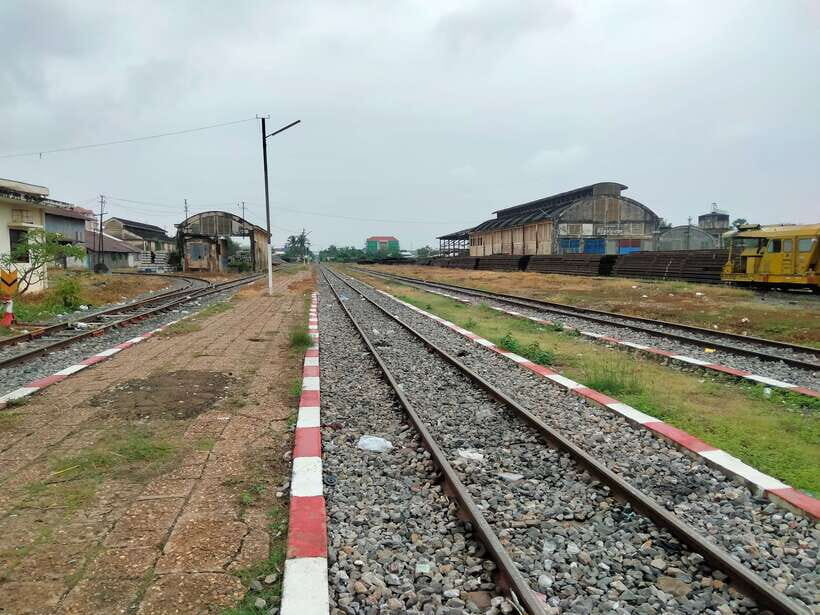
After finishing at the Banan Temple, you’ll head to a lakeside area to breathe the cooler nature air and enjoy lunch together. The itinerary wording points to a planned lunch break, which is exactly what you want before the final climb and cave section.
This is also a good moment to reset your energy. Your next section heads toward Phnom Sampov, and then you’ll be dealing with more walking and the emotional weight of the Khmer Rouge cave stories.
If you’re the type who needs photos immediately, let lunch be your slow-down cue. Eat, hydrate, and then gear up mentally for what comes next.
Phnom Sampov: Khmer Rouge prison and the caves that hurt
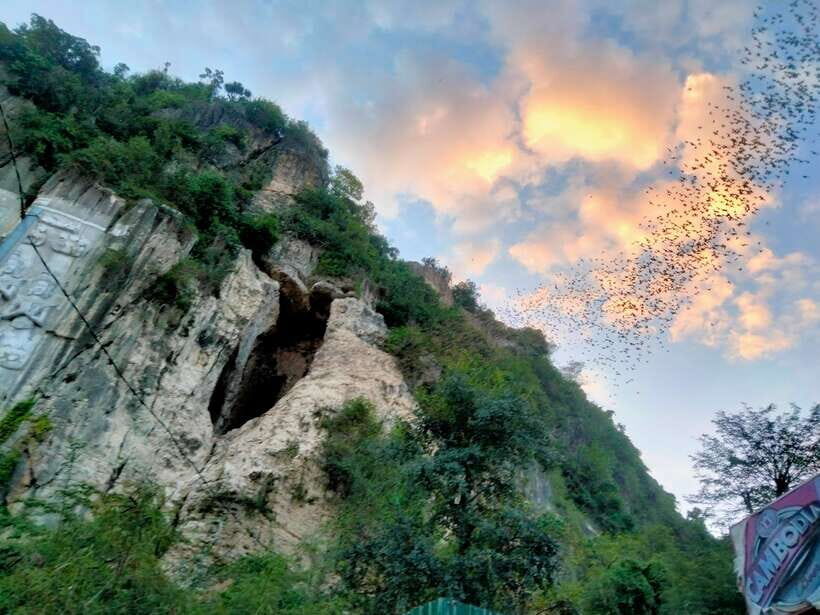
Phnom Sampov is the final big cultural and historical anchor of the day. You arrive after the countryside travel (about 30 minutes in the plan), then you’ll spend around 3 hours at Phnom Sampov with guided touring, sightseeing, walking, hiking, sunset, and scenic views along the way.
The highlight here is the guided story tied to the Khmer Rouge era and the cave system. The itinerary specifically includes:
- Khmer Rouge prison
- Killing cave
- Baby killing cave
- Women killing cave
This is heavy material. You should go in ready to handle discomfort. The value of doing it with a guide is that the caves aren’t just dark rooms; you’ll understand why they matter and how the site fits into the broader story your guide is explaining.
Also, consider how you pace yourself. The caves and paths are not built for quick wandering. If you rush, you’ll miss the meaning; if you slow down, you’ll likely come away with more than just photos.
The “7 million bats” moment: bat cave timing at sunset
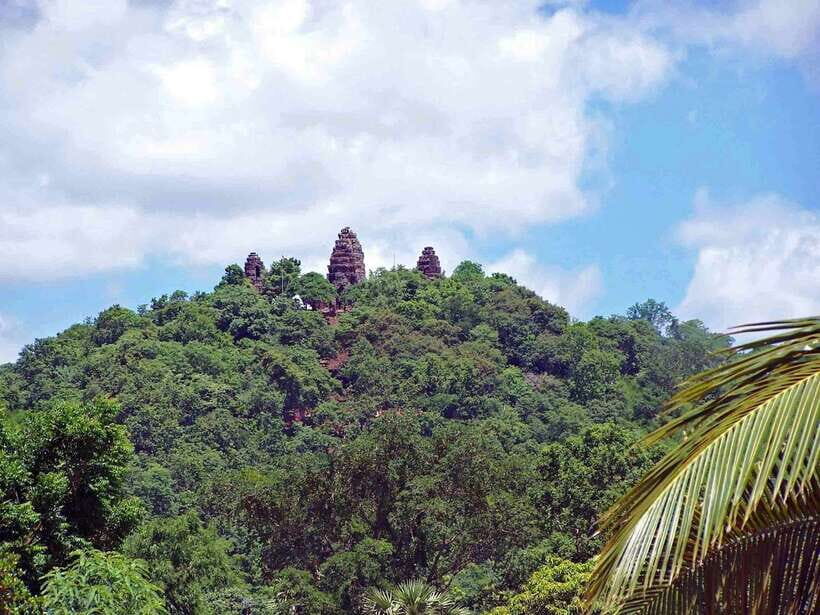
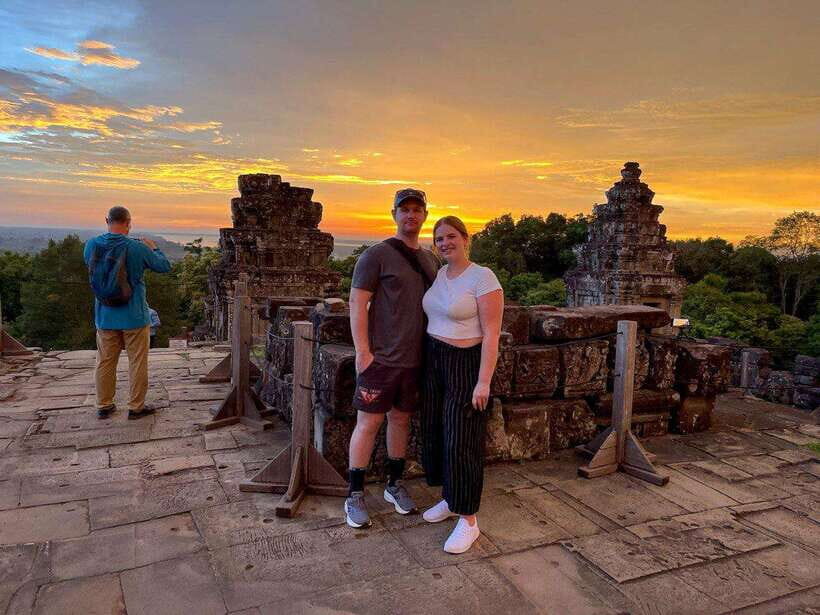
Finally, the day saves its most famous spectacle for the end: the Bat Cave at Phnom Sampov. Your schedule gives you a break time, then guided sightseeing and wildlife viewing with the sunset timing. This last segment is about 45 minutes.
The plan says you’ll come down from the hilltop around 5PM to wait for the bat flight, described as around 7 million bats leaving the cave around sunset. That’s a lot to take in, and even if the exact number varies from year to year, the feeling is consistent: it becomes a living swarm you can hear and see moving through the sky.
Practical tips you’ll actually use:
- Come ready for low-light conditions. Your camera matters here.
- Keep your phone charged and your settings simple so you can capture motion without fumbling.
- Don’t expect a calm “viewing platform” vibe; this is a waiting-and-watching moment with excitement and noise.
The best way to enjoy it is to watch the sky more than your screen. Photos happen, but the real payoff is the experience of being there as dusk turns into bat flight.
Price and logistics: what $36 covers, and what costs extra
The tour price is listed at $36 per person for about 10 hours, which is a solid base for a full-day driver+guide route in Battambang. The included portion covers:
- Hotel pickup and drop-off
- Driver and guide
- Cold water, snack, and tastings
The parts you should budget separately are explicitly listed:
- Bamboo train riding (not included)
- All entrance tickets (not included)
Because those add-ons aren’t priced in the info you provided, I can’t estimate the total. But I can tell you the key budgeting logic: the day’s biggest “paid activity” is the bamboo train, and several sights will likely require entry fees. So you’re not only paying for the $36—you’re paying for a full day of movement through paid experiences.
If you’re traveling as a private group, the $36 base can still feel like value, but only if you plan for the add-ons ahead of time.
What kind of traveler this day fits best
This tour suits you if you like:
- Scenic travel with real stops, not just long car time
- A guided history component, even when it’s difficult
- The idea of combining countryside views with a famous wildlife sunset
It may not fit you as well if:
- You want a fully relaxed day with minimal stairs
- You dislike heavy historical content related to the Khmer Rouge era
- You hate paying for add-ons separately
Also, group style matters. The tour is described as a private group, so it should feel flexible compared with large group buses, as long as your guide keeps the timing smooth.
Guide quality matters: Guanaka vs. limited-English issues
One clear theme from the experiences attached to this tour style is that the guide role is the difference between a good day and a frustrating one. In one report, Guanaka was described as professional, prepared, and attentive to suggestions. That’s the kind of guide who can connect the dots from the ancient house to the caves and keep the day coherent.
In another report, Mr Vatthana was described more as a driver than a guide, with limited English and repeated information that didn’t clarify questions. That kind of mismatch can make an all-day schedule feel slower and less satisfying, especially when you’re hearing emotionally intense cave stories where you really want clear explanations.
So when you book, it’s worth confirming you’ll have a true English-speaking guide (not just a driver) who can answer questions.
Should you book this Battambang day tour?
Book it if you want a one-day route that covers the essentials of Battambang: rice country views by bamboo train, hilltop temple effort, and Phnom Sampov’s bat cave sunset tied to Khmer Rouge cave history. The combination is rare—most tours do only one of these well.
Skip or reconsider if you know stairs and cave walks will be hard for you, or if you prefer a lighter, less historical day. Also, go in with a realistic budget since bamboo train riding and entrance tickets aren’t included.
If you decide to go, pack smart: comfortable shoes, a camera, cash for extra fees, and a rule-respecting outfit (no sleeveless shirts). And in your mind, treat it as two halves—scenery and wildlife in the morning and afternoon, then history and sunset at the end—so the day feels like a coherent story rather than a checklist.
FAQ
How long is the tour, and what time does it start?
The tour is about 10 hours. You meet your driver guide around 9:30AM and the plan places you back in Battambang around the end of the day after the sunset bat viewing.
Where does pickup happen?
Pickup is included from your hotel in Krong Battambang. Your driver typically waits about 10 minutes before moving on.
What’s included in the $36 price?
Included are hotel pickup and drop-off, driver and guide, plus cold water, snack, and tasting.
What is not included?
Bamboo train riding and all entrance tickets are not included. You should also budget for any self-expenditures.
Is the bamboo train ride included?
No. Bamboo train riding is listed as not included, even though it’s a major part of the itinerary.
How many steps do I need to climb at Banan Temple?
The itinerary mentions 359 steps to reach the hilltop Banan Temple.
Where do the bat caves and sunset viewing happen?
The bat viewing and sunset are at Bat Cave Phnom Sampov at the end of the day, timed for the bats flying out around the 5PM timeframe.
What languages is the guide available in?
The live tour guide is available in English and Cambodian.
What should I bring?
Bring comfortable shoes, a camera, comfortable clothes, and cash.
Is there a dress code?
Yes. Sleeveless shirts are not allowed.