REVIEW · BATTAMBANG
A Day TukTuk Handicrafts Bambootrain Killing&BatCaves,Sunset
Book on GetYourGuide →Operated by Battambag full day city and countryside Tuk Tuk tour · Bookable on GetYourGuide
A Battambang day that hits every nerve. You’ll bounce between city landmarks, family-run rice and paper workshops, and then climb into the mountains for Killing Caves history and a bats-at-sunset finale. It’s a lot of ground, but it feels like one connected story: how people live here, what they’ve endured, and what still flies at dusk.
I especially love the hands-on food stops—watching how rice noodles, rice paper, and bamboo sticky rice get made and getting tastes along the way. I also love the oddball contrast in the afternoon: the fun, quirky bamboo train ride paired with the serious weight of the killing sites. One heads-up: this tour is long (11–12 hours) and you’ll climb up a big hill for viewpoints and temples, so wear real shoes and expect a steady workout in the heat.
In This Review
- Key highlights you’ll actually feel
- The best way to see Battambang in one full day
- Morning pickup at 7:20 and Battambang’s big picture
- Khmer rice noodles: the breakfast power you can trace
- Bamboo sticky rice and rice paper: snacks that become spring rolls
- Rice wine: tradition, medicine stories, and a careful sip
- Wat Samrong Knong (1707): temple beauty with Khmer Rouge context
- Ek Phnom temples: Buddha stories and Angkor-era ruins
- Bamboo train time: the fun break you’ll remember
- Rat barbecue: optional, but don’t fear the oddness
- Phnom Sampou hill: killing cave history plus mountain views
- Bat cave sunset: millions of wrinkled-leap bats in motion
- Price and logistics: what $24 really buys you
- What to pack and what to wear (so the day stays pleasant)
- Who should book, and who should skip this day
- Should you book this tuktuk handicrafts, bamboo train, killing caves, and bat cave day?
- FAQ
- How long is the Battambang full-day tuk-tuk experience?
- What time is pickup?
- How much does it cost?
- Is the bamboo train ride included in the price?
- What attractions and sites are included?
- Is lunch included?
- What food experiences can I expect?
- What should I bring?
- Is there a dress code?
- Is it suitable for everyone?
- Do I get a refund if plans change?
Key highlights you’ll actually feel
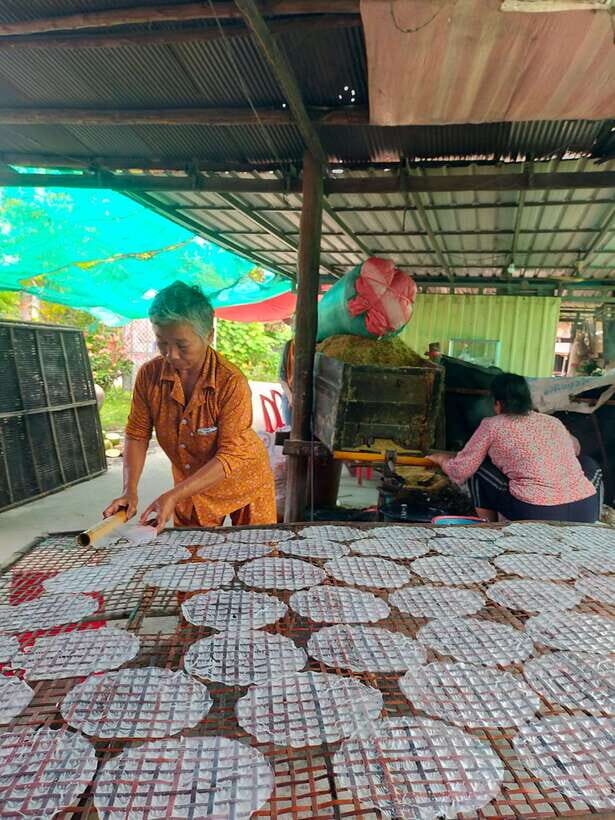
- Rice-based food making up close: Khmer rice noodles, bamboo sticky rice, rice paper, and rice wine, with tastings.
- History told on-site: Wat Samrong Knong and the Phnom Sampou killing cave area, with context you can’t get from a brochure.
- Battambang by tuktuk and countryside roads: small villages, paddy fields, plantations, and farmer chats.
- Bamboo train ride (extra ticket): the original-feeling bamboo rail adventure plus a free massage.
- Climb for viewpoints + monkeys: temples, lookout spots, and wildlife from the mountain summit area.
- Bat cave sunset spectacle: millions of bats flying out over about 50 minutes in the evening.
The best way to see Battambang in one full day
If you only have a day in Battambang, this type of full-day tour is smart. You’re not just checking boxes. You’re moving through the city first, then stepping into the countryside rhythm—rice production, family crafts, village life—before ending in the mountains.
The tuktuk pacing helps. It’s flexible enough to stop for small things (photos, quick stories, snacks), but the schedule is still tight so you don’t drift and waste daylight. At the end, you get a very Battambang ending: the bat cave at dusk. That alone is worth planning around.
And yes, this day has contrast. You’ll go from sweet and starchy tastings to brutal 20th-century history. That’s not an accident—it’s the reality of the place.
You can also read our reviews of more evening experiences in Battambang
Morning pickup at 7:20 and Battambang’s big picture
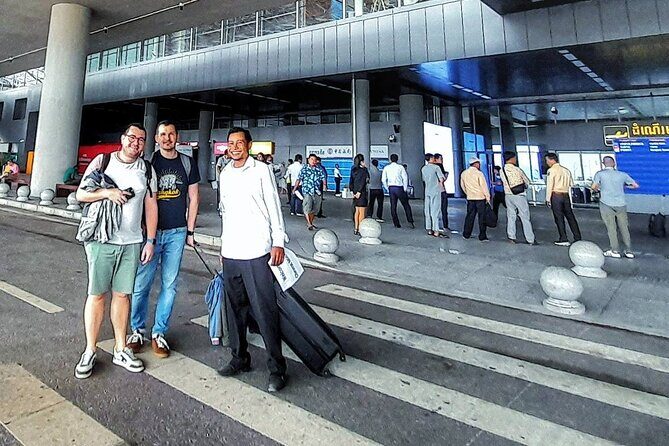
Your day starts early, with pickup around 7:20 AM from your accommodation or a nearby restaurant. The tour notes that pickup/drop-off is only within about 5 km of Battambang town, so if you’re staying farther out, you’ll want to confirm the meeting point.
Once you meet your English-speaking guide, the first hour is about context: Cambodia’s history, religion, agriculture, and local folk stories—then it quickly turns into landmarks. You’ll see historical buildings, the central market area, the provincial hall, and the Battambang symbol statue called Ta Dambong Kranhoung.
Why this matters: it helps you understand what you’re about to see later. When the day turns to temples and caves, you’re not walking in cold. You already have the framework.
A practical note: this is early, and Battambang’s sun can feel stronger than you expect by mid-morning. Bring sunscreen and keep water close—bottled water is included.
Khmer rice noodles: the breakfast power you can trace
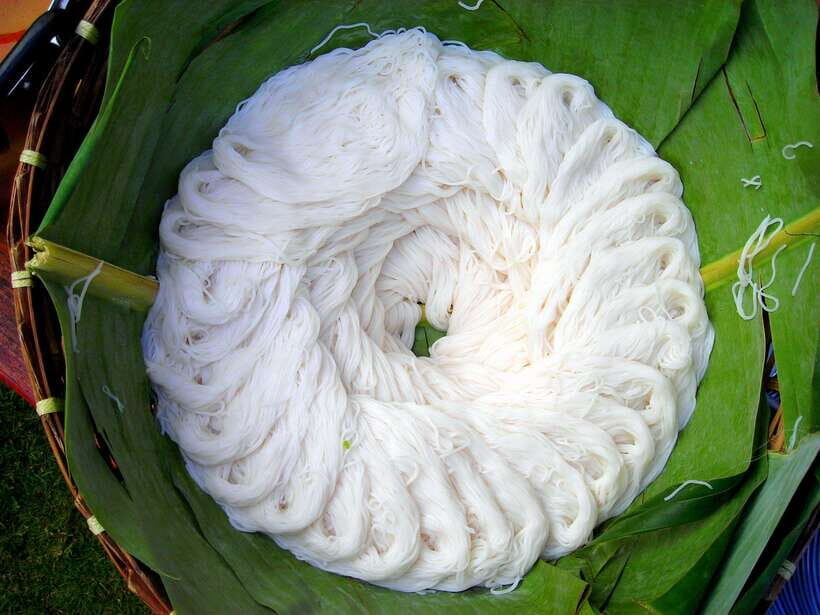
The first “food world” stop is the Khmer rice noodle factory. This isn’t a museum-style demonstration where you stand behind glass. You get to see how locals make rice noodles that show up in everyday meals—breakfast, lunch, and dinner.
You’ll learn what makes the noodles Khmer-style, and you’ll get to try some. For me, the value here is more than the taste. It’s understanding that food isn’t abstract. It’s labor, timing, and local know-how.
If you’re a foodie, you’ll probably start noticing the same patterns later: ingredients, textures, and how rice products fit into daily life. This morning sets that up.
Bamboo sticky rice and rice paper: snacks that become spring rolls
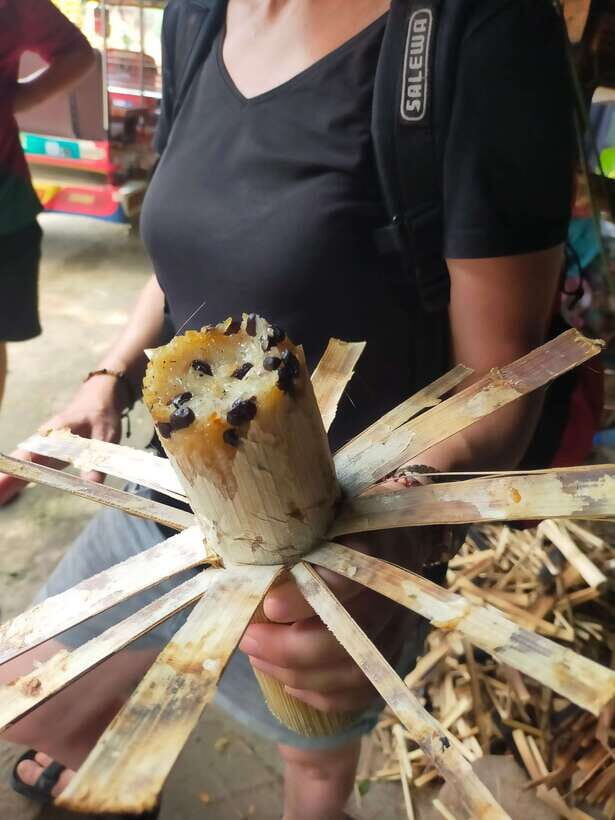
Next, the tour moves into bamboo sticky rice production. This is a sweet snack/dessert style preparation, cooked and served in a way that locals love—and that tourists usually end up craving after the first bite. You’ll watch how it’s prepared and get tasting time.
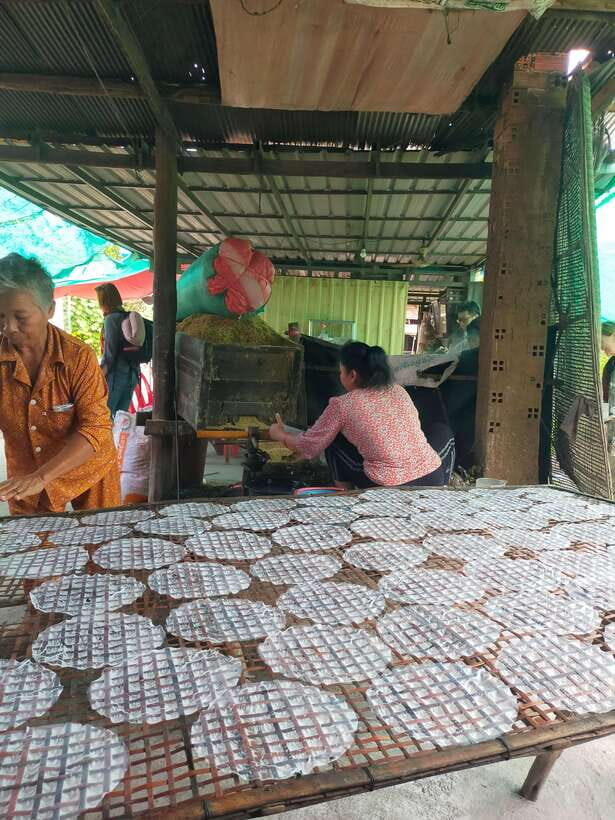
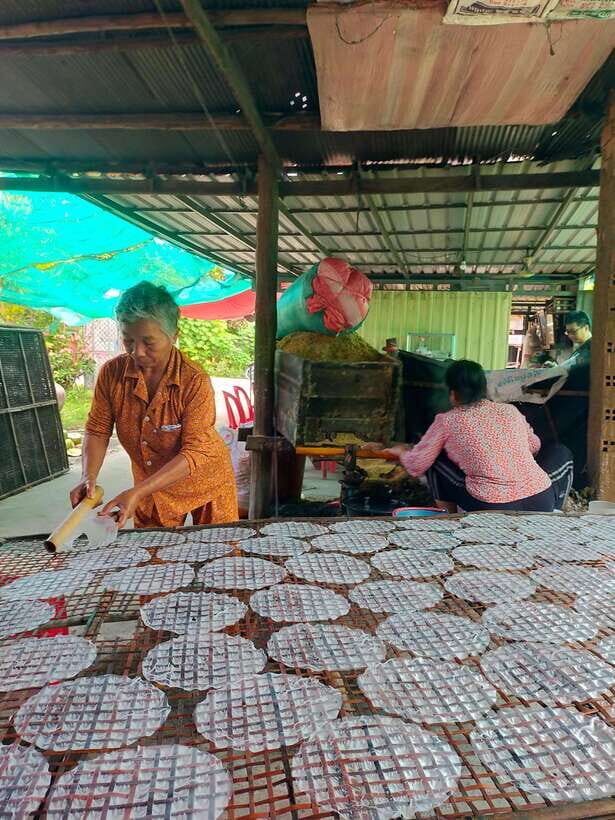
Then comes rice paper production. You’ll see how rice paper is made for spring rolls, and you’ll get a sense of how much output matters for families. The tour information notes villagers can make at least 1,500 rice paper pieces per day, which is a useful reality check: these aren’t “one batch for the tourists” stops.
If you don’t eat much rice-based food at home, this is still a win. Even if you skip one tasting, you’ll come away with a clear understanding of how rice turns into the foods you’ve probably seen in Cambodian restaurants.
Rice wine: tradition, medicine stories, and a careful sip
After rice paper, you’ll ride to a rice wine production plant that’s been in use since the 1980s. You’ll learn how rice wine is made, and you’ll also hear how it’s been used in traditional ways, including for medication and soaking plants/fruits—and even (as the tour description states) poisonous animals like cobras and tarantulas.
Then you get to sample it. The big thing here is to expect it to be stronger than typical tourist drinks, and to treat it like a story-sip, not a party. Have water, and pace yourself—there’s a long day ahead.
Wat Samrong Knong (1707): temple beauty with Khmer Rouge context
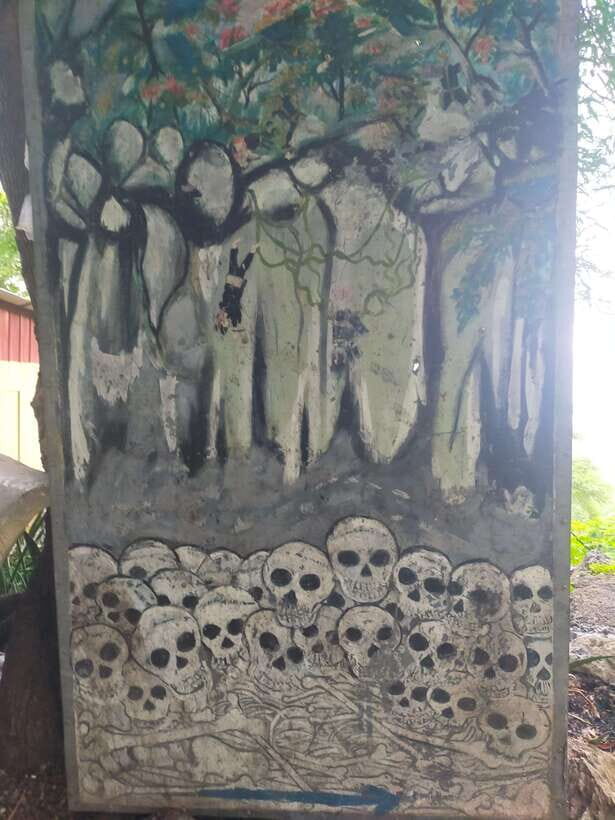
Now the tour turns serious. You’ll visit Wat Samrong Knong, described as the oldest Buddhist temple in the area, built in 1707, with a brick stupa from 1887. This is also where the Khmer Rouge chapter is brought into the open: the tour explains it was used to house Khmer Rouge soldiers and also served as a detention area for victims.
You’ll see references to the torture house and the killing field, with the tour information stating approximately 10,008 victims were killed.
This stop can be emotionally heavy, and hearing it explained on-site changes the tone. Instead of absorbing numbers, you’re standing where people were held and where families lived after the destruction. If you’re sensitive, give yourself a minute to breathe between sections and keep hydrated.
Ek Phnom temples: Buddha stories and Angkor-era ruins
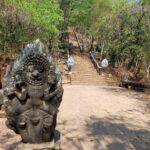
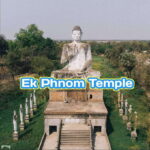
After Wat Samrong Knong, the itinerary includes Ek Phnom Temples. Here, you’ll see a huge 25 m-high giant Buddha, surrounded by standing Buddha statues on both sides. The tour also includes time to walk to a temple built in 1991, where you can go inside and see Buddha’s story on the wall.
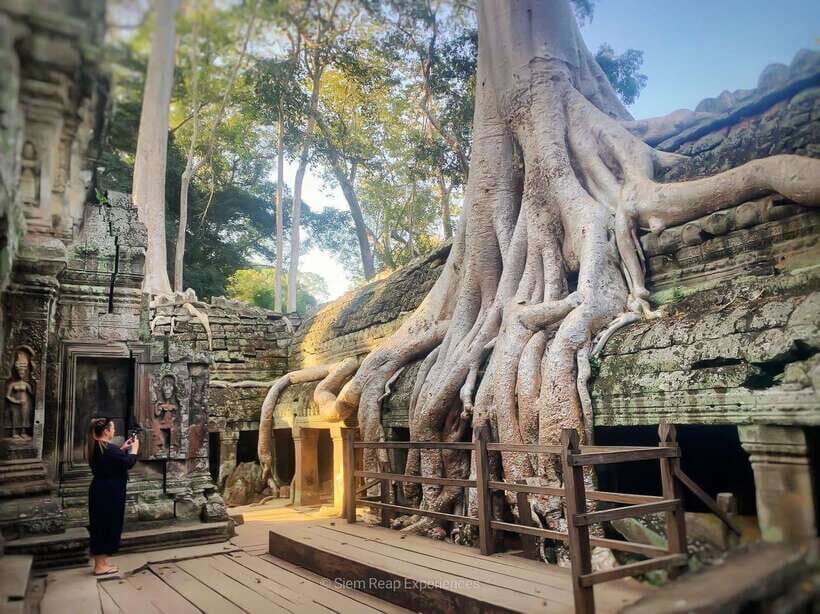
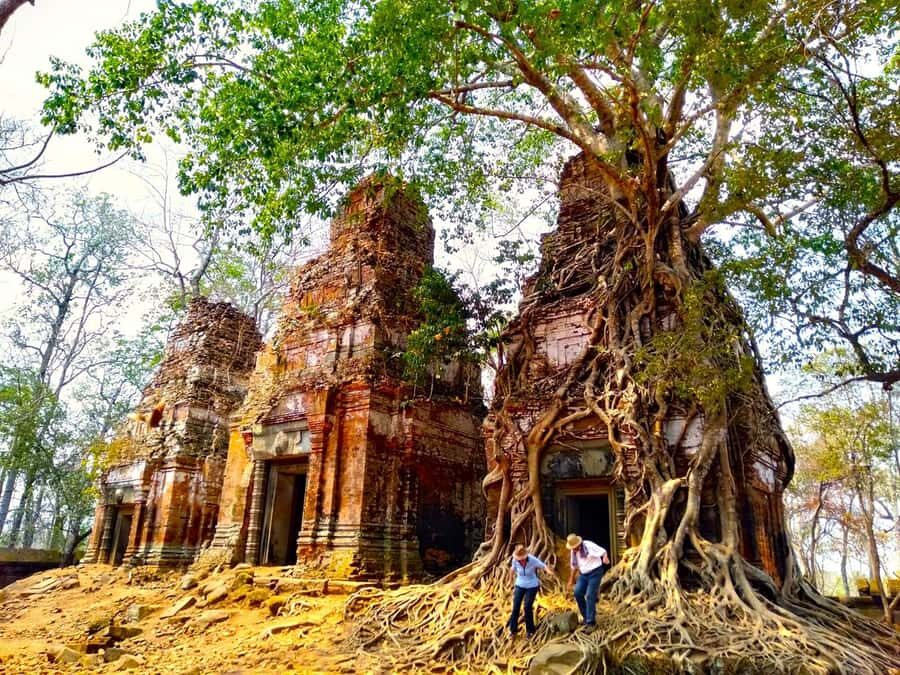
Then there’s an older layer: you’ll see ruins of an Angkorian Hindu temple built in the 11th century under King Suryavarman I.
This pairing works well. You’re not only stuck in one timeline. You’re moving across religion and eras—Buddhist and Hindu influences—before the day shifts back to countryside play.
Bamboo train time: the fun break you’ll remember
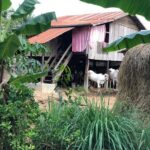
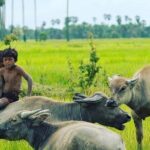
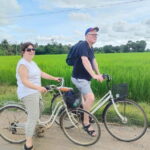
By the time you return to the city area, the afternoon starts to feel lighter. You’ll continue by tuktuk to the countryside for village scenery: fruit plantations, rice fields, and roads where you actually see how people live day to day.
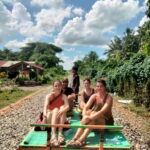
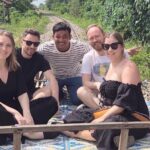
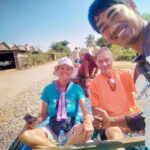
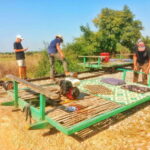
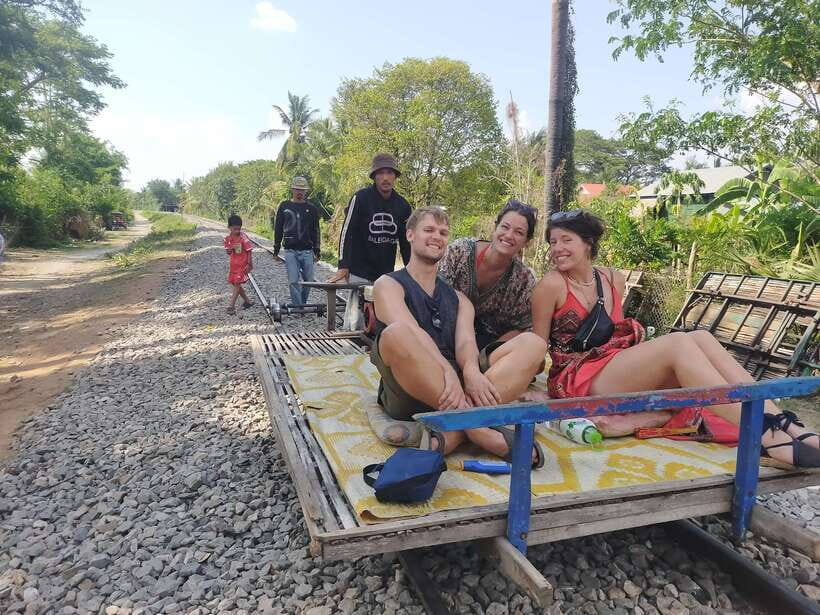
The highlight is the bamboo train ride, specifically Ou Srauo Laou. The tour info is clear: the bamboo train ticket is $5 per person, so it’s not covered in the base $24. Once you’ve got your ticket, you board the train and ride along.
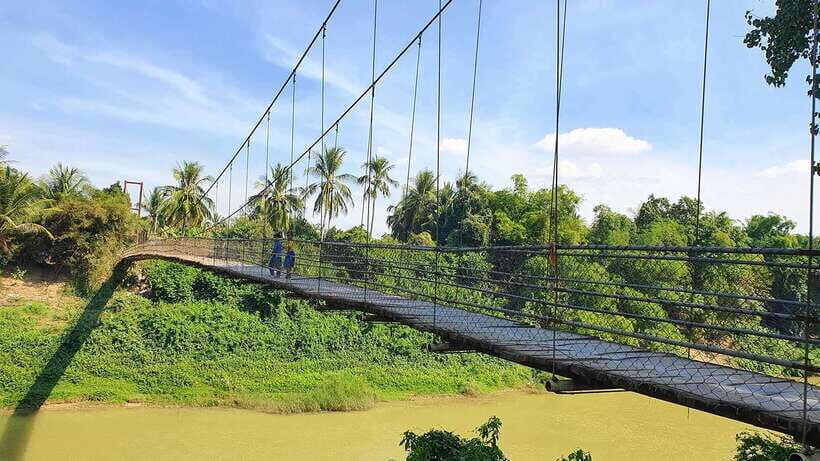
You’ll also walk on a suspension bridge, and you’ll have chances to stop and talk with farmers. One small win here: the itinerary says you get a free massage too.
Food moment: lunch is a stop during this part of the day, but the tour’s “not included” list says lunch isn’t included. Still, you’ll get other supports earlier and between stops—snacks tasting and fruit salad are included—so you’re not totally empty before lunch.
Rat barbecue: optional, but don’t fear the oddness
Before arriving at Phnom Sampou later, the tour mentions KFR (rat barbecue) tasting, and it’s listed as optional. In practice, this is where your tour becomes very local: street-food logic, not restaurant logic.
The tour data says it’s optional, so make your choice there in the moment. If you’re trying it, treat it as a small tasting, not a full meal replacement. If you skip it, you’ll still get the rest of the day’s big highlights.
Phnom Sampou hill: killing cave history plus mountain views
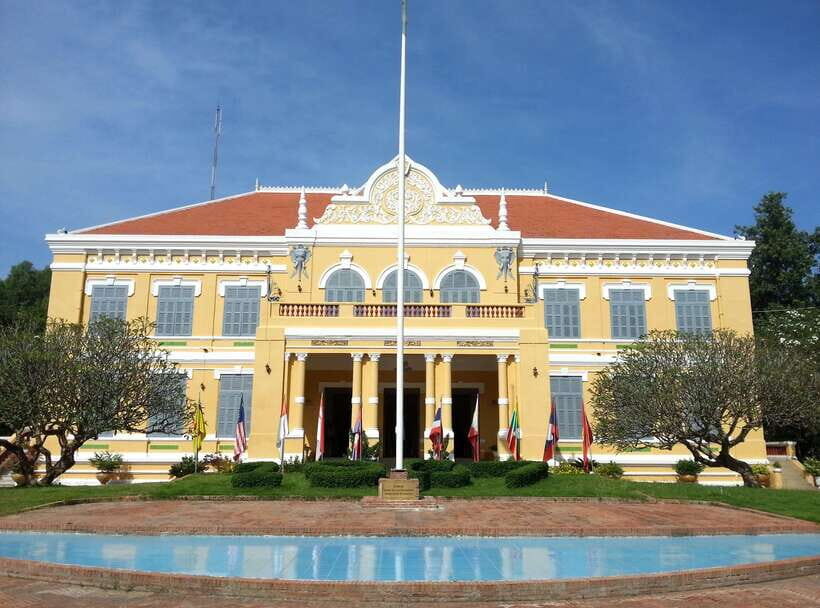
Next comes Phnom Sampou, the mountain area tied to the killing cave. The tour explains you’ll see and test the KFR rat barbecue before heading in (again, tasting is optional).
At Phnom Sampou, you’ll learn about the Khmer Rouge time period (1975–1979) and the killing cave context, with the tour information saying over 10,000 victims were killed. This is the kind of stop that demands respectful pacing. Don’t rush through it because you’re hungry or tired—give the guide room to explain, and allow your own brain to catch up.
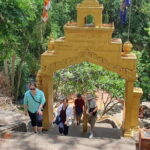
Then, the itinerary adds one of Battambang’s contradictions: while you’re in the same mountain setting, you also get viewpoints and temples, plus monkeys on the summit area.
This means the hill climb is doing two jobs: getting your legs moving for the climb, and putting you in a place where you can see far across the region. Just keep the emotional weight in mind while you enjoy the views.
Bat cave sunset: millions of wrinkled-leap bats in motion
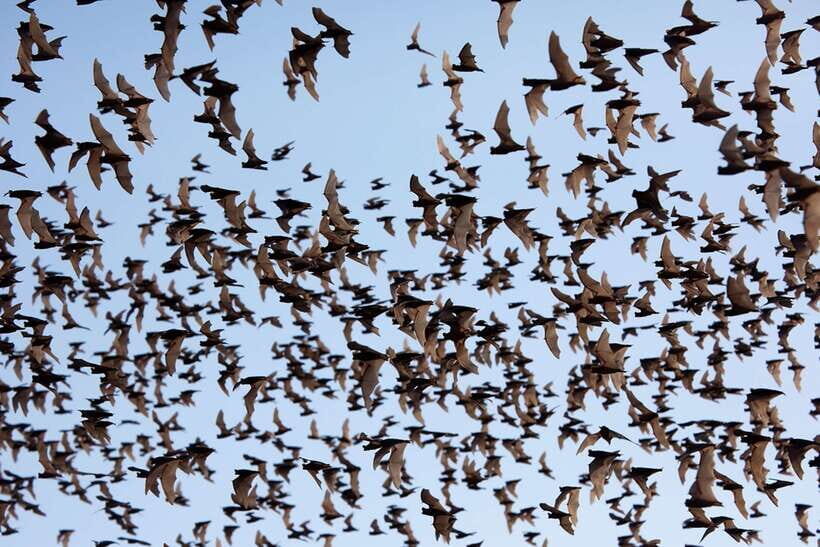
The finale is the Bat Cave portion. After viewpoints and sunset on the hill, you’ll wait for the bats to leave the cave. The tour information states that in the evening, millions of bats fly out and the event lasts over 50 minutes.
The timing matters. One review experience noted bats coming out late, leaving the area too dark to see well. That’s not something you can fully control, but you can control your setup: plan to arrive when your guide says you should, keep expectations flexible, and bring what you need for the evening conditions (rain gear helps if storms roll in).
If you go in thinking bats are just a cute wildlife photo-op, you’ll miss the drama. This is mass movement—an animal phenomenon that feels bigger than the cave itself.
Price and logistics: what $24 really buys you
At $24 per person for an 11–12 hour day, the value here comes from the mix of inclusions and the number of paid sites covered.
Included:
- Hotel pickup/drop-off within the stated 5 km limit
- Transportation by tuk tuk
- Live English guide
- Admissions to Ek Phnom, Phnom Sampov, the Killing Cave, and the Bat Cave
- Bottled water, wet wipes
- Snacks tasting and fruit salad
- Donations
- Photo opportunities
- Admission-related fees implied via the listed sites
Not included:
- Lunch
- Bamboo train ride ($5 per person)
So in practical terms, you’re paying $24 for most of the day, then adding about $5 for the bamboo train ticket, plus lunch cash if you want to eat at the village restaurant stop.
That’s a reasonable trade for what you get: multiple temples, multiple food-production workshops, a countryside ride, a bamboo train experience, and a sunset bat event—plus the emotional gravity of the killing cave area.
My advice: bring a bit of extra cash beyond the $5 train ticket for lunch and any small personal buys. Also bring your camera setup—this day gives you city photos, countryside scenes, and the big dusk event.
What to pack and what to wear (so the day stays pleasant)
You’ll be walking and climbing, and you’ll be outdoors for long stretches. The tour’s guidance is straightforward:
- Comfortable shoes
- Camera
- Rain gear
- Cash
- Sunscreen
Clothing note: sleeveless shirts aren’t allowed. I’d follow this even if you’re tempted to keep things casual in the heat.
Also, expect you’ll want to sweat. Wet wipes and bottled water are included, which helps a lot.
Who should book, and who should skip this day
This tour fits best if you want a full Battambang day that blends:
- local food production
- temples and Khmer history
- a serious stop at the killing cave
- fun countryside experiences like the bamboo train and suspension bridge
- the bat cave finale
You should consider skipping if:
- you’re pregnant
- you have mobility impairments
- you’re over 70
If that describes you, the combination of long hours plus a big hill climb could be a bad fit.
For most active travelers, it’s a strong choice because it covers a lot without feeling like you’re just rushing from sign to sign. And when you’re guided well, the story behind each stop becomes part of the experience, not an extra lecture.
Should you book this tuktuk handicrafts, bamboo train, killing caves, and bat cave day?
Book it if you can handle a long, active day and you want Battambang in one shot: rice-food crafts, temples, countryside life, the bamboo train, and the bat cave at dusk—plus the history at Wat Samrong Knong and Phnom Sampou.
Skip it if you’d rather keep your day lighter and avoid steep climbs or if you know you can’t manage the walking/time commitment.
If you do book, my best practical tip is this: treat the day like two halves. In the morning, enjoy the food and craftsmanship with curiosity. In the afternoon and evening, slow down for the mountain and caves, then let the bats be the release at the end.
FAQ
How long is the Battambang full-day tuk-tuk experience?
It runs about 11–12 hours.
What time is pickup?
Pickup starts around 7:20 AM. You should be ready about 10 minutes before pickup.
How much does it cost?
The price is $24 per person.
Is the bamboo train ride included in the price?
No. The bamboo train ride costs $5 per person.
What attractions and sites are included?
Admissions are included for Ek Phnom, Phnom Sampov, the Killing Cave, and the Bat Cave.
Is lunch included?
No. Lunch is not included.
What food experiences can I expect?
You’ll see how locals make rice noodles, bamboo sticky rice, rice paper, and rice wine, with tastings. Rat barbecue tasting is listed as optional.
What should I bring?
Bring comfortable shoes, a camera, rain gear, cash, and sunscreen.
Is there a dress code?
Yes. Sleeveless shirts are not allowed.
Is it suitable for everyone?
It is not suitable for pregnant women, people with mobility impairments, or people over 70. Pickup/drop-off is also limited to within 5 km of Battambang town.
Do I get a refund if plans change?
It offers free cancellation up to 24 hours in advance for a full refund.