REVIEW · BATTAMBANG
Full-day: Handicraft, Bamboo train, Killing cave, Bat Cave
Book on GetYourGuide →Operated by David Local Family Battambang Trip · Bookable on GetYourGuide
Bats at dusk beat everything else. This 10-hour Battambang day links local food crafts, the countryside, and Phnom Sampoau’s dark history into one very real Cambodian loop. I love the rice paper and rice wine tastings, and I love the original bamboo train ride for how it turns a simple commute into something you’ll remember. One caution: you’ll be out a long time, and parts of Phnom Sampoau involve uneven paths and walking.
The good news is you’re not doing it on your own. You get hotel pickup in Krong Battambang, a live English guide, cold towels, and unlimited mineral water while you hop between sites by tuk-tuk (plus short bike stretches).
In This Review
- Key things to know before you go
- Price and logistics: what your $15 covers (and what to budget)
- Battambang pickup and morning rhythm in Krong Battambang
- Rice paper, dried bananas, and rice wine: the tastings that make the culture real
- From Wat Samrong Knong to Ek Phnom Temple: temples, river mood, and Khmer Rouge context
- Provincial landmarks and the “real Battambang” between temples and villages
- Sangke River villages and the suspension bridge: views with a purpose
- Bamboo train ride: the $5 fee is worth it
- Phnom Sampoau (Monkey Forest to Batcave): the emotional arc at dusk
- What’s included, what to bring, and small comfort tricks
- Who this tour is best for (and who should pass)
- Should you book this full-day Battambang loop?
- FAQ
- Where does pickup happen for this tour?
- Is the bamboo train fee included in the tour price?
- What entrance fees are included?
- What meals are included?
- What should I bring with me?
- Who should avoid this tour?
Key things to know before you go
- Rice craft stops that end with tastings (rice paper, bananas, and rice-based snacks)
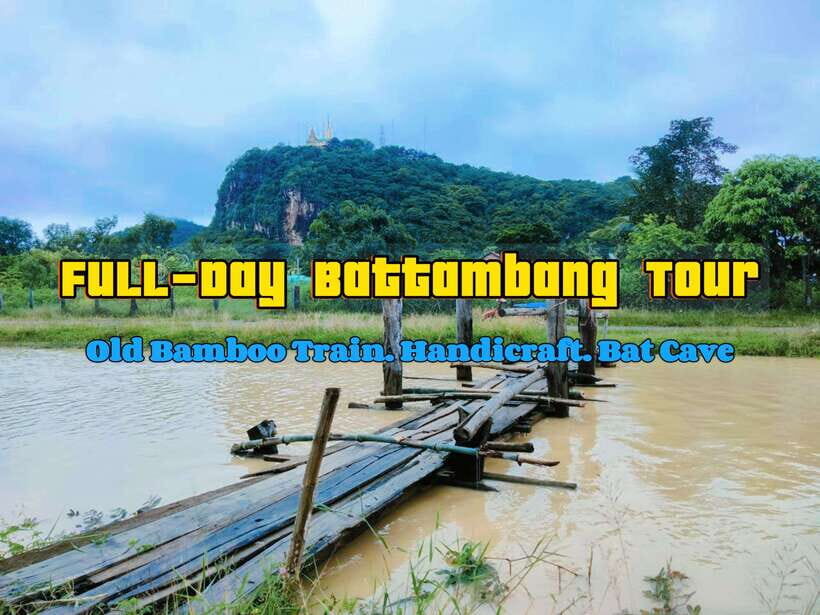
- Original bamboo train with a separate $5 fee you should plan for
- Phnom Sampoau timing so you can be there for the bat flight at dusk
- Khmer Rouge context built into the visits to Samrong Knong and the killing caves
- River scenery and villages via the Sangke River bridge area
- Private group feel that makes it easier to ask questions and move at a sensible pace
Price and logistics: what your $15 covers (and what to budget)
This tour is priced at $15 per person, which is good value for a full-day mix of city stops, countryside riding, and entrance fees. The big “read this twice” detail: the bamboo train fee is extra ($5 per person). Entrance fees are included for the Bat Cave and Killing Cave, so you’re not paying again for those sites.
Meals aren’t included, though the day does include snacks and tastes of local specialties. Lunch is described as a late meal at a village restaurant, and your guide will also point you toward good options. Translation: you’ll want a little extra cash on you for lunch and anything personal.
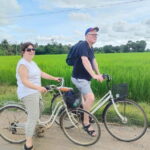
Transportation is handled by tuk-tuk, with short bike rides during the morning and around temple/market areas. That matters because it keeps the day moving without making you pedal nonstop. It also means you should dress for a mix of sitting in a vehicle and getting on and off for viewpoints and village paths.
A few more Battambang tours and experiences worth a look
Battambang pickup and morning rhythm in Krong Battambang
The day starts with pickup in Krong Battambang. You’ll be moving through town first, so you’re not wasting daylight fighting with directions. The pace is designed for a full loop: food and craft early, then monuments and village areas, then Phnom Sampoau later in the day when the light is best.
Right away, you’ll get that classic Battambang feel: colonial-era buildings and provincial landmarks in the city, then a quick switch to the countryside where life looks slower and more practical. In the past, people have described the guides as friendly and very willing to adjust stops if something catches your interest. David is the local family behind the experience, and you may also hear from guides like Kim on certain days—either way, the style is the same: ask questions, get straight answers, and don’t just “tick boxes.”
Rice paper, dried bananas, and rice wine: the tastings that make the culture real
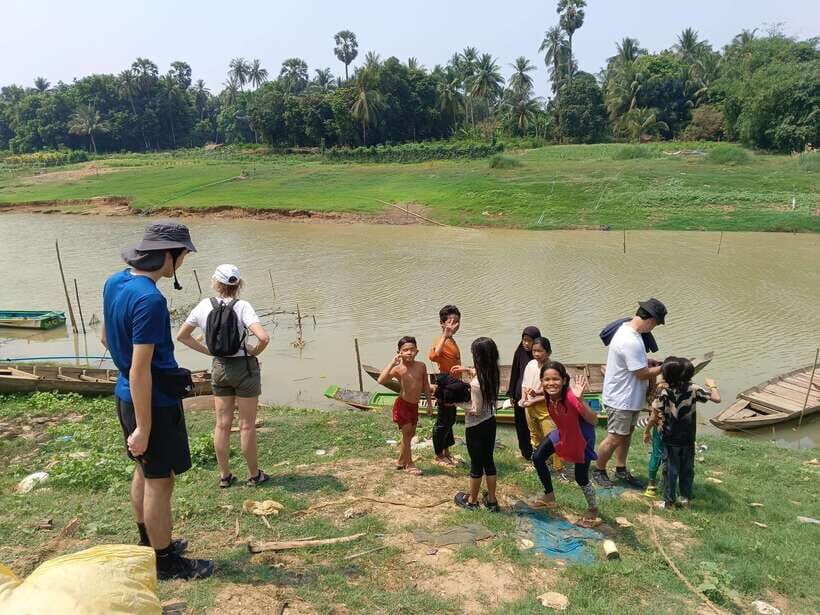
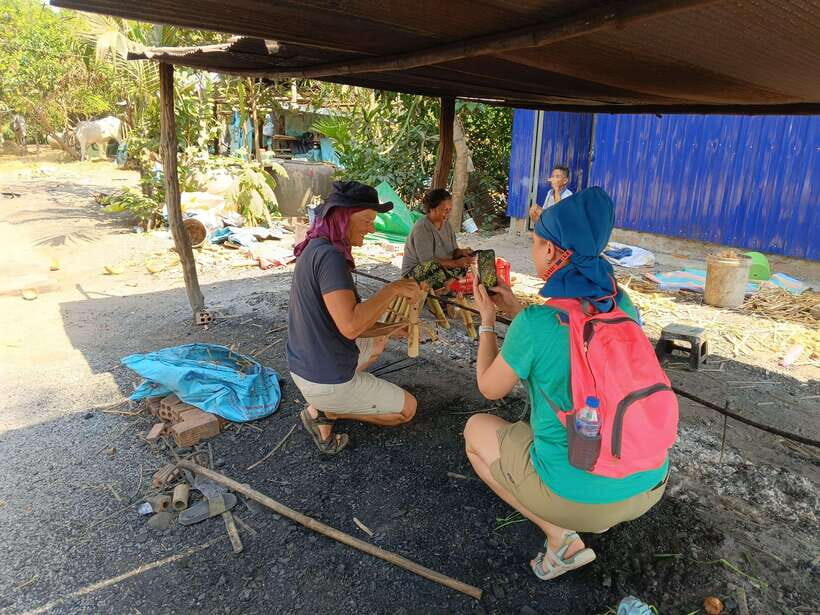
One of my favorite parts of this kind of tour is when it stops being a photo schedule and turns into a food schedule. Here, you begin with local specialties you can actually see being made and then sample.
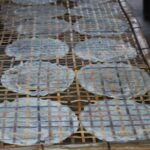
Expect a sequence around rice paper, bamboo sticky rice, dried bananas, and rice wine production. You’re not just learning the labels; you’re learning what goes into the process—what ingredients matter, what the texture should feel like, and why local snacks have their specific shapes and flavors.
There’s also a Khmer prahok market stop. Even if you’re not buying anything, it gives you context for how people flavor everyday food here. And yes, there’s a spring roll style restaurant moment too, which ties the morning craft back to something you can taste and compare.
A small practical tip: this is a long day, and tastings can add up. If you know you get full easily, mention it early. With a private-group setup, your guide can usually pace the snacks so you still enjoy the later sites.
From Wat Samrong Knong to Ek Phnom Temple: temples, river mood, and Khmer Rouge context
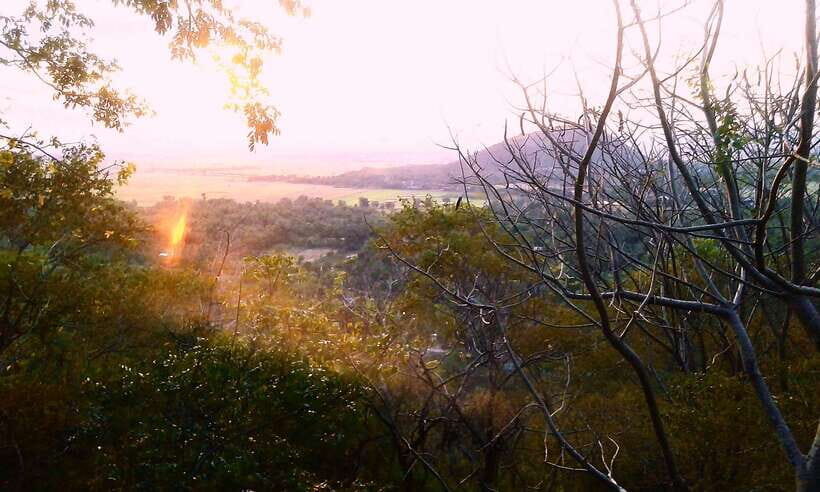
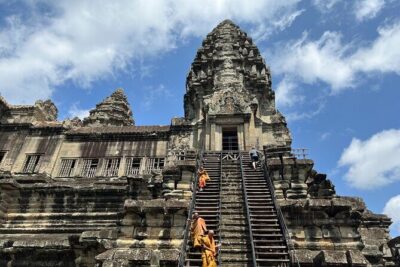
The morning includes Wat Samrong Knong, including the experience at the Well of Shadows area. This is where the tour turns from everyday life into a heavier chapter of Cambodian history. You’ll get more context around the Khmer Rouge period as part of how the site is explained.
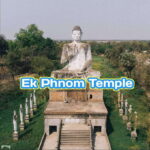
After that, you move through more northern temple territory, including Wat Ekphnom (also described as Ek Phnom Temple in the day’s flow). This section matters because it gives you a sense of where the city’s spiritual landmarks sit before you shift back into urban areas for a bit of structure—then roll out again for countryside views.
The emotional tone shifts here. If you’re sensitive to historical material, it helps to treat it like a real visit, not a quick stop. Bring a calm mindset and let the guide’s pacing do its job.
Provincial landmarks and the “real Battambang” between temples and villages
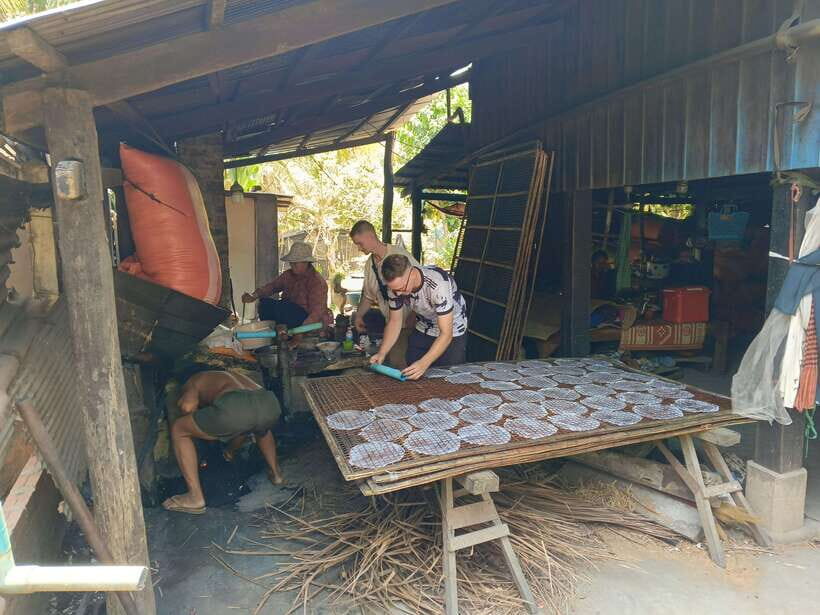
Once the day returns toward Battambang, you’ll hit key civic and cultural stops, including the provincial hall and colonial-era buildings in the city. These aren’t random sightseeing; they connect why Battambang looks the way it does and how the city’s identity sits alongside daily rural life.
You’ll also visit Ta Dambong Kro Aung statue (listed in the day’s highlights as part of the North-side circuit). This is the kind of place where a good guide helps you read the surroundings quickly—so you’re not just walking past a monument.
And then you start moving outward again: plantation areas, a Cham village, and the general countryside rhythm you can’t really fake from inside a bus.
Sangke River villages and the suspension bridge: views with a purpose
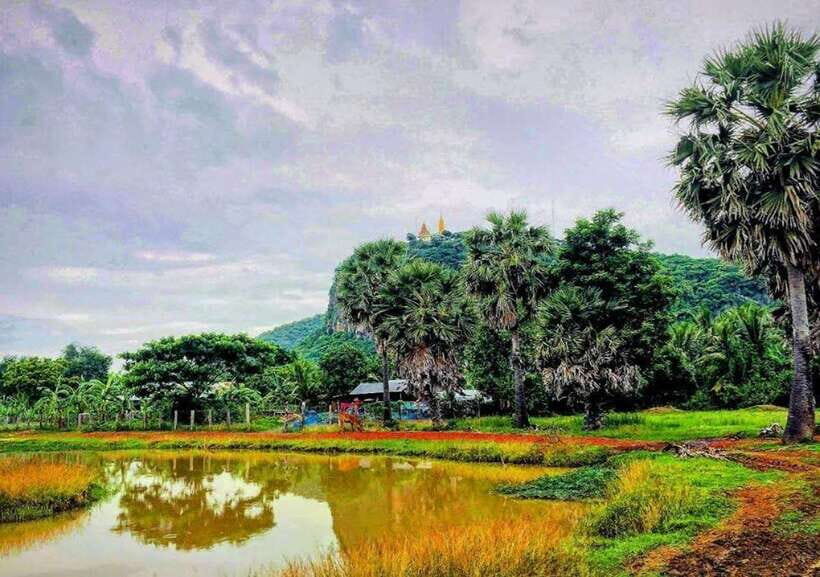
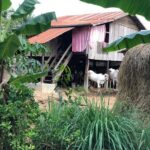
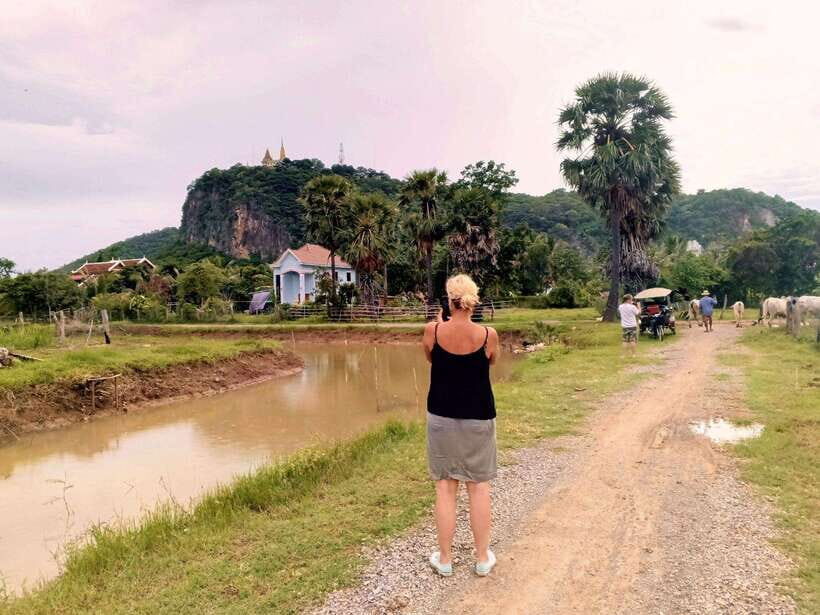
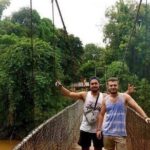
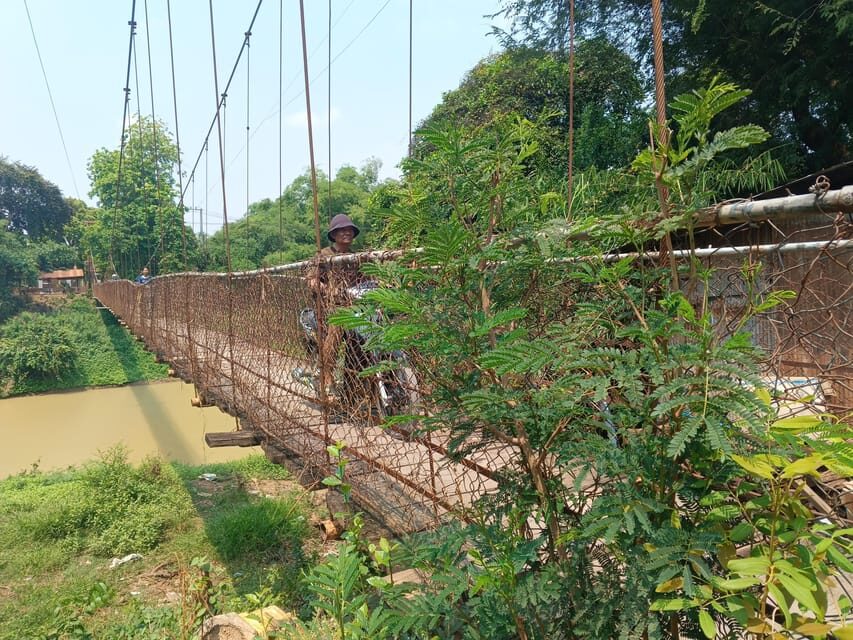
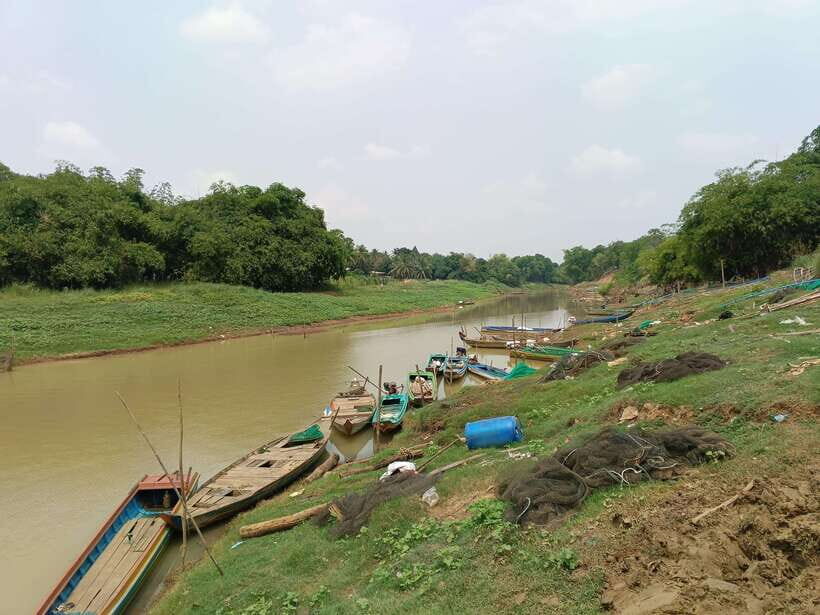
The middle part of the day is about leaving the city feel behind without feeling lost. You’ll head toward the Sangke River area, including the suspension bridge and nearby village views. This is where the tour becomes especially “you’re seeing how people live” rather than “you’re collecting landmarks.”
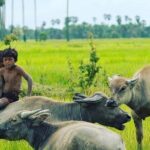
Talk with farmers if your guide offers it. The value here is simple: it makes the countryside stop being scenery and start being people. If you’re the type who likes learning what daily work looks like, this will feel like the heart of the experience.
There are also pagodas in this phase. Even if you don’t know the religious details, the explanation gives you a working sense of how Buddhism shapes routines and community spaces in Battambang.
A heads-up: this part of the day can involve uneven ground near bridge access and village paths. Good shoes matter more than fashion.
Bamboo train ride: the $5 fee is worth it
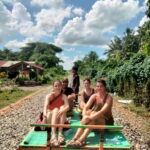
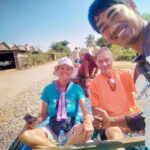
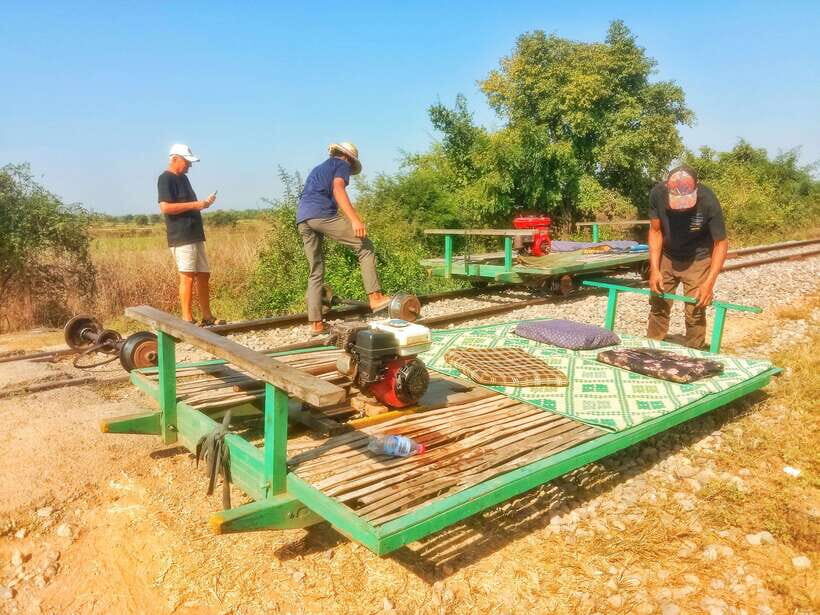
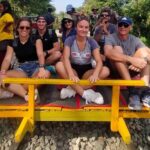
Later, you ride the bamboo train, Battambang’s most famous mechanical oddity. The tour covers it as the signature activity, but remember: the bamboo train fee is $5 per person and not included.
Why I think it’s worth planning for: it’s not just the ride. It’s the slow reveal of the countryside as you move along. You’ll notice how the route and the spacing give you long views and a different sense of distance than driving through town.
Also, because this part is timed after the morning countryside loop, it works as a “reset.” You’ve seen craft and temples; now you get a light, fun break where you can focus on scenery and the novelty of the train itself.
If you want maximum comfort, keep your cash ready and don’t dig for it when it’s time to pay. You don’t want to hold up the group while you fumble.
Phnom Sampoau (Monkey Forest to Batcave): the emotional arc at dusk
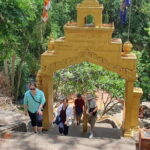
In the afternoon, you head up to Phnom Sampoau, which is where the day’s story turns dramatic. This area includes shrines and several sites tied to the Khmer Rouge period.
You’ll pass through the Monkey Forest area first. It’s a visual contrast after the craft and village stops: living creatures, motion, and that natural “watch your step” feeling as you move around.
Then come the heavier parts:
- Killing Cave (entrance fee included)
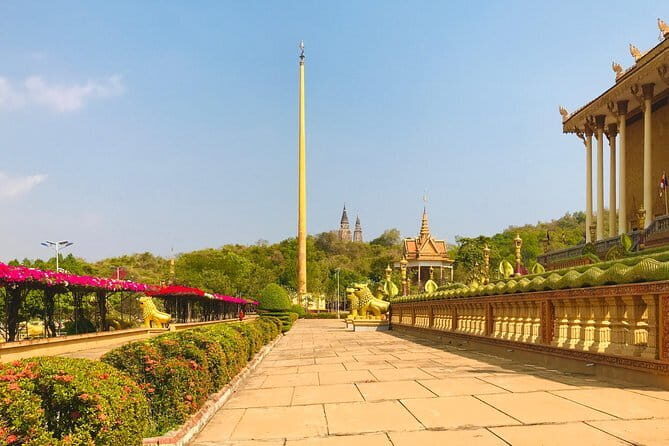
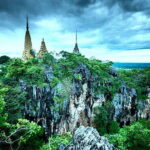
- Golden Temple viewpoints (timed so you can see the views)
- Bat Cave (entrance fee included)
The big finale is the “Bat Army” moment—when thousands of bats fly out of their caves at dusk. This is the kind of ending that makes the long day feel justified. The key is timing. If you reach too late, you miss the best part. If you arrive too early, you wait in the heat. Your guide’s job here is to get you there right on schedule.
One more consideration: parts of this area can involve walking uphill. The tour notes that people with mobility impairments and people with high blood pressure aren’t suitable, which makes sense given the terrain and the length of time outdoors. If that’s you, skip this one and choose a gentler option.
What’s included, what to bring, and small comfort tricks
Included:
- Hotel pickup and drop-off in Krong Battambang
- Unlimited mineral water and cold towels
- Tuk-tuk transportation plus bike rides on certain legs
- Live English guide
- Snacks and tastings of local foods
- Entrance fees for Bat Cave and Killing Cave
Not included (plan for it):
- Bamboo train fee: $5 per person
- Meals (you’ll have lunch later at a village restaurant, but it’s not stated as included)
- Personal expenses
- Any rides up to the killing caves: walking is described as free
Bring:
- Camera
- Hiking shoes (important for uneven temple and cave approaches)
- Sunscreen
- Cash (for the bamboo train fee and meals)
Don’t bring:
- Pets (assistance dogs allowed)
- Alcohol and drugs
My practical tip: treat this like a heat day. Even with water provided, you’ll want to keep your pace steady and take shade when you can.
Who this tour is best for (and who should pass)
This fits best if you want a real mix of Battambang life:
- food crafts you can taste (rice paper, rice wine, local snacks)
- countryside village time along the Sangke River
- a bamboo train ride that feels like a local tradition, not a gimmick
- Phnom Sampoau’s history and the bat flight at dusk
It may not be your best match if you:
- need minimal walking or have mobility limits
- have high blood pressure and don’t want uphill terrain
- are traveling with anyone who prefers very short days
If you like asking questions and you enjoy guides who adapt—like the style described by David and Kim—this is the sort of day where you get more out of the stops.
Should you book this full-day Battambang loop?
I’d book it if you’re aiming for value and variety in one day: city landmarks, local food craft, river villages, the bamboo train, and then Phnom Sampoau’s unforgettable dusk finish. The price is reasonable, especially because entrance fees for key cave sites are included—and you’re getting tastings plus a live guide to explain what you’re seeing.
I’d hesitate if you’re trying to keep the trip extremely easy on your body or you dislike historical sites with heavy subject matter. This day includes Khmer Rouge context at the Well of Shadows and at the killing caves, so go with open eyes.
If you’re ready for a full 10-hour day that feels like Cambodia—not just a checklist—this one deserves a spot on your Battambang itinerary.
FAQ
Where does pickup happen for this tour?
Pickup is available in Krong Battambang. You’ll need to share your pickup location, like the name of your hotel, guesthouse, or restaurant.
Is the bamboo train fee included in the tour price?
No. The bamboo train fee is $5 per person and is not included.
What entrance fees are included?
Entrance fees are included for the Bat Cave and the Killing Cave.
What meals are included?
Meals are not included. Snacks and tastings of local food are included, and lunch is described as happening later at a village restaurant.
What should I bring with me?
Bring a camera, hiking shoes, sunscreen, and cash.
Who should avoid this tour?
It’s not suitable for people with mobility impairments, people with high blood pressure, or people over 95 years old.