REVIEW · BATTAMBANG
Morning Tour Bamboo Train, Ancient House, Local, Countryside
Book on Viator →Operated by Mr. Pov Battambang Amazing Tour · Bookable on Viator
That bamboo train sound carries far. This 2-day Battambang outing mixes bamboo train fun with real village moments, plus an added Bat Caves day that changes the mood fast.
I like that it’s personal and question-friendly—exactly the kind of tour where you can ask why people do things a certain way and not feel rushed. I also like the slow, practical pacing: tuk tuk transport, a guide, and enough time to look around instead of just snapping photos.
One thing to consider: admission varies by day and some fees may not be covered, so you’ll want to budget for tickets/extra costs where needed.
In This Review
- Key Highlights You’ll Actually Feel During This Tour
- From Bamboo Train Tracks to Village Paths: How Day 1 Flows
- Bamboo Train Ou Srauo Laou: What Makes It Worth Your Time
- Ancestors, Craft, and Daily Life: Ancient House and Watkor Mason Stop
- Battambang Status Man + More Countryside Stops: Small Details That Add Up
- Day 2: Bat Caves with Admission Included (and a Different Pace)
- Tuk Tuk, Water Bottle, and a Small Group: Why the Setup Matters
- Value Check: What You’re Really Paying for at $18
- Getting More Out of It: Ask Pao, and Ask Specific Questions
- Weather, Timing, and Comfort: Simple Advice That Keeps the Day Fun
- Should You Book This Bamboo Train and Bat Caves Tour?
- FAQ
- How much does the tour cost?
- How long is the experience?
- Is pickup included?
- Are tickets included?
- What transportation and essentials are included?
- What is the group size limit?
- What if the weather is bad?
- Can I cancel for a refund?
Key Highlights You’ll Actually Feel During This Tour
- Bamboo Train Ou Srauo Laou: a classic Battambang ride with a countryside vibe, not a theme-park setting
- Local stops between villages: you get the in-between places where daily life happens
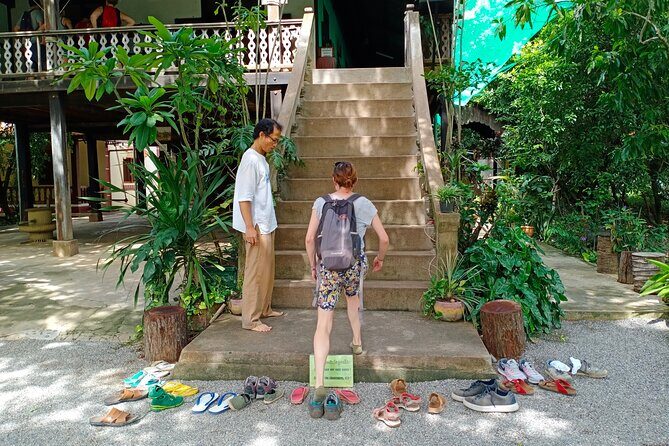
- Ancient house time: a chance to slow down and notice how older homes are built and used
- Suspension bridge + fishing village views: scenery that’s earned by traveling off the main roads
- Bat Caves on Day 2: a totally different side of Battambang, with admission included for that day
- Max 10 travelers: smaller group energy makes the guide’s explanations stick
From Bamboo Train Tracks to Village Paths: How Day 1 Flows
Day 1 is built around motion and scenery, starting with the bamboo train experience at Bamboo Train Ou Srauo Laou. Battambang’s bamboo train isn’t just a ride—it’s a window into local ingenuity. You’ll see how people turn simple materials into something that works, which makes the whole day feel more grounded.
After the ride, the tour keeps you moving through the smaller, quieter parts of the area: Small Village lanes, countryside roads, and viewpoints that don’t feel staged. This is where a guided tour helps: you’re not just watching—your guide can point out what you’re seeing and connect it to local life.
A standout part of this day is the mix of water and connections. You’ll pass through a Fishing village area and take in the views from a Suspension Bridge stop. Even if you’re not a big “bridge photo” person, this is a good moment to reset your eyes—your brain gets tired of dirt roads and rice fields, and then suddenly you’re looking across water and movement.
A few more Battambang tours and experiences worth a look



Bamboo Train Ou Srauo Laou: What Makes It Worth Your Time

The bamboo train stop is the anchor. Expect a short, focused experience that’s very Battambang, very different from bigger-city tours. The best part is that it’s not presented like a ride you’ve already seen in a brochure. The surrounding countryside changes the feel, and you’re moving through real areas, not just a fenced-off attraction.
Here’s what I’d suggest you pay attention to. Look at the track area as you approach, and watch how the vehicle sits on the structure. The moment you notice the mechanics—rather than only the novelty—you’ll enjoy the ride more.
The tour also doesn’t treat this as the only highlight. Because the bamboo train is followed by village and countryside stops, you get context. You’re not leaving with only one photo; you’re leaving with a sense of how this form of transport fits into everyday geography.
Tip: wear footwear you don’t mind getting dusty. This is a day where you’ll likely spend time on village paths and walk a bit between viewpoints.
Ancestors, Craft, and Daily Life: Ancient House and Watkor Mason Stop
The tour includes an Ancient House stop, which is one of my favorite kinds of travel moments. Instead of a formal museum with a script, an older home setting lets you learn through observation. You can notice the materials, how space is organized, and how the place supports routine.
Close by, you’ll also see a Masons Watkor stop. Even with limited time, these craft-related stops matter because they break the idea that rural life is all the same. Cambodia has skilled work happening in the background of ordinary days, and a stop like this is a chance to see that skill in action.
One caution: ancient homes and workshop areas can vary in comfort. Some spots may not be as cool as you’d like, so plan for heat and bring a mindset of short attention bursts. If you’re the type who likes to ask questions, this is a good day to do it.
Battambang Status Man + More Countryside Stops: Small Details That Add Up

Day 1 also includes a stop listed as Battambang Status Man, plus Countryside time and Masons Watkor earlier. I can’t tell from the name alone what exactly you’ll see in that first “status man” location, but I can tell you the pattern: this day is meant to connect landmarks and daily life.
Those extra stops are the secret sauce. Without them, bamboo train would feel like a single activity and then a return ride. With them, your guide can explain the area’s logic—where people live, how they move, and what they tend to value locally.
And there’s a practical reason you should care about these smaller stops: they give you more time where the light is good and the scenery is real. You’re not sprinting from one ticketed location to the next.
Day 2: Bat Caves with Admission Included (and a Different Pace)
Day 2 shifts to Battambang Bat Caves. This is the kind of change that keeps the tour from feeling repetitive. Bamboo train day shows human-made creativity; Bat Caves day leans more toward natural spectacle and local legend.
Because the Day 2 admission is marked as included, that’s one less cost headache. You’ll still want to carry cash for any extra items you decide to buy along the way, but at least you’re not worrying about whether the key ticket is on you.
A good expectation to set: bat caves experiences can be time-sensitive depending on the day’s conditions. Since the tour notes it needs good weather, plan to go with the flow. If things start later or feel slower than you planned, you’re not doing anything wrong—the area’s timing can be weather-dependent.





Tuk Tuk, Water Bottle, and a Small Group: Why the Setup Matters
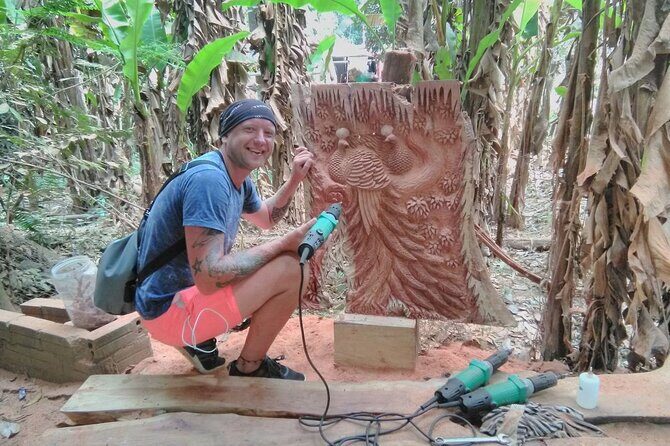
You get Tuk Tuk transport with a guide and a water bottle. For a countryside tour in Battambang, this is a big deal. You’re saving energy for the moments that actually matter—walking a bit, looking closely, and asking questions—rather than spending the day navigating roads on your own.
The group size cap is 10 travelers. That’s what helps the tour feel less like a conveyor belt. Smaller groups mean your guide can respond to what you ask and adjust the pace if someone needs an extra minute at a viewpoint.
Also, pickup is offered, and the tour uses mobile ticket confirmation. If you like having a clear start and not too many steps to manage, this setup usually makes the day smoother.
Value Check: What You’re Really Paying for at $18
At $18 for roughly 2 days (about 4 hours each day), the value comes from more than the basic price tag. You’re paying for guide time, transport by tuk tuk, and structured access to multiple stops—bamboo train, villages, bridge/fishing area, ancient house, and then Bat Caves.
Yes, Day 1 notes that the admission ticket is not included, and the tour also says that all fees and taxes aren’t included. That means your final cash out might be a bit higher than $18 once you account for Day 1 tickets and any extra costs that pop up.
But here’s the practical trade-off: the tour is priced low enough that many visitors can treat it as a smart base, not a luxury package. If you’re comfortable paying Day 1 entry separately, this remains a strong value for the amount of guided context and the time you get outdoors.
My take: this is best if you want a “see it with a local guide” experience and you don’t mind a little cost variability between days.
Getting More Out of It: Ask Pao, and Ask Specific Questions
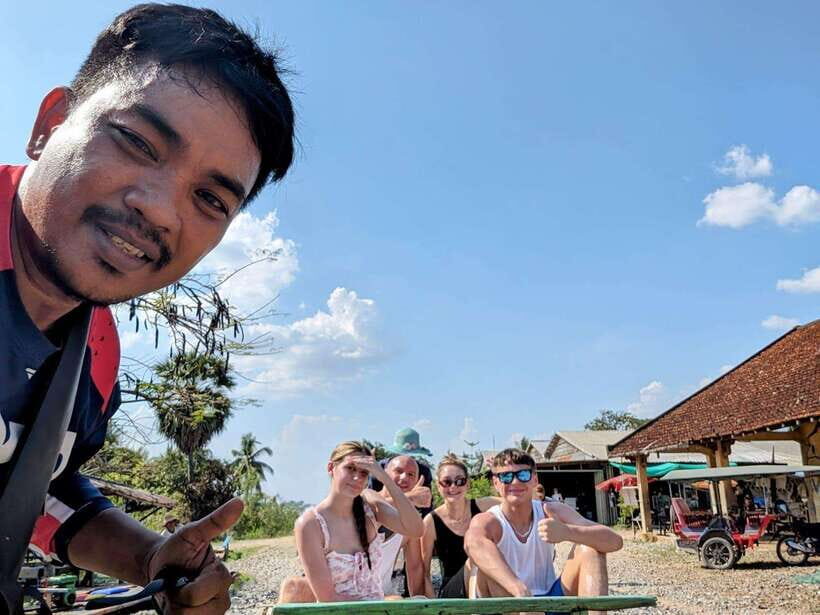
This tour is guided by Pao. The tone from the experience feedback is clear: Pao gives insight into village life and keeps things informative without making it lecture-only. If you’re traveling solo, this kind of small-group tour often turns into a more personal conversation, which is exactly how you learn the most.
Here are question styles that work well on this route, because they match what you’re seeing:
- Ask what the stop locations are used for day-to-day (not just what they are called).
- Ask how bamboo trains and other local methods developed in the region.
- Ask what daily life looks like around villages, fishing areas, and the countryside paths you’re walking.
If you’re into photography, ask when it’s best to pause for views. If you’re more into culture, ask what people want visitors to understand about each place.
Weather, Timing, and Comfort: Simple Advice That Keeps the Day Fun
The tour notes it requires good weather. That means you should be ready for the day to be adjusted if conditions aren’t good. Rain or heavy clouds can affect visibility and comfort outdoors, especially around countryside roads and cave environments.
For clothing and comfort, don’t overthink it—just dress for heat and movement. Light layers help, and closed-toe shoes are the safer choice for dusty village paths.
Also, remember the tours are approximately 4 hours per day. That’s a solid chunk of time, but it’s not an all-day slog. If you’re planning other activities in Battambang, don’t schedule something intense right after Day 1 ends—you’ll likely want downtime.
Should You Book This Bamboo Train and Bat Caves Tour?
Book it if you want a Battambang tour that feels real, not rushed. This works especially well if you enjoy countryside travel, want the bamboo train plus village stops in one structured day, and you’re curious about how local life connects to the geography around you.
Skip it or rethink if you need fully predictable all-in pricing. Since Day 1 admission isn’t included and the tour notes fees/taxes aren’t included, your total cost may vary. Also, if you dislike walking a bit and waiting for the right timing at viewpoints, this setup might feel a little less comfortable.
Given the small group size, the guide-led explanations from Pao, and the mix of human-made and natural sights across two days, I’d call this a solid value for first-timers to Battambang who want both the famous and the everyday.
FAQ
How much does the tour cost?
The tour price is $18.
How long is the experience?
It’s listed as approximately 2 days, with about 4 hours on Day 1 and about 4 hours on Day 2.
Is pickup included?
Pickup is offered.
Are tickets included?
Admission is not included for Day 1, while admission is included for Day 2. The tour also notes that all fees and taxes are not included.
What transportation and essentials are included?
The tour includes a tuk tuk, a guide, and a water bottle.
What is the group size limit?
The tour has a maximum of 10 travelers.
What if the weather is bad?
This experience requires good weather. If it’s canceled due to poor weather, you’ll be offered a different date or a full refund.
Can I cancel for a refund?
You can cancel up to 6 days in advance for a full refund. Cancel 2–6 days ahead for a 50% refund, and if you cancel less than 2 days before, there’s no refund.
—
If you tell me your travel dates and whether you prefer a more relaxed pace or more photos, I can suggest how to structure the rest of your Battambang day around this 2-day plan.