REVIEW · BATTAMBANG
Battambang: Cooking Class and Market Touring
Book on GetYourGuide →Operated by Angkor Guide Adventure · Bookable on GetYourGuide
Your best souvenir might be food you actually make. This Battambang cooking class turns a quick market stop into a proper, sit-down Khmer meal in a local home kitchen. Add hotel tuk-tuk pickup and you’ve got a full 4-hour plan that feels personal, not touristy.
I like two things most. First, the market time matters: you don’t just watch recipes, you pick ingredients first with an English-speaking guide. Second, you cook 3 courses yourself, including 2 savory dishes and 1 sweet dessert, then eat the results as a meal.
One thing to consider: this is a hands-on cooking experience. If you want a purely observational tour, or you get stressed in kitchens, the active pace may feel like a lot in 4 hours.
In This Review
- Quick hits: what makes this Battambang class worth your time
- Battambang Cooking Class: the simple idea that works
- Tuk-tuk pickup and the 9:30 AM start: easy logistics
- The market tour: picking ingredients like a Khmer cook
- In a local home kitchen: cook 3 Khmer dishes, hands-on
- What you learn from Khmer cooking (even if you’re not a foodie)
- The 4-hour flow: where the time actually goes
- Vegetarian option: how to make it work for your diet
- Price and value: is $25 fair for 4 hours?
- Who should book this, and who might skip it
- Should you book this Battambang Cooking Class?
- FAQ
- What time does hotel pickup happen?
- How long is the cooking class?
- How much does it cost?
- Does the tour include a market visit?
- What will I cook during the class?
- Is a vegetarian option available?
- What’s included in the price, and what isn’t?
Quick hits: what makes this Battambang class worth your time
- Market-first shopping so your meal starts with real ingredients you chose
- A local home kitchen instead of a studio, which keeps the whole experience grounded
- 2 savory + 1 sweet dessert so you cover the full Khmer flavor story
- English support during both the market tour and cooking instruction
- Tuk-tuk transport to and from your hotel, so you’re not timing local rides yourself
- Vegetarian option available if you plan ahead
Battambang Cooking Class: the simple idea that works
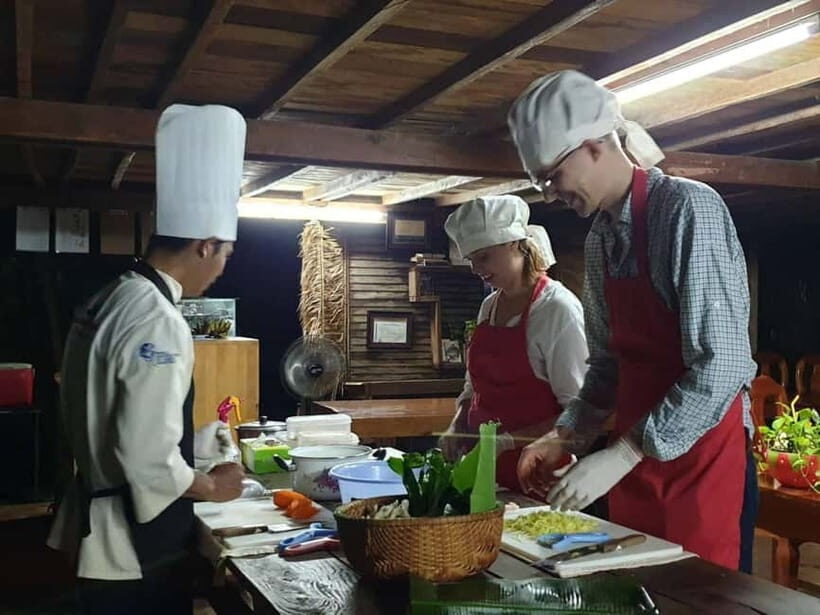
This tour is built around one smart concept: you learn Khmer cooking in the order that real cooks do it. You start at the market, then you cook, then you eat. That flow makes lessons stick.
Battambang is a great place for this kind of day. The province has a slower rhythm than Cambodia’s bigger hot spots, so you’re less rushed and more likely to enjoy the details: ingredients, smells, and the small choices that change a dish.
You’re paying $25 for 4 hours, which is usually the sweet spot for a cooking experience. You get more than a quick demo. You’re involved, you learn, and you end with a full meal you helped make.
You can also read our reviews of more tours and experiences in Battambang.


Tuk-tuk pickup and the 9:30 AM start: easy logistics
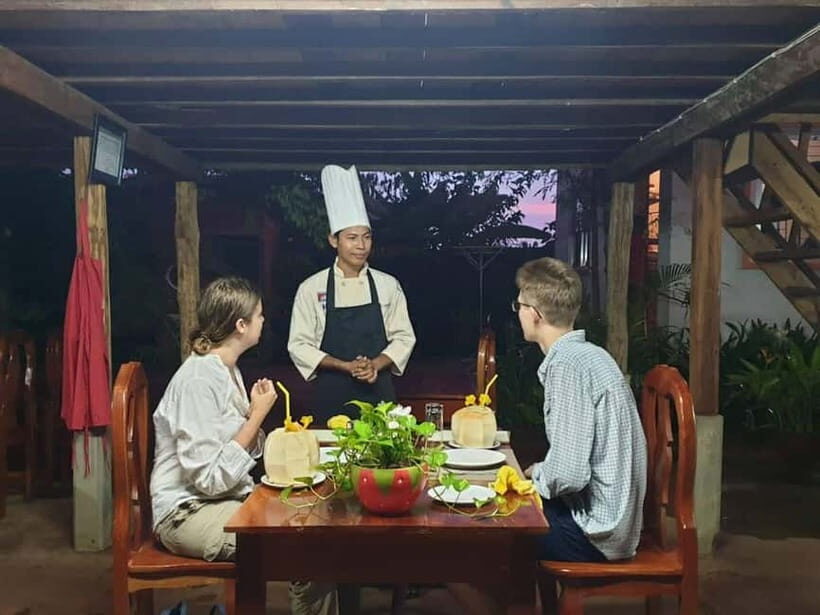
Your day begins with hotel pickup around 9:30 AM. They ask you to be ready about 15 minutes before pickup, which is a good rule of thumb anywhere in Cambodia.
The tuk-tuk ride is more than a convenience. It’s part of the experience. It helps you transition from your hotel routine into local life without thinking about routes, money, or timing. You also get that small anticipation boost as you move from the city edge toward the quieter parts where people cook at home.
Pacing-wise, expect the schedule to feel like one continuous block: pickup, market, cooking, meal, return. The whole point is momentum. You won’t be bouncing between lots of stops across town.
The market tour: picking ingredients like a Khmer cook
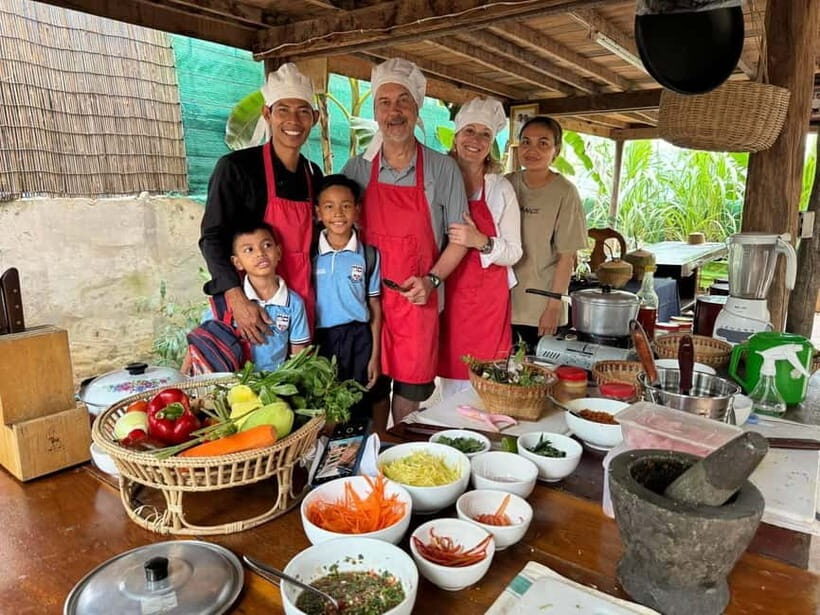
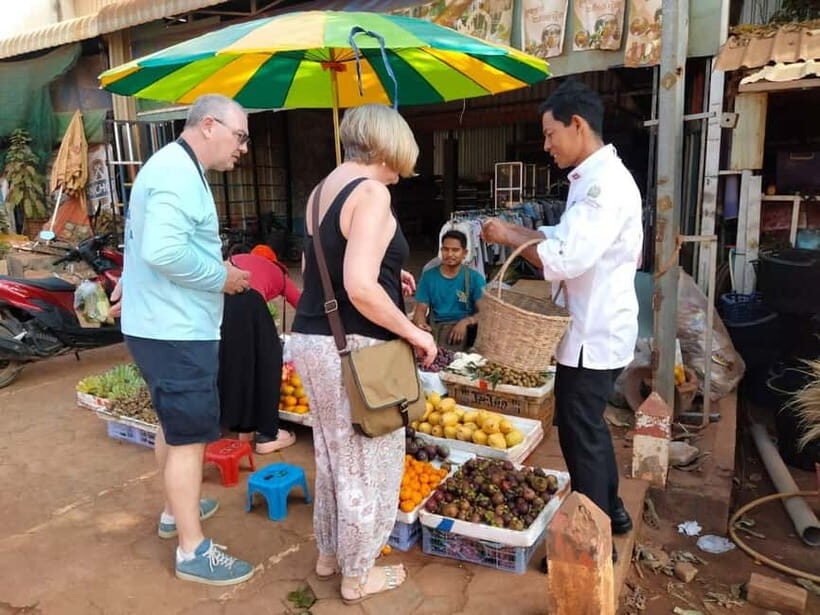
The first real activity is the market. You’ll walk through busy stalls with an English-speaking guide, and you’ll help choose ingredients for your dishes.
This is where the value really shows. A cooking class is only half about technique. The other half is ingredient logic: what you’re buying, why it matters, and how those choices affect flavor.
Here’s what you’ll likely notice during the market part:
- Freshness isn’t abstract. When ingredients look good in the stall, you can tell why cooks start here.
- You’ll get context you won’t find in a recipe book—what’s used, what’s common in Khmer cooking, and how vendors think about daily ingredients.
- The guide can translate what you’re seeing into something practical for the kitchen later.
If you like food, markets can be a highlight all by themselves. If you’re less into shopping, use this moment to do one thing: pay attention to ingredient names and forms. Even if you forget everything later, you’ll remember the difference between fresh options and what you’d typically buy back home.
In a local home kitchen: cook 3 Khmer dishes, hands-on
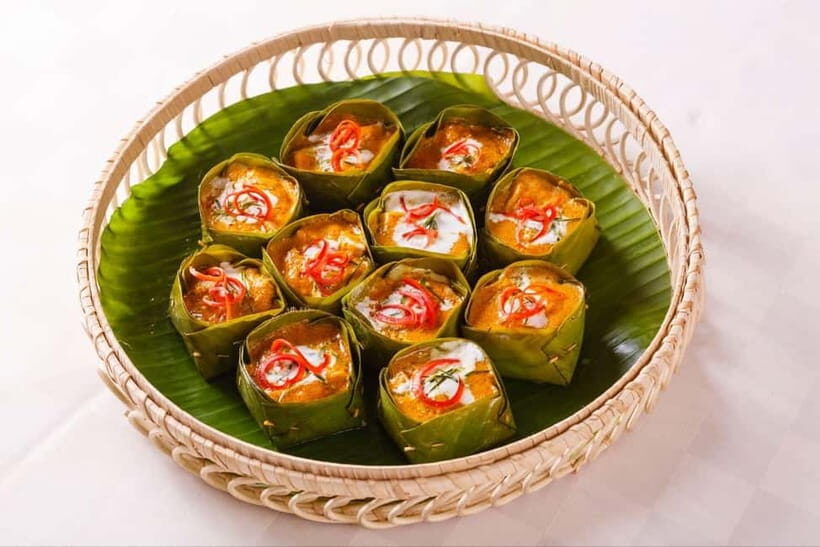
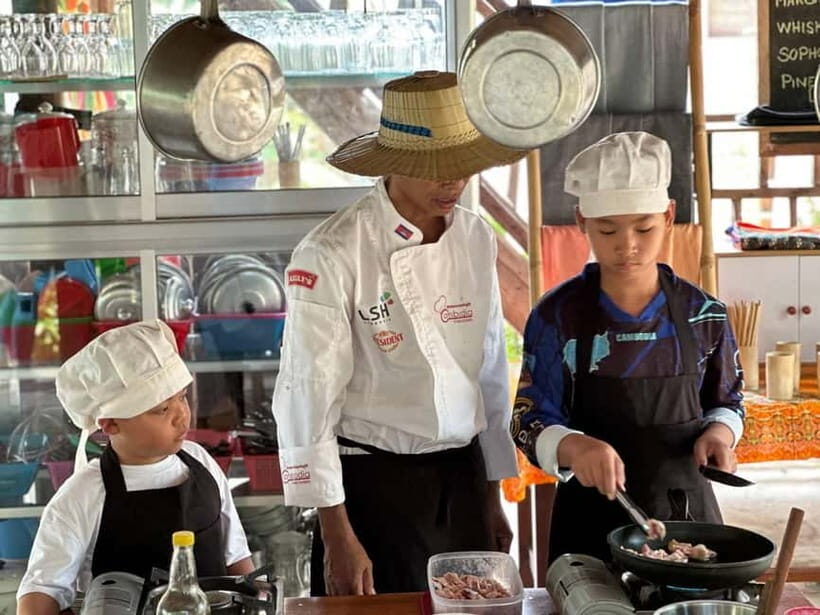
Next comes the cooking part in your host’s home. This is the heart of the experience: roll up your sleeves and learn how to make real Khmer dishes with step-by-step instruction from your teacher.
The class is structured around 3 dishes:
- 2 savory dishes
- 1 sweet dessert
That mix is clever. Savory lessons teach you about building flavor—aromatics, balance, heat, and texture. Then you switch gears to dessert, which helps you understand how Khmer cooking doesn’t stop at savory comfort foods.
You’ll also sit down at the end and eat what you made. That matters more than it sounds. Cooking classes that end with a take-home box often leave you wondering if the flavors really came together. Here, you taste your own work as a complete meal.
The kitchen setting is also a big deal. A home setup tends to feel more realistic than a classroom. You’ll likely see the tools and rhythm that match how people actually cook, not how a demo kitchen schedules things.
What you learn from Khmer cooking (even if you’re not a foodie)
A good cooking class teaches you skills. A great one teaches you confidence. This one does both.
Even without dish names listed here, you can still expect the learning to come from technique and decision-making. You’ll practice things like:
- Following instructions in a real cooking environment
- Understanding how ingredients work together
- Adjusting during the process (texture and flavor checks are part of most cooking lessons)
The market-to-home structure helps you connect ingredients to outcomes. When you picked something from the stall earlier, the final dish has a stronger sense of purpose. You’re not just making dinner; you’re closing the loop.
If you like practical travel, this experience fits your style. It’s not only about learning facts. It’s about doing something with your hands and leaving with food knowledge you can use again.

The 4-hour flow: where the time actually goes
The tour lasts about 4 hours. That length is ideal for a cooking class because it’s long enough to learn and cook properly, but short enough that you don’t feel stuck all day.
A typical flow looks like this:
- Hotel pickup and tuk-tuk transfer
- Market tour and ingredient selection
- Cooking class in the host’s home (2 savory + 1 sweet dessert)
- Sit-down meal and then return to your hotel
Why the timing helps: you stay in one mode. You’re not switching from walking to cooking to waiting around for long gaps. That keeps your attention on the process.
Also, because it’s all within the same block, you can plan your rest-of-day meals around it. After you eat what you made, you’re likely to feel satisfied and not hunt for dinner afterward.
Vegetarian option: how to make it work for your diet
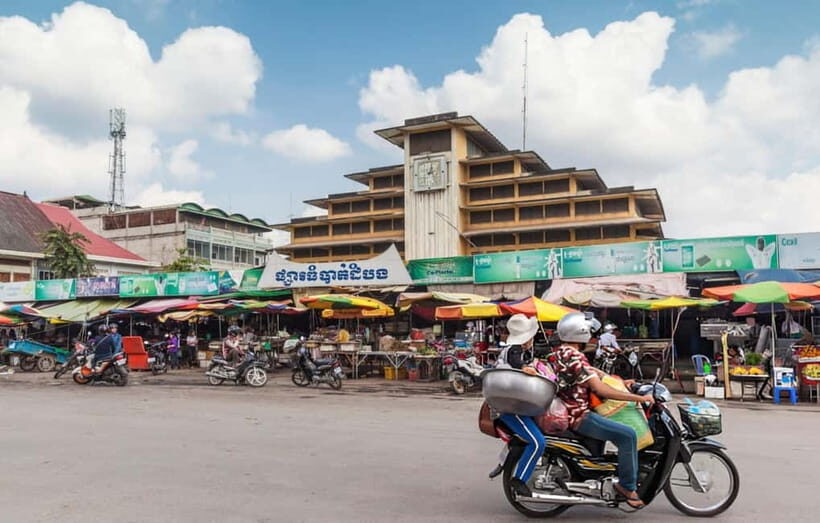
The tour notes that a vegetarian option is available. If you’re vegetarian, make sure you confirm it when booking so your dishes match what you can eat.
What you should expect in practice: the class can often swap ingredients while keeping the cooking method and Khmer flavor logic intact. Still, the safest move is to ask your host what your vegetarian plan includes (for example, whether stock or other animal products might be involved).
If you’re not vegetarian but have preferences (less spicy, no alcohol, etc.), you can probably still participate fully. But only confirm specifics directly with the operator.
Price and value: is $25 fair for 4 hours?
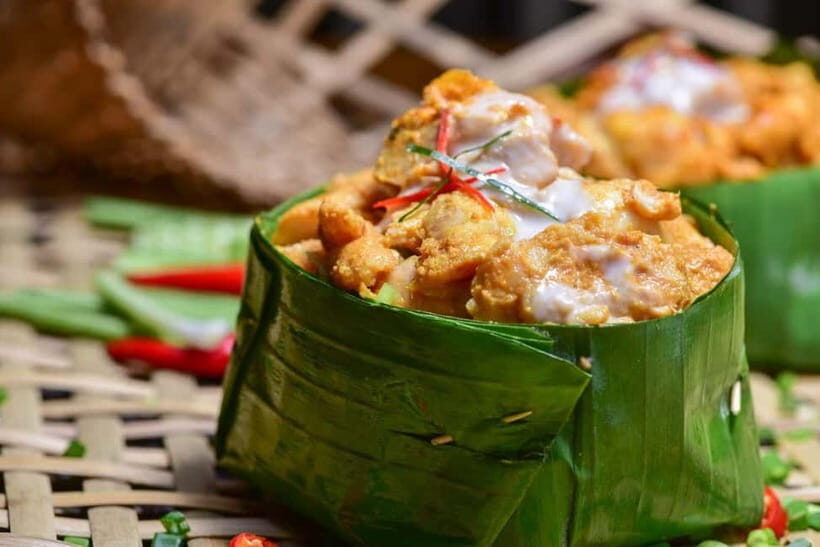
At $25 per person, this class is priced like a value activity, and there’s a good reason. You’re paying for a package, not just a recipe sheet.
What’s included:
- Market tour with an English-speaking guide
- Welcome drink
- Preparation of three dishes
- Hotel pick-up and drop-off
What’s not included:
- Alcoholic beverages and other beverages
- Personal expenses
So where does the money go? Mostly into people time and local access. The guide handles the market, the cooking teacher handles instruction, and the transport solves the biggest friction point of getting to a local home kitchen.
You’re also getting a meal at the end, which in Cambodia can otherwise be a full separate expense. When you factor that in, $25 starts to look like a fair deal—especially if you’d otherwise spend money on a market meal plus a casual cooking workshop.
Who should book this, and who might skip it
This is best for you if:
- You want more than sightseeing and a real hands-on activity
- You like learning through doing, not just watching
- You enjoy food and want to understand Khmer flavor basics
- You want a compact day plan without complicated logistics
You might skip this if:
- You hate cooking or feel uncomfortable in kitchens
- You want a purely cultural tour with no participation
- You’re trying to pack in extreme schedule density, since it’s a full 4-hour block
Also think about group energy. The class is hands-on, so it tends to work best when everyone can focus on cooking together. If your ideal travel day is silent and slow, you might still enjoy it, but it won’t feel like “quiet time.”
Should you book this Battambang Cooking Class?
Yes, if you want a high-value food experience that teaches you something real. The market ingredient selection plus cooking 3 dishes in a local home is a strong combo for $25, and the tuk-tuk pickup removes the guesswork.
Before you book, do two practical checks:
- Confirm the vegetarian option if you need it.
- Go in with the mindset that you’re cooking, tasting, and participating. This works best when you’re willing to get a little hands-on.
If that sounds like your kind of travel day, book it. You’ll leave with a better understanding of Khmer cooking than you’d get from any single meal out.
FAQ
What time does hotel pickup happen?
Hotel pickup is at 9:30AM. Be ready about 15 minutes before pickup.
How long is the cooking class?
The experience runs for 4 hours.
How much does it cost?
It costs $25 per person.
Does the tour include a market visit?
Yes. You’ll tour a local market to pick out fresh ingredients, with an English-speaking guide.
What will I cook during the class?
You’ll prepare 3 dishes: 2 savory dishes and 1 sweet dessert.
Is a vegetarian option available?
Yes, a vegetarian option is available.
What’s included in the price, and what isn’t?
Included are the market tour with an English-speaking guide, a welcome drink, preparation of three dishes, and hotel pick-up and drop-off. Not included are alcoholic beverages and personal expenses.