REVIEW · SIEM REAP
2 Days Angkor Wat Tranquility Tour
Book on Viator →Operated by Angkor Doors · Bookable on Viator
Few things in Cambodia feel this big.
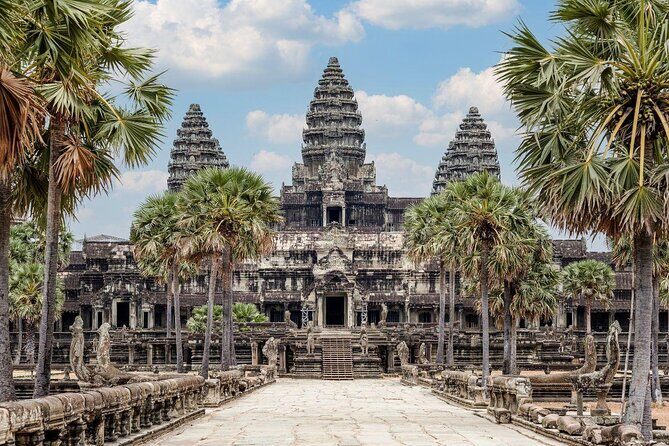
This 2-day Angkor Wat Tranquility Tour is built around the idea of seeing Angkor without living inside a crowd. I like that you get a private guide, plus door-to-temple round-trip hotel transfers, so you’re not stitching together tuk-tuks all day. Best of all, the schedule mixes calm countryside temples with the headline moment: sunrise at Angkor Wat, then sunset later in Angkor Thom.
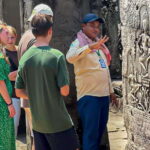
Two things I really like: first, the temples you hit on Day 1 are often quieter than the usual routes, which makes the carvings and brickwork easier to take in without rushing. Second, the guiding can make a huge difference—when I hear about guides like Mr Pal Chen, the emphasis is on clear temple context and pacing that helps you avoid the worst pileups.
The main drawback to think about is money and time. The tour price is $110, but entrance requires the Angkor pass (not included), and you’ll also need to respect the strict temple dress code (covered thighs and shoulders) or you can be refused entry.
In This Review
- Key highlights you’ll feel on the ground
- Price and what you’re really buying for $110
- How the private transfers make a real difference
- Day 1: from Prasat Kravan to the quiet feel of Banteay Prei
- Prasat Kravan: a 10th-century Vishnu stop
- Prasat Bat Chum: small, tucked away, and often quiet
- Pre Rup: brick structure with a jungle-framed view
- Banteay Samre: architecture you’ll want to linger with
- Eastern Mebon: the eight-elephant stone feature
- Preah Khan: stone piles, carvings, and nature working together
- Banteay Prei: a small temple with breathing room
- Day 2: Angkor Wat sunrise, Ta Prohm movie fame, and South Gate sunset
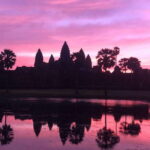
- Angkor Wat at dawn: why the timing is everything
- Ta Prohm: Tomb Raider fame meets the real experience
- Banteay Kdei: a specific archaeological find you can picture
- Angkor Thom and the South Gate sunset
- Your guide and pace: where the tour can quietly win or lose
- Dress code and temple rules: don’t let this waste your morning
- What to expect from the vehicle and schedule
- Who this tour suits best
- Should you book this tranquility tour?
- FAQ
- What is included in the tour price?
- What is the starting time?
- Do I need an Angkor pass?
- Is pickup from my hotel included?
- What time do we go to Angkor Wat?
- Is there a dress code for the temples?
- What kind of tickets do I receive?
- Can I cancel for a full refund?
Key highlights you’ll feel on the ground
- Private, AC transport with pickup and transfers, so you skip the public-transport hassle
- Sunrise and sunset included, with early timing at Angkor Wat and a South Gate finish
- Day 1 temple circuit aimed at quieter stops like Prasat Bat Chum and Banteay Prei
- Eastern Mebon’s eight elephant statues carved from one massive stone block
- A guide who helps you “read” the temples, not just point at them
Price and what you’re really buying for $110
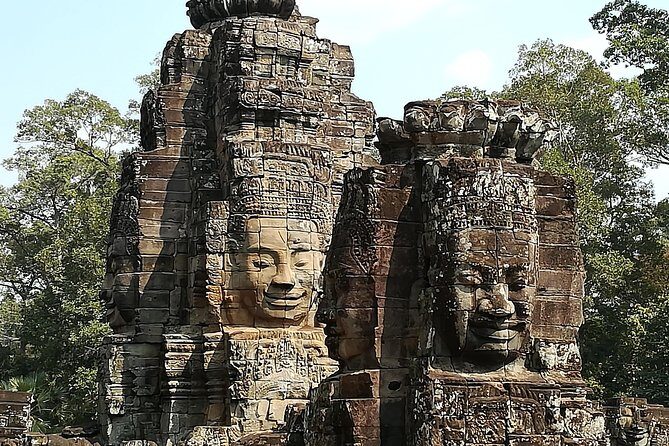
At $110 per person, you’re paying for the hard parts that slow you down in Siem Reap: transport, an English-speaking guide, and the logistics of getting to multiple temple zones efficiently. You’re also getting bottled water and the comfort of an AC vehicle, which matters once the day warms up.
What’s not included is the entrance fee. You’ll need the 3-day Angkor pass (listed as $62 per person). When you budget, it’s smart to add that immediately, because it changes the true total cost of the experience. Food and drinks aren’t included either, so plan on buying meals on your own or packing simple snacks if that fits your style.
The value is strongest if you care about time on-site and reduced stress. If you’re happy taking your chances with tuk-tuks, you could theoretically do this cheaper. But if you want the “turn-by-turn” temple flow—especially for sunrise—this price starts looking more reasonable.
A few more Siem Reap tours and experiences worth a look

How the private transfers make a real difference
Angkor isn’t just one site. It’s a whole system of temple compounds scattered across a wide area, and travel time can eat your day. This tour solves that with private transfers between temples and round-trip pickup from your hotel (no public transport required).
That means you can focus on the actual temples instead of planning routes. It also changes how early you can arrive. Sunrise at Angkor Wat is one of those experiences where “almost there” still feels late, because daylight and crowd levels move fast.
One more practical point: because it’s private, you’re not trapped in the pace of strangers. If the guide can see you’re paying attention (or you’re tired from heat), your time at each stop can feel more comfortable than a strict group shuffle.
Day 1: from Prasat Kravan to the quiet feel of Banteay Prei
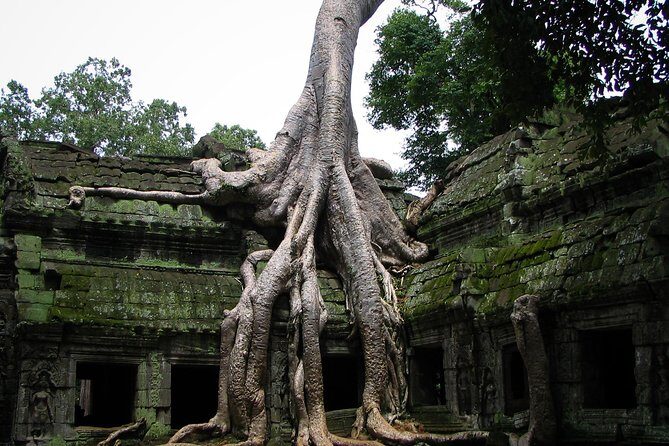
Day 1 is where the tour earns its “tranquility” name. You start with Hindu-era temples and move through Buddhist sites, with lots of brick-and-stone detail and plenty of calmer corners to look around.
Prasat Kravan: a 10th-century Vishnu stop
You begin at Prasat Kravan, a 10th-century Hindu temple dedicated to Lord Vishnu. Plan about 30 minutes here. This is the kind of stop that works best with a guide because the value isn’t just the structure—it’s understanding what you’re looking at in historical context.
A heads-up: short time here means you’ll want to choose what you photograph and what you just mentally absorb.
Prasat Bat Chum: small, tucked away, and often quiet
Next is Prasat Bat Chum, a smaller temple that (per the experience design) tends to be far less crowded. It was built in the mid-10th century by Kavindrarimathana, a learned Buddhist minister of Khmer king Rajendravarman.
This is one of those temples where peace makes a difference. When there aren’t many people around, you can notice the craftsmanship rather than just timing your visit for crowd density. Expect around 30 minutes.

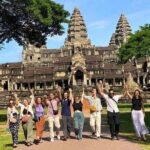
Pre Rup: brick structure with a jungle-framed view
Then come Pre Rup, a great brick structure with a view. Plan about 1 hour. The top-level perspective is where you feel the Angkor system as a whole—city and temples are literally wrapped by nature.
If you’re prone to heat fatigue, bring extra water and take your breaks seriously. Views from higher points often tempt you to stay longer than you planned.
Banteay Samre: architecture you’ll want to linger with
Banteay Samre is about 1 hour, and the pitch here is simple: the architecture style and peace are the payoff. You’ll likely find yourself slowing down, especially if you enjoy noticing how layouts and carving styles differ from temple to temple.
This is a good place to cool off mentally—less “marquee temple” pressure, more calm observation.
Eastern Mebon: the eight-elephant stone feature
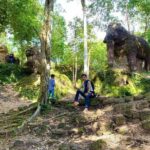
At Eastern Mebon, the highlight is big and specific: eight elephant statues carved from one huge stone. You’re given about 1 hour here, and it’s the kind of detail that feels almost tailor-made for photos—yet also satisfying in person because the scale is real.
One caution: elephant statues are visually heavy. If you’re walking with a tight schedule, you may feel tempted to rush. Don’t. This is the stop where a few extra minutes can make your whole Day 1 feel more memorable.
Preah Khan: stone piles, carvings, and nature working together
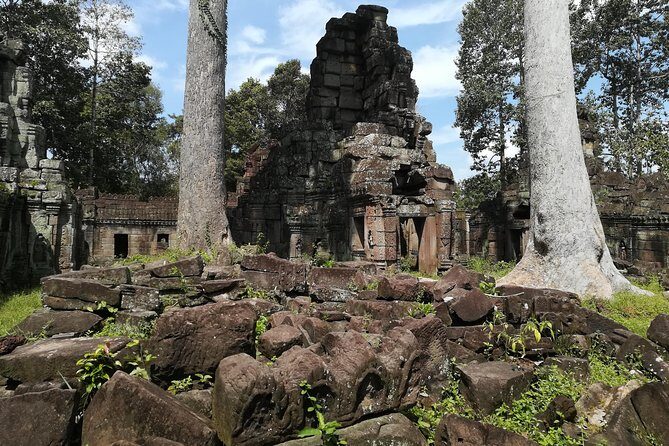
Next is Preah Khan, with about 1 hour 30 minutes. The mix here is the point: piles of stone, carved elements, and the way nature blends in. This stop is often less about one single “best view” and more about the flow of structures and details.
Wear shoes you trust. Uneven ground is common around temple ruins, and you don’t want to worry about footing when you’re trying to read the carvings.
Banteay Prei: a small temple with breathing room
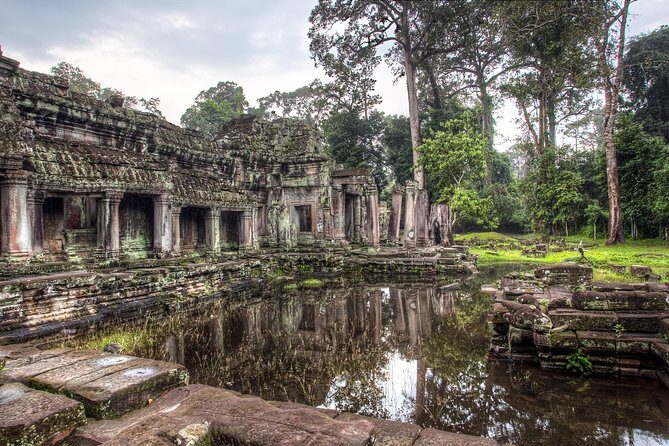
You close Day 1 at Banteay Prei, which you can treat as your decompress stop. The time is about 30 minutes, and the main advantage is that it’s often visited by fewer people, leaving you space to walk slowly and look longer.
This is where your day’s tone matters. If Day 1 has felt full, ending here is a smart way to avoid ending in a crowd.
Day 2: Angkor Wat sunrise, Ta Prohm movie fame, and South Gate sunset
Day 2 is the “big icons” day. Sunrise at Angkor Wat is the headline, then you rotate through well-known compounds and end with a sunset moment at the South Gate of Angkor Thom.
Angkor Wat at dawn: why the timing is everything
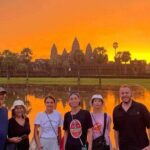
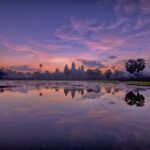
You start early so you can reach Angkor Wat before dawn. Plan about 4 hours. This is where the private setup helps most: sunrise isn’t just pretty lighting—it’s when you can actually experience the scale of Angkor Wat without losing your bearings to daytime crowds.
Bring a light layer. Early mornings in the region can feel cool, and you’ll be standing and walking before the sun really warms things up.
Ta Prohm: Tomb Raider fame meets the real experience
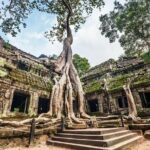
Next is Ta Prohm, the famous temple associated with the movie Tomb Raider. The tour time is about 1 hour. This is a stop where the visuals are instantly recognizable, but you still don’t want to treat it like a photo-only stop.
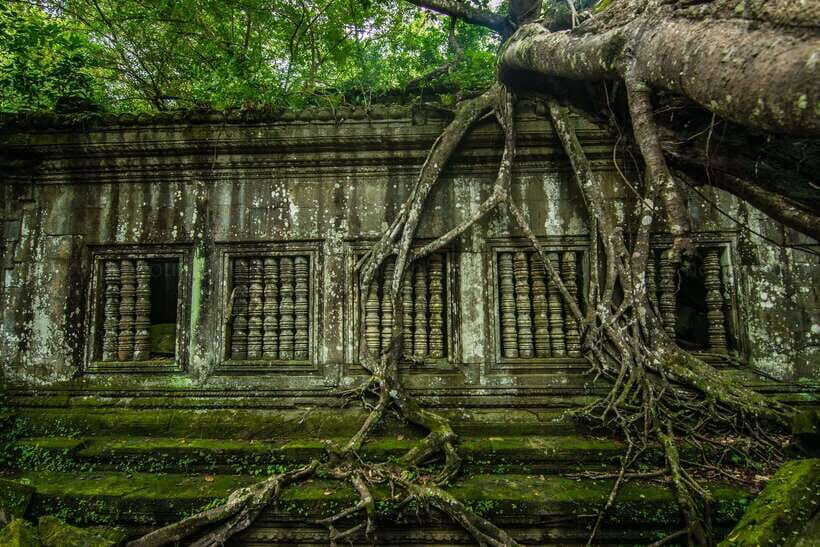
If you slow down for a few minutes, you’ll notice how the roots and stone structures create a different kind of pattern than other temples. It’s one of those places where the mood changes as the light hits different walls.
Banteay Kdei: a specific archaeological find you can picture
Banteay Kdei takes about 1 hour. Here’s the detail I like: Japanese archaeologist students found 274 pieces of Buddha statues during digging. Having a number like that makes the stop feel grounded, not vague.
This is also a good place to ask your guide to point out what looks original versus what has been restored, if that’s part of their explanation. You’ll get more meaning from the stop when you understand what the digging uncovered.
Angkor Thom and the South Gate sunset
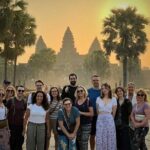
You finish with Angkor Thom, with about 3 hours to explore the ancient city compound and then sunset at the South Gate. This is where Angkor turns cinematic—after the temple circuit, you get a broader “city” feeling instead of isolated structures.
It’s also a great place to regroup. The day’s earlier stops can feel like a series of separate chapters, and Angkor Thom ties them together.
Your guide and pace: where the tour can quietly win or lose
A good guide can turn Angkor from a checklist into a story you actually understand. This tour includes an English-speaking guide, and the experience is designed around giving you hints for each stop so you know what to look for.
One guide name that came up is Mr Pal Chen, described as helpful, with detailed history and a friendly approach. The best part of that kind of guiding is pacing: you don’t just race through the important sites, you also get time to breathe in the quieter ones.
Still, here’s the fair consideration. If you’re expecting a very “premium-feeling” day with lots of extra stops or long, leisurely hang time at every location, you might feel the schedule is a tight fit for the price. This tour is built to hit many temples across two days, and that’s inherently a bit structured.
Dress code and temple rules: don’t let this waste your morning
Angkor temples have a strict dress code. You must cover thighs and shoulders when entering temple complexes. If your clothes don’t match, you may be refused entry.
This sounds simple until you realize what you might pack for a hot day. If you’re in shorts and a tank top when you leave the hotel, fix that before you go. A light shawl or long layer can save you from a last-minute scramble.
And yes, you’ll likely be photographing a lot. Dressing properly means you spend less time waiting outside while your day slips forward.
What to expect from the vehicle and schedule
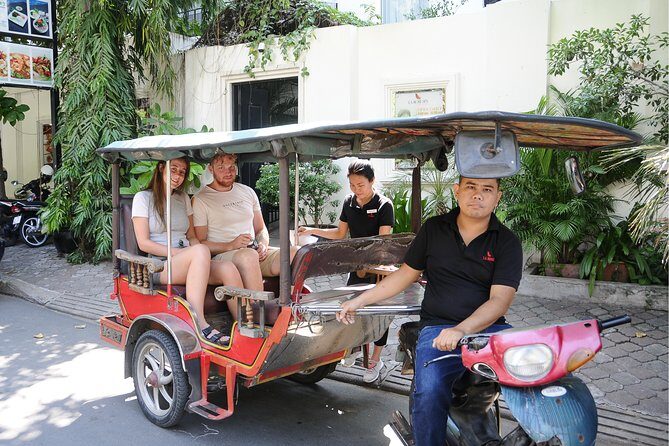
You’ll travel in an AC car, minivan, or minibus, depending on group size and logistics. Expect bottled water during the tour, and an overall plan that includes sunrise and sunset.
Because the stop times vary—from 30 minutes at smaller temples to 4 hours at Angkor Wat—your energy will swing across the day. I like tours that mix shorter stops (good for steady focus) with at least one long anchor moment, and this one does that with Angkor Wat.
Also note the meeting time: the tour starts at 8:00 am. You’ll feel that on your sleep schedule, and Day 2’s sunrise timing means you’ll want to be ready for an early start.
Who this tour suits best
This 2-day private approach is a strong fit if you:
- Want the Angkor highlights but prefer a calmer feel on the less-famous temples
- Care about logistics—pickup, transfers, and knowing you’ll get to sunrise on time
- Like having a guide explain what you’re seeing, not just where to stand
- Are okay with structured stop times and a packed two-day window
It may be less ideal if you:
- Only care about a single marquee temple and want a slower pace
- Don’t want to pay entrance fees on top of the tour price
- Forget dress code details and plan to rely on luck at the gates
Should you book this tranquility tour?
If your goal is sunrise at Angkor Wat plus a quieter Day 1, this tour is one of the more sensible ways to do it. The private transfers and included sunrise/sunset reduce the usual stress that makes Angkor feel like a race.
I’d book it if you’re the type who enjoys temple details and wants to see the countryside side of Angkor, not only the busiest icons. I’d think twice if you’re budget-tight once the $62 pass is added, or if you want lots of free roaming time with no schedule at all.
Either way, go in with the right expectations: this is a well-organized temple circuit designed to keep you moving efficiently while still giving you breathing space in the quieter places.
FAQ
What is included in the tour price?
The tour includes an English-speaking guide, transportation in an AC car/minivan/minibus, bottled drinking water, and sunrise and sunset.
What is the starting time?
The tour starts at 8:00 am.
Do I need an Angkor pass?
Yes. Entrance fees are not included, and the Angkor pass mentioned is the 3-day pass listed at $62 per person.
Is pickup from my hotel included?
Yes. Pickup is offered, and round-trip transfers are included without using public transport.
What time do we go to Angkor Wat?
You’ll start early to be at Angkor Wat before dawn.
Is there a dress code for the temples?
Yes. You must cover your thighs and shoulders. If you are not wearing the correct clothing, you may be refused entrance to the temples.
What kind of tickets do I receive?
The tour includes a mobile ticket.
Can I cancel for a full refund?
Yes. You can cancel up to 24 hours in advance for a full refund. If you cancel less than 24 hours before the experience start time, the amount paid is not refunded.