REVIEW · SIEM REAP
Angkor 2-Day Sunset & Sunrise Small-Group Tour
Book on Viator →Operated by Journey Cambodia · Bookable on Viator
Angkor in two days can feel rushed—until this plan clicks. What makes this tour especially interesting is the mix of sunrise at Angkor Wat plus a full day of temples, all handled by an English-speaking guide with air-conditioned transport between stops. I like that the schedule is tight enough to see the big hitters, but still includes quieter temples such as Banteay Srei. My only real caution: you’ll be up early, and you’ll also need to budget for the temple pass on top of the tour price.
What I like most is the practical side of the day. You get convenient hotel pickup and drop-off, bottled water, and cool towels, which matters in Siem Reap heat. I also like how the temples you’ll visit are spread out across different Khmer-era styles—so you’re not just repeating the same look.
The main drawback to plan for is the pace and the extra cost. Day 1 can run long and involve lots of walking, and sunset can be affected by smog depending on the day. On top of that, entrance fees are not included; you must pay the Angkor temple pass directly at the sites.
In This Review
- Key things that make this tour work
- Angkor in Two Days: Why this pace is smart
- Price and temple pass: what you’re really paying
- Pickup, AC, and the small-group advantage
- Day 1 overview: Preah Khan, Neak Pean, Banteay Srei, Pre Rup
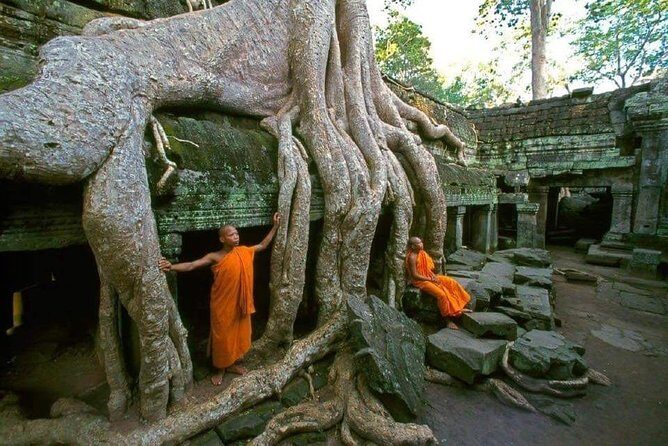
- Preah Khan: atmospheric ruins and tree-root drama
- Neak Pean: the circular island temple in water
- Banteay Srei: the “finest carving” temple detour
- Pre Rup: temple mountain and views from the state temple
- Optional extra: a landmine museum stop (if it’s added on your day)
- Sunset details: waiting, hills, and smog reality
- Day 2 sunrise at Angkor Wat: timing and entry strategy
- Angkor Thom and the South Gate: capital-city scale
- Terrace of the Elephants and Ta Prohm: the moody classic
- Guides and drivers: the real difference-maker
- What to wear, walk, and bring for Angkor temple days
- Meals: what’s included and what you’ll plan yourself
- Who this tour suits best
- Should you book this 2-Day Sunrise & Sunset tour?
Key things that make this tour work
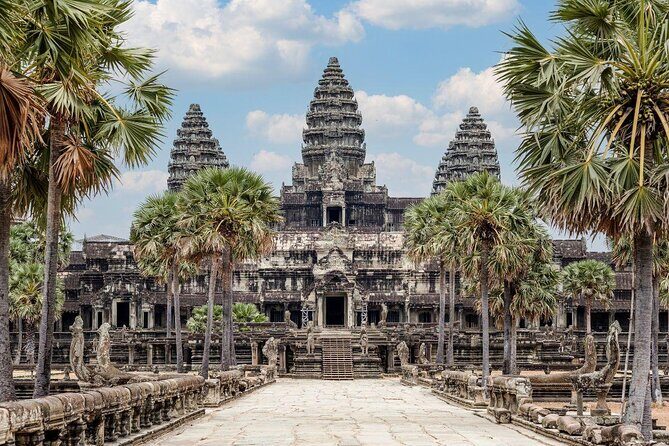
- Sunrise timing that’s built for photos: pre-dawn departure for Angkor Wat and an early entry approach
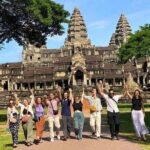
- Small group size (max 15): easier movement, more time for questions, and less chaos at stops
- Climate-controlled transport: AC van between temples plus bottled water and cool towels
- Day 1 includes “lesser-seen” highlights: Banteay Srei and other atmospheric sites beyond the usual rush
- Guides who help with more than directions: many guides are praised for clear storytelling and photo help
- Temple-friendly planning: dress code guidance (shoulders and knees covered inside temples) and time to absorb what you see
Angkor in Two Days: Why this pace is smart
Angkor is big. Like, genuinely big. The trick is not trying to “do everything.” The trick is doing the right mix of iconic sites and temples that feel quieter once you’re there.
This tour is designed for that sweet spot: it hits the headline temples on day 2 while keeping day 1 packed but varied. You start with ruins and temple mountains that show different textures of Khmer design, then you save the most famous sunrise moment for the next morning. That sequencing matters because your energy is freshest at the start of day 2, when you’ll be standing in the dark waiting for the sky to change.
Also, the transportation choice is practical. Instead of hopping around on open-air options, you’ll ride in an air-conditioned vehicle. It’s not just comfort—it’s how you survive the gaps between temples when the sun turns the stone hot.
You can also read our reviews of more evening experiences in Siem Reap

Price and temple pass: what you’re really paying
The tour price is $49 per person, but don’t treat that as the full cost of seeing Angkor. The Angkor temple pass is not included. The tour info is clear that you’ll need to pay an additional USD 62 per person for the 2–3 day temple pass, directly at the sites.
Here’s how I think about the value: $49 mostly covers the guide, vehicle, and the “logistics layer” that stops you from wasting time. In Angkor, time is expensive—especially if you’re trying to make sunrise work without a headache. This tour also includes pickup and drop-off, bottled water, and cool towels. That’s small stuff that adds up when you’re out all day.
If you’re traveling solo or on a tight schedule, you’ll likely feel this value more than someone who already has a private guide. With a group tour, the guide’s job is to keep things moving without turning everything into a blur. Based on the strongest feedback, that’s exactly what the best guides in this operation focus on.
Pickup, AC, and the small-group advantage
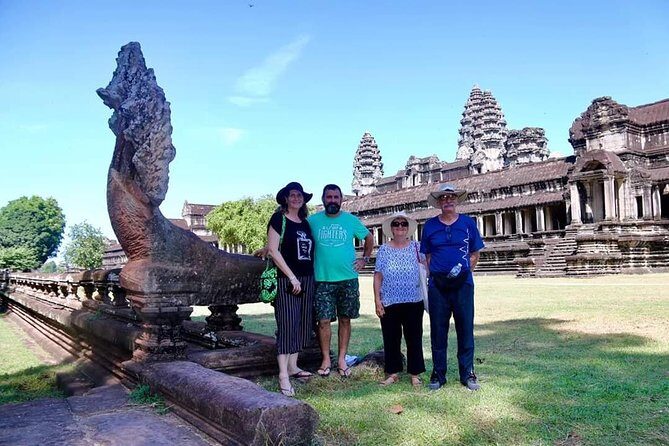
Hotel pickup and drop-off is one of those “sounds boring” things that becomes a big deal in Siem Reap. Instead of figuring out meeting points and getting yourself across town in traffic, you’re loaded into the van and started.
The small-group limit—up to 15 people—also changes the experience. At larger crowds, you often lose your place every time you stop for photos or need a question answered. In a smaller group, your guide can slow down when it counts and keep everyone oriented.
From the feedback, drivers are also part of the comfort equation. People specifically praised drivers such as Mao, Naro, Keal, and Ha for showing up on time, driving safely, and keeping cold water and cool towels available after each stop. That matters on a day that can run from late morning into the evening.
Day 1 overview: Preah Khan, Neak Pean, Banteay Srei, Pre Rup
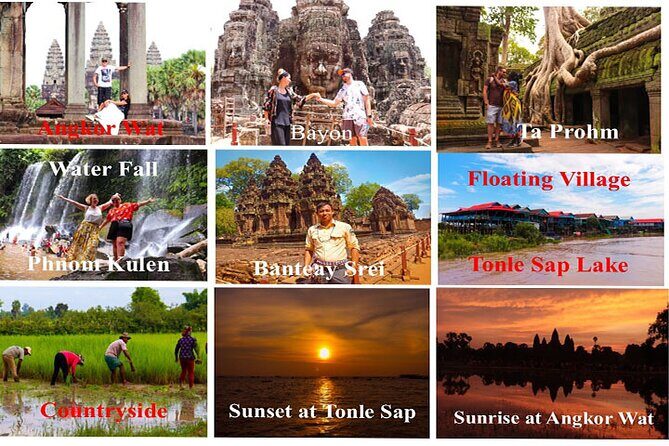
Day 1 is your “temple variety day.” It’s longer than most people expect and very much about moving through different moods of the Angkor region—ruined stone, tree roots, water features, and temple mountains.
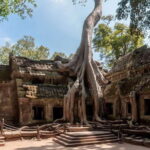
Preah Khan: atmospheric ruins and tree-root drama
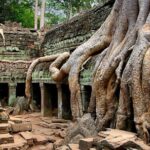
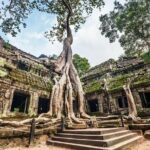
You’ll start at Preah Khan, a ruined temple site where the stone and roots feel like they’ve been negotiating for centuries. The big value here is atmosphere. This is the kind of place where the details hit you once you slow down—carved surfaces worn down, pathways broken, and that sense of history that feels visible rather than explained.
Plan for a fair bit of walking on uneven ground. If you’re hoping for “one perfect photo,” you may still get it—but Preah Khan is better when you let it unfold.
A few more Siem Reap tours and experiences worth a look
Neak Pean: the circular island temple in water
Next is Neak Pean, built on an artificial island in the Jayatataka Baray area. The temple sits on a circular layout, which makes for a different feel than the main temple mountains. This stop is shorter, but it’s a nice palate cleanser after Preah Khan’s wild visuals.
Because it’s tied to water setting, you’ll want to watch the light and angles. Morning and late afternoon light can make the setting look very different, even if the temple itself doesn’t change.
Banteay Srei: the “finest carving” temple detour
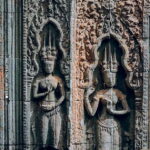
Then comes one of the most satisfying stops in the whole loop: Banteay Srei. This is a smaller sandstone temple, and the key point is craft—its reliefs are known for fine detail.
The best part is that it’s not just another stop to check off. You’ll get more time to look closely because it’s physically smaller than Angkor Wat and less overwhelming in scale. If you’re the kind of person who likes carvings, this is where your patience pays off.
Pre Rup: temple mountain and views from the state temple
Day 1 ends with Pre Rup, a Hindu temple-mountain associated with King Rajendravarman. It’s built from a mix of materials—brick, laterite, and sandstone—and the “mountain temple” layout changes how you experience it. Instead of only walking through halls, you feel the vertical design.
Even if you don’t climb every step, the main value is the way Pre Rup sets up angles and silhouettes in the late-day light.
Optional extra: a landmine museum stop (if it’s added on your day)
One review thread included an optional visit to a landmine museum on day one with a separate entrance fee. The tour’s core itinerary doesn’t require it, but it’s something you might be offered. If you like understanding Cambodia’s modern history—not just ancient ruins—this can add meaningful context.
Sunset details: waiting, hills, and smog reality
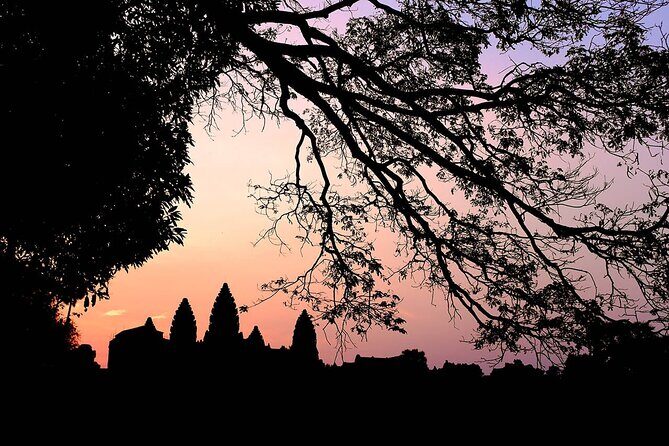
Sunset is part of day 1, and it’s set up for a classic Angkor-style view from a hill area. The honest heads-up: sunset conditions can vary due to smog. On clearer days, it can be gorgeous. On hazier days, you’ll still see the sky shift, but the view won’t be as crisp.
There’s also a physical consideration. Getting to the main viewing point involves an incline, and one review warned that this can be rough if you have breathing issues or asthma because of heat and pollution. If you’re sensitive to air quality, think carefully and bring what you need. And if you’re not, still plan to take it slow; heat can sneak up while you’re waiting in place.
My practical advice: treat sunset as a bonus. Your sunrise on day 2 is the main event. Even if sunset is affected, you’ll still leave with plenty of temple highlights from day 1.
Day 2 sunrise at Angkor Wat: timing and entry strategy
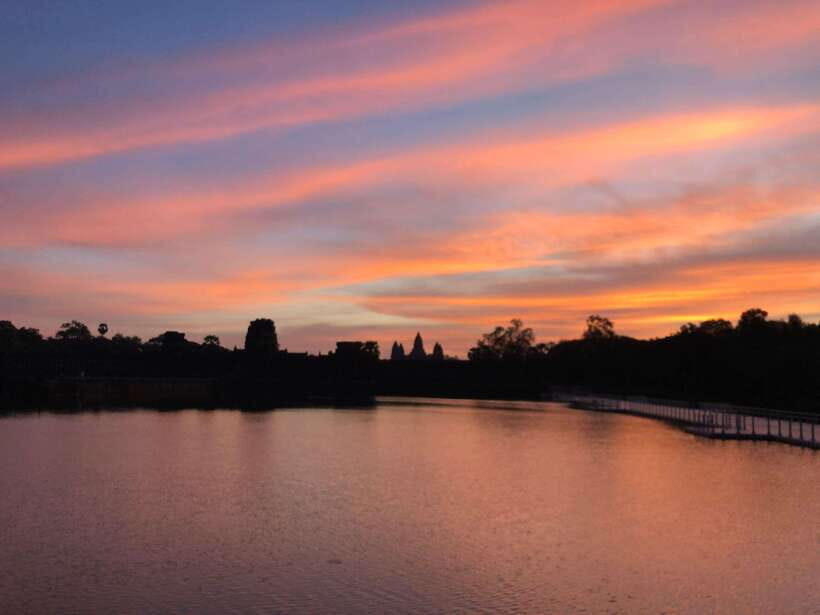
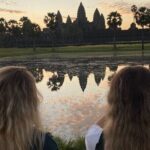
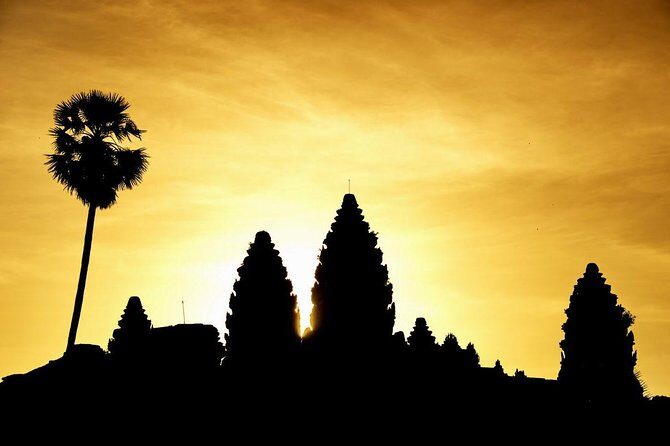
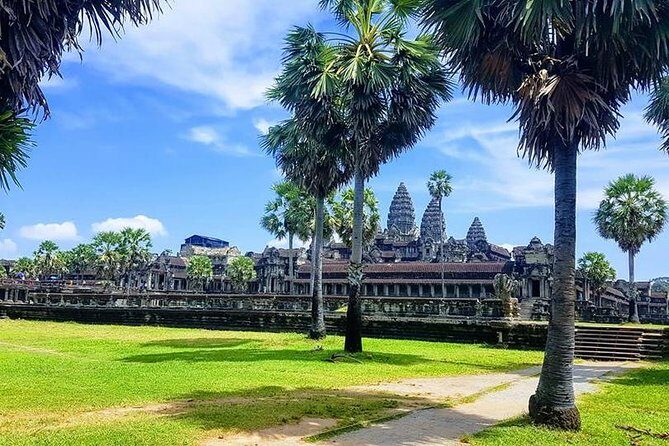
This is the reason a lot of people book the tour. The departure is pre-dawn—between 4:10 and 4:30 am depending on the season. You’re picked up from your hotel, then brought to Angkor Wat while it’s still dark.
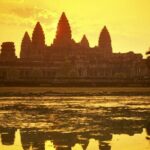
The tour includes early entry from a less-busy side—described as approaching the temple from the eastern entrance in darkness. That matters because it helps you get your bearings fast and avoids the worst scramble. Sunrise at Angkor Wat is one of those experiences where a little pre-planning removes a lot of stress.
What you’ll do in the dark is simple: you’ll wait, look, and then watch the light shift across the temple’s silhouette. When it’s cloudy, it can still be beautiful in a quieter way. When visibility is good, it’s photo heaven.
From the schedule, you can also expect the sunrise portion to end with enough momentum to keep exploring without feeling like you’re dragging yourself all day. Reviews also suggest you may be done around noon, which is a huge win if you want to return to the hotel, rest, or add your own plans afterward.
Angkor Thom and the South Gate: capital-city scale
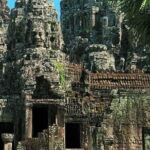
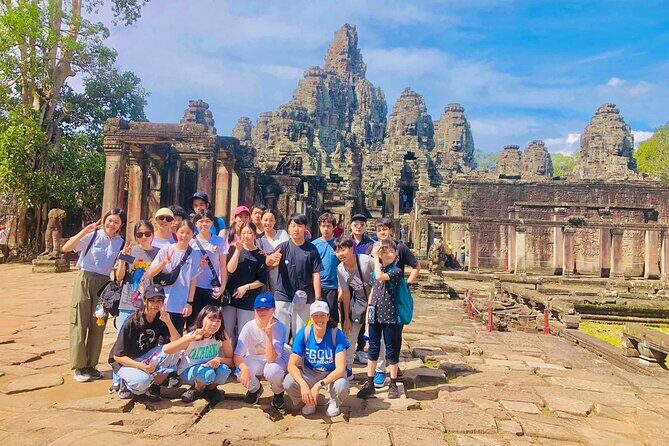
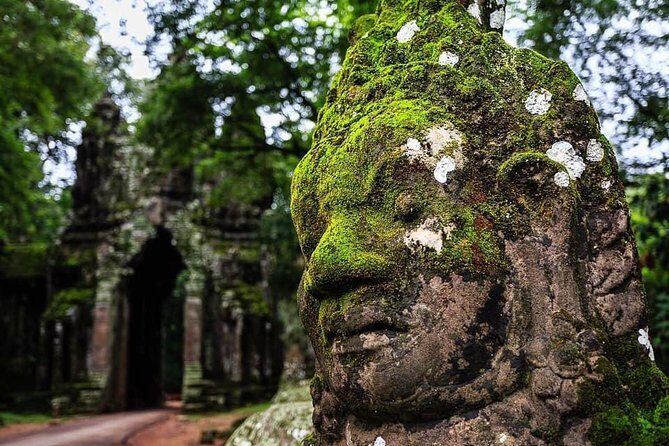
After Angkor Wat, the tour shifts to Angkor Thom, once the Khmer Empire’s capital city. This part works because it changes the “feel” of Angkor. Angkor Thom is grand and structured—more like a city you walk through than a single temple you visit.
You’ll also get Angkor Thom South Gate, a major gateway that sets the tone for the walk inside. Short stops like this can be easy to overlook, but the gates are where the scale becomes obvious.
The value here is in the pacing: you’re not rushing straight through. You get time to stop and take in the idea of how these spaces were meant to function.
Terrace of the Elephants and Ta Prohm: the moody classic
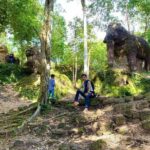
Next is Terrace of the Elephants, passing by the Terrace of the Leper King along the way. You’ll see the famous elephant-related imagery without having to treat it like a checklist item. It’s a strong photo stop, but the carvings also feel more meaningful once you’ve already visited a few temple types and you can compare styles.
Then you reach Ta Prohm, one of the most atmospheric Angkor temples. The tour description highlights how it looks much the way it did after French explorer Henri Mouhot’s rediscovery in the 1850s, with the famous tree-root takeover effect.
If you love the “film set” quality of Ta Prohm, this is where it delivers. The best way to enjoy it is to slow down at a few points rather than trying to see every inch. The guide’s job here is huge: they’ll point out why certain areas look the way they do and help you spot the details you’d miss alone.
Guides and drivers: the real difference-maker
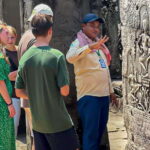
The temple stones are the main attraction. But in Angkor, the guide can turn a pile of ruins into a story you understand fast.
Across the feedback, several guides stood out for their style:
- Sopheap Rath was praised for being hospitable and going beyond the basics.
- Sokpee / Sokpe(e) / Sokeep Sumsot earned praise for staying on schedule and explaining temple context clearly.
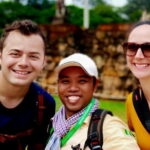
- Pal was repeatedly singled out for history explanations and being an excellent photographer.
- Chhay got credit for sharing temple info and expanding understanding of Cambodian culture.
- Sarak was described as a walking encyclopedia with strong command of temple stories and the ability to help solo travelers with photos.
- Pi (Pireak) and Bun were praised for guiding well through a balanced mix of iconic and less-crowded temples.
Drivers also received lots of love. Names like Mao, Naro, Keal, and Ha came up again and again for cold water, cool towels, and safe, punctual driving. In heat, that comfort support changes how much you enjoy the day.
So if you book, don’t worry only about the itinerary. Ask your operator on the day which guide you’re assigned. If you get someone like Pal, Pi, or Chhay, you’re likely to get both the facts and the photo help.
What to wear, walk, and bring for Angkor temple days
Temple days run on comfort. Dress code inside temples matters: shoulders and knees must be covered. Casual clothes are fine as long as you can cover up quickly before entering.
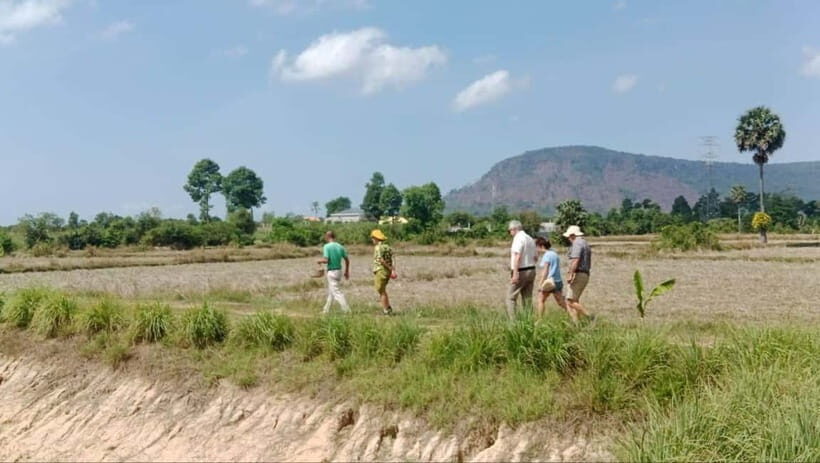
For shoes, you’ll want comfortable walking footwear. The tour includes plenty of walking and dusty paths. One review called out dusty conditions, so it’s smart to wear shoes that handle grit and don’t leave you with blisters by late morning.
Also plan for heat and waiting. You’ll have bottled water and cool towels, but you’ll still be outside at sunrise and in the evening for sunset. If you’re sensitive to air quality, consider that smog can affect sunset viewing, and the hill incline can be a challenge.
Meals: what’s included and what you’ll plan yourself
Meals are not included in the tour price. That said, you’ll have opportunities to buy lunch on your own choice. Some tours in this style stop at an inexpensive lunch place; the key is that the meal itself is still on you.
If you’re picky with food, or you need vegetarian or allergy-friendly options, plan ahead so you don’t waste time hunting while the group is waiting.
Who this tour suits best
This is a great fit if you:
- want Angkor Wat sunrise without hiring a private guide
- like a mix of major temples and lesser-visited stops like Banteay Srei
- prefer small-group pacing rather than getting swallowed by bigger crowds
- care about comfort—AC, pickup, water, and cool towels help a lot
It might be less ideal if you:
- hate early mornings (day 2 starts around 4:10–4:30 am departure)
- have breathing concerns and are worried about air quality during sunset
- expect a short, easy day (day 1 can be long)
Should you book this 2-Day Sunrise & Sunset tour?
I’d book it if you want an efficient way to see Angkor’s top hits and you care about having someone help you understand what you’re looking at. The value is strongest when you count everything you’d otherwise arrange yourself: guide, transport, pickup/drop-off, and the sunrise timing that keeps you from missing the moment.
Skip it only if you’re very budget-driven and don’t want to add the $62 temple pass cost, or if you’re looking for a slow, low-walking experience. With Angkor, even a “small group” still means walking.
If you go in with the right expectations—early start, lots of stone and stairs, heat management—you’ll come away with the kind of Angkor photos and memories that are hard to recreate on your own.