REVIEW · PHNOM PENH
Phnom Penh & Kirirom National Park Birds Tour
Book on Viator →Operated by Vana Adventure Travel · Bookable on Viator
Early mornings in Cambodia pay off. This Phnom Penh & Kirirom National Park Birds Tour turns a 5:30am start into real bird time, covering everything from lotus fields to tropical moist forest, with a mix of tricky and satisfying species. Two things I especially like are how the pace stays practical for daytime walking and how guide Thong uses calls to track birds fast. One thing to plan for: you’re going out in humid lowlands weather, so rain showers can change what you see and how comfortable the walks feel.
Small-group birding keeps the focus on spotting, not waiting. With a maximum of 8 people and an English-speaking local guide team, you get the kind of attention that helps you learn what you’re looking at—especially when some species are hard to pin down visually. The main consideration is physical effort: it’s described as moderate, and you’ll be walking around at sunrise in the countryside.
In This Review
- Key Highlights You’ll Feel on the Ground
- Getting Oriented: What This Bird Tour Actually Delivers
- Price and Value: Why $350 Can Make Sense for This Trip
- Day 1 in Chambok: Mekong Morning to Lotus Fields
- Homestay at Chambok: More Than a Place to Sleep
- Day 2 in Kirirom National Park: Sunrise Forest Birding
- The Birds You’ll Be Targeting (and How Habitats Help)
- Guide Thong: The Difference Between Seeing Birds and Finding Birds
- Photography Notes: When and Where Photos Work Best
- Who This Tour Fits Best (and Who Might Want Something Else)
- Value Checklist: What’s Included vs. What You’ll Handle
- Weather, Timing, and the Reality of Rain
- Should You Book This Birds Tour?
- FAQ
- FAQ
- How much does the Phnom Penh & Kirirom National Park Birds Tour cost?
- How long is the tour?
- Do I get pickup?
- How big is the group?
- What’s included in the tour price?
- What meals are not included?
- When does the tour start?
- What kind of birding difficulty should I expect?
- What weather conditions affect the tour?
- What is the cancellation policy?
Key Highlights You’ll Feel on the Ground
- 5:30am departure that gets you into bird activity while the world is still quiet
- Small group size (max 8) for tighter tracking and better chances at harder species
- A homestay night at Chambok within community-based ecotourism, not a generic hotel stop
- Sunrise birdwatching with an easy walking pace in forest settings at Kirirom
- Call-following bird guidance from Thong, helpful for birds that don’t show themselves
- Good photo opportunities, especially when birds are active early and near pathways
Getting Oriented: What This Bird Tour Actually Delivers
This is a two-day birding trip built around the idea that Cambodia’s best bird moments happen at first light. You’ll start early from Phnom Penh, then shift quickly into countryside habitat types—lotus and rice areas on Day 1, and forest birds on Day 2 in Kirirom. The tour is aiming for 50 to 80 species across different environments, which matters because birding results improve when you cover multiple habitat types instead of just repeating the same scenery.
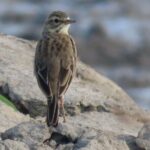
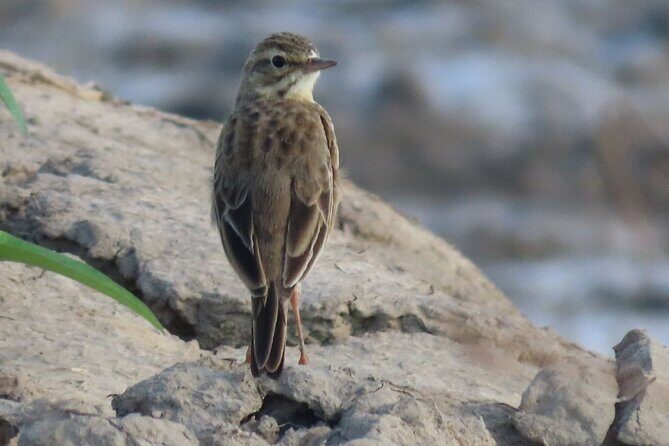
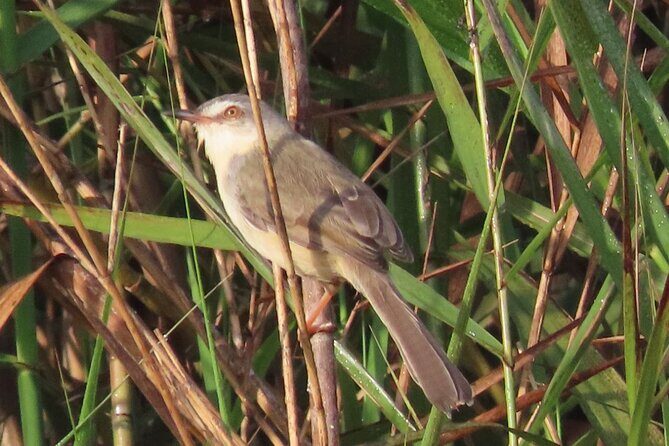
The species list is a mix of familiar-sounding names and real bird-birding challenges. You can expect targets like Cambodian Tailorbird, Oriental Pratincole, Brown Shrike, Collared kingfisher, bee-eaters, drongos, monarchs, and more. Some of these are easier with a clear view; others show themselves as a quick movement, a short call, or a brief glimpse in cover.
One of the smartest parts of this tour is how it’s organized for learning, not just a checklist. The guide’s style (especially Thong following birds by their calls) helps you understand how birds are detected. That’s how you get better fast, even as a newer birder.
You can also read our reviews of more tours and experiences in Phnom Penh.


Price and Value: Why $350 Can Make Sense for This Trip
At $350 per person for about two days, this is not a cheap “hop on a bus” bird outing. But you’re also not just buying time in the field. The price includes an air-conditioned vehicle, a local birding guide and local guide, one night homestay at Chambok, and meals—breakfast (2) and lunch (2).
That matters because homestays and transportation cost real money in Cambodia, especially when you’re doing early starts and covering two different birding settings. You’re also getting a focused group size (up to 8), which affects the value. In small groups, the guide’s attention is more evenly distributed, and the bird-tracking style (call-following) is more effective.
Two costs to be aware of: dinner and the Chambok Ecotourism Community entrance fee (7 USD) are not included, and personal extras/tips and travel insurance aren’t included. If you’re the kind of person who likes to be prepared and not surprised by small add-ons, set aside budget for that dinner night and keep your cash handy.
Day 1 in Chambok: Mekong Morning to Lotus Fields
Day 1 starts early with a 5:30am pick time. The morning begins with a ferry crossing of the Mekong River, followed by driving to the birding area. This isn’t just scenic logistics. The ferry and early movement help you arrive before the daytime heat kicks in and before birds go quiet.
Your birding side includes a natural lake area where farmers grow lotus, paddy rice, and vegetables. That’s a strong habitat mix. Lotus fields and wet areas tend to concentrate certain species around edges and feeding zones. Rice and cultivated areas also change how birds move through the landscape—some species work the open parts, while others stay in the margins and low vegetation.
The tour is designed for a learning rhythm: you’re not just rushing from place to place. You’ll spend a long day (the day is listed as about 9 hours for that stop), and you’re set up to do meaningful bird observation rather than quick photo stops.
By the end of Day 1, you shift into the Chambok Home Stay experience. The homestay component is more than a bed. It ties the tour to community-based ecotourism, which is especially relevant here because birding depends on intact habitats. One review mentioned concerns like forest loss and poaching, and that’s a real reason to like projects that keep local communities involved in protecting nature.
What I’d plan for on Day 1: humidity and occasional rain showers are expected in the lowlands. The tour notes that the experience requires good weather, so you should pack for wet conditions. Comfortable, quick-dry clothing and rain-ready layers will make a difference when you’re outdoors early and often.
Homestay at Chambok: More Than a Place to Sleep
You get one night at Chambok Community Based Ecotourism, and breakfast is included for the next morning. Dinner is not included, and there’s an entrance ticket fee of 7 USD at Chambok that you should expect to pay on-site.
This is the part of the trip that tends to stick with people, because it connects the birding to daily life. You’re observing birds in real farming landscapes, then sleeping in the community tied to those landscapes. It’s not a far-away “wild nature only” experience. It’s a real-world look at how birds share space with agriculture.
Also, the homestay format changes how you experience the night after a long birding day. You’re not stuck in a busy tourist center. You’re in a calmer setting where your attention can reset before sunrise comes again.
Day 2 in Kirirom National Park: Sunrise Forest Birding
Day 2 is all about forest birds, starting with sunrise birdwatching. You’ll walk at an easy pace to see species tied to woodland and forest habitats. Kirirom is where the tour’s “tricky species” reputation makes sense, because forest birds often hide, move quickly, or show themselves briefly.
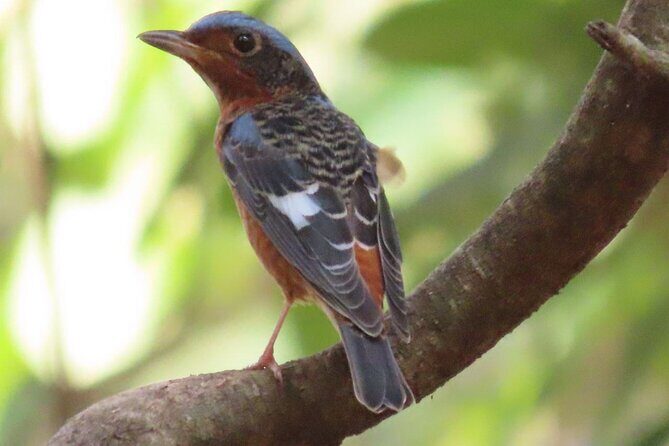
The Day 2 stop is long (about 9 hours) and specifically lists targets you can look for, such as Greater Racket Tailed (not easy), Forest wagtail, White rumped Shama, Red-whiskered Bulbul, and Puff-throated Babbler. It’s a mix of birds that can be detected by sight at times, but that also reward patience and listening.
If you’re wondering what makes this day feel different: you’ll be working in lowland broad-leaved and tropical moist forest settings. That changes bird behavior fast. Birds cluster around quieter micro-areas, song activity can be directional, and visibility can be limited by dense cover.
This is also where the guide’s tracking skill matters. When some birds don’t give you long looks, a guide who can use calls to locate them gives you a major advantage. The tour’s “moderate ease” rating is honest: it’s not casual sightseeing birding, but it’s also not a hardcore twitch-fest where you’re spending the whole day sprinting.


The Birds You’ll Be Targeting (and How Habitats Help)
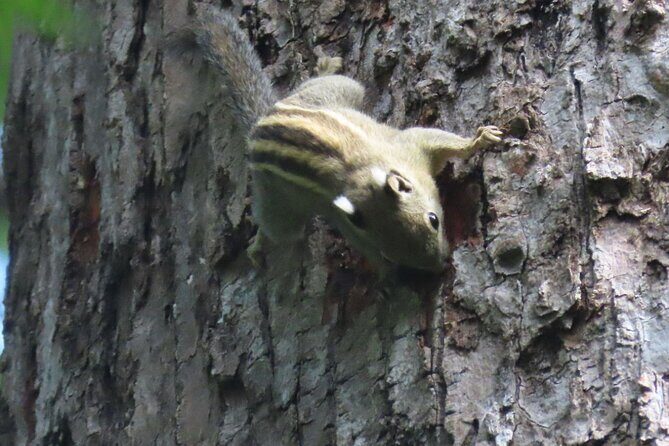
A strong bird tour doesn’t just list species. It tells you how the landscape supports them. This one covers habitats such as lotus fields, woodland, cultivation, rice fields, and tropical moist forest. That mix gives you a realistic shot at getting a broad species count.
Here’s how the habitat variety affects your odds:
- Lotus fields and lake edges can favor birds that feed in or around wetland vegetation.
- Rice fields and cultivation often concentrate activity where birds forage along open patches or field margins.
- Forest and woodland shift you toward birds that vocalize from cover, move through undergrowth, and require patience.
The tour’s species list includes birds from different feeding styles—kingfishers, drongos, flycatchers, bee-eaters, bulbul-type birds, and tailorbirds. That’s useful because it means you’re not only looking for one behavior. Some species will respond better to where you stand; others respond to sound and timing.
Also, the tour notes that ease of birding is moderate, with some “very tricky” species. That’s exactly what you want if you’d like to improve. If every target was easy, you wouldn’t learn much. You’d just check boxes. Here, you’re getting both satisfaction and a bit of challenge.
Guide Thong: The Difference Between Seeing Birds and Finding Birds
One theme from the trip’s standout comments is the quality of the bird leadership. Thong is described as a professional with English that makes the experience easy to follow. More importantly, his bird-finding method leans on bird calls. That’s big.
Many birds in forest and wetland habitats won’t politely show their full bodies. Calls are often your first clue. A guide who can interpret those calls and then lead you to the right micro-area can turn a frustrating “maybe I heard something” moment into an actual sighting.
This also affects how much you enjoy the day. Early birding can be tiring. But a guide who keeps you focused—without wasting time in irrelevant stops—turns effort into results.
There’s also a practical peace-of-mind factor mentioned in the reviews: skip the empty sightseeing detours. This tour is aimed at the countryside birding experience rather than spending time in tourist-heavy areas. That aligns with the whole purpose: more bird time, less waiting.
Photography Notes: When and Where Photos Work Best
The tour specifically says photographic opportunities are good. That tracks with two parts of the plan: early starts and habitat diversity.
Morning conditions often give you better light angles for small birds, and activity tends to be higher. In forest settings, photography can be harder because of cover and movement, but you’ll at least be in a place where birds are calling and moving.
If you’re thinking about camera gear, the most realistic approach is to be ready for short sightings rather than long posing sessions. In dense forest and around wet fields, birds often appear and disappear quickly. So you’ll do best if you’re prepared to react fast rather than waiting for perfect conditions.
Who This Tour Fits Best (and Who Might Want Something Else)
This trip fits best if you:
- like birding that mixes learning with real field effort
- enjoy sunrise starts and outdoor walking
- want a guided experience that includes both wetlands/ag fields and forest habitat
It may not be the best fit if you:
- dislike long, early days (Day 1 and Day 2 are each listed around 9 hours for the main stop time)
- want a totally relaxed, no-walking experience
- can’t handle humid lowland conditions and occasional rain showers
The tour also lists moderate physical fitness as the baseline. You don’t need to be an athlete, but you should be comfortable walking and standing for long periods in daylight and early morning.
The group size (max 8) is another clue about fit. If you like a more personal experience than a big bus tour, this will feel right.
Value Checklist: What’s Included vs. What You’ll Handle
Included:
- Local birding guide & local guide
- Air-conditioned vehicle
- One night homestay at Chambok Community Based Ecotourism
- Breakfast (2) and Lunch (2)
- Pickup offered
- Mobile ticket
- Group discount options (listed)
Not included:
- Dinner and the Chambok Ecotourism Community entrance fee (7 USD)
- Miscellaneous personal expenses and tips
- Travel insurance
This setup is pretty straightforward. The included meals cover the energy you need for sunrise birding, and you’re given one night in the countryside rather than commuting back and forth nonstop.
Weather, Timing, and the Reality of Rain
The tour is clear that it needs good weather. If poor weather cancels it, you’ll be offered a different date or a full refund. That’s important because birding is extremely sensitive to rain and wind—calls change, visibility drops, and you spend more time waiting.
With humid lowlands and occasional rain showers expected, I’d treat this as a trip where flexibility helps. If the sky clears, you’ll likely get stronger bird activity. If it doesn’t, the guide will still work the plan, but your results can shift.
Should You Book This Birds Tour?
If you want a birding trip that’s focused, guided, and rooted in real habitats—this is a strong pick. The combination of sunrise birdwatching, habitat variety, and a small group (max 8) helps you see more birds and learn faster than you would on your own.
I’d especially recommend it if you value the guide’s method. The standout detail here is Thong’s approach using calls to locate birds, plus his strong English and passion for birding. That’s the difference between merely watching and actually finding.
Book it if you’re okay with early mornings, moderate walking, and the chance of rain. Skip it if you need a completely comfortable, low-effort outing or you can’t handle humid outdoor conditions.
FAQ
FAQ
How much does the Phnom Penh & Kirirom National Park Birds Tour cost?
The price is $350.00 per person.
How long is the tour?
It runs for 2 days (approx.).
Do I get pickup?
Pickup is offered.
How big is the group?
The tour has a maximum of 8 travelers.
What’s included in the tour price?
It includes a local birding guide & local guide, air-conditioned vehicle transport, one night homestay at Chambok Community Based Ecotourism, and breakfast (2) plus lunch (2).
What meals are not included?
Dinner is not included, and you’ll also need to account for the Chambok Ecotourism Community entrance ticket fee of 7 USD.
When does the tour start?
The start time is 5:30am.
What kind of birding difficulty should I expect?
Birding is rated as moderate, with some very tricky species.
What weather conditions affect the tour?
The experience requires good weather. If it’s canceled due to poor weather, you’ll be offered a different date or a full refund.
What is the cancellation policy?
You can cancel for a full refund up to 24 hours in advance of the experience start time.