REVIEW · SIEM REAP
Private Angkor Wat Tour from Siem Reap
Book on Viator →Operated by Siem Reap Excursion Tour · Bookable on Viator
Angkor Wat can feel overwhelming fast. This private day trip turns the huge Angkor ruins into a clear, bite-sized route with hotel pickup and a private guide who makes the Khmer stories click. I especially like that you get air-conditioned comfort between major temple clusters, plus cold towels and bottled water to keep you moving.
The one catch to plan for: the Angkor complex entrance fee is not included (about USD $37 for a day pass), and food isn’t included either. Still, if you want a first-timer-friendly way to hit the big sights without a stressful public-transport day, this format is hard to beat.
You start at 8:00 am, usually returning after a full 8 hours. The route covers Angkor Wat, Angkor Thom, Bayon, Ta Prohm, and Banteay Kdei—so you’ll see the iconic faces and the overgrown mystery in one go.
In This Review
- Key highlights worth your attention
- Why a private Angkor Wat day trip feels easier than you expect
- Hotel pickup at 8:00 and the real value of staying cool
- Angkor Wat: a national symbol, plus the “what am I looking at” guide
- Angkor Thom’s south gate: demons, gods, and a giant naga
- Terrace of the Elephants and the Terrace of the Leper King: views with a story
- Bayon’s face towers and the Baroque-inspired Khmer style
- Banteay Kdei: smaller, quieter, and great for carving detail
- Ta Prohm’s overgrown mood: where trees seem to hold the ruins
- Lunch break and heat strategy that actually works
- Price and value: what USD $67.50 really buys you
- Choosing the right guide: Sim, Chen, Sao Vicheth, and the English check
- Practical tips to get the most from your 8-hour route
- Should you book this private Angkor Wat tour?
- FAQ
- Is hotel pickup and drop-off included?
- What’s included in the tour price?
- Are Angkor complex entrance fees included?
- How long is the tour?
- What time does the tour start?
- Can I cancel for a refund?
Key highlights worth your attention
- Private guide focus: you can move at your pace, ask questions, and get real explanations at each stop
- Air-conditioned comfort: you’re not stuck baking in open-air heat between ruins
- Terrace views with real context: the Elephants and Leper King terraces connect to royal use under Jayavarman VII
- Angkor Thom south gate drama: demons, gods, and a giant naga moment you won’t forget
- Photo-ready guidance: several guides are praised for finding great angles and taking memorable pictures
- Heat support: cold towels and bottled water get used often enough to matter on a hot day
Why a private Angkor Wat day trip feels easier than you expect
Angkor Wat is one of those places where the scale hits you in the chest. The temple complex sits across a vast area—about 155 square miles (400 sq km)—and that can make a self-guided day feel like you’re constantly guessing what matters next. With a private guide, you get a sequence you can follow, plus context so carvings and symbols stop looking like random decoration.
I also like how this tour keeps things practical. You’re in a private car with an English-speaking guide, and you get water and cold towels during the day. That matters because the ruins involve a lot of sun, steps, and walking, even if you’re not trying to race from one photo spot to the next.
The route is built for first-timers. You get the “main show” (Angkor Wat and Bayon) plus the mood-shifters that make Angkor feel eerie and human (Ta Prohm and the terrace viewpoints).
You can also read our reviews of more private tours in Siem Reap
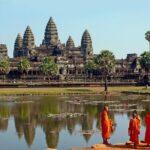
Hotel pickup at 8:00 and the real value of staying cool
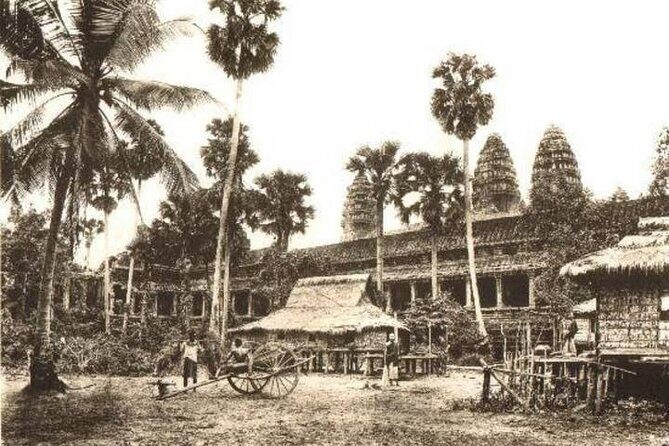
Starting at 8:00 am is smart. Earlier hours usually mean softer light and less time fighting peak heat for your first big temple. The other advantage is logistics: pickup and drop-off at your hotel means you don’t waste your best morning figuring out transport.
The transport upgrade is more than comfort theater. You’ll move between Angkor zones by a private air-conditioned vehicle, so you can recover between stops. In the kind of weather Siem Reap serves up, that reset time is what keeps you from getting cranky, sore, or just slow.
Many people also mention the small comforts: bottled water and cold towels handed over between excursions. That’s not fluff. It’s the difference between pushing through and actually enjoying the next temple.
Angkor Wat: a national symbol, plus the “what am I looking at” guide
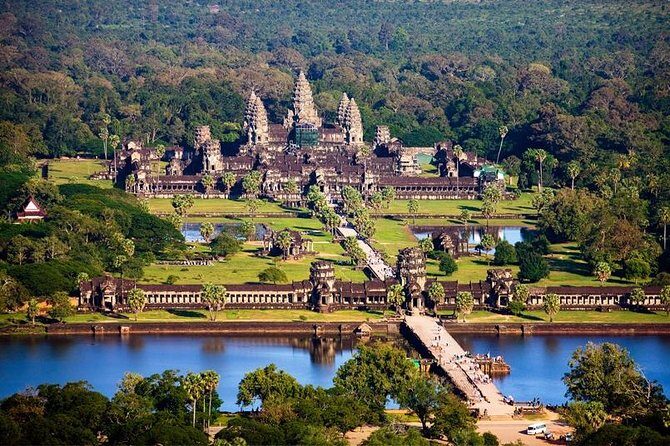
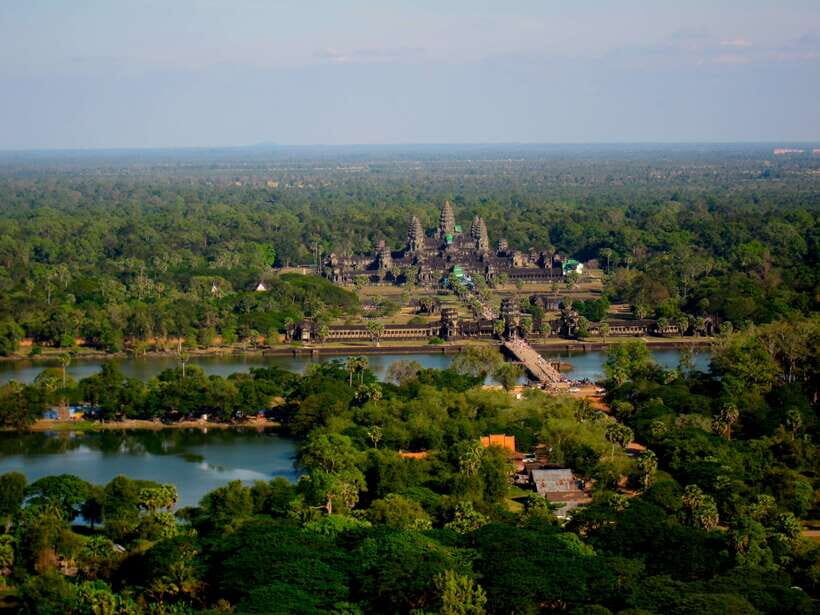
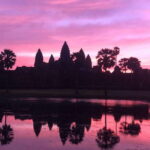
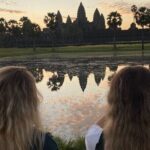
Angkor Wat isn’t just one temple. It’s the symbol of Cambodia and the center of the entire Angkor story. Your day includes visits to the main Angkor Wat area, with the chance to see traditional Khmer designs, shrines, and intricate carvings.
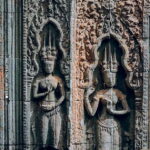
What makes a guided approach work here is orientation. Even when you’re standing in a place people call the most famous on earth, you can still miss what’s meaningful—what the carvings symbolize, why particular shrines sit where they do, and how the temple’s layout ties to the Khmer Empire’s beliefs.
Also, Angkor is famous for the way nature moves in around stone. The Angkor Wat region includes forested areas, so it doesn’t feel like you’re only looking at architecture. You’re seeing architecture plus the real-world setting that makes these ruins feel alive.
Angkor Thom’s south gate: demons, gods, and a giant naga
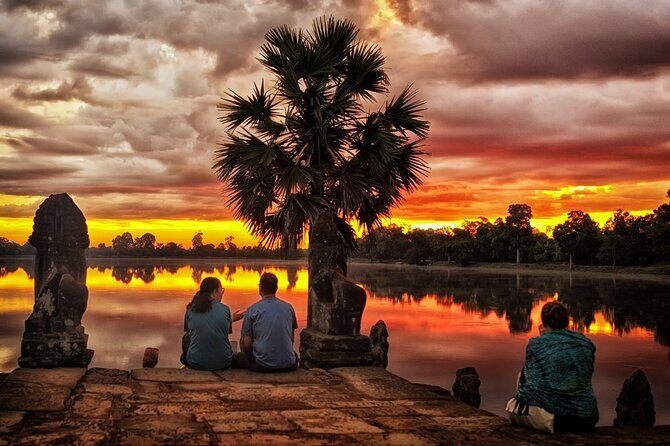
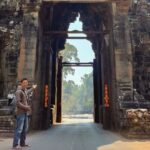
Next you head to Angkor Thom, the last-known capital of the Khmer Empire. This is the walled, dramatic city space—big walls, strong geometry, and gates that act like a stage set.
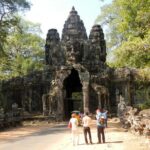
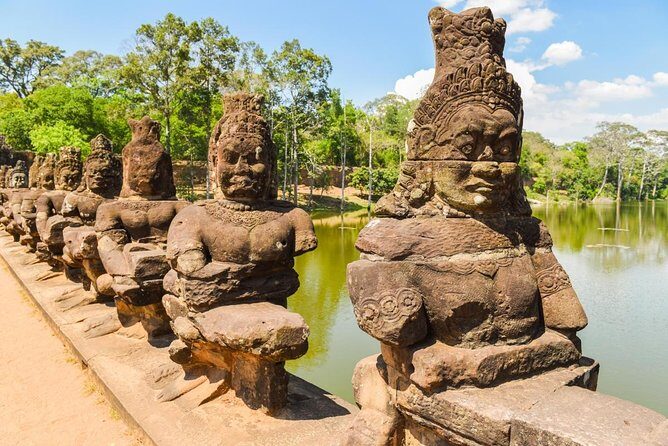
At the massive south gate, you’re greeted by lines of statues featuring demons and gods carrying a giant naga (a snake-like deity). That moment is the kind of scene you remember later, because it instantly tells you that this wasn’t a neutral “tourist stop.” It’s religious storytelling in stone.
A good guide helps you make sense of what you’re seeing without turning it into a lecture. The goal is for you to walk in and think, I get it now—this isn’t random drama. It’s myth made visible.
Terrace of the Elephants and the Terrace of the Leper King: views with a story
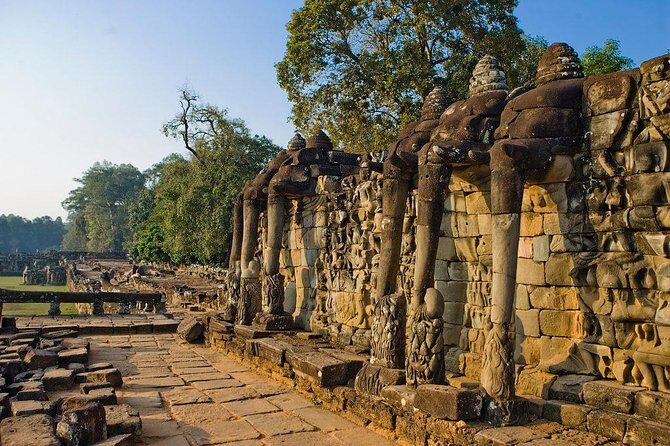
The terraces are where Angkor becomes theatrical. The Terrace of the Elephants acts as a viewing platform, and it’s a place to pause, look out, and feel the scale of everything you’ve been moving through.
Then there’s the Terrace of the Leper King—named in a way that hints at local legend, but used for something far more specific in the royal world. This terrace served as a royal cremation site used by King Jayavarman VII. Standing there, you can connect the stone details to the people who built and used these spaces.
Practical tip: terraces mean sun exposure and often more standing and stairs. Bring patience, not speed. If your guide is good (and many seem to be), they’ll steer you toward the best angles and timing so you don’t just survive the climb—you get a real payoff.
Bayon’s face towers and the Baroque-inspired Khmer style
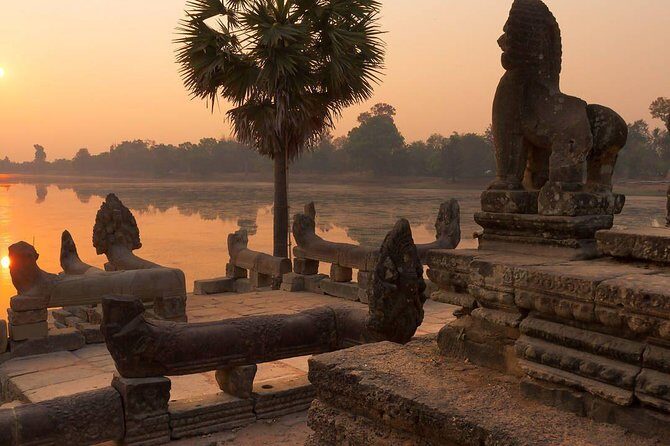
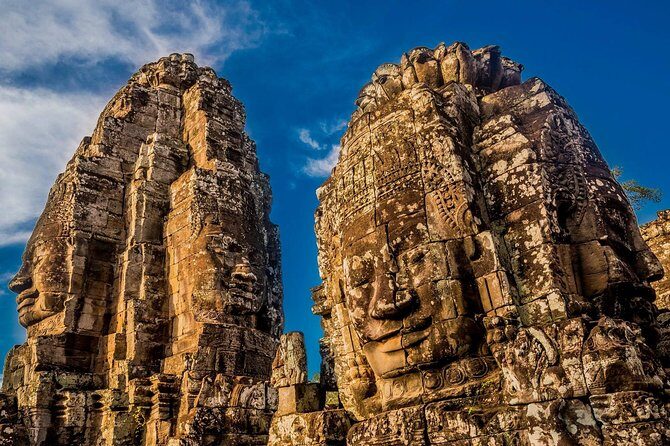
Bayon is one of the most recognizable stops in the Angkor complex. You’ll see its distinctive stone structures, described as influenced by Baroque-inspired Khmer architecture—meaning the design feels layered and expressive, not just geometric.
The big draw is the stone face towers. They’re symbolic and haunting at the same time. With a guide, you get help noticing how different views change the mood: from certain angles the faces feel almost stern, and from others they look calmer, like the expression shifts with your position.
This is also a good place to ask questions. If you’re new to Hindu-Buddhist Khmer art, Bayon gives you the anchor points you need to understand the rest of the day.
Banteay Kdei: smaller, quieter, and great for carving detail
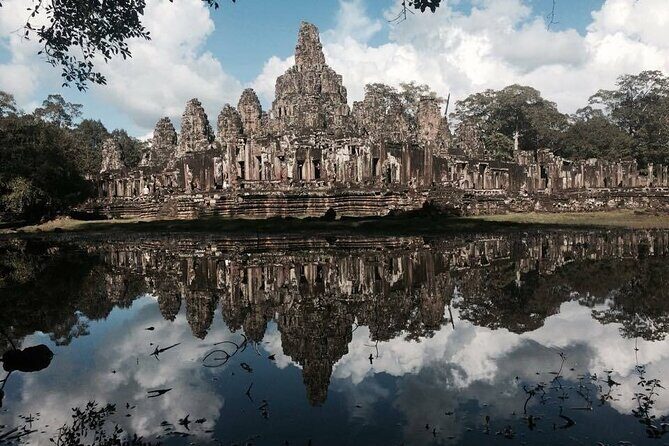
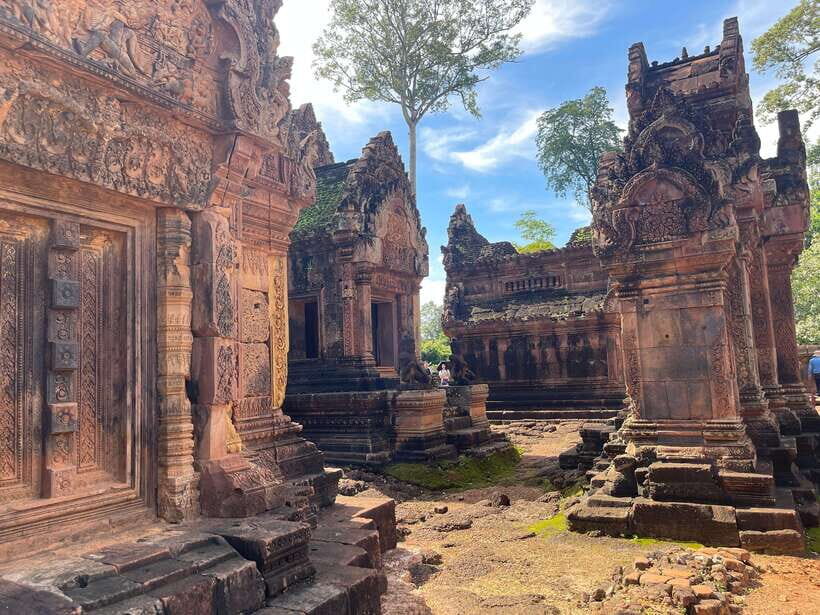
After Bayon, you visit Banteay Kdei. This is one of those temples where you can slow down without feeling like you’re wasting time. People tend to rush the “top hits,” but Banteay Kdei gives you a chance to look at carvings and stonework with less crowd pressure.
The big advantage of including Banteay Kdei in a single day is contrast. Your eyes go from grand, dramatic scenes to more intricate, human-scaled details. That contrast makes the whole day feel more complete.
Ta Prohm’s overgrown mood: where trees seem to hold the ruins
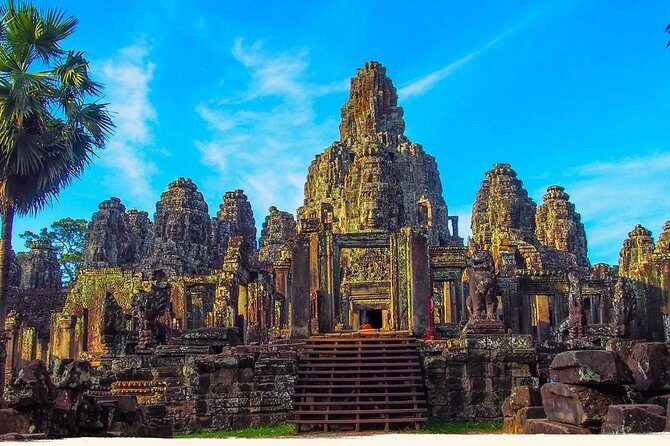
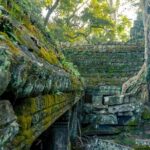
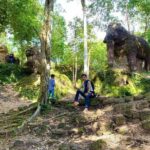
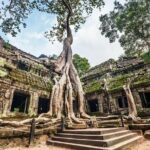
Then you move to Ta Prohm, famous for its overgrown atmosphere. This is the eerie-feeling temple stop—the one that makes you slow your steps and look up, because the roots and branches change how you experience the space.
If you like your travel with a little mystery, Ta Prohm delivers. It’s not only stone and symbolism; it’s nature pressing in, which changes light, shade, and how the ruins frame your photos.
And again, having a guide matters. They can point out what’s worth your time and how to pace yourself on the uneven ground so you don’t spend the day constantly watching your footing without absorbing what you’re looking at.
Lunch break and heat strategy that actually works
Food isn’t included in the tour price, but there’s a scheduled lunch break. I like that this day trip includes a plan rather than leaving you to solve meals in the heat on your own.
In at least some cases, lunch is taken at a spot with a lake view, and one person specifically mentioned water lilies. Even if your exact lunch choice varies, the pattern is clear: you get a real break to cool down and reset.
Here’s the heat reality: Angkor involves lots of steps and walking, and it can be very hot and humid. The tour helps with bottled water and cold towels between temple legs, which you’ll appreciate on a long day. If you’re sensitive to heat, use that cooling window every time you’re handed the towel.
Price and value: what USD $67.50 really buys you
At $67.50 per person, this is positioned as a budget-friendly private tour. But the real value comes from what’s included: private car and driver, private English-speaking guide, hotel pickup/drop-off, air-conditioned transport, bottled water, and cold towels.
The entrance fee is extra. The day pass is listed as about USD $37. So a realistic day total is more like the base tour plus the ticket, then add food and drinks.
Still, consider what you’re avoiding. You’re not paying for your time lost to transport confusion, you’re not stuck with long waits, and you’re not relying on translation apps to understand the carvings. For many people, that’s the difference between checking Angkor Wat off a list and actually feeling like you understood it.
Also, this tour is described as popular enough that it’s often booked about 64 days in advance. If you have a narrow travel window, it’s smart to book early to secure a private guide and the timing you want.
Choosing the right guide: Sim, Chen, Sao Vicheth, and the English check
What you get in practice depends on your guide, and the feedback here shows some consistent strengths. People repeatedly praise guides such as Sim and Chen for being engaging, patient with questions, and clear with history. Guides like Sao Vicheth and Sim Kimhour are also praised for photography skills—meaning you spend less time asking strangers and more time getting proper shots from good angles.
One important caution: not every English delivery will land perfectly. There’s at least one clear warning to make sure your guide’s English works for you before booking, especially if you want detailed explanations. It’s also wise to be alert to extra stops that feel like shopping pushes. If you’d rather focus only on temples, I’d tell your guide upfront that you’re skipping store detours.
On the positive side, multiple people highlight that guides keep a good sense of pace. Even for guests who need help with steps (one person mentioned a cane), the guide made terrain feel manageable. That’s a sign to ask about your own comfort level and to request slower pacing if needed.
Practical tips to get the most from your 8-hour route
Wear shoes you trust. Angkor grounds can be uneven, and the steps stack up quickly even when you’re trying to move gently. A hat and sunscreen help a lot, and you’ll want a small bag that stays light.
Also, don’t underestimate hydration. You’ll get water and cold towels, but you still should drink consistently rather than waiting until you feel wiped.
If you care about photos, bring an easy way to share or save images (like email or cloud storage). Several guides are praised for taking memorable pictures, so it helps if you tell them what you want—selfies, family shots, or temple portraits.
Lastly, go with flexibility. A private tour is the best excuse you have to slow down for something you notice. When a guide can adjust on the spot, the day feels less like a checklist and more like a guided experience.
Should you book this private Angkor Wat tour?
Book it if you want an easy first-timer plan that hits the major Angkor Wat highlights plus the key surrounding temples in one day. The private guide + AC vehicle combo is especially valuable if you hate waiting, dislike open-air travel in heat, or want explanations that make the carvings meaningful.
I’d hesitate if you’re trying to keep costs ultra-tight, because the tour price doesn’t include the Angkor day pass (about USD $37) or your lunch and drinks. I’d also be selective about the guide’s English and politely decline any sales-style store stops if that’s not your thing.
If you fit the sweet spot—private attention, comfort between stops, and a route that covers the classics—this is a strong choice for a memorable Angkor Wat day from Siem Reap.
FAQ
Is hotel pickup and drop-off included?
Yes. The tour includes hotel/port pickup and drop-off as part of the service.
What’s included in the tour price?
The price includes a private car and driver, a private English-speaking guide, private transportation, an air-conditioned vehicle, and bottled water/cold towels. Entrance fees and food/drink are not included.
Are Angkor complex entrance fees included?
No. Entrance fees are not included, and the day pass is listed as approximately USD $37.
How long is the tour?
It’s listed as about 8 hours.
What time does the tour start?
The start time is 8:00 am.
Can I cancel for a refund?
Yes. Free cancellation is available up to 24 hours in advance of the experience start time for a full refund.