REVIEW · SIEM REAP
Siem Reap: Kulen Mountain, Beng Mealea, and Kampong Phluk
Book on GetYourGuide →Operated by Passion Indochina Travel Co.,Ltd. · Bookable on GetYourGuide
Sacred stones and floating homes in one day. This tour strings together the Khmer world—holy hills, temple ruins, and life on Tonle Sap—without wasting time circling the same places.
I really liked the River of a Thousand Lingas stop, especially the carved river floor and the chance to receive a blessing with holy water the Cambodian way. I also enjoyed Beng Mealea’s ruined-temple maze, where the wooden walkways make it easier to explore safely while the whole site still feels wild and unfinished.
One thing to consider: the tour price is only the start, because the main temple and boat fees are added separately and can raise the total for a day out.
In This Review
- Key highlights worth planning around
- How much you’ll pay: the real value math
- The early drive: why the schedule feels efficient
- Preah Dak and Palm Sugar Village: the day’s warm-up
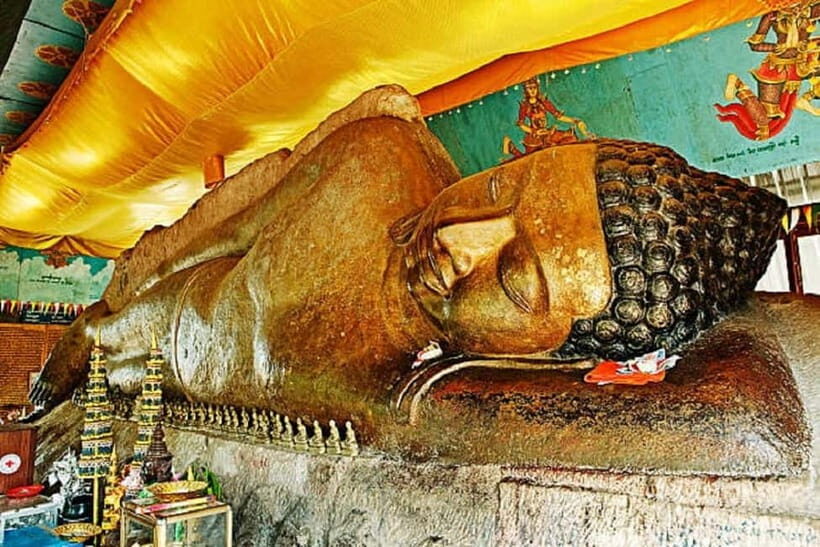
- Phnom Kulen National Park: pagoda views and the reclining Buddha
- The River of a Thousand Lingas: carved stone and a real blessing
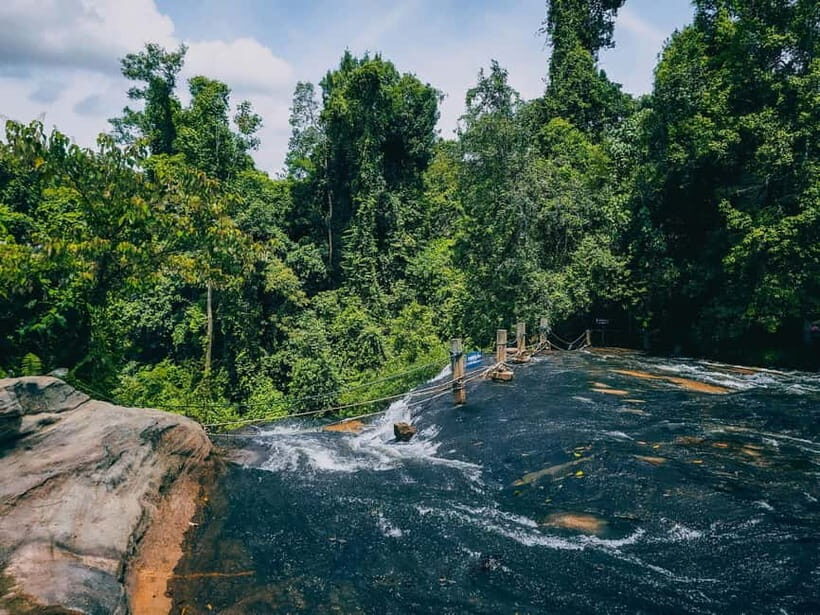
- Kulen waterfall time: your breathing space in the middle
- Beng Mealea: why this temple feels different from Angkor
- Kampong Phluk by boat: floating village life on Tonle Sap
- Mangrove forest wildlife and a monastery on an island
- What to pack and how to pace yourself
- Who this tour suits best (and who should think twice)
- Should you book this Siem Reap tour?
- FAQ
- What time does the tour pick me up in Siem Reap?
- How long is the tour?
- Is there an admission fee for Kulen Mountain?
- Do I need a separate pass for Beng Mealea?
- How do I visit Kampong Phluk, and is there a boat/lake pass cost?
- What’s included in the tour price?
- Are meals included?
- Is the guide English-speaking?
- What group size options are available?
- What is the cancellation policy?
- Is free cancellation really available?
Key highlights worth planning around
- River of a Thousand Lingas + holy-water blessing at Phnom Kulen (yes, it’s as memorable as it sounds)
- Reclining Buddha in the holy setting of Phnom Kulen National Park
- Beng Mealea’s broken-jigsaw layout with wooden walkways for steadier views
- Kampong Phluk by boat to see the floating village and real daily life on the lake
- Mangrove forest and wildlife around Tonle Sap, including crab-eating macaques
- Rural road stops for Preah Dak village scenes and Palm Sugar Village demos
How much you’ll pay: the real value math
The headline price is $85 per person for a full day (about 10 hours). That covers hotel pickup and drop-off, A/C transport (car or minivan), an English-speaking guide, plus mineral water, towels, and seasonal fruit.
But you should budget for three add-on costs, because the tour doesn’t include them:
- Kulen Mountain admission: $20 per person
- Beng Mealea pass: $10 per person, or you can use a valid Angkor pass for that stop
- Tonle Sap lake pass + boat ride at Kampong Phluk: $15 per person
So if you’re paying all three separately, you’re looking at about $130 total per person. If you already have a valid Angkor pass, the total can be lower due to the Beng Mealea option.
For me, the value comes from the mix: you’re not just seeing temples. You’re also getting rural Cambodia glimpses (Preah Dak and Palm Sugar Village) and a proper Tonle Sap boat experience, which is often the most time-consuming piece to arrange on your own.
You can also read our reviews of more tours and experiences in Siem Reap.
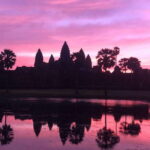
The early drive: why the schedule feels efficient
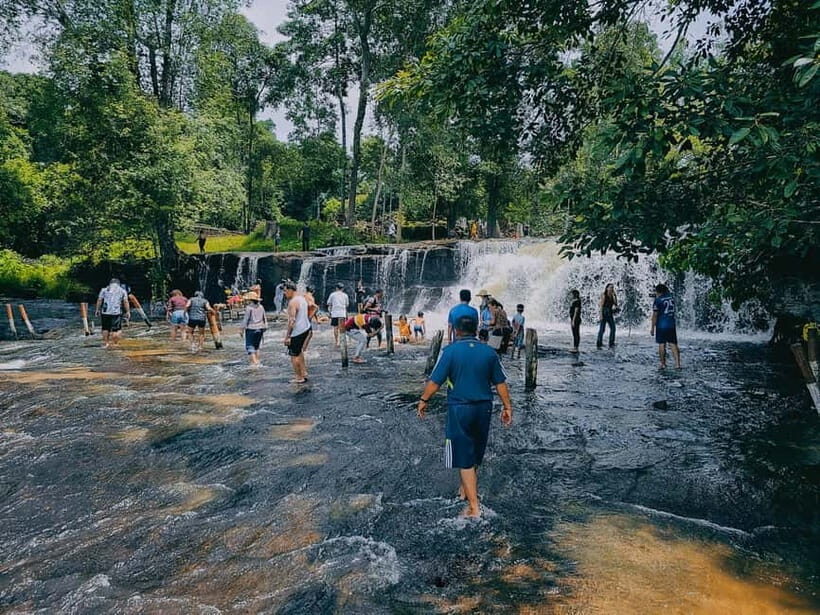
Pick-up happens from Krong Siem Reap hotels around 7:30 am or 8:00 am, and you’ll be asked to wait in the lobby about 30 minutes early. The timing matters. You’ll spend your morning moving through Phnom Kulen with enough daylight to enjoy the stops, then pivot to Beng Mealea after lunch break, and finish with Kampong Phluk before the day gets too late.
The route includes short pauses that are actually useful:
- photo stops that don’t feel rushed
- a bit of guided walking at the key sites
- breaks built into the day around waterfalls and longer temple areas
This is one of those trips where a good guide matters. Your guide’s job isn’t just pointing at things. They explain what you’re seeing—so each location feels linked instead of like separate stops on a checklist.
Preah Dak and Palm Sugar Village: the day’s warm-up
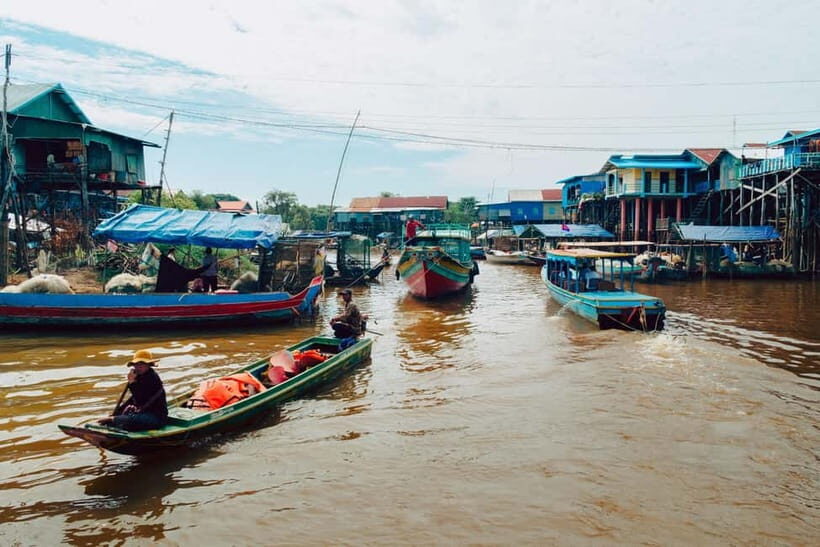
Before you even reach Phnom Kulen, the drive passes through rural communities in the Preah Dak area. This is more than a scenery break. You get a chance to notice how locals live: everyday routines, plus views like rice paddies and traditional dwellings.
Then you’ll stop at Palm Sugar Village. The point here is simple and practical: you get to see how Cambodian families make their own sugar to support their homes and local villages. It’s not a performance for tourists. It’s a look at a living craft tied to real needs.
If you enjoy understanding how places work beyond the main attractions, this section is a nice reality check. It also helps break up the long transfer before the bigger temple moments start.
Phnom Kulen National Park: pagoda views and the reclining Buddha
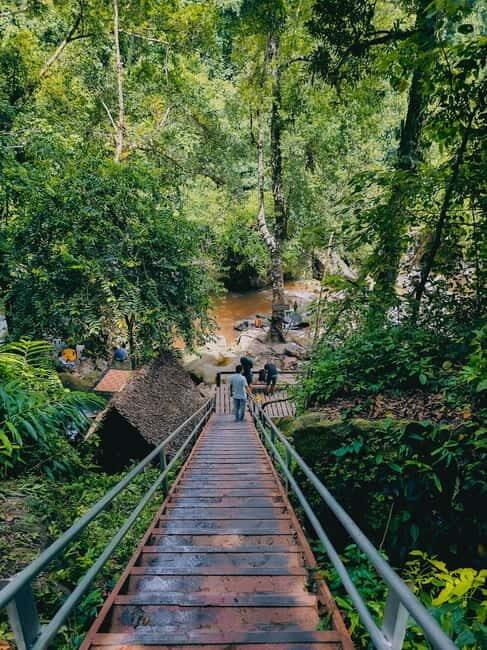
Phnom Kulen National Park is where the day turns from countryside into sacred geography. After your Kulen Mountain ticket purchase, you’ll drive toward the park for about an hour, then begin exploring.
You’ll visit a pagoda and then get time to see the world-famous Reclining Buddha at rest. The big thing here is the setting. This isn’t just a photo spot. You’re walking through a religious space that holds meaning for both Hindus and Buddhists, so the atmosphere feels more layered than a typical temple visit.
Expect:
- guided time with stops to learn what you’re looking at
- walking time to take it in at your own pace
- a chance to step back, breathe, and not feel like you’re sprinting between monuments
If you’re wondering whether this stop is worth leaving your air-conditioned car for, yes—because the viewing areas and the religious context make the short walk feel purposeful, not just ceremonial.
The River of a Thousand Lingas: carved stone and a real blessing
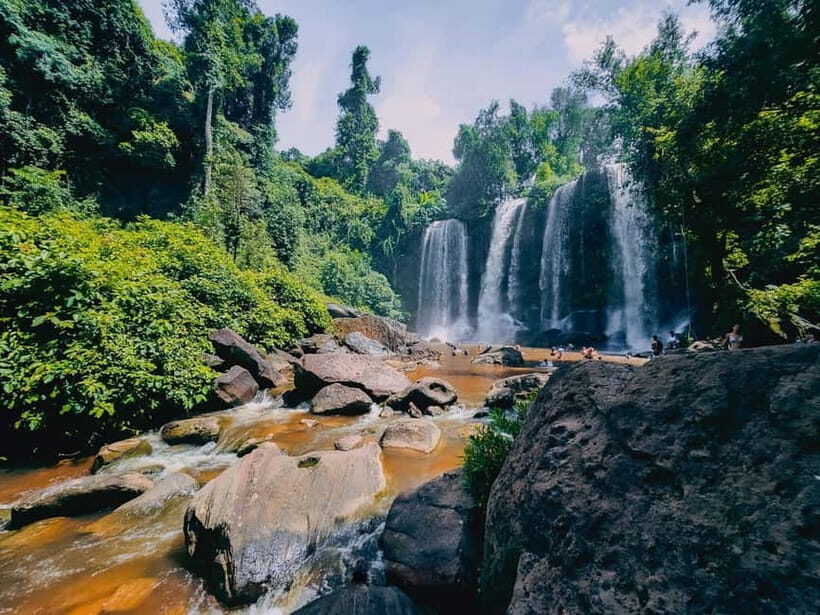
Next comes one of the tour’s signatures: the River of a Thousand Lingas. The floor is adorned with Shiva Linga carvings, which is what makes the place feel distinctive even before you get to the details about the ritual.
Your guide will bring you through the meanings tied to the location. Then you’ll receive a blessing in the Cambodian way using holy water from the sacred river.
This is the moment that tends to stick with people because it’s more than sightseeing. It’s a lived tradition. Even if you don’t fully know the symbolism before you arrive, you’ll leave understanding that the carvings and the water are part of a religious practice—not just decoration.
Small practical note: treat this like a spiritual stop, not a wipe-clean photo set. Go slowly and listen to your guide’s cues so you don’t feel rushed or awkward.
Kulen waterfall time: your breathing space in the middle
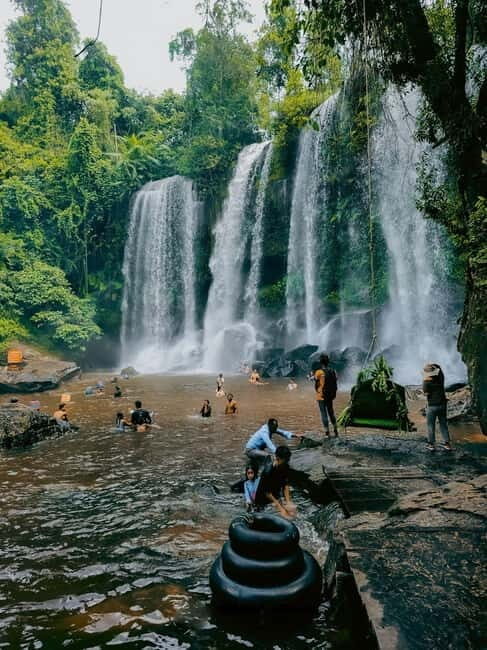
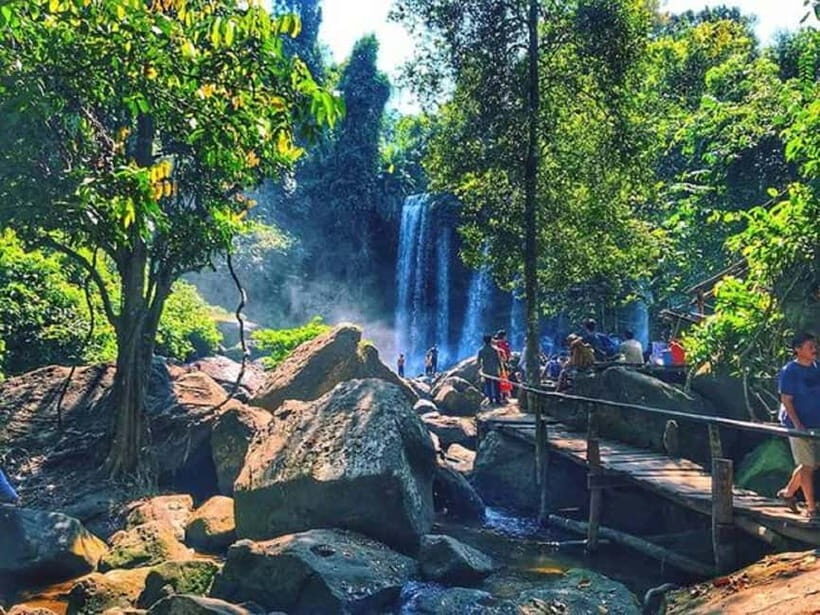
The itinerary includes time at Kulen waterfall with a longer break window—about 1.5 hours. This is your buffer point in the day. You’ll have photo stops, guided time, and then free time to relax and explore.
What I like about this structure:
- You get a chance to cool off and reset
- The waterfall break helps keep the later ruins and lake ride from feeling exhausting
- It’s also the time where you can handle basics like water and snacks, if you need them
Because the tour includes water, you won’t arrive dehydrated. Still, plan like you’ll be walking and standing on uneven ground at temple sites and around water areas.
Beng Mealea: why this temple feels different from Angkor
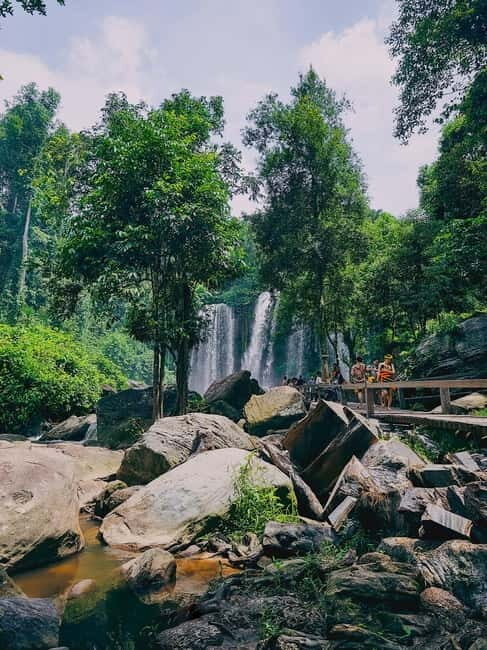
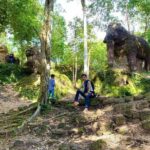
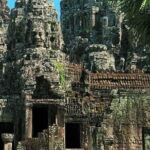
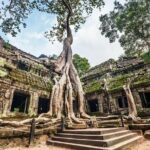
After lunch break, you head to Beng Mealea, a jungle-clad temple that looks like it’s been smashed and left where it fell. That’s the appeal. The place is in a state of disrepair that resembles a giant jigsaw puzzle.
The best part is that it’s not trying to be perfect. It feels atmospheric, lived-in by nature, and a bit unpredictable in how you move through the space.
Practical win: Beng Mealea is now more accessible thanks to a wooden walkway. It provides safer footing and a slight elevation, which means better views without you having to balance on risky rubble.
You’ll also learn how Beng Mealea has both Buddhism and Hinduism attributes, so the site doesn’t read as a single-style temple. And the timing matters here too—this temple can be especially mesmerizing in the wet season, when the jungle and moisture change the feel of the ruins.
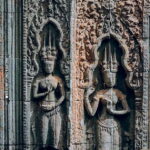
If you already know Angkor’s big carved grandeur, Beng Mealea offers a different flavor: smaller details, broken geometry, and the sensation that the temple is partly reclaimed by its surroundings.
Kampong Phluk by boat: floating village life on Tonle Sap
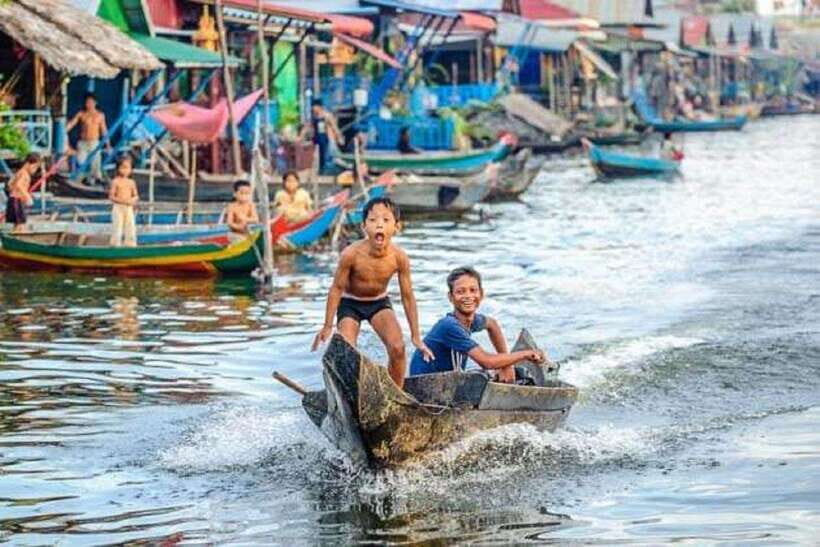
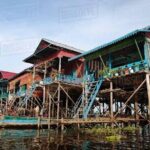
The day’s final big shift is to the lake. You’ll take a local boat to explore Kampong Phluk, a famous floating village on Tonle Sap lake.
This stop is hands-on. You’re not just looking from shore. You’re riding through the village environment so you can see how families actually live and work. Many make their income primarily from fishing. The houses are on poles and painted in bright colors, and because the village is built for changing water levels, high water in rainy season isn’t a crisis—it’s expected.
The guided walk and sightseeing time give you context for what you’re seeing, so the boat ride doesn’t feel like a random tourist loop.
A note on reality: you’ll see everyday life, not a staged market. That’s what makes it powerful.
Mangrove forest wildlife and a monastery on an island
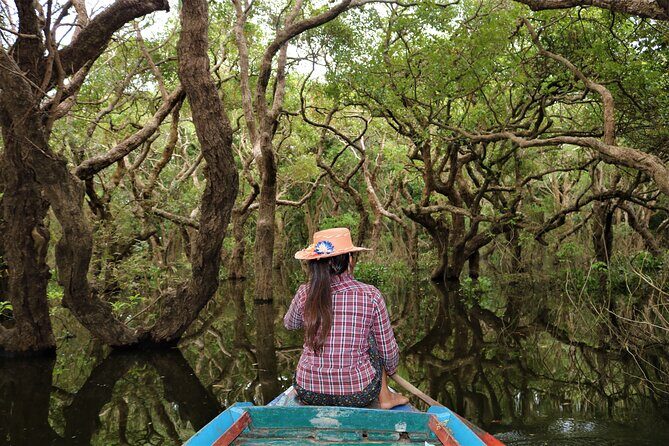
Around Kampong Phluk, you’ll also explore the flooded mangrove forest. The area is home to crab-eating macaques and there are said to be about 3,000 inhabitants in the region.
Then you’ll visit a Buddhist monastery built on an artificial island. It’s a contrast moment: the floating community and water-bound structures, followed by a more focused spiritual space.
If you’re the type of person who notices how humans adapt to environment, you’ll enjoy this part. The whole area is a lesson in building with water, not against it.
What to pack and how to pace yourself
This is a long, active day. Even with a car and boat, you’ll spend time walking and standing at multiple sites, including ruined temple areas.
I’d plan for:
- Sun and heat: you’ll be outdoors at least for the park and waterfall time
- Comfortable shoes: Beng Mealea in particular can involve uneven ground (even with walkways)
- Light layers: mornings can feel cooler before the day warms up
- Cash for fees: you’ll need the Kulen Mountain admission and the Kampong Phluk boat/lake pass
You also get mineral water and fruit, which helps. Still, if you get hungry, you’ll likely want snacks for long stretches, especially around the lunch break period.
Who this tour suits best (and who should think twice)
I think this trip fits you if you want:
- a mix of temples and lived-in places in one day
- a guide-led approach where you learn what you’re seeing (not just collect photos)
- varied scenery: holy mountain sites, broken jungle ruins, and floating lake life
It might be less ideal if you:
- hate long days with lots of movement and multiple stops
- prefer to choose each site at your own pace without a set flow
- strongly want everything included in the price (because major fees are extra)
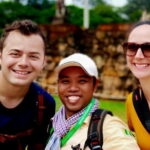
The guide quality seems to be a real strength of the operator. Verified bookings mention a patient, friendly guide who explains history and shows you around carefully, plus someone who helps with photos during the day.
Should you book this Siem Reap tour?
If your ideal Siem Reap day includes more than Angkor’s main circuit, I’d book it. The combination makes sense: Phnom Kulen for sacred Khmer connections, Beng Mealea for that broken-temple atmosphere, and Kampong Phluk for a Tonle Sap boat experience that’s hard to replicate casually on your own.
Just do the one homework step: add the $20 Kulen ticket, $10–(or Angkor pass) for Beng Mealea, and $15 Tonle Sap boat/lake pass to your budget so there are no surprises.
If that total still works for you, you’ll get a full-day sweep of Cambodia that feels grounded in real places, not only postcards.
FAQ
What time does the tour pick me up in Siem Reap?
Pickup is included from your hotel area in Krong Siem Reap around 7:30 am or 8:00 am. You should wait in the hotel lobby about 30 minutes before your scheduled pickup time.
How long is the tour?
The full experience runs for about 10 hours.
Is there an admission fee for Kulen Mountain?
Yes. Kulen Mountain admission is $20 per person and it is not included in the base price.
Do I need a separate pass for Beng Mealea?
Yes. The Beng Mealea pass is $10 per person, but you can use a valid Angkor pass for the visit instead.
How do I visit Kampong Phluk, and is there a boat/lake pass cost?
You take a local boat to explore Kampong Phluk. The Tonle Sap lake pass with a boat ride is $15 per person and it’s not included.
What’s included in the tour price?
The included items are hotel pickup and drop-off, A/C transportation, an English-speaking tour guide, mineral water, towels, and seasonal fruits.
Are meals included?
The tour mentions a lunch break, but meals are not listed as included. Plan on handling food during the break.
Is the guide English-speaking?
Yes. The tour includes an English-speaking live guide.
What group size options are available?
The experience offers private or small groups available.
What is the cancellation policy?
You can cancel up to 24 hours in advance for a full refund.
Is free cancellation really available?
Yes. The tour states free cancellation up to 24 hours in advance for a full refund.