REVIEW · SIEM REAP
2-Day Angkor Wat With Small, Big Circuit and Banteay Srei Tour
Book on Viator →Operated by Happy Angkor Tour · Bookable on Viator
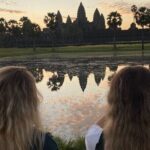
Angkor Wat at sunrise changes your whole day. This private 2-day Angkor Wat Small and Big Circuit plan slows things down and gives you time to actually see what makes Angkor special. You’ll pair iconic stops with lesser-crowded ruins, and end with Banteay Srei’s pink sandstone glow.
One thing I love is the pacing. Instead of doing a blur of temples, you get a true two-day flow: Small Circuit first, then sunrise at Angkor Wat on day two, plus the Big Circuit temples afterward. Another big win is the guide setup: you’re not stuck listening to rushed explanations. You’ll hear the stories and symbolism tied to the carvings, gates, and temple layouts while you’re standing in front of them.
A possible drawback is that this is a lot of walking—and some areas include stairs. The days start early, and Angkor can be hot and humid in the middle of the day, so you’ll want good shoes and realistic energy.
In This Review
- What You’ll Remember Most
- Why This Two-Day Angkor Wat Plan Feels More Human Than a One-Day Rush
- Day 1: Small Circuit to Angkor Thom Core (Where the Jungle and the Stone Both Shine)
- Ta Prohm: The Temple-Look That Never Gets Old
- Ta Nei: A Quieter Temple for People Who Want Less Noise
- Angkor Thom Highlights: Victory Gate to Bayon
- Baphuon, Phimeanakas, and the Royal Enclosure Pieces
- Terrace of the Elephants and Terrace of the Leper King
- Phnom Bakheng: Sunset Option and the Reality Check
- Day 2: Sunrise at Angkor Wat, Then the Big Circuit’s Key Ruins
- Preah Khan: A Huge Monastic Feel
- Neak Pean and Ta Som: Small Stops With Personality
- Eastern Mebon and Pre Rup: Temple-Mountains and Funerary Meaning
- Banteay Srei: The Pink Sand Stop That Changes the Color Palette
- Banteay Samre and Banteay Kdei: A Final Two-Stop Finish
- Guides, Drivers, and the Little Things That Make Angkor Work
- Price and Logistics: What You Pay, What You Don’t, and How to Budget Sanely
- Who Should Book This Tour (and Who Might Want Another Option)
- Should You Book This 2-Day Angkor Wat + Banteay Srei Tour?
- FAQ
- What time does pickup happen on day one?
- What time does pickup happen on day two for sunrise?
- Does the tour include sunrise at Angkor Wat?
- Is the Angkor + All Temples pass included in the price?
- Are meals included?
- What’s included besides the guide and transport?
- Is this tour private?
- Is the tour good for people who want to avoid crowds?
- (No extra H2) Cancellation timing note
What You’ll Remember Most
- Two circuits across two days so you can appreciate details instead of rushing
- Sunrise at Angkor Wat on day two for the best light and a calmer start
- Banteay Srei after the temples for a totally different feel and color
- Hotel pickup and drop-off in a private, air-conditioned vehicle
- Cool water and wet towels at each stop, which actually matters at Angkor
- Optional sunset timing at Phnom Bakheng if you want that extra payoff
Why This Two-Day Angkor Wat Plan Feels More Human Than a One-Day Rush
Angkor has a way of pulling you in fast—then exhausting you just as quickly. That’s why the best upgrade isn’t a new temple list. It’s time. Doing the Small Circuit on day one and the Big Circuit on day two means you’re not bouncing from highlight to highlight with zero breathing room.
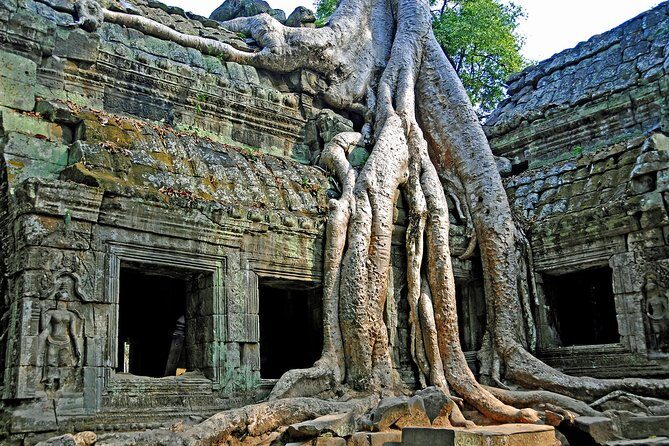
On this tour style, the difference shows up in the way you experience each site. You get a guide’s narrative while you’re there, not after you already walked away. And you can spend real moments on temples like Ta Prohm, where giant tree roots and stonework create that cinematic, tangled look people come for. The timing also helps you catch some areas before the crowds thicken.
It also helps that your transport is set up for you, not the other way around. You’re picked up from your hotel or guest house, driven between sites in an air-conditioned vehicle, and then dropped back at the end of each day. That means your day isn’t eaten by logistics.
A few more Siem Reap tours and experiences worth a look

Day 1: Small Circuit to Angkor Thom Core (Where the Jungle and the Stone Both Shine)
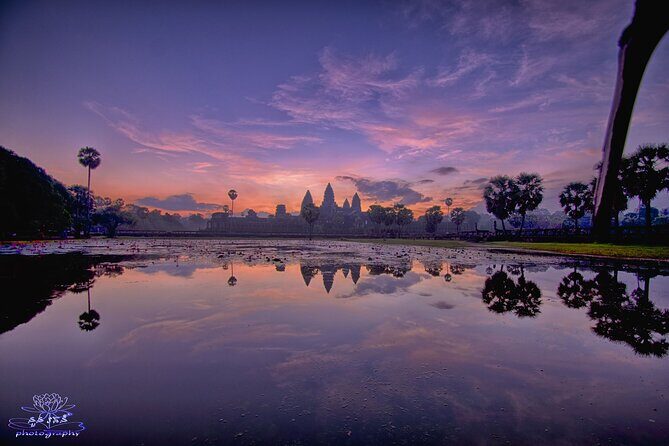
Day one starts with Angkor Wat at 8:00am. The timing is solid: early enough to enjoy the main complex with fewer lines, but not so early that you feel wrecked before you’ve had breakfast properly. You’re also going to get the practical part handled for you—your guide arranges the temples pass purchase along the way.
Angkor Wat is the headline, but the best part of starting here is context. Once you understand how the complex works—temple layout, symbolism, and the kinds of stories carved into stone—everything you see later becomes easier to read.
Ta Prohm: The Temple-Look That Never Gets Old
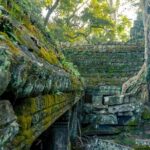
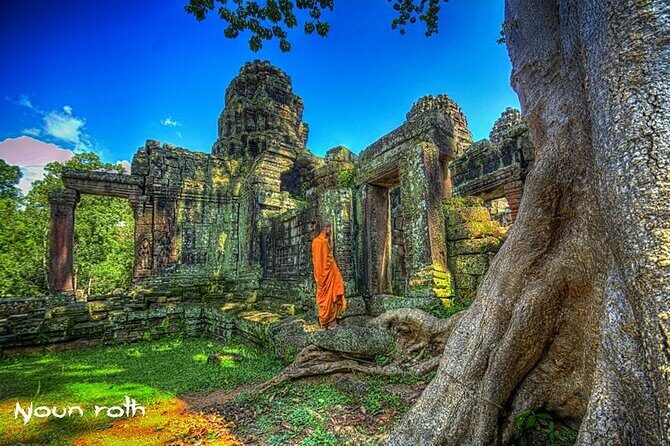
Next comes Ta Prohm, on the Small Circuit road. This is the stop that turns Angkor from sightseeing into storybook atmosphere. You’ll spend about 2 hours here, which is key. With roots gripping the temple structures, it’s the kind of place where your brain keeps finding new details: stone faces, broken corners, tangled roots, and the way the ruins frame the sky.
A frequent comfort on this tour format: you’re not wandering alone. Your guide keeps your attention on what matters so you don’t just walk the paths and hope it all makes sense.
Ta Nei: A Quieter Temple for People Who Want Less Noise
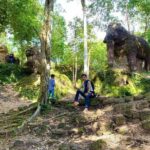
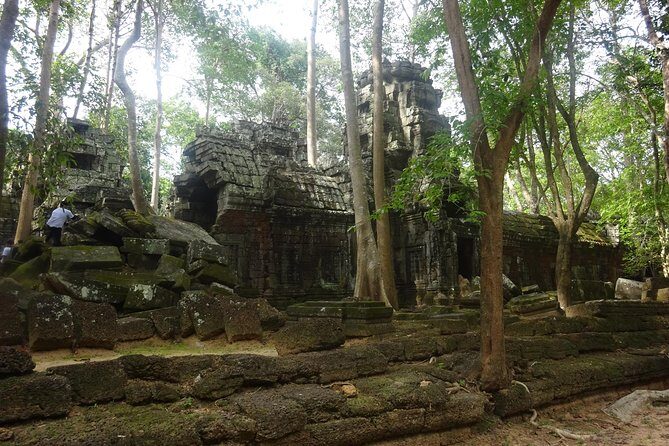
Then you move to Ta Nei for about 45 minutes. This is a smaller, quieter stop with less restoration, and the payoff is simple: you can slow down. The ruins sit among large trees, so the feel is more intimate than the bigger, more frequently photographed locations.
If you like stepping away from the busiest viewpoints and getting a more natural, less staged feel, Ta Nei is the kind of temple that helps balance out the day.
Angkor Thom Highlights: Victory Gate to Bayon
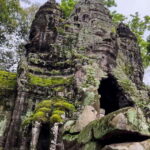
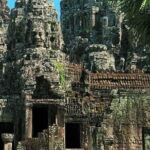
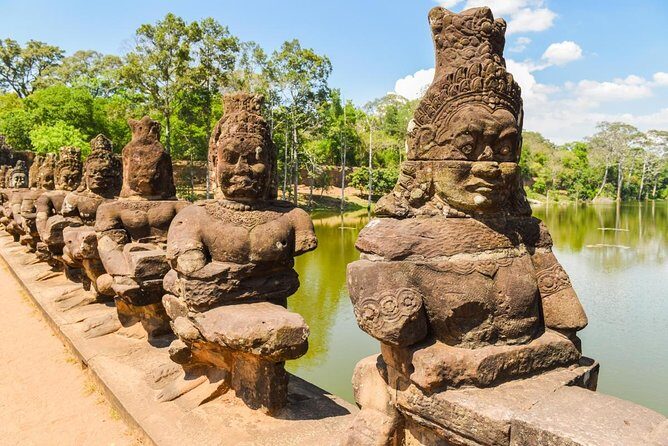
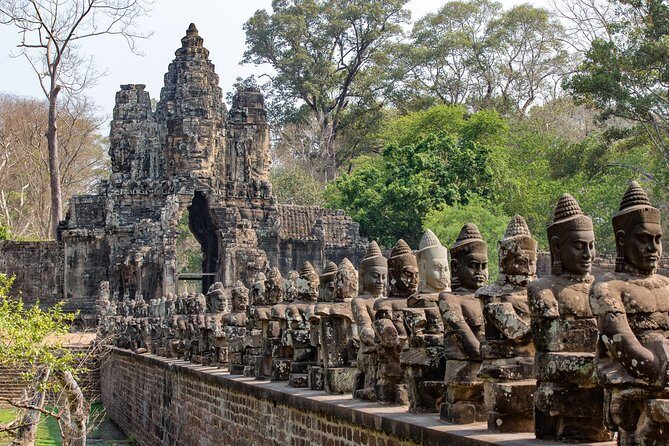
After Ta Nei, you’ll shift into Angkor Thom’s main zone with a quick photo stop at Victory Gate (about 10 minutes) on the east side. Then it’s into Bayon (about 30 minutes). Bayon is famous for its many faces—four faces per tower, viewed from different angles—so it’s one of those temples where timing matters. Your guide helps you understand the symbolism behind the imagery so you don’t just count faces and move on.

Baphuon, Phimeanakas, and the Royal Enclosure Pieces
You’ll continue with Baphuon (about 30 minutes). This is described as a Hindu temple built earlier than Angkor Wat, with a reclining Buddha added later. That layering—different eras leaving their marks—is one reason Angkor feels alive rather than frozen in time.
Then you’ll see Phimeanakas (about 15 minutes) inside the center of the old royal palace area, plus the surrounding Royal Enclosure Wall. Even if your time here feels short, it’s a useful stop because it connects Bayon and the larger Angkor Thom storyline to the royal spaces.
Terrace of the Elephants and Terrace of the Leper King
Two quick but memorable stops follow:
- Terrace of the Elephants (about 10 minutes): a platform tied to kings watching victorious return armies, with elephant carvings
- Terrace of the Leper King (about 10 minutes): another nearby terrace platform
These are the kinds of spots where your guide’s explanation really pays off. The stone carvings don’t land with full meaning if you don’t know what they refer to.
Phnom Bakheng: Sunset Option and the Reality Check
Day one ends at Phnom Bakheng (about 2 hours). This is your sunset payoff option, but it comes with a reality check: there are limited numbers of tourists allowed, and timing matters. If you’re the type who wants the view without the stress, ask your guide how they manage the timing and whether they can help you position for photos.
If you don’t want to wait for sunset, you can skip that part. The temple area itself is still worth seeing, and your legs will thank you the next morning.
Day 2: Sunrise at Angkor Wat, Then the Big Circuit’s Key Ruins
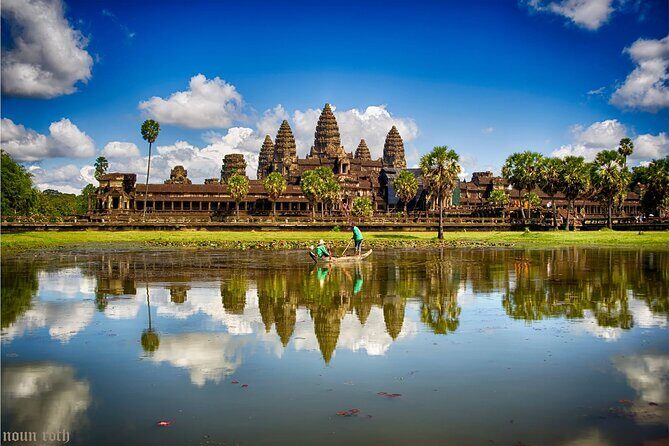
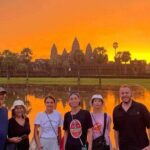
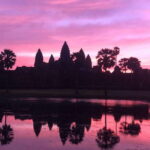
Day two begins at 5:00am with pickup and sunrise at Angkor Wat. This is the kind of early start you either love or you tolerate. If you like light, quiet, and photo opportunities before the day heats up, you’ll appreciate why sunrise gets people hooked.
You’ll have about 1 hour 45 minutes at this morning session. After sunrise, you return for breakfast and then continue to the Big Circuit temples.
Preah Khan: A Huge Monastic Feel
After breakfast, you visit Preah Khan (about 1 hour). This temple was built by King Jayavarman VII, dedicated to his father. The value here is scale and setting. Preah Khan often feels like it has a pulse compared to the more polished landmark buildings, and your guide helps you understand the religious purpose behind the design.
Neak Pean and Ta Som: Small Stops With Personality
Next is Neak Pean (about 30 minutes), a temple on a small island in the middle of the last Barray. Even if it looks simple at first glance, it’s the kind of stop where explanation helps you notice details.
Then Ta Som (about 15 minutes), described as a small but classic temple. This kind of brief stop is useful because it keeps you energized. You get variety without the day turning into one long march.
Eastern Mebon and Pre Rup: Temple-Mountains and Funerary Meaning
Eastern Mebon (about 15 minutes) is described as a large temple-mountain ruin rising in three levels, crowned by towers. Then comes Pre Rup (about 1 hour), built in the late 10th century and tied to Hindu gods and funeral symbolism.
This is a good segment if you like religious ideas that show up in stone. Your guide’s job here is to connect what you’re seeing—terraces, levels, and layout—to what those features meant to people at the time.
Banteay Srei: The Pink Sand Stop That Changes the Color Palette
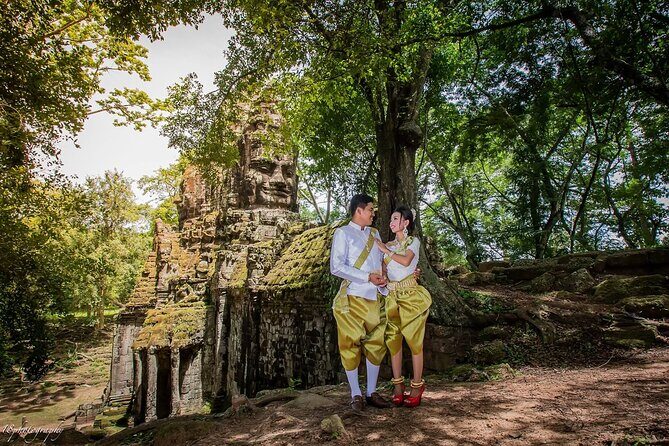
After lunch, you head to Banteay Srei (about 1 hour). It’s often called the Ladies temple, built from pink sandstone in the half of the 10th century. The tour description frames it as dedicated to the trinity gods by King Rajendravarman II.
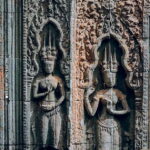
This stop is a big deal because it’s a tonal shift. After large complexes and wide ruins, Banteay Srei tends to feel more intricate and refined. You can slow down and really look at stone surfaces rather than just taking in the grand outlines.
Banteay Samre and Banteay Kdei: A Final Two-Stop Finish
After Banteay Srei, you’ll visit:
- Banteay Samre (about 45 minutes), a 12th-century Hindu temple with architecture thought to relate to Angkor Wat
- Banteay Kdei (about 45 minutes), a 12th-century Buddhist temple with a style similar to Ta Prohm and Bayon
This pairing is a smart wrap-up. You end day two seeing religious changes reflected in temple use and design choices, not just more “more famous ruins.”
Guides, Drivers, and the Little Things That Make Angkor Work
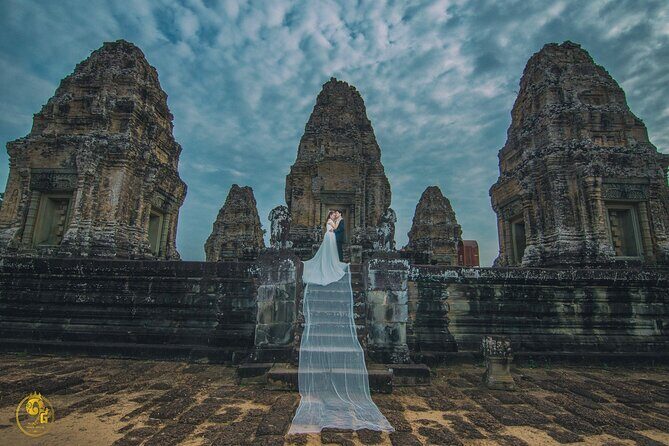
This type of private tour is often best judged by how you feel mid-day. The big winners here are simple:
- Your guide is an English-speaking licensed guide
- You get cool water and cool wet towels
- You’re in a private, air-conditioned vehicle with hotel transfers included
In real-world terms, those details matter because Angkor is hot, and stone steps are unforgiving. Several guides named in similar bookings include people like Jimmy, Chay, Chandra, Vanna, Thean, Choub, and Mao. Expect different personalities, but the common thread is that they’re there to explain what you’re seeing and keep your timing smooth.
A few practical extras also show up in guide styles. Some guides handle walking transitions well—waiting for you with a cold towel after you return from temple areas—and may help with photo positioning. If it rains, you might find umbrellas provided, depending on your guide.
Price and Logistics: What You Pay, What You Don’t, and How to Budget Sanely
The tour price is $158.50 per person for the 2-day experience. What’s included is the big infrastructure: hotel pickup and drop-off, a private air-conditioned vehicle, your English-speaking licensed guide, plus cool water and cool wet towels during the day.
Admissions are the separate line item. The Angkor + All Temples pass is listed at $62.00 per person. Meals are also not included, and lunch is typically around $5.00 per person depending on what’s on the menu.
So your baseline total for the must-haves looks roughly like:
- Tour: $158.50
- Pass: $62.00
- Lunch: about $5.00
That’s around $225.50 per person, before any extra drinks or optional souvenirs.
Is it good value? For Angkor, yes—because you’re paying for time, private transport, and interpretation. If you’ve ever tried to do circuits yourself, the cost in effort and confusion can sneak up fast. Here, the plan is structured so you’re not figuring out timing on your own.
One more logistics note: you also get a mobile ticket option, which can make things smoother at the entrances.
Who Should Book This Tour (and Who Might Want Another Option)
This is a strong fit if you:
- care about temple meaning, not just photos
- want both circuits without compressing everything into one exhausting day
- like the idea of sunrise plus a structured day after breakfast
- prefer a private setup where your guide can answer questions and adjust pacing
This may be less ideal if:
- you have mobility limitations, since there’s a lot of walking and sometimes climbing stairs
- you hate early mornings (day two pickup is around 5:00am)
- you want lots of free, unguided wandering time without structured stops
Should You Book This 2-Day Angkor Wat + Banteay Srei Tour?
If you’re deciding between doing Angkor fast or doing it well, this booking style is the one that leans toward doing it well. The two-day format is the heart of the value: Small Circuit today, sunrise Big Circuit tomorrow, then Banteay Srei to finish with something visually and emotionally different.
If you book, I’d do two things before you go:
- Pack good walking shoes and plan your energy for stairs
- Bring water discipline in your own routine, even though you’ll receive cool water and wet towels during stops
And if plans change, this experience offers free cancellation up to 24 hours in advance for a full refund, so you don’t feel trapped.
If you want Angkor to feel like a story you understand—not a checklist—you’ll probably be very happy with this one.
FAQ
What time does pickup happen on day one?
Pickup starts at 8:00am from your hotel or guest house, and you’ll travel to Angkor Wat.
What time does pickup happen on day two for sunrise?
Pickup starts at 5:00am from your hotel or guest house for the sunrise at Angkor Wat.
Does the tour include sunrise at Angkor Wat?
Yes. The second day begins with an early morning sunrise visit at Angkor Wat.
Is the Angkor + All Temples pass included in the price?
No. Admission is not included. The pass is listed as $62.00 per person.
Are meals included?
No. Meals (lunch) are not included and depend on the menu, listed at about $5.00 per person.
What’s included besides the guide and transport?
Included items are an English-speaking licensed guide, hotel pickup and drop-off, an air-conditioned vehicle, and cool water and cool wet towels.
Is this tour private?
Yes. It’s a private tour/activity, with only your group participating.
Is the tour good for people who want to avoid crowds?
It can be. The itinerary includes some smaller, less restored temples like Ta Nei, which is described as a good option to avoid crowds, but Angkor overall can still be busy.
(No extra H2) Cancellation timing note
You can cancel up to 24 hours in advance for a full refund.